

A term that reflects how online life has shaped conversations, reactions, and public mood over the past twelve months.
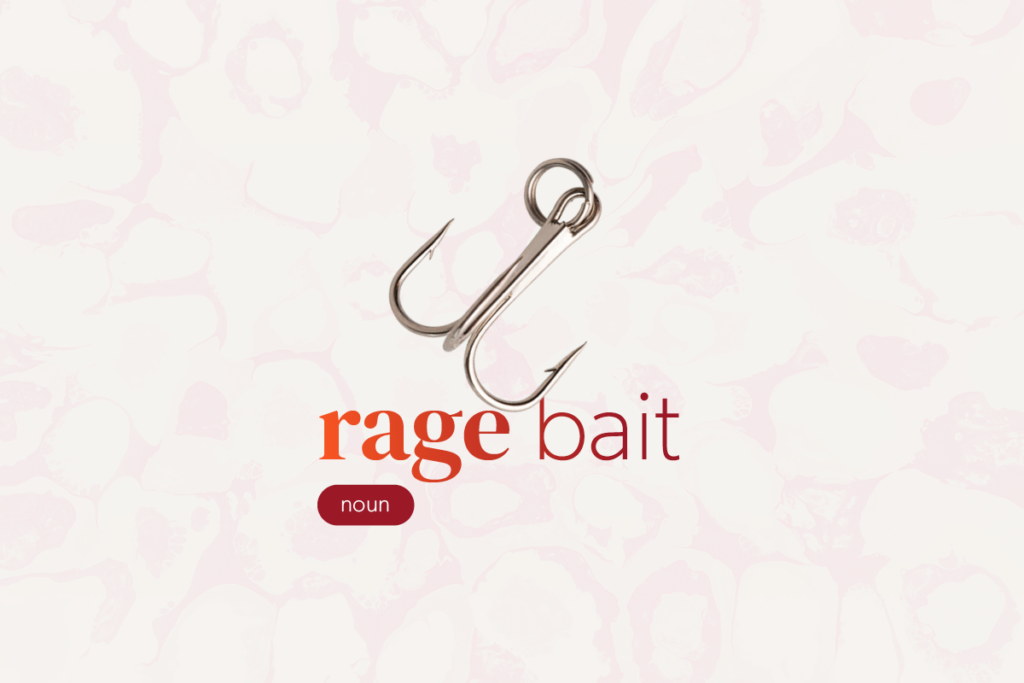
Rage bait refers to content created to spark anger on purpose. It can be a tweet designed to annoy people, a viral take meant to push viewers into the comments, or a post crafted to stir outrage and drive engagement. It has been around for years, but 2025 pushed it into everyday language, especially as more people questioned how algorithms influence what we see and how we respond.
Related story: ‘Parasocial’ is Cambridge Dictionary’s Word of the Year 2025
Related story: Gigil, videoke, lumpia: 11 Filipino words make it to Oxford Dictionary’s latest update
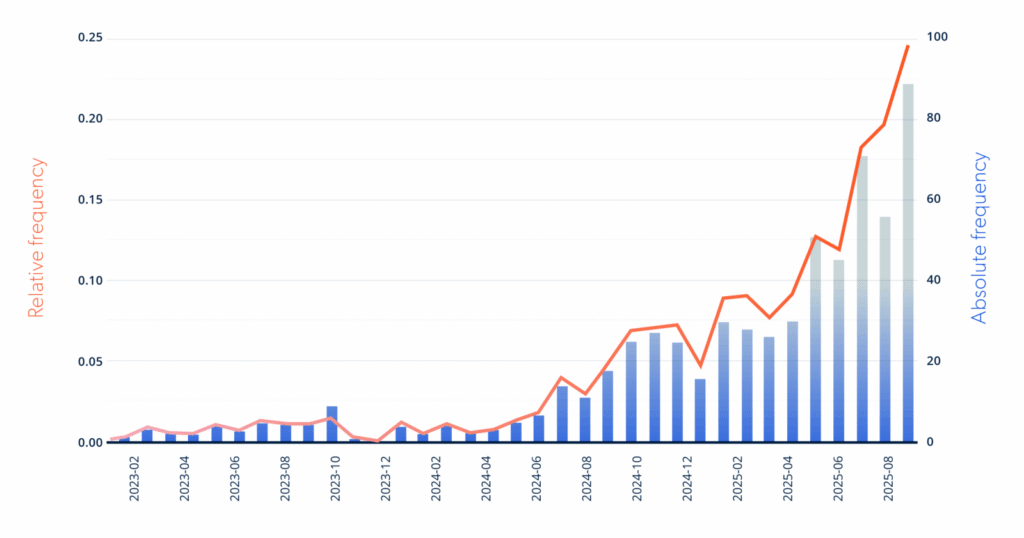
Oxford’s data shows usage of the term tripled this year, a sign that more users are aware of how online platforms reward emotional reactions. What started as a niche internet phrase now shows up in public discussion.
It didn’t begin with social media
The earliest known use of rage bait dates back to a 2002 Usenet post describing a driver who provoked another on the road. Over time, the meaning shifted online, eventually becoming a term for posts designed to trigger anger. As platforms began prioritizing high-engagement content, the term expanded into ideas like rage farming, where creators repeatedly post inflammatory material to grow views and influence.
Why Oxford chose it
According to Oxford Languages president Casper Grathwohl, this year’s conversations were shaped by digital fatigue, debates about online safety, and the emotional toll of constant scrolling. He notes that earlier years focused on curiosity and clicks, while today’s culture often centers on anger and reaction. Rage bait captures that shift clearly.
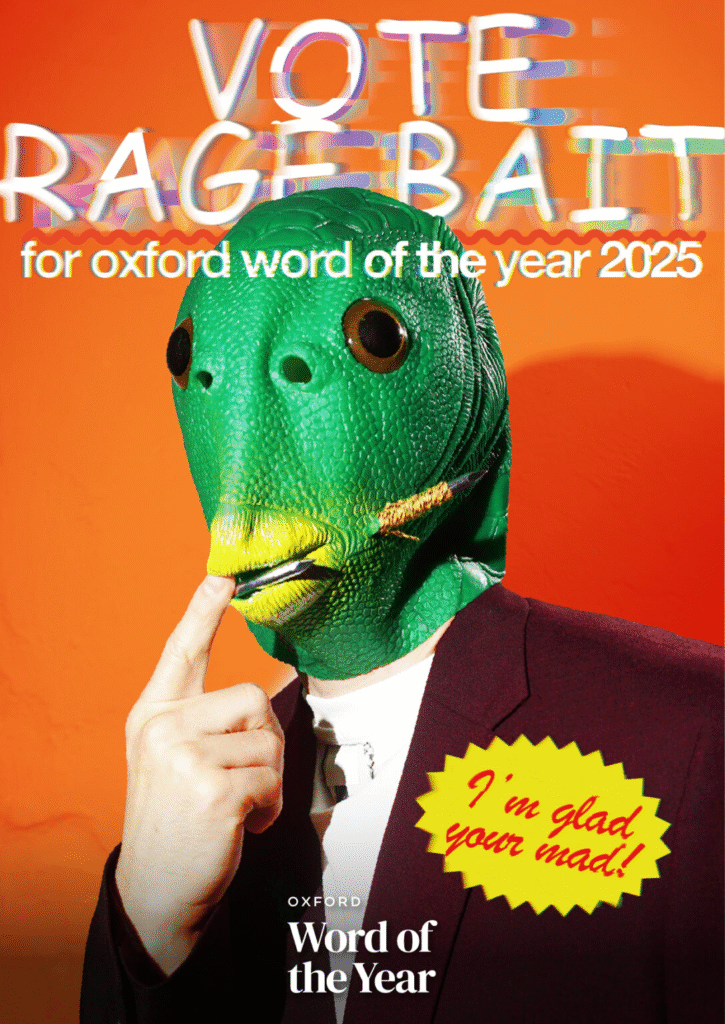
“Before, the internet was focused on grabbing our attention by sparking curiosity in exchange for clicks, but now we’ve seen a dramatic shift to it hijacking and influencing our emotions, and how we respond. It feels like the natural progression in an ongoing conversation about what it means to be human in a tech-driven world—and the extremes of online culture.” says Grathwohl.
Last year’s pick, ‘brain rot’, pointed to the mental drain of nonstop content. Rage bait builds on that thought, highlighting how outrage can quickly spread and shape public dialogue.
Related story: What is ‘brain rot,’ Oxford Dictionary’s Word of the Year 2024?

Rage bait competed with two other terms
Aura farming. A phrase that grew rapidly this year after a viral video of an Indonesian boy whose dance during a boat race caught global attention. The term describes the intentional shaping of a cool or charismatic image online.
Biohack, which refers to efforts to boost physical or mental performance through routines, supplements, lifestyle changes, or new technology, has been around since about 2011. Its usage doubled this year as conversations about extreme wellness and longevity gained momentum. Grathwohl pointed to a moment in September when Vladimir Putin and Xi Jinping were caught talking about organ transplants and the idea of living to 150.
A word that says a lot about 2025
Oxford’s Word of the Year reflects not just popular slang but the cultural mood. Rage bait stands out because it captures how people talk about online behavior, emotional manipulation, and the ever-rising volume of outrage on social platforms.
Rage bait earned the title because it showed up everywhere this year, and most of us felt its impact each time we opened our feeds. It gave a name to the way stories spread and how quickly posts turned into conversations. Makes you wonder what 2026’s word will be.
Related story: From ‘dalgona’ to ‘hyung’: Seven popular Korean words ease their way into Oxford Dictionary
Related story: The Economist picks ‘kakistocracy’ as its 2024 Word of the Year
Related story: ‘Demure,’ ‘manifest,’ ‘brat’: Internet-famous words make it to Word of the Year lists