
What is “Project Pan” and how does it inspire makeup minimalism?
In this age of aspirational aesthetics, people have become so fixated on beauty products. A palette here, a primer there—purchased with promise, but parked in drawers. With a market so massive and oversaturated, brands offer big price drops and special discounts that even students, daily workers, and minimum-wagers can afford.
Consumers, therefore, become more eager to collect, curate, and continuously consume—triggering them to buy more. Every algorithm alert calls for “add to cart,” “fresh drops,” or “new launch.”
With the nonstop digital frenzy, however, a quieter counterculture was quick to surface.
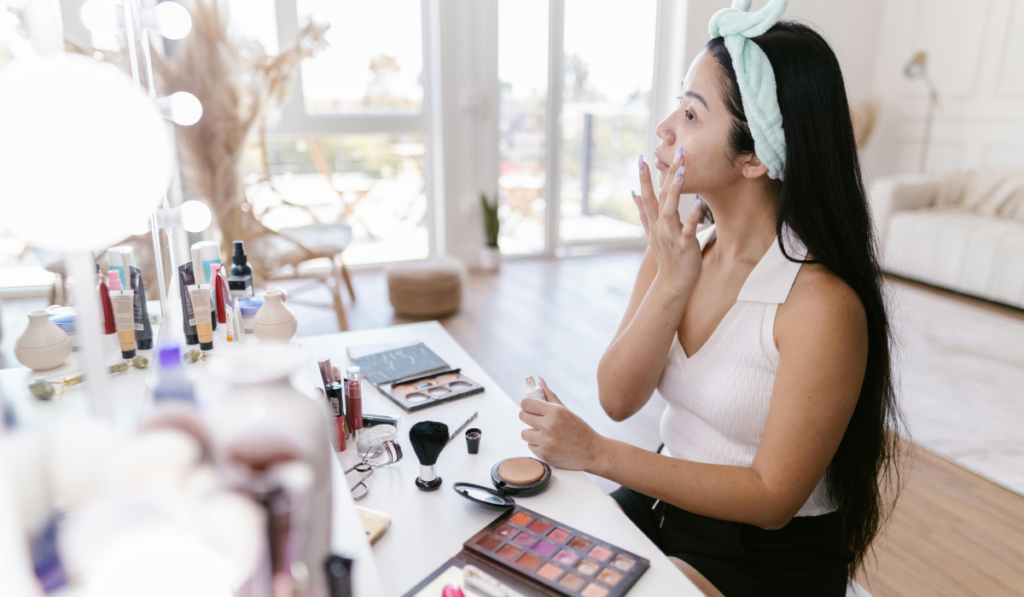
Say hello to Project Pan, a homegrown movement that encourages beauty enthusiasts to try using up their existing buys first before eyeing the next big thing or the newest beauty trend.
This anti-trend avoids the replacement rush, and rejects your need to restock from nowhere. To many, this microtrend supports sustainability and mindful consumerism, making it a slow but invaluable beauty shift. In a world wired for wanting, choosing to finish feels courageous, responsible, and revolutionary.
What earning from the empties is
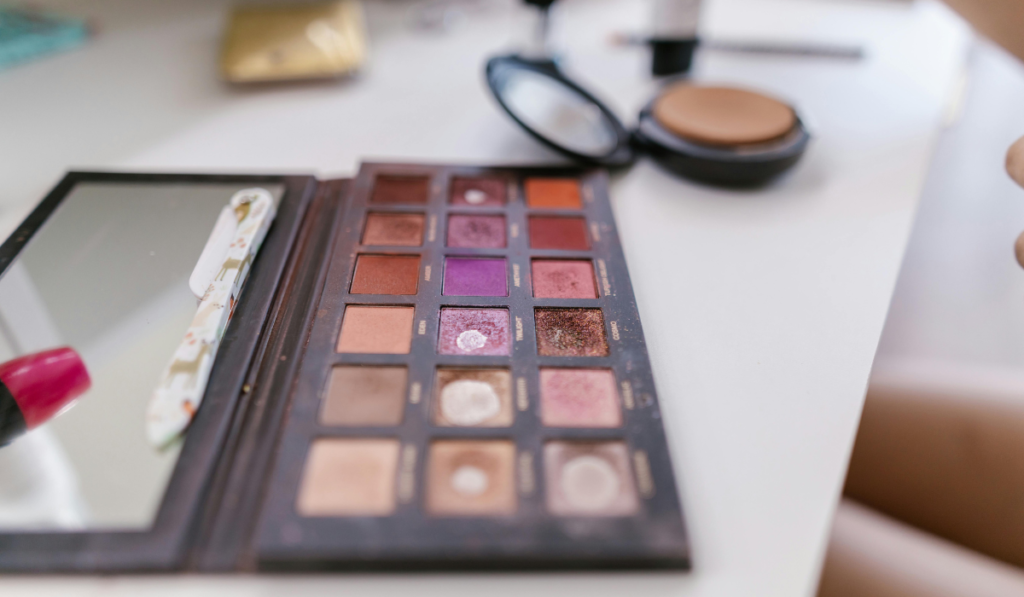
The premise (and promise) is simple—almost stubbornly so: for starters, “hitting pan” highlights the moment when you finally get to feel the metal bottom of your blush or bronzer. It’s a small sight, but a satisfying signal for beauty junkies—a simple joy that makes them flaunt hollows and “finished” products instead of impulsive purchases. Completion—not consumption—is now the ultimate flex. Unironically, restraint is the real status symbol.
Buy it, collect it, box it
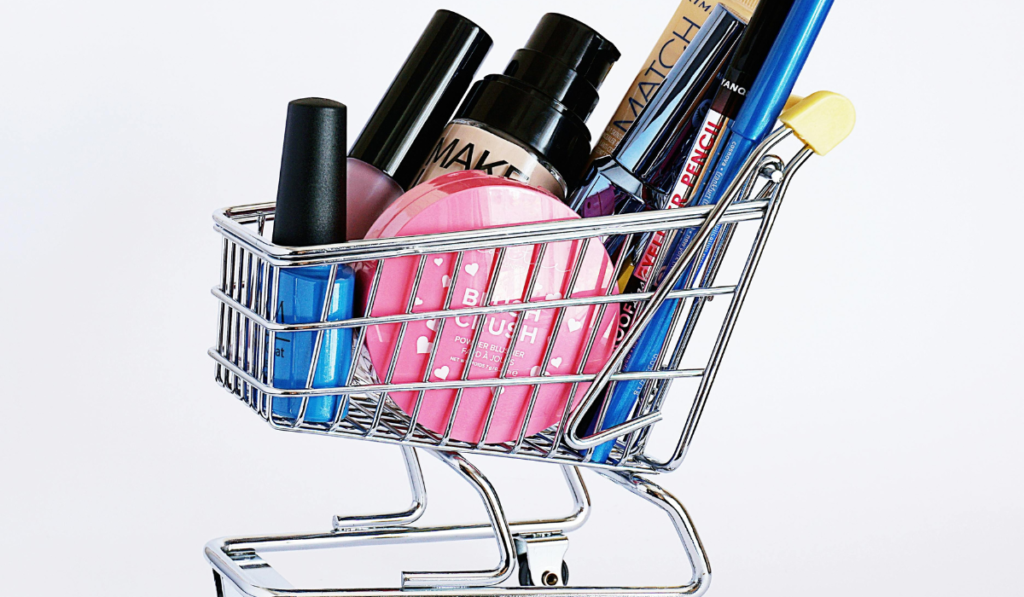
The thrill of the new is truly a powerful pull. Limited editions line shelves the second they hit the “trending” hashtag. Irrevocably, influencer reviews radiate relatability, too, so we tell ourselves over and over: “Deserve mo ‘to!” The deal is all about tapping through checkout counters with a justified sense of joy. Hauls and hoarding, after all, isn’t about plain greed; it’s about the possibility of greatness. A backup lipstick feels like a buffer of security. A sealed serum suggests preparedness in the midst of panic. In stressful and uncertain seasons, stocked shelves simulate stability. Drawers stuffed with duplicates often deliver the opposite, though: they give clutter, confusion, and guilt.
Related story: Pinterest’s data points to a maximalist shift in fashion and beauty for 2026
When restraint becomes ritual
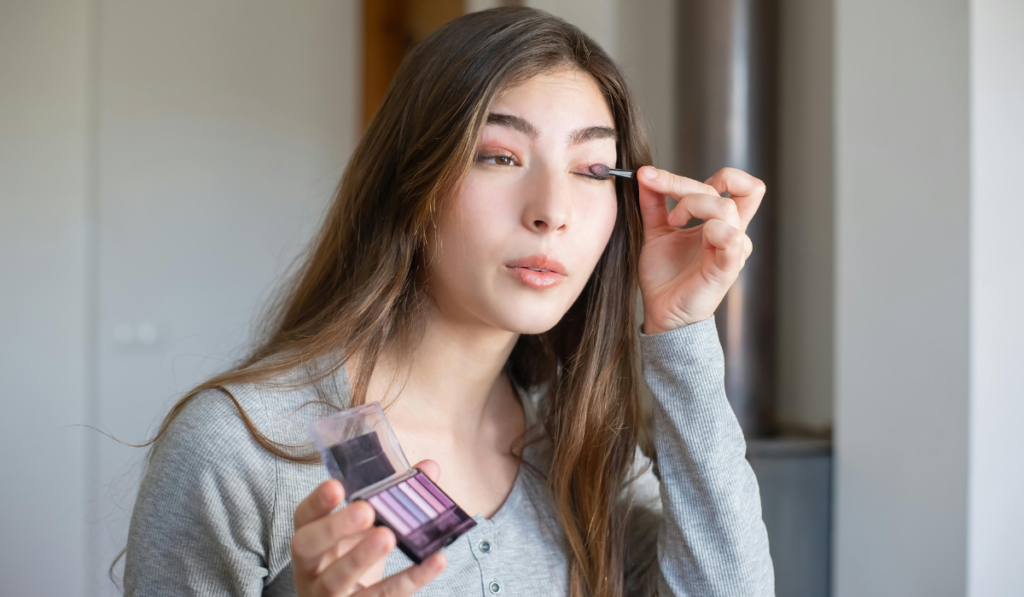

Project Pan shifts the script from scarcity to sufficiency. Instead of stockpiling, you start savoring; instead of replacing, you re-evaluate. Essentially, it’s O-T-S-O in action: own, test, savor, and own. For moms who manage budgets and beauty bags alike, this anti-trend whispers practicality and wisdom. Some think that it’s superficial and deprives one of delight, but many believe that it’s a mindful move that deepens self-discipline.
From hoarding to honoring
Beauty brands thrive on launches, and there’s nothing wrong about wanting a new shade. Truthfully speaking, though, mindful consumerism massages our cravings: Are you getting what you need, or is it just the novelty rush? Was it worth the result? Did it actually work? After draining a perfume or dusting a powder, you form a fuller opinion—and oftentimes, it creates a renewed clarity and sense of purpose within the self. Ironically, Project Pan has increasingly become popular precisely because it resists popularity. With a regard for longevity over launch, it also aligns with active conversations around sustainability and spending—while fewer impulse finds welcome global waste.
Related story: Beauty Bar introduces a skincare brand with a purpose