
From increased visa fees to a new tax-free shopping system, these new rules should be on your radar for a memorable, hassle-free Nippon experience this year.
Scenic attractions? Check. Efficient transportation? Check. Safe and clean? Double check. Japan has all these and more to make it the favorite destination of many travelers around the world. And while staying there gives a sense of pure bliss, entering the country can, well, be a bit of a challenge if you haven’t familiarized yourself with the do’s and don’ts.
This year, Japan is implementing a couple of rules that you need to know if you want a fun-filled, hassle-free getaway to the beloved nation. These measures aim to improve every tourist’s experience and, at the same time, curb overtourism which has caused significant strain on infrastructure, local communities, and the environment, particularly in hotspots like Tokyo and Kyoto.
Related story: EXPLAINER: What to know about Japan’s revised visa application process for Filipinos
Related story: Visiting Japan? Dinner in the Sky will take your dining experience to greater heights
Consequently, the preservation of its cultural and natural assets will help the country achieve its goal to attract 60 million international tourists by 2030, or double the number of its foreign visitors (36.87 million) in 2024.
So if you’re planning to visit Japan in 2026, make sure to take note of these changes to make everything—from traveling via Shinkansen to shopping in Don Quixote and lodging in Park Hyatt or Ritz-Carlton Kyoto—a lot easier during your stay.
Quintuple visa fee hike
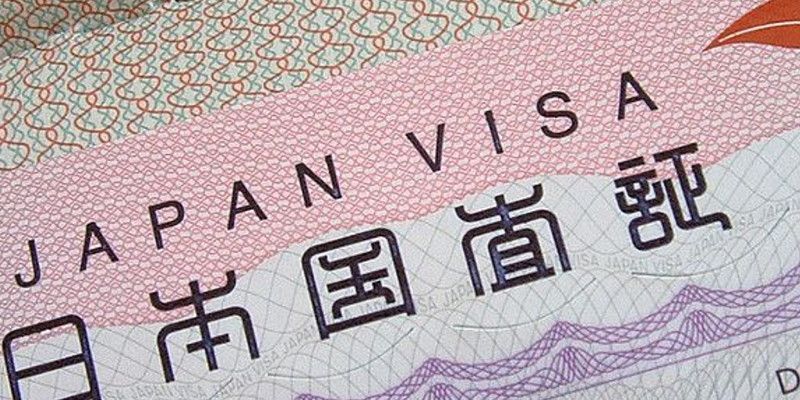
Planning to apply for visa around April? Make sure that you have extra money to burn, as the fees are expected to quintuple as early as that month or not later than March 2027.
The Japanese government drafted a proposal in October 2025 that indicates a sharp increase on application fees both for single- and multiple-entry visas. Based on this draft published on the Liberal Democratic Party’s official website, the processing fee for a single-entry visa could be set at ¥15,000 (around P5,640). This is a fivefold increase over the current fee of ¥3,000 (P1,130). Meanwhile, the cost for a multiple-entry visa is pegged at ¥30,000 (P11,300).
If you’ve been traveling to and from Japan in the past decades, the move might come as a surprise, as this is the first time the country is increasing its visa fees since 1978. The proposal aims to bring the fees closer to those required by other developed nations, such as the United States, which charges $185 (about J¥28,000), and European Union countries that have a 90-euro (about ¥16,000) fee.
Refund-based tax-free shopping
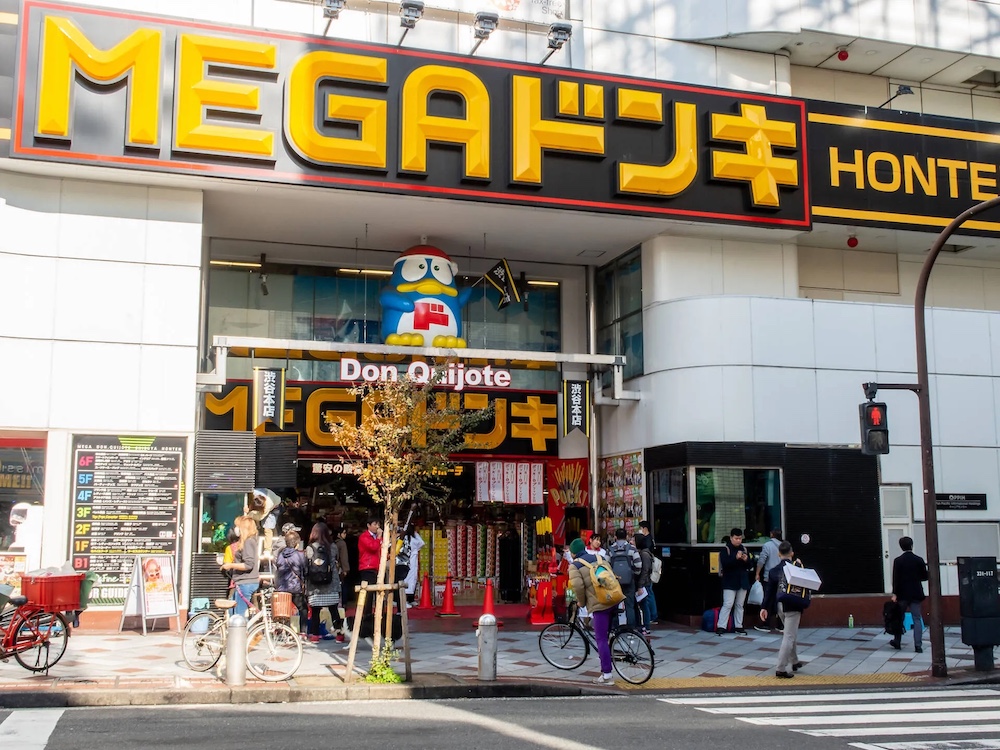
Any Japanophile would agree—it’s either you bring home big bags of goodies from Don Quixote, Gotemba, or Rinku premium outlets, or the trip didn’t happen. You just can’t help but to shop, shop, and shop across Japan, especially with the country’s tax-free shopping system, which allows foreign tourists to purchase goods without the 10% consumption tax (or 8% for food/consumables) with a minimum purchase of ¥5,000. All you have to do is just present your passport at the time of purchase.
Starting November 1, 2026, expect changes in the way you shop as the system will shift to a refund-based system. With that, you would have to pay for your purchase in full at the store and then claim tax refunds from self-kioks at the airport before departure. Same as before, you must spend at least ¥5,000 on goods and leave Japan within 90 days to qualify.
The reform is part of the Ministry of Land, Infrastructure, Transport and Tourism’s FY2025 Tax Reform Proposals enacted on March 31, 2025. It aims to align Japan’s system with global standards for a more secure, seamless shopping experience.
Related story: Tax refund guide: How much can you really save shopping abroad?
Related story: Attention, travelers: Pay travel tax first to generate eTravel QR code
Departure tax is going up

For those flying out of Japan on July 1 and beyond, expect to dig a bit deeper into your pockets for your departure tax. First introduced in 2019, Japan’s departure tax is collected on top of the price of airline and ferry tickets and costs ¥1,000 (around P375) per person. Come July, Japan will raise the amount to ¥3,000 (P1,125) for each traveler, aged two and above regardless of nationality, and leaving the country by land or sea.

The government collected a record ¥52.48 billion in departure tax revenue in the year ended March 2025. It aims to use its expected revenue (¥130–150 billion) in the 2026 fiscal year to address issues related to overtourism, including congestion and infrastructure strain in popular destinations.
Kyoto’s tiered accommodation taxes
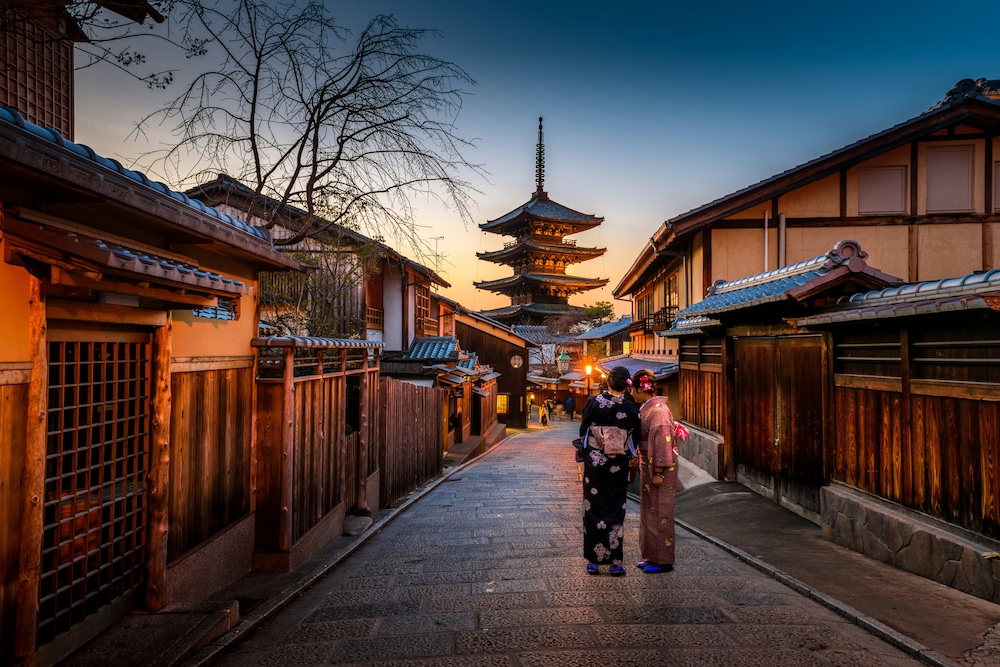
Visiting Kyoto during cherry blossom season? Better save up because starting March 1, 2026, the Kyoto Prefectural Government is implementing a new tiered system for its accommodation taxes. The new system, which previously covered high-end accommodations, now includes hotels offering lodging below ¥6,000 per night.
As reported by Japan Forward, the current tax system entails a fee of ¥200 for stays under ¥20,000 per night, ¥500 for stays between ¥20,000 and ¥50,000, as well as ¥1,000 for stays above ¥50,000.
With the new five-level tiered system, every tourist in Kyoto should pay the following additional costs per night:
- ¥200 (around P75) for lodging under ¥6,000 (P2,250)
- ¥400 (P150) for lodging between ¥6,000 and ¥20,000 (P2,250 and P7,000))
- ¥1,000 (P375) for lodging between ¥20,000 and ¥50,000 (P7,000 and P18,760)
- ¥4,000 (P1,500) for lodging between ¥50,000 and ¥100,000 (P18,760 and P37,500)
- ¥10,000 (P3,750) for lodging exceeding ¥100,000 (P37,500)
Like everything else in Japan’s new travel rules, the goal of this new tiered system is to fund preservation and crowd-management efforts in the historic prefecture. It is important to know all these before you go to ensure smooth entry and avoid fines while making the most of your Nippon experience this year and beyond.
Related story: Japan’s cherry blossoms may bloom early in 2026. Here’s when and where to go
Related story: 7 activities to make the most of Japan’s winter season