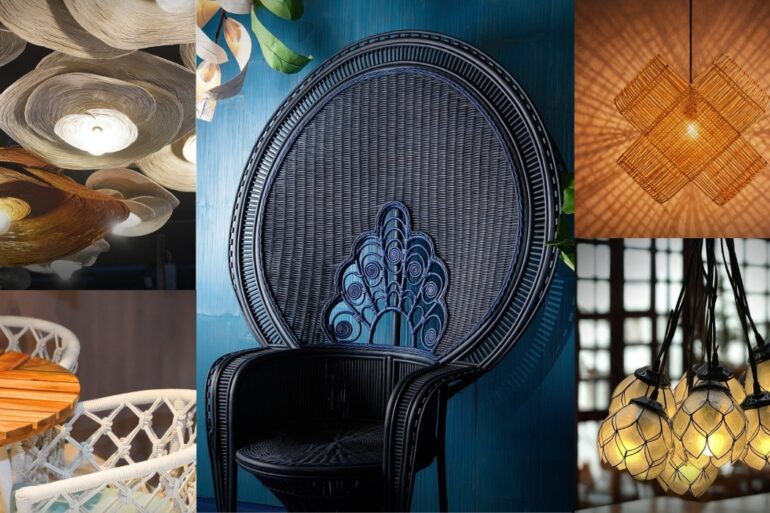

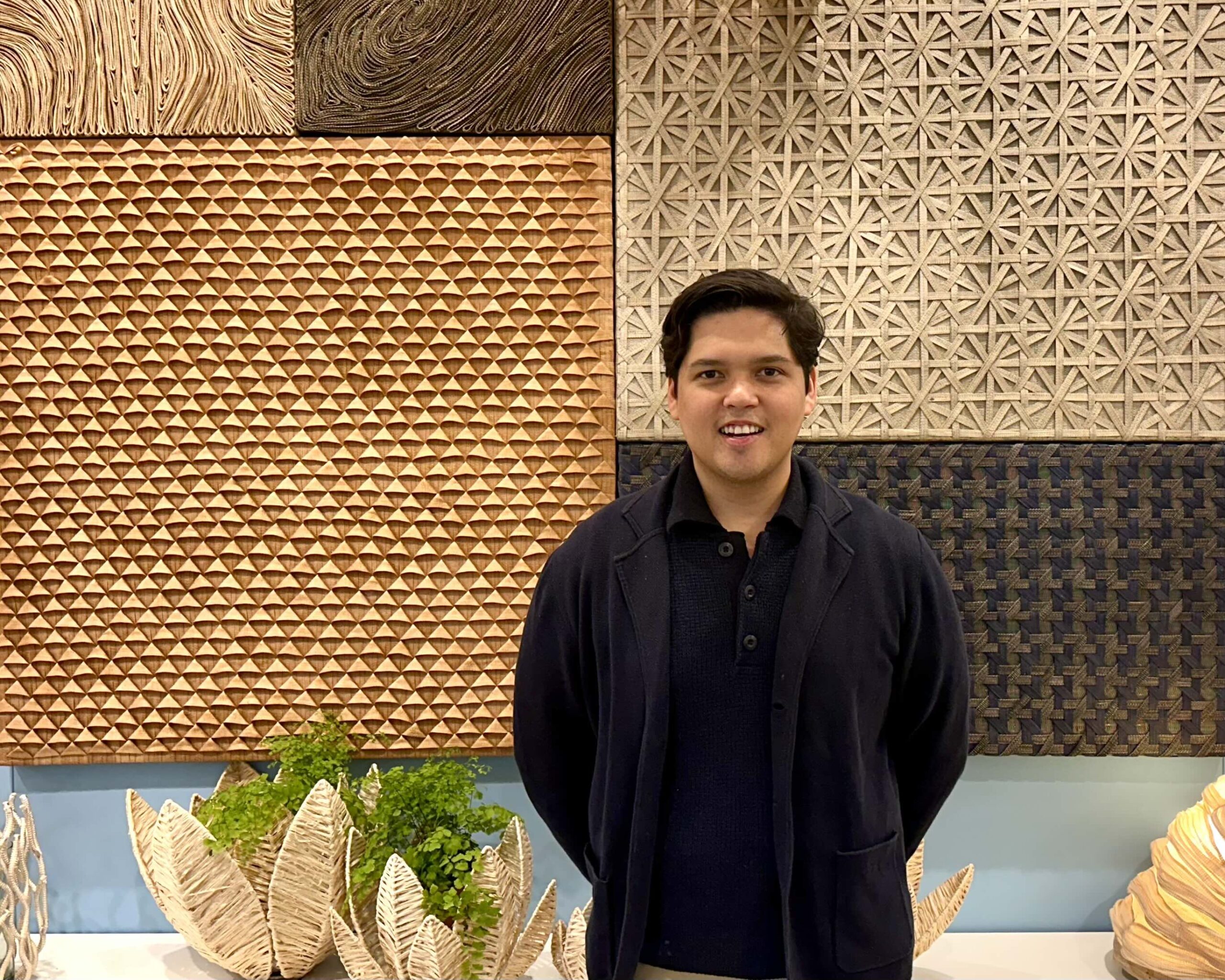
While material behavior guides his process, nature is often where his ideas begin.
Spend a few minutes looking at the designer’s work—lamps that coil like slinkies, textures drawn from moss in Lake Sebu, sculptural forms made from banana fiber—and the distinction between art and manufacturing begins to blur.
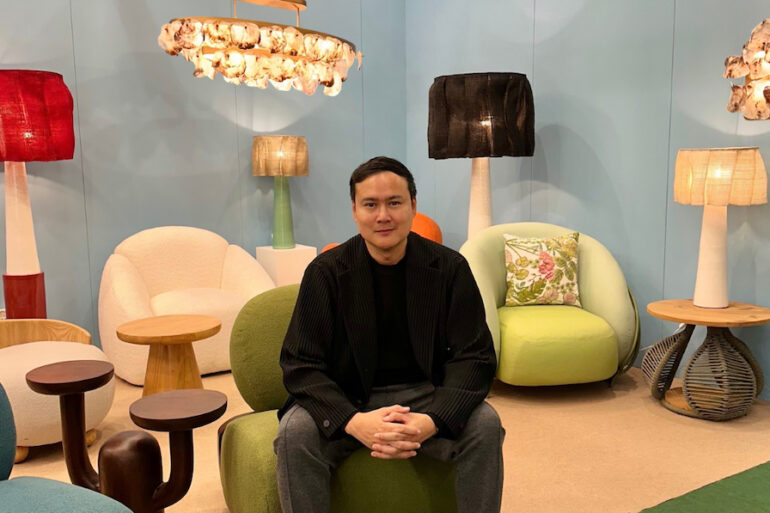
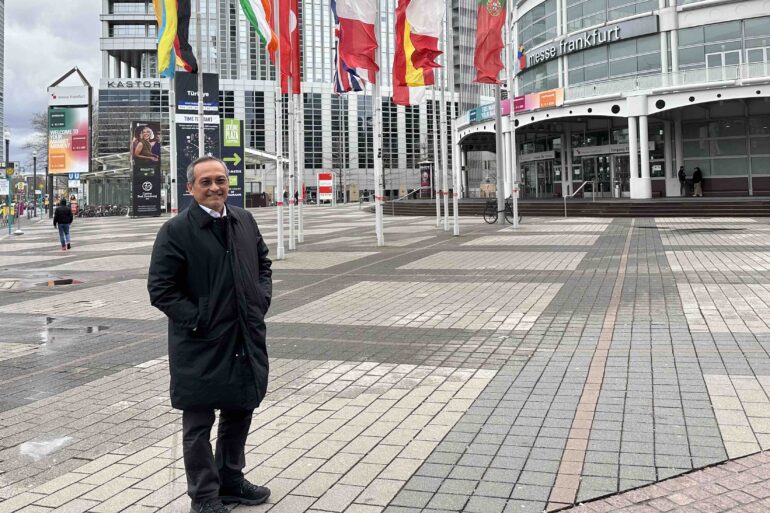
At 32, the London-based designer moves with ease between Davao’s manufacturing communities, London’s art galleries, and trade fairs like Ambiente in Messe Frankfurt.
Raised around his family’s export company, designer Jaime Brias is the third of three siblings who grew up not just observing design, but playing in it. His mother, Maricris Floirendo-Brias, designer and co-owner of the Davao-based export company Tadeco, would take him to livelihood centers where women made papier-mâché jars and vases, among other things.
It wasn’t long before play turned into production. “The first thing I did with Tadeco was a paper box with a pattern weave when I was in high school,” he recalls.
It would take a rather winding road for Jaime to enter manufacturing. After high school, he attended the Rhode Island School of Design (RISD), studying industrial and product design—a discipline built around systems, scalability, and production.
“The course was designed for mass production,” he explains. “You could go into tech and work on user interface and experience—or the path I took, which was manufacturing. I had courses in woodworking and metalworking, which led to designing for Tadeco.”
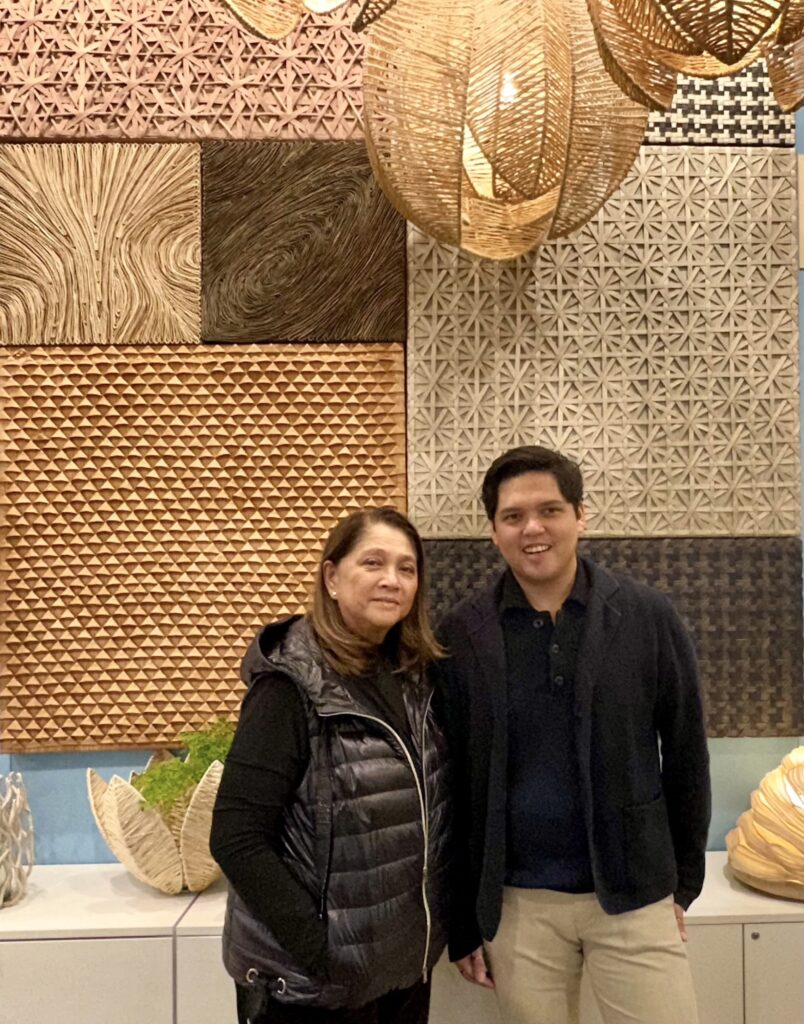
RISD, he remembers, was a world unto itself. “It was one of those places where everyone really cared about what they were doing. On Friday nights, instead of going to bars, we went to design studios. In school, we had to physically make things, so it was stressful, but it was also fun. Being around people working until two in the morning felt good.”
He graduated in 2016, worked briefly in New York with Various Projects, assisting in pop-ups and festival builds, then returned to the Philippines. By 2018, he had formally entered the local design-manufacturing industry.
Designing with the material, not over it
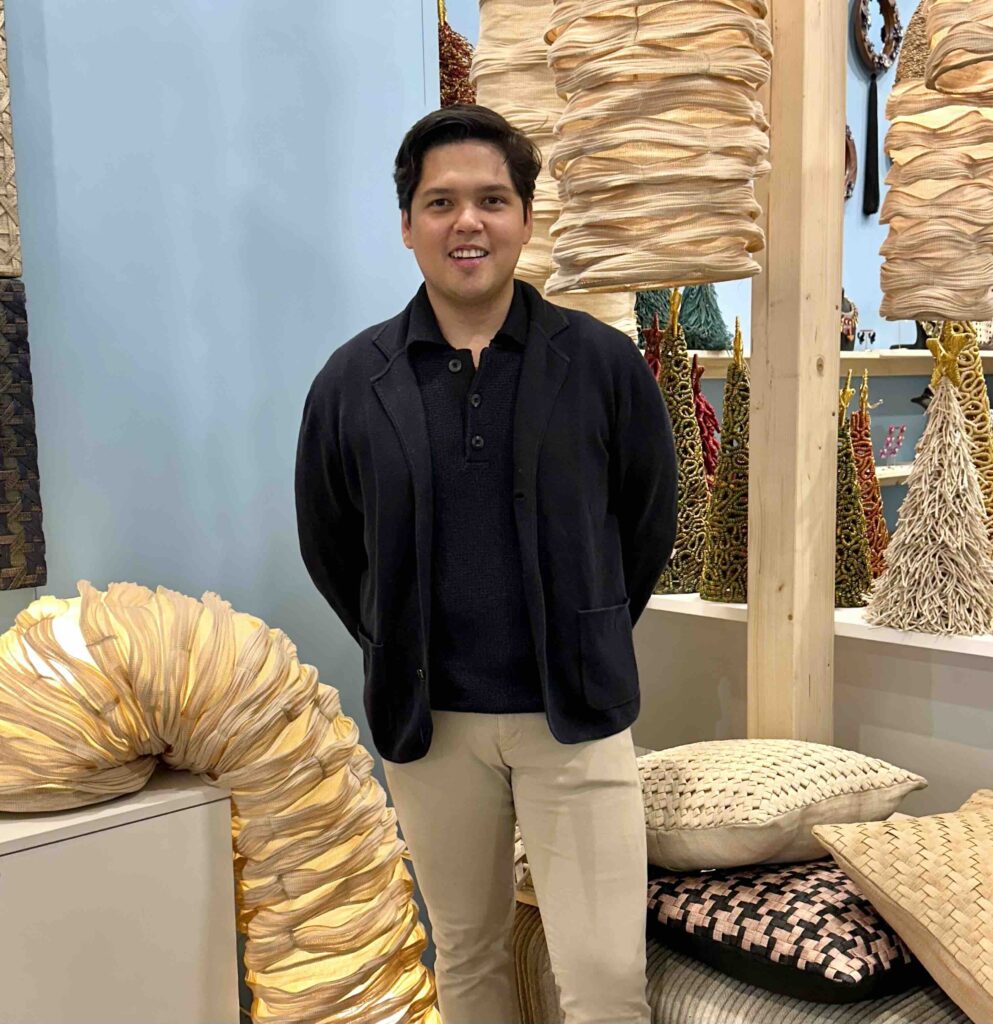
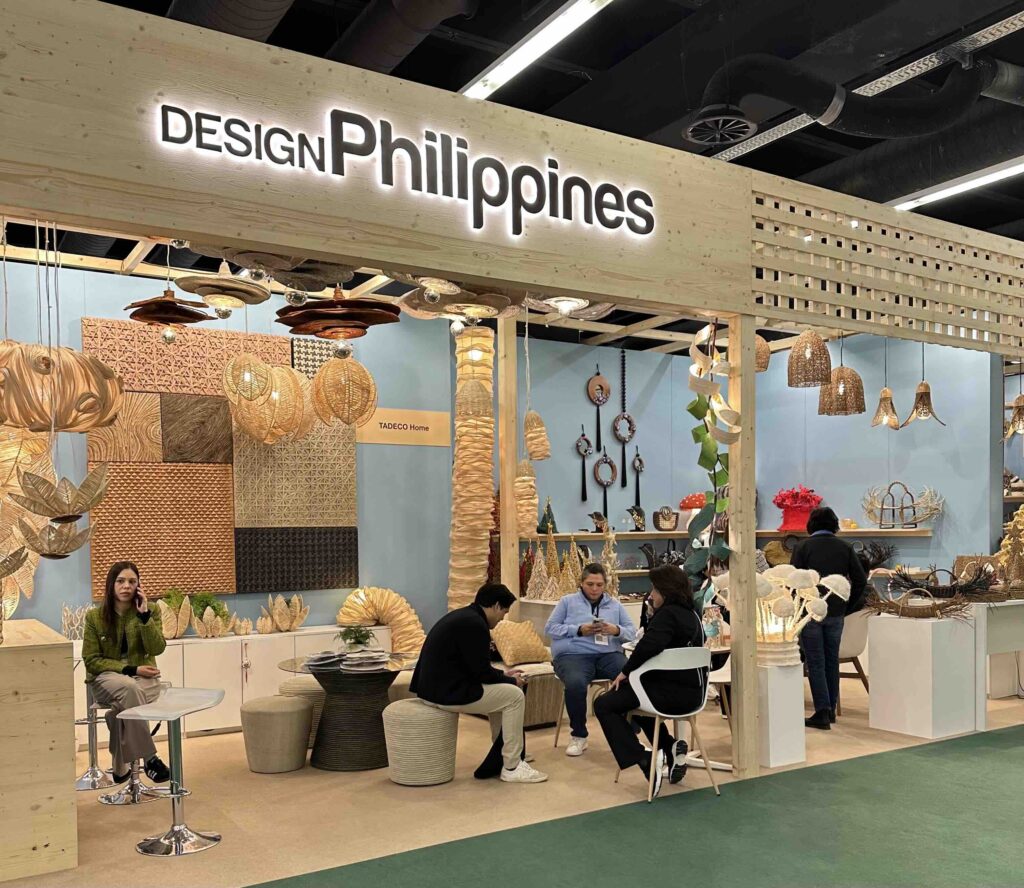
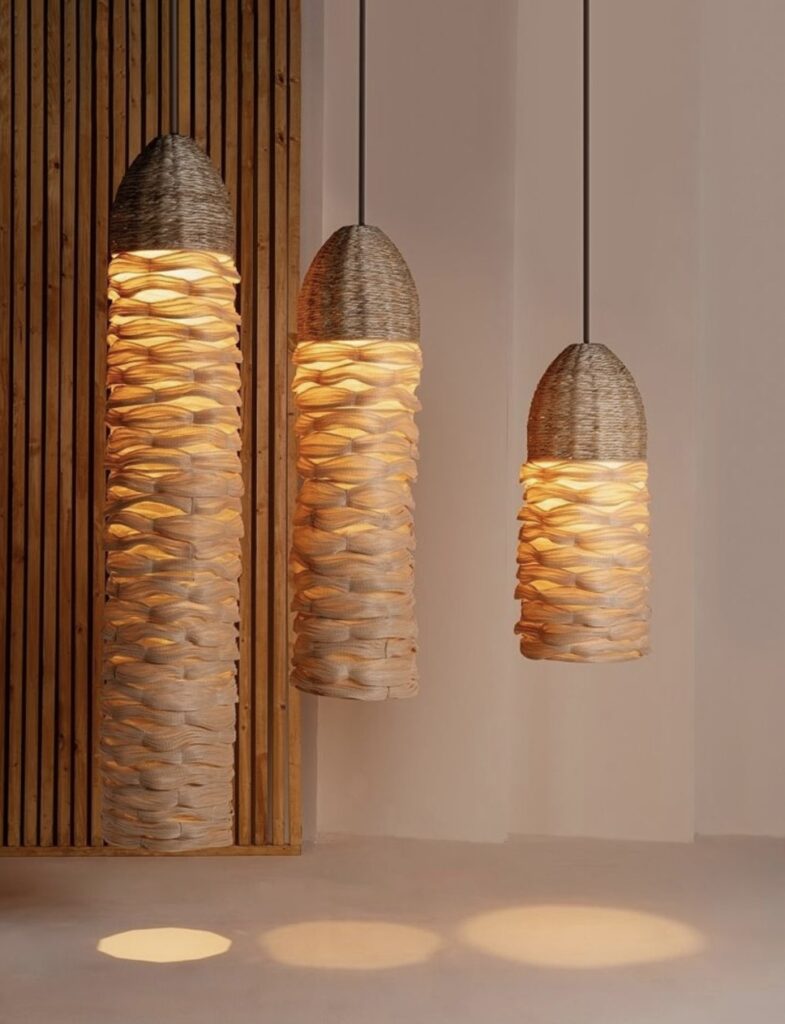
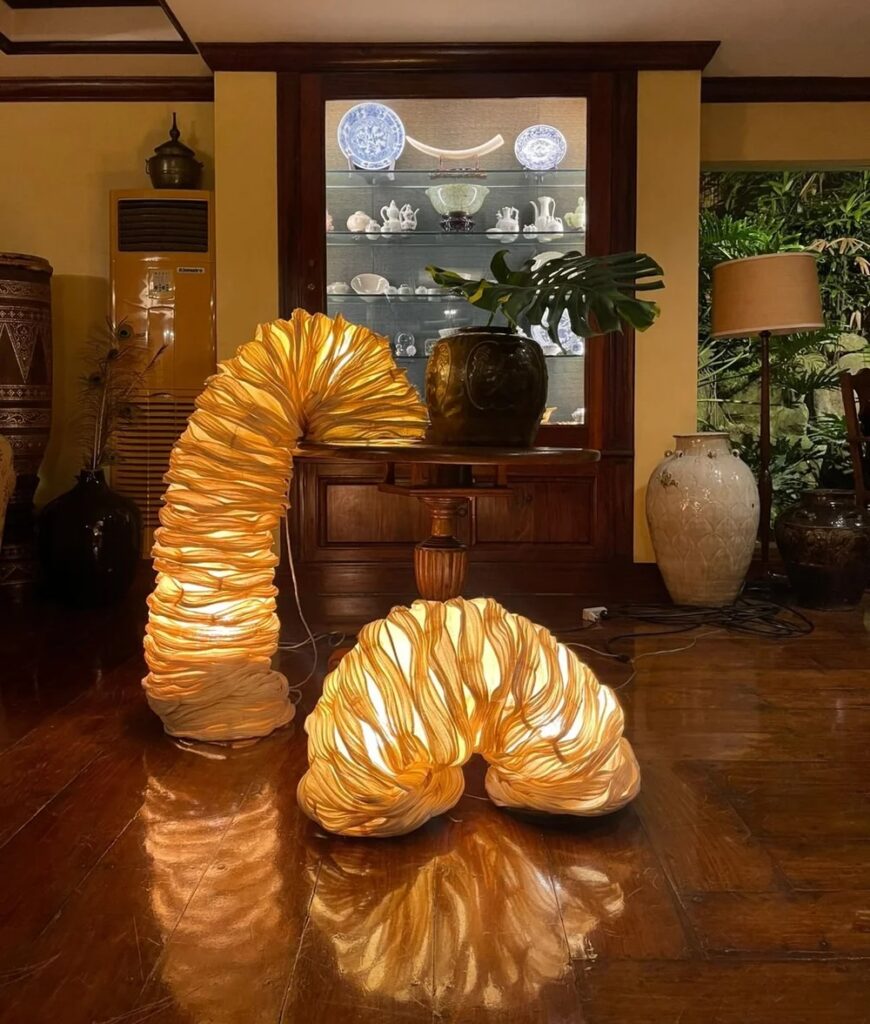
When asked what informs his work, Jaime pauses before saying, “Sometimes the material itself tells me what it wants to do.” He gestures toward one of his lamps and says, “The characteristic of this fabric is that it’s rigid in one direction and pliable in another. So instead of forcing it, I designed around it.”
The result is a floor lamp shaped like a slinky, its tubular body coiling upward in a curve before resting its top on a console. The fabric’s ribbed texture is illuminated from within, casting a warm glow that feels both sculptural and intimate. Even when the piece is standing still, there is a suggestion of movement, as if it might slink downward like the weight-driven movement of the original wire toy.
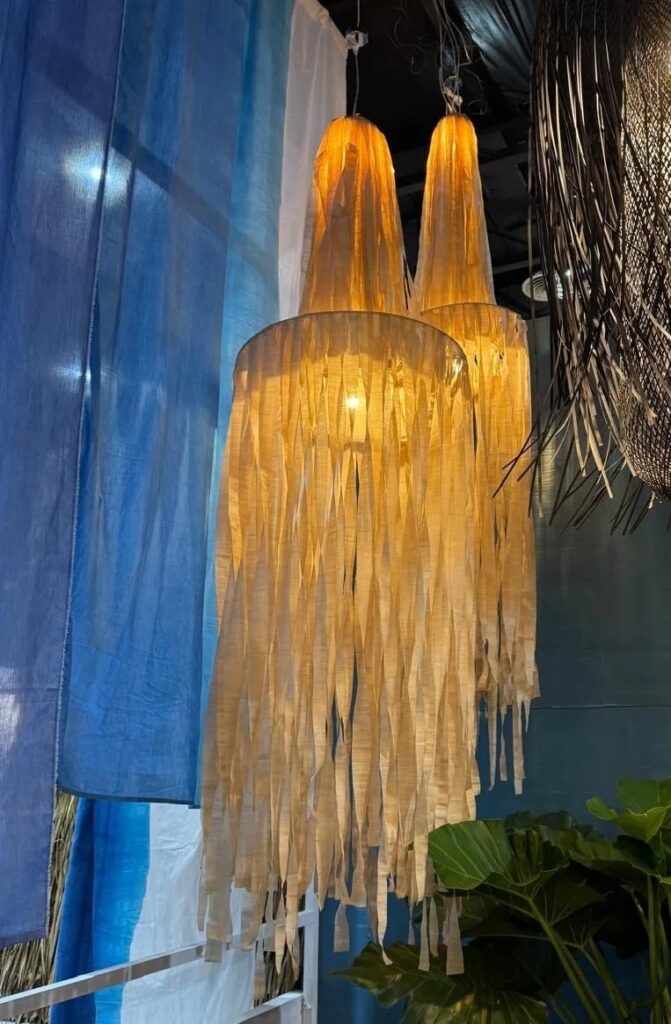
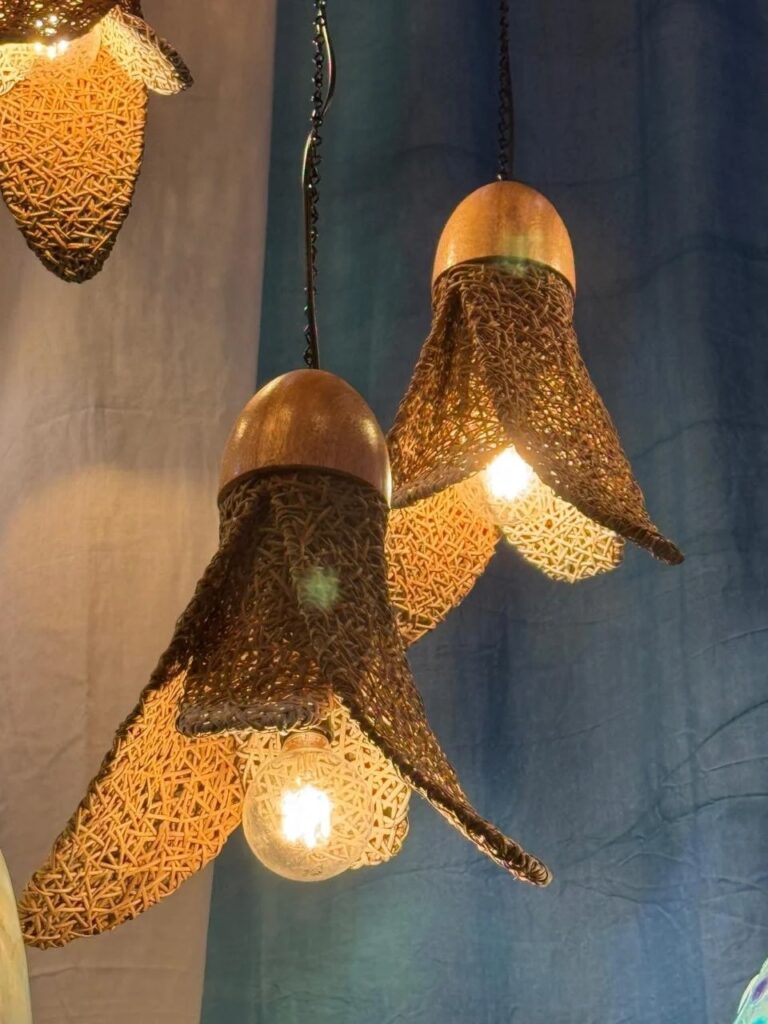
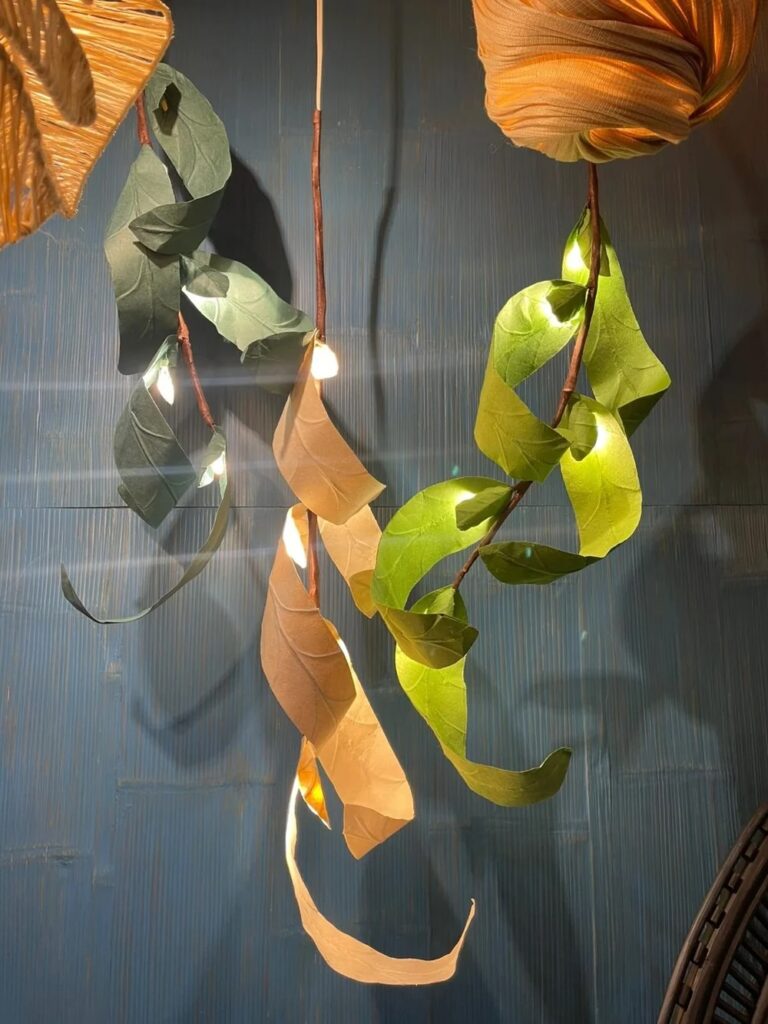
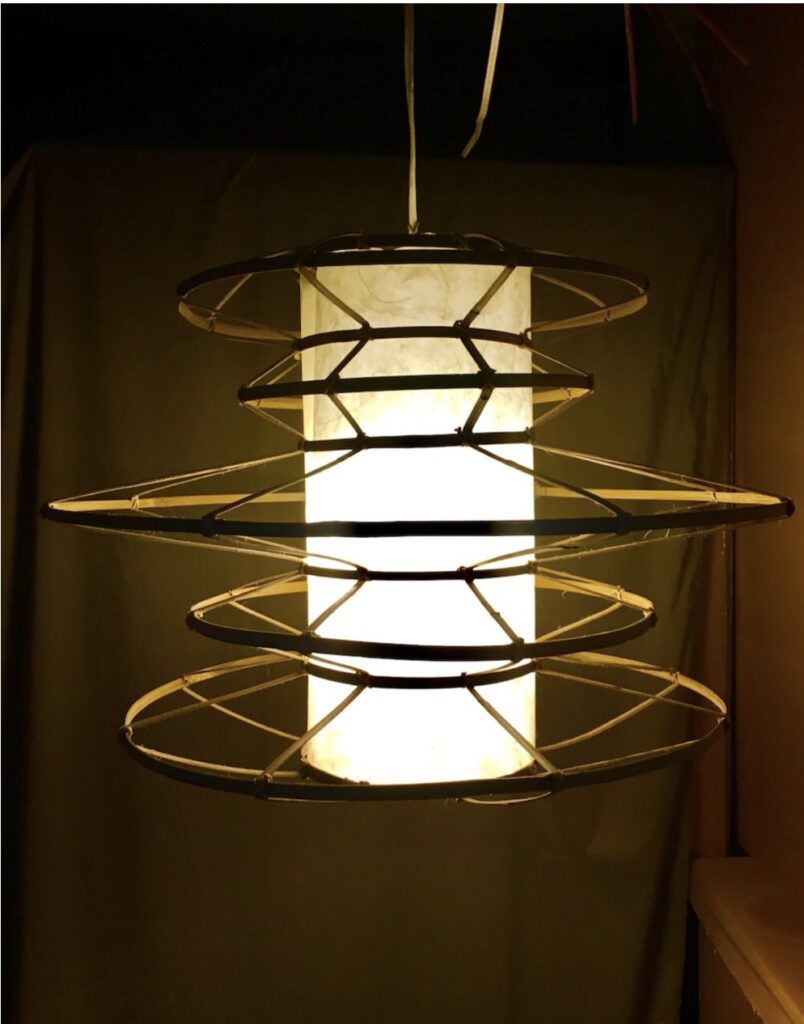
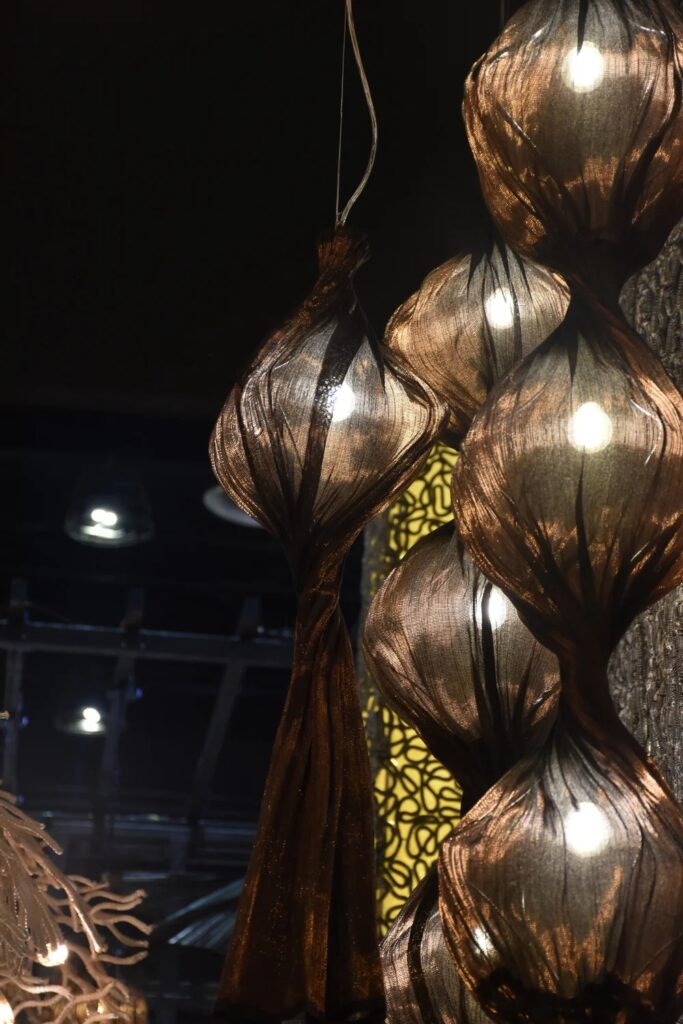
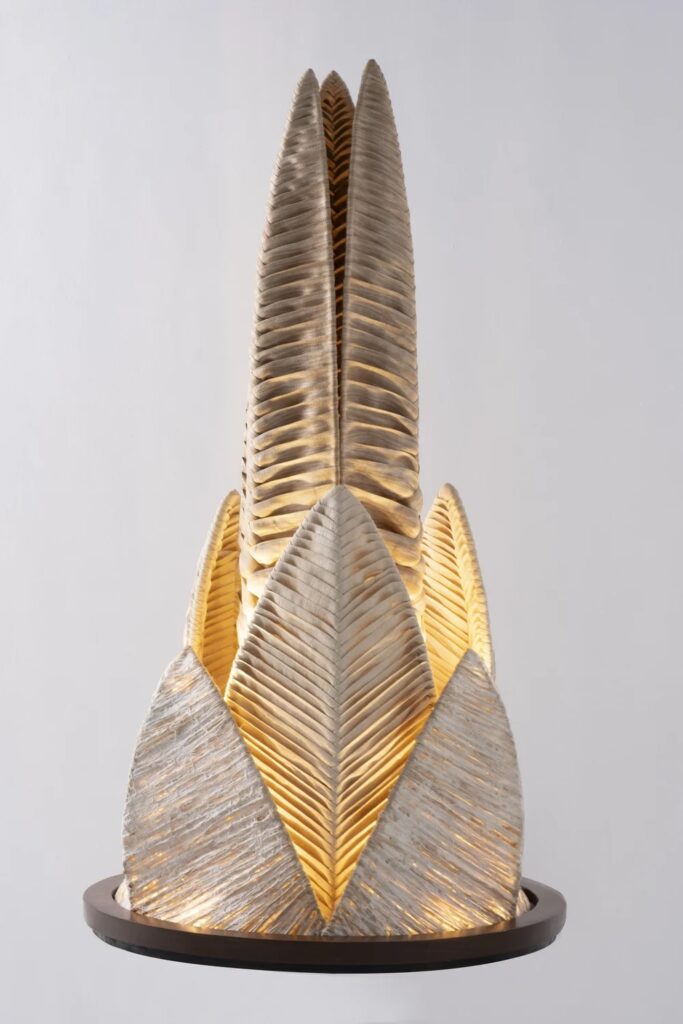
While material behavior guides his process, nature is often where his ideas begin. Flowers, moss, organic textures and shapes are translated into lighting that feels less engineered and more grown.
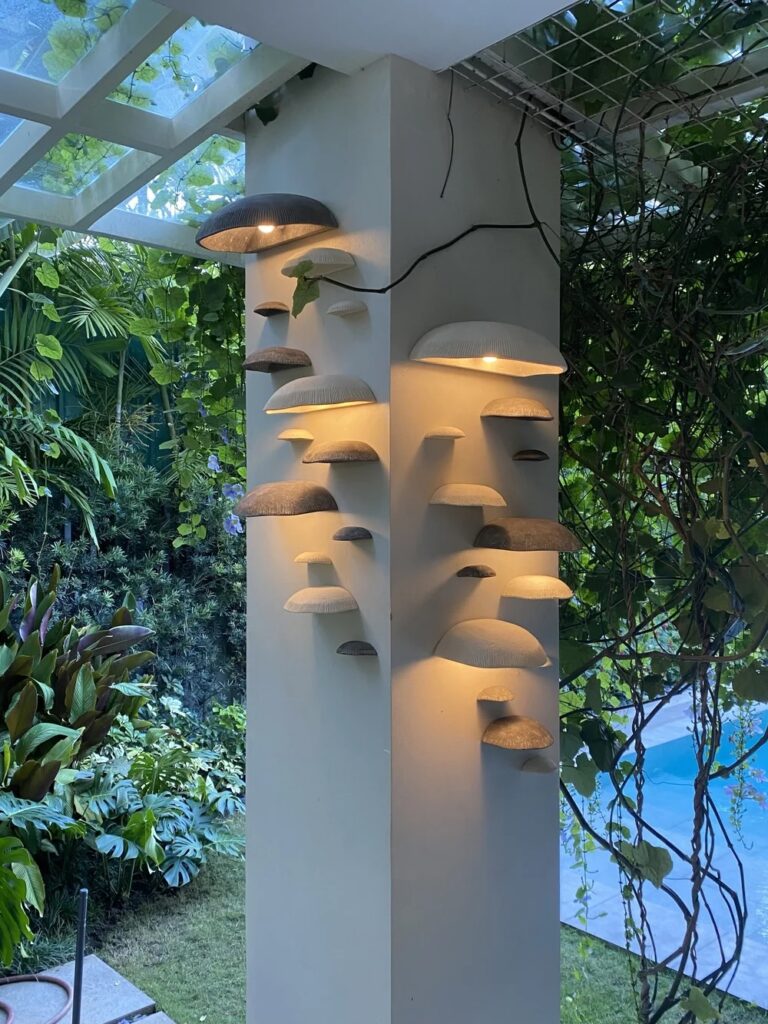
I was first introduced to one of his works through Pete Delantar of Nature’s Legacy, a fellow exporter and collaborator of his mother, with whom Jaime created lighting for a resort project. Jaime designed wall sconces shaped like mushrooms, rendered in muted earth tones and produced in varying sizes. Pete showed me a night picture of the final products installed in a resort: the lamps glowed softly against pillars, casting shadows that stretched and overlapped.
Another lighting product that he co-designed with his mom, Maricis, was inspired by barnacles—those pesky crustaceans that attach themselves permanently to hard surfaces like rocks, ship hulls, turtles, and whales.
“The exciting part is turning nature into something practical and functional,” Jaime says.
Design rules of thumb
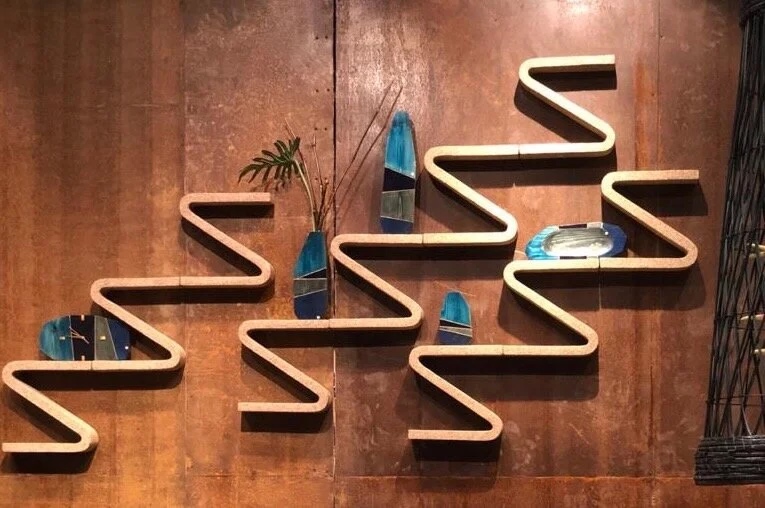
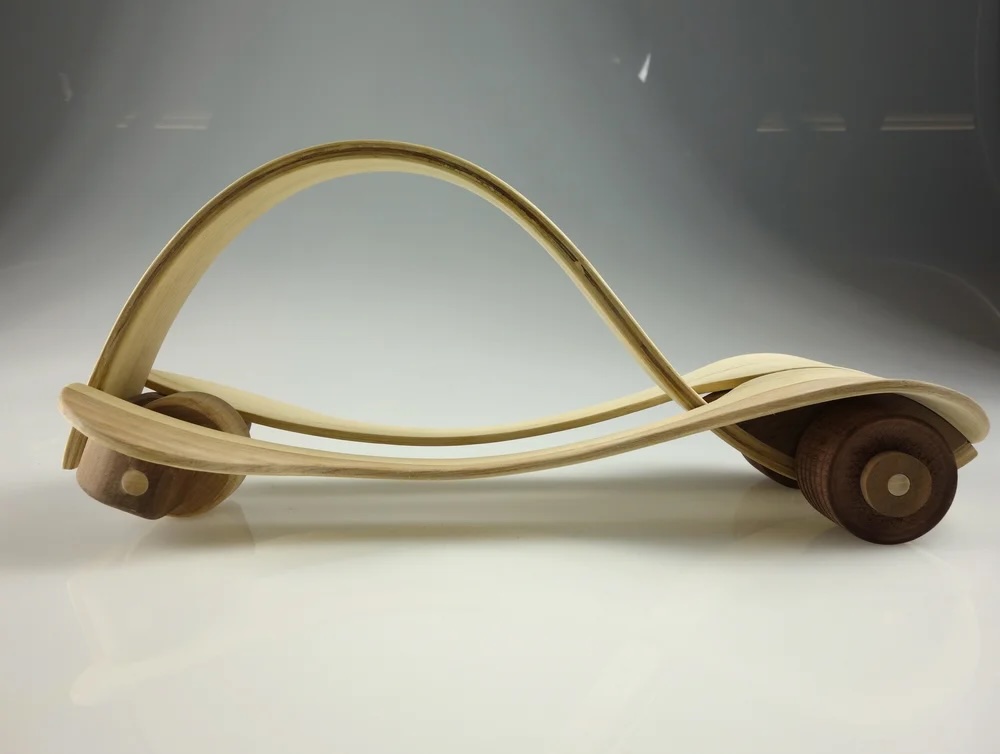
Jaime approaches design like a true manufacturer: it has to make homes warmer, production smarter, and shipping easier. But perhaps, unconsciously, he also looks at it as an artist even though he doesn’t like using the word on himself: design should make someone pause.
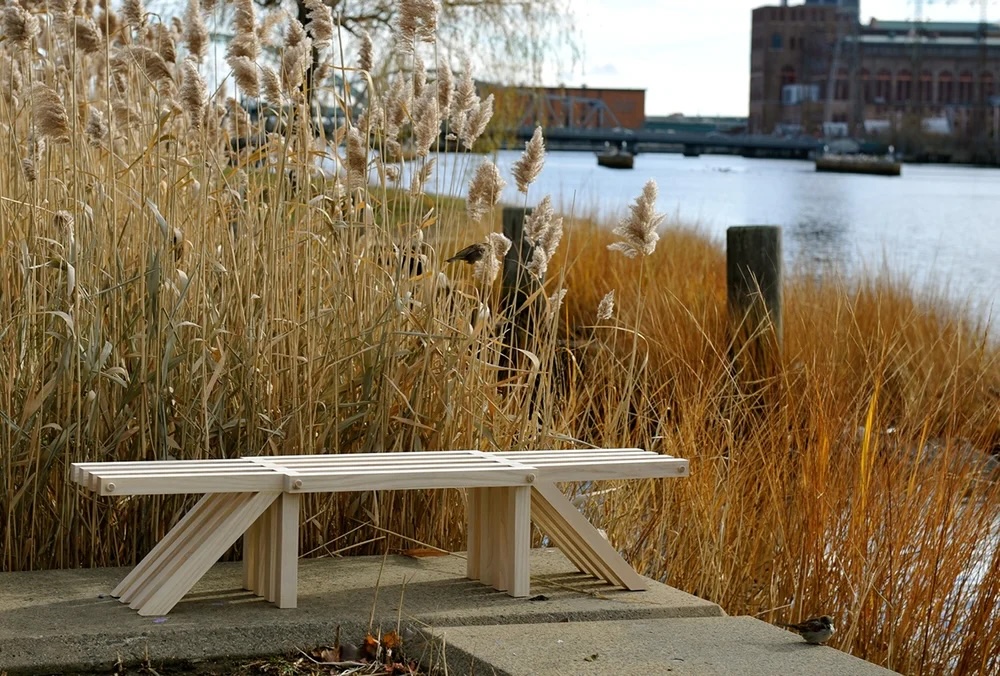
“I try to understand how to make things easier on all ends of the spectrum, from manufacturing to shipment,” he says. “Production cost matters. If something is collapsible, it’s cheaper in a container, and it’s easier to sell to buyers in a trade fair like Ambiente. So when I design, I’m always thinking about that—not just the idea.”

He does not romanticize production constraints. Designers, he says, must negotiate. “Sometimes I send designs and manufacturers say they can’t do it. So I revise. Or I push a little bit. It’s give and take.”
London, art, and the in-between
For the past three years, Jaime has been living in London, working in art management and gallery sales. Do his two worlds ever collide? “Not really. But I’m trying to bring them together.” Still, neither world supersedes the other, they simply operate on different frequencies.
When asked what he wants for the Philippine manufacturing industry, Jaime becomes earnest. “I want the craft itself to be more valued,” he says. “There needs to be more education on where materials, like fabric, comes from, why it costs this much, who made it.”
In contrast to China’s high-speed, high-volume model, he believes the Philippines’ strength lies in handwork. “A lot of Philippine manufacturing is by hand, so that needs a different kind of appreciation.”
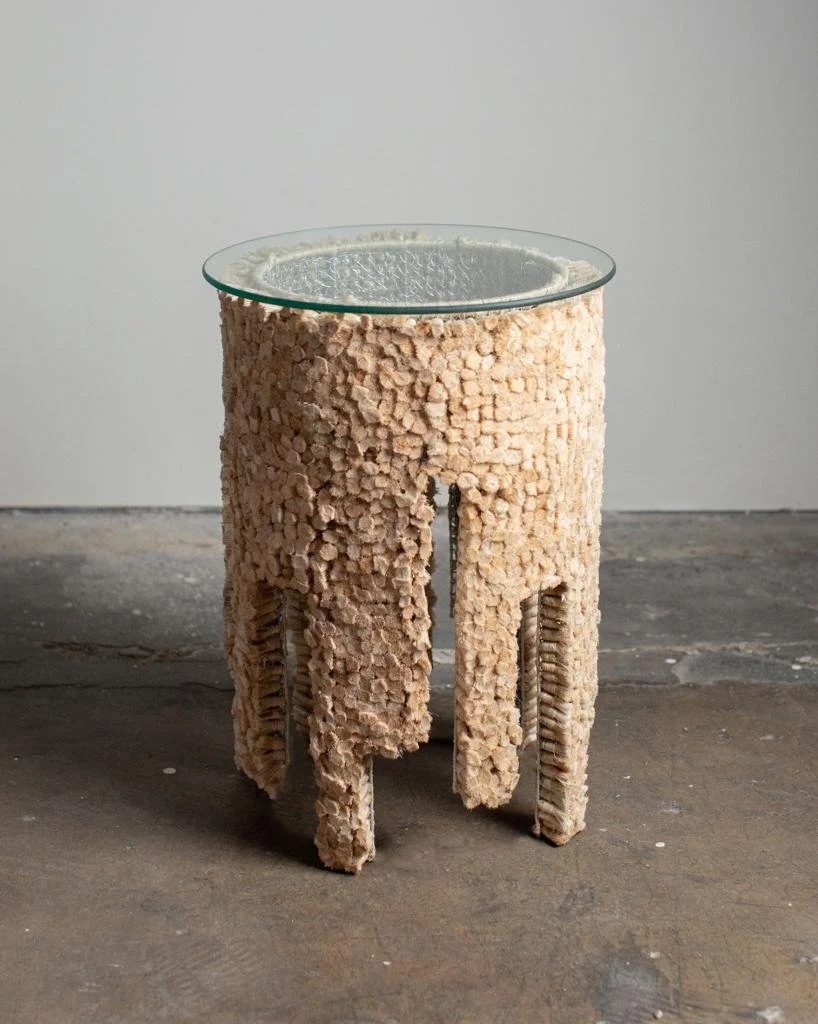

His mother, he notes, excels at giving indigenous textiles a contemporary twist. “She’s really good at putting a contemporary lens on natural materials,” he says, pointing to her subdued reinterpretations of T’nalak.
Tadeco, he explains, began with the Floirendo family’s banana plantations and a desire to create livelihood opportunities within the community. What started as an effort to transform agricultural byproducts into work laid the groundwork for a design practice rooted in material intelligence and social purpose.
From there, something as beautiful and cheeky as a slinky lamp is now in someone’s home, starting a conversation.
Related story: Handcrafted for the world: Why the Philippines returns to Ambiente every year
Related story: Wilbert Novero: Three decades of championing Philippine design on the global stage
Related story: How Paolo Feliciano took a detour in photography—then embraced his manufacturing legacy
Related story: Michael Villardo’s Moodism furniture turns sculptural design into a feel-good vibe