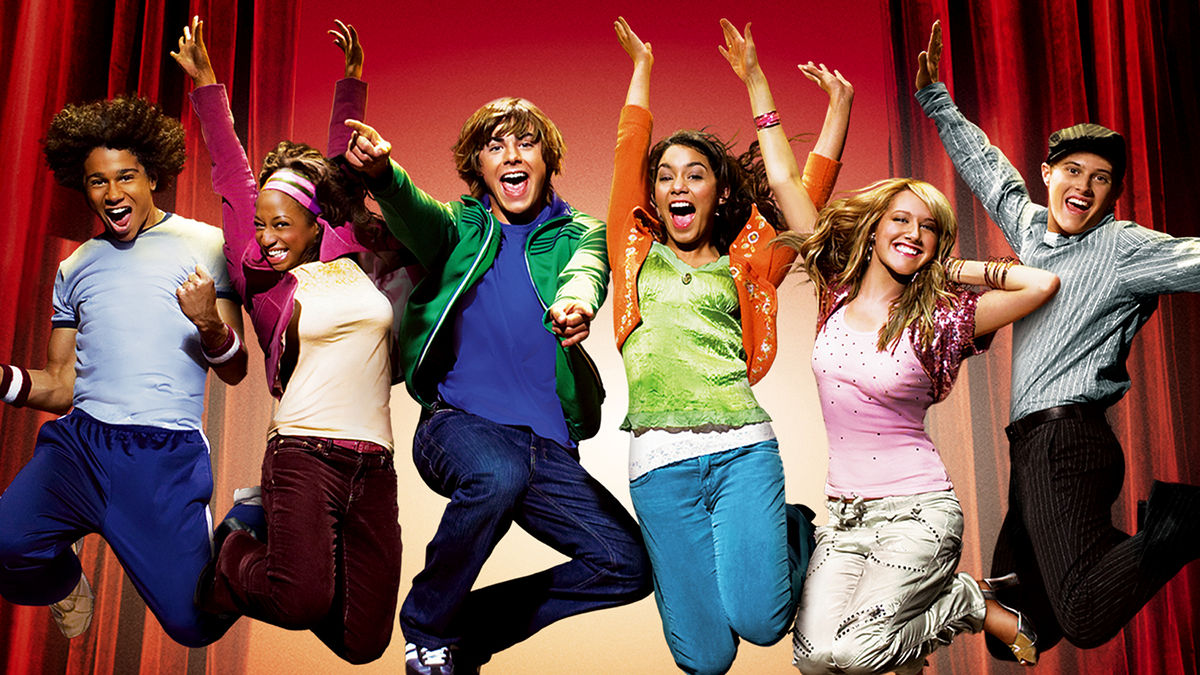

High School Musical is a microcosm of the universal challenge facing teenagers caught between social pressure and the instinct to figure out who they want to become.
I was a varsity basketball player back in elementary, but I had always wanted to sing and write stories. If that sounds vaguely familiar, I found myself cringing at the fact that I just unconsciously compared my life to High School Musical.
If you’re seeing the 2016 10-year viral trend, try 20. It’s been 20 years since Troy Bolton (Zac Efron), captain of the East High basketball team, sang an audition piece that got him a part in his school’s spring musical.
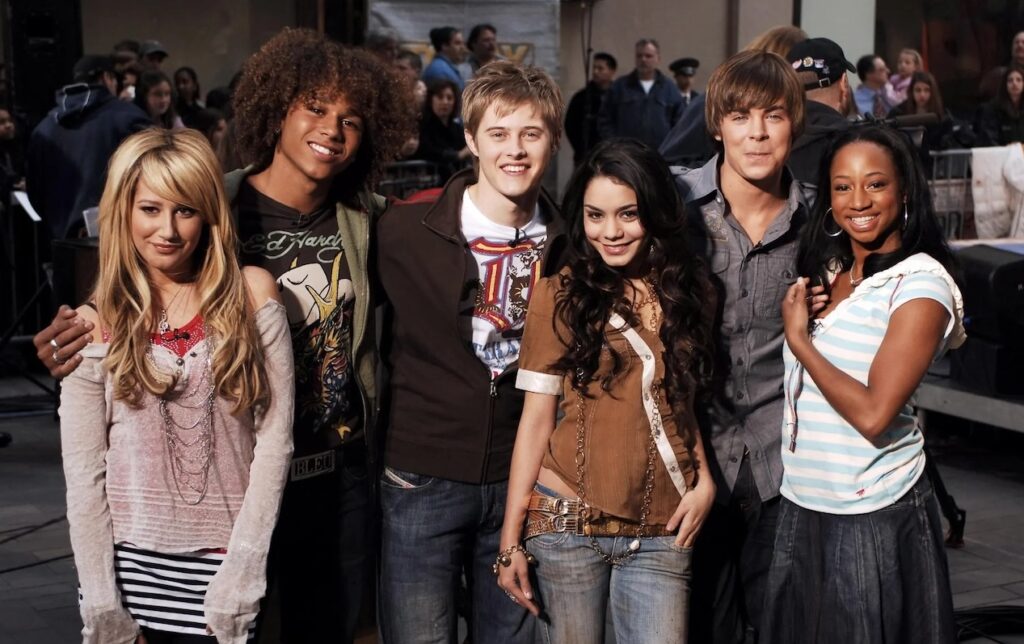
The comparison stops there. While I’m painfully aware that I’ll never have Zac Efron’s perfectly coiffed hair or rival his pedigree as a thespian, rewatching this film two decades later reminded me of the pressures of our time to do what is expected and the liberation from breaking those norms to chase a dream.
Of course, no one knew at the time that Disney had created another modern classic. With arguable similarities to Grease (1978) and even William Shakespeare’s Romeo and Juliet, the often peppy, ridiculously catchy, and made-for-television (TV) movie turned juggernaut franchise, Disney Channel’s HSM, serves as a modern retelling of society’s oldest question: do you knuckle under social conformity or dare to defy the status quo?
The formula: star-crossed lovers pit the jocks versus the intellectuals (math prodigies). For the uninitiated, HSM opens at a New Year’s Eve party, where Troy Bolton and Gabriella Montez (Vanessa Hudgens, then credited as Vanessa Anne Hudgens) are reluctantly forced to sing a karaoke duet, leading them to discover a common love for singing and music.
Their experience sparks an attraction brought on by their natural chemistry—like kindergarten, they say. That feeling of meeting someone for the first time and instantly becoming best friends, “because you don’t have to be anything but yourself.”
Rydell High School vs. East High

It’s no secret these narrative beats have been told before. Peter Barsocchini, HSM’s screenwriter, admitted borrowing from Grease. After all, the plot follows transfer student Gabriella to East High in Albuquerque, New Mexico, who’s excited to shed her “freaky math girl” image from her previous school and start something new (nudge, nudge, wink, wink).
However, her friendship with East High’s basketball captain Troy launches an imbalance in the school’s social order.
When they receive a callback from their impromptu audition to the school’s spring musical, they are now put into the crosshairs of drama club president Sharpay Evans (Ashley Tisdale) and her brother Ryan Evans (Lucas Grabeel).
Similarly, Grease tells the story of Danny Zuko (John Travolta) and the transfer student Sandy Olsson (Olivia Newton-John) to Rydell High School in Philadelphia. In place of the cool jocks and the quirky academics of HSM, the 1978 classic pits the greaser gangs of the T-Birds and The Pink Ladies.
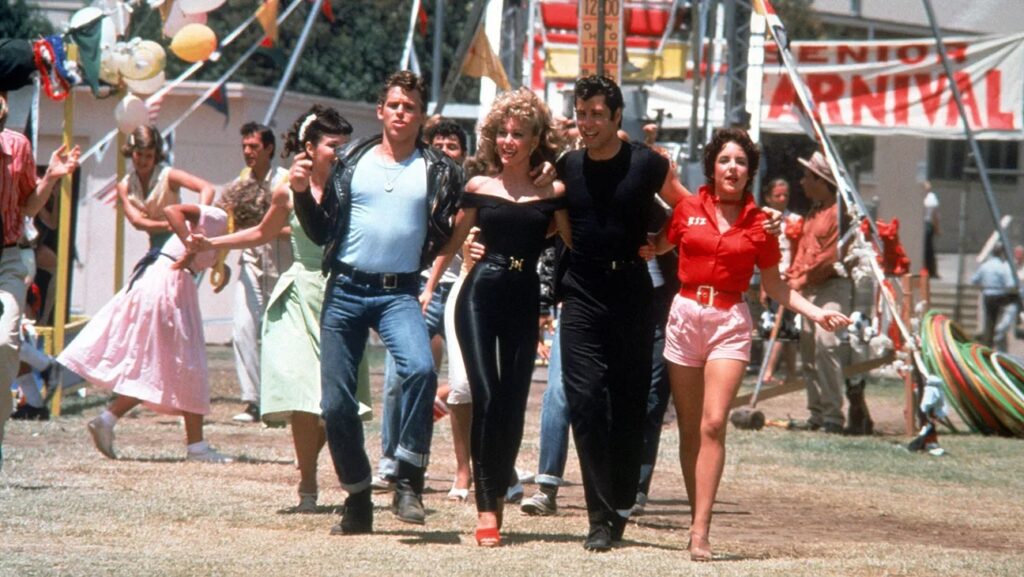
Far be it from me to call HSM my generation of Grease, but I do believe what separates it from the Golden Globe nominee is how it dealt with conflict and anxiety among the characters. In Grease, both the leads developed as characters, learning to embrace the ideals of the group to become an official member of their respective cliques.
In High School Musical, both Troy and Gabriella learned very early that there is life beyond basketball and school decathlons. Instead, they embraced their newfound individualities. East High’s basketball captain can be a playmaker and lead the team’s fastbreak, as well as headline a playbill and perform on the stage. And while Gabriella, a transfer student, finds her way into the brainiac route, she also discovers the confidence to sing, a version of herself evoked by her relationship with Troy.
Related story: Notes from the Gen X–millennial border
Related story: Gen Z grew up online—now we’re tired of being perceived
Related story: Did millennials follow their dreams after all?
Related story: Are Filipino millennials more hopeful about marriage than their Asian counterparts?
The score’s lasting legacy
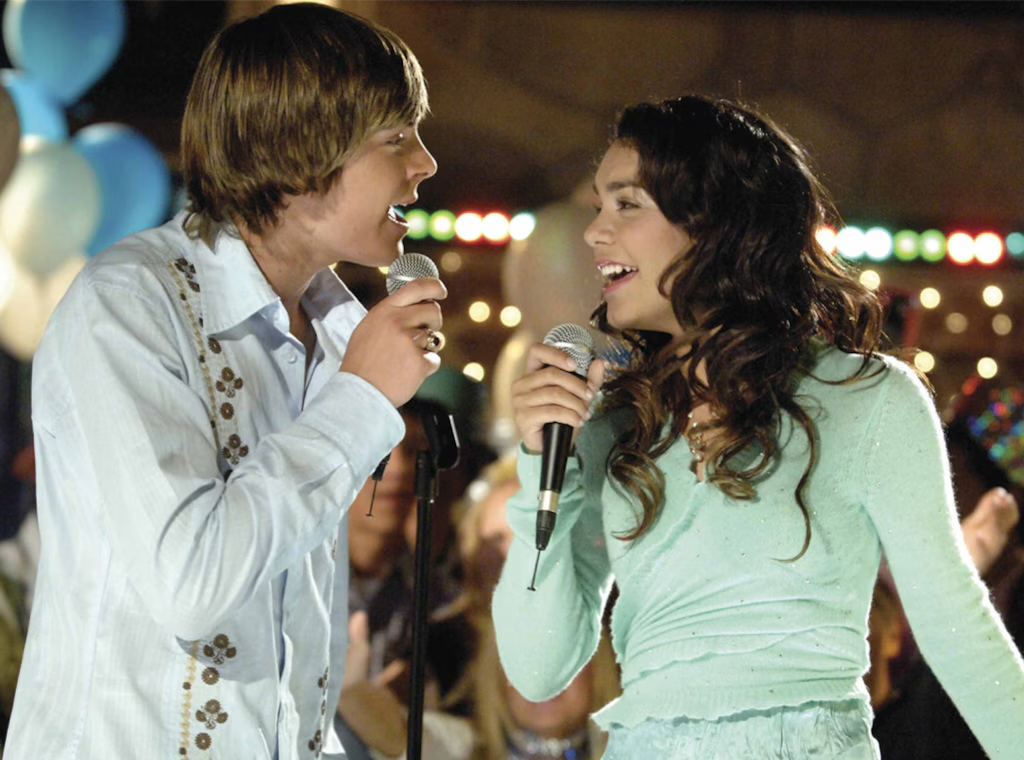
The true brilliance of High School Musical lies in the original soundtrack. Composers David Laurence and producing partner Faye Greenberg etched their work in history, becoming the first TV soundtrack to reach No. 1 on the Billboard 200, a feat last achieved by Miami Vice in 1986.
Together with director Kenny Ortega, who’s also the original choreographer for Dirty Dancing (1987), HSM was in good hands.
The culmination of these masters at work manifests in the chaotic cafeteria scene of East High. As the school learns of Troy and Gabriella’s penchant for singing, it ignites sporadic confessions of passions, dreams, and well-kept hobbies among the students. The strongest part of this scene is how the supposed minor characters are given a major role—a voice that reflects the message of the song, ‘Stick to the Status Quo.’
One by one, the song puts a spotlight on other students. First off, Zeke Baylor (Christopher Warren Jr.), Troy’s basketball teammate, opens up to share his secret obsession with wanting to bake a perfect crème brûlée. He is met by his fellow basketball players and cheerleaders with the resonating chorus of “No! No! No!” and “Stick to the stuff you know!”
Next up, a brainiac confesses her passion for hip-hop. With her every pop, lock, and jam, her peers leap up, frustrated, and ask her if that’s even legal and remind her to “keep things where they are and don’t mess with the flow, no, no!”
And lastly, a skater kickflips his way into sharing his love of playing the cello, while his friends obliviously compare it to a saw. As he proudly boasts the costume that comes with it, “Coat and tie!” His clique goes off banging the tables, ‘If you want to be cool, follow one simple rule,” they tell him. Stick to the status quo!

The final straw unhinges the entire cafeteria into a frenzy as Sharpay watches on, clamoring to understand what’s going on. Perhaps what makes the song so telling is how it offers a glimmer of hope and support, almost an encouraging tone, only to pull the rug under them to disdainfully ostracize the student for putting themselves out there.
Stick to the Status Quo is one of the best songs in the movie. It’s a microcosm of high school life and the universal challenge for any teenager caught between social pressures of fitting in and the instinct of figuring out who they want to become.
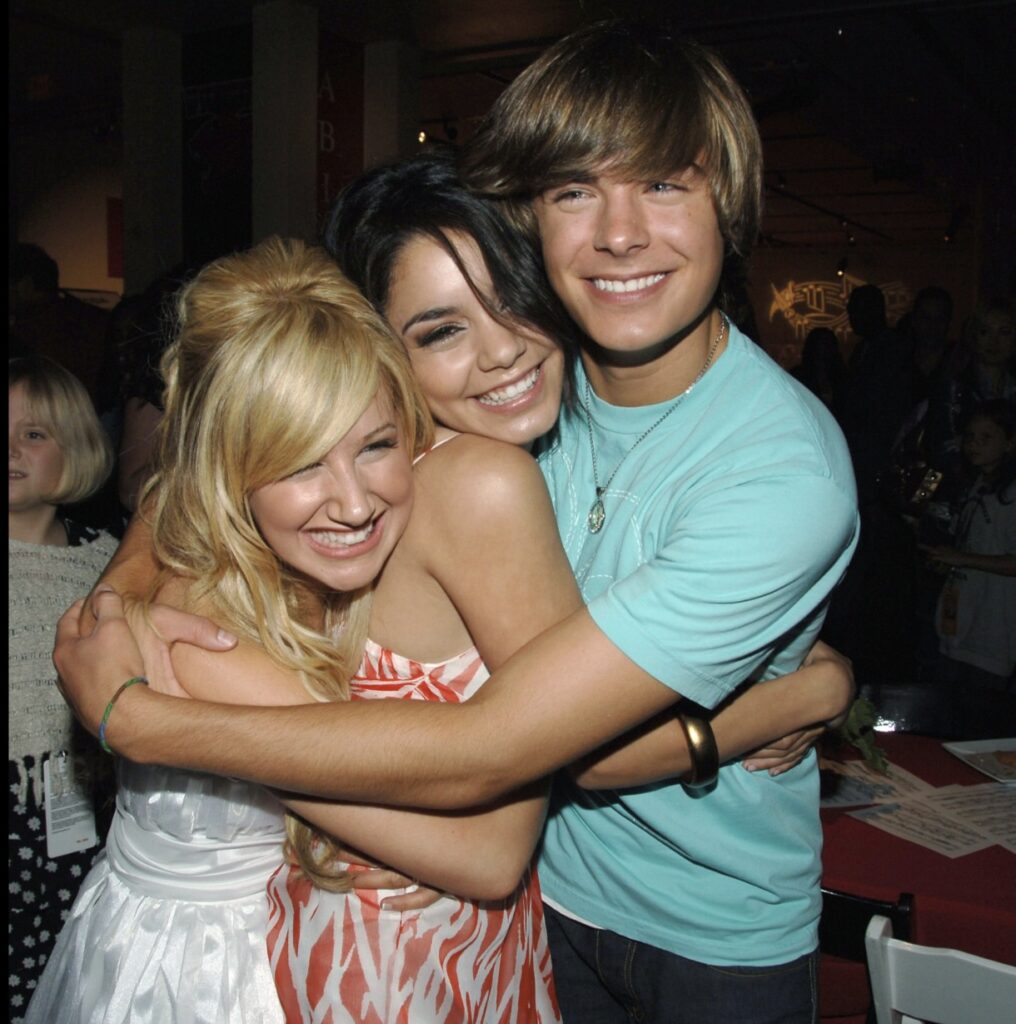
High School Musical ushered in the idea to a generation of teenagers, such as myself, that one’s identity is not about a single make-or-break decision. Growing up is a multitude of moments, judgments, and lessons, both right and wrong, without ever fully knowing the results.
The real choice is having the courage to go beyond social expectations and pursue the most honest version of yourself.
The basketball varsity version of me lasted for around two months. I fell in love with music, learned a bunch of instruments, but naturally gravitated toward singing. And in my senior year in high school, I urged one of my classmates, Razelle, who was minding her own business playing her PlayStation Portable (PSP) to perform Start of Something New as a duet for our intramural singing contest.
And it’s as if we reversed the roles in the film, she reluctantly agreed. Luckily, we clinched the first prize and won a generic trophy with a person holding a hoop.
The lasting legacy of High School Musical, two decades later, goes beyond the songs and the $4 billion franchise that spawned a trilogy and stage adaptations. Its impact echoes in all the small victories throughout our lives when we dared to do things out of our comfort zones despite the status quo begging us not to.
In an era shaped by the unprecedented advances of technology and the rise of generative AI, individuality becomes more sought-after, and the ability to embrace your true self will always be priceless.
Related story: Meet ‘Slow TV,’ an answer to life’s existential dread
Related story: 10 fun facts about Gen Z and millennial travelers in Asia Pacific
Related story: The rise and rise of gig-tripping: Why fans are jetting across the world for more than just a show
Related story: Three decades of catching ‘em all: Pokémon launches 30th anniversary campaign