

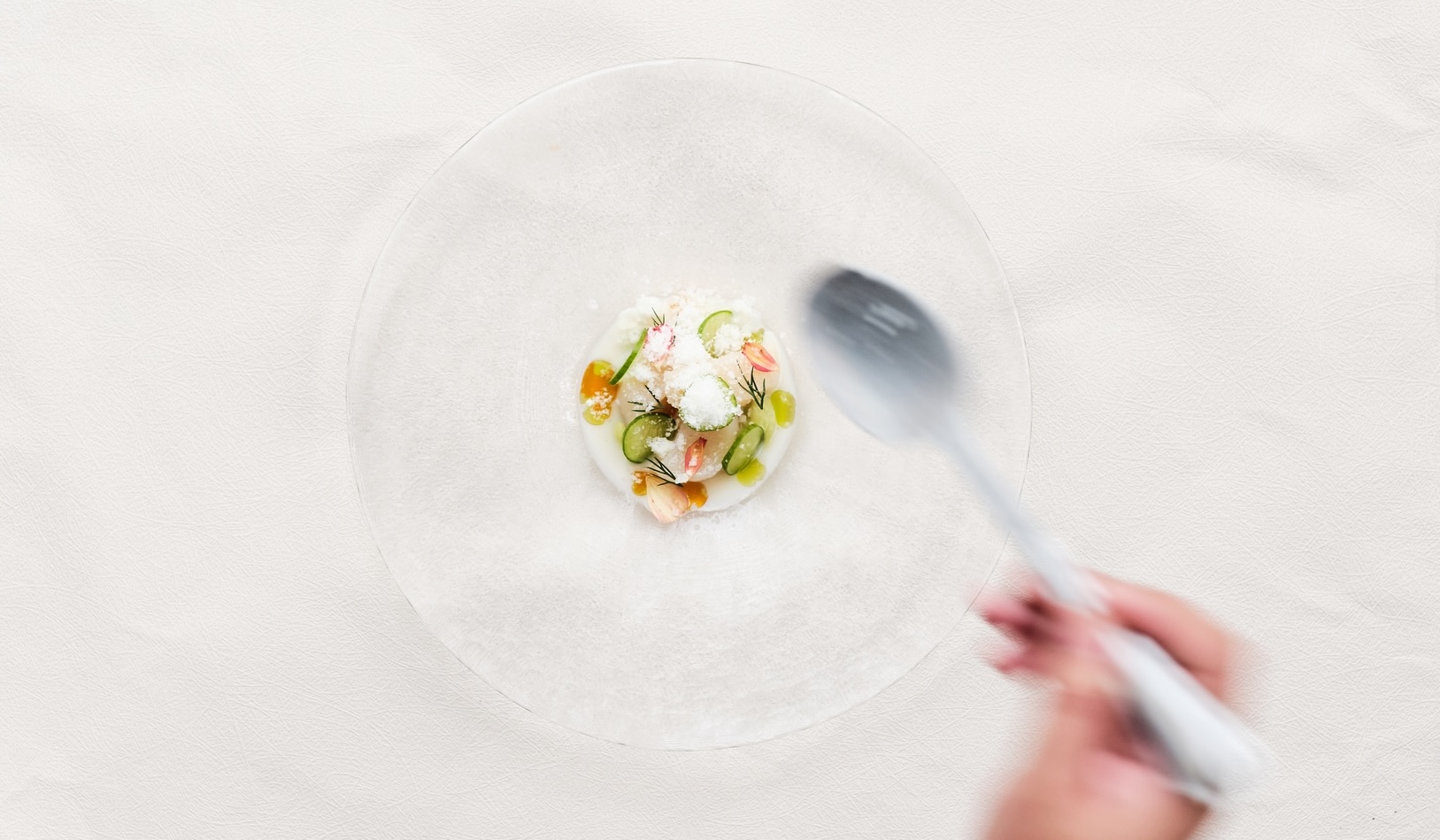
A look back at a defining year for the local food and beverage industry—marked by hot trends, pivotal moments, and the night it rained stars.
The local food scene is dynamic and vibrant—but also ruthless and punishing. New restaurants sprout almost daily, while those that can’t keep pace quietly wither away. Savvy restaurateurs are quick to jump on trends while they’re hot, while those with a steady, loyal following are shrewd enough to stay the course.
All told, 2025 proved to be a defining year for Philippine dining, affirming what many have long believed: Filipino food—and Filipino talent—are truly ones to watch.
Related story: If food is memory, why do other people’s opinions matter?
Related story: The imaginarium of Josh Boutwood
Pinoy fried
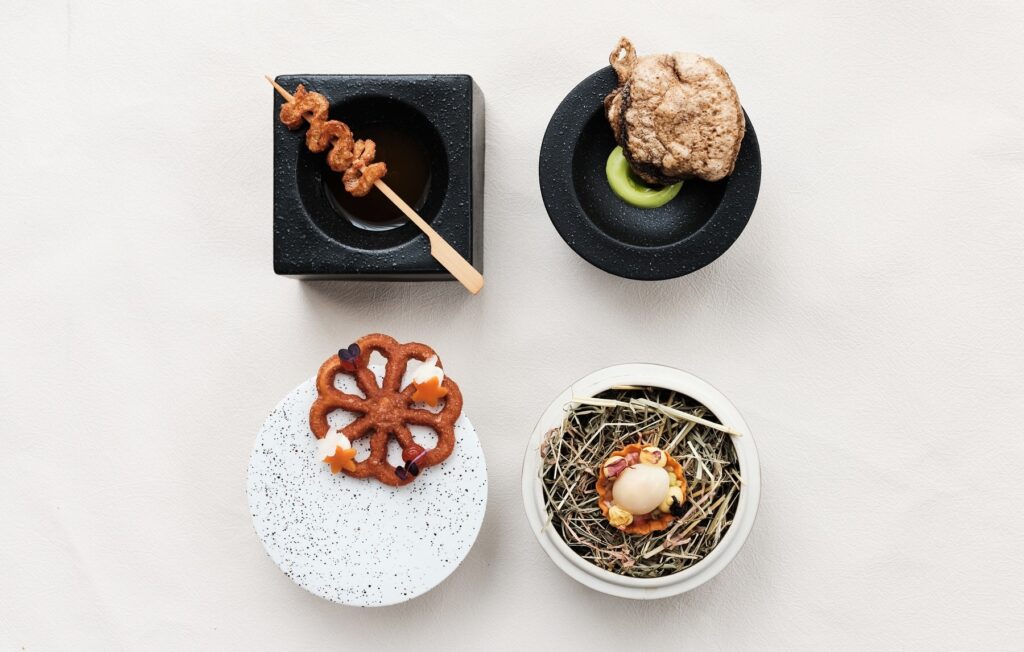
We never thought that the day would come, but it was finally here: Filipino food had arrived. For so long it was touted “the next big thing,” but the experts are calling 2025 the year of global Asian cuisine, singling out Filipino and Korean food in particular to have come up front and center.
Filipino cuisine, once too exotic for global consumption and looked upon with fear (think balut and dinuguan), is now synonymous with global flavor as its more mainstream cousins like Chinese and Japanese food.
Jollibee— a beloved global ambassador that pins Chicken Joy and Jolly Spaghetti in big cities like London, Singapore, and MIlan— is just as popular with the locals as it is with overseas Filipinos workers.
Stylized versions of dishes like sisig and kinilaw are appearing in fine dining rooms abroad, with chef collaborations with their Filipino counterparts proving to be not only fun but also educational. Filipino chefs cooking our local cuisine in their adopted countries have made the cuisine familiar and relatable, such as James Beard Best Chef-California awardee Maynard Llera serving pancit habhab and chami in Kuya Lord LA and JP Anglo grilling inasal at Kooya Dubai.


Still, the most poignant indicator of Filipino cuisine’s global fame is the arrival of the Michelin Guide to our shores, specifically focusing on Manila and environs plus Cebu. While people question the scope, we need to keep in mind that this is simply their first inspection and there will definitely be more restaurants and perhaps other areas covered in the future.
For now, we get to celebrate the 108 restaurants that made it into the inaugural guide, with 8 one-starred restaurants (Asador Alfonso, Celera, Gallery by Chele, Hapag, Inato, Kasa Palma, Linamnam, Toyo Eatery) and 1 with two stars (Helm). While there have been a number of reputable award-giving bodies in the Philippines giving our local chefs and and restauranteurs the recognition they deserve, Michelin’s stellar reputation, notoriously thorough inspections, and strict regulations have made these stars and selections the most coveted achievement.
Related story: Michelin Guide 2026: 7 Bib Gourmand spots worth every peso
Related story: Why you shouldn’t miss these dishes from the two restaurants that skipped Michelin Guide’s ceremony
Related story: Chef Miguel Cabel Moreno brings purpose, flavors, and Michelin flair to Crimson Boracay
Sustain (in the membrane)
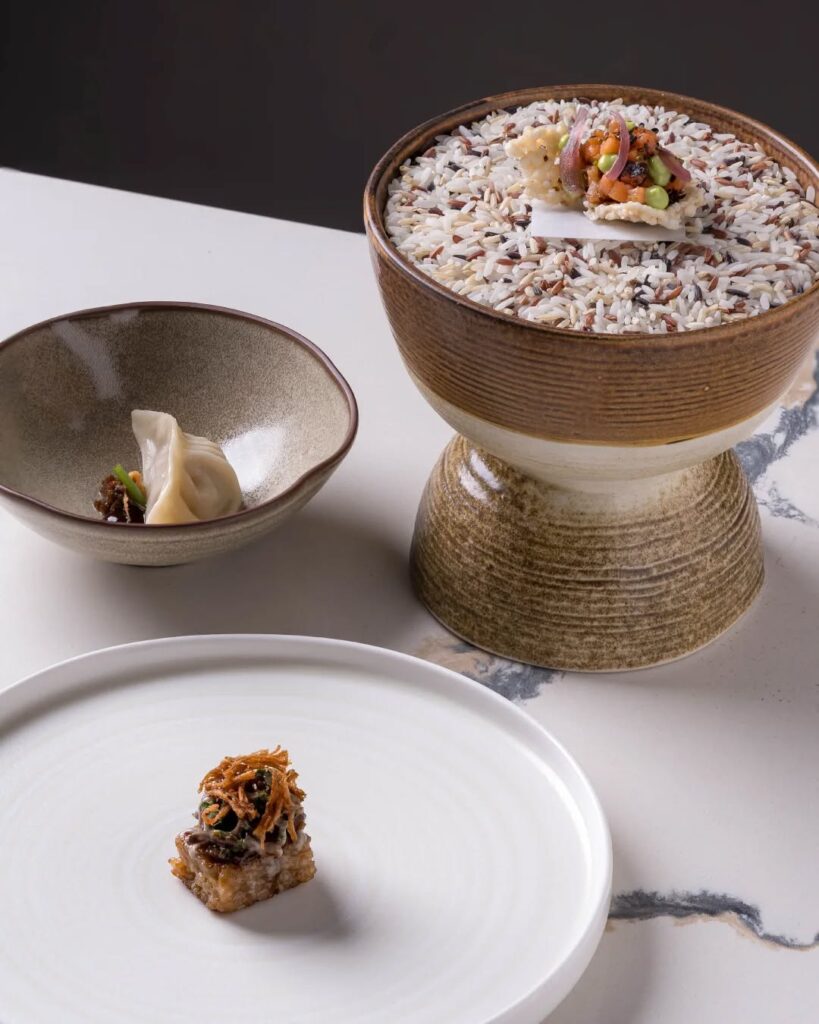
Sustainability is not just a marketing buzzword anymore but a must, and businesses now understand that it is something they need to integrate into their DNA if they are buckling up for the long haul. Restaurants are looking at every aspect of their operations—from provenance to packaging to waste management—making sure that they are maximizing their output while being kinder to the earth.
Chefs, too, are watching their carbon footprint as carefully as possible without compromising the experience, and many are taking zero waste not only as a challenge but also making it the focal point of their cuisine. Chefs Alex and Mikee Tan of Tandem have embraced this from the beginning, turning vegetable trimmings into stock, and taking potato boiling water and turning it into crisps (don’t ask me how, they just do).
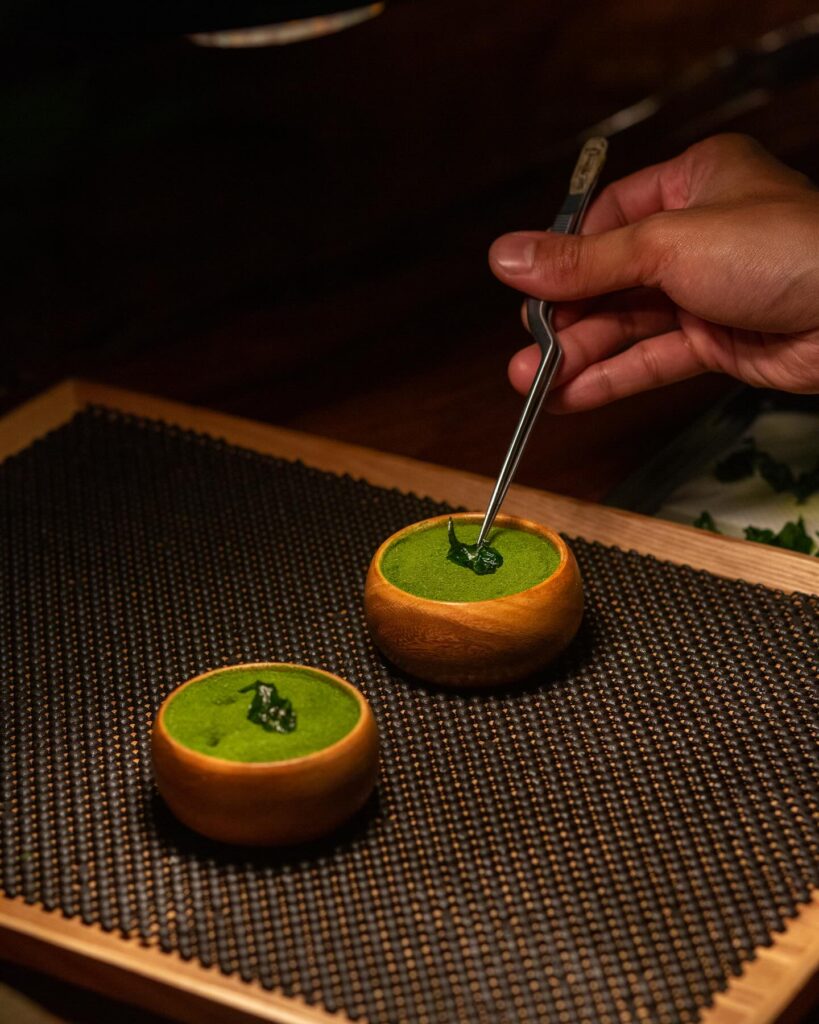
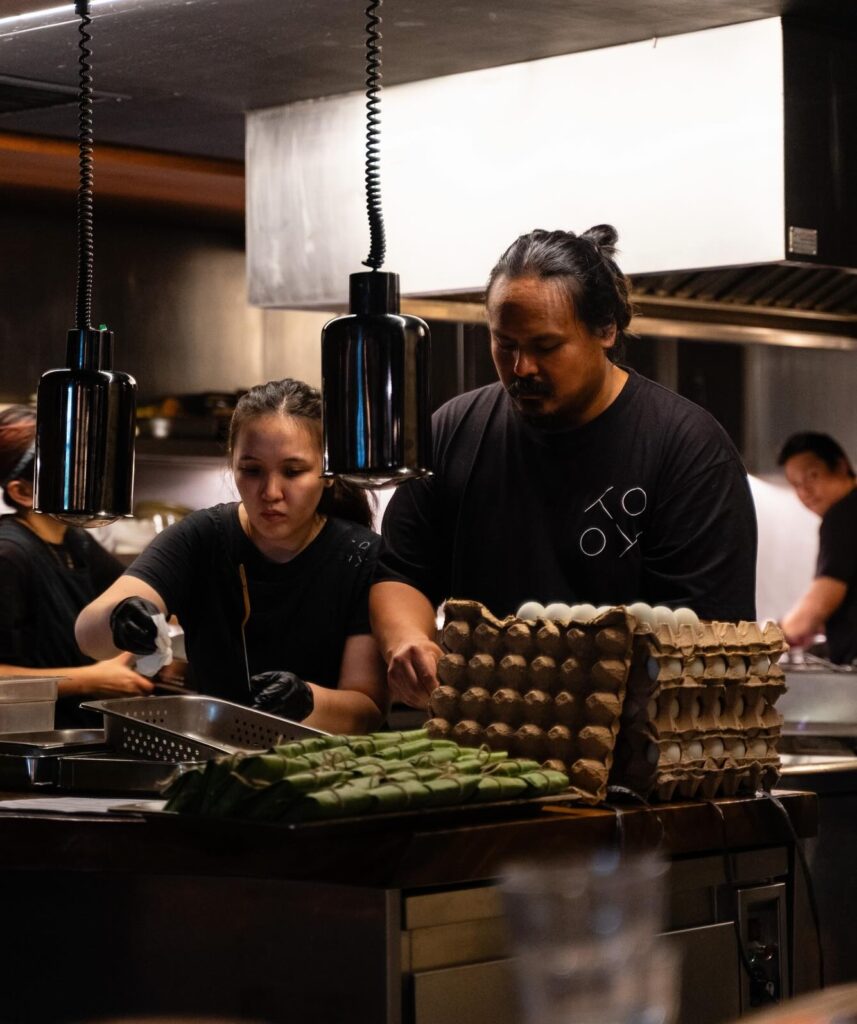
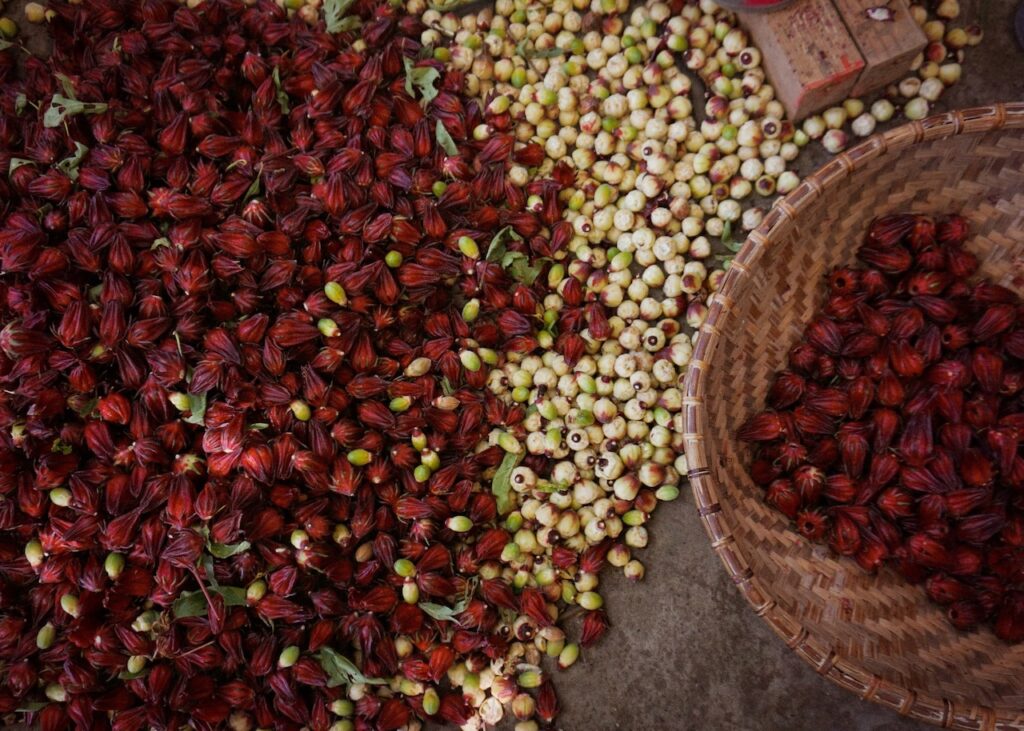
Progressive Filipino chefs like Thirdy Dolatre and Kevin Navoa of Hapag; Stephan Duhesme of Metiz; and Don Baldosano of Linamnam turn fermentation into an art form. What was once a necessity for our ancestors’ as a way of preserving ingredients and produce, it is now embraced as a means to enhance the flavor of local ingredients and to add refreshing dimensions to a dish.
The Philippines was put on the forefront of this slow food movement when the largest assembly of food sustainability advocates and experts gathered last November in Bacolod for the inaugural Terra Madre Asia Pacific. This five-day event provided a platform to put environmental and agricultural issues to light and to discuss solutions that encourage a more sustainable way of feeding the planet. It was truly both educational and fun, and hopefully this will drum up more interest towards our neglected and under-appreciated agricultural sector.
Related story: Can restaurants reject their Michelin stars? These chefs did—and here’s why
Related story: Chef Nouel Catis is pushing Filipino flavors forward through collaboration
Related story: Western Visayas takes center stage in Hapag’s new tasting menu
Let’s get physical
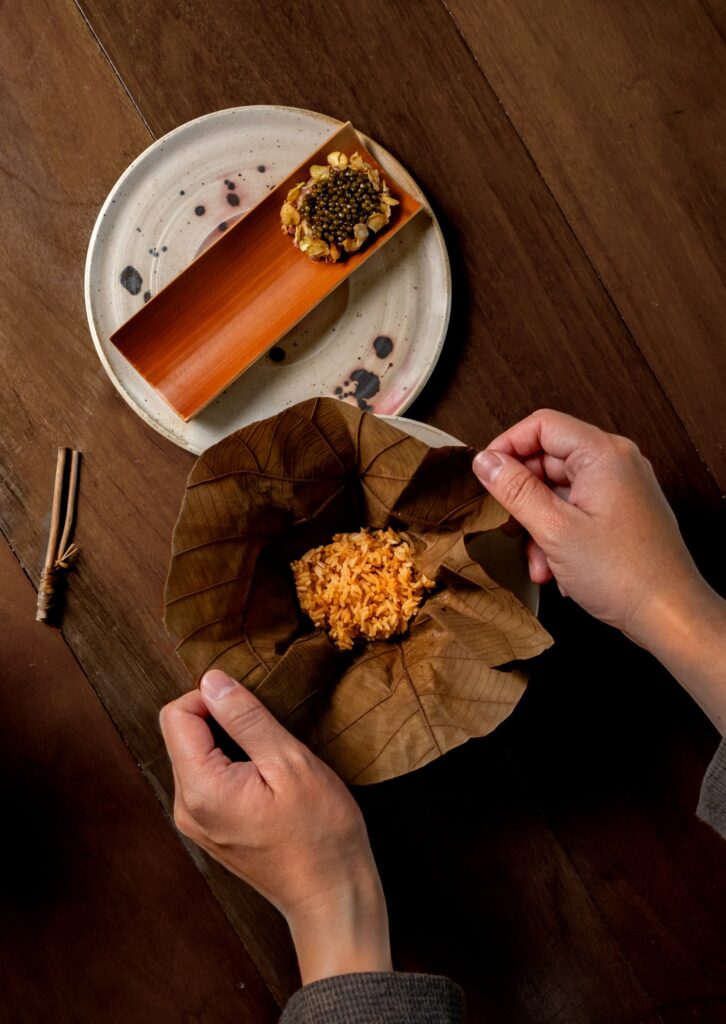
This mindfulness in what we ingest is something that has snowballed over the years and has become more apparent even in sectors that used to resist it. The once highly indulgent constructs of fine dining have become more receptive to the demands for healthier options.

Many are now more accommodating in regard to food restrictions, with some event offering vegetarian or vegan options when given ample notice. The beverage programs of fine dining establishments used to be exclusive to fine wines and spirits, but now those whose concepts allow now also have non-alcoholic pairings that include fruit juices, kombucha, and tea. For instance, Gallery by Chele consulted with world-renowned beverage expert Marina Wilkis (MIrazur, Central, Locavore NXT) for their extended beverage program that includes many non-alcoholic options.
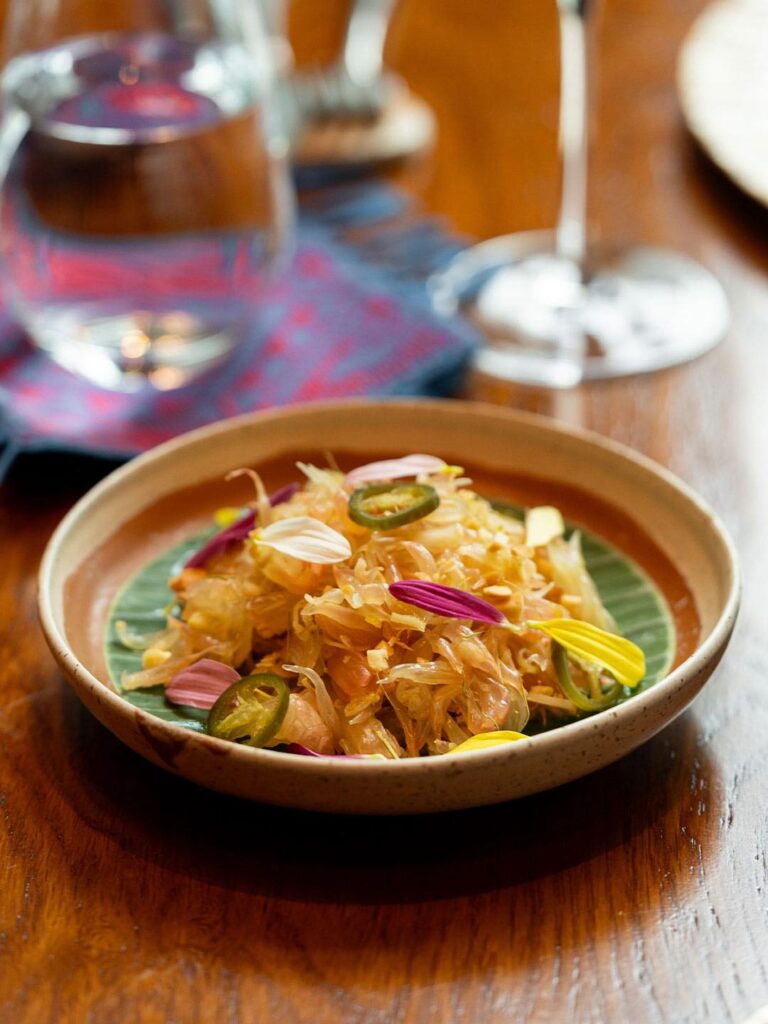
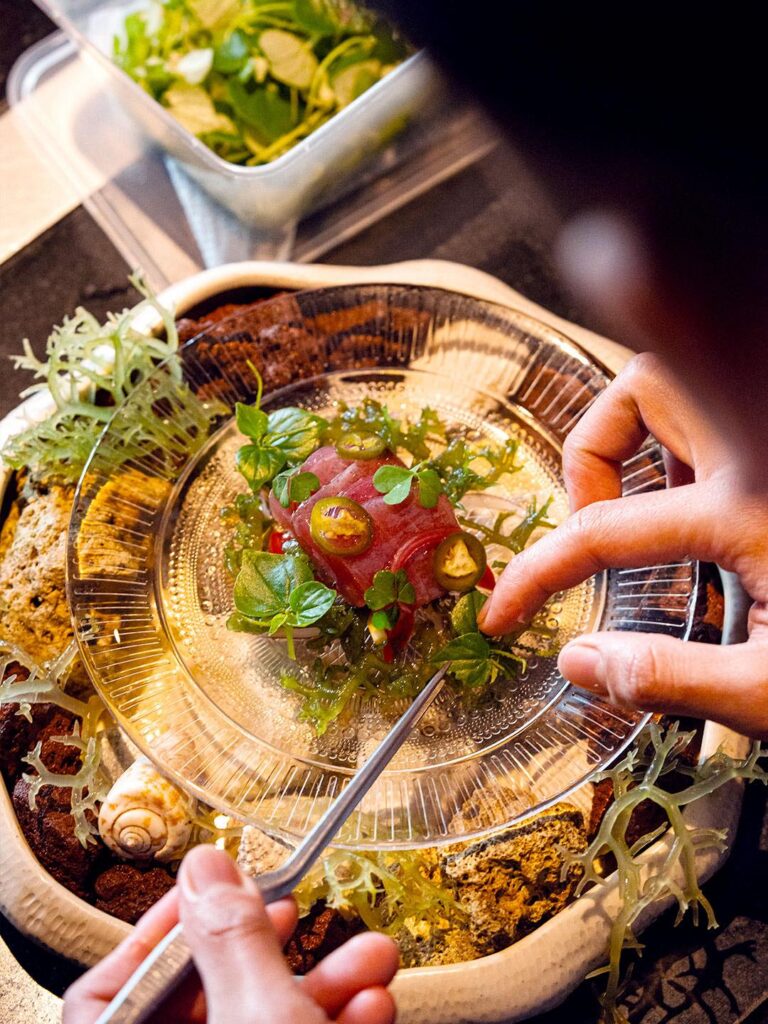
The shift toward non-alcoholic beverages is attributed to many factors, but mostly brought about it seems by a younger generation that is more health-conscious and experience-driven. While coffee is still a popular draw, matcha has also become more in demand as a seemingly healthier alternative (“seemingly” since it does have caffeine as well, and it is also usually served as a sweet, milky drink).
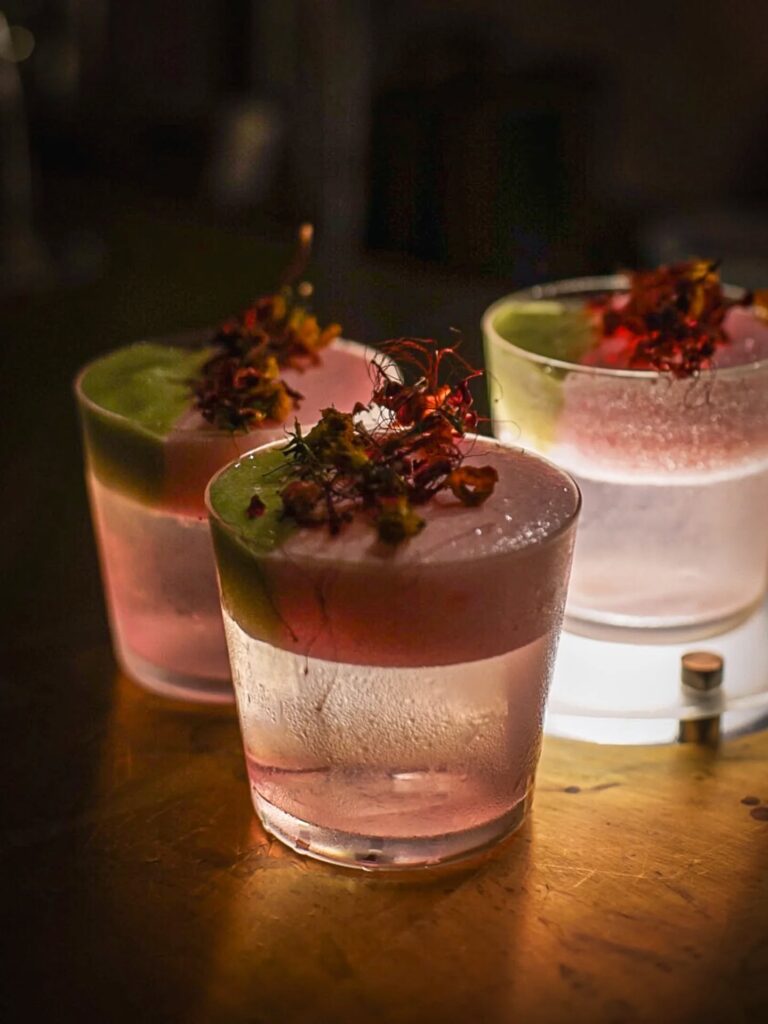
While the young ones still like to go out to bars and clubs, there is also a huge demand for non-alcoholic drinks like cocktails or small-batch sodas. And when we do decide to imbibe, Filipinos are drinking less but better. Our cocktails bars and mixologist are some of the best in the world, and we now have access to better liquor and premium wine. Even our local rum and lambanog are leveling up.
Moving forward, the logical next step is to maintain our momentum. Hopefully, the government will heed the call from restauranteurs asking for their support. The restaurant industry is a significant market with the chain restaurants alone already valued at $10 billion in 2023 and projected to grow to over $42 billion by 2032.
With all eyes on Filipino food and tourism that saw record-high numbers in 2024 with a revenue of P760 billion, here’s hoping that more locally run food and beverage businesses will flourish and succeed. With more and more international brands coming in to satisfy our growing middle class’ adventurous palates, may our local players in turn also be given the opportunity to do very well.
Related story: Chef Rhea Rizzo wears her heart on her sleeve at Little Miss Saldo’s
Related story: Bridging the north-south divide, Mita Kitchen + Lounge brings people together in Molito