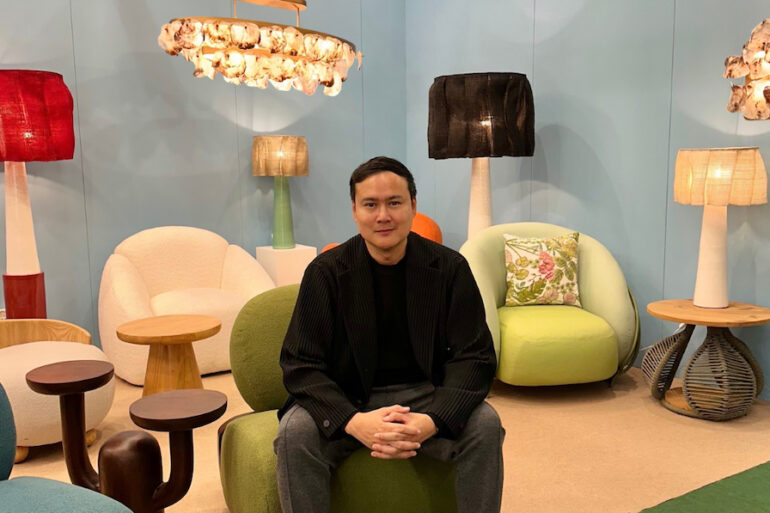

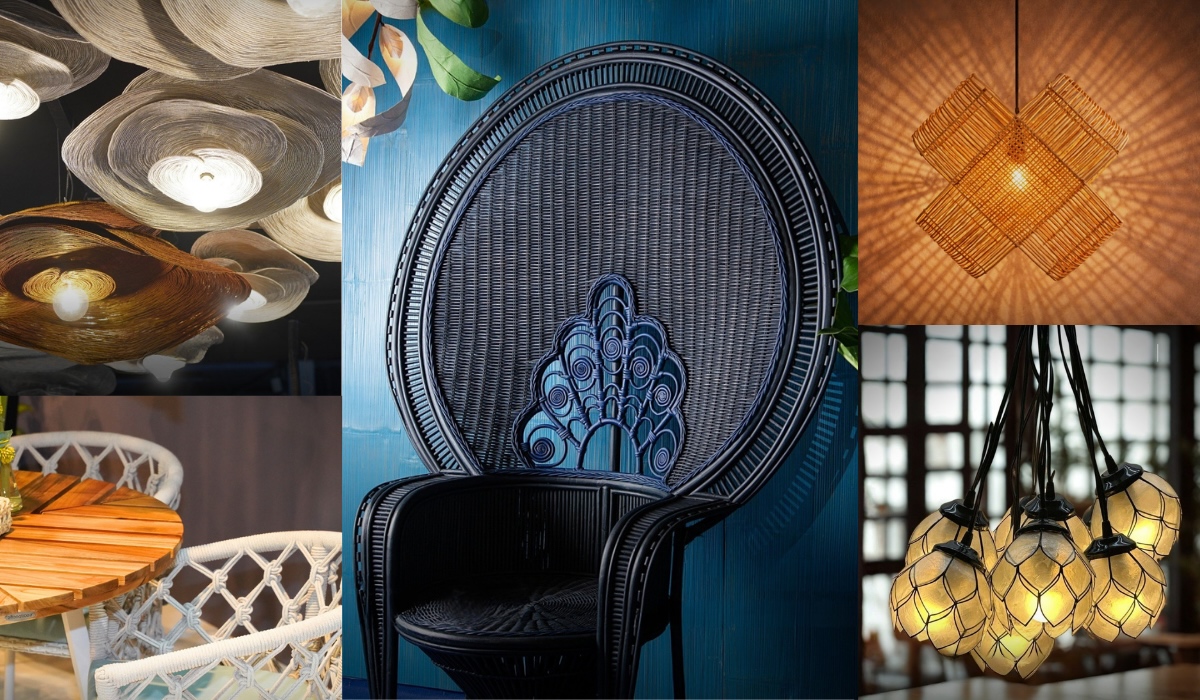
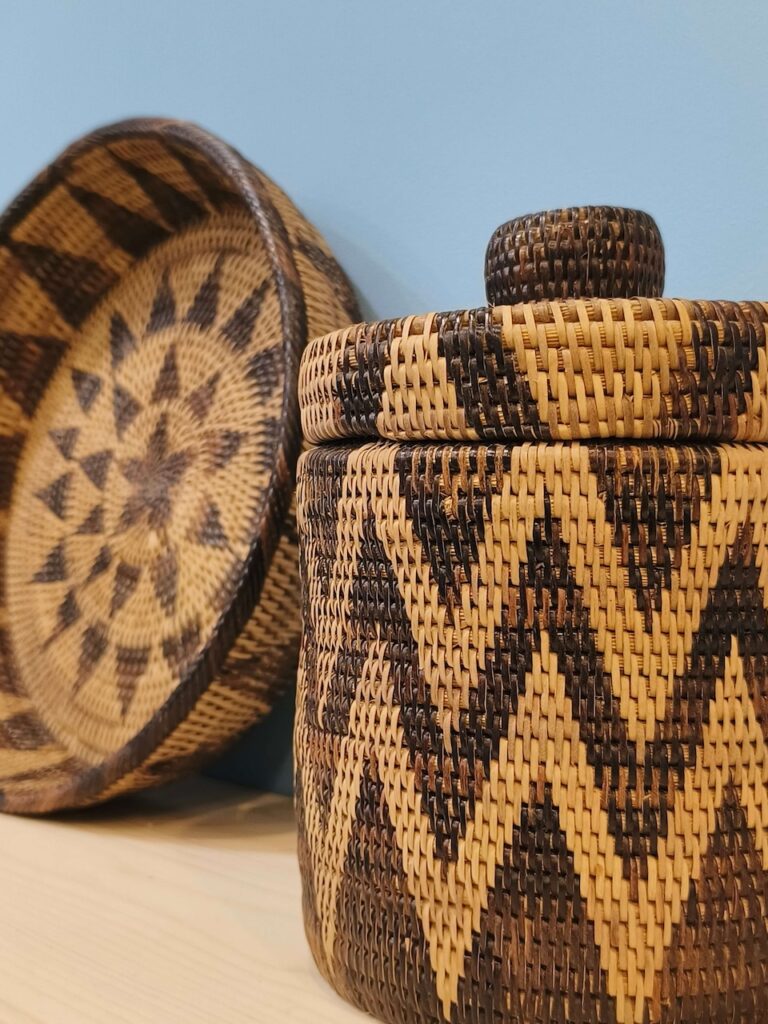
I catch my breath when I see the products for the first time: rattan woven in countless interpretations, wood bent to a designer’s will, rope freed from ordinariness, fabric gathered into sculptural light and shadow.
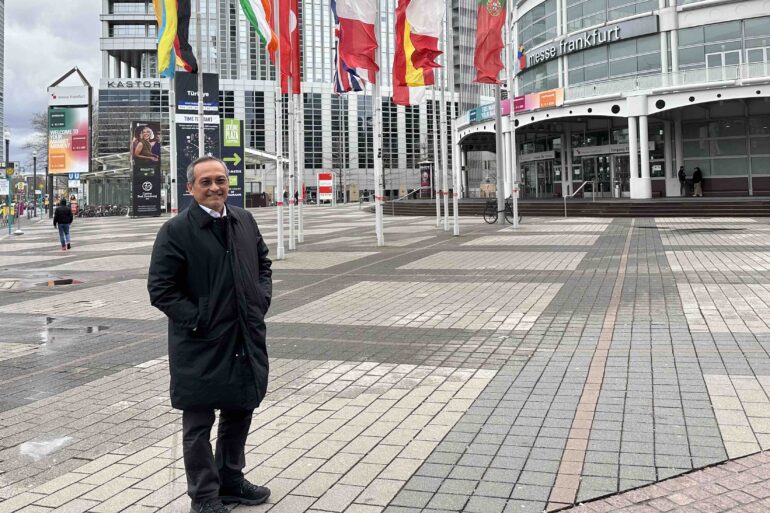
I’ve walked through Messe Frankfurt’s halls before. If you tried to cover all of them in a single day, you’d easily log 10 kilometers or more—and that’s if you didn’t stop to linger over the beautiful pieces on display or speak to the people behind them. Which, of course, is impossible because every product carries a story, and you find yourself wanting to hear as many of them as you can.
If you pick just a fraction of what catches your attention, the five days of Ambiente 2026 earlier this month wouldn’t have been enough. Messe Frankfurt’s exhibition grounds span roughly 400,000 square meters of hall space, more than 10 exhibition halls plus Frankfurt’s top event venues, the Festhalle and Congress Center.
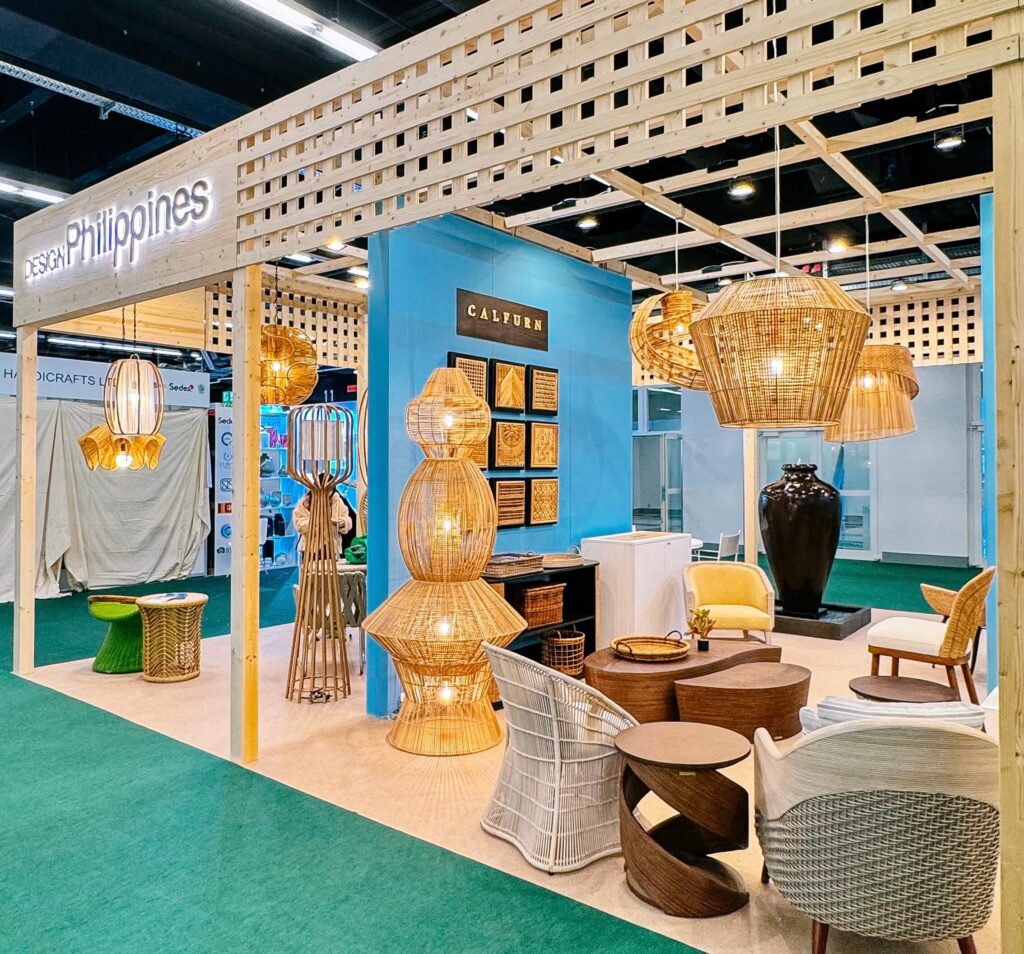
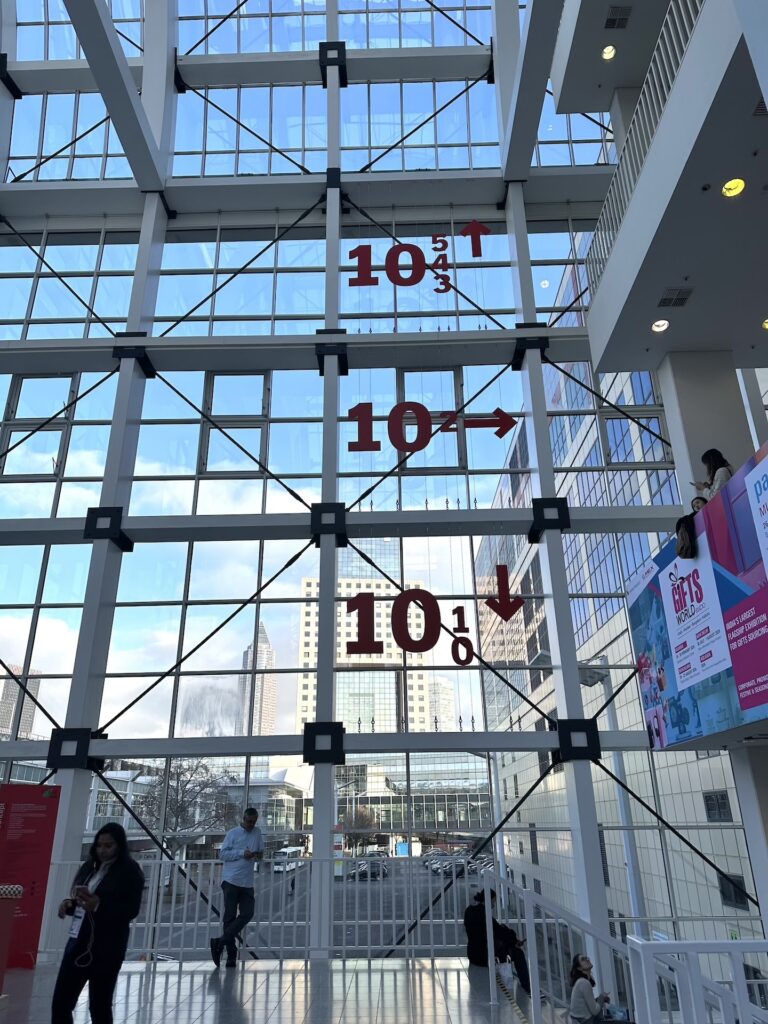
At Messe, the halls are dedicated to Living, Dining, Giving, and Christmasworld—but Hall 10 stands apart. Hall 10 is dedicated to Global Sourcing, where countries rather than brands compete for the world’s attention. This is where furniture and accessories are housed, where designers and manufacturers from across Asia, Europe, Africa, and Latin America stand side by side, each presenting their products to global buyers who move briskly through the aisles, comparing materials, margins, lead times, and compliance standards.
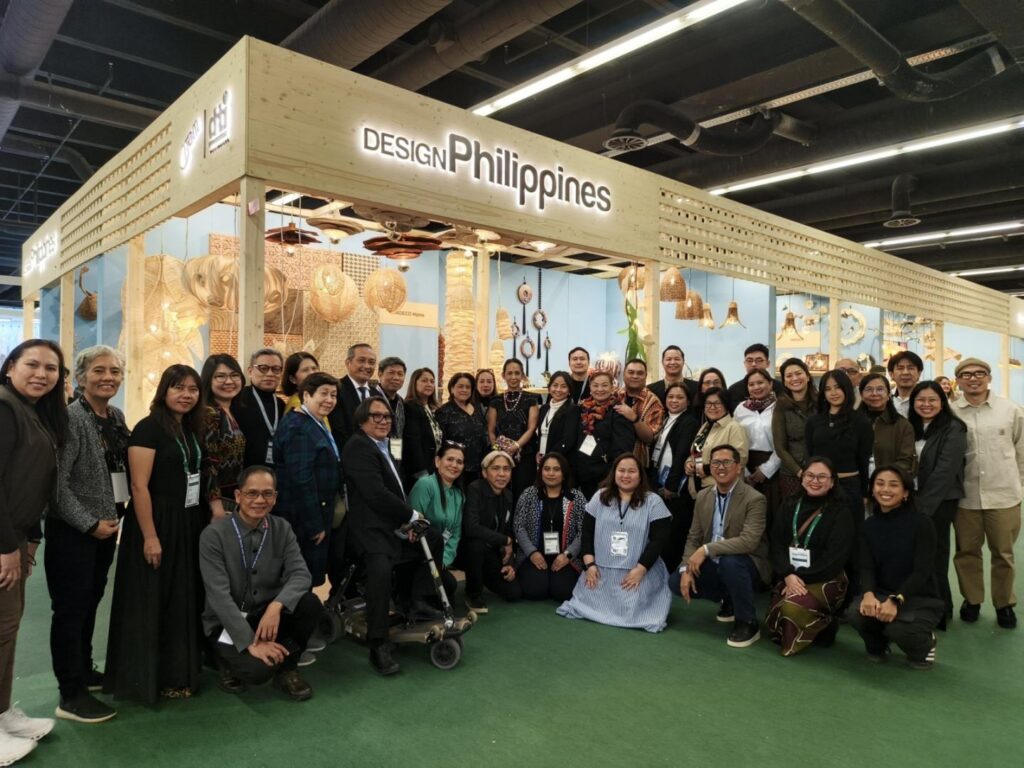
Right at the entrance of Hall 10.4, the Philippine Pavilion under the banner of Design Philippines/CITEM occupies prime real estate, showcasing a collective of 33 manufacturers.
Like any visitor stepping into the hall, I catch my breath when I see the products for the first time: rattan woven in countless interpretations, wood bent to a designer’s will, rope freed and unbound, fabric gathered into sculptural light and shadow.
When I sit down with the designers and manufacturers behind these products, I am reminded of how instinctively they balance Filipino design—rooted in centuries-old craft—yet poised for the modern world.
CITEM chose the theme “Handcrafted for the World” to encapsulate how we honor our artisan roots at Ambiente. Hosted and organized by Messe Frankfurt, this year’s edition featured 170 countries, 4,636 exhibitors, and approximately 140,000 visitors, with 71 percent of attendees coming from outside Germany.
Consistency as strategy
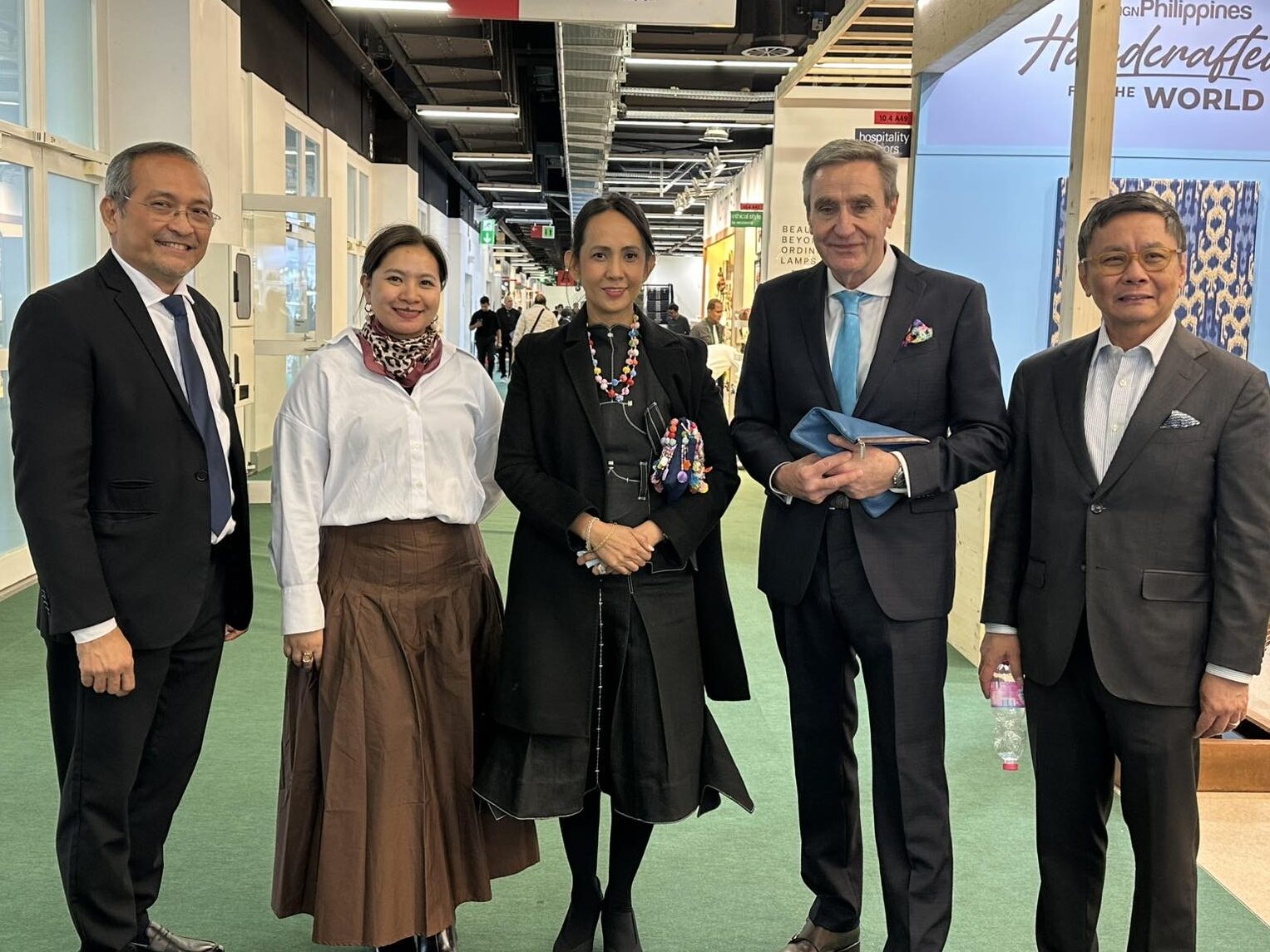

For the Philippines, returning year after year to this stage means continuity in a marketplace that values reliability as much as innovation.
Global-Link Exhibitions Specialist GM Wilbert Novero, who helps organize the Philippine participation on behalf of Messe Frankfurt, speaks of the weight of Ambiente when he says, “It’s the biggest trade fair for lifestyle in the world, and the Philippines has had a consistent presence here. Buyers who see thousands of exhibitors rely on familiarity to narrow their choices, and countries that return annually signal seriousness of intent. That recall becomes stronger when you show up year after year because it tells them you are stable, you are organized, and you are committed to the market.”
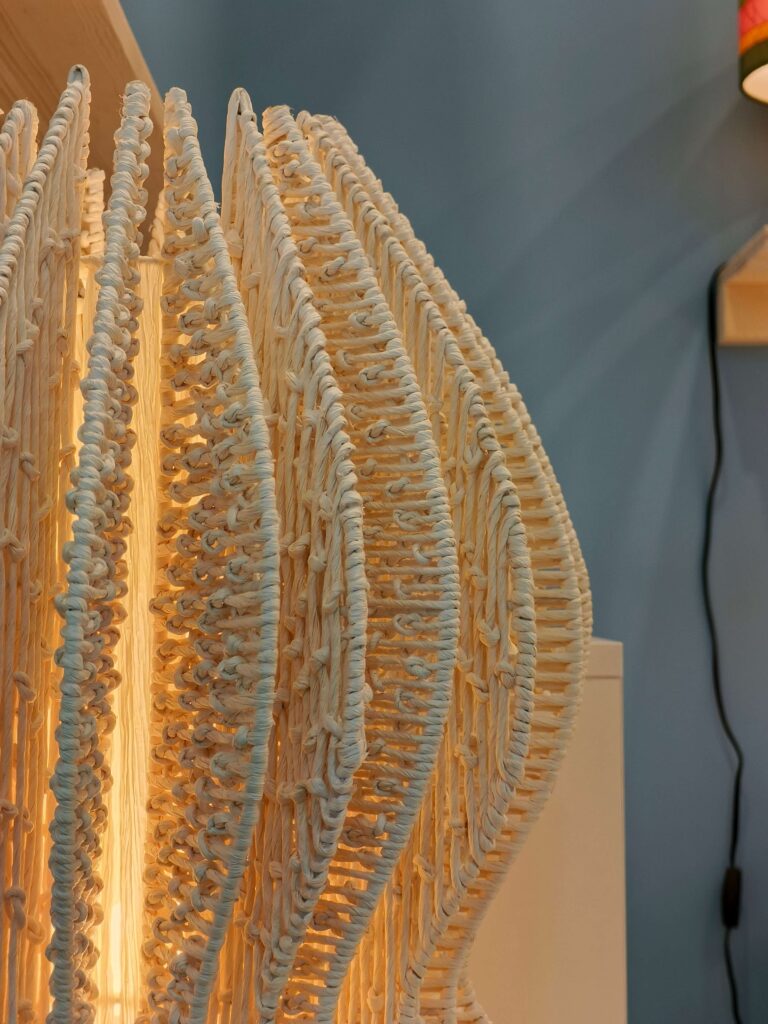
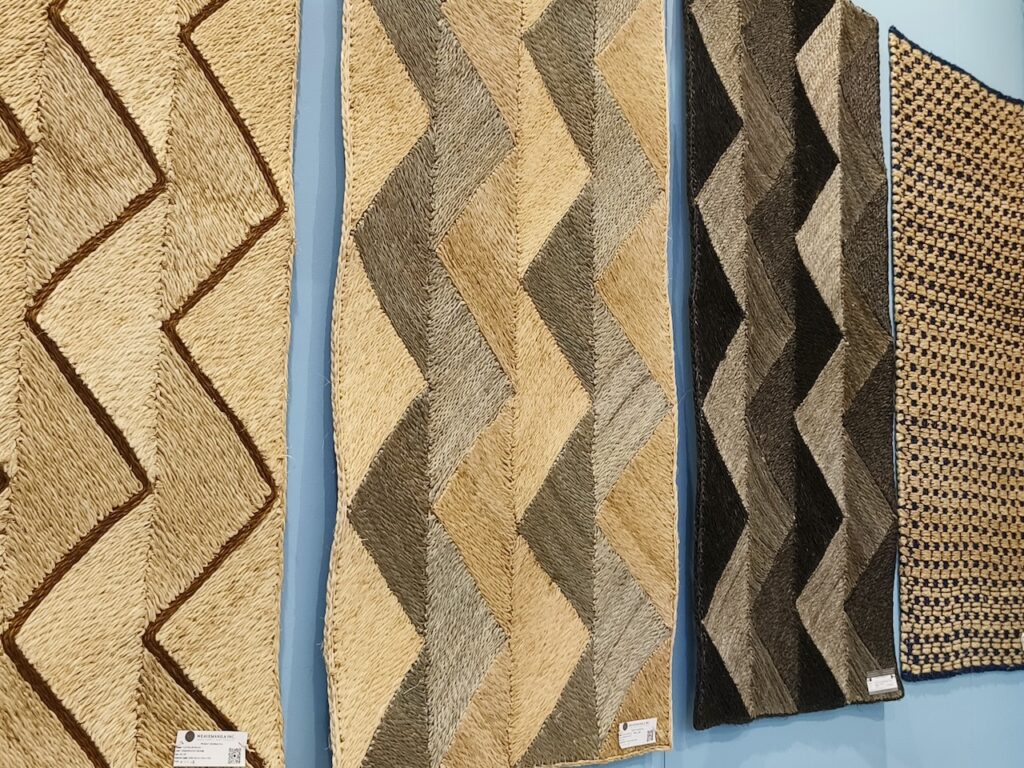
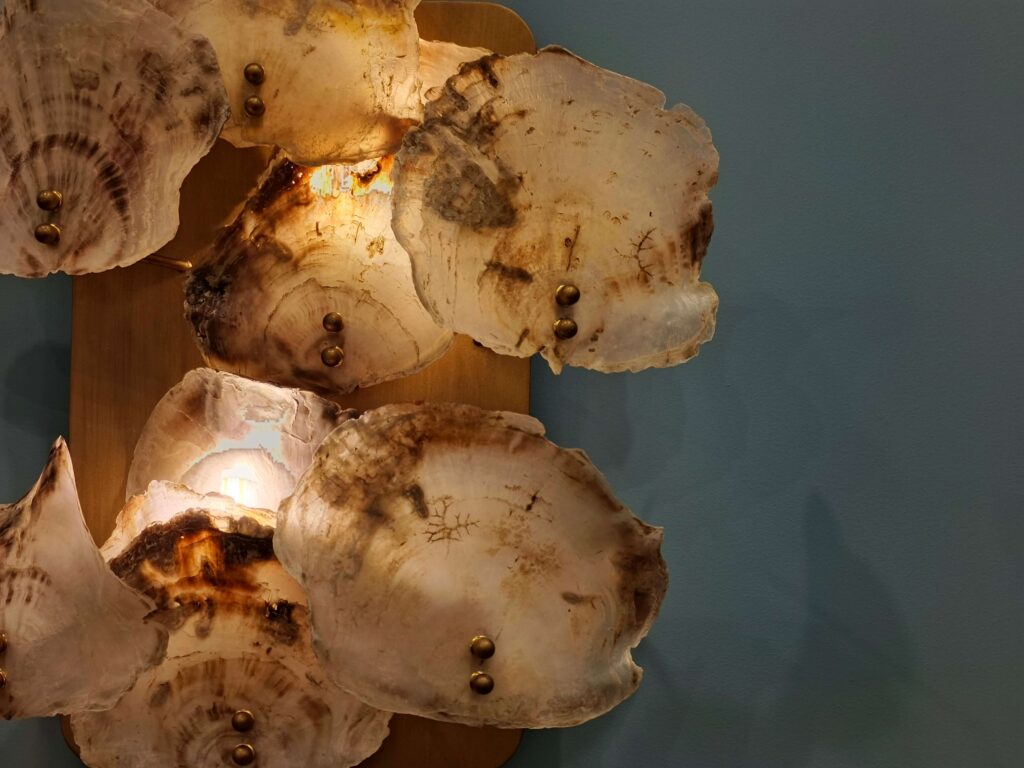
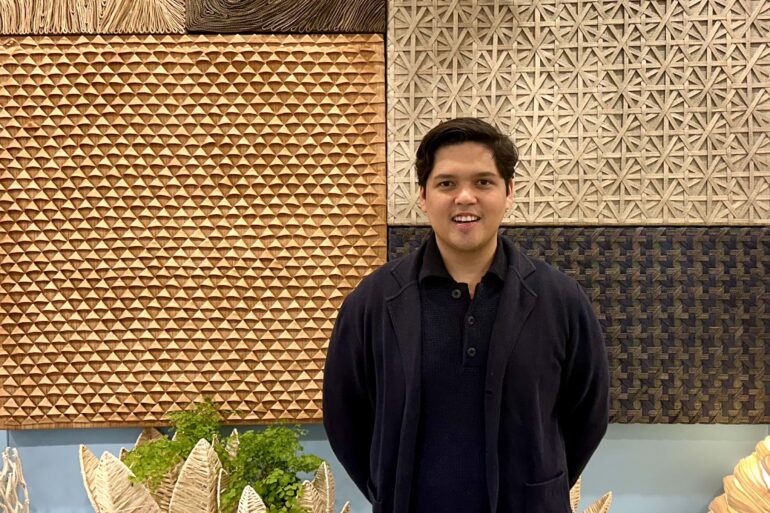
Under CITEM’s stewardship and with the steady hand of designer Tony Gonzales, manufacturers are not simply selling products; they are offering pieces of the Filipino story to the world. Tony has long worked alongside manufacturers, preparing them for the global stage, guiding design decisions, and sharpening presentation. For many of this year’s first-time exhibitors at Ambiente, that guidance reassured them that they belong here.
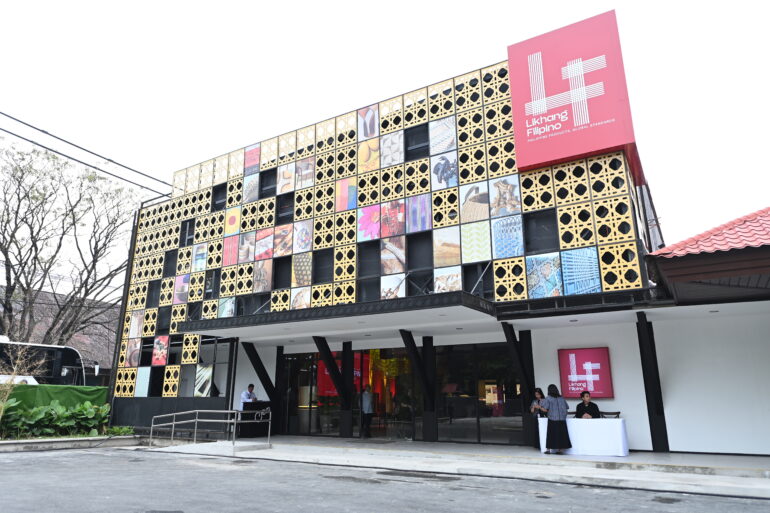
As part of the team that launched the new Likhang Filipino Galleries in Pasay—a permanent space dedicated to exporters’ products for the local market—Gonzales continues to help spotlight craftsmanship that deserves to be discovered by everyone.
Pinky Parra, CITEM supervising trade industry development specialist, tells me, “If it’s a group, the impact is different. When buyers enter the Philippine Pavilion, they are not just seeing one company; they are seeing an industry. These companies represent the Philippines, and we want to sell not just products but the Philippines, and identity is a big part of that.”
The Philippine Embassy in Berlin’s Commercial Counsellor Nicanor Bautista contextualizes this positioning within our broader trade positioning. He references the renewed engagement between the Philippines and Germany, and notes that Europe itself is recalibrating supply chains amid geopolitical uncertainty. “We are on the cusp of concluding a Philippine–EU Free Trade Agreement, which would be a game-changing deal. Unlike the periodically renewed GSP+, which is a special, enhanced trade arrangement by the EU that grants developing countries duty-free access to the EU market for thousands of products, the FTA institutionalizes preferential access and expands tariff concessions on more products.”
He adds, “The fact that the EU is negotiating directly with the Philippines—not just with ASEAN collectively—is strong evidence of its intent to diversify trade relationships.”
Different inspirations, similar stories
Newly appointed Philippine Ambassador to Germany Maria Teresa T. Almojuela also made the trip to Frankfurt from Berlin on opening day. “It’s only my 18th day in Germany, having arrived on January 20,” she says. “We’re enjoying a good momentum here in Frankfurt as we bring communities where our craft traditions are strong. Design defines the Philippines commercially in Europe and the world as an exporter of goods. We may be using the same materials for 20 years, but it’s never the same designs. Design is our identity and our currency in the world right now.”
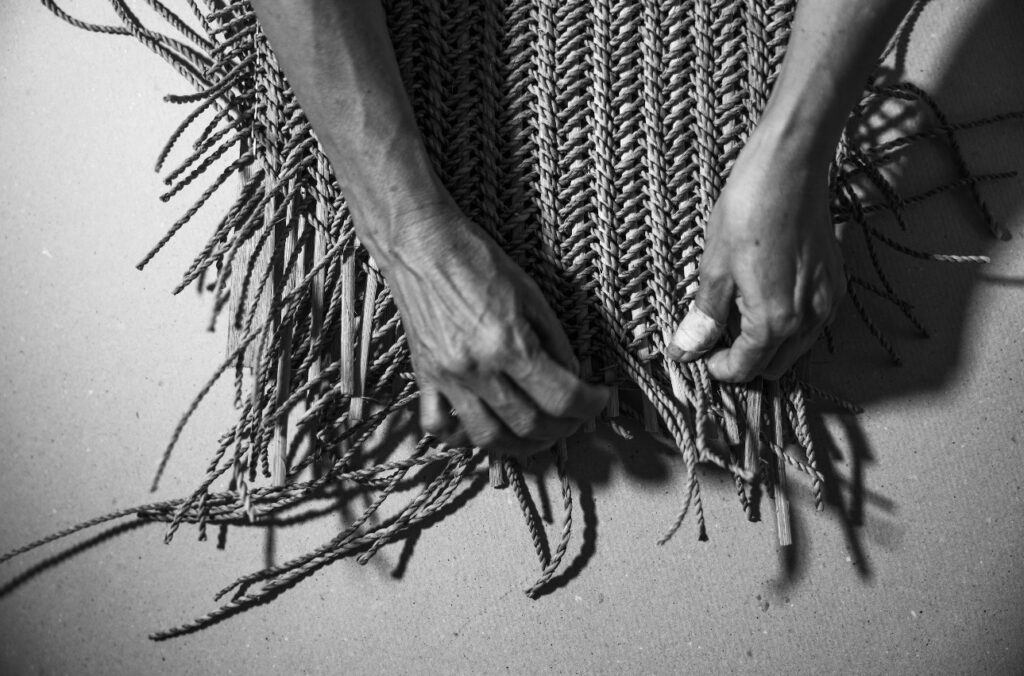
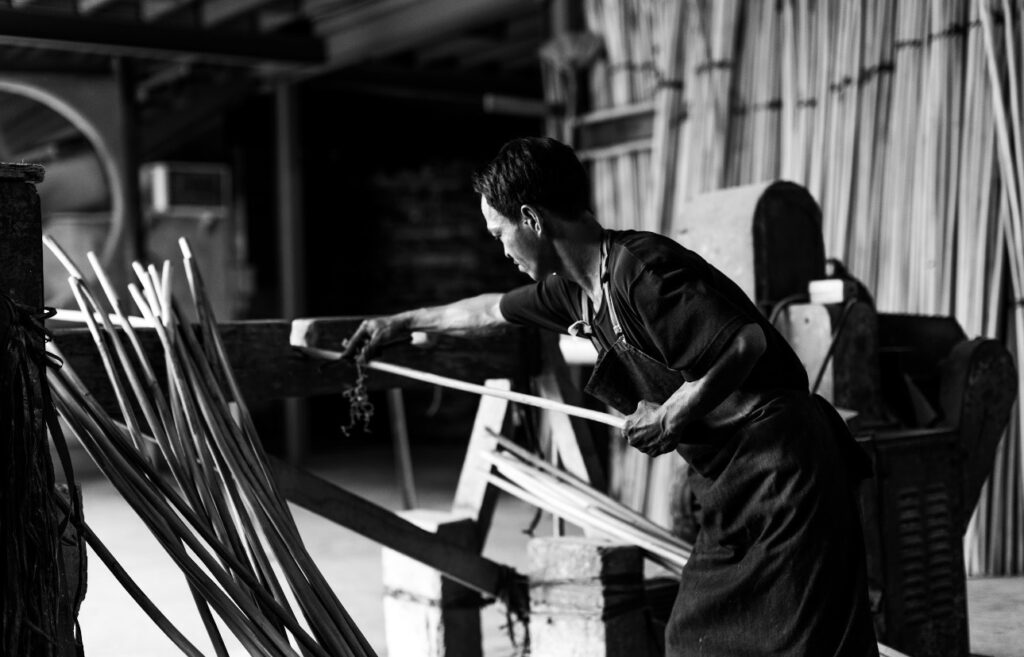
The inspirations are diverse—from the mountains of Central Luzon to the depths of Sulu Sea—but the creation of products shares a similar story. Behind every rattan chair or woven lighting piece displayed in Frankfurt lies a chain of labor distributed across communities, many of which depend on exports to sustain livelihoods.

Messe Frankfurt board member Detlef Braun notes in a news release that small and medium-sized enterprises must drive innovation and strengthen networks in order to remain resilient. Within a €190-billion European consumer goods ecosystem, competition is constant and transformation is accelerating.
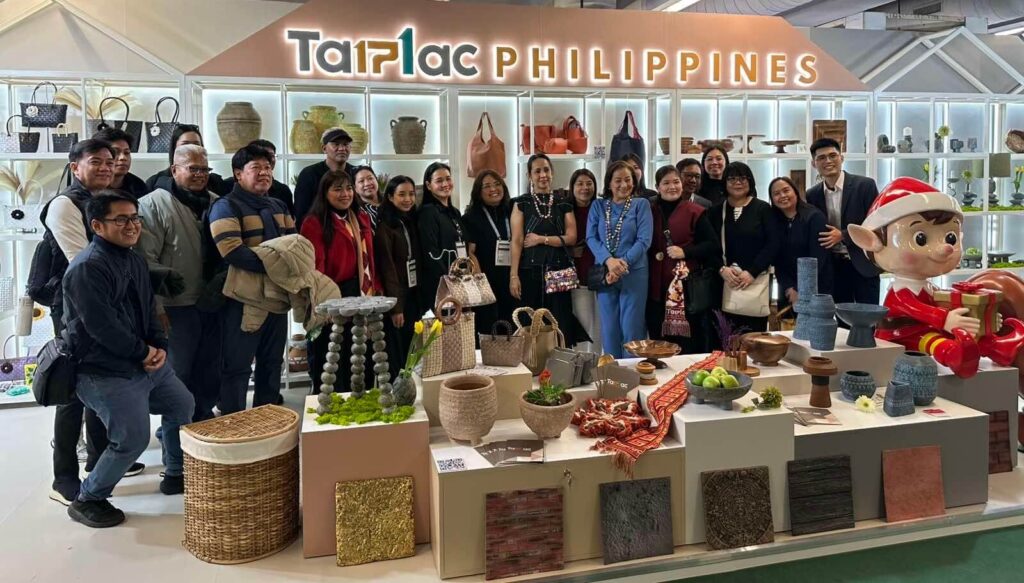
Tarlac is in its fifth year of exhibiting as a collective composed of experienced exporters from towns such as Concepcion and new ones as well. Their products range from pottery to commercial décor and fashion accessories. Former Governor Susan Yap had committed the province to exhibit at Ambiente for five years during her term; the current governor, her son Christian Yap, is throwing his support behind this collective as well after previous years’ great results.
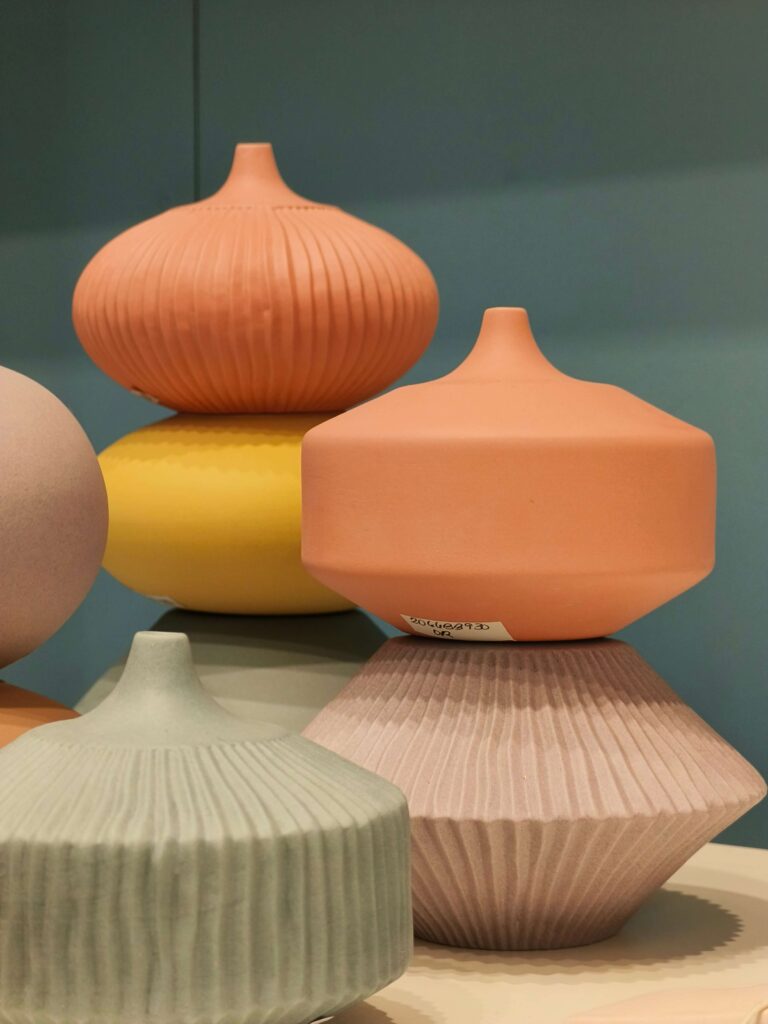
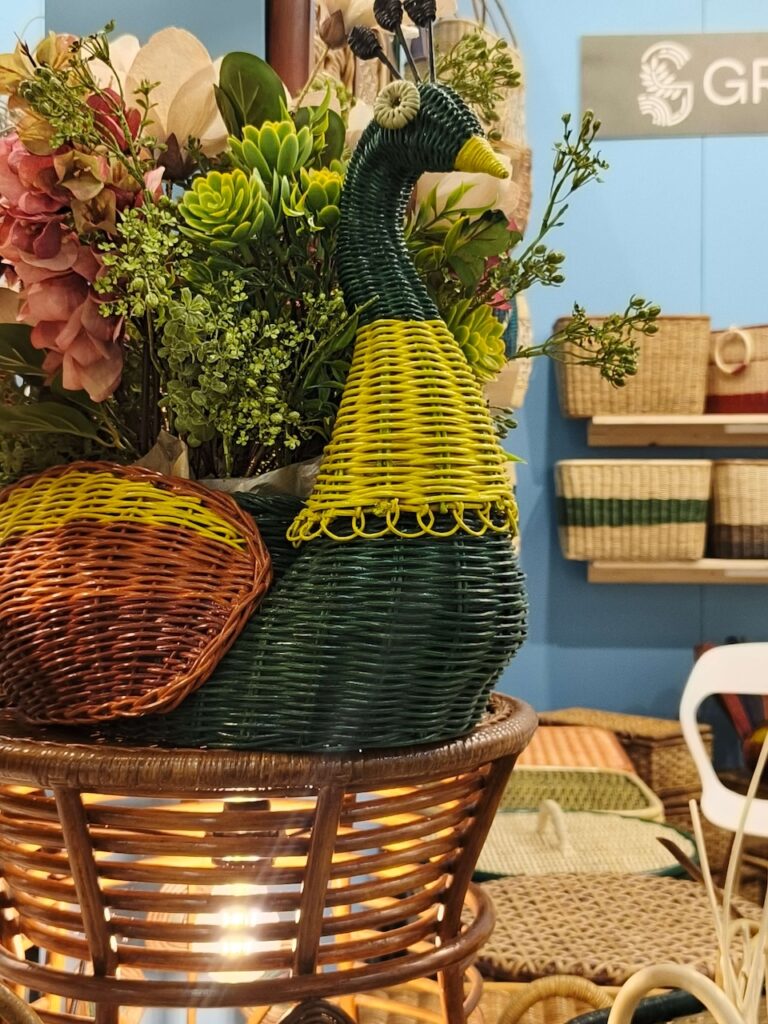
Photos above by Melvin Roxas

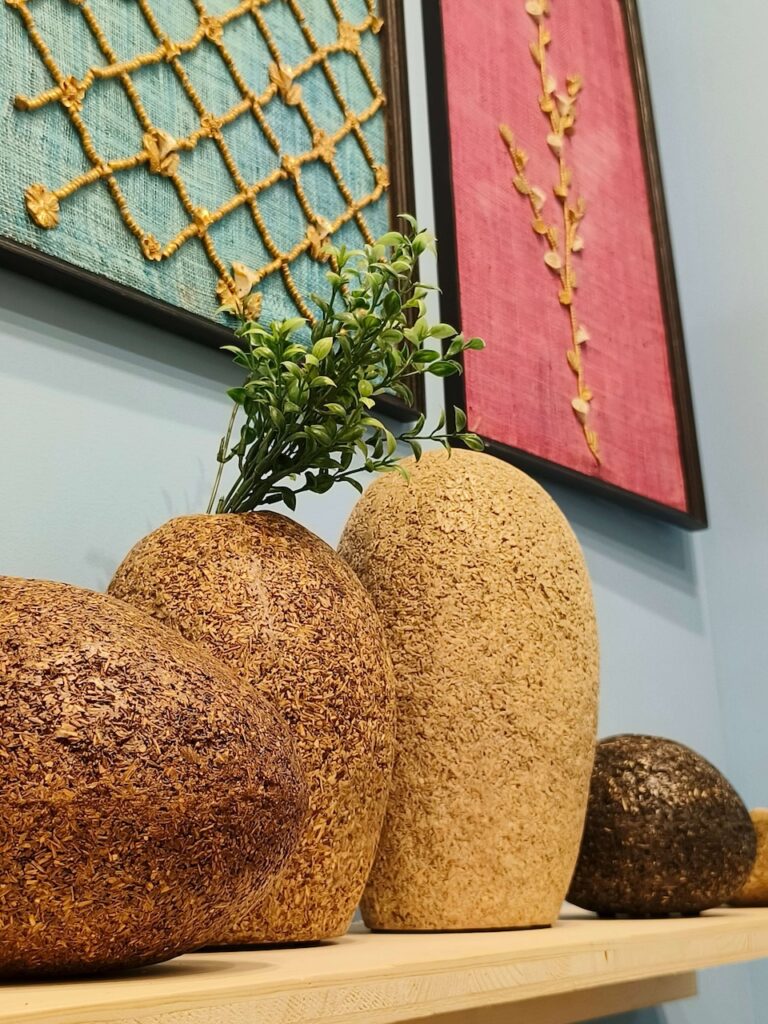
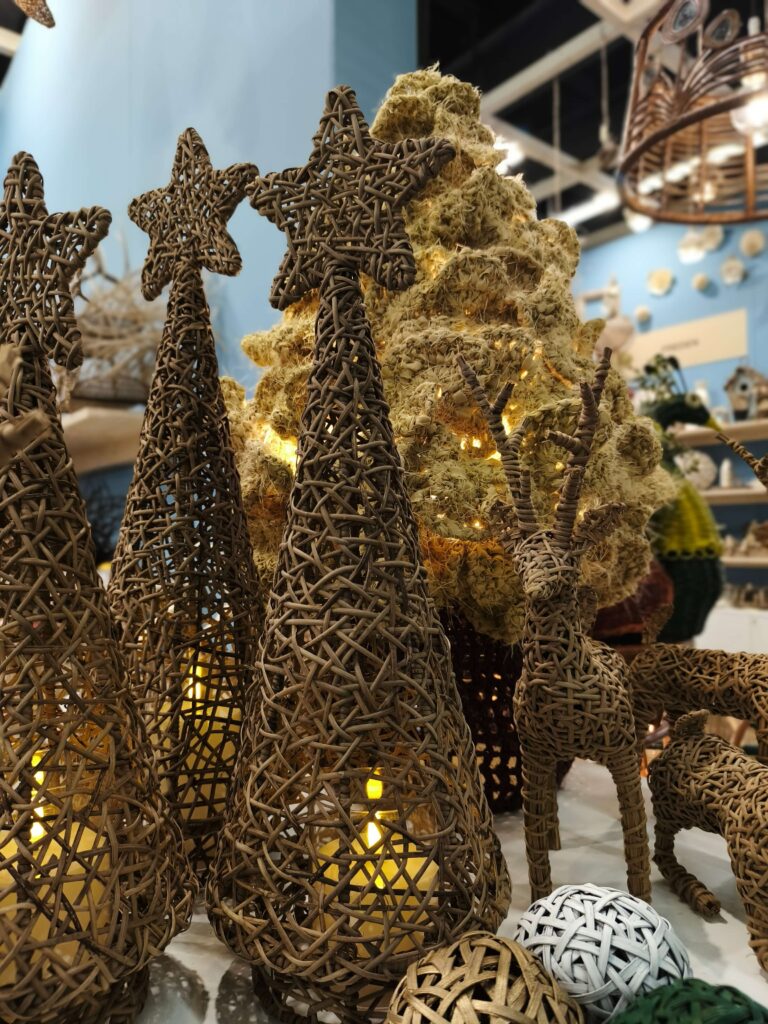
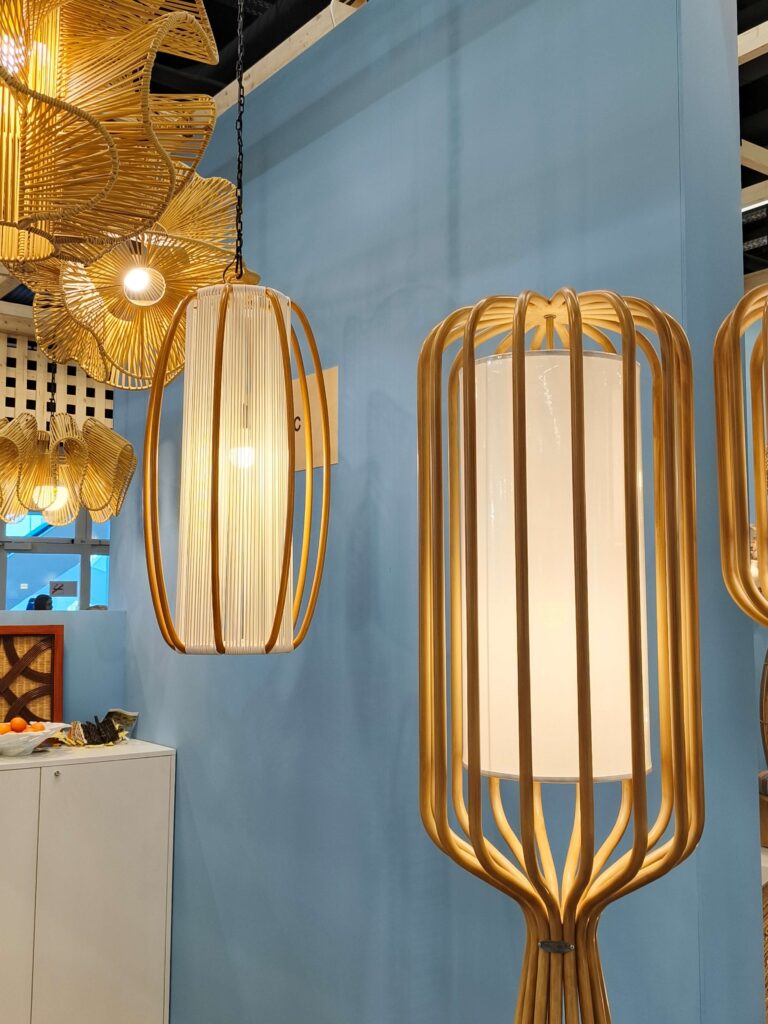
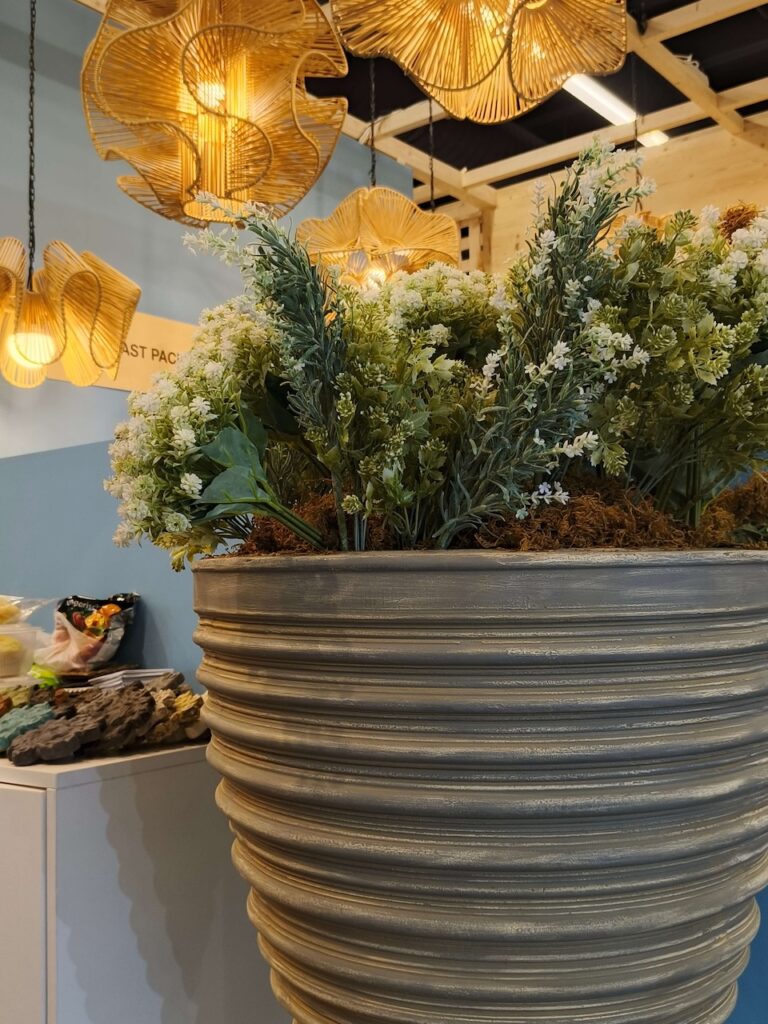
CITEM’s regional partner this year is Bicol and a group of exporters from Mindanao. Bicolanos transform natural fibers found around the region into woven art; Mindanaoans showcase intricate beadwork, vibrant ethnic weaves, and bold brassware.
It’s clear that Ambiente is more than a venue for orders and negotiations; it’s become a conduit through which rural production ecosystems intersect with European hospitality groups and retail decision-makers.
Commercial Counsellor Bautista puts it this way: “It’s not enough to have beautiful products. Buyers look at compliance, documentation, packaging, shipping timelines, and the ability to deliver volume.”
With “Handcrafted for the World” as their unifying statement at Ambiente, Philippine exporters bring to the world a story that weaves inherited craft with the standards of contemporary global commerce.
Related story: Wilbert Novero: Three decades of championing Philippine design on the global stage
Related story: How Paolo Feliciano took a detour in photography—then embraced his manufacturing legacy
Related story: Michael Villardo’s Moodism furniture turns sculptural design into a feel-good vibe