
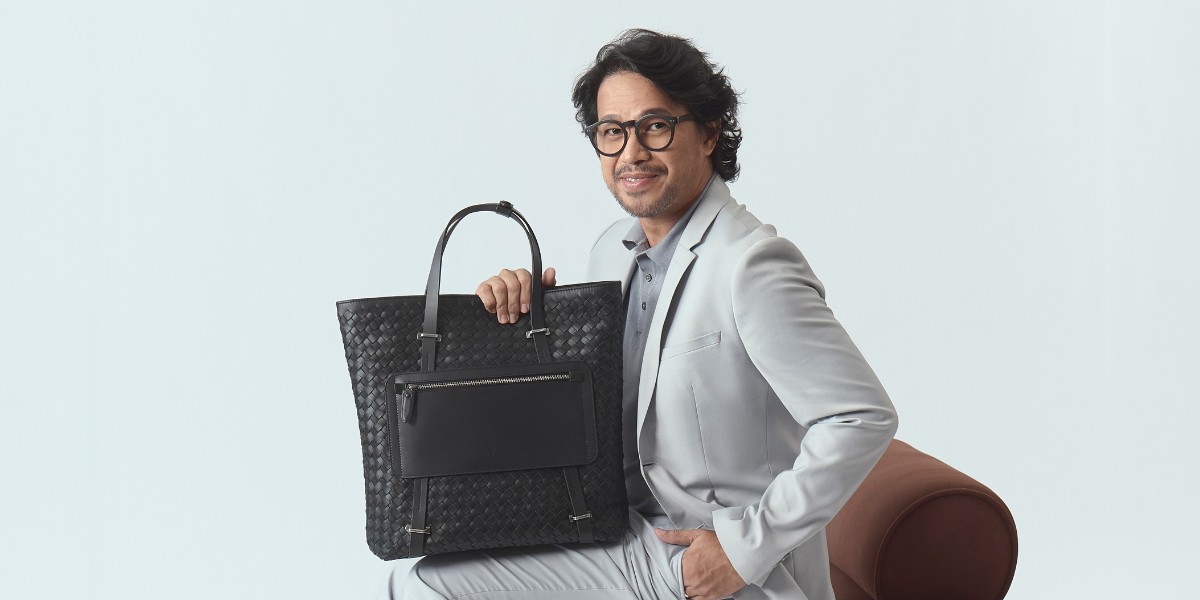
Pineda continues to translate local beauty into global landmarks. One of his newest creations, destined to travel, is his collaborative collection with Fino Leatherware.
It all began in the early ’90s, with a Pasig-born high school boy crossing campus grounds, a Pasiking bag slung over his back. While it was traditionally used by farmers and mountain villagers in the Cordillera region, this basket pack was no ordinary bag. It represents humility with its working-class roots and reflects innovation with its renewable materials. Above all, the modest bag mirrored the quiet determination that would lead the young student to prominence and global influence in architecture.
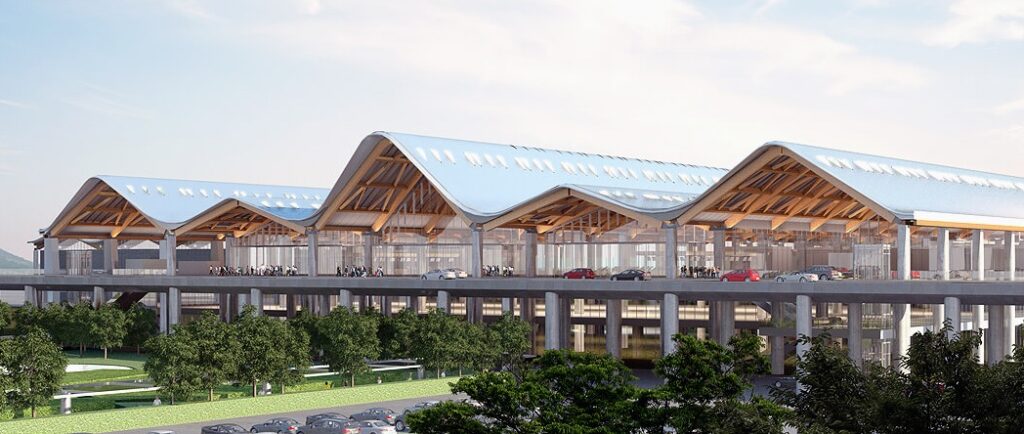
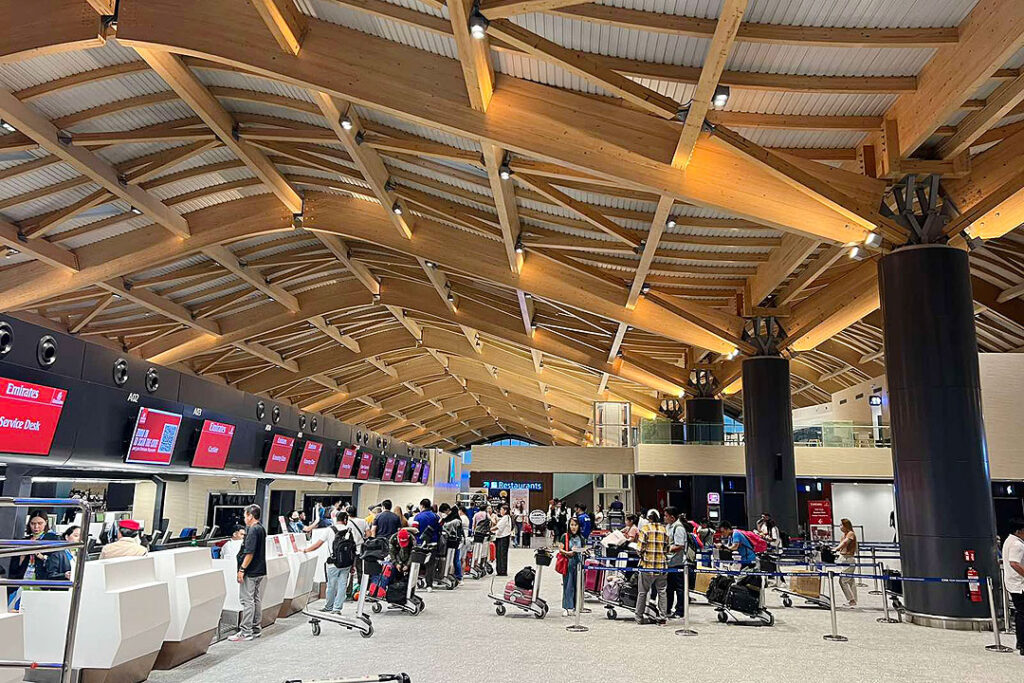
Today, Royal Pineda is among the Philippines’ top architects and the lead advocate of modern Filipino architecture and design. He is the president and CEO of his own company, Royal Pineda+, and is the visionary behind the country’s landmark projects, such as the New Clark International Airport, the Sacobia River Bridge in Pampanga, the Philippine Pavilion “Bangkota” at the 2020 Dubai Expo, and the Mactan-Cebu International Airport Terminals 1 and 2.
Related story: Wilbert Novero: Three decades of championing Philippine design on the global stage
Related story: How Paolo Feliciano took a detour in photography—then embraced his manufacturing legacy
A leading figure in the country’s design field, Pineda achieved remarkable milestones for his deep love of the Philippines and unwavering desire to uplift the nation. And, naturally, design remains at the core of everything he does.
“I didn’t know that this was architecture. But I have always loved design. I always love sketching,” he recalled during an interview with The POST at the launch of his collaborative project with Fino Leatherware.
“When my mom and I were applying for a course at the university, at first, she brought me to engineering, but the engineering line was closed already. So, she brought me to architecture, saying, ‘There’s architecture; it’s the same.’” He continued, “I think it was meant to be that I was brought to this field.”
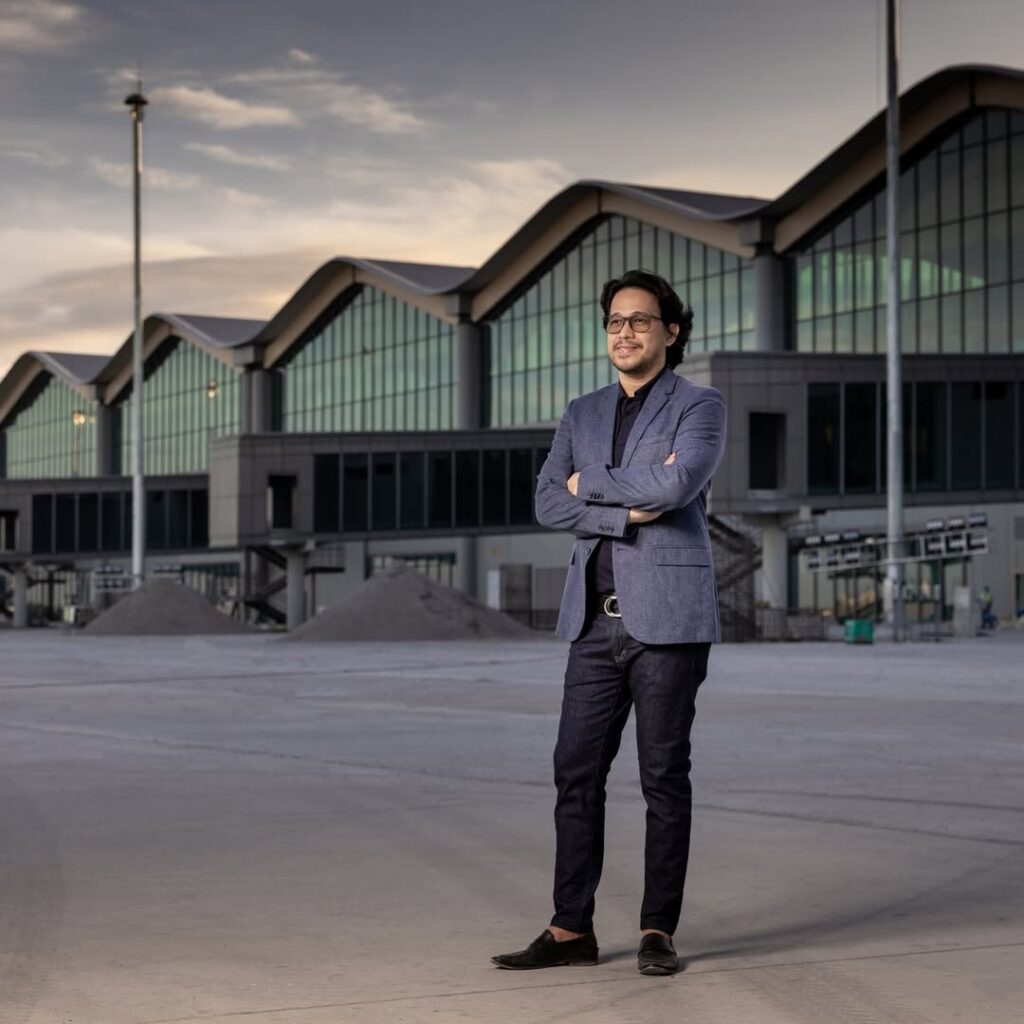


As the son of public school teachers, it was only natural for him to want to use his artistic skills to serve others and better the country. “With my creativity, I look at things, and I try to spot the flaws, not to criticize but to understand them and make them better,” Pineda explained. “I always want what’s better, and that’s why I advocate for modern Philippines— a better Philippines—through my designs.”
Fueled by his love for the country and design, he developed his concept of “Modern Filipino” architecture, a style that merges cultural elements with contemporary aesthetics, even before earning his bachelor’s degree. He was only a sophomore at the Polytechnic University of the Philippines (PUP) when he began to question the nature of things and reflect on Filipino identity, setting the foundation of his game-changing philosophy.

Pineda’s exceptional curiosity and creativity earned him a five-year apprenticeship under the firm of National Artist for Architecture Leandro Locsin and, along the way, a doctorate in architecture at PUP. Afterward, he collaborated with designer Budji Layug to create Budji + Royal Architects. Today, he runs his own firm, Royal Pineda+, where he continues to champion the ideals of “Modern Filipino” architecture
Related story: Jar Concengco believes that good design will save the world
Related story: A tale of two stunning designs
Illuminating the beauty of Filipino culture and talent
From then on, Pineda has embraced every opportunity to celebrate the beauty of Filipino culture both in his works and way of living. “I’m doing Filipino in my architecture, my masterplan, everything. I will not deviate. I will always try to celebrate our identity,” he told The POST. “If you can design a modern Filipino trash can, make it still Filipino, I would. Because every opportunity we can design something with our identity is important.”
It is strongly evident in how his Modern Filipino philosophy is shaped by the “nature of things” and the pursuit of making something connect to its user. “Architecture is basically environment. It’s something that surrounds you. It needs to connect to Filipinos,” he explained. “I don’t want to create something trying to be something else. I just wanted it to be honest.”

This philosophy also inspired him to advocate for the concept he terms “practical luxury,” which prioritizes functionality, comfort, and the use of practical materials to create high-end, sophisticated experiences. It’s about precision, quality of life, and “designing the soul” of a space.
“It’s about designing something very straightforward, truthful, and doesn’t need any decoration and, at the same time, satisfy needs. And I think that tells you that there is no excuse to bad design,” he said. “Design is the key, materials can change, but the mind, the malasakit to make it better will make every Filipino live in luxury through design.”
The global architect ensures to bring his community-driven concepts to life, most notably in large-scale projects like the Clark International Airport, which is renowned for its wave-like roof that mimics the surrounding Zambales mountain range. It was named among the World’s Most Beautiful Airports by UNESCO Prix Versailles, not only for its impressive design but also the use of innovative materials, such as lahar, or volcanic ash, in Tarlac and Pampanga. “And I think that’s the beauty of it—it was always truthful,” Pineda remarked.
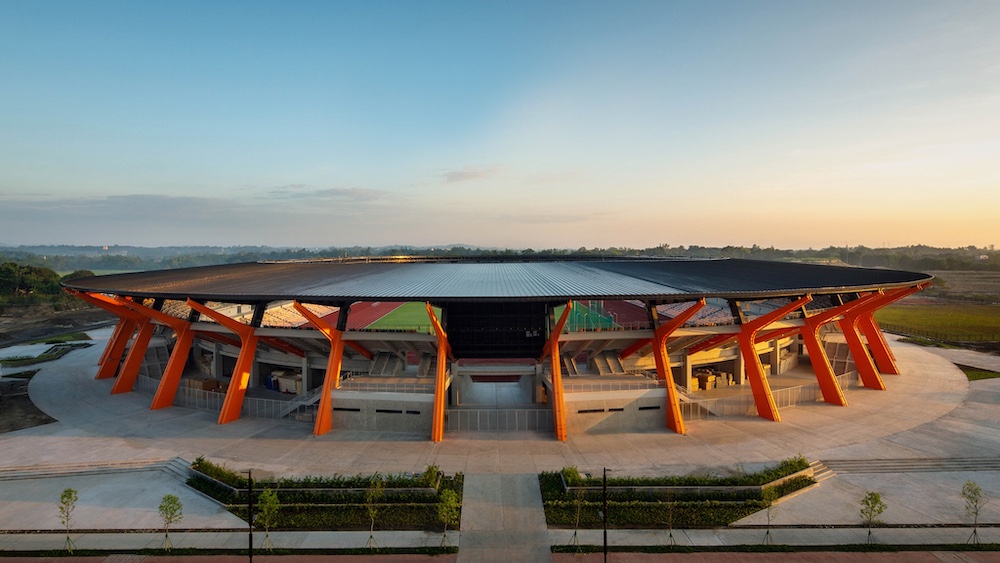
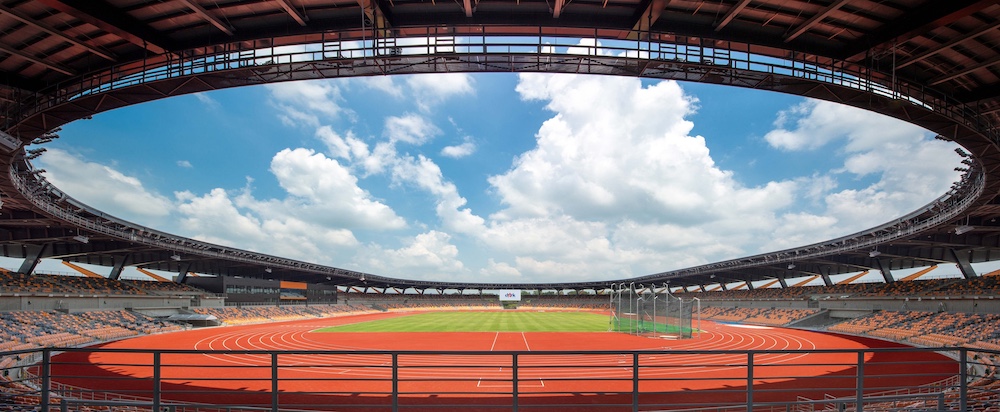
The New Clark City Athletics Stadium stands out as another of his most notable projects for its its world-class, disaster-resilient design and stunning architecture inspired by the crater of Mount Pinatubo. Completed in just 18 months for the 2019 SEA Games, the 2,000-seat arena has earned the “Highly Commended” recognition from the 2021 World Architecture Festival, and was shortlisted in the top 10 best stadiums in the world at the 2019 Stadium of the Year Awards.
“It was all based on the idea that we just need to understand the nature of the place,” Pineda told The POST. “So there really is no excuse for bad design. Even a government project can be world-class project. And, again, we only needed it to be Filipino and modern for a better Philippines.”
Related story: The rise of quiet luxury in Philippine architecture
Related story: Ashes reimagined: How Destonos turns volcanic fallout into sculptural furniture
From local to global, buildings to accessories
Pineda continues to translate local beauty into global landmarks around the world, including Singapore, Thailand, Beijing, Hong Kong, Malaysia, Australia, the U.S., the U.K., France, Germany, and Dubai. One of his newest creations, destined to travel, is his collaborative bag collection with premiere local brand Fino Leatherware.
The collaboration, according to the brand, began in 2025, when its founder Dr. Rommel Bautista received a photo of a friend that shows Pineda standing on a curb in Germany, with a leather Fino Overnighter in tow.
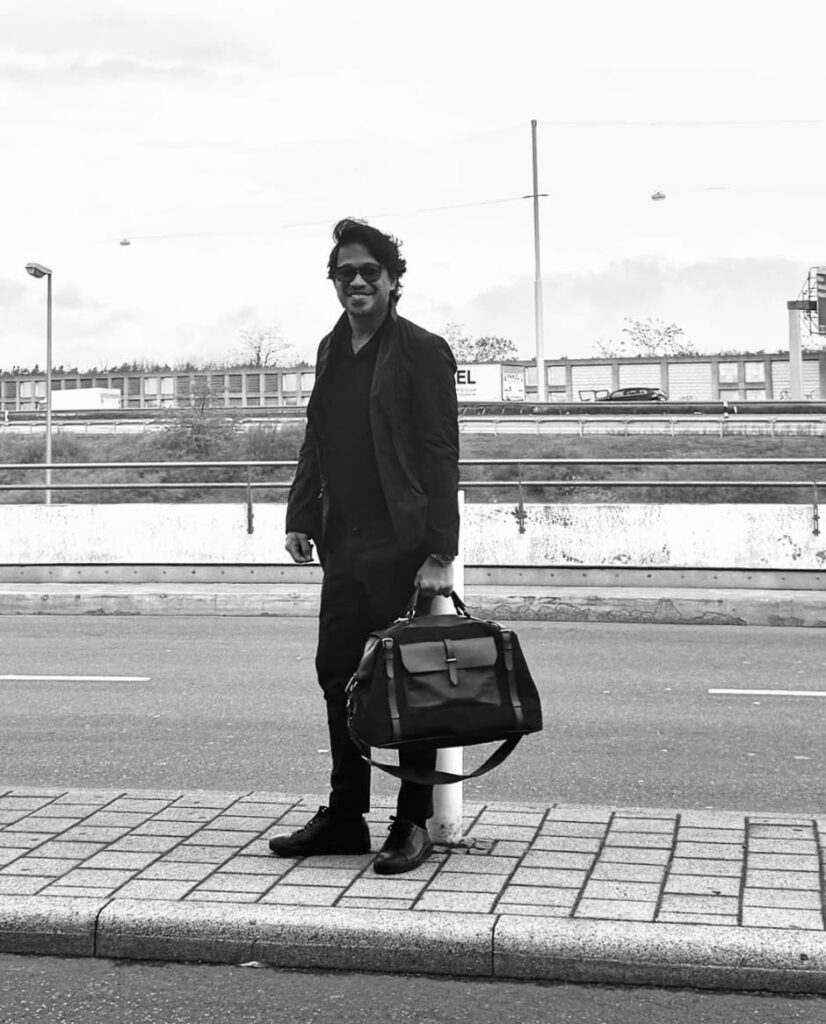

“For someone of his caliber, it was striking and refreshing to me that Royal would choose a locally-made bag over the usual luxury brands. Here was a guy who truly understands what it’s like to be a local brand. After seeing that photo, I immediately had this idea of inviting him to do a collaboration with us,” Bautista recalled.
In fact, Pineda holds the brand close to his heart not only for its products but also for its name that has long been a part of his professional routine. “Whenever I have projects, I always tell my team ‘You have to make it fino; it cannot be ‘pwede na.’ Fino has always been in my work,” he recalled to The POST.
This pursuit of flawless design is a shared principle between Pineda and Bautista, who crafts his bags with “clinical precision” as an eye surgeon. For the brand’s Royal Atlas collection, the duo designed pieces that would not only carry the architect’s daily essentials but, more so, showcase Filipino culture.
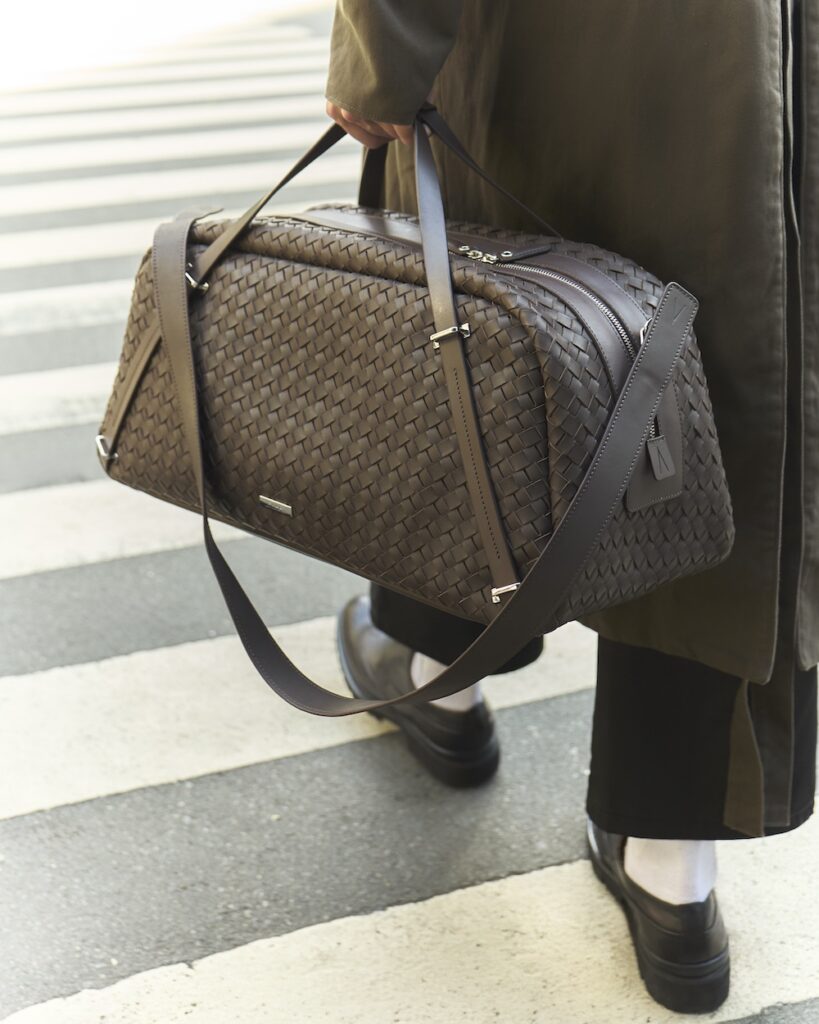
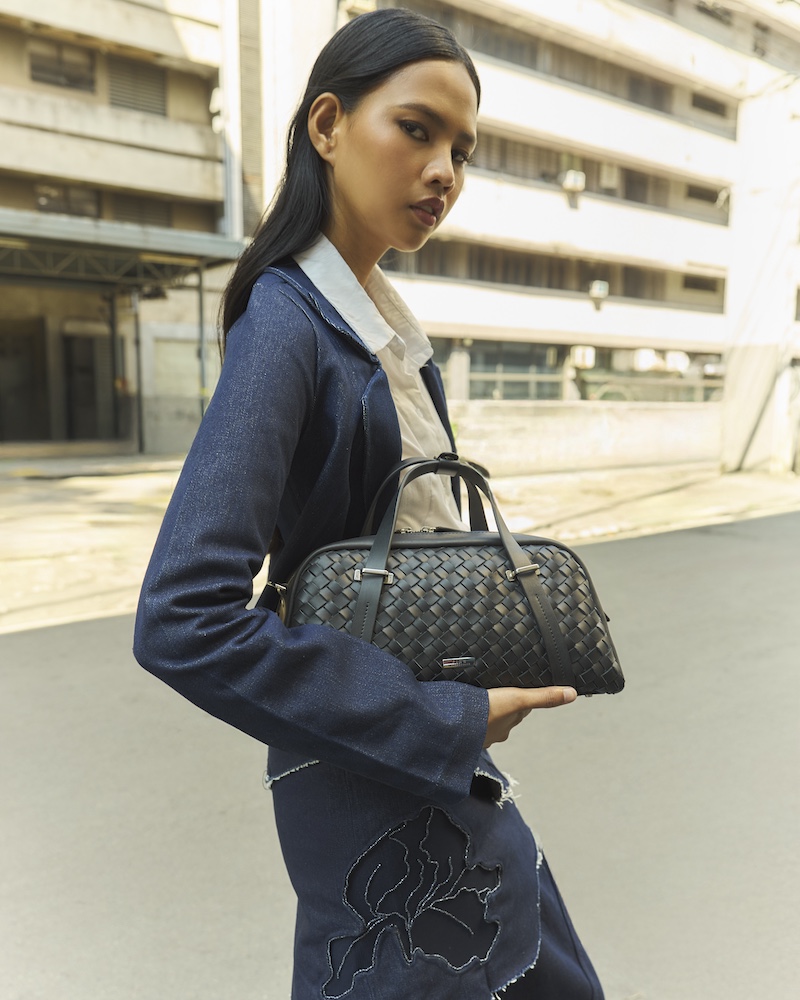
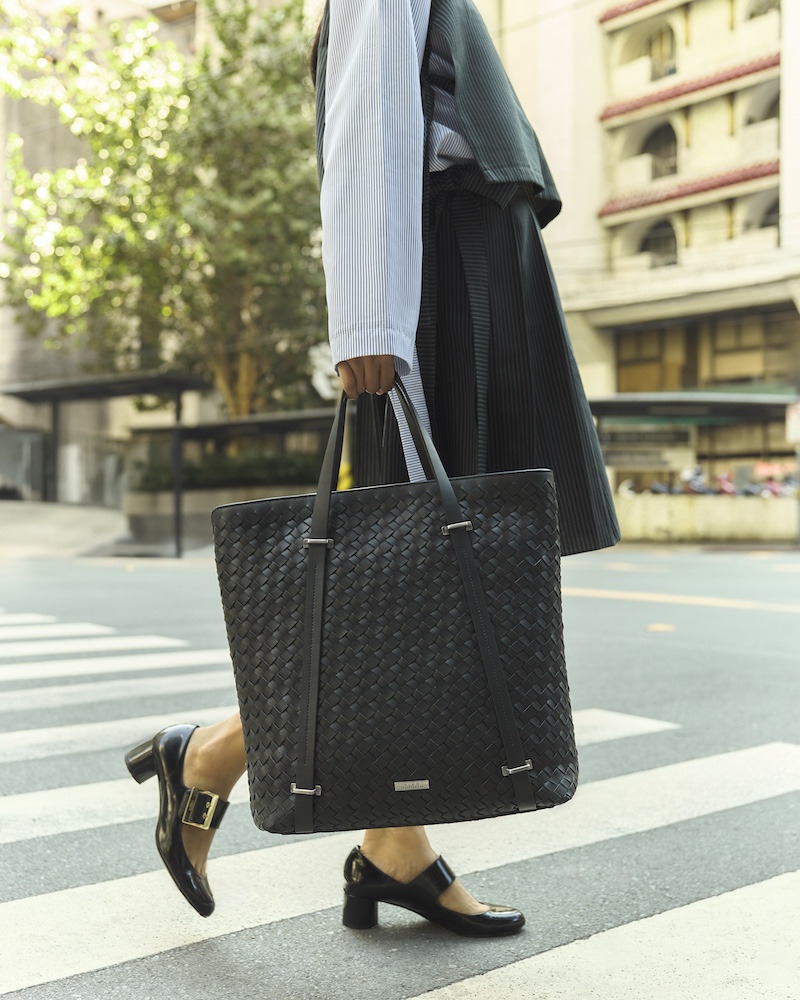
From the stitching, weaving, down to the straps and logo ,all elements come together to tell a cohesive narrative about the Modern Filipino. “It is not just about aesthetics,” Pineda emphasizes. “It’s structure, dimension, depth all woven together. Every detail is formed by intention.”
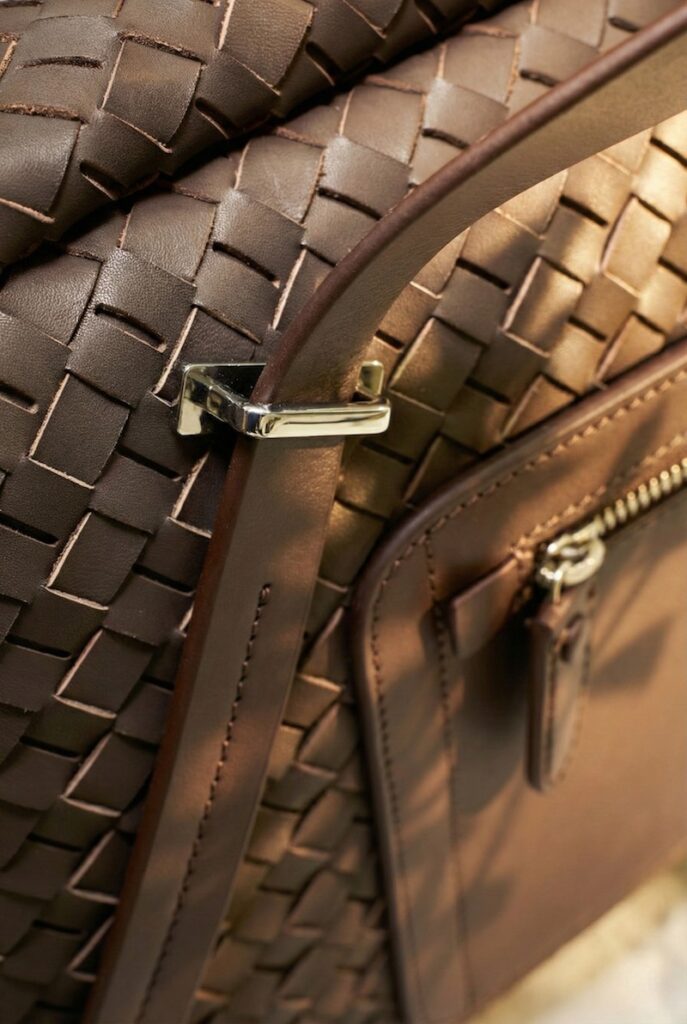
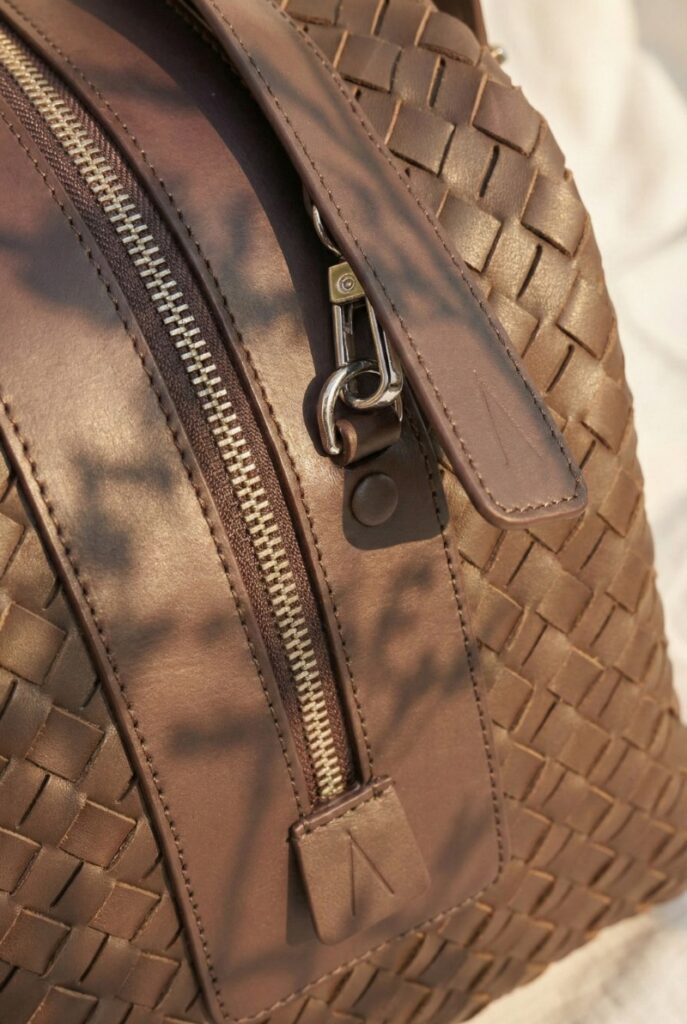
One of the most distinctive features of the bag is its Royal Weave—the architect’s elevated take on the weaving traditions of the Cordilleras used in creating the Pasiking bag. According to Pineda, the Royal Weave is achieved by individually punching slots on a panel of full-grain leather. It takes four times the amount of leather to create one Royal Atlas Bag.
“It is for creative Filipinos who are proud to carry their identity through cities, airports, studios, and landscapes. We were intentional about making it distinguished yet still casual. It is honest, relaxed, and lived in. It carries the Modern Filipino sensibility with conviction and dignity,’ Pineda said.
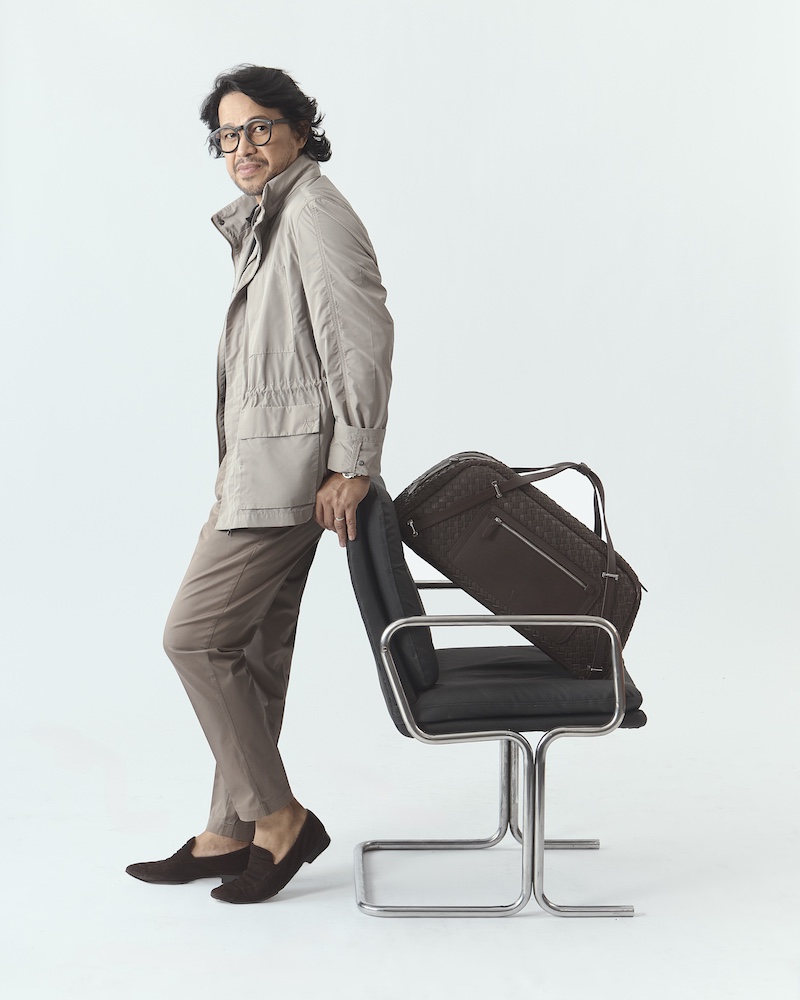
From teaming up with Fino Leatherware, creating works celebrated worldwide, to as simple as rocking a Pasiking bag in his high school years, architect Pineda carries one clear message: “The Filipino identity is something we can always take pride in.”
“We can put our identity in our own personalities as Filipinos and in everything else. We cannot be complacent” he added. “Every effort is a great opportunity to be proud to be Filipino.”
The Fino Royal Atlas collection will be available in limited quantities and can be ordered through Fino Leatherware stores, including Rockwell, Glorietta, Estancia, Podium, Shangri-La Plaza, and Alabang Town Center.