
More than a digital detox, these retreats offer a deeper return to self, silence, and something greater.
When one mentions the word “retreat” in adulthood, our high school years would stream back—school-organized overnight activities, candles and “palanca letters,” sacraments and bonding, nostalgic reflections, songs, and many others—which take on a very different and intentional form in our adult years.
To a growing number, going on retreats, whether a Catholic spiritual or wellness-centered one, has become an annual ritual or even a necessity in the maintenance of one’s person: emotional, physical, mental, and most especially spiritual aspects.
In many traditions, there is a tested, life-giving wisdom that removing oneself from the busyness and chaos of everyday life—even for a few hours, days, or even weeks—will always be an opportunity-filled, rewarding, and even grace-filled experience.
Related story: Screen to soul: Digital companions for a more reflective Holy Week
Related story: How Millennials and Gen Z make the Holy Week count: A generational case
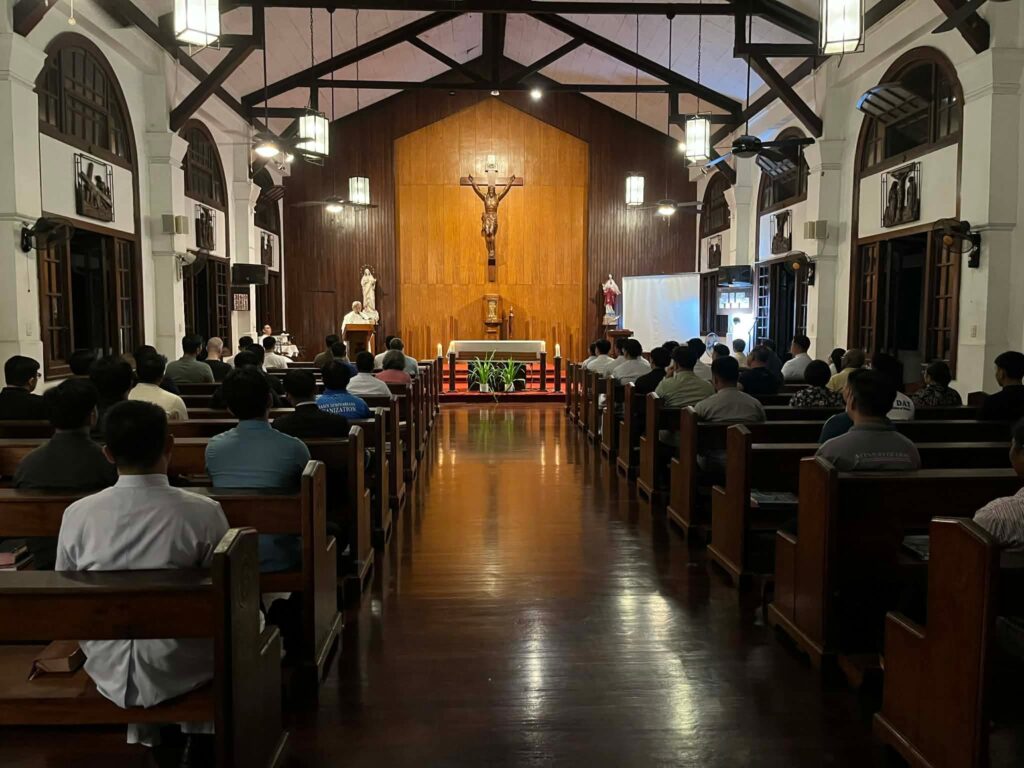
The Lenten season, especially Holy Week, may provide the ideal timing to go on retreat. However, many of us have discovered that participating in retreats is an invitation and opportunity available all year long, even in the challenging “Retreat-In-Daily-Life” format, founded on the themes and writings of St. Ignatius of Loyola, patron saint of retreats in the Catholic tradition.
Anytime is the perfect time indeed, especially when our bodies, minds, hearts, and souls are in need of a break, as retreats remind us that we are “human beings,” not “human doings,” as they say.
Each retreat experience will have intentionality as a starting point: “Why am I here?” Regardless of the format or tradition of the activity, articulating our reasons for participating is important. It becomes the motivation or the very foundation that anchors us—whether it is taking a break or a reset, restoring or recovering a deeper sense of self, reflecting on life choices, or meaningfully reconnecting with the Divine, to name a few.
Anytime is the perfect time indeed, especially when our bodies, minds, hearts, and souls are in need of a break, as retreats remind us that we are ‘human beings,’ not ‘human doings,”
Whatever our reasons may be, retreats can either be soulful “vacations” with a focus on mindfulness, movement, insight, eating healthier, and reconnecting with nature. They also provide opportunities for encounter—conversations with deeper and often neglected parts of ourselves, and ultimately with someone outside or greater than us.
One of the opportunities retreats provide is a sense of detachment from our familiar settings, demands, and responsibilities, long espoused by the Catholic Christian “Desert Fathers” centuries past and in many spiritual traditions around the world. Whether going up the mountain or journeying into the desert, the setting becomes an invitation for openness, surrender, and immense personal generosity—something we rarely attend to.
This voluntary removal from our daily and ordinary grind is rich in symbolic and spiritual meaning, providing a backdrop for regeneration and restoration, which we badly need in our digitally plugged-in and overwhelmed world.
Related story: What to do this Holy Week: 5 ways to take a break from your busy days
Related story: Movies that’ll inspire you to live a purposeful life this Holy Week and beyond
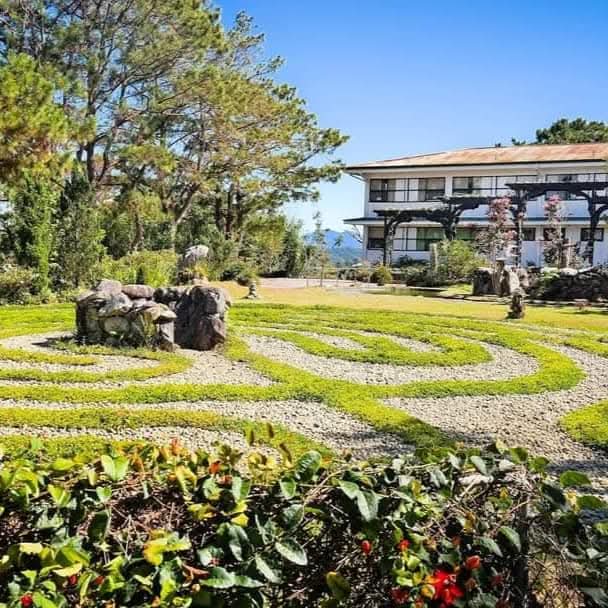
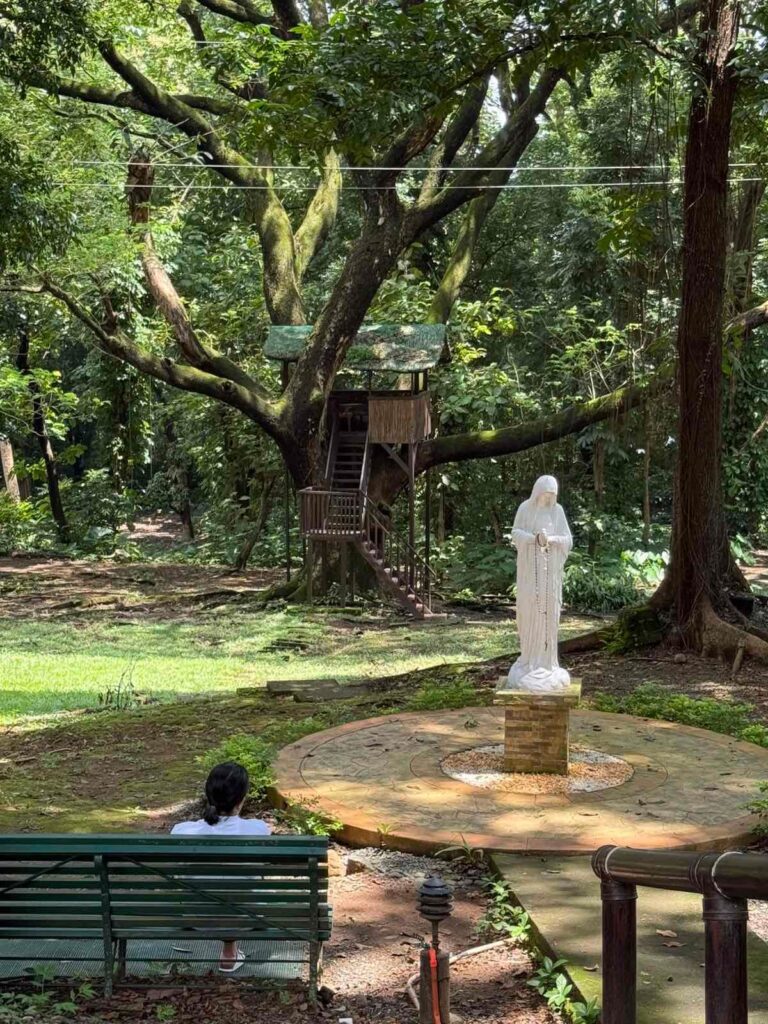
Going “off-grid,” technologically speaking, provides a kind of rest and wisdom we all need—a break from endless scrolling and constant stimulation. It can be challenging at first, but the pause offers much-needed restoration.
In earlier times, rich spiritual traditions within the Church ranged from a complete removal from the outside world, giving rise to monastic movements of hermits and monks, where the Benedictine order takes its foundation and spirituality. More contemplative traditions such as “Lectio Divina” remain a popular form of scriptural meditation, wherein retreats are built around sacred scripture proclaimed in conferences, allowing participants to contemplate the events, themes, and context surrounding them.
In our present time, religious retreats take rich inspiration from the Spiritual Exercises of St. Ignatius of Loyola, a pillar of spiritual tradition in the Catholic Church and founder of the Jesuit order. In his past life, the saint was a decorated nobleman recovering from a near-fatal injury after being hit by a cannonball. His journey of deep and lifelong conversion inhabits the rich pages of this retreat tradition.
The “Ignatian” retreat, one of the many schools of the Spirit within the Church—which ranges from monastic and contemplative traditions to more active charismatic Christian formats—is rooted in deepening our relationship with the Divine through themes and reflections charting many personal episodes in the saint’s life.
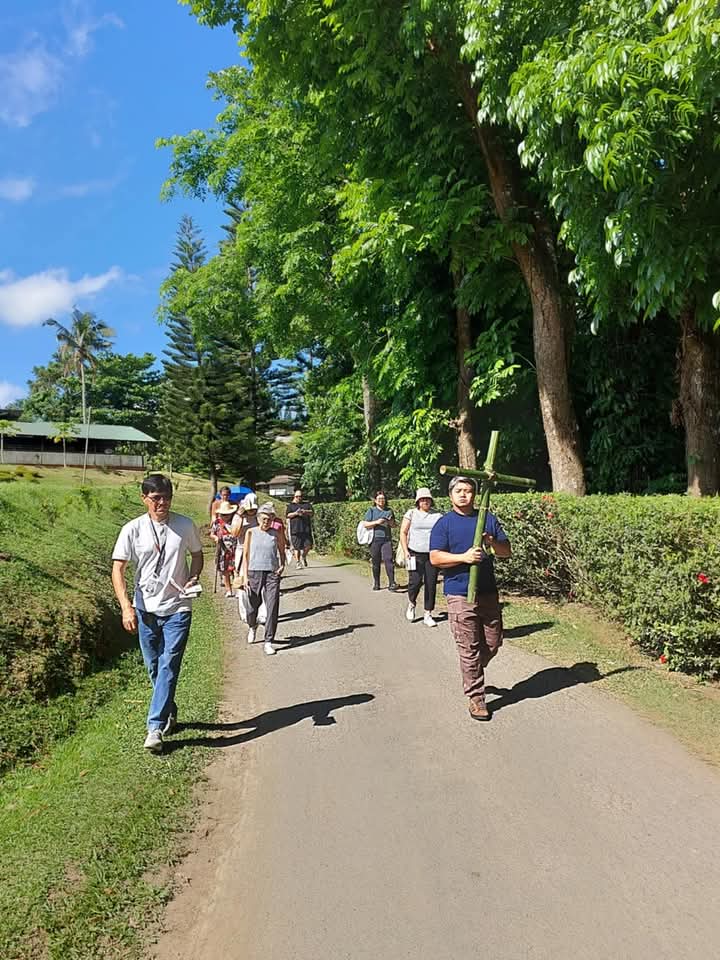
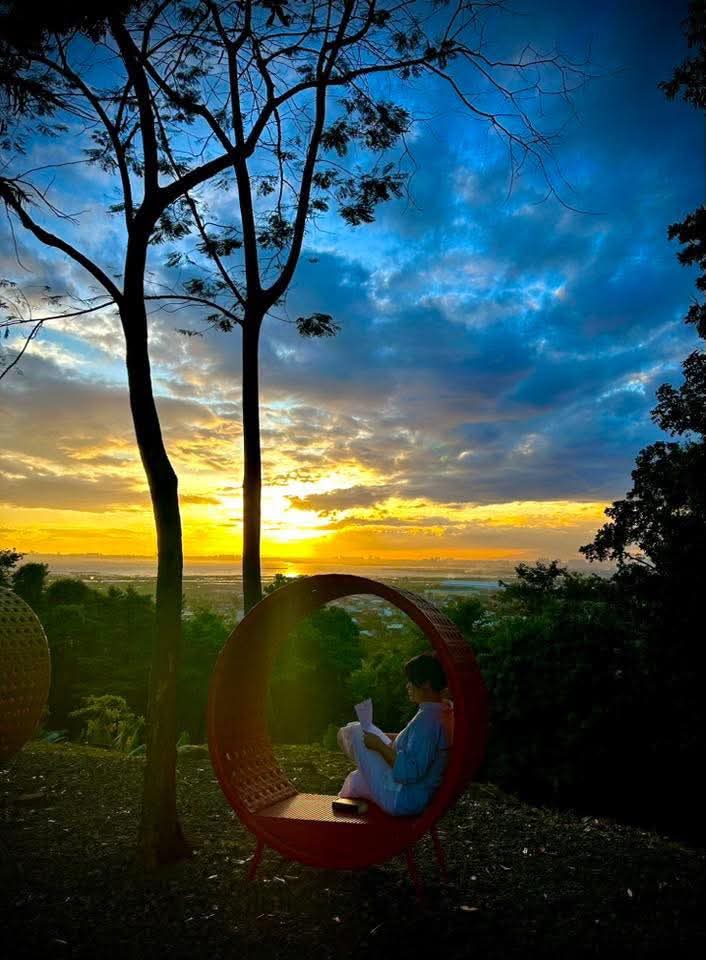
The retreat is done in silence, though certain iterations have been adapted through the years, with assigned periods of formal prayer, sacraments, consultation, journaling, and rest. The retreatant is paired with a spiritual director, who may be a member of the Jesuit order or a lay director, laying out points, themes, and materials for reflection across different “weeks,” beginning with the “Principle and Foundation,” the bedrock of the retreat that cements our close and intimate relationship with God.
The next movement concerns itself with our deepest desires or discernment, what spiritual directors often call “the School of the Spirit” or “School of the Heart,” where St. Ignatius lays down the rich and tension-filled landscape of the human soul through vivid themes, language, and imagery drawn from his former life as a soldier.
The succeeding movements center around the life and ministry of Jesus Christ, where the saint invites us to “see more clearly, love more dearly, and follow more nearly,” culminating in the Death and Resurrection narratives, encouraging the retreatant to move forward in decisive and active love.

One of the most beautiful yet misunderstood elements of going on retreat is embracing silence, which can be daunting and challenging, yet surprisingly rewarding in the long run. One of the requisites in the Ignatian retreat is seeking and asking for grace—for things that may be beyond us and our reach: choosing silence, humility, clarity, and dependence on grace.
One of the most beautiful yet misunderstood elements of going on retreat is embracing silence, which can be daunting and challenging, yet surprisingly rewarding in the long run.
More than an imposition or a rule that “one can’t talk,” silence becomes an avenue of attention and generosity, shifting from an immature appreciation to a deeper, anticipatory attentiveness. As humans, we often resist the “emptiness” of not speaking or filling space with words, which can feel nerve-racking, prompting us to respond immediately.
In our increasingly loud and overstimulated world, silence becomes truly valuable, creating space for endurance, surprise, and meaningful interior conversation. It is where many unattended thoughts and experiences surface and become visible. It is also in silence where we slow down intentionally, where even our movements and a “modesty of the eyes” become acts of awareness, as the Divine often meets us in the quiet of a whisper.
Related story: Things to do to reflect and reset this Holy Week
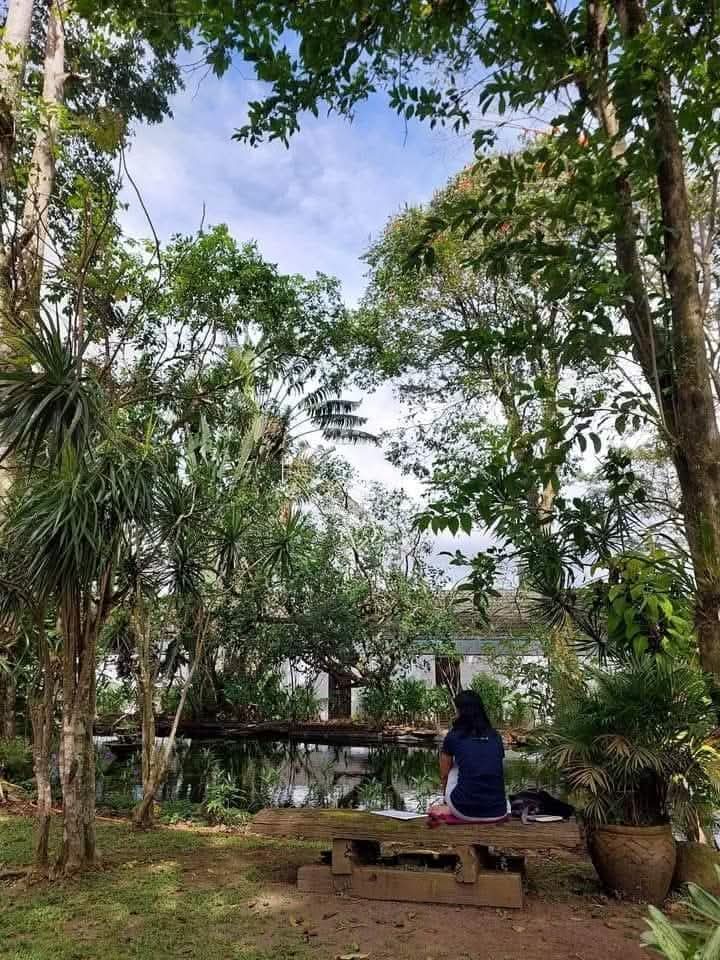
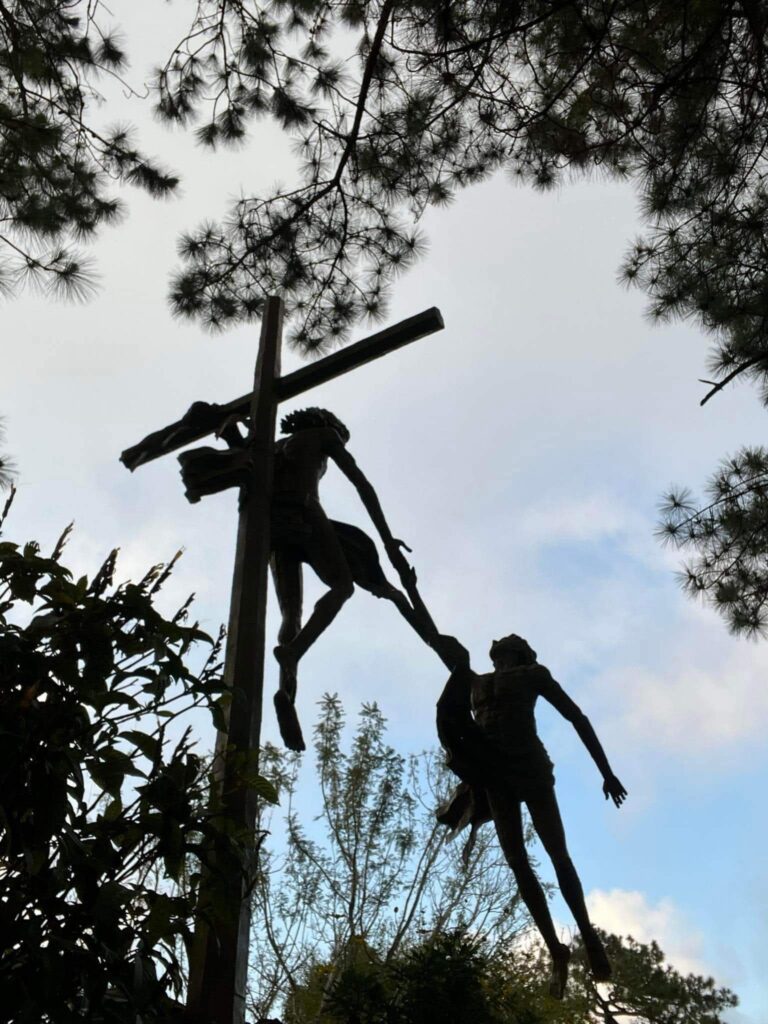
Silence offers a quiet yet profound wisdom that often escapes us, one that can be encountered in retreats or cultivated through mindful moments in everyday life. The sacred space we create allows silence to acquaint us with parts of ourselves we may have lost or to rediscover them once more.
The Ignatian retreat may last three, five, or eight days, or extend to a full month within a Jesuit retreat house, or take the form of a “retreat in daily life,” depending on one’s context and availability.
Though Lent may be the ideal time to go on retreat, the opportunity remains open throughout the year, in various centers such as the Center for Ignatian Spirituality in Ateneo de Manila, Sacred Heart Retreat Center, Loyola Retreat House in Angono, Jesuit retreat houses in Baguio and Cebu, and the Cenacle Retreat House, among many others whose doors remain open to seekers.
Related story: Vacation and veneration: A tale of two Holy Weeks
Related story: Visita Iglesia: 7 of the most beautiful churches in Metro Manila
Related story: Lenten special: 5 underrated churches outside Metro Manila with scenic stops nearby