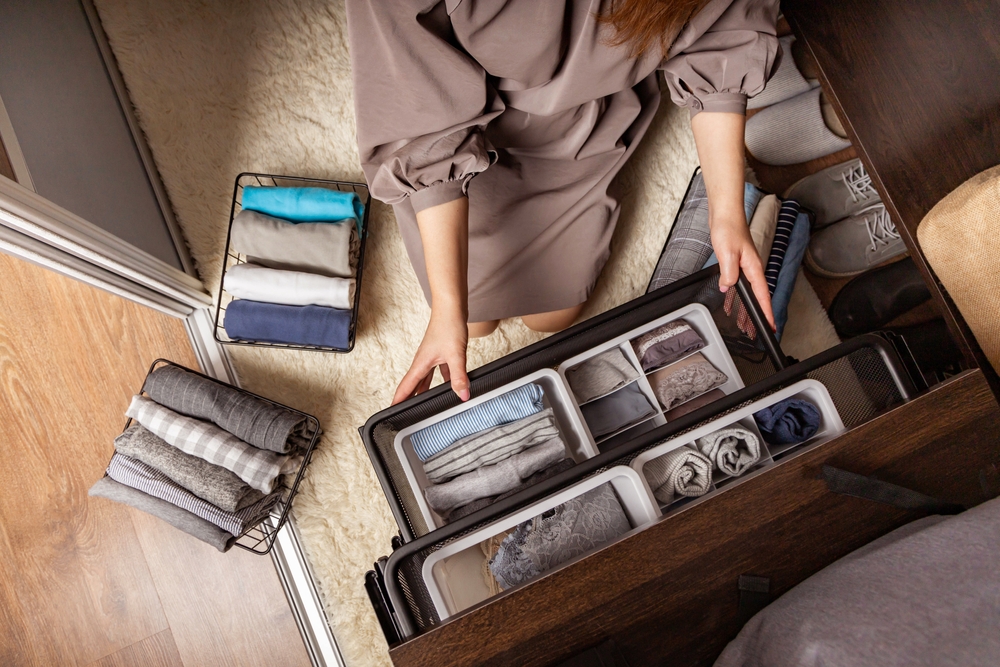

There was a time when the ultimate style flex was a walk-in closet overflowing with shoes, clothes and bags. In 2026, that equation has flipped.
The ultimate flex today is 33 pieces in your closet, not 33 new arrivals. Popularized by minimalist fashion movements like Project 333, the 33-piece wardrobe challenges you to dress with only 33 items for three months. That includes clothing, shoes, and outerwear. It excludes underwear, sleepwear, gym clothes, and sentimental jewelry.
The number feels impossible, but once you start counting what you actually wear, you realize that most of us already rotate the same core pieces. The 33-piece framework simply formalizes what stylish people instinctively understand — editing is everything. Fewer choices also reduce decision fatigue, and your closet stops reflecting past versions of yourself and starts supporting who you are now.

Economic caution, climate conversations, and digital fatigue have quietly shifted the mood. Understated tailoring, precise silhouettes, impeccable fabrics have set the tone. And from there, a new evolution emerged: deliberate ownership. Owning fewer pieces forces better questions: Does this blazer work with at least three outfits? Can these pants move from meetings to dinner? Will this fabric survive humidity, travel, real life? The result doesn’t look limited, it looks deliberate.
Related story: Project Pan: The beauty anti-trend that drives conscious consumption
Related story: Decision fatigue: What is it and how does it impact our lives?
Repeat wear is the new wealth indicator
Repetition transforms clothing into identity because true style has always been about consistency, not chaos. The 33-piece wardrobe amplifies that consistency. Instead of reacting to trends, you build a system that works across workdays, weekends, events, and travel.
There’s also undeniable financial logic behind the movement. In an uncertain economy, cost-per-wear calculations is more intelligent. The 33-piece approach naturally filters out impulse shopping, and teaches you about financial responsibility.
No more “I got this in every color” confessions! Here’s how to make 33 work.
1. Audit what you actually wear
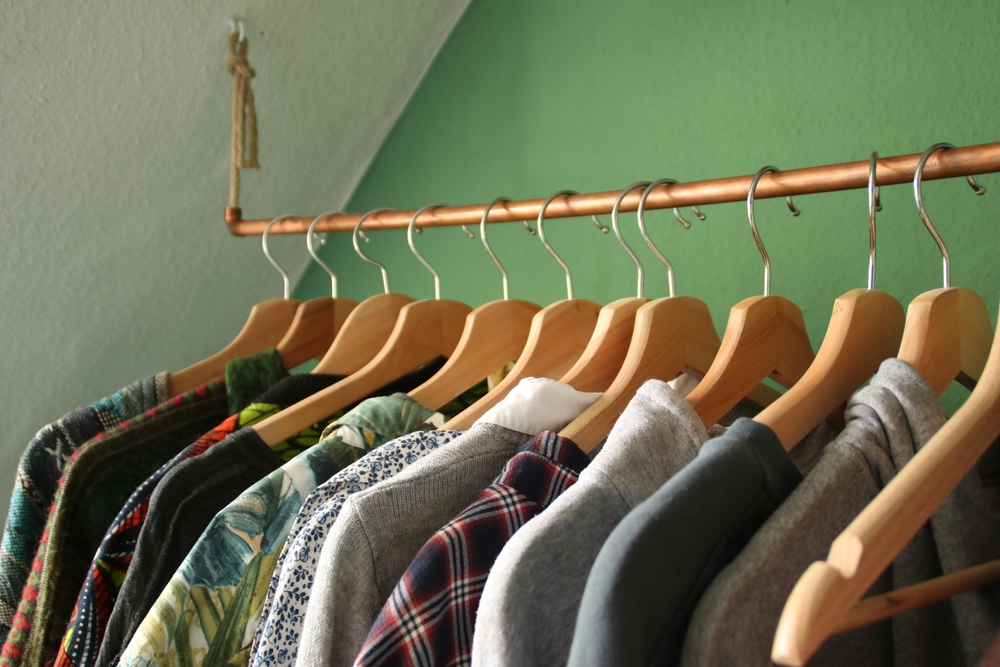
Lay out the pieces you’ve worn in the past month. Ignore the “someday” items. Patterns will emerge quickly, like favorite silhouettes, reliable shoes, neutral color palettes.
2. Define your core categories
A balanced 33 often includes: 3–5 bottoms (pants, jeans, skirts); 7–10 tops (shirts, knits, blouses); 2–3 dresses or one-piece outfits; 2–3 jackets or blazers; 1 statement outerwear piece; 4–6 pairs of shoes; 2–3 bags. Adjust for climate and lifestyle. Living in a tropical country means breathable fabrics and lighter layers matter more than heavy coats.
3. Choose a cohesive color story
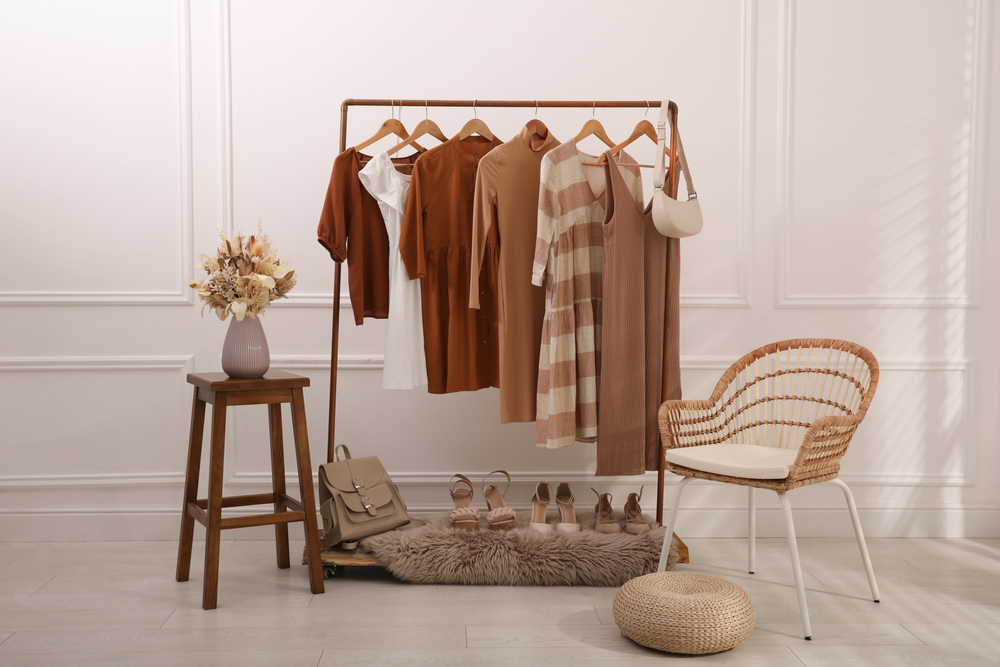

Neutrals anchor everything—black, navy, cream, olive, brown—with one or two accent colors that flatter your skin tone. A cohesive palette ensures that nearly everything pairs effortlessly.
4. Prioritize versatility over drama
Ask if each piece can create at least three outfits. If it works once and only once, it probably doesn’t belong.
5. Store the rest, don’t toss immediately
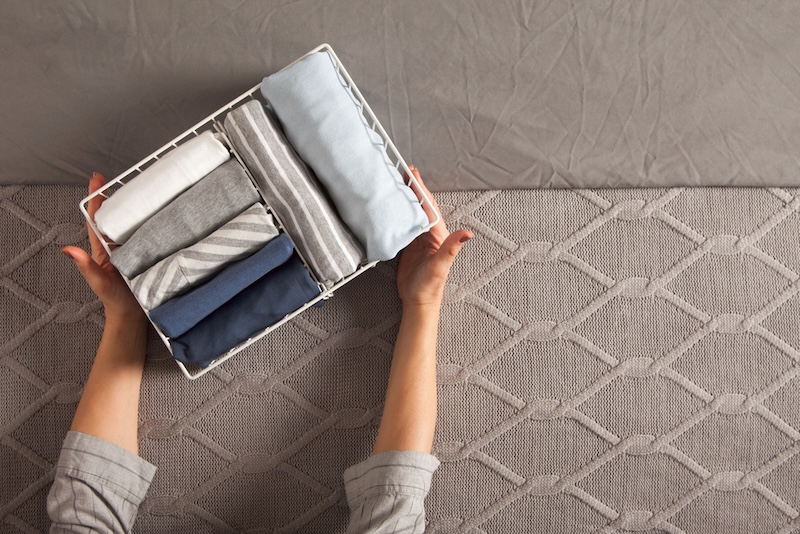
Treat it as a three-month experiment. Box up the extra items. If you don’t miss them, that’s information.
6. Upgrade slowly
If something wears out or proves indispensable, replace it thoughtfully. The 33-piece wardrobe isn’t about freezing your style, but about refining it.
Related story: Stealth wealth is the new flex of the one percent
Related story: OPINION: Worshipping the rich, the beautiful, and the hopelessly vacant
Related story: Four important financial lessons we learned from dads