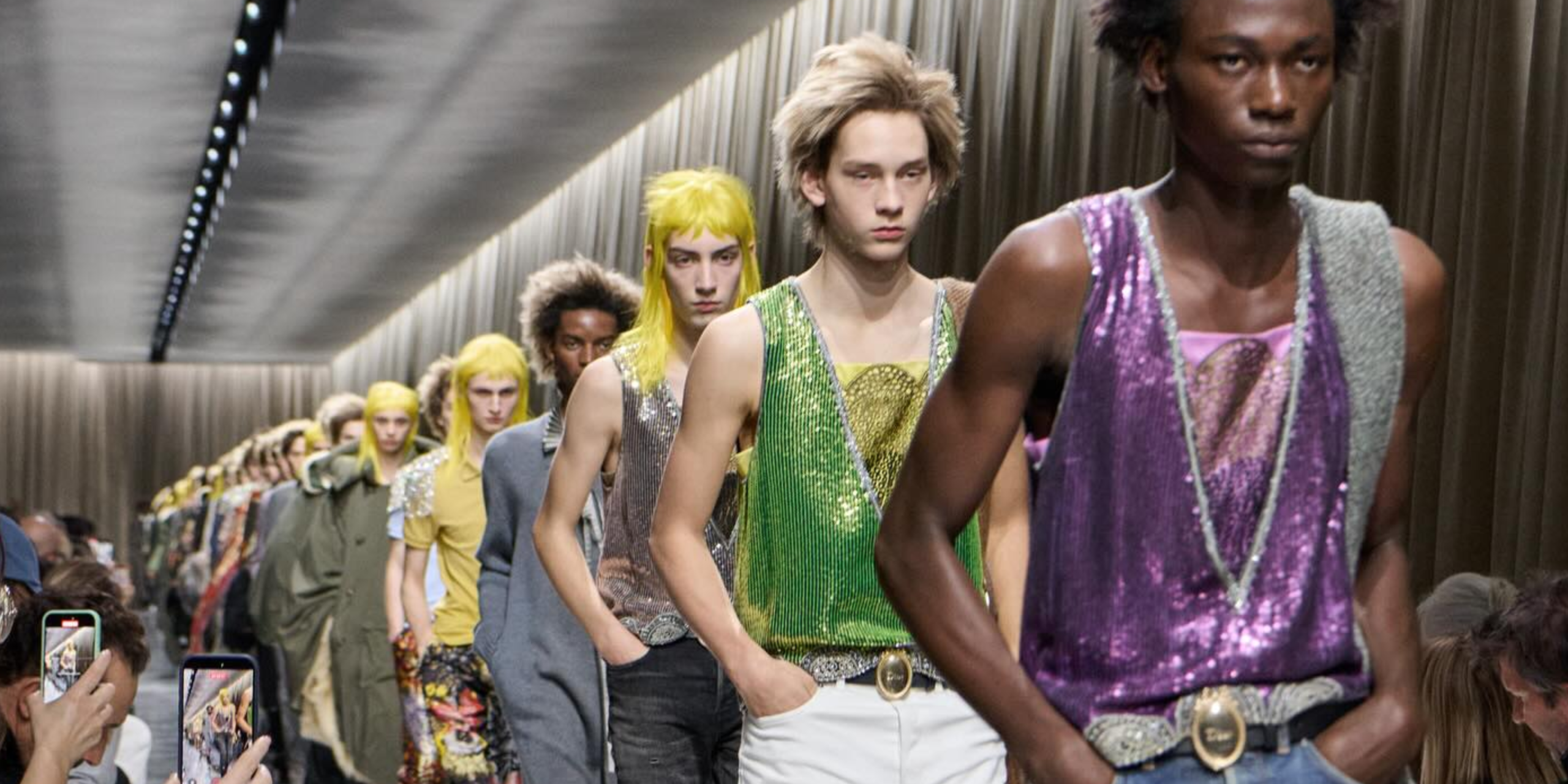

Anderson is not easing into Dior—he’s moving fast, changing things quickly, and openly enjoying it.
For Dior Homme’s Fall/Winter 2026-2027, Anderson presented his second menswear collection for the house, building on ideas first introduced last season but pushing them further. According to Dior’s official show notes, this season is about play, unexpected pairings, and a more fluid idea of style, one that doesn’t follow strict rules.
Anderson himself summed it up simply: “Once again, I looked to the past to shape the future, this time with a greater sense of playfulness and the unexpected.”
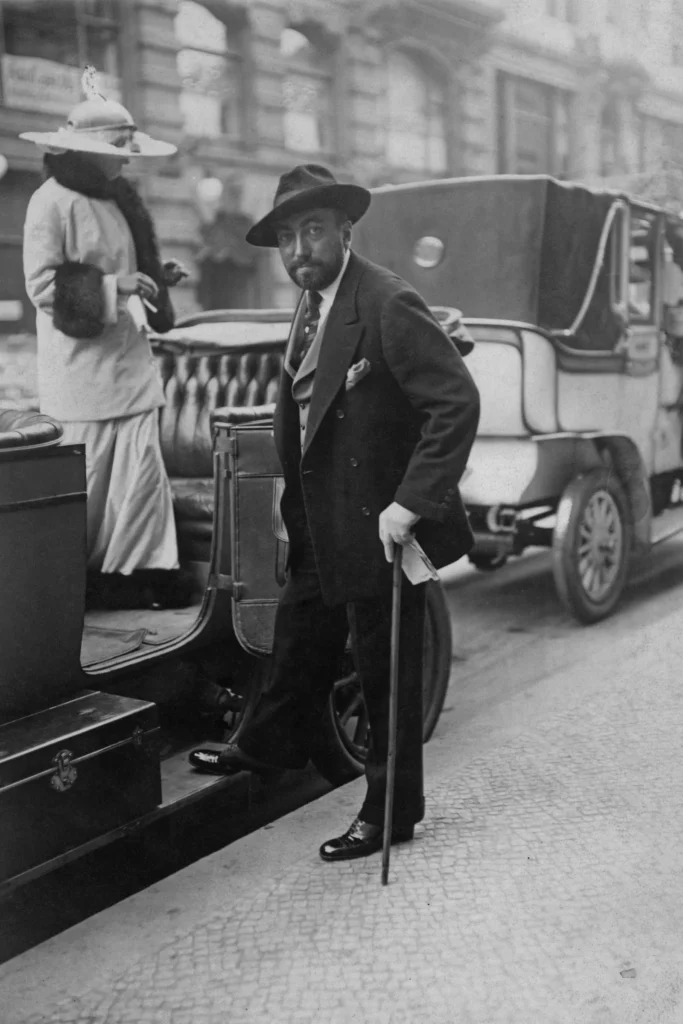
Rather than leaning heavily on classic Dior references and archives, Anderson turned to a different figure from fashion history: Paul Poiret.
But who is Paul Poiret?
Poiret was a French designer who worked in the early 1900s and helped change how clothes were made and worn. At a time when women were still dressed in tight corsets and heavy structure, Poiret pushed for straighter silhouettes and looser garments. He introduced kimono-style coats, draped dresses, and shapes that skimmed the body instead of squeezing it. Vogue’s historical coverage has long credited Poiret with breaking away from corseted fashion and introducing looser, more natural silhouettes.
Poiret was also one of the first designers to understand fashion as more than just clothes. He staged lavish parties and theatrical presentations, toured his collections across Europe, and turned his Paris home into a social and cultural hub. He launched one of the earliest designer perfume lines, Rosine, and opened Martine, a studio that produced textiles, furniture, and home décor—an early version of what we now call a fashion “lifestyle” brand. His work was rich in color, decoration, and fantasy, and his flair for drama earned him the nickname Le Magnifique.
Related story: Dior embraces everyday opulence in Pre-Fall 2026 collection
Related story: Jonathan Anderson’s first Dior womenswear collection marks a confident rebrand
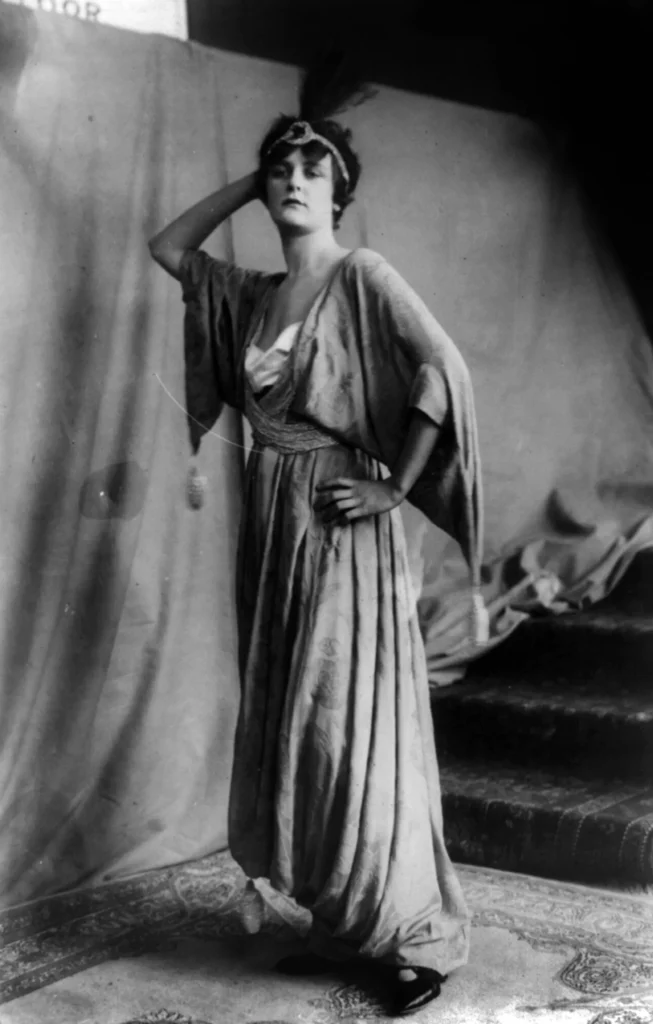
That contrast became central to the collection. Dior’s legacy is rooted in structure and careful construction, while Poiret was known for looseness, decoration, and drama. Anderson was drawn to what happens when those two ideas meet.
In a preview, he said he was interested in placing opposing approaches side by side. “I kind of like this idea of these two out-of-character landscapes meeting,” he said. “Dior put the structure in, Poiret took it out.”
So rather than recreating the past, Anderson used Poiret’s ideas to test how far Dior’s codes could stretch.
Clothes that feel intentionally unexpected
The Dior show notes describe the collection as following a group of “aristo-youth” moving through Paris like modern wanderers.
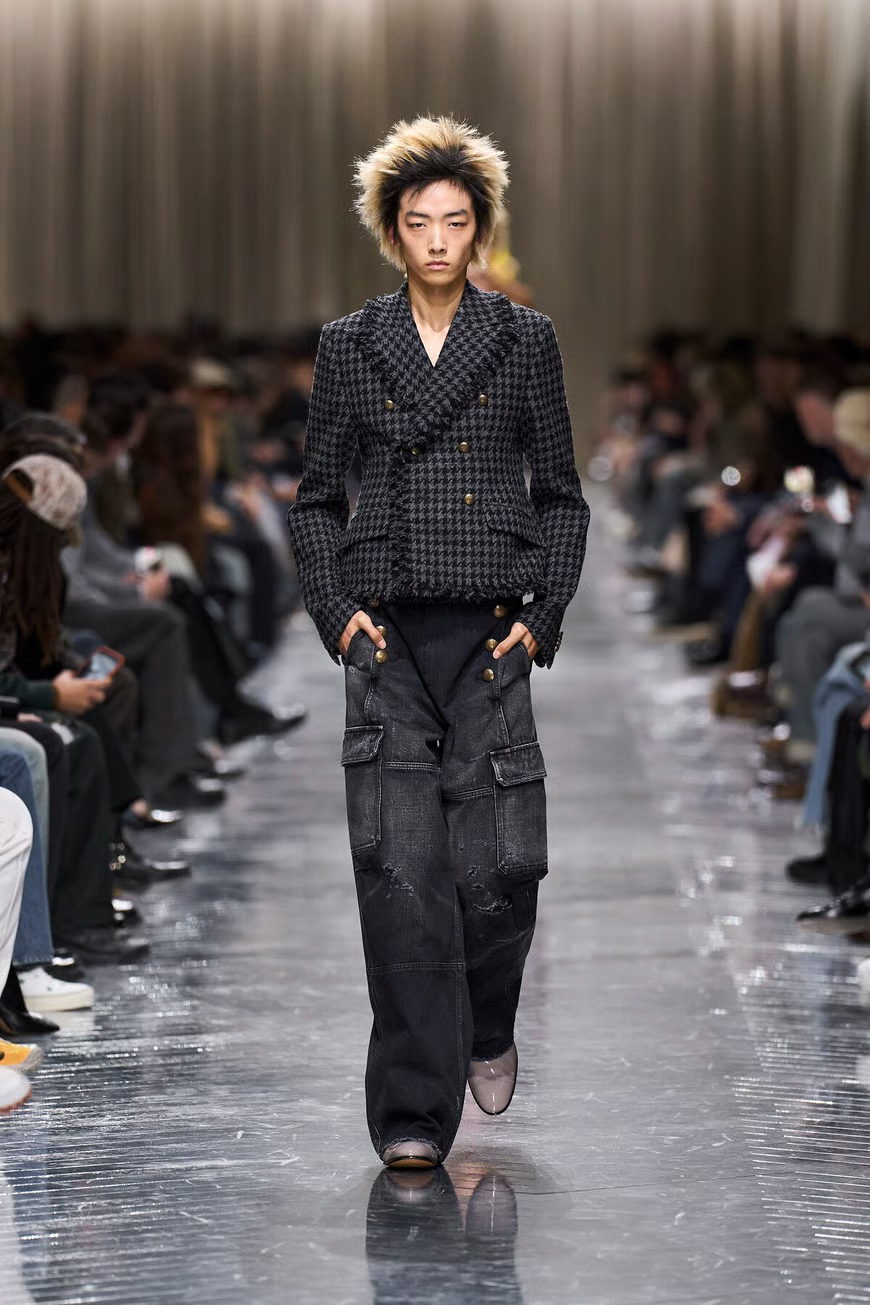
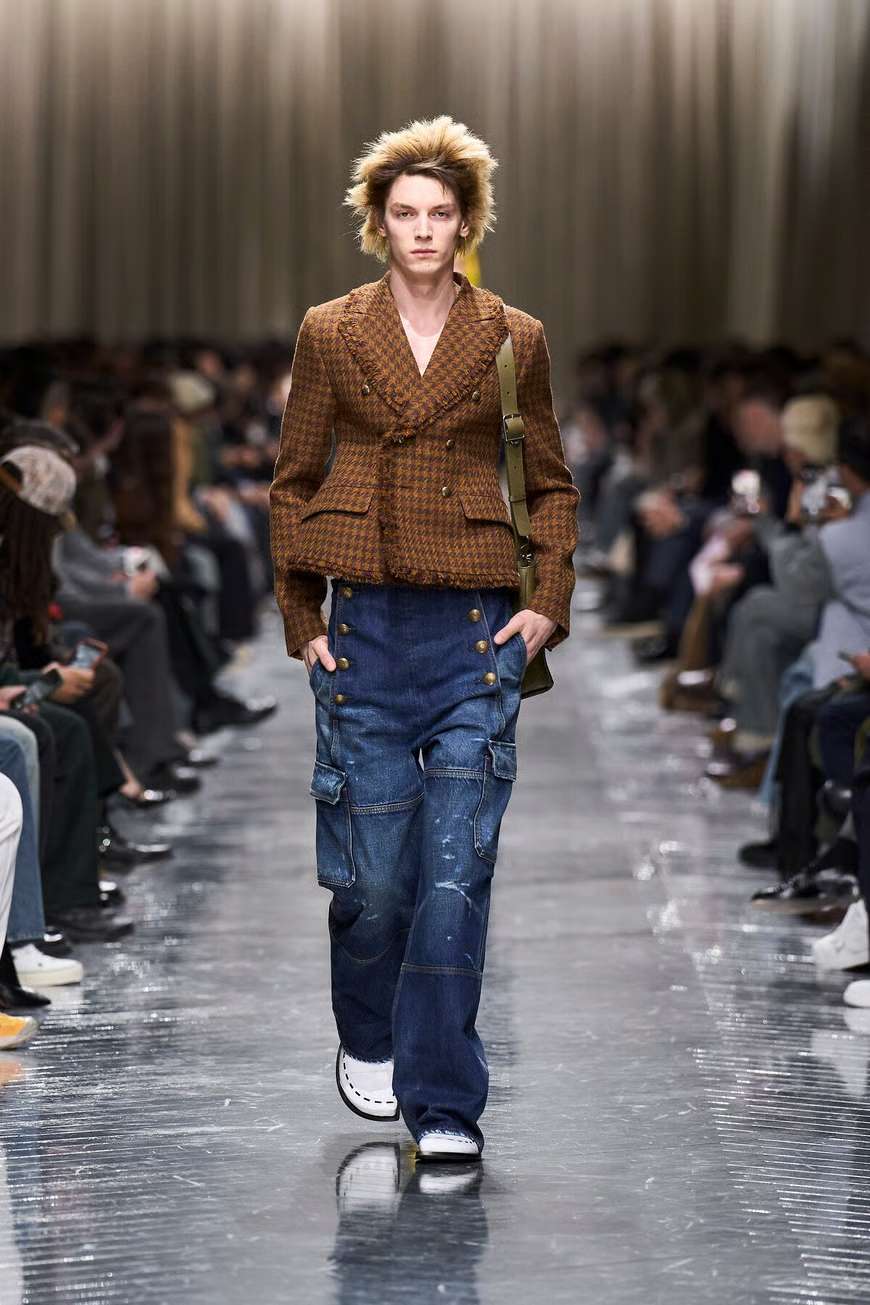
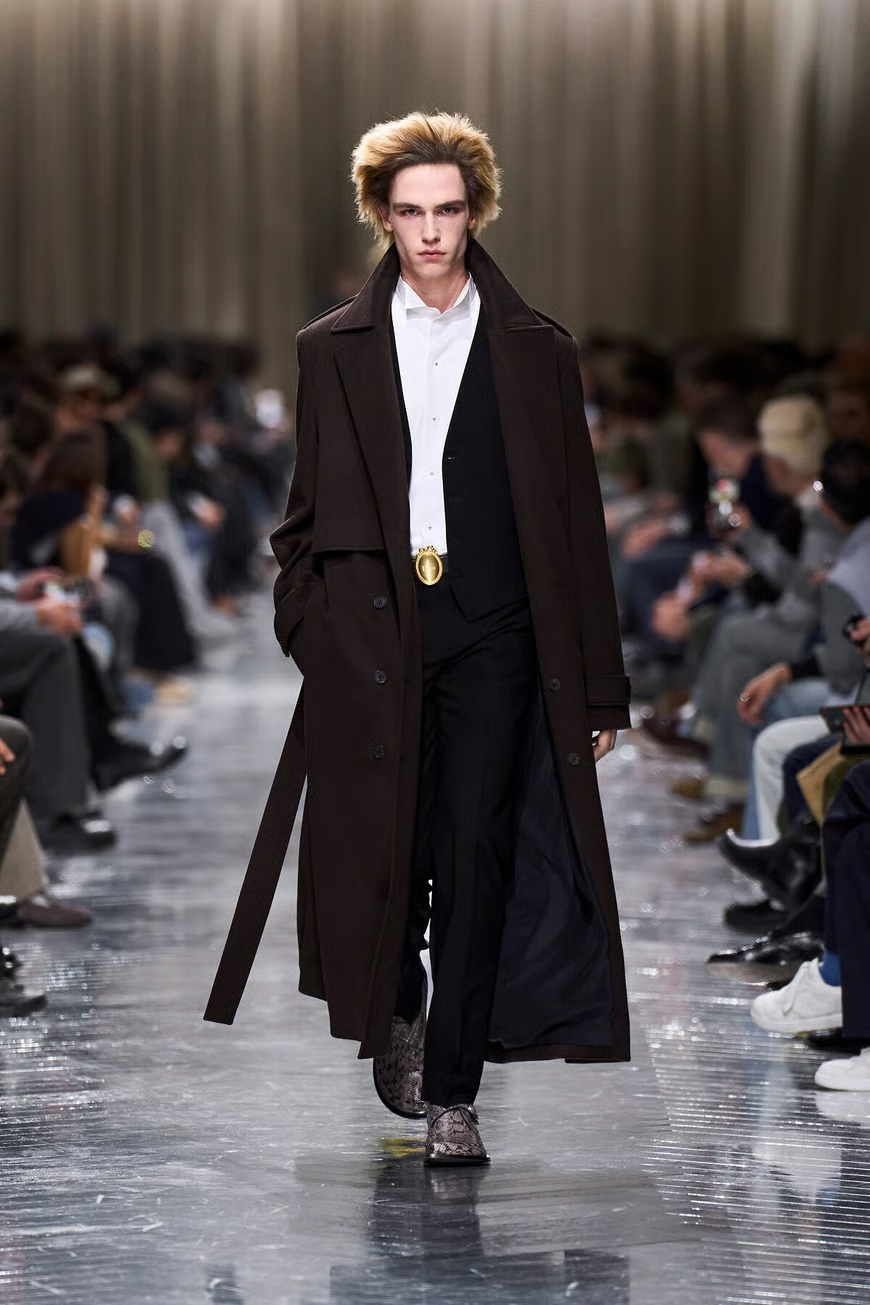
The Dior Bar jacket returned in several looks, but cropped and reshaped so it sat awkwardly on the body. Some were made in wool or worn-in denim, making a formal look feel more casual. Tailcoats also appeared, but in heavy knit or shearling, so they felt closer to outerwear than traditional formalwear.
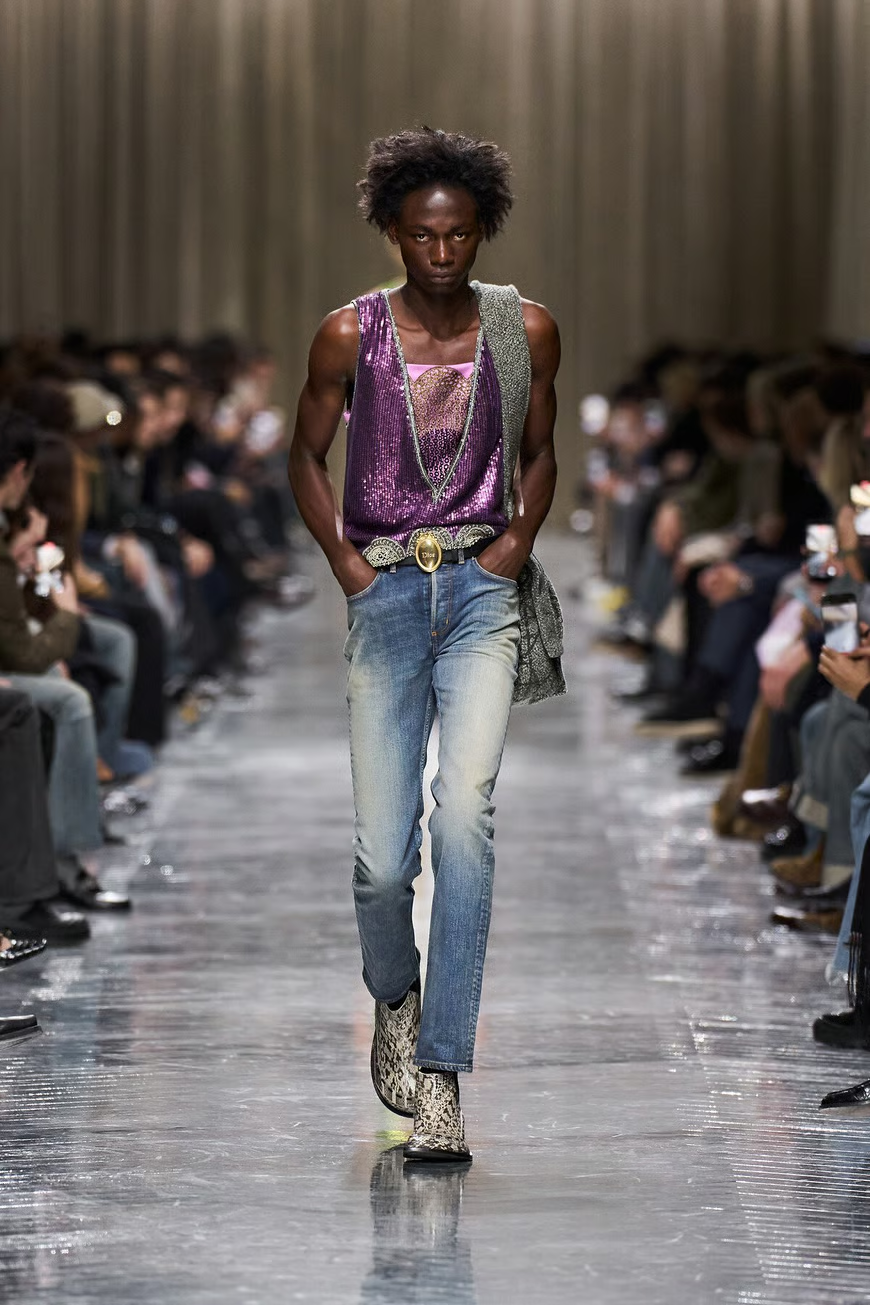
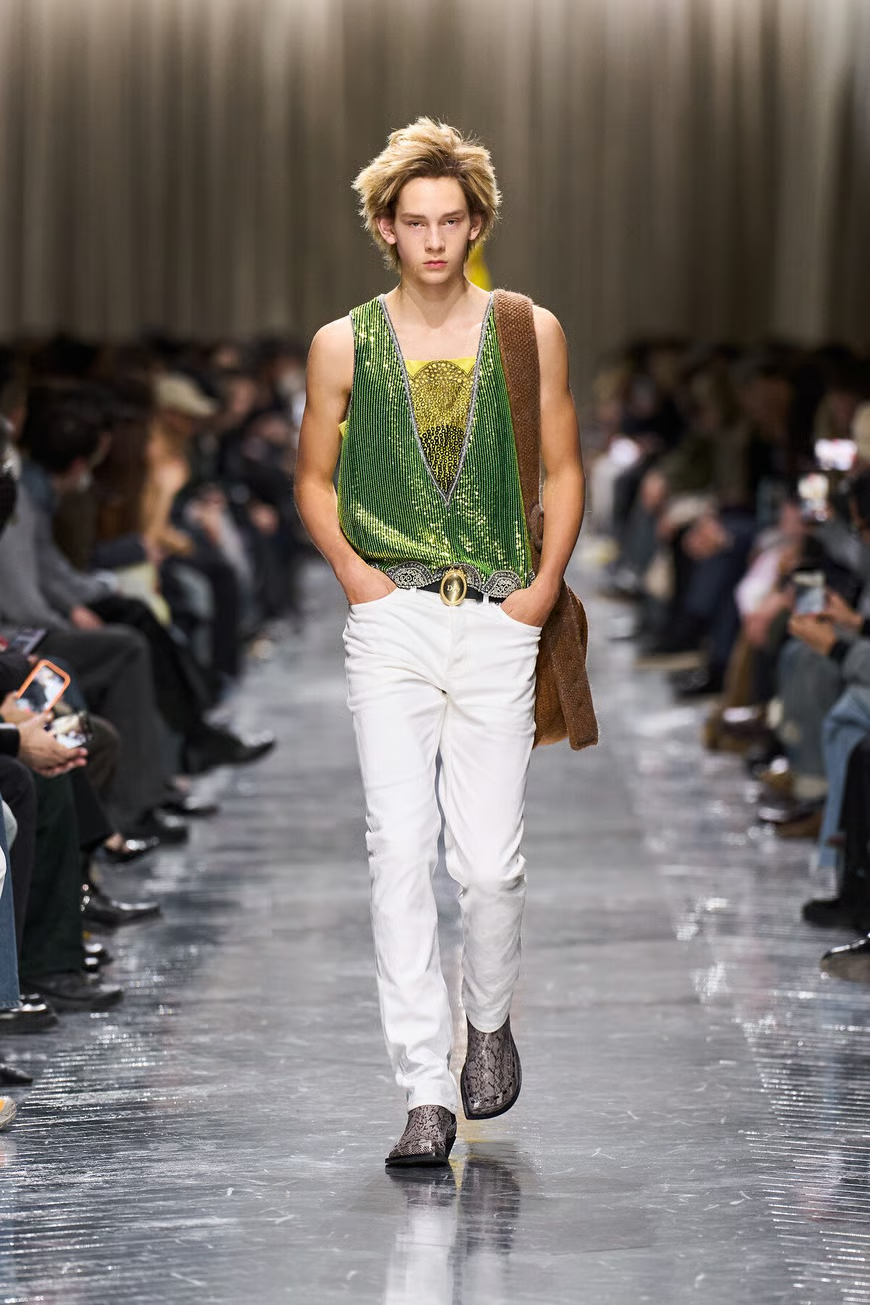
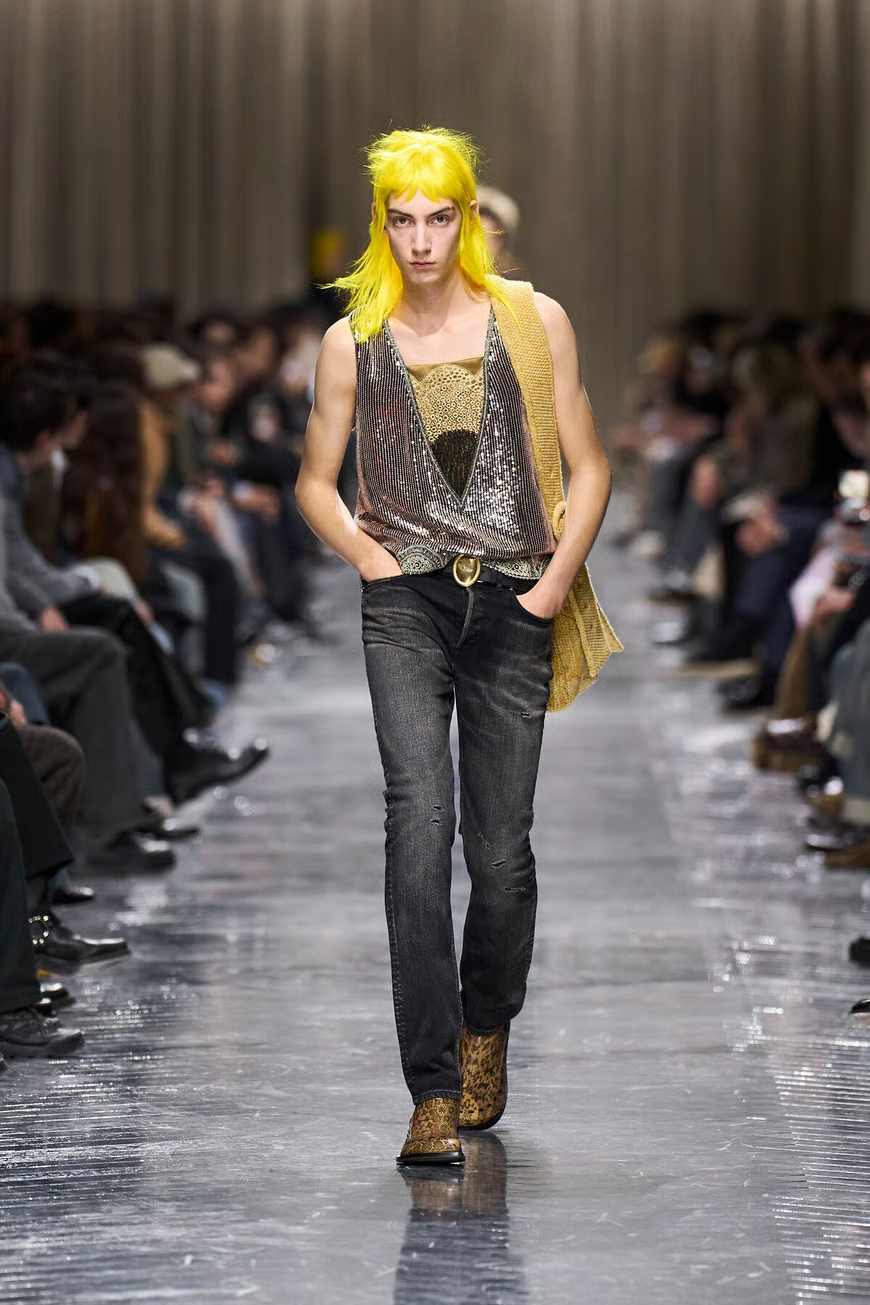
The show opened with sequined vests worn with jeans. Polo shirts were finished with sparkly shoulder details. Tailored shirts and waistcoats were paired with slim, loungewear-style bottoms instead of regular trousers.
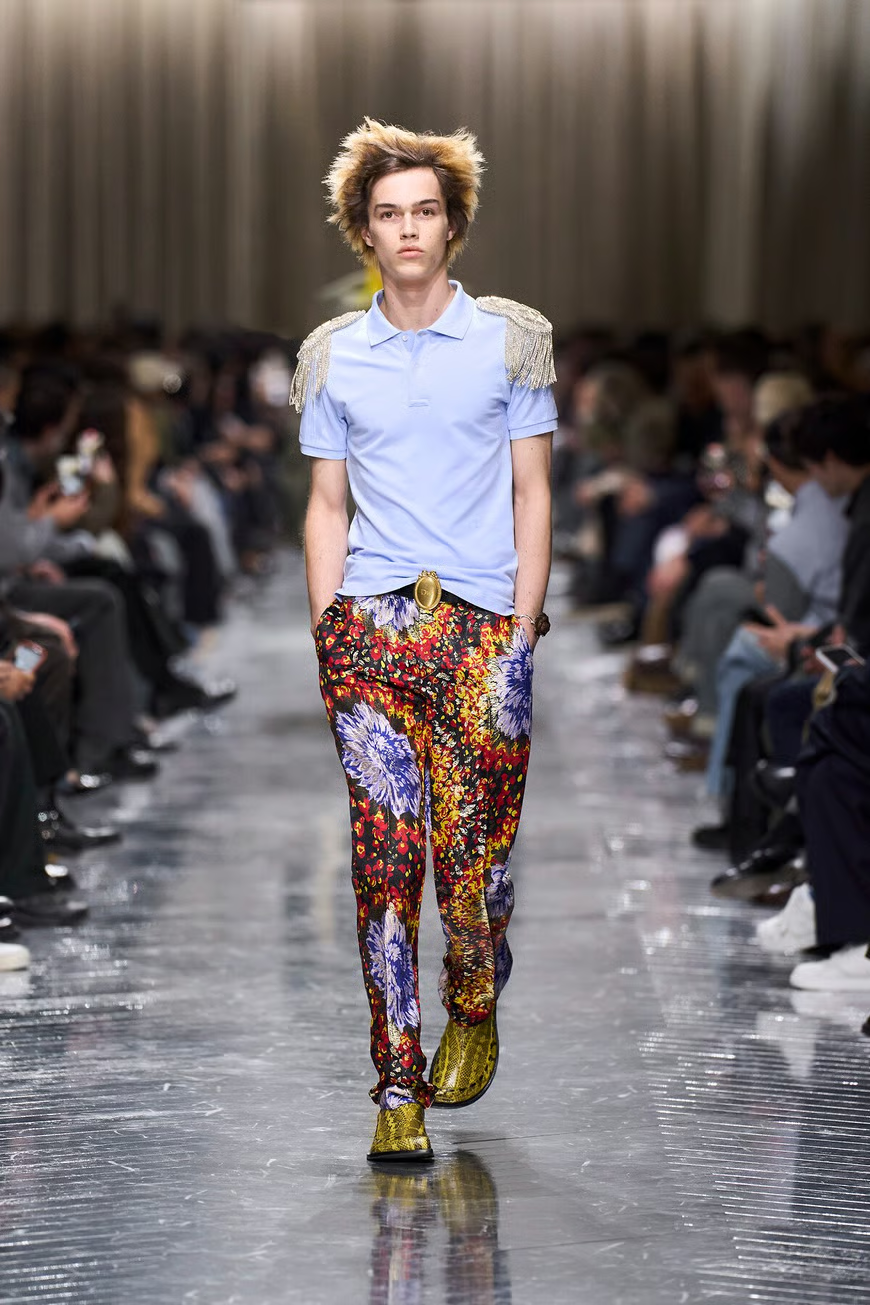
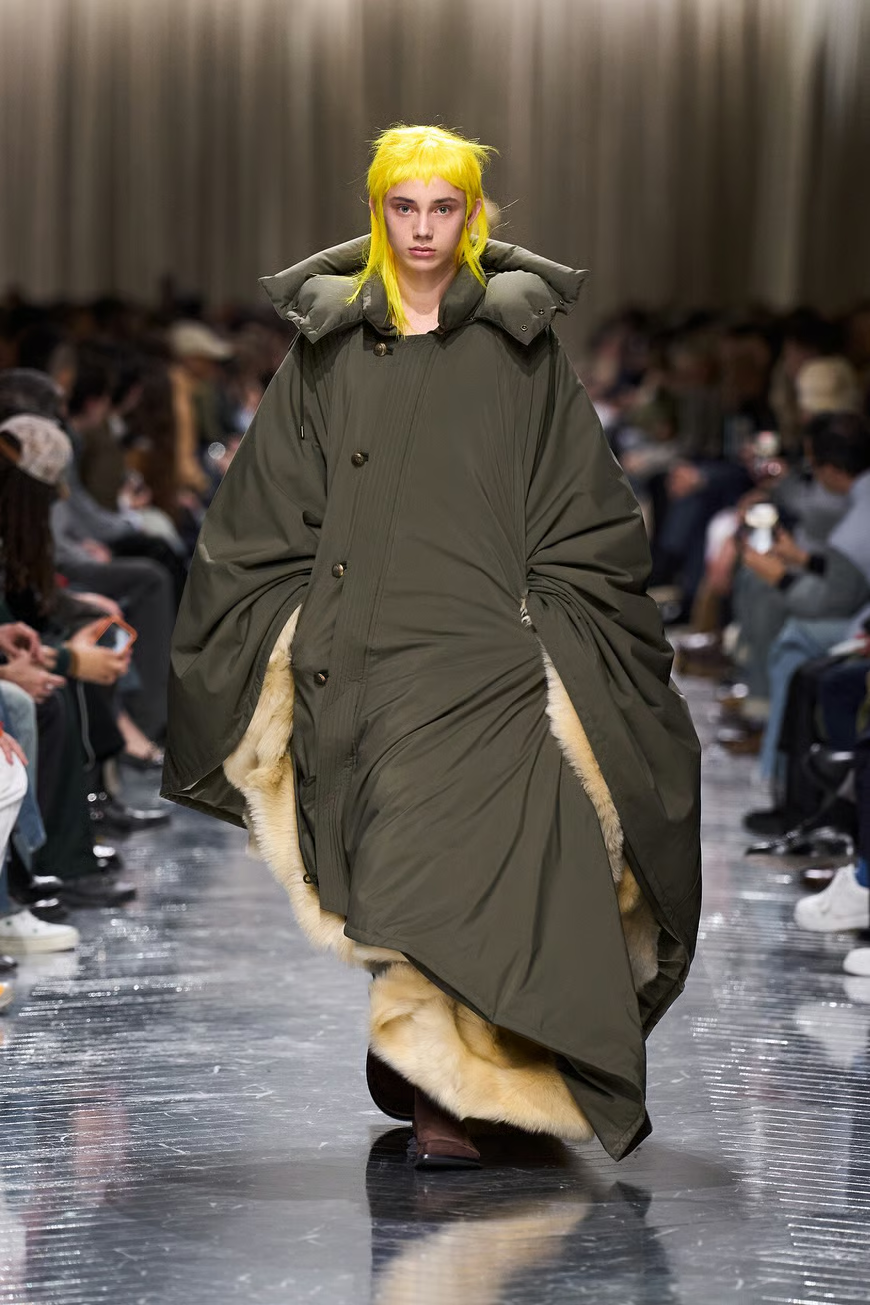
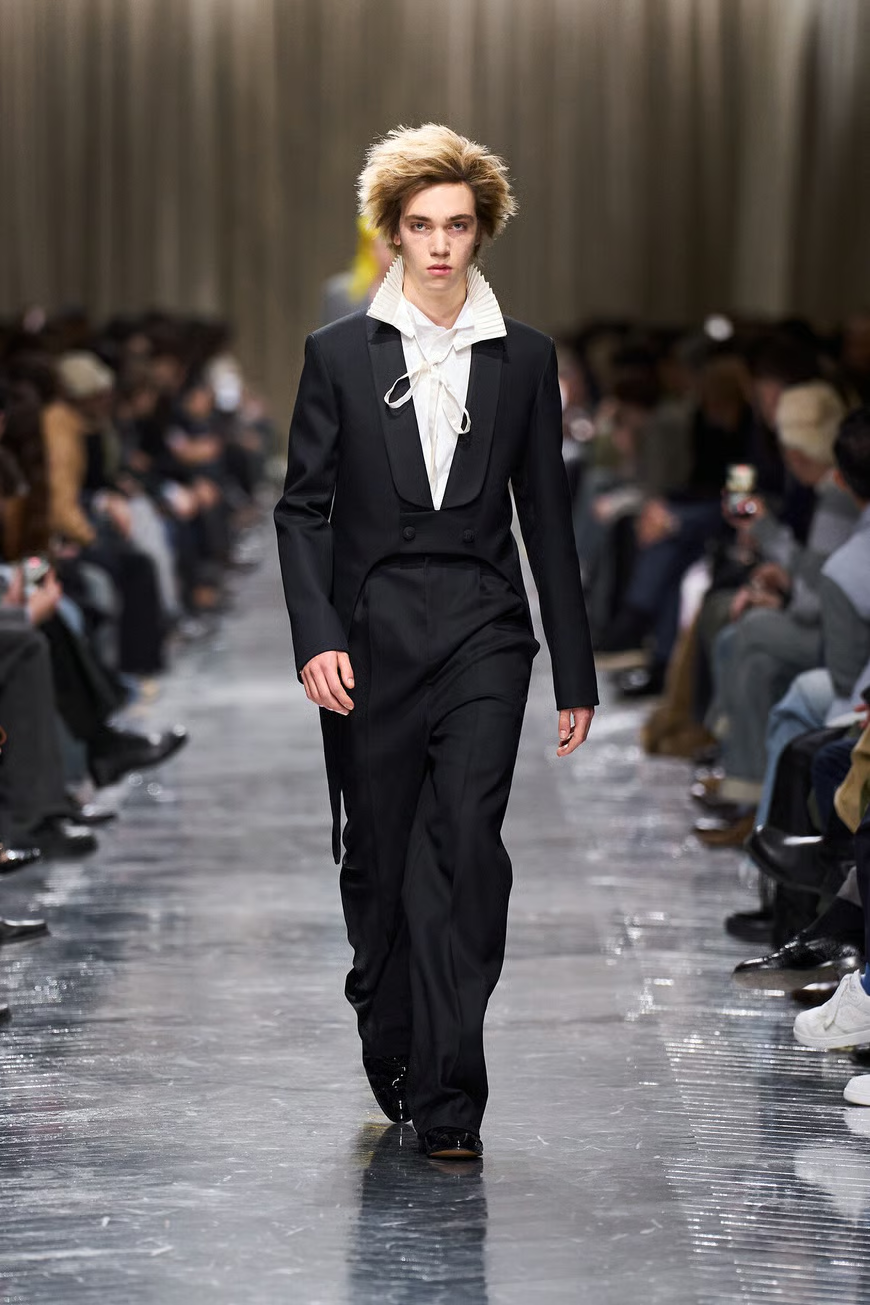
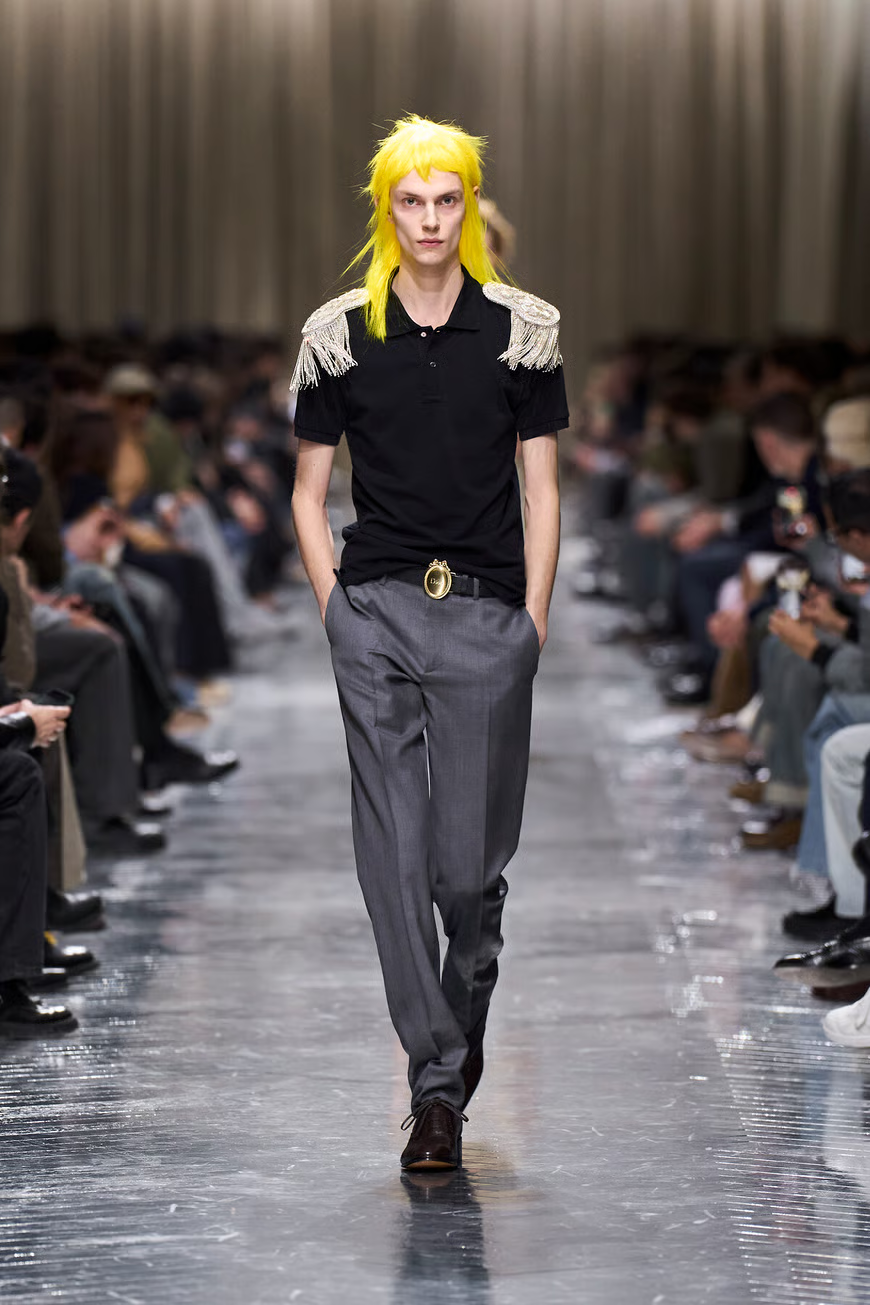
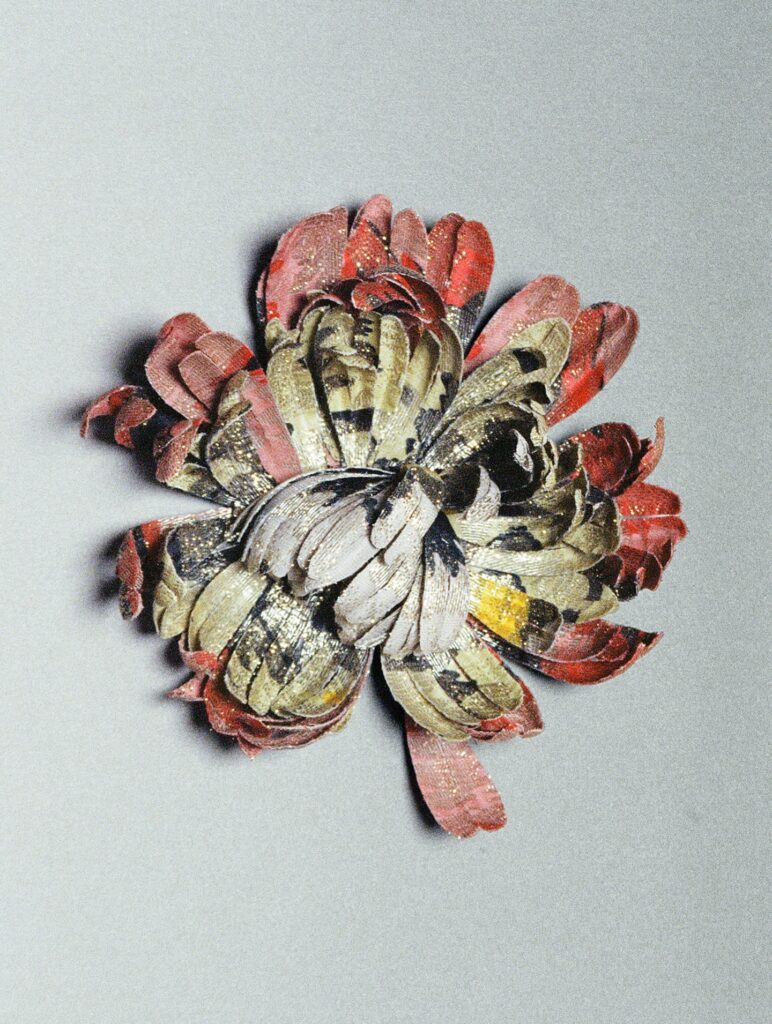
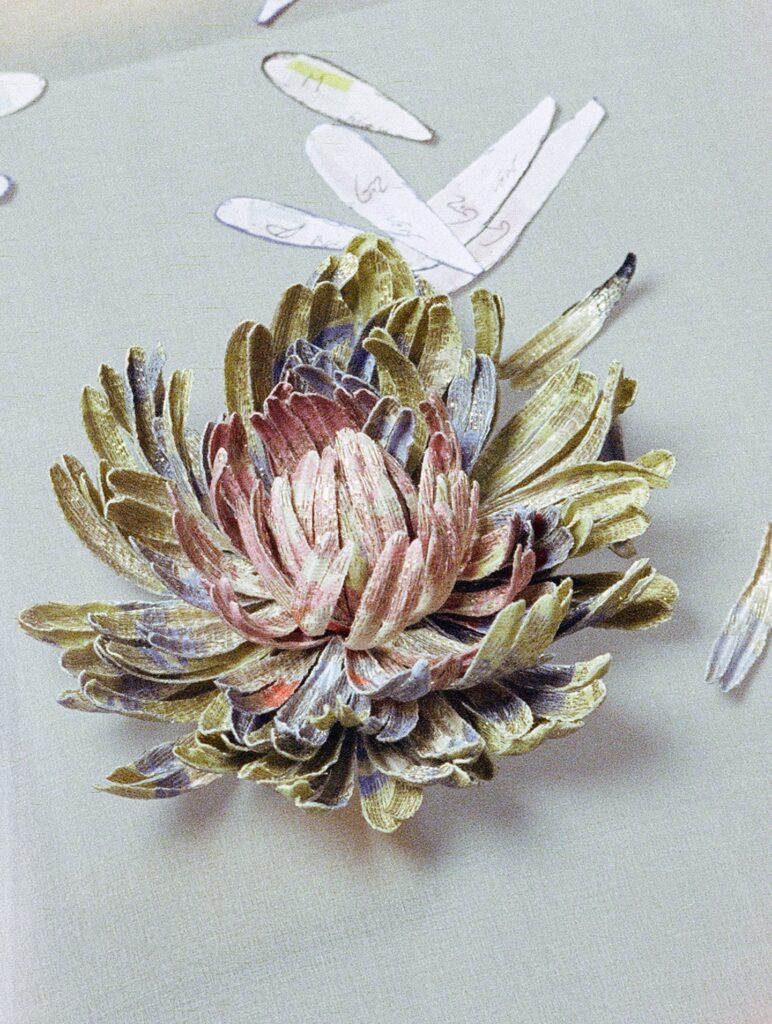
Outerwear stood out the most. There were rounded, cocoon-like jackets, oversized field coats with ballooned backs, and bombers that extended into cape-like shapes. Some tailored coats had thick shearling cuffs and patterned fabric, while one parka featured raised floral details. The fabric are mostly tweeds, velvet, jacquard, and heavy embroidery for added texture, while the color palette stayed mostly dark and muted.
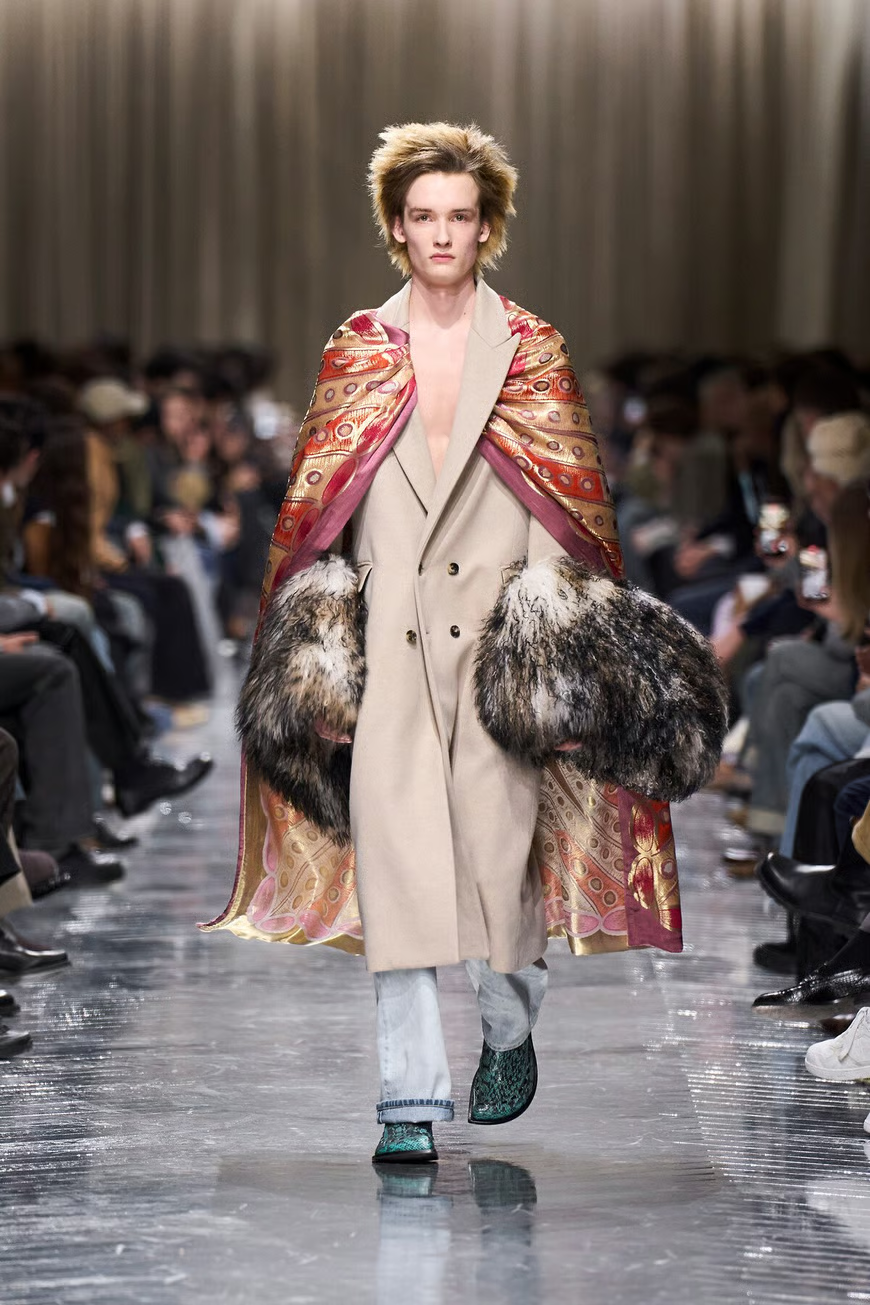
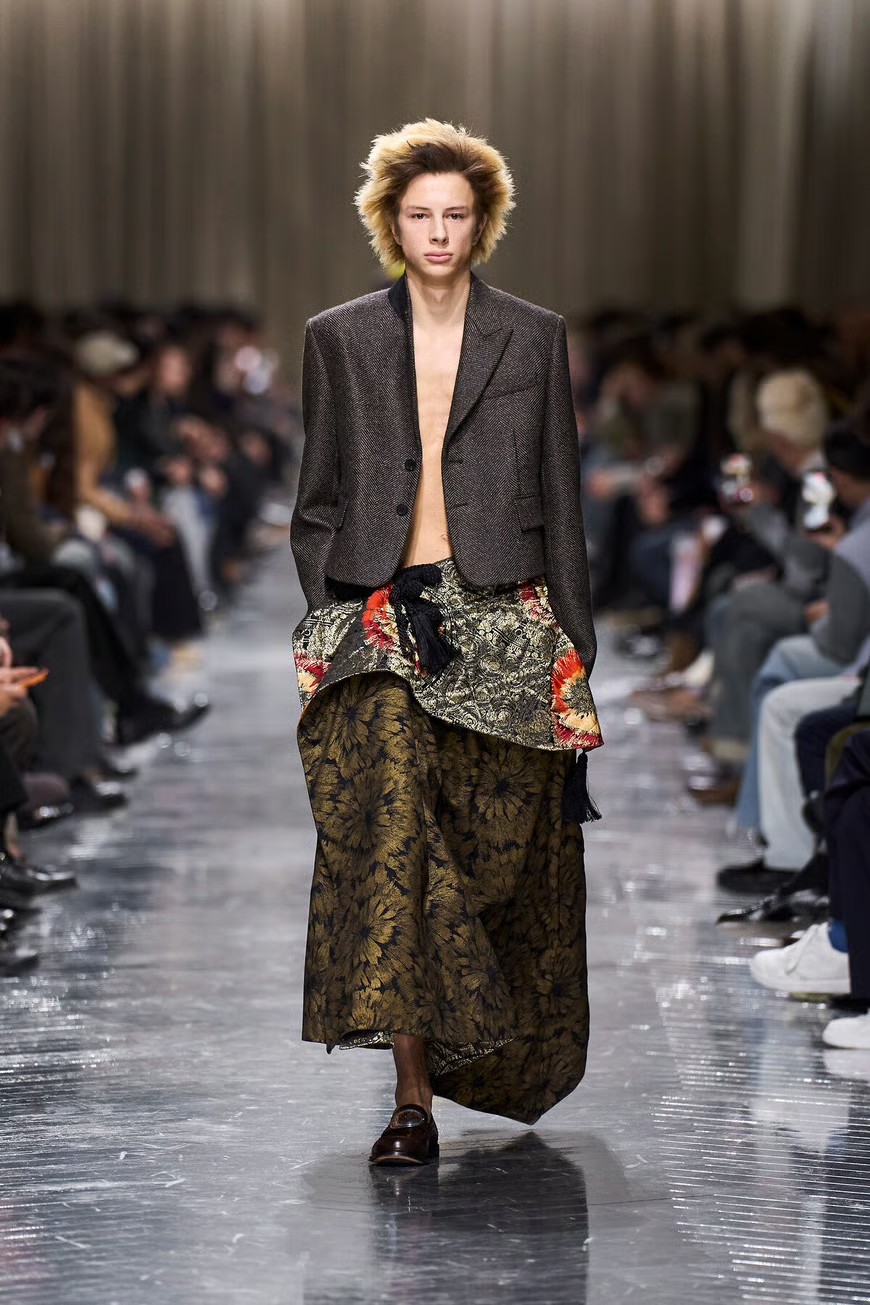
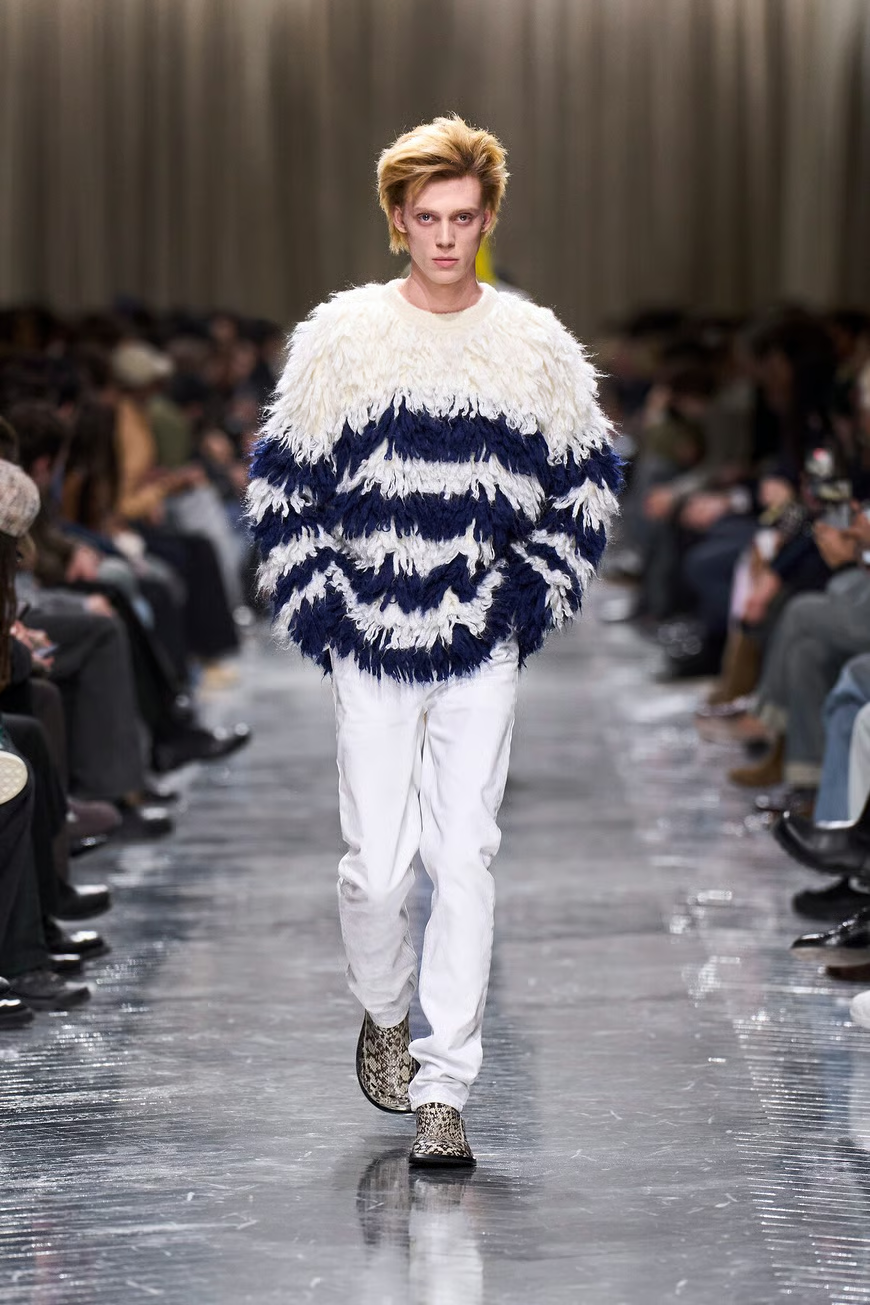
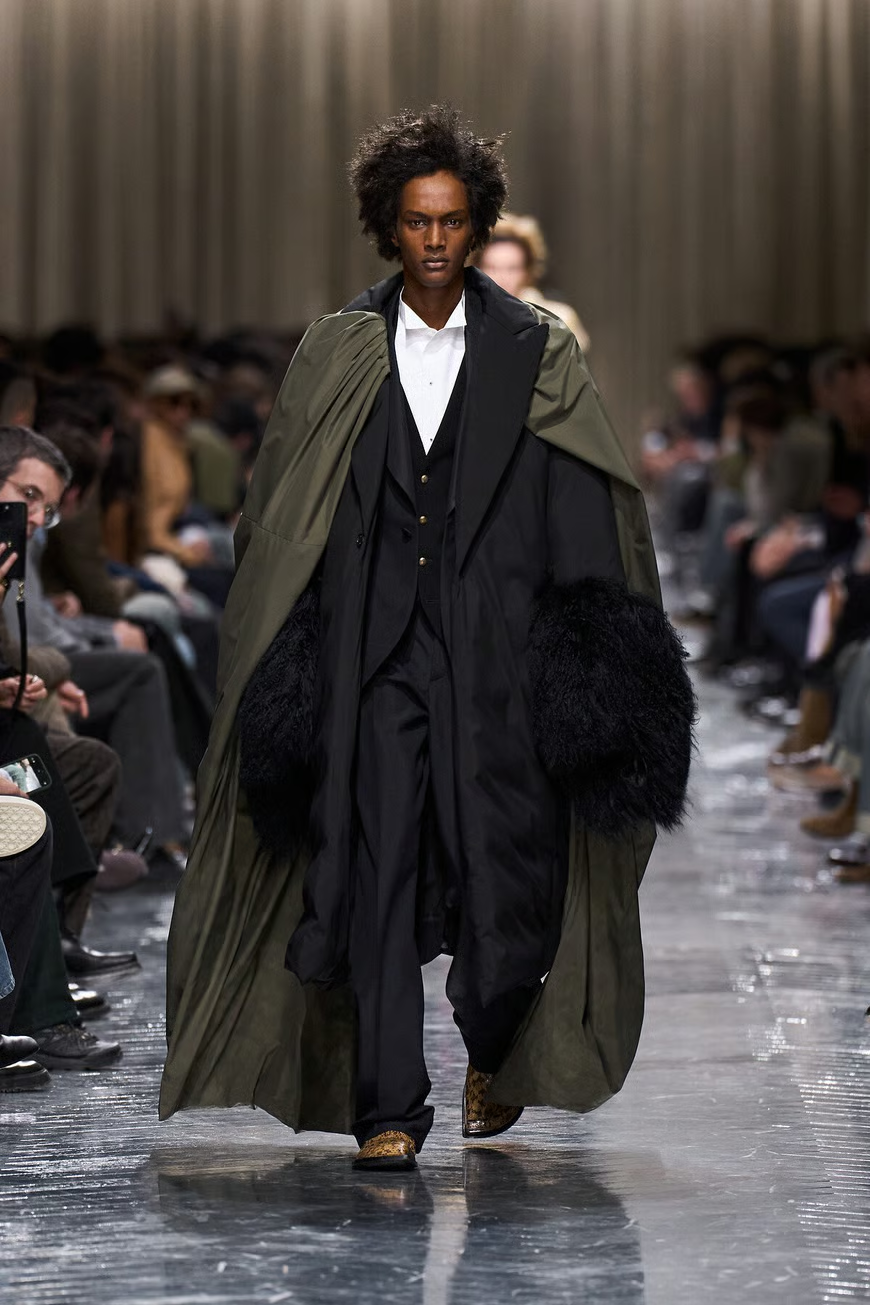
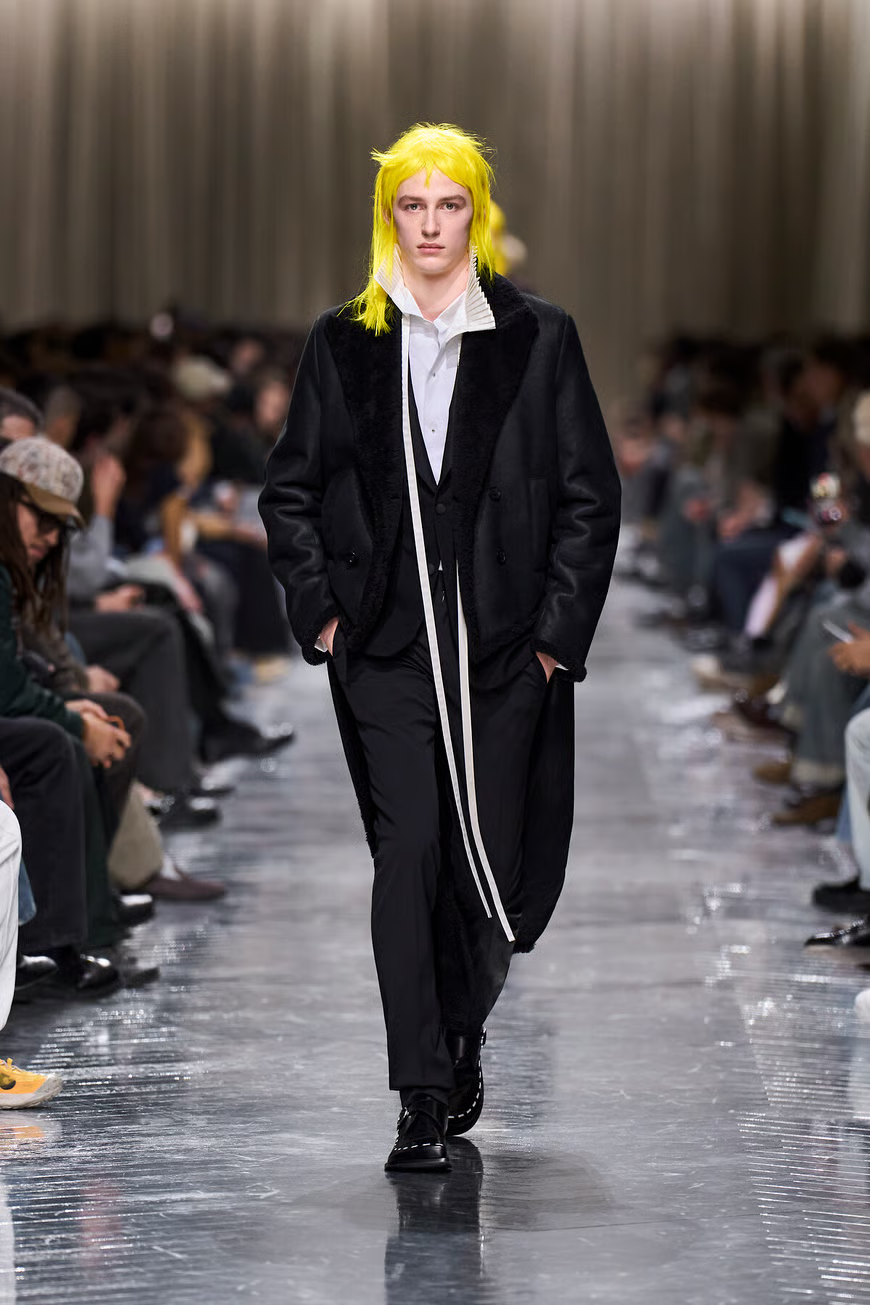
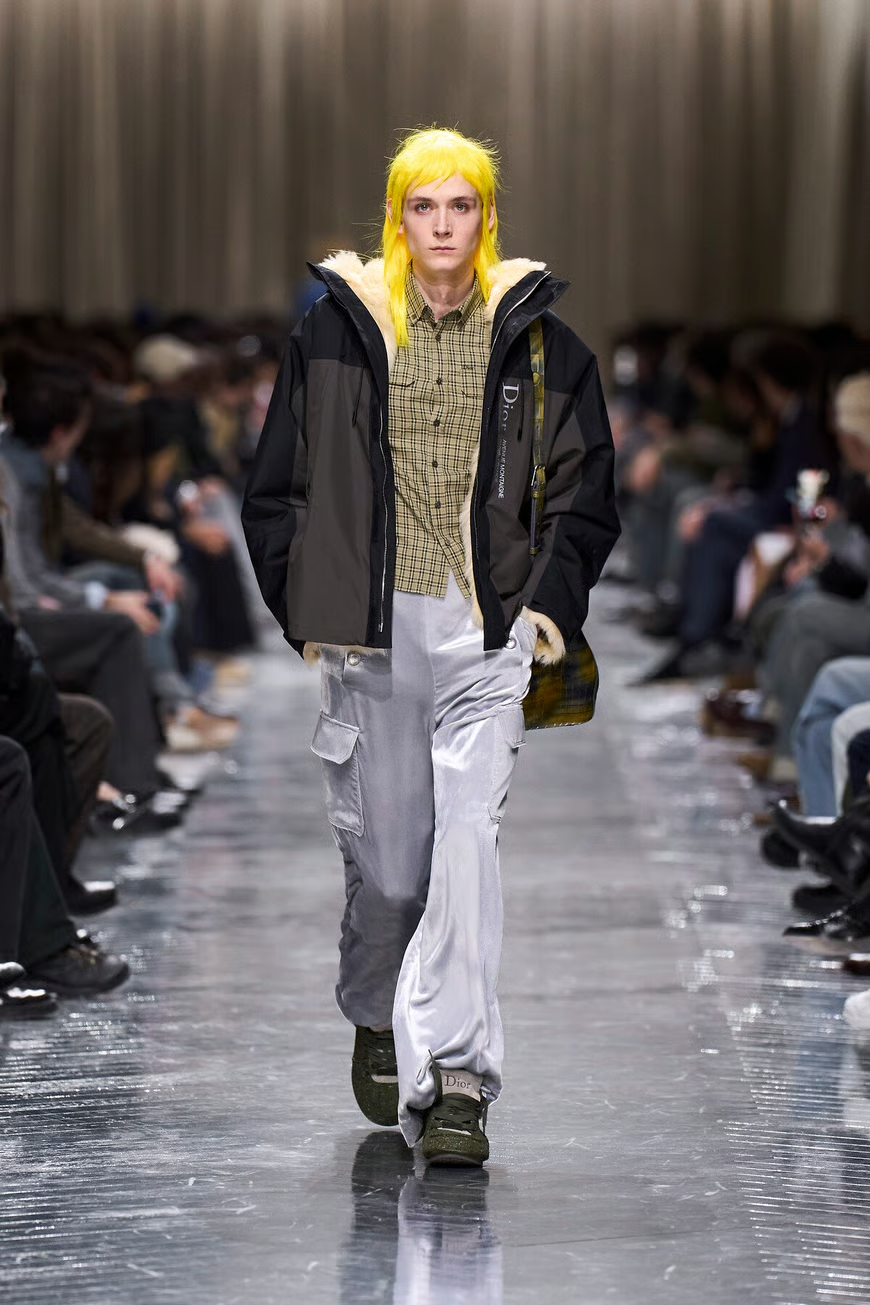
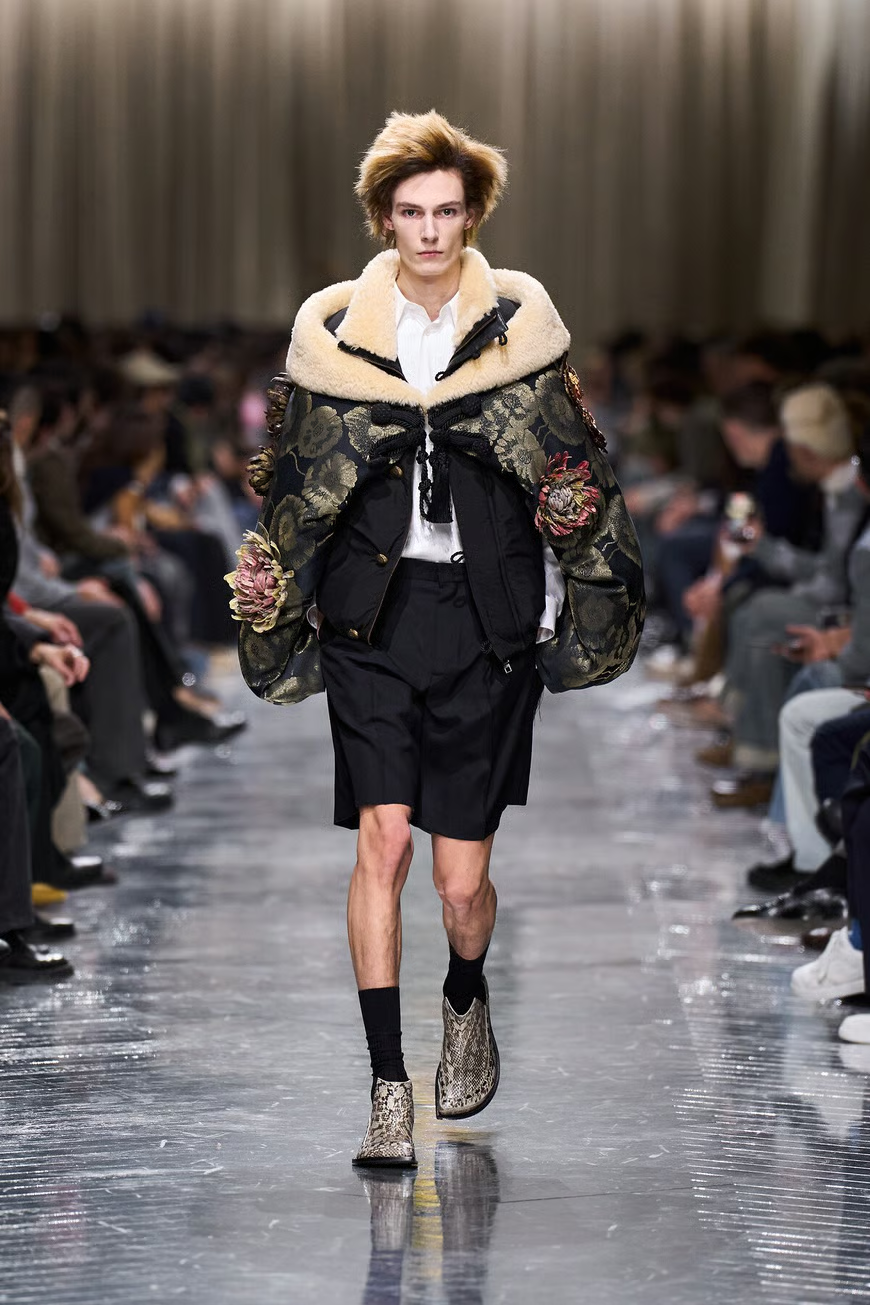
The collection also plays with what clothing is “supposed” to be. Formal shirts and waistcoats appear alongside pieces that feel closer to underwear. Masculine and feminine elements mix easily. In Anderson’s words: “Dior is not going to be a predictable silhouette. I never work that way.”
That mindset shows up everywhere. Glittering details, tailored looks paired with denim. Some outfits feel slightly awkward at first glance and that discomfort is intentional.
Anderson has said he likes it when clothes have “a bit of wrongness” to them. It makes people look again.
Related story: Jonathan Anderson opens a new chapter at Dior Homme S/S26
Related story: Dior Cruise 2026 weaves a grand romantic tale on Roman theater
Still thinking about real life
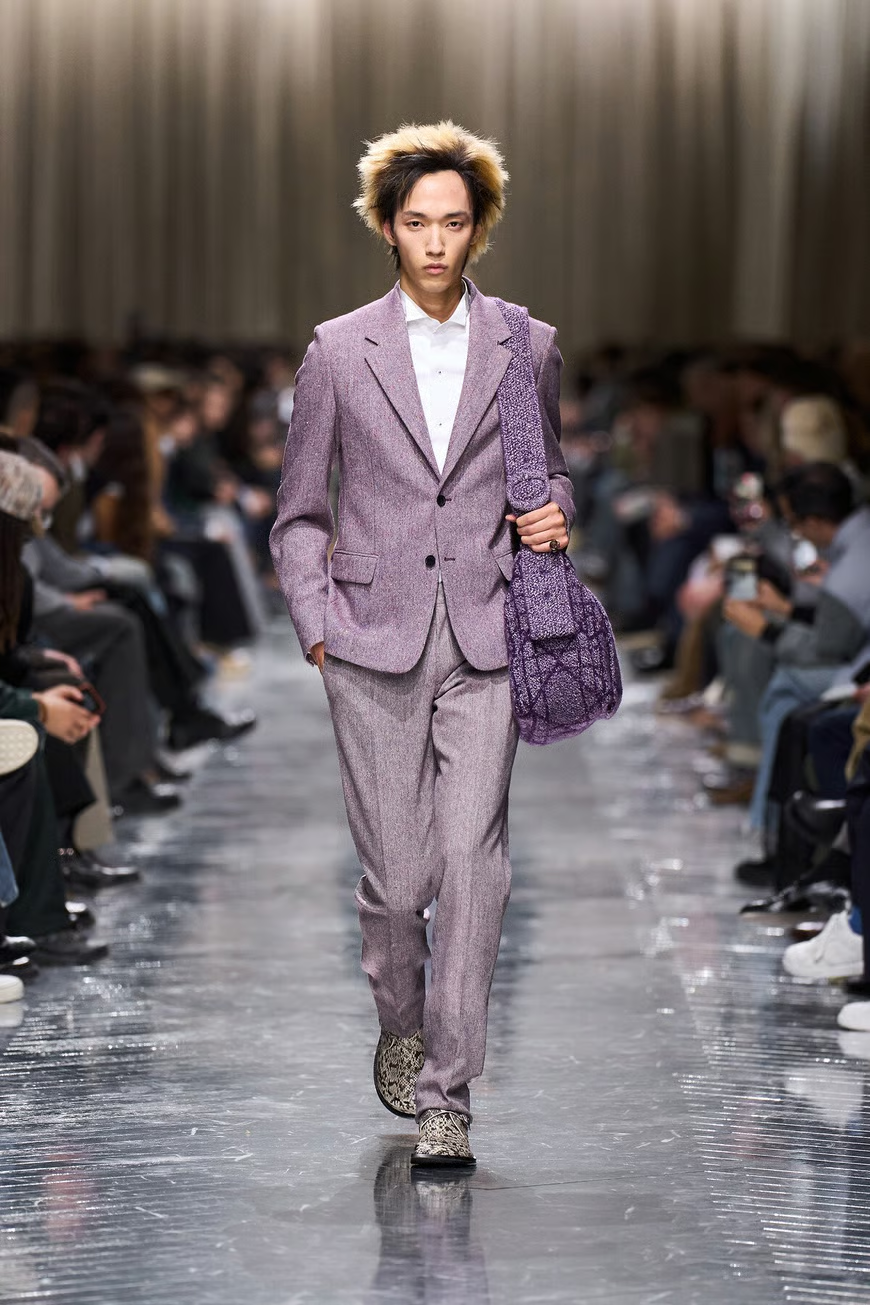
Even with all the experimentation, this wasn’t a collection made only for the runway. Dior’s show notes highlight strong, wearable pieces throughout: tweed suits, relaxed jeans, knitwear, and outerwear that can translate beyond fashion week.


Anderson is clearly aware that Dior is a large house with a wide audience. He wants excitement, but not repetition.
“I think the problem is when something works and then it’s the same every season,” he said. “If people get bored, how do you get them to tune in again?”
The Winter 2026-2027 shows Jonathan Anderson settling into Dior with confidence. He’s not interested in being careful. He’s interested in discovery. Mixing history, elegance, humor, structure, and spontaneity. That sense of play feels like a meaningful shift.
And it’s only his second season.
Watch the full show below: