
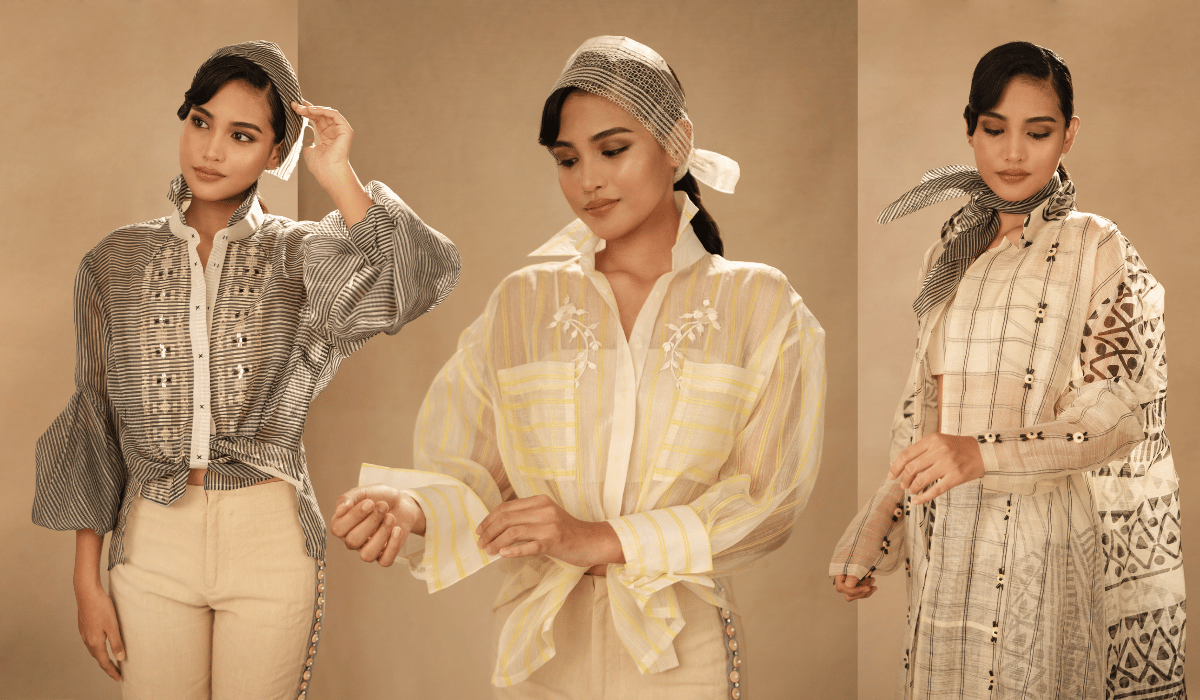

Tan-Gan presents “shirt stories” to explore the harmonic possibilities of handwoven pineapple fabric.
Designer Lulu Tan-Gan is often called the Queen of Knits. But in the last two decades, she has dedicated herself to presenting the traditional Piña fabric through a contemporary, global lens. By specializing in piña fashion, Tan-Gan has paved new paths toward developing, innovating, and cultivating a modern, luxury market for piña.
“Ultimately, my work is about bridging tradition and innovation, honoring our heritage while giving it a fresh expression for today,” said Tan-Gan. “With the rising interest in piña, I feel that I have come full circle. Over the past 20 years, I have explored and tested this raw, ethereal fiber through various forms of fabric manipulation. With ‘Tailored Traditions,’ I return to the essence of my journey: modeling heritage for contemporary use.”
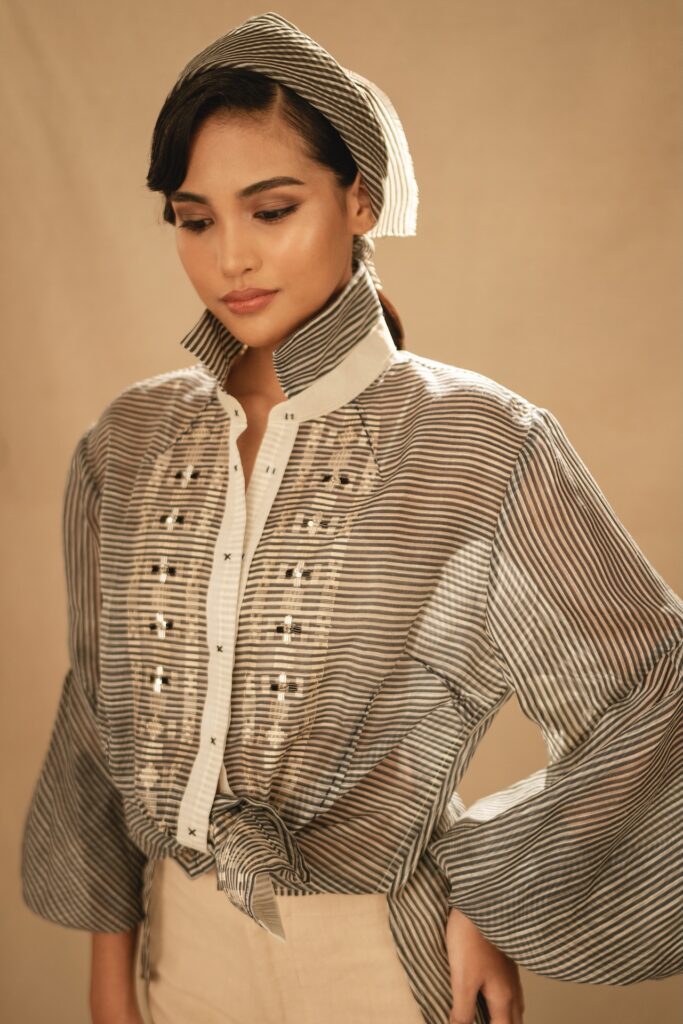
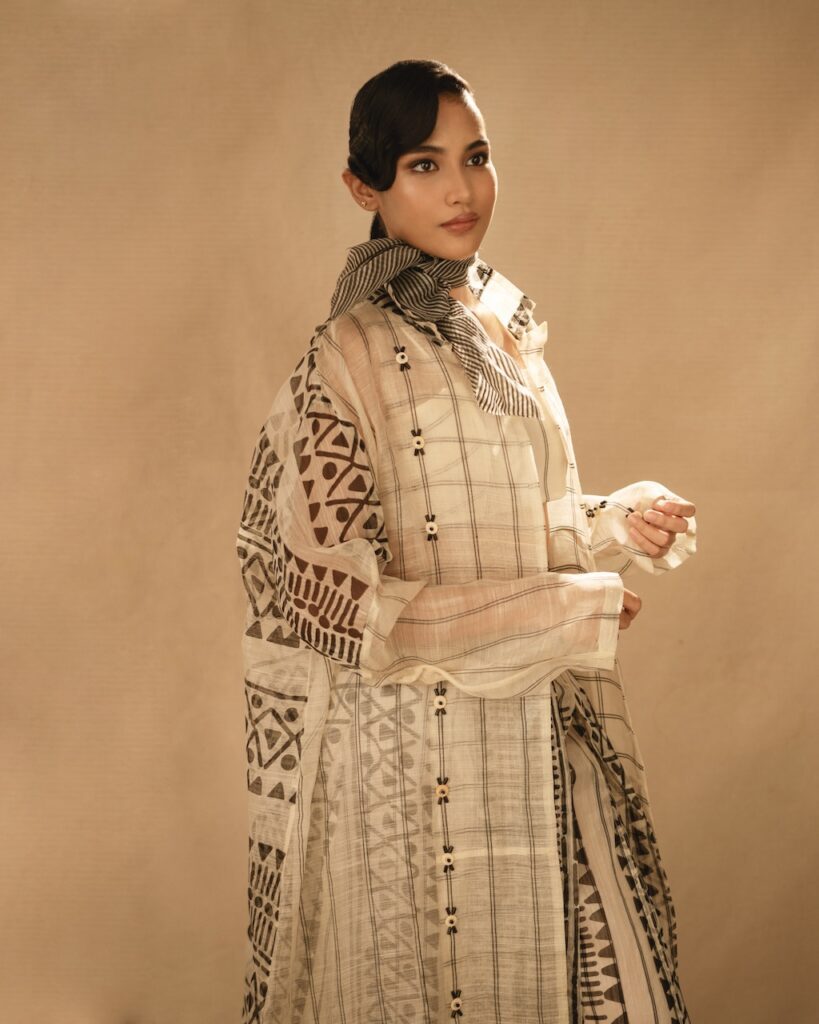
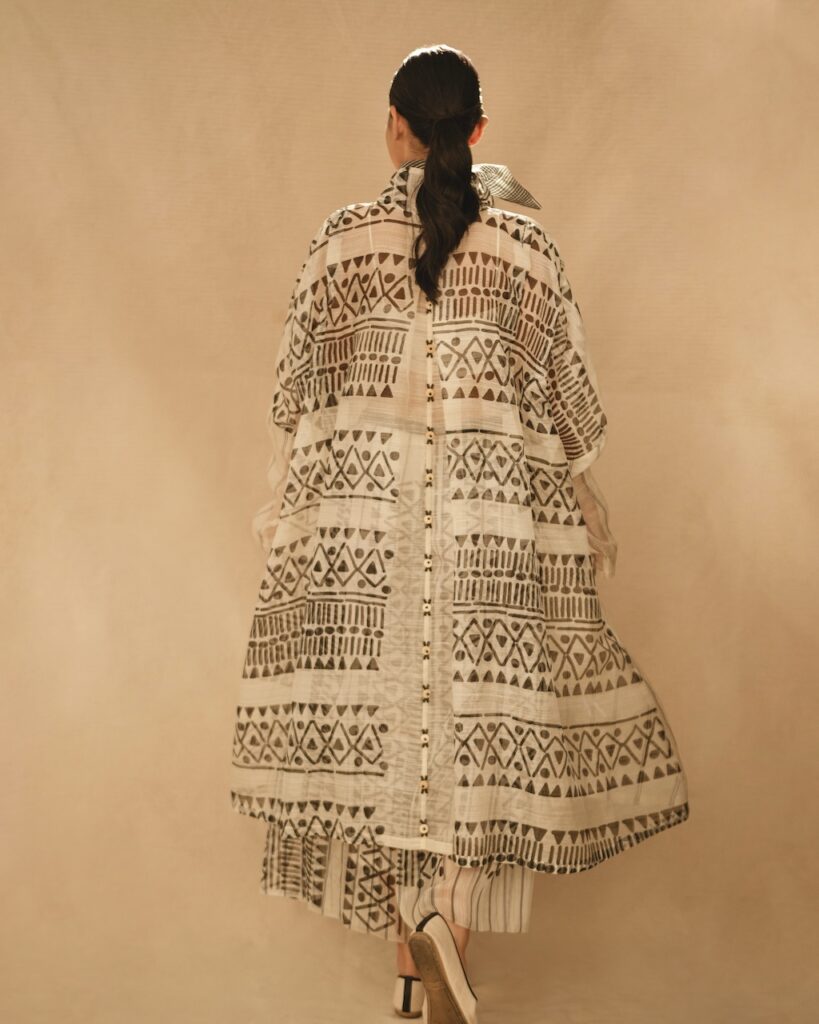
The collection is a coming together of two enduring classics: Piña fabrics and tailored shirts. Barong, oversized dress shirts, and vests are impeccably crafted using the finest piña fabrics and blends, which echo Tan-Gan’s design DNA.
Tan-Gan was intentional about returning to the basics with her “Tailored Traditions” collection. The designer, purveyor, and cultural advocate observed: “In a world often obsessed with extravagance, true luxury resonates with those who understand the value of refinement and quiet confidence.”
Related story: Patis Tesoro named National Artist. Here’s why her Filipiniana is a national treasure, too
Related story: A terno here, a barong there. How Jo Ann Bitagcol became a post-modern Cinderella
Zero waste fashion
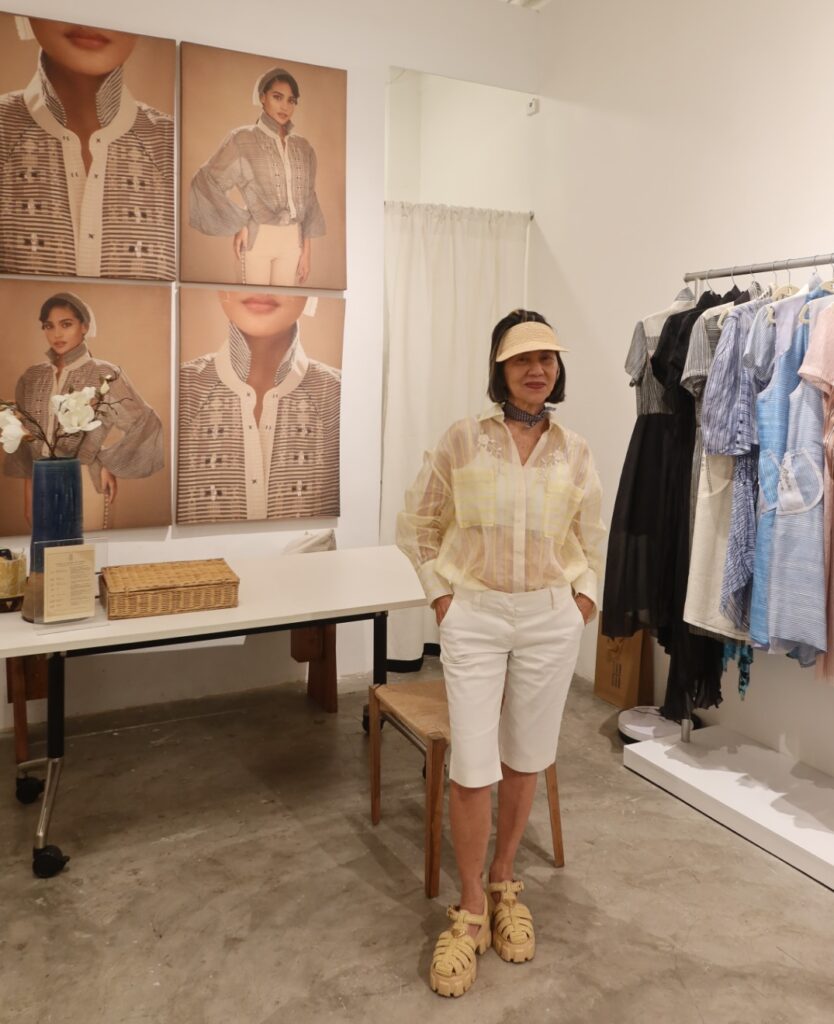
Rather than designing around readily available fabrics or materials, Tan-Gan prioritizes mastery of craft. “As an artisan, you have to understand the material and the technical side of constructing before you can innovate and make it relevant to use,” she stated. “Crafting fashion has always been central to my work. Yarn is my medium. Knitting and weaving are my languages. My process begins with inspiration from our indigenous traditions, craft, and nature.”
In the late ‘70s and early ‘80s, Tan-Gan began creating hand-loomed knitwear outside of the usual cardigans and sweaters. By 1983, her handcrafted knits were shown on the runways of Paris Fashion Week. “Drawn to the ease of wash-and-wear fabrics that didn’t need ironing,” she recalled, “I wanted to transform knitwear into fashionable pieces for career women like myself who needed practical and stylish options.”
Decades before terms like “sustainability” and “small batch” were buzzwords in the fashion space, Tan-Gan was already knitting garments to shape using a hand loom. This unique process and technique placed the designer at the forefront of artisanal, zero-waste fashion early on.
From knits to piña
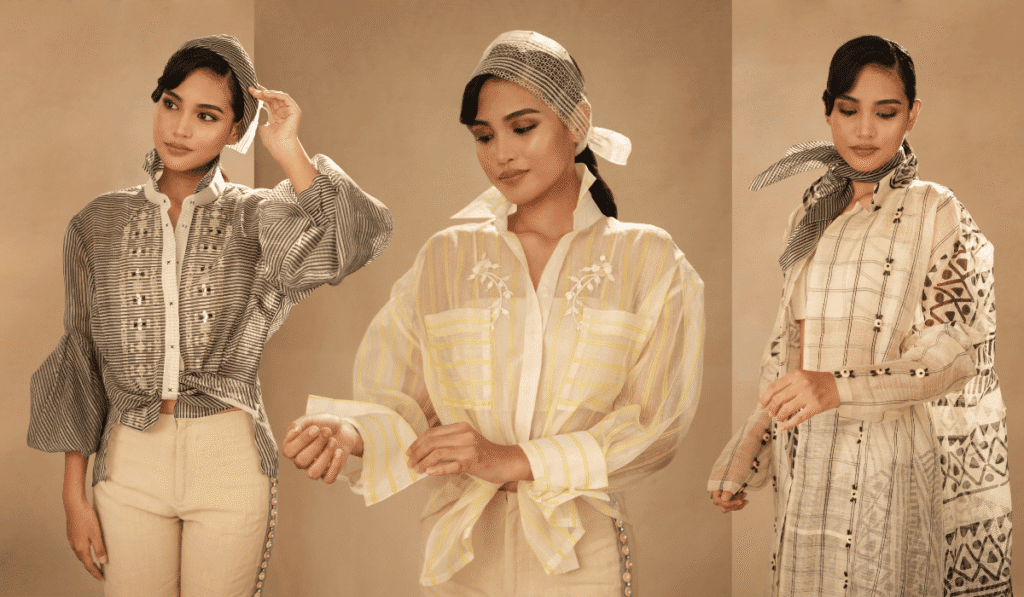
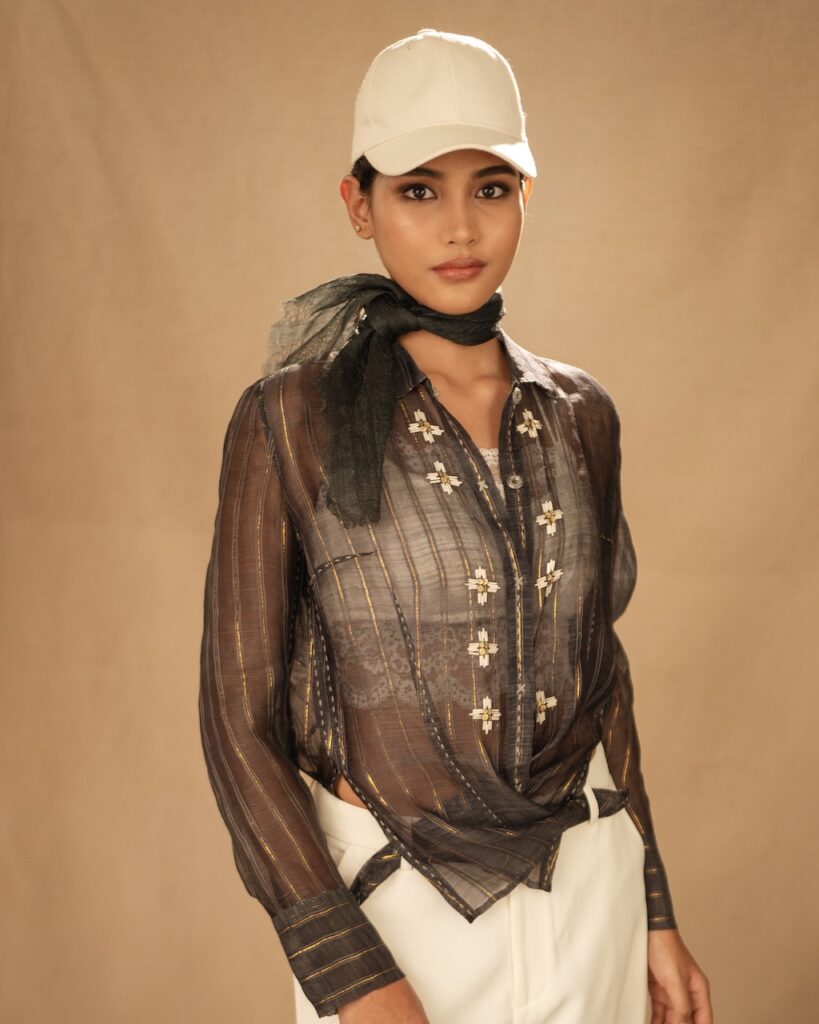
After 20 years of working with knits, Tan-Gan introduced the concept of piña wear, primarily conceived as a ready-to-wear line. It was a transfer of the designer’s expertise, design philosophy, and creative process from knits to piña. Her personal introspection sparked the shift. “What makes me a Filipino designer?” she pondered. “I was always attracted to piña and loved the ethereal beauty of the fabric. I would wear my dad’s barong and adored the pieces made by Barge Ramos using the handwoven fabric.”
It also dawned on the artisanal designer that the preservation of the time-honored fabric—and to keep it relevant—demanded innovation through design and product development. “Tradition thrives when it evolves through contemporary participation. Adding that fashion-forward factor keeps tradition alive, relevant, and continuously inspiring,” Tan-Gan observed.
Tan-Gan began by reframing the market’s perception of piña. Back then, the material was strictly used for formal wear. It also required dry cleaning, making it costly to maintain. Tan-Gan saw potential in reintroducing handwoven pineapple fabric as a versatile material, ideal for ready-to-wear garments or modern classics such as shirt jackets, boleros, capes, coats, and caftans.

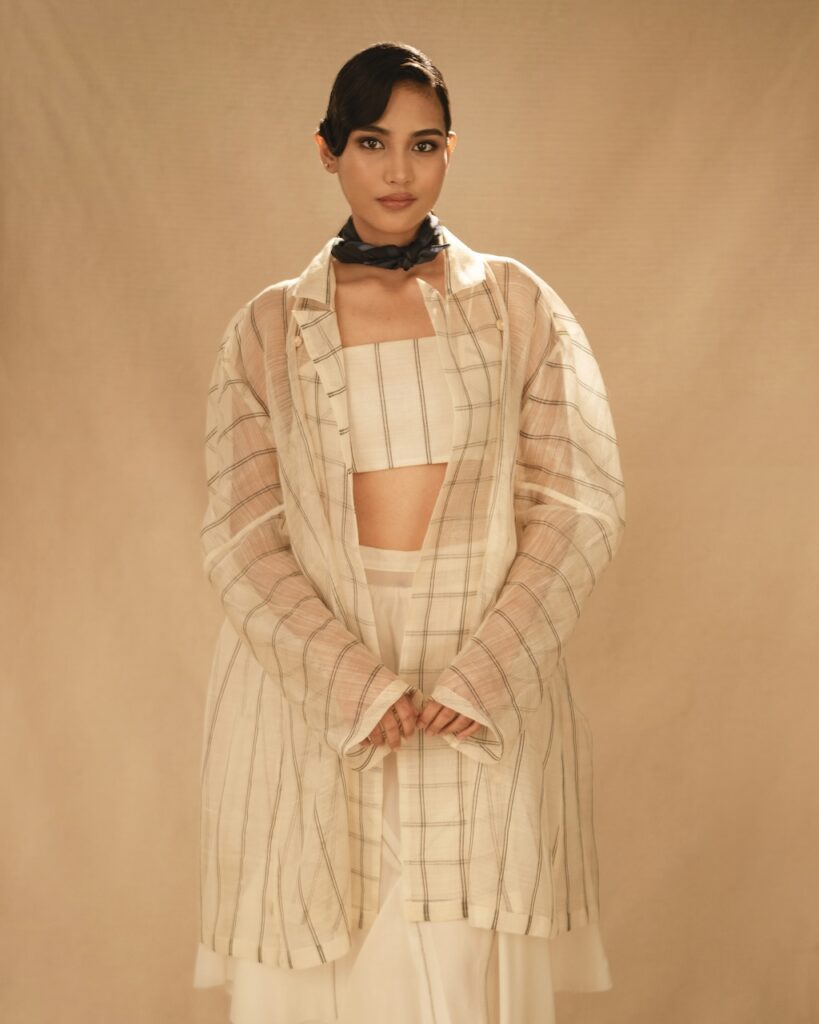
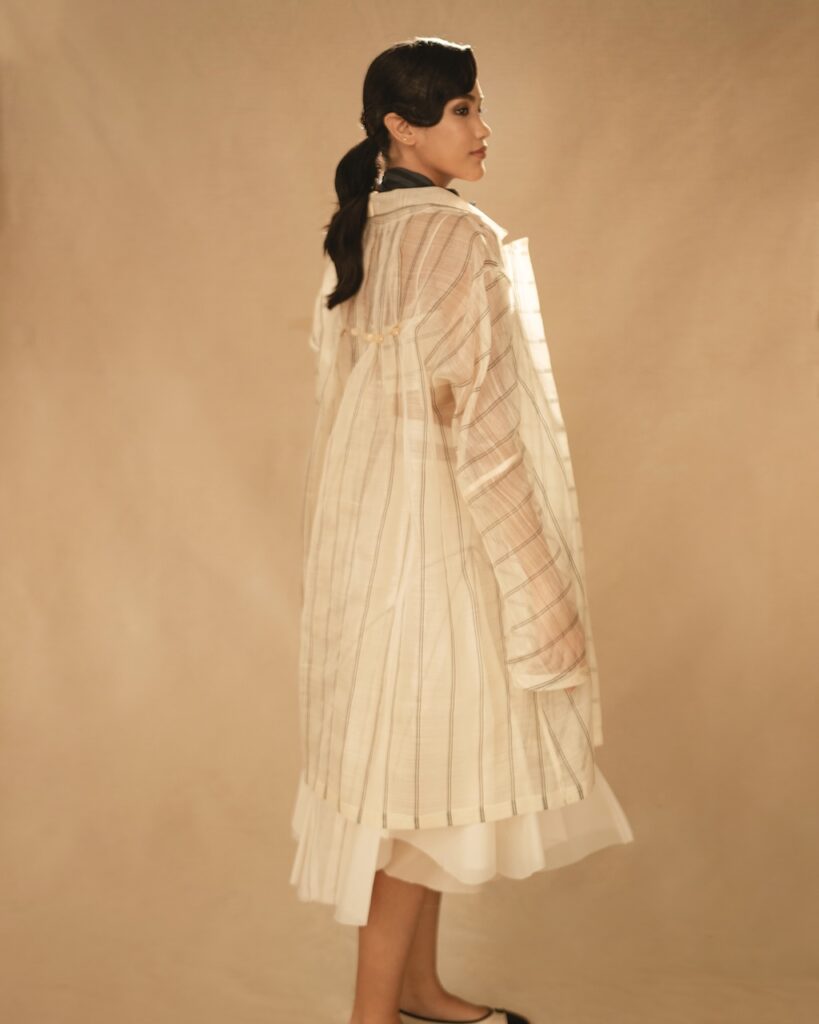
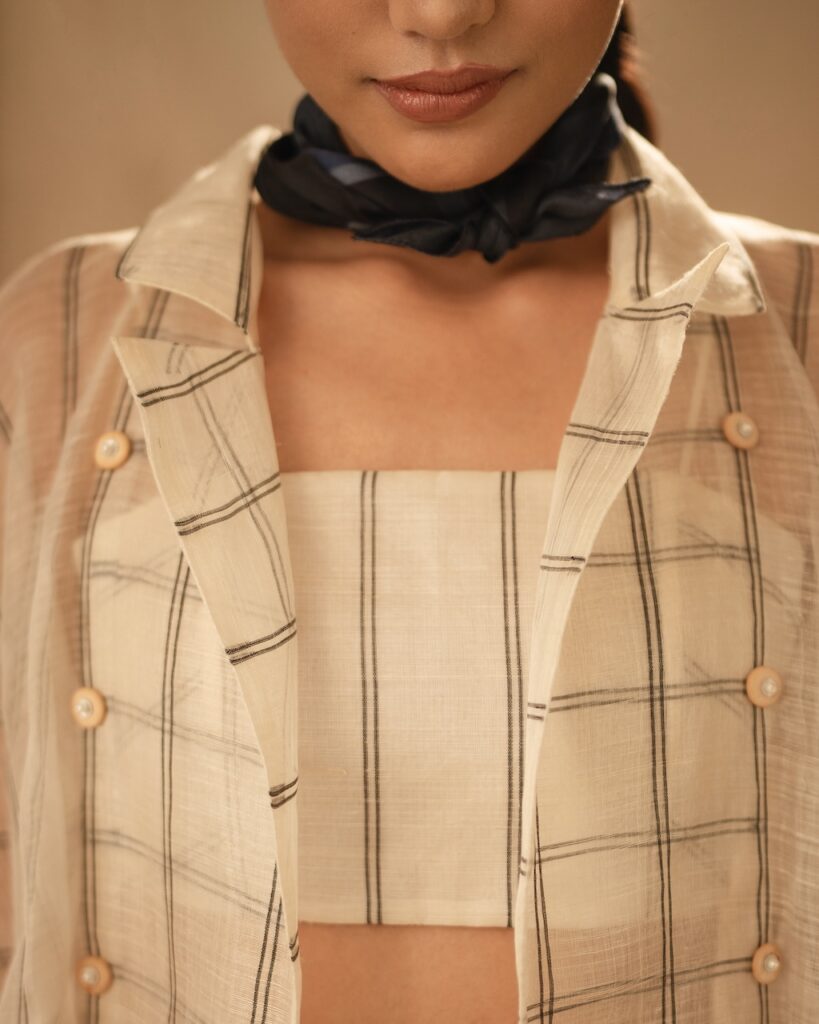
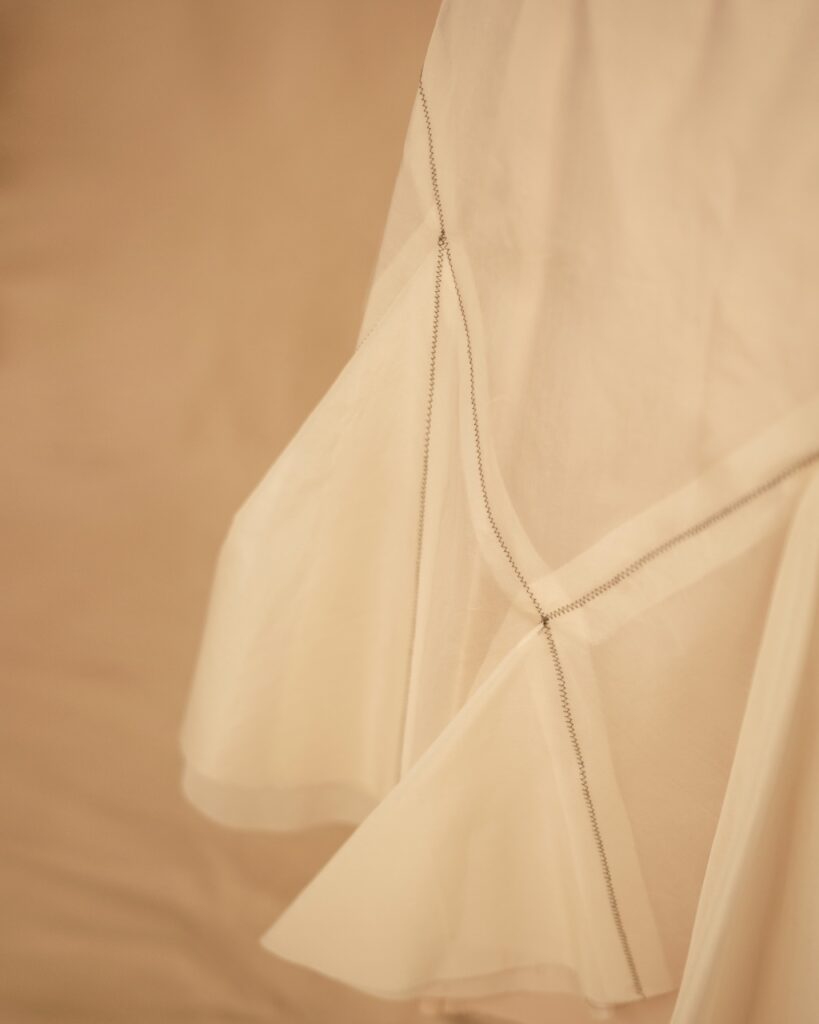
The designer shared, “I started to develop piña into washable, fluid textiles. I designed and engineered it for easier packing and travel. I mostly engage with piña through the cutting process. I love the crisp sound while cutting,” she intimated. “As I lay out the pattern, my design often evolves. I may lengthen, widen, or reshape it. I’m also mindful of ensuring that no inch of the weave is wasted throughout the design and cutting process.”
“It’s not simply about individual garments,” the artisanal designer emphasized. For her, the most important fashion conversations begin with the source and are shaped by mastery of craft. “When I talk about ‘farm-to-fashion,’ I am referring to how we source our fabrics—understanding that our textiles come from the provinces and the farms where our weaving traditions continue to live on. This awareness helps us to develop a more sustainable, circular fashion industry in the future.”
Through continuous experimentation, exploration, and engagement, Tan-Gan has tracked a creative journey where time-honored tradition and design innovation meet at the crossroads.
Tan Gan’s boutique is located at Powerplant Mall. Follow her on Instagram at @tan_gan.
Related story: Old guard meets young blood: Jor-El Espina releases collection inspired by Patis Tesoro
Related story: Nadine Lustre’s ‘Donuts’ wardrobe reimagines the Filipina warrior for a new world