
Where others might focus solely on form or function, Paolo notices how light hits woven surfaces, how texture behaves under shadow, and how rope intersects with wood grain.
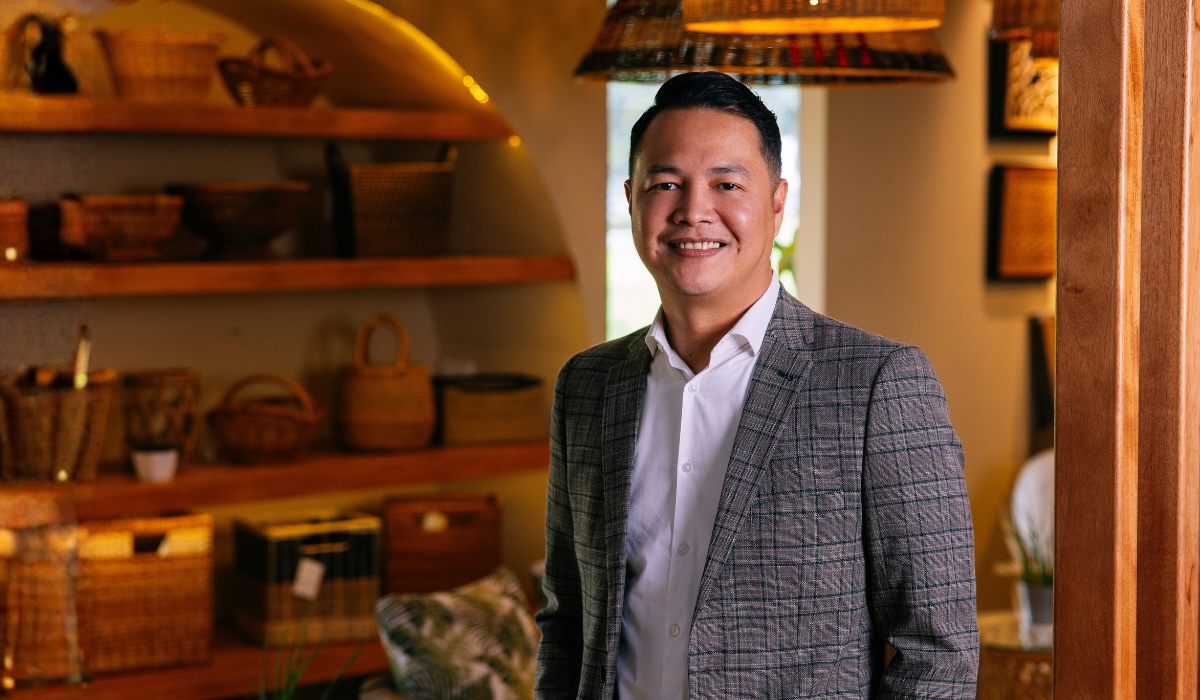
Jose Paolo Feliciano speaks softly about rope. Not just rope as material, but rope that gives people livelihood. The twist of abaca fibers, the smooth tension of lampakanay—all processed by hand in his factory or in households doing subcontracting—before they are brought back to be woven a final time into chairs, tables, wall hangings.
It’s a material that enables the work to be spread around communities because Calfurn, the company he leads as vice president, uses so much of it. Calfurn employs roughly 400 in-house workers and numerous small workshops surrounding its Pampanga base.
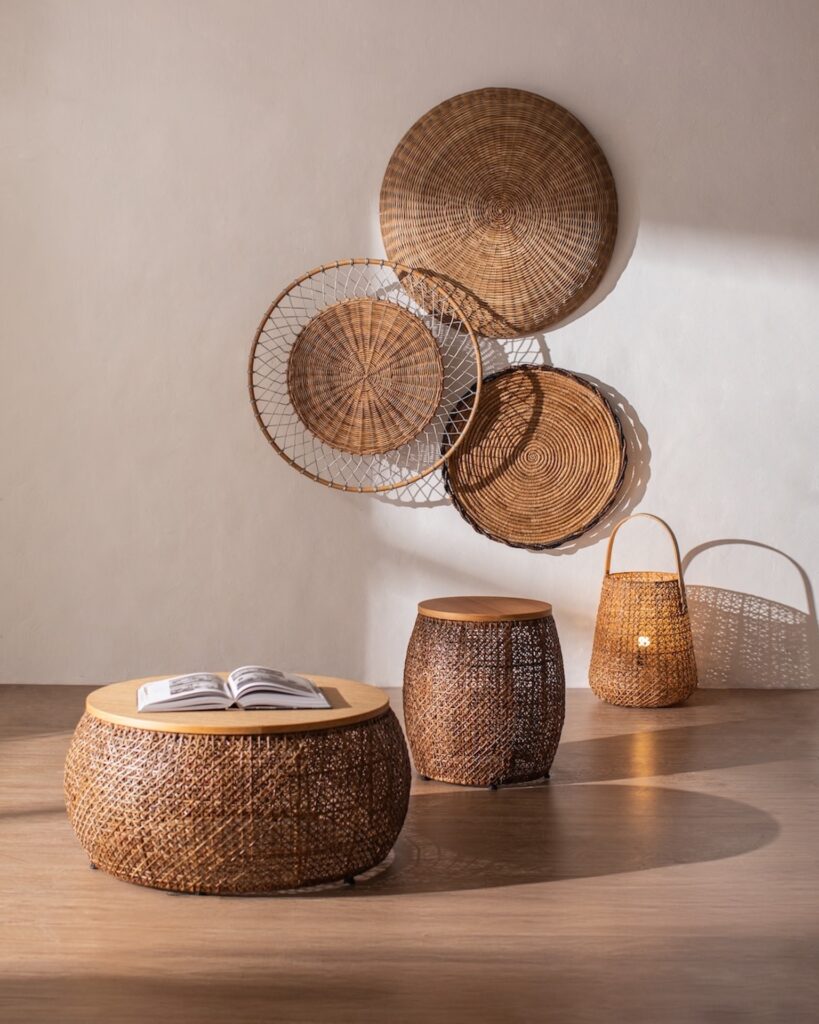
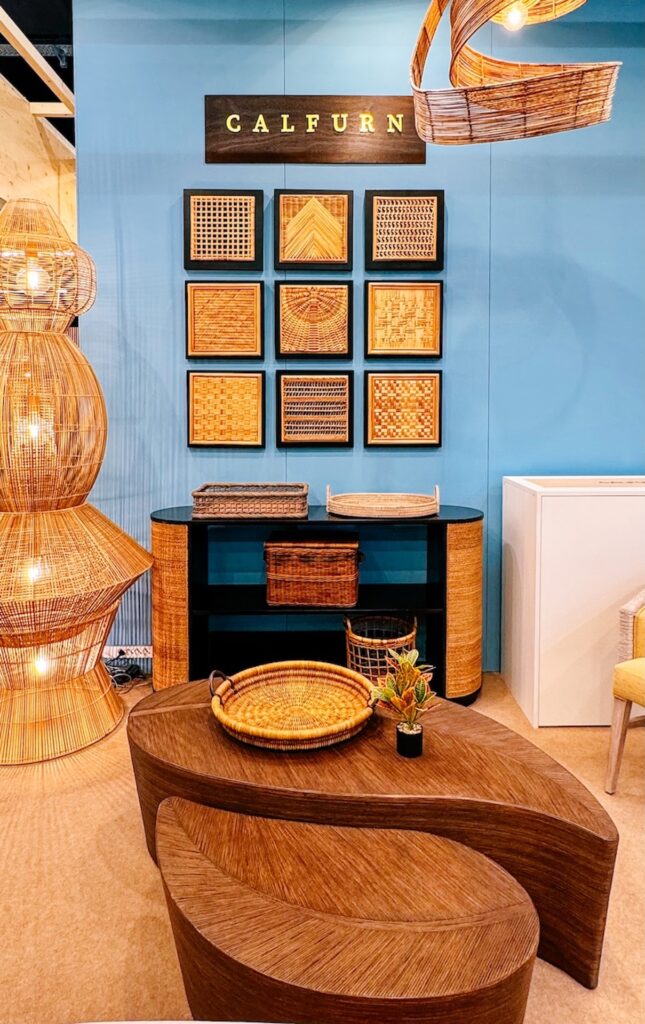
“Everything is still handmade,” he says, emphasizing that aside from the wood components, weaving remains entirely manual. The materials they use are rattan, abaca, lampakanay and seagrass. “Lampakanay is a type of seagrass that grows in swampy areas. They harvest it, dry it out, remove the core and turn the fiber into rope. It’s sturdy, very smooth.”
Abaca, by contrast, is fibrous and textured. The US market, which imports 90 to 95 percent of Calfurn’s production, gravitates toward its visible natural character.
If the materials are ordinary—growing in swamps and forests and by waysides—the transformation into furniture is not. “The beauty is in the value added, which is the labor that goes into it.”
Paolo explains that natural materials, when poorly executed, can be vulnerable. When carefully treated and woven, however, they rival engineered materials in resilience. Calfurn’s approach emphasizes both structural integrity and visual softness. Each woven surface is tension-calibrated to ensure that organic fibers behave predictably over years of use. A chair that lasts decades or a woven surface that ages gracefully rather than degrades embodies sustainability.
The detour
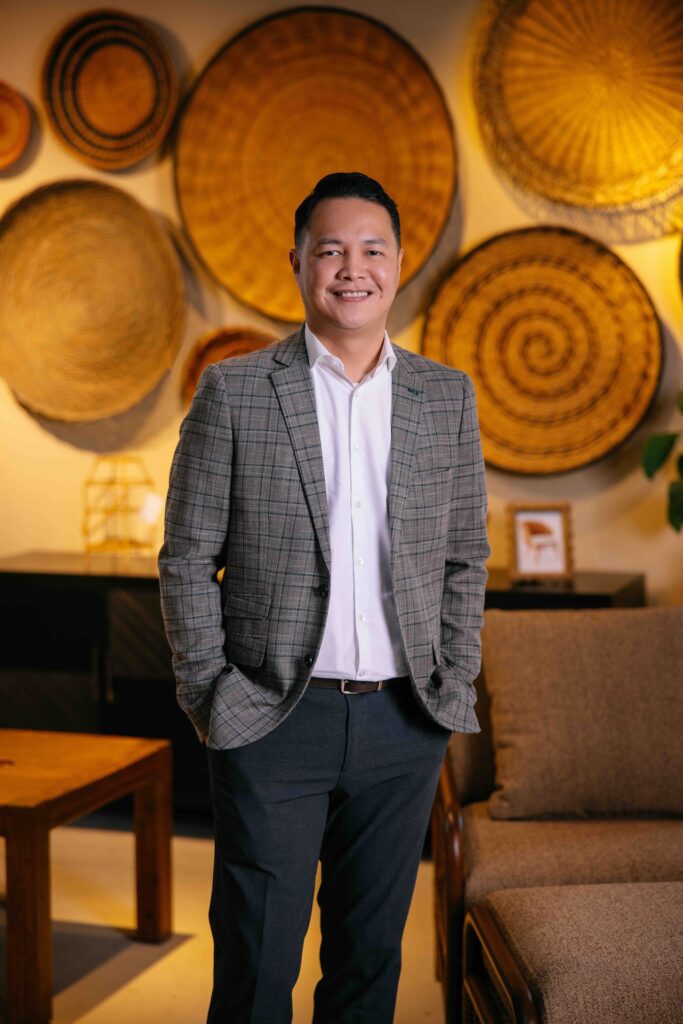
Calfurn turns 50 this August. It began as a partnership among seven founder. Today, Paolo’s father, Eredito “Erdy” Feliciano, is the only original founder still standing.
Paolo is second generation. The factory floor was his playground; natural fibers, not toys, shaped childhood memory. “When I was eight or nine years old, my dad asked some of the guys in the factory to train me in weaving,” he recalls.
Paolo’s father used to bring home furniture catalogues and design magazines, seeding an aesthetic awareness. Though formally trained in business rather than design, Paolo took a detour that would shape how he sees the industry.
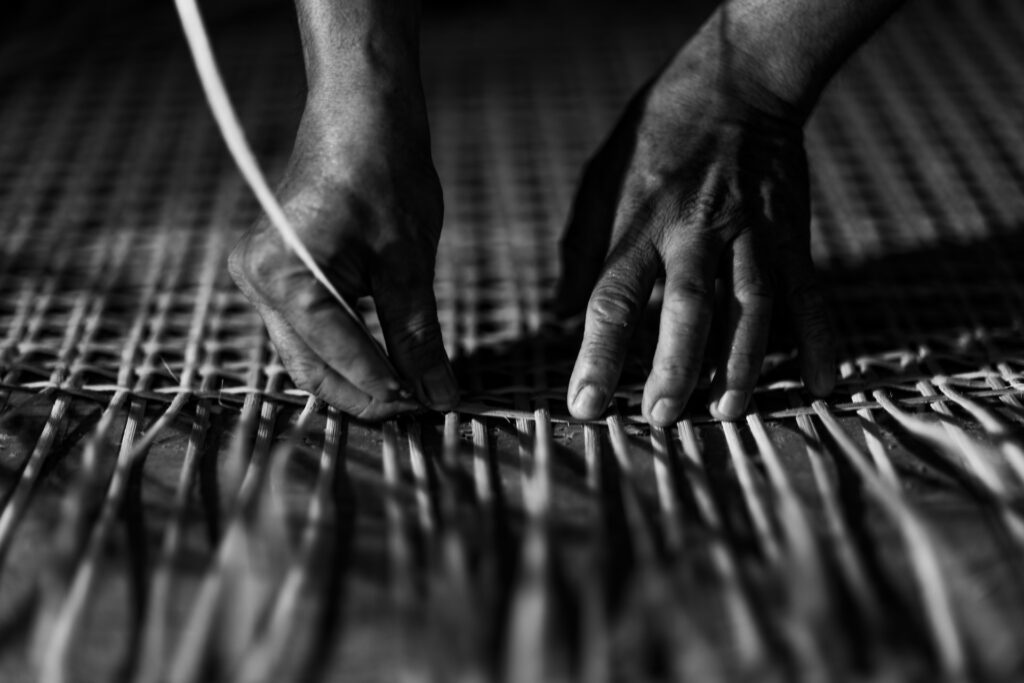
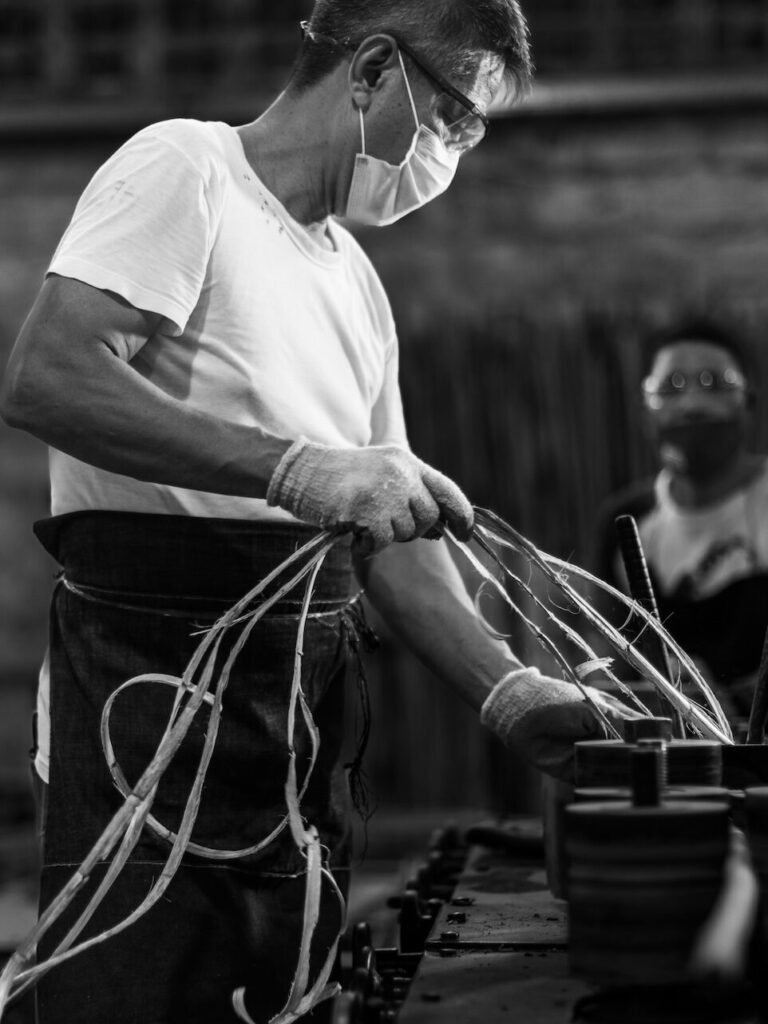
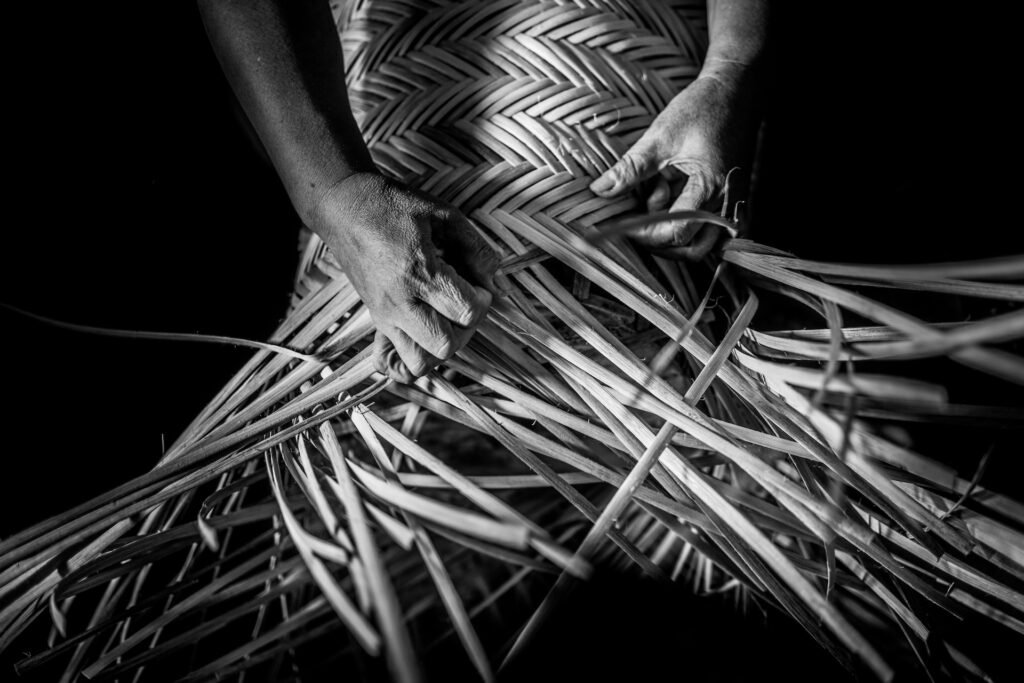

After college at UP Diliman, he stepped away from the family company and became a professional photographer. He shot weddings, interiors and furniture; he worked with brands, designers, and magazines. Unlike many photographers who use the medium as self-expression, Paolo uses it as documentation. “It’s about of capturing what’s there, telling people, this is what I saw. This is how I see it.”
That perspective now informs how he approaches furniture. Where others might focus solely on form or function, Paolo notices how light hits woven surfaces, how texture behaves under shadow, how rope intersects with wood grain.
The legacy
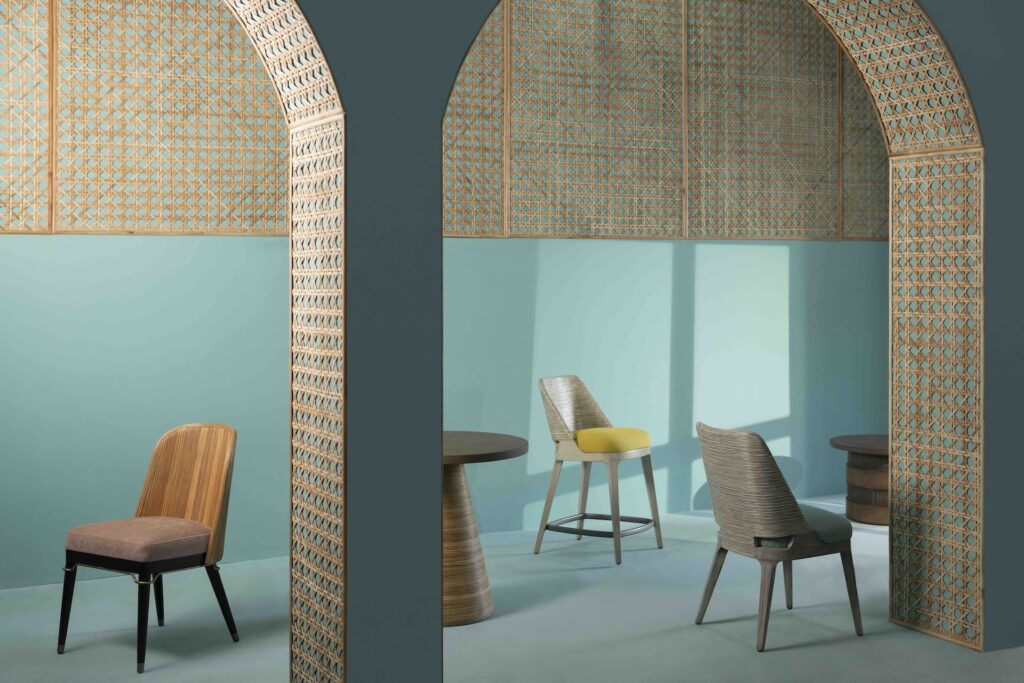
Calfurn supplies high-end boutiques and major retailers including American companies Pottery Barn and Restoration Hardware, positioning itself in the middle- to upper-tier segment. Markets, he says, that don’t really feel a price increase due to new tariffs. Still, it was time to look at other parts of the world.
Under the CITEM-led pavilion, Calfurn exhibited for the first time at Ambiente in Messe Frankfurt this year. “We want to explore the European market,” Paolo says, describing the fair as the natural entry point. This year’s Ambiente featured 170 countries, 4,636 exhibitors, and approximately 140,000 visitors
It is not the market shift alone that feels significant; it is the generational transition underpinning it. For Paolo, leadership is about payroll for workers, about continuity.“I’m scared,” he admits candidly when asked how it feels to carry a 50-year legacy. “It’s a tall task. I have very big shoes to fill. We have a lot of employees and communities to support. When I sell outside the country, I feel that I’m bringing the hopes and dreams of everybody—the 400 people that rely on us, not to mention the Philippine identity.”

His father remains present as chairman and guide, and Paolo confesses that he does not mind if that guidance continues indefinitely. “He’s still my boss,” he says.
Paolo also leads the Pampanga Furniture Industries Foundation, a group of around 70 furniture manufacturers, as president. He likens the Kapampangans’ flair for making furniture to their culinary tradition—extracting depth from what is available, elevating humble ingredients through care. Furniture, in his mind, operates the same way.
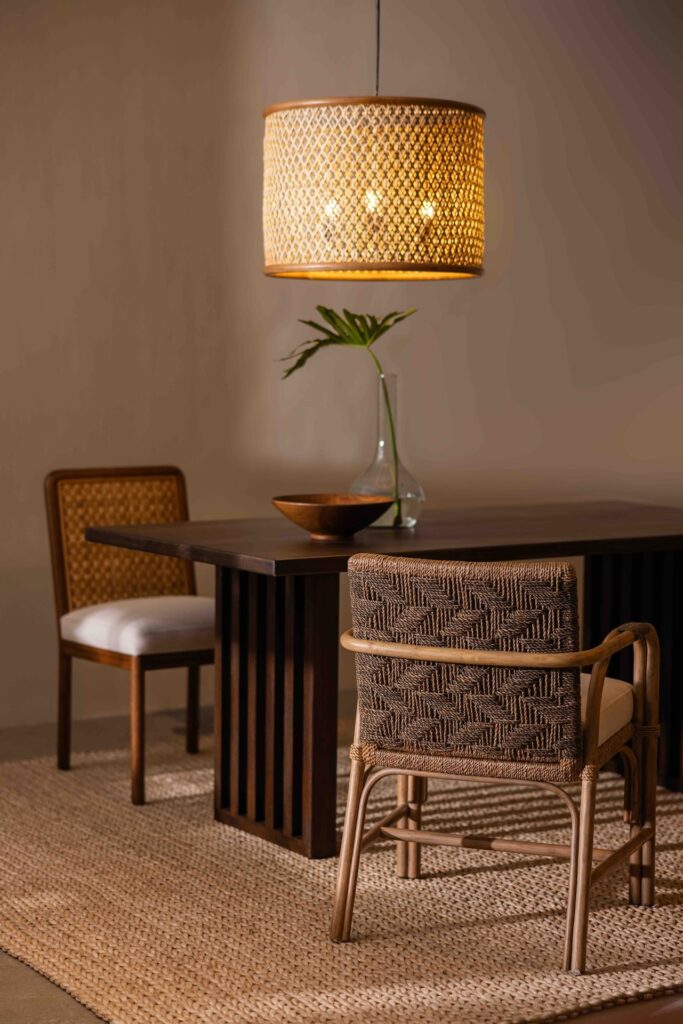
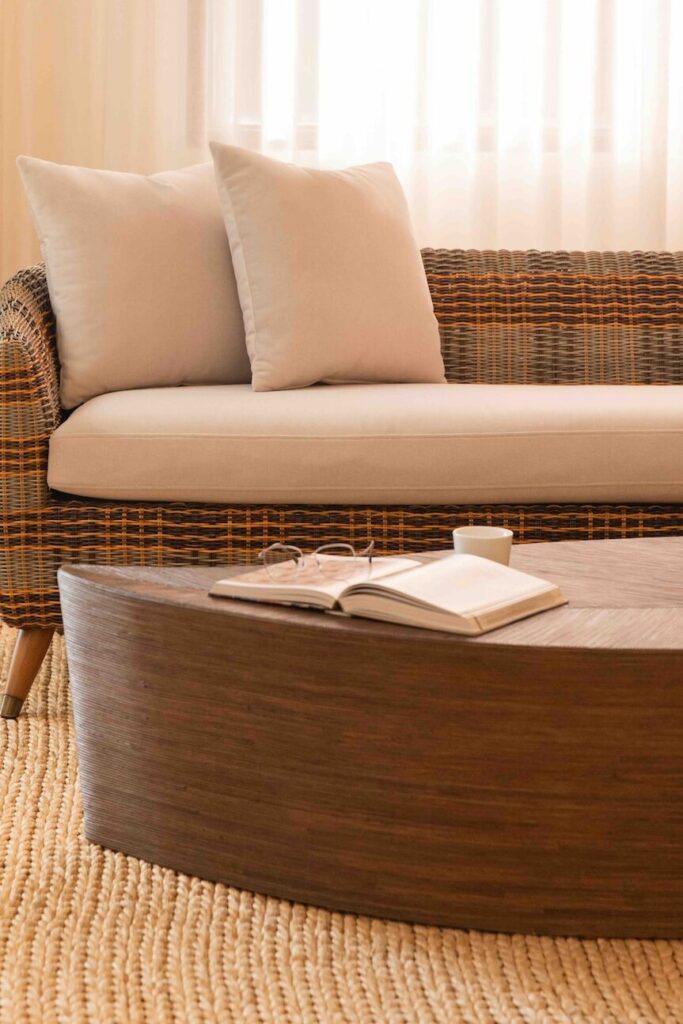
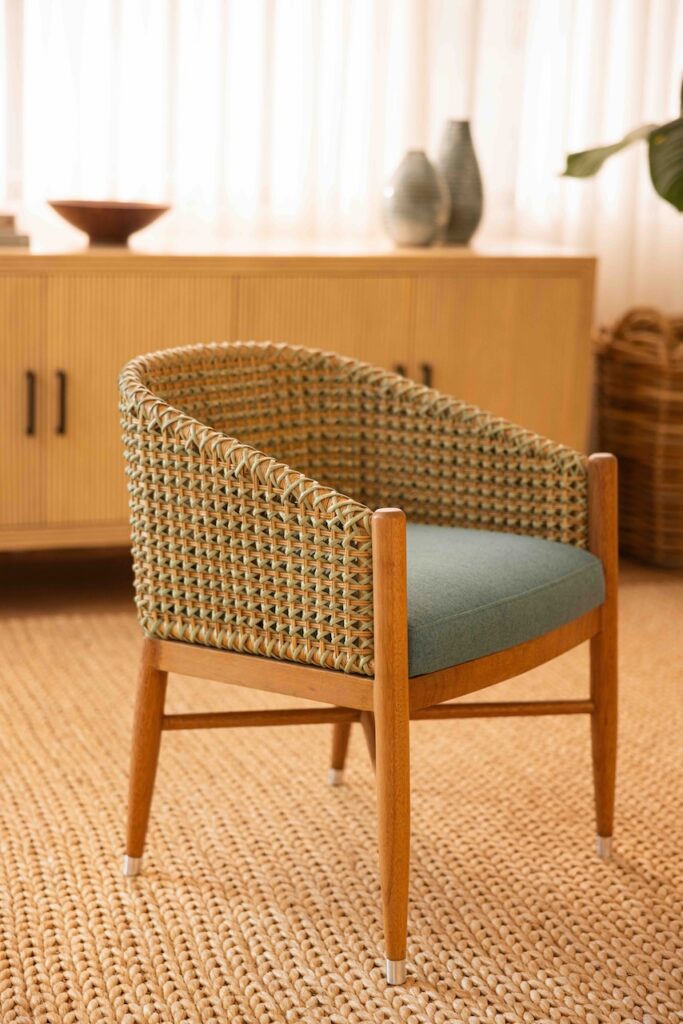
When asked why he remains in the industry, the answer is neither financial nor nostalgic. “It’s part of our Kapampangan culture,” he says. “We use materials that grow literally in our backyards. We make the most out of it by putting a lot of value into something simple.”
At 45, Paolo is bridging a founder generation that advanced the industry with manual grit and a contemporary market increasingly shaped by sustainability and shifting markets. He balances export pragmatism with cultural conviction while remaining attentive to the hands that weave them.
His younger daughter jokes that she wants to be his boss one day. Whether or not the third generation is roped in to take the helm, there is already a sense of continuity at play.
Maybe she won’t need to take a detour like he did.
Related story: Handcrafted for the world: Why the Philippines returns to Ambiente every year
Related story: Wilbert Novero: Three decades of championing Philippine design on the global stage