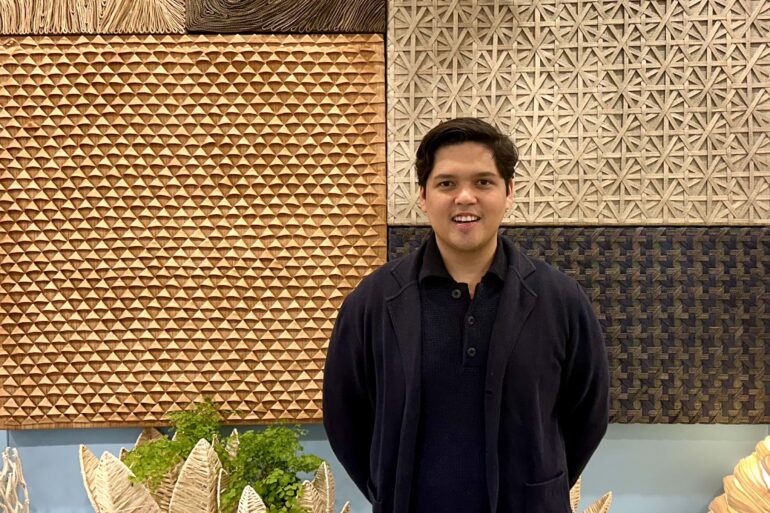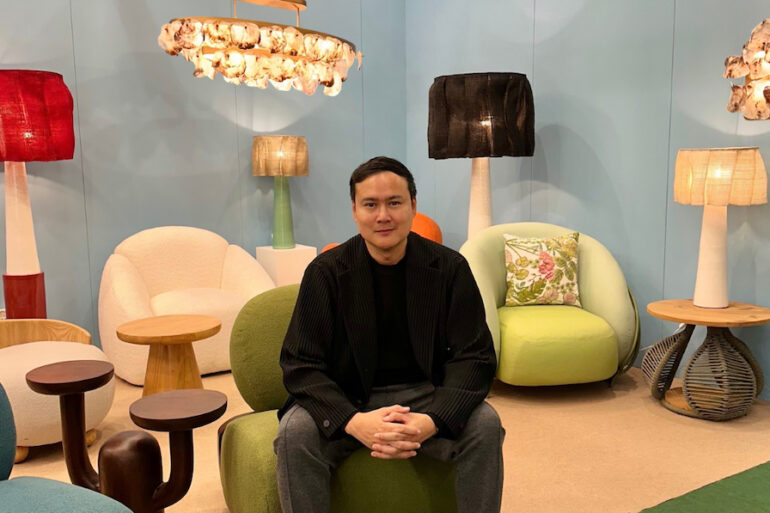

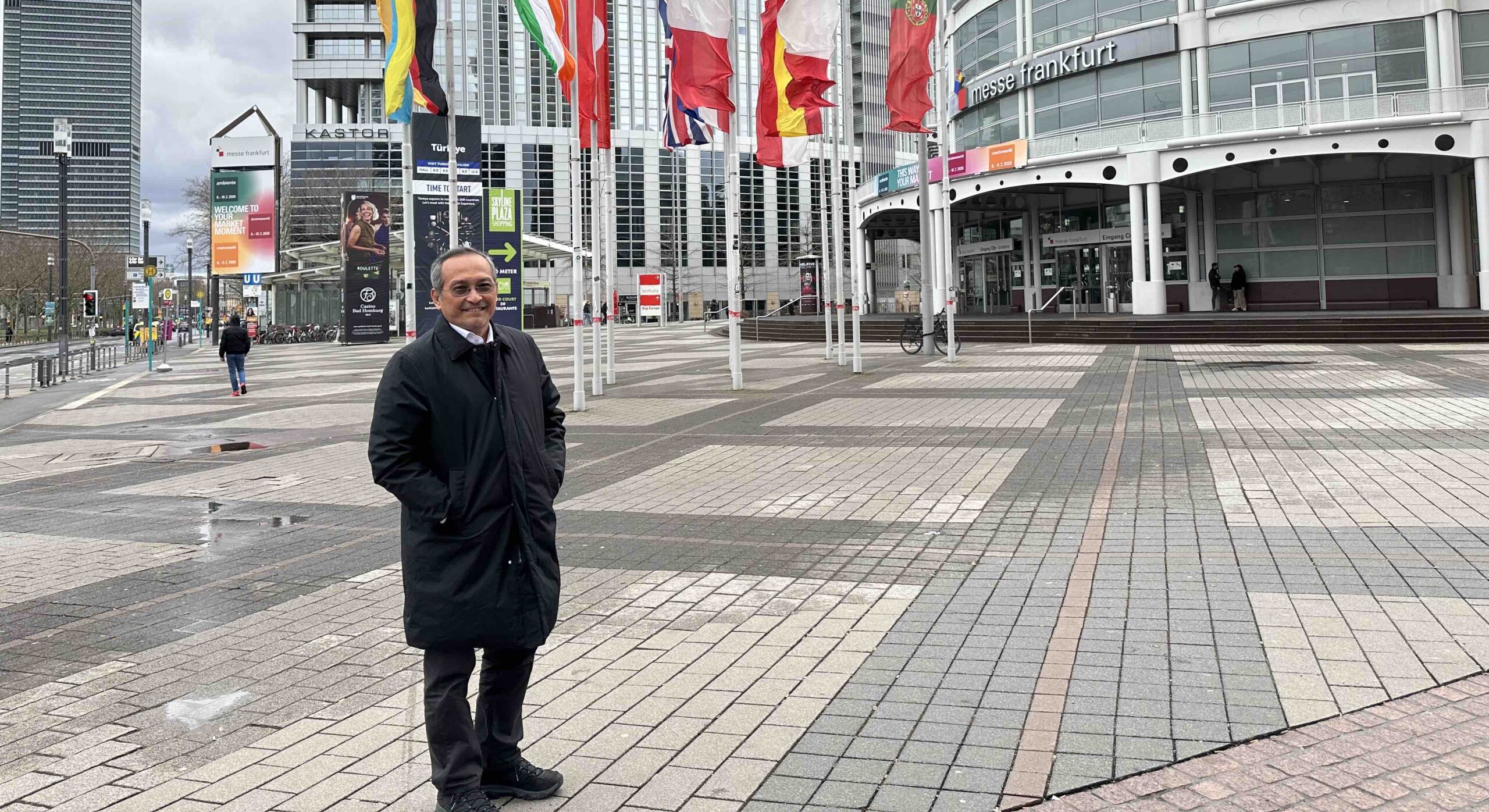
In a marketplace defined by competition and comparison, consistency builds trust. For Philippine design, Wilbert Novero has been that steady presence at Ambiente.
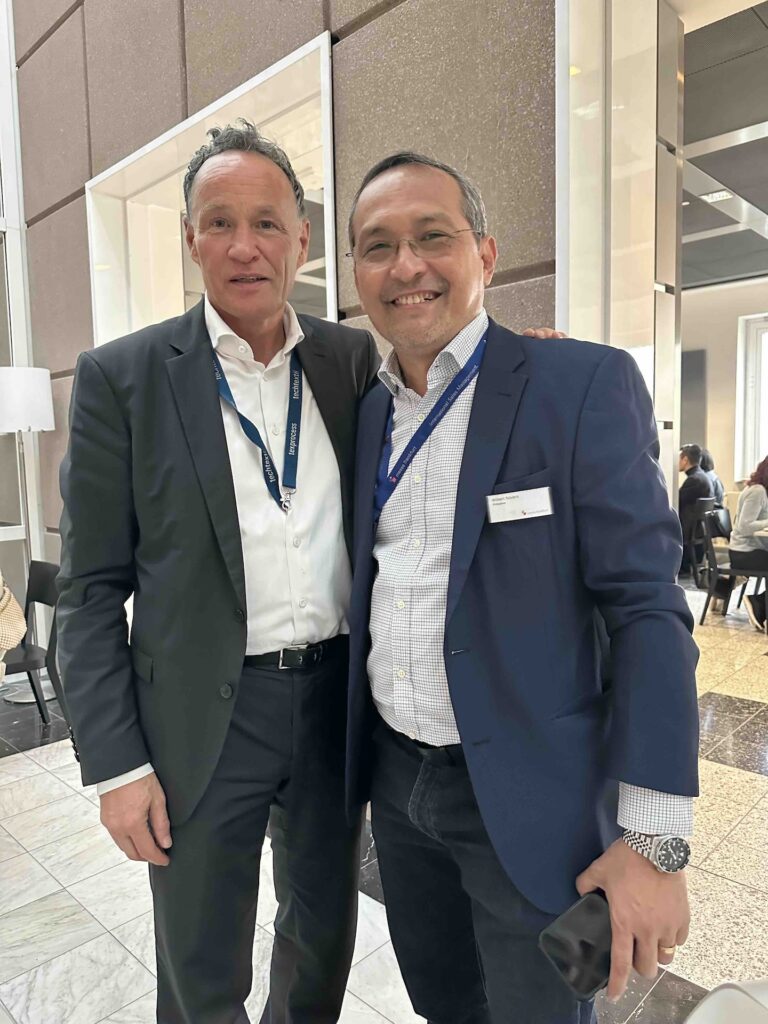
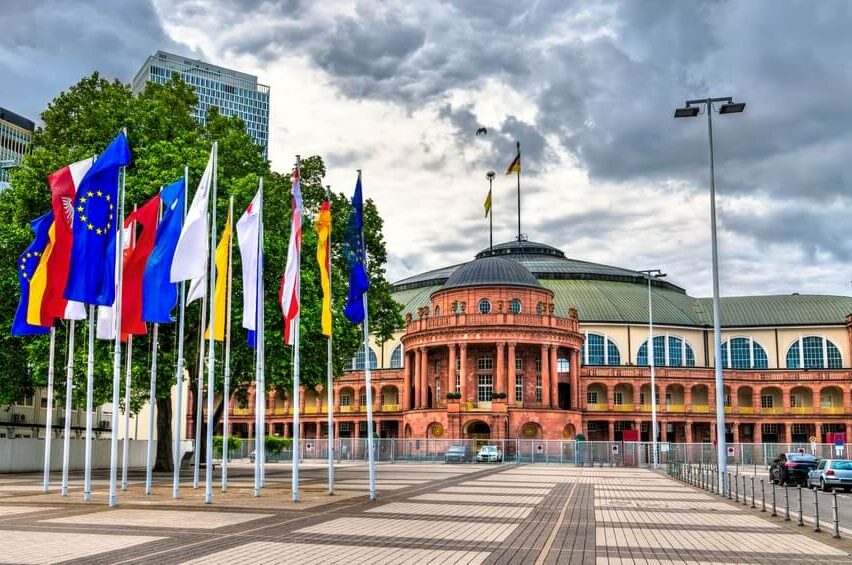
Watching Messe Frankfurt representative Wilbert Novero interact with Filipino exhibitors at Ambiente is like watching a mentor move through a room full of former students—equal parts proud, protective, and practical. Except some of them are older than he is.
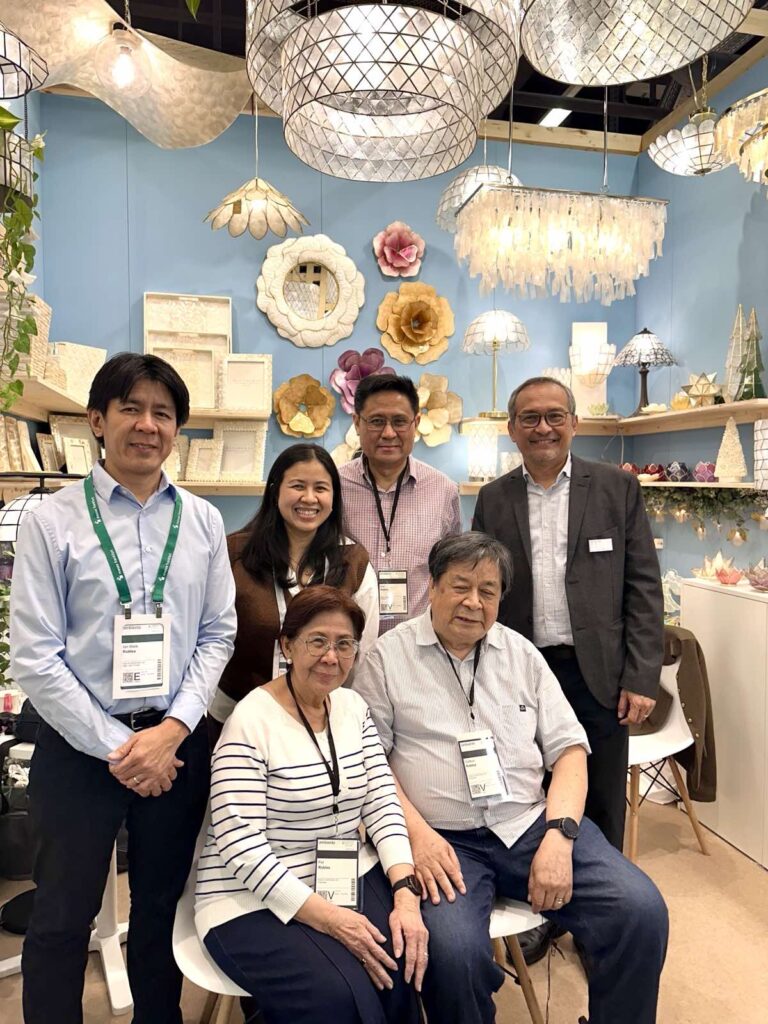
Take Pet Robles of Robles Heritage, who now runs the capiz lighting and home accessories company alongside her children. She is one of the long-standing exporters who began exhibiting at Ambiente in the ‘90s, took a 10-year hiatus, and returned to the 2026 edition held earlier this month at Messe Frankfurt.
Wilbert jokes that when he saw tita Pet at Manila FAME last year, he began stalking her to come back to Frankfurt. She laughs but doesn’t deny it, which makes watching their banter even funnier.
With exhibitors like the Robles family, the dynamic shifts. They’re not new to the game, they’re seasoned manufacturers who have built decades of export experience and relationships with global buyers.
And yet Wilbert’s instinct remains the same. He checks in at their booths, he asks about orders, he reminds them how buyer traffic tends to flow from opening day to the last day. After 29 years as Messe Frankfurt’s representative to the Philippines and bringing exporters to Ambiente, guidance has become his second nature.
The world’s a stage for Philippine craft
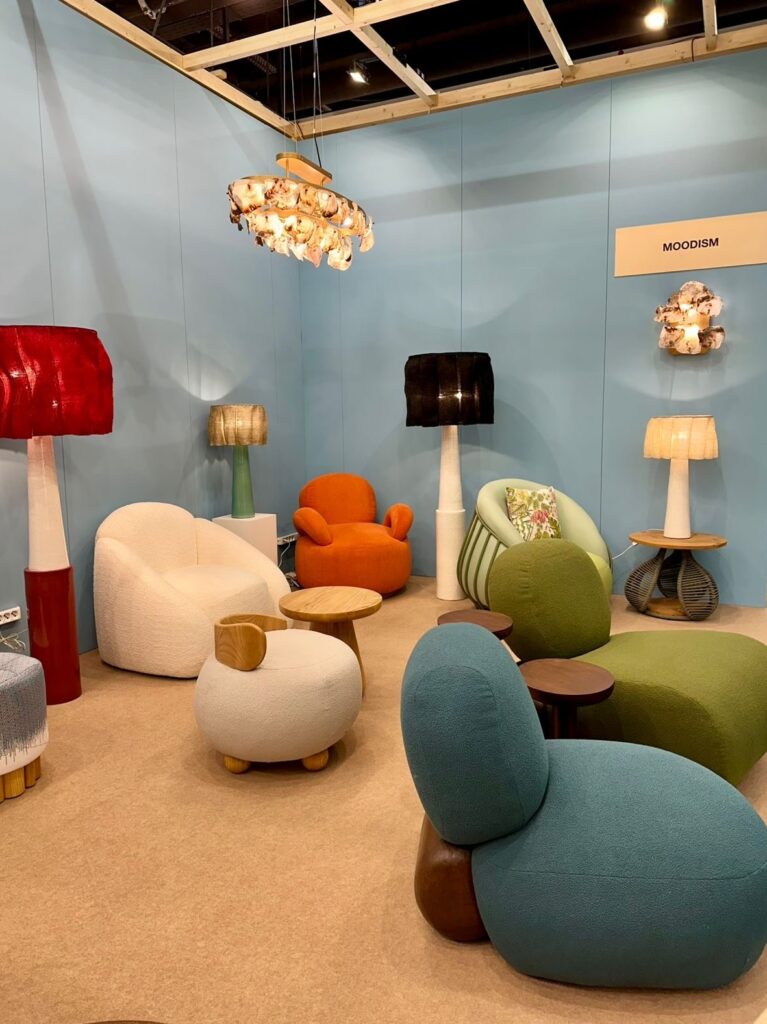
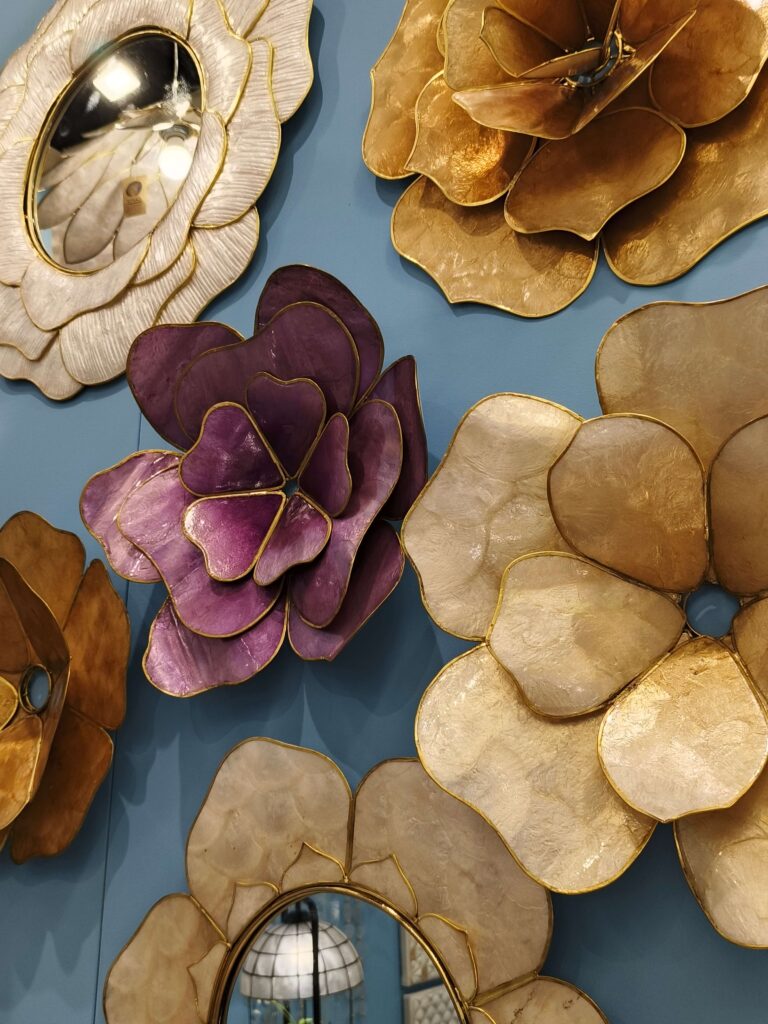
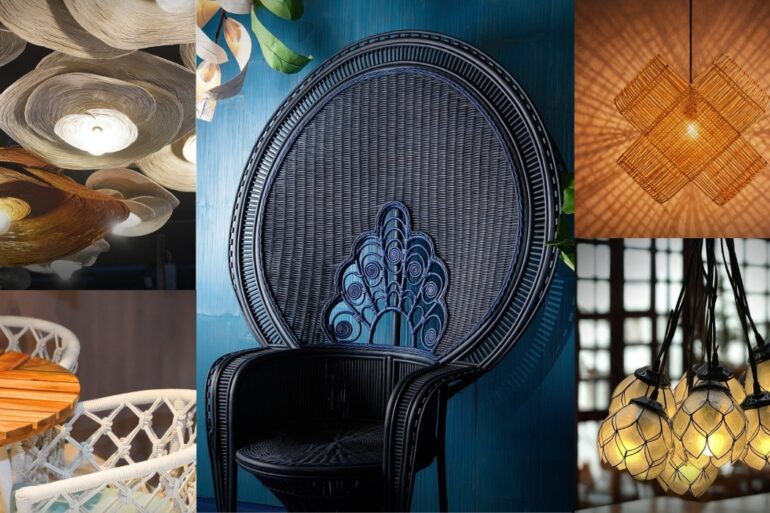
Philippine export products to Wilbert have names, faces, factories, and stories. He has known many of the owners long enough to remember their early brochures and websites or their trial collections. He has visited some factories, pushed them to rethink packaging, and reminded them that buyers are not only purchasing a product—they are purchasing what is essentially the country’s identity.
As the general manager of Global-Link Exhibitions Specialist, Wilbert helps prepare the independent exporters not under CITEM’s program. These manufacturers have their own booths, they do their own product development long before they sit across a buyer table in Frankfurt.
He knows the look of hesitation of first-time exporters, but he has also seen what happens when those same manufacturers return: they are more confident, sharper in branding, clearer in target market.
Some are small, regional workshops that become export-capable enterprises. Family businesses give way to the second-generation and reinterpret product lines. What began as mixed-material décor refines into cohesive, design-driven collections aligned with European sensibilities.
Eventually, when they are big enough, they take independent stands. That shift is significant. “It means they’re ready and growing, and I’m really proud to see this happen to many manufacturers,” he says. “It’s cyclical, year in, year out.”
Generational stories
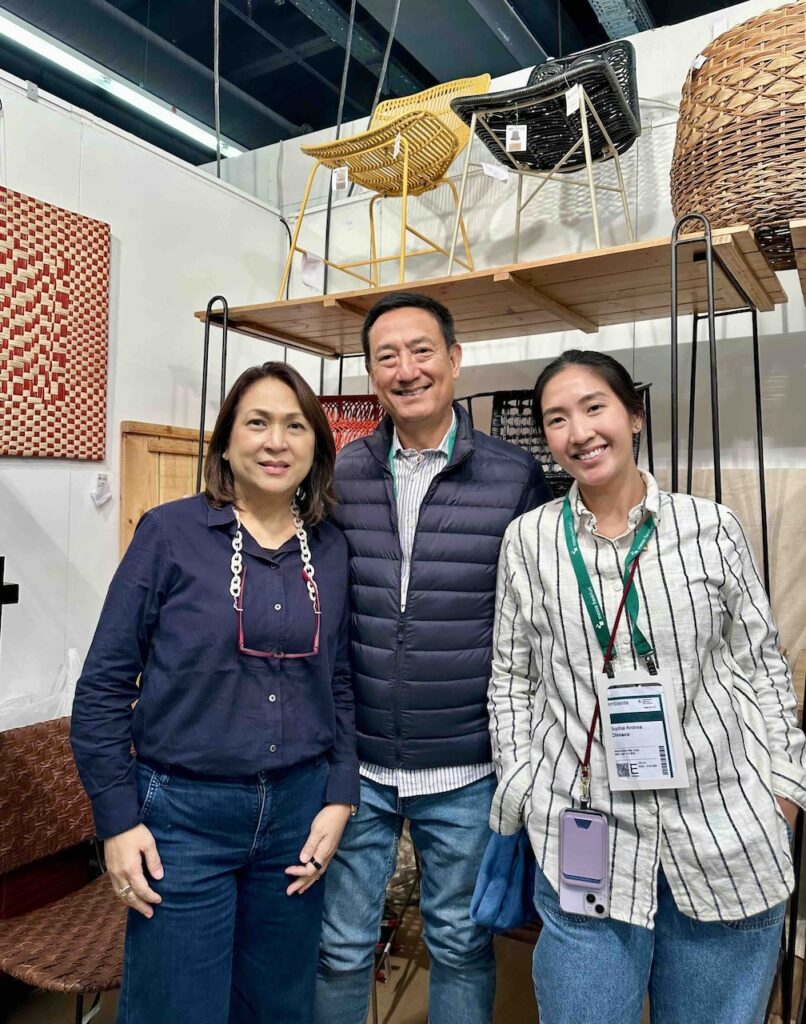
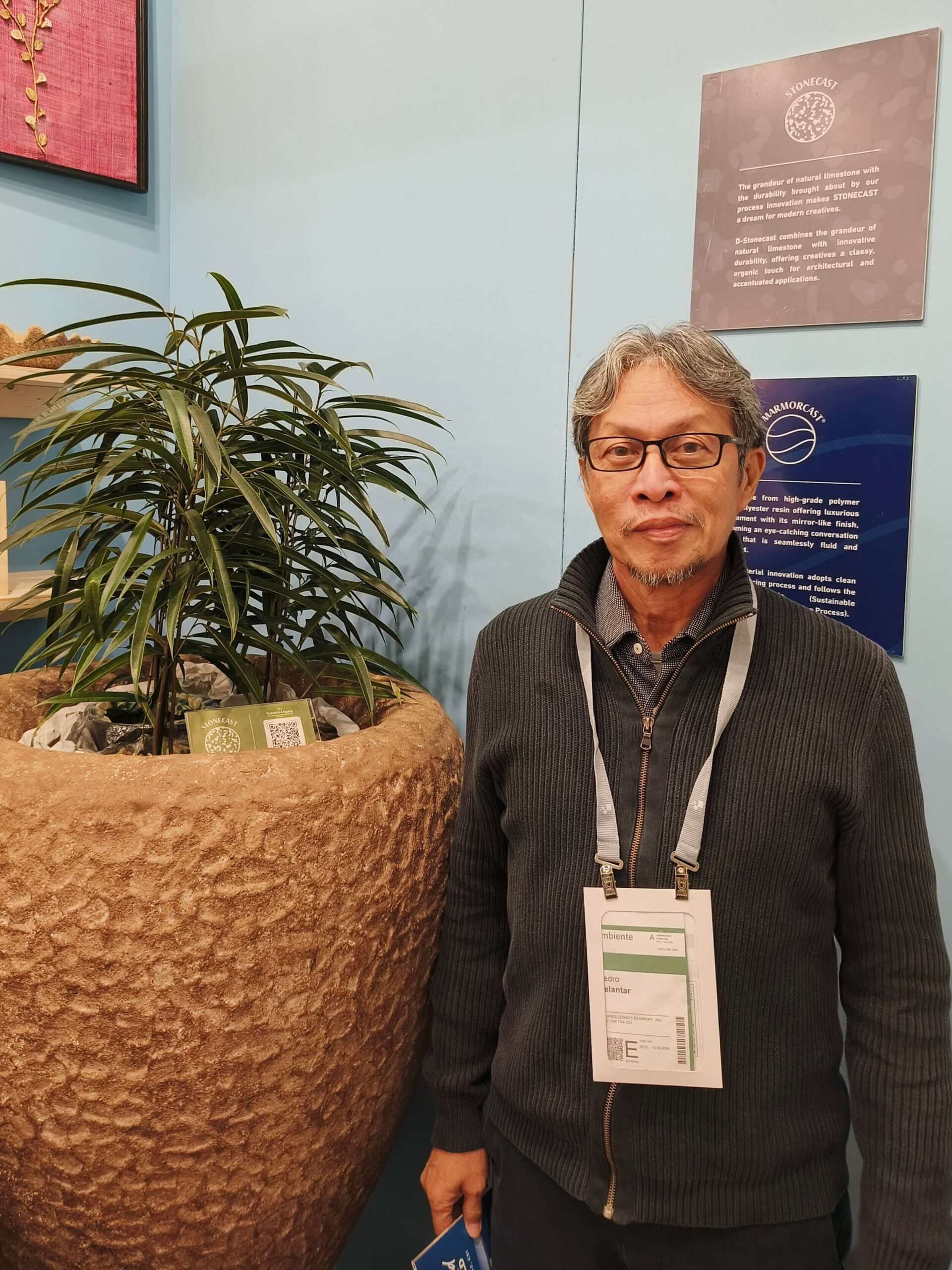
At the Robles booth, Wilbert jokingly says that he met the Robles children when they were still in high school. But was also starting on his own company back then.
“I started my career as a programmer, developing information systems for trade exhibitions,” Wilbert recalls his years working at CITEM and helping build the back-end systems that organized events like Manila FAME, and later handling trade events under the industrial goods division—electronics, automotive, construction materials.
After CITEM he joined the European Chamber of Commerce in the Philippines. In 2012, he joined Global-Link and became Messe Frankfurt’s representative to the Philippines. He’s been there at every stage. Shell Arts, for instance, has been exhibiting in Frankfurt since before Wilbert first arrived. Now, founder Virginia Chan’s children are involved. Other companies, like Home Edition, have transitioned from husband-and-wife teams—Manny and Monica Climaco—to having their daughter Sophia Climaco stepping into a leadership role.

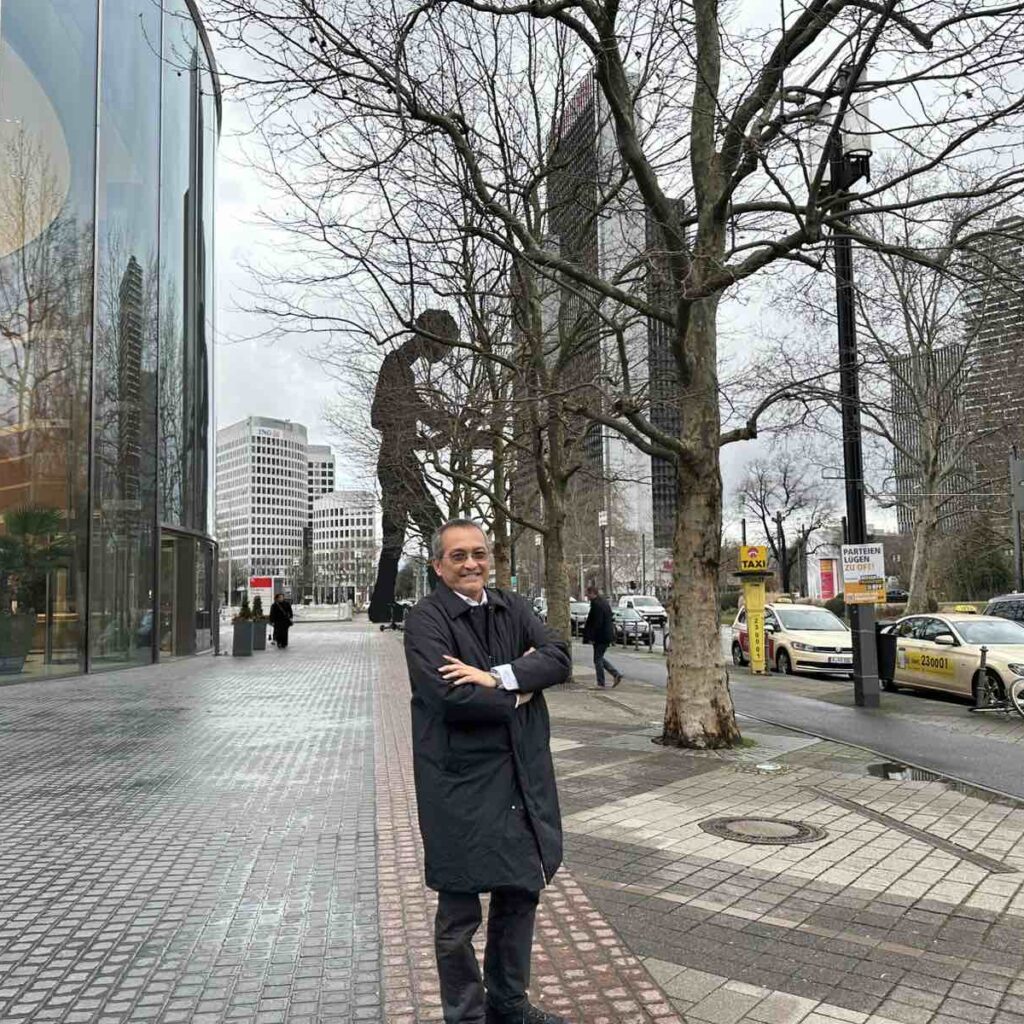
It’s interesting to watch Wilbert advise the young generation as well. He tells Gen Z and millennial exhibitors to “learn first, observe, research. Understand the taste of your target market. Don’t attend with only one representative. One has to go around, and this place is massive. You learn by observing. What are Thailand and Indonesia doing? What makes a buyer sit down and talk?”
He urges them to walk the halls, to study other exporters’ presentations, to sit with designers who understand global color trends and materials. He pushes them to evolve beyond craft for craft’s sake and into design with intention.
“Focus on design,” he emphasizes. Design, in this context, is more than aesthetics; it’s material innovation, cultural narrative, and market sensitivity. European buyers, in particular, are invested in backstories.
It is steady work with the playbook and people in the industry staying, and coming and going through the years. Ask him how he measures success, and he does not mention titles or turnover. “My personal parameter of accomplishment,” Wilbert says, “is bringing more and more Philippine companies to Ambiente, to make Filipino manufacturers feel that they belong here—and then prove that they do.”
Related story: Handcrafted for the world: Why the Philippines returns to Ambiente every year
Related story: How Paolo Feliciano took a detour in photography—then embraced his manufacturing legacy
Related story: Michael Villardo’s Moodism furniture turns sculptural design into a feel-good vibe