
See how Millennials and Gen Z shape Holy Week by resting, reconnecting, and reflecting—balancing faith, family, and mindful moments.
Before, Holy Week is marked by processions, prayers, and prolonged pauses. In today’s time, though, different generations define it with modern meaning. For Millennials and Gen Z, this sacred season is treated beyond tradition. It becomes a feast for reflection, recalibration, and realignment, where faith shares a space with self-awareness and mindful action. Millennials, for one, often lean toward internalized transformations like slowing down and spiritual grounding, while Gen Z bring in genuine connection and conscious consumption, turning Holy Week as something that shifts the self.
From ritual to reflection
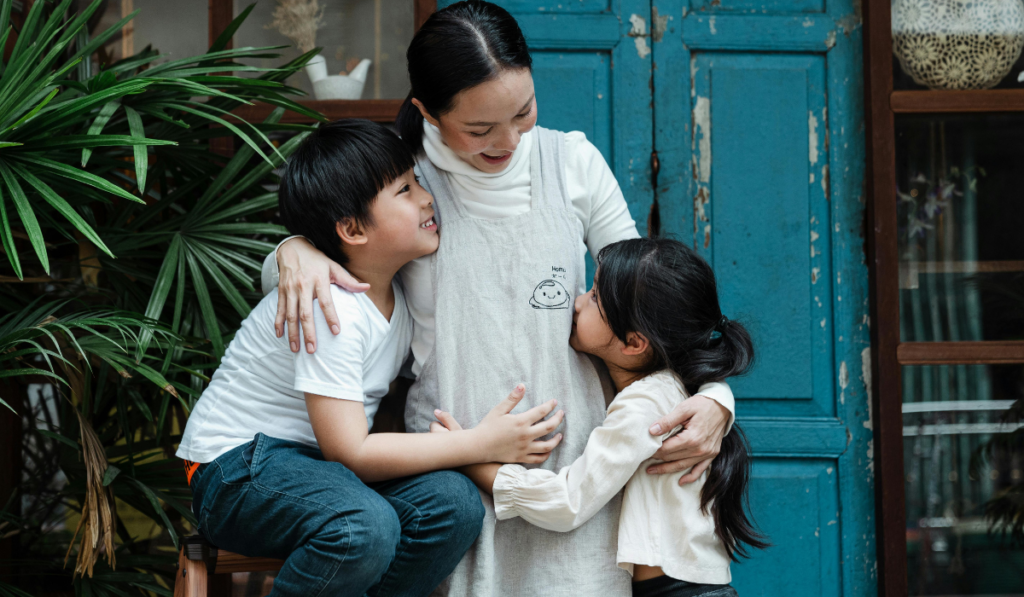
For many Millennials, Holy Week remains rooted in familiar faith and foundational mantras, where church visits, contemplation, and family traditions still hold significance. However, they now pair these necessary practices with intentional introspection and purposeful presence. It allows them to approach the time-off with a balance between responsibility and individual reflection. Ava, 36, a tireless corporate communications consultant, tells us: “This is both break time and personal time for me. I get to bond with my family more, and I finally have enough time to plot my goals, rethink my choices, and reassess my purpose in life. I also get to cook for my kids more.”
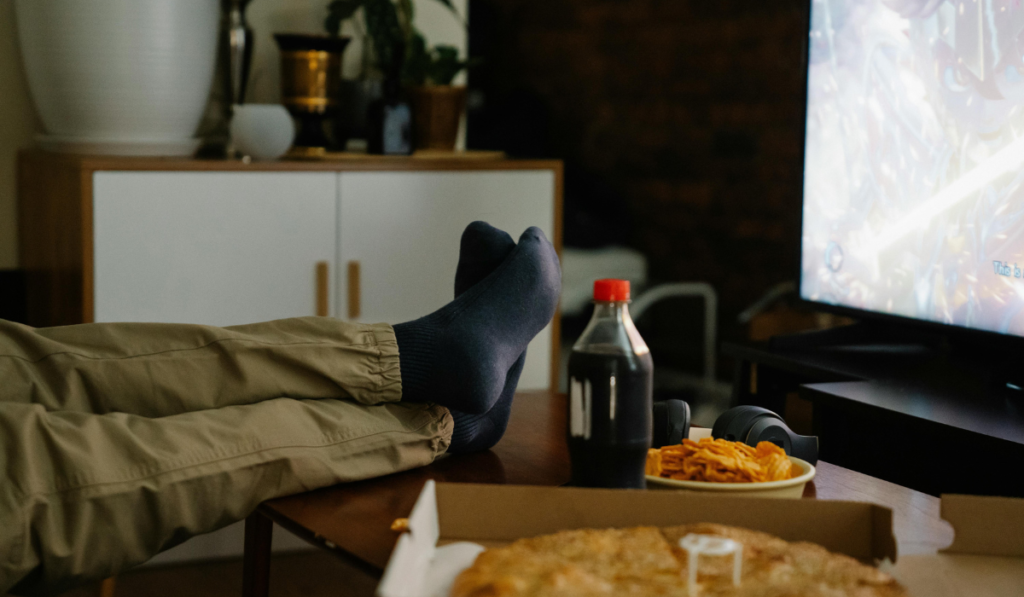
Gen Z, on the other hand, opens the week with fluid faith and flexible ways, redefining rituals into personalized performances. Whether through caring for themselves or curated quiet time, they question meaning beyond mechanics. They find joy in journaling, too, framing patterns and finding fresh perspectives. “It is my time to shine, girl! I have been working like a dog since January this year, and I feel like my workload is always piling up. This coming vacation, I think it won’t hurt to pamper myself and watch all the Netflix series I’ve been eyeing,” says Tristan, 25, a marketing specialist.
Rest as a radical reset
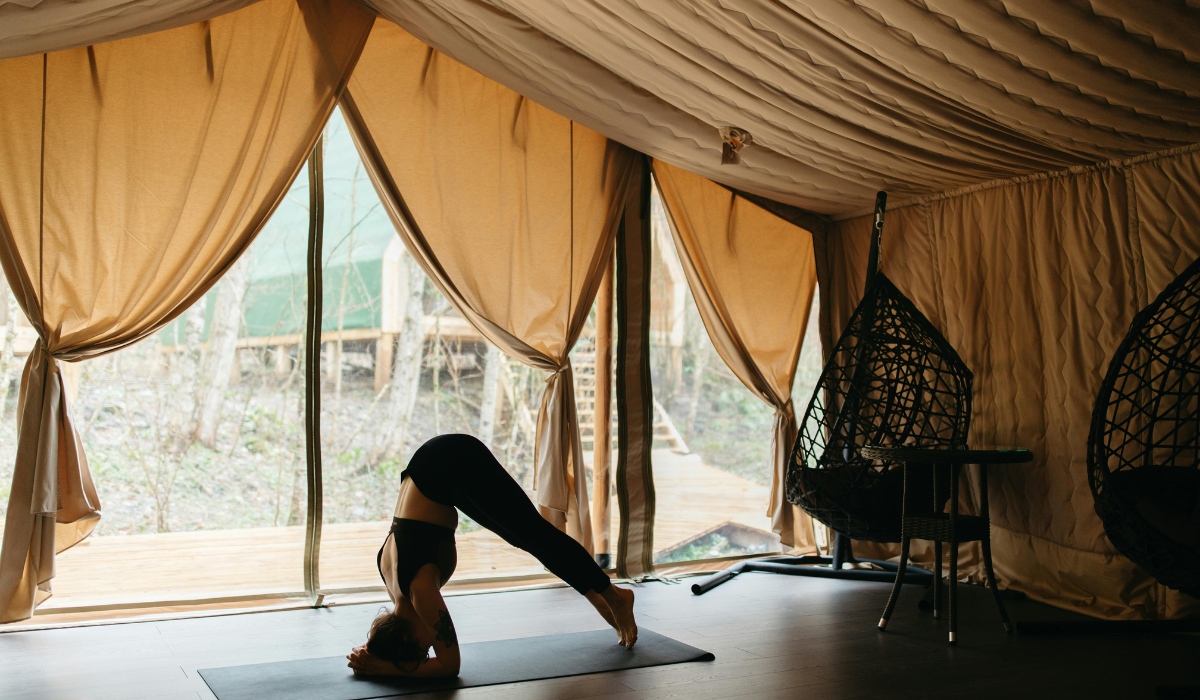
Millennials and Gen Z now interpret rest not as idle indulgence but an investment that resets time. Holy Week calls for for self-care, spiritual clarity, and sustained well-being. Women in their thirties prioritize calmness and peace, carving out time to detach from usual tasks and demands. “I will go to this wellness resort in Calatagan, Batangas to finally have my well-deserved alone time. I will leave my laptop at home for a change. I always bring it for work wherever I go, but this time, my mental health is more important,” points out Dixie, 34, an events planner and entrepreneur.

Meanwhile, most Gen Z embraces self-expression, spontaneous schedules, and soft living, subtly choosing digital detoxes, downtime, and deliberate disengagement from constant and social stimuli. They’ve learned that rest is not rigid—it’s responsive, restorative, and modernizing what productivity means. Mark, 27, a software developer, shares, “I’m not a fan of church hopping or spiritual rituals, so I’ll just stay back and enjoy myself and the company of my family and pet. My hometown is Marinduque but I work in Makati, so this homecoming trip is a privilege for me, especially that gas prices are inflating.”


Despite growing up in the digital sphere of scrolling, swiping, and screen saturation, both Millennials and Gen Z are stepping back to stay present this Holy Week. They prioritize family and friends, exert conscious efforts to pause from social platforms, and choose real conversations as well as in-person interactions and interpersonal warmth.
Related story: Millennials and Gen Zs have a new love language—and they’re willing to spend for it
Related story: What to do this Holy Week: 5 ways to take a break from your busy days