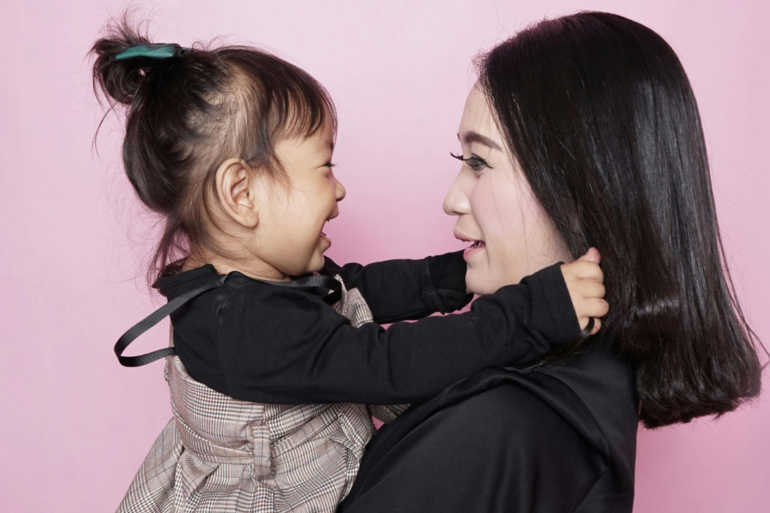


From sisterly support to strategic supervision, Filipinas cultivate firm confidence and community-centered leadership both in the personal and professional bases of life.
Within Filipino families, leadership rarely roars with loud declarations; instead, it develops through steady service and subtle stewardship, where responsibility is reinforced through daily duties and dependable discipline. From early childhood, elder daughters don the duty of an ate, a designation that ties affection and accountability. This cultural cadence continues through adolescent years and adulthood, where familial foundations frequently form professional principles.

The same skills shaped by patience, planning, and people-first perspective founded at home often hold a blueprint for balanced leadership in boardrooms, businesses, and broader landscapes—a pattern scholars observe in studies of Philippine relationships and kinship roles, where firstborn daughters frequently assume caregiving, advising, and coordinating responsibilities within familial relationships as explored in Belen Medina’s The Filipino Family (2001).
The Filipino household as a foundation
Filipino households frequently require routine roles and relational respect, and the ate archetype reflects this rooting in empathy and execution, where guidance grows gradually through consistent care and conscious correction. Within these familial frameworks, Filipina women foster coordination, communication, and care, learning how effective leadership, measured mediation, and mindful management maintain household harmony.
Managing siblings and mediating feuds silently shape the skills of future supervisors and strategists—a dynamic reflected in sociological studies showing how daughters rise to their promised tasks and participate in organizing the home and overseeing the family’s daily functioning.
Related story: Women of genius: Thought leaders, trailblazers, and creators who changed the world for good
Related story: Forbes’ list of most powerful women of 2025 shows who’s shaping the next decade
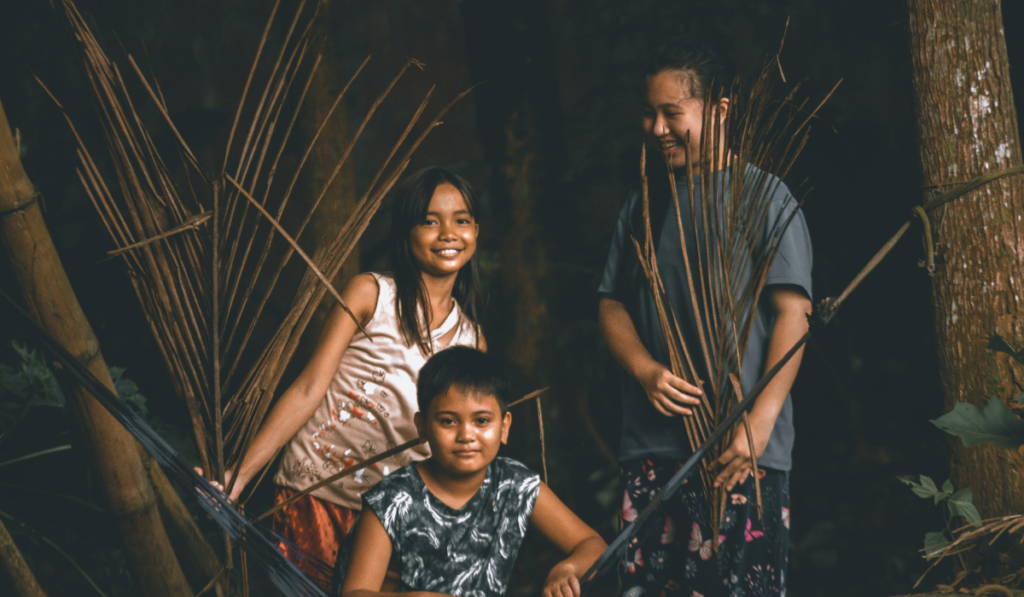
Such domestic dynamics demonstrate how leadership lessons start long before lofty formal titles take form. From chore charts to childcare choices, navigating the mundane nurtures a mindset rooted in reliability, resilience, and relational awareness—reinforcing the Philippines’ reputation as a society where family structures cultivate interpersonal competencies as discussed by anthropologist Landa Jocano in his book Filipino Social Organization (1998)
Compassion as a core competence
When Filipina women and firstborns enter professional ecosystems, they carry with them a leadership language built by compassion, collaboration, and fairness, favoring measured mentorship over mechanical management. Rather than rigid rule-setting, ranks, and mandatory hierarchy, many adopt a relational approach or people-first philosophy that prioritizes patience, participation, and purposeful teamwork.
By balancing efficiency with empathy and direction with dialogue, Filipina leaders flourish in workplaces where trust thrives and institutional influence widens.

From education and entrepreneurship to engineering and executive careers—this compassionate competence develops into a defining characteristic. The Philippines consistently ranks among the established gender-equal Asian regions and countries for professional participation, proving how Filipinas fuse decisiveness with dignity and structure with support as highlighted in the 2023 World Economic Forum’s Global Gender Gap Report
Bridging the gap between personal values and professional vision
Filipina leadership frequently functions at the intersection of family values and future-forward vision, where traditional teachings and transformative thinking meet. Many lessons learned from household management highlight fairness, foresight, and flexibility—translating inherited traditions into mission-driven management.

The bridge between home and work hints at how cultural conditioning quietly cultivates capable leaders and lasting legacies. The stewardship for younger siblings evolves into empathetic mentorship with colleagues, while family-centered management transforms into team initiative.

By blending tradition with transformative thinking, Filipina women find themselves grounded in tradition, gratitude, guidance, and genuine concern for community. These findings stress that Filipino leadership styles lie in teamwork, and collective cooperation, too. (Asian Development Bank, Gender Equality and Women’s Leadership in the Philippines, 2018).
From the familiar figure of ate to the formal role of authority, Filipina women wield a leadership legacy shaped by service. What begins as sibling stewardship blossoms into professional proficiency, illustrating that everyday experiences is a true expression of enduring expertise.

Via compassion, consistency, and community-minded commitment, these women transform visions and cultural customs into credible competence—showing that stewardship does not develop in the office, but often in the heart of home.
Related story: I had not intended to become a father. Then I became a dog dad
Related story: Here’s how to make money outside the office: Millennial moms share their side hustles