
Some roles are on-site, some remote, some in between, and spaces need to keep up to make sense of today’s workplace.
A decade ago, work followed a fixed rhythm.
You woke up early. You rushed. You commuted. You sat in traffic. You arrived at the office already tired. And if you were late, even by minutes, it showed up in your record.
In 2012, that was normal.
Well, at least for me. I used to wake up at 5 am just to get ready and catch the bus by 7 so I could arrive at the office by 9. That meant being sandwiched in the bus, walking, riding a tricycle, sweating through the commute, carrying a lunch bag and a work bag, then waiting out the rush hour again at the end of the day because leaving “on time” was never really an option.
Grab and Uber were expensive then, so most of my time and energy was spent moving between places, not actually working. By the time I got home, I was exhausted. I had already spent more than eight hours in the office, and more hours in transit. I dreaded each day despite loving my job because my commute ate up most of my time.
Post-pandemic, that rhythm broke.
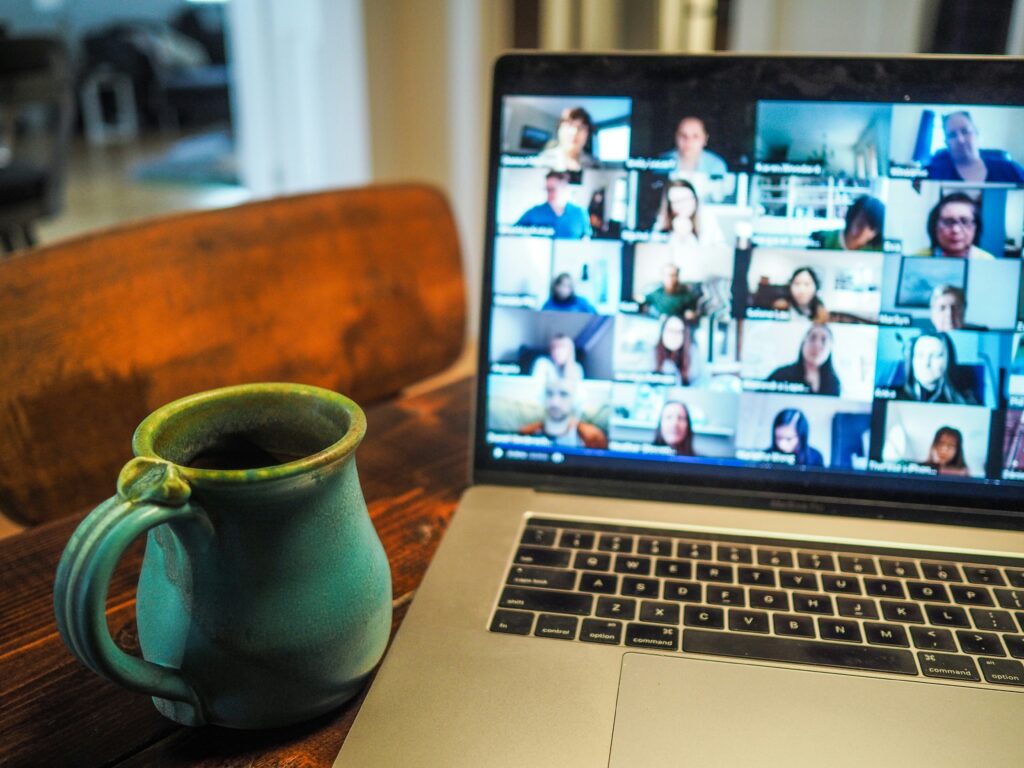
Now, I wake up, make coffee, open my laptop, and within 30 minutes I’m already working. No commute. No rush. No anxiety about being late. And sometimes, I would attend face-to-face meetings once a week. The time I used to spend in traffic goes back into actual work, rest, and things I care about. I get more done, and I’m less drained doing it.
That contrast matters because it explains why and how we work today is fundamentally different from how offices were designed before.
The rise of hybrid work and co-working spaces
Hybrid work took hold when the world stopped but we also had to move as we had bills to pay, and families to think about. But it also stayed because it removed inefficiencies that had been accepted for years: long commutes. Fixed hours. Meetings stacked every hour and the reality that being physically present is equal to being seen.
Today, work is more output-based. People log in from home (or anywhere!) for focus. They show up in person when it actually adds value.
Related story: Stability, success, and switching paths: How careers really look today
Related story: Here’s how to make money outside the office: Millennial moms share their side hustles
A 2024 study published in Nature, which examined a large hybrid work experiment, found that employees who worked from home part of the week were just as productive and just as likely to be promoted as those who worked fully in the office. Research from Gartner echoes this. In surveys of managers, Gartner found (in item #3) no meaningful difference in performance ratings between hybrid and fully on-site employees. In other words, being physically present more often didn’t automatically mean better work.
Why co-working spaces fit how we work now
But sometimes, we also need a change of scenery. A 2023 report from The New York Times documented how many fully remote corporate workers still sought out co-working spaces, not because they missed offices, but because sometimes, there are days that our homes aren’t always built for work.
Noise, shared households, lack of separation. Sometimes, these realities make “work from home” uneven. And sometimes, we look for a third option: a place that feels like work without the weight of a traditional office.
Most teams don’t need to see each other every day. In fact, seeing each other every day often leads to more meetings, more interruptions, and less meaningful work. What teams do need are intentional moments like planning sessions, training, client meetings, and catch-ups.
Meeting once in a while, in person, with purpose, is often more productive than sitting in the same room every day and filling time with meetings that could have been emails.
Co-working spaces play a big role in that. They give people a professional environment when they need it without forcing daily presence. As Forbes noted in a commentary on hybrid work, the challenge is no longer choosing between remote or office work, but designing systems and spaces that support both. Offices, the article argued, should function as hubs not mandates.
Related story: Your talent, your capital: 10 ways to start a business with nothing but your skills
Related story: Having trouble keeping your young employees? Here’s how Gen Z is redefining the traditional career path
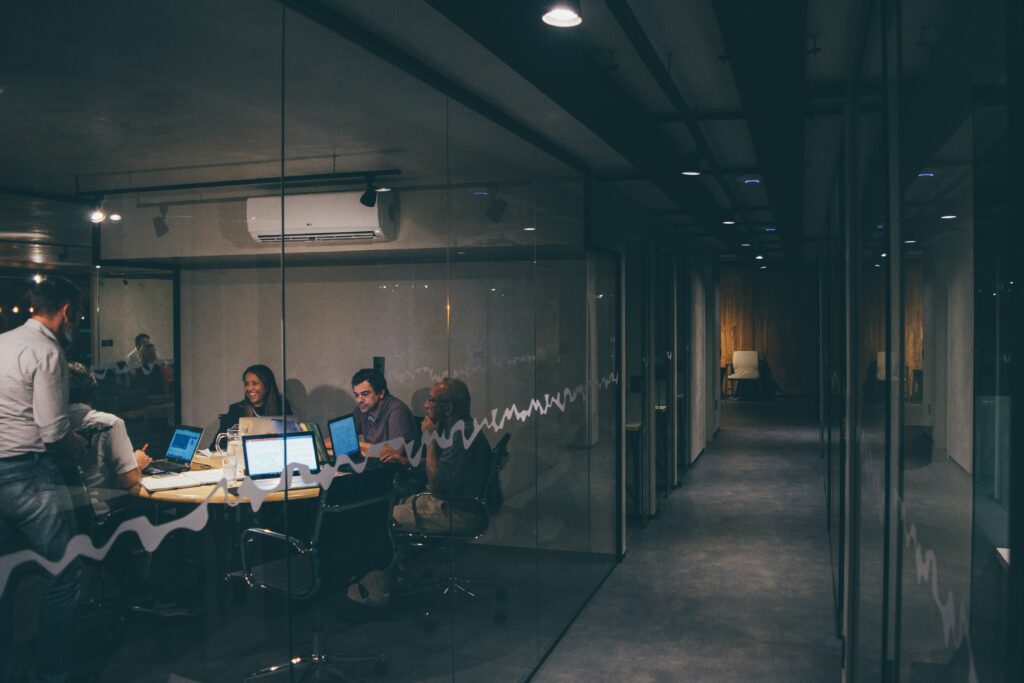
For startups and fast-moving teams, this matters even more.
Planning cycles are shorter. Headcount changes faster. Locking into long leases and heavy costs is risky when priorities can shift within months.
Co-working and managed workspace models reduce that risk. They allow teams to scale up or down, meet in person when needed, and avoid spending time and capital managing space instead of building the business.
So what does a shared workspace look like today?
For teams that don’t need an office every day but still need a reliable place to meet or work together once in a while, shared and managed workspaces have become a practical middle ground.

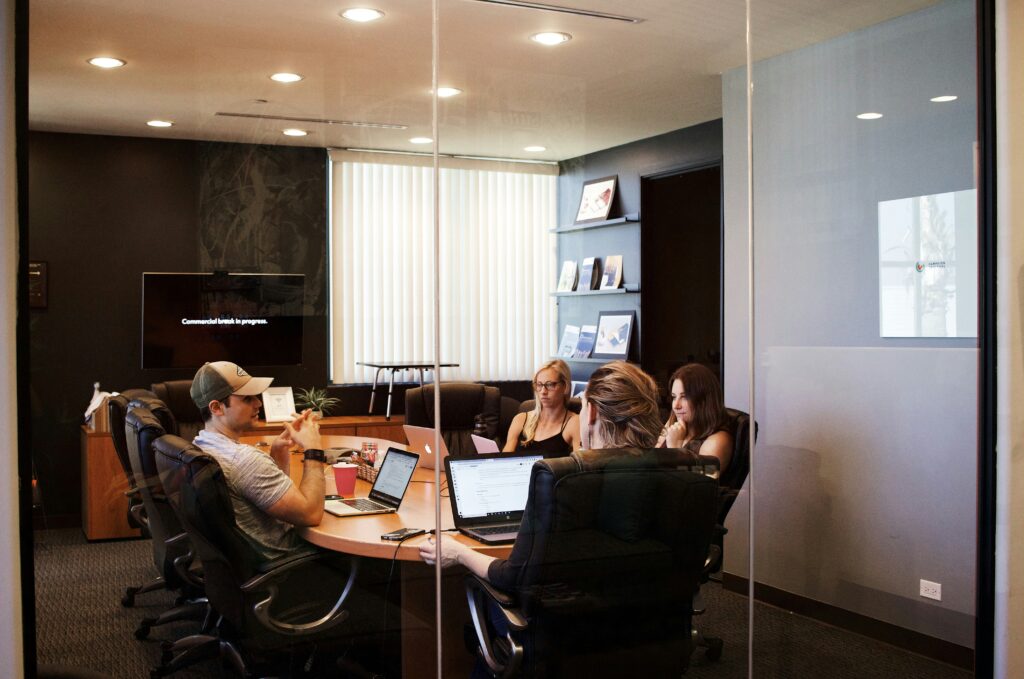
In BGC, one example is Quad a shared workspace operated by AXON Group. Rather than functioning as a traditional office where teams show up daily, the space is used for scheduled, meaningful work like meetings, training, workshops, and collaborative sessions that benefit workers being in the same room.
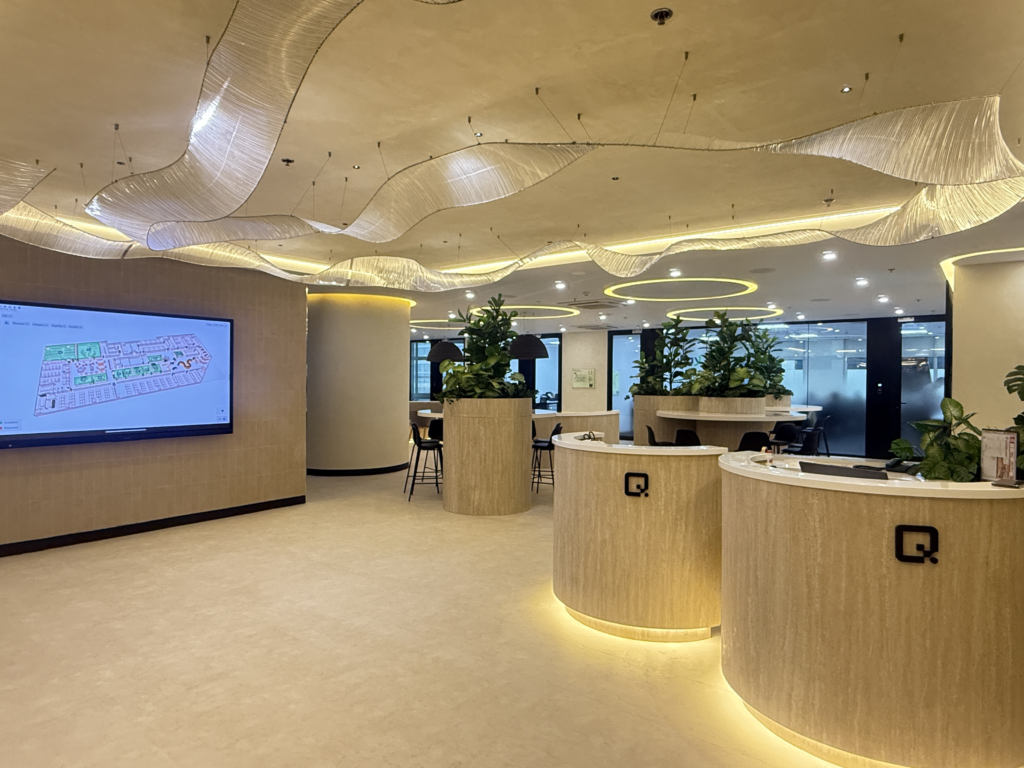
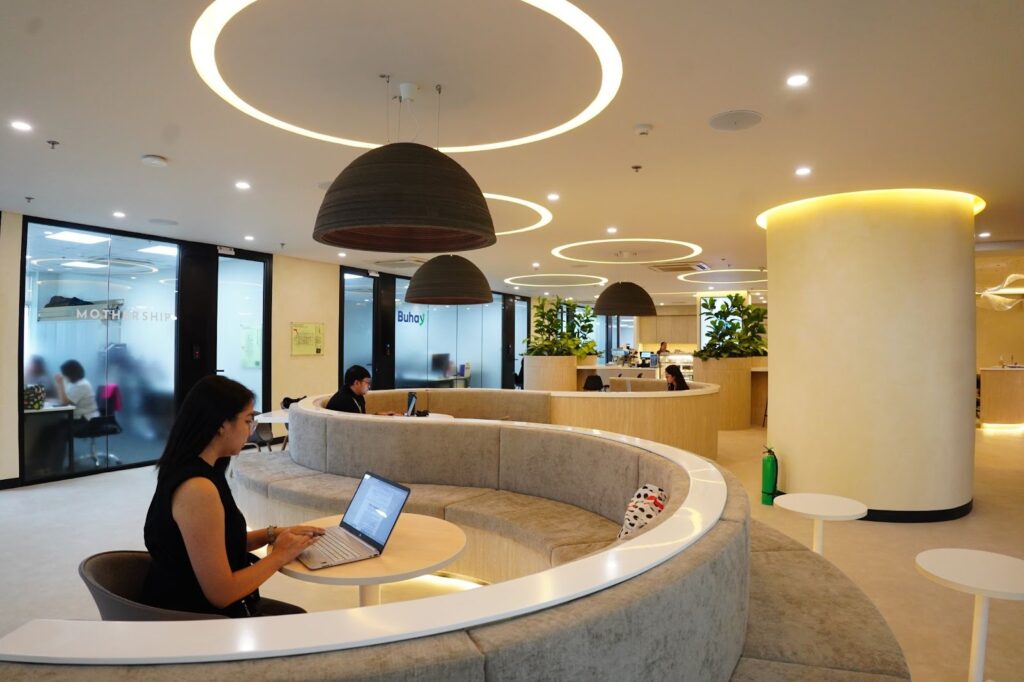
Rooms at Axon can be used for different things throughout the day, depending on what a team needs. A meeting room in the morning can be used for training in the afternoon. Teams don’t have to rearrange the space or move tables and chairs every time their needs change.
Screens, sound systems, and Wi-Fi are already set up, and I have to highlight that there are cables, ports, and wires compatible with different devices — Apple users can relate! We always struggle with third-party connectors, and it sucks most of the time. No last-minute scrambling for dongles, no third-party connectors that suddenly turn out to be incompatible. And when in-person time is limited, that small thing really, really matters.
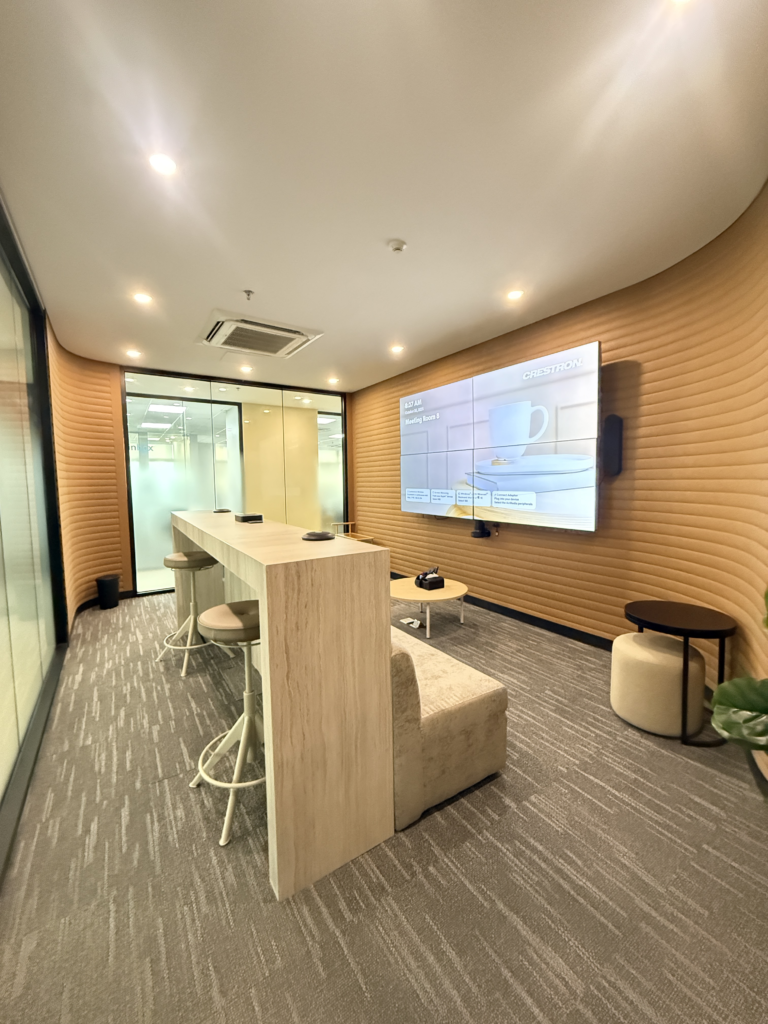
Each room also has a built-in camera and microphone, which means you don’t have to rely on your laptop mic or pray everyone on Zoom can hear you. When you’re only meeting in person once in a while, you don’t want to waste that time fixing tech, right?
Booking is pretty straightforward too. There’s a large screen in the shared area where you can see which rooms are available and reserve one right away. You can also book ahead online. For a day, a week, or even months in advance if you’re planning sessions or regular catch-ups.
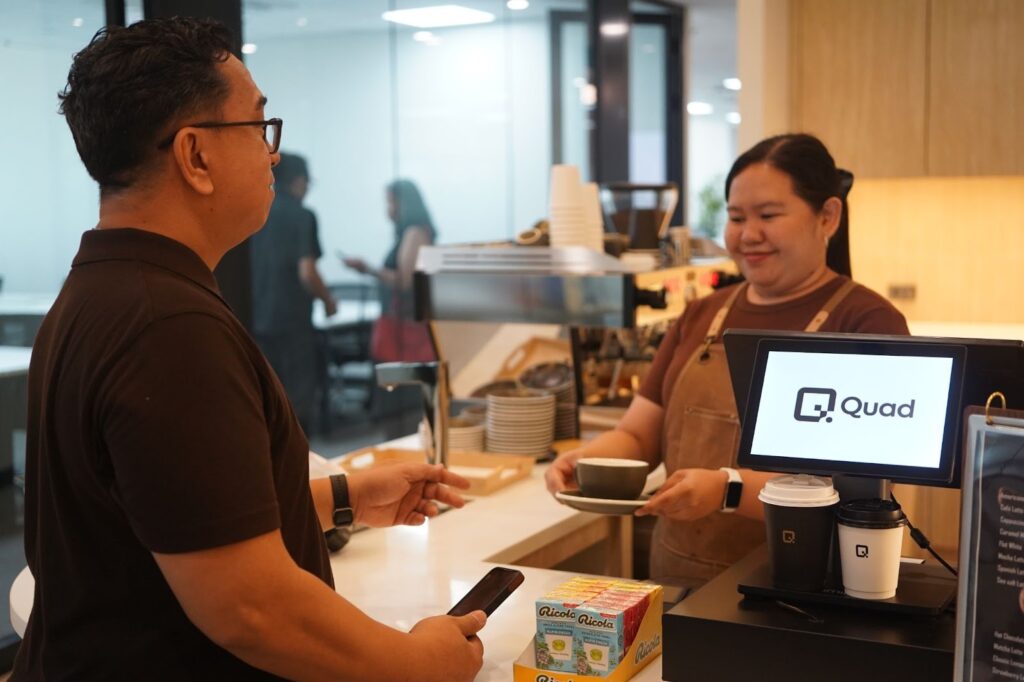
Best part, there’s a café inside. We don’t need to say more. Meetings plus coffee is already a win.
Making space for how we work today
In a hybrid setup, spaces like this work because they don’t ask you to show up every day. Some jobs simply have to be done on-site, others can stay fully remote, and some sit in between. That’s just the reality of how work looks now. But for those of us who do have flexibility, spaces like this make coming together easier, and that’s something we’re truly thankful for.
Related story: Maybe it’s time to rethink how we rest, work, and live in one space
Related story: The white-collar migration of Filipino millennials