
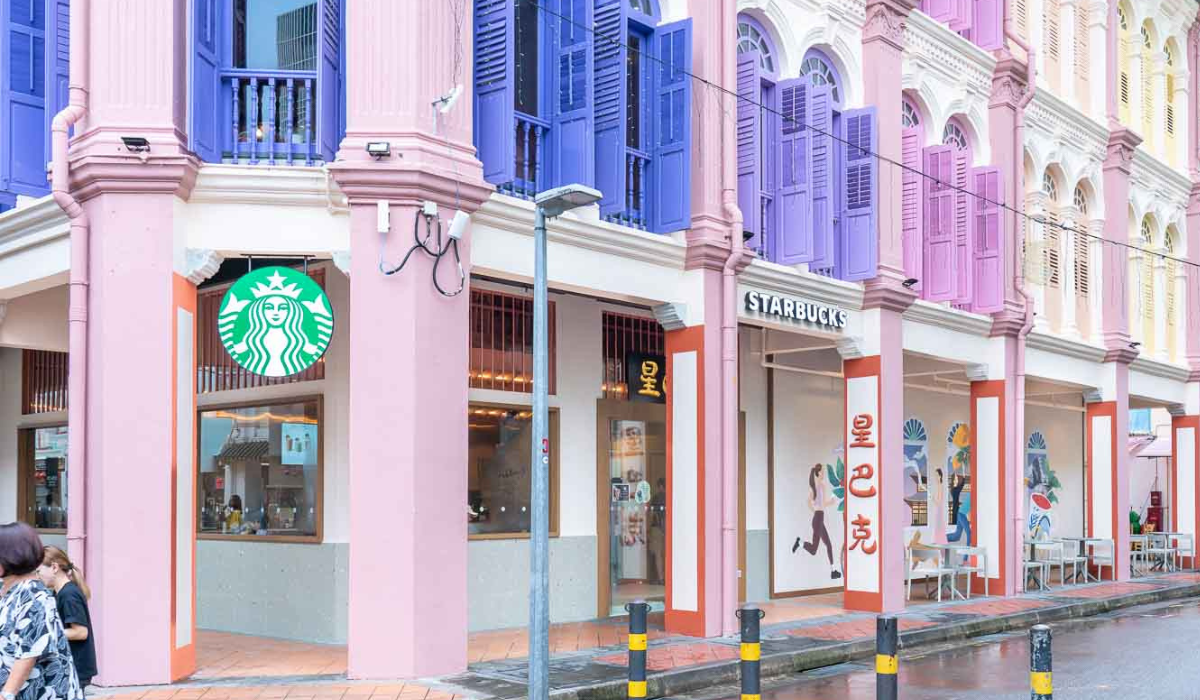
Take a look at these lovely Chinatowns throughout cities like Manila, Melbourne, San Francisco, Singapore, and Yokohama.
From dragon-draped gateways to gastronomic dim sum dining, Chinatowns across countries and continents carry culture in full color. When the Lunar New Year finally arrives, the fun also starts rolling in the streets. These districts don’t just decorate—they detonate with drums, dances, and dazzling displays.
Although, apart from the lion dances and lanterns, each Chinatown carries an exclusive character defined by its cuisine, architecture, and artistry. Check out the Chinese enclaves that continue to evolve throughout time and tradition:
Binondo, Philippines: Ode to the oldest
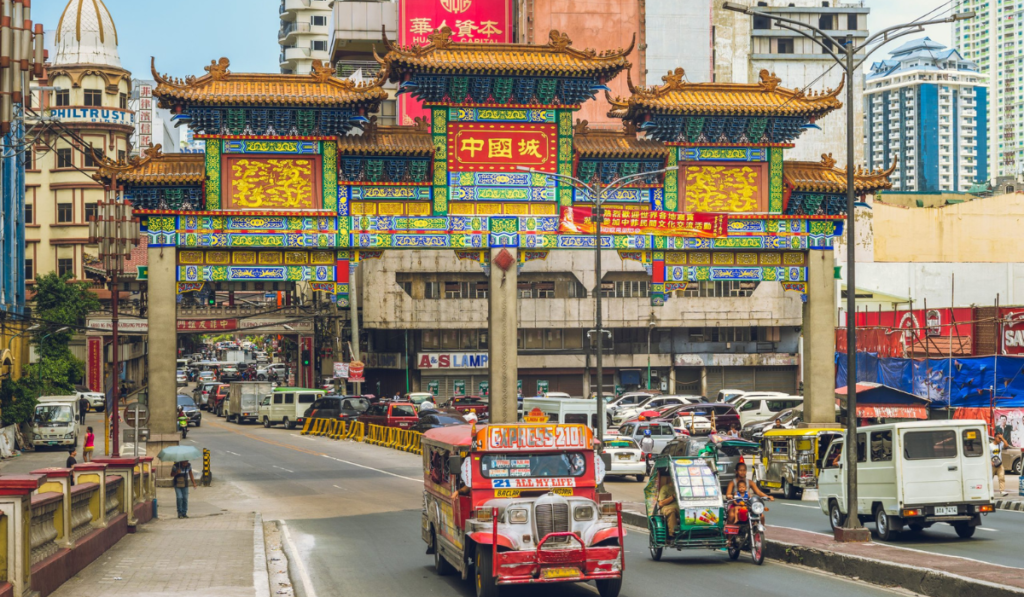
Established in 1594, Binondo has been Manila’s epitome of Chinese legacy—and cuisine. As the world’s oldest Chinatown, it thrives not only on traditional narratives, but also on flavor-forward finds and ancestral beliefs. Chinese-Filipino clans hum with heritage on Ongpin Street, where gateways and gold-trimmed temples stand steady amidst storefronts selling tikoy, tea, and tradition. The weathered, ornate church welcomes tourists with yesteryear’s tales as well, amidst a lineup of restaurants like Eng Bee Tin Chinese Deli, Lord Stow’s Bakery, Sincerity Restaurant, Wai Ying Fast Food, and Ying Ying Tea House. Anticipate loud chatter and lines in stores, and a love language spoken in noodles and nostalgia.
Chinatown Melbourne, Australia: Lantern-lit lanes
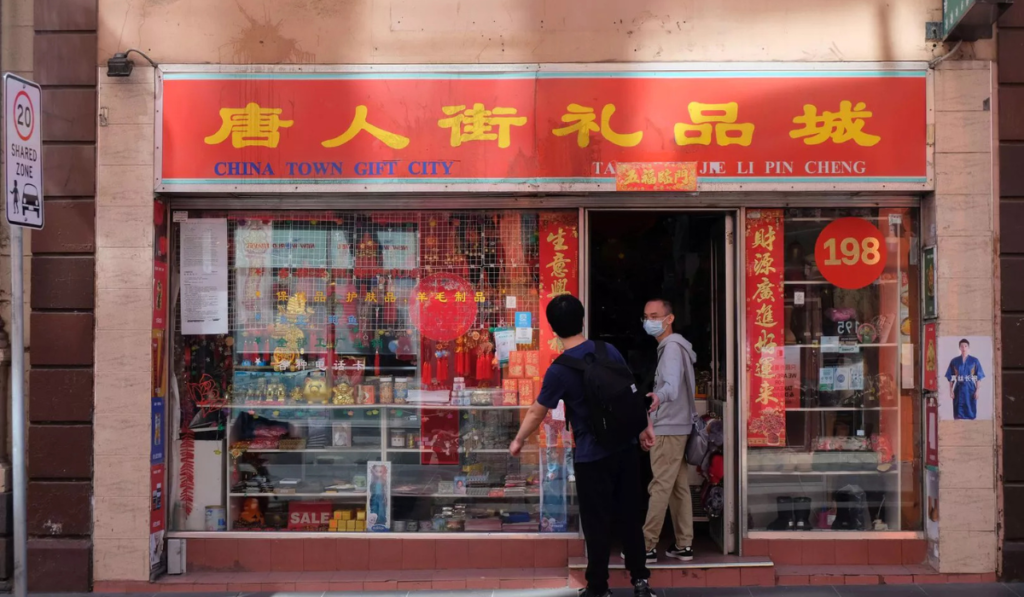
Australia’s first Chinatown firmly stands on Bourke Street in Melbourne, where red lanterns ribbon skyward and dumpling dens dot the pavement. Home to hand-pulled noodles, this neighborhood features seasonal street festivals that spill into sidewalks when it’s time for the Lunar New Year. Besides being a wellspring of Chinese culture, Chinatown Melbourne cradles the well-loved xiao long bao and the Chinese-Australian cultural beacon, The Chinese Museum.
Chinatown Singapore, Singapore: Shophouses and a pink surprise
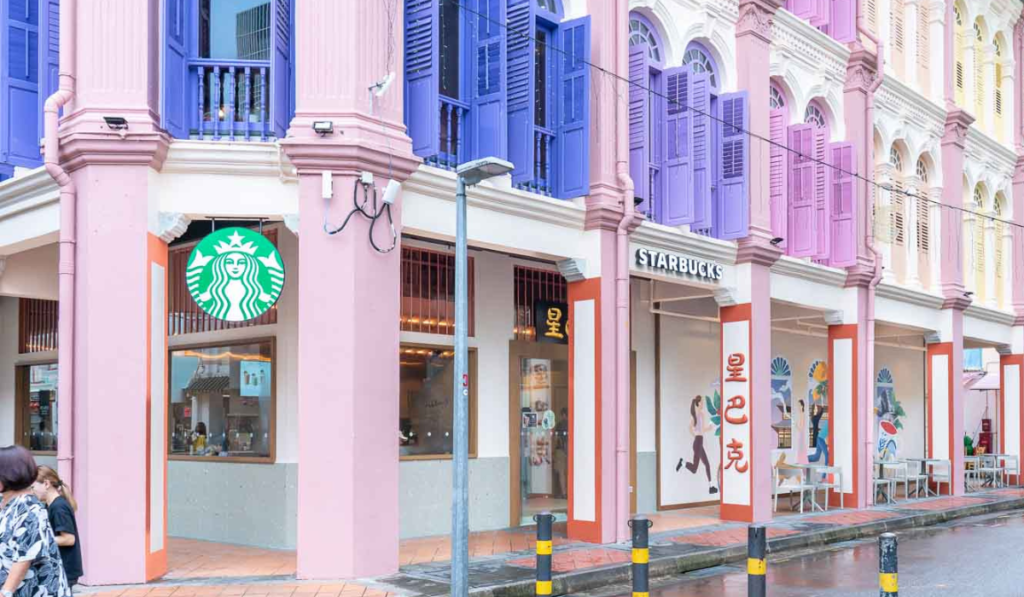
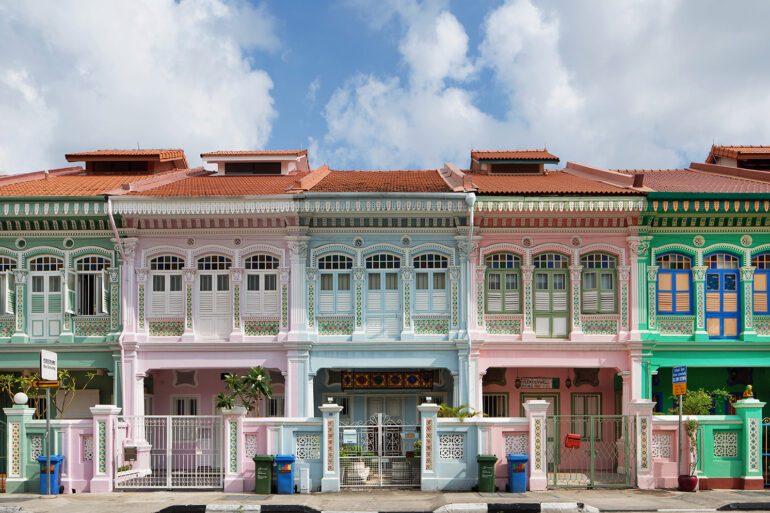
Chinatown Singapore is a study in symmetry and splash. Pastel shophouses line Temple Street, while the Buddha Tooth Relic Temple towers in terracotta. The traveler’s list goes on: the Chinatown Heritage Centre, modern night markets, and rows of restored colonial-era cornerstones. The pink Starbucks on Smith Street is a photo magnet, too, drawing tourists to more curated coffee shops, calligraphy and craft stalls, and repurposed heritage residences.
Cyrildene, South Africa: Culture in contrast
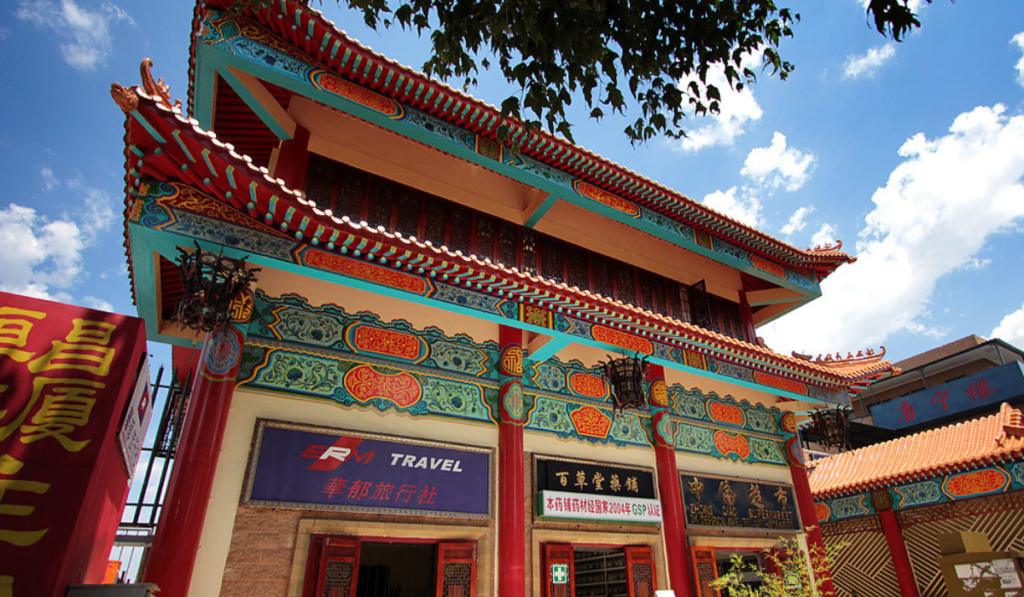
Johannesburg’s Cyrildene combines old Cantonese roots with integrated regional influences. As Derrick Avenue pulses with produce markets, medicinal shops, and Mandarin signage, street vendors sell roast duck and restorative herbal teas. Here, you can chance upon the usual sights like supermarkets with sky-high stacks of sauces and spices, all in the middle of an African metropolis. Expect a Chinatown that feels timeless to the core, echoing daily life and lasting devotion.
Quartier Asiatique, France: Pan-asian poetry
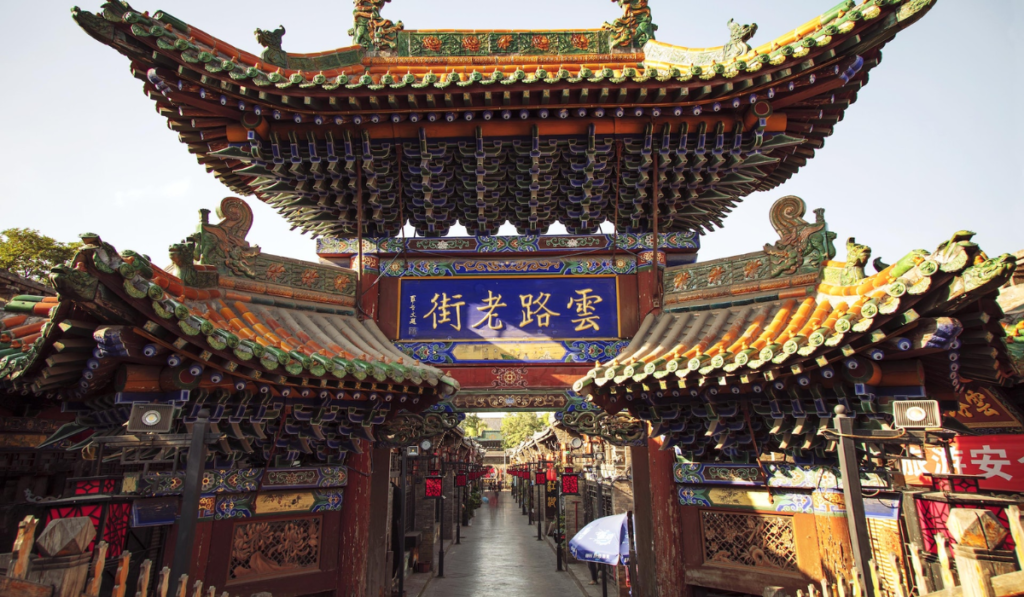
Tucked in the 13th arrondissement, Paris’ Quartier Asiatique is a tapestry of Chinese and Asian communities. The hotspot, which is less lantern-heavy and more lifestyle-led, merges Cambodian, Vietnamese, and Laotian vibes. It coddles authentic bakeries and Asian supermarkets, too, showcasing Oriental offerings in the French fabric. The place transforms into a theatrical interaction where parades and performances dominate the avenues during the Lunar New Year.
San Francisco’s Chinatown, United States: Pacific pulse
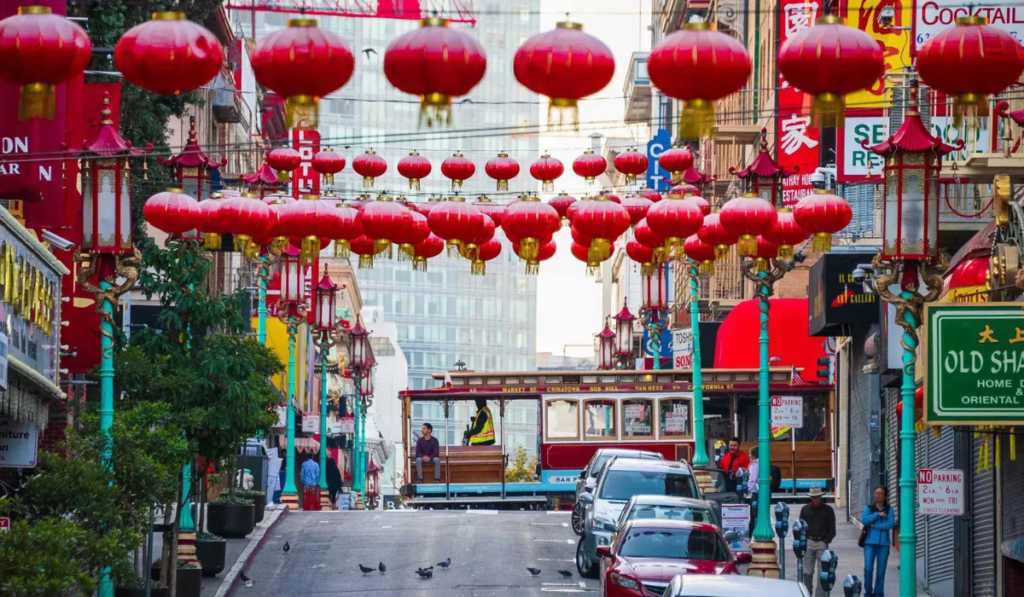
Chic, iconic, and cinematic, San Francisco’s Chinatown greets guests with the Dragon Gate and guides them through Grant Avenue’s pagoda-topped buildings. It’s a true pocket layered with resilience, lasting eras of business boom and evolution. Here, you can catch herbal apothecaries, fortune cookie factories, red envelope rituals, singsong storefronts, and the adjacent Portsmouth Square. Dances are also a main attraction during the Lunar New Year.

Yokohama Chinatown, Japan: Neon nights
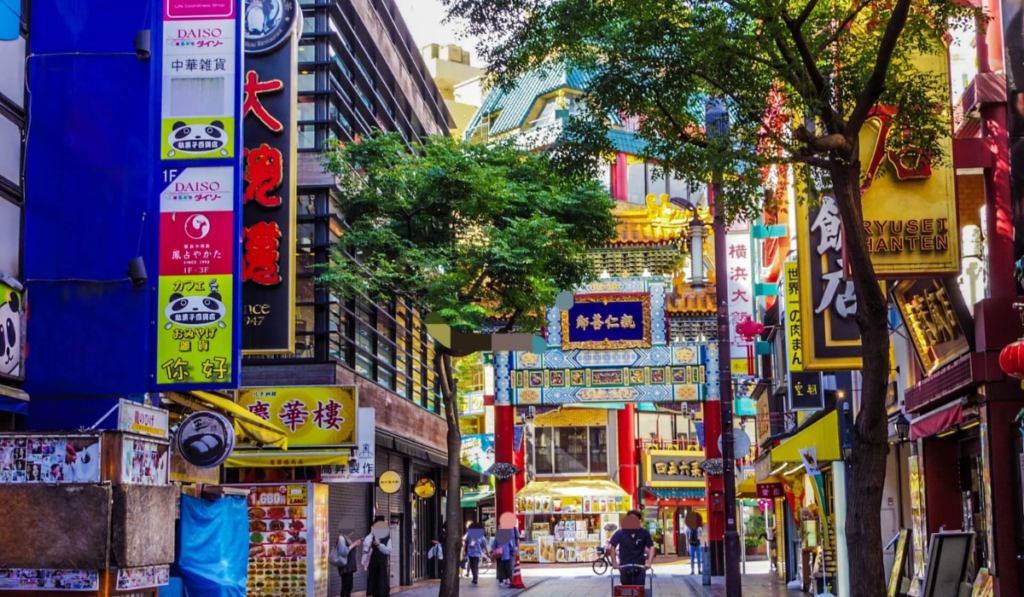
Just south of Tokyo, Yokohama Chinatown is the Japanese’s largest—and arguably its most animated. Leading to this traditional gem are four flamboyant gates, framing food-filled alleys where steamed buns and sesame sweets are the star. The Kanteibyo Temple is also glowing under the golden light, against a line of street snacks served in swift succession. Chinese buffets and mega-bazaars coexist beautifully in this tactile terrain, blanketing curious crowds with color, commerce, and culinary craft.
Chenghuangmiao, China: Homegrown heritage
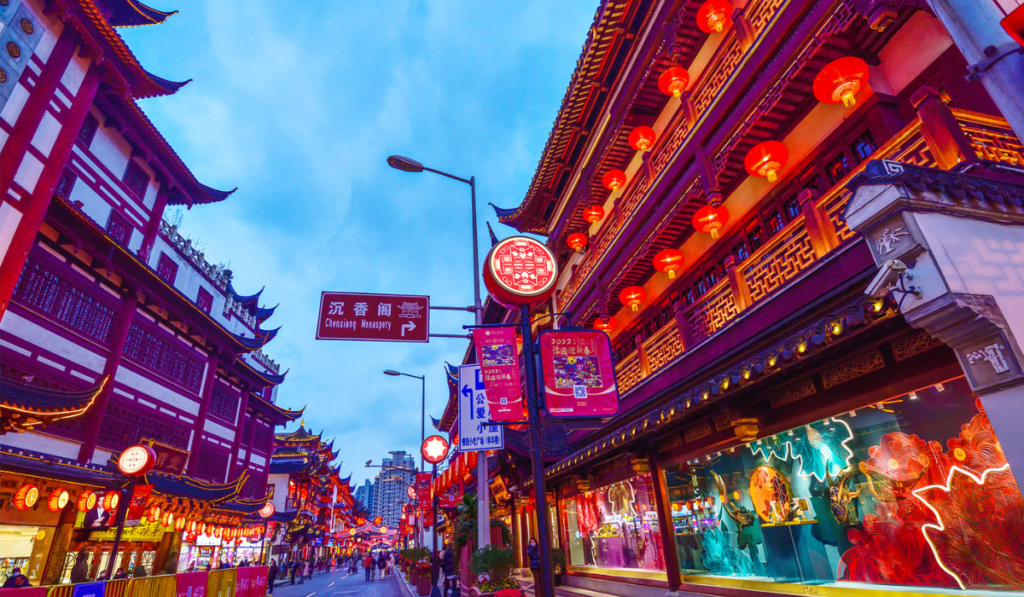
While technically a temple complex instead of a classic Chinatown abroad, Shanghai’s Chenghuangmiao—also known as City God Temple—is an area anchoring cultural continuity. It’s craft, business, and cuisine in one concentrated block. This place hosts traditional pavilions, soup dumpling shops, placid koi ponds, and tea houses that are steeped in ceremonial spirit. A postcard of a preserved past, it turns traditional scenes into stories.
A world woven in red and ritual, these Chinatowns tell more than quaint neighborhoods; they’re quiet narratives—made to be appreciated and beheld across time and tide.
Related story: Luxury brands charge into 2026 with Lunar New Year capsule collections
Related story: Eight Chinese New Year foods and why they’re considered lucky