
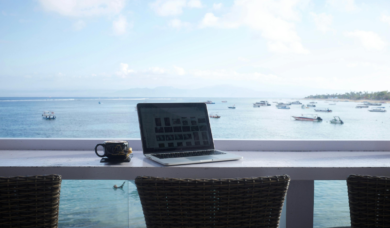

Bali didn’t just follow the digital nomad movement; it helped shape it. Now, as the landscape shifts, the island is being seen in a new light.
For years, Bali has been the default answer to one question: where should you go if you can work from anywhere? But in 2026, that answer is starting to feel less automatic.
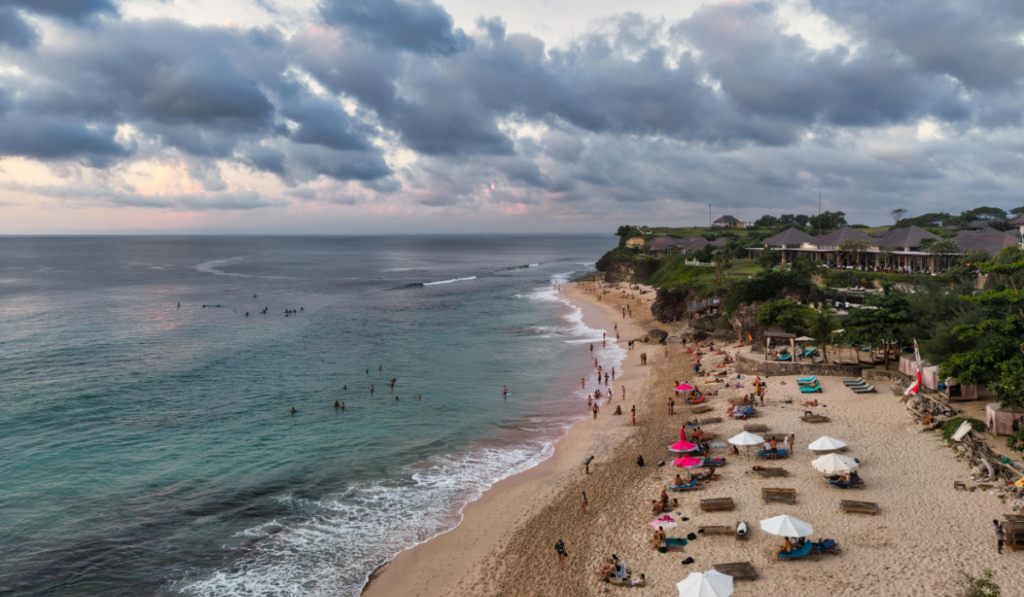
What once felt like an easy choice now comes with trade-offs. Rising costs, tighter regulations, and growing local tensions are prompting a more honest question: Is Bali still worth it, or has it outgrown its own appeal?
The island that built the dream

It’s easy to see how Bali earned its reputation. Reliable Wi-Fi, an established coworking scene, and a lifestyle that blends productivity with leisure made it one of the first true hubs for remote workers.
Places like Canggu and Seminyak became more than just neighborhoods. They turned into ecosystems, filled with cafés designed for laptop work, villas built for long stays, and communities that made it easy to land, settle, and connect.
For many digital nomads, Bali was not just a destination—it was a starting point.
What it costs to live here now
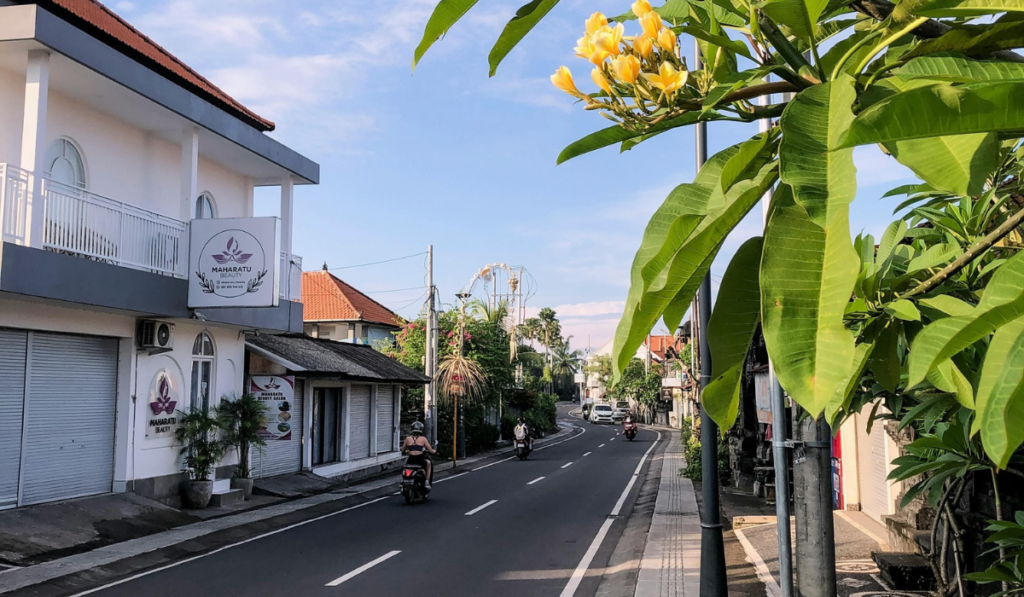
Living here isn’t as cheap as it once was. A modest one-bedroom apartment can now cost around P45,000 ($800) per month, especially in popular areas close to the beach or town centers. Utilities, groceries, and transportation can easily bring your total monthly expenses to about P85,000 ($1,500), depending on your lifestyle.
Eating out regularly or opting for more comfortable amenities will push that number higher. While it’s still more affordable than major Western cities, the gap is narrowing quickly.
When paradise gets expensive
That shift becomes even more visible when it comes to housing. Villa rentals in Bali have climbed significantly, particularly in high-demand areas like Canggu and Seminyak, where monthly rents now range roughly between P125,000 ($2,200) and P170,000 ($3,000), with premium properties going far beyond that depending on size and amenities.
Short-term stays can cost anywhere from P5,500 ($100) to P28,000 ($500) per night, while long-term rentals typically range from P57,000 ($1,000) to P285,000 ($5,000) per month, depending on location and lifestyle.
Even factors like seasonality play a role. Prices can increase by 20% to 50% during peak travel periods, while dropping by up to 40% during quieter months.
What used to feel like an affordable villa lifestyle has, in many cases, become a premium experience. For digital nomads arriving today, Bali still offers value, but it is no longer the low-cost escape it once was.
The visa reality check
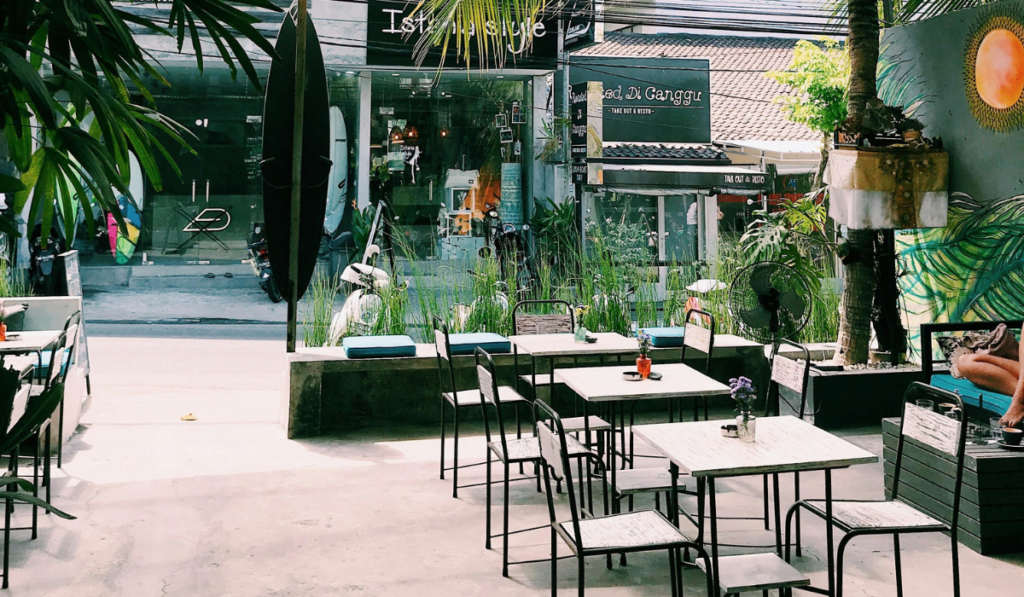
The biggest surprise for many newcomers is how quickly costs add up. A basic meal that once cost a few dollars can now run you about P850 ($15), and imported goods often come with steep markups.
As demand grows and more people move in, prices continue to climb. What used to feel like an affordable escape can now feel closer to city living—just with a better view.
The weight of popularity

Bali’s success has also brought new challenges, particularly in terms of crowding and sustainability. Traffic congestion in hotspots like Canggu has become a daily reality. Beaches that once felt quiet are now consistently busy. Infrastructure is under pressure, and concerns about waste management and environmental strain are becoming harder to ignore.
At the same time, there is growing awareness of the social impact of long-term foreign residents. Conversations around cultural respect, local displacement, and the balance between tourism and community are becoming more visible.
For digital nomads, this raises a different kind of question. It’s no longer just about what Bali offers, but also how their presence fits into the bigger picture.
Southeast Asia’s rising alternatives
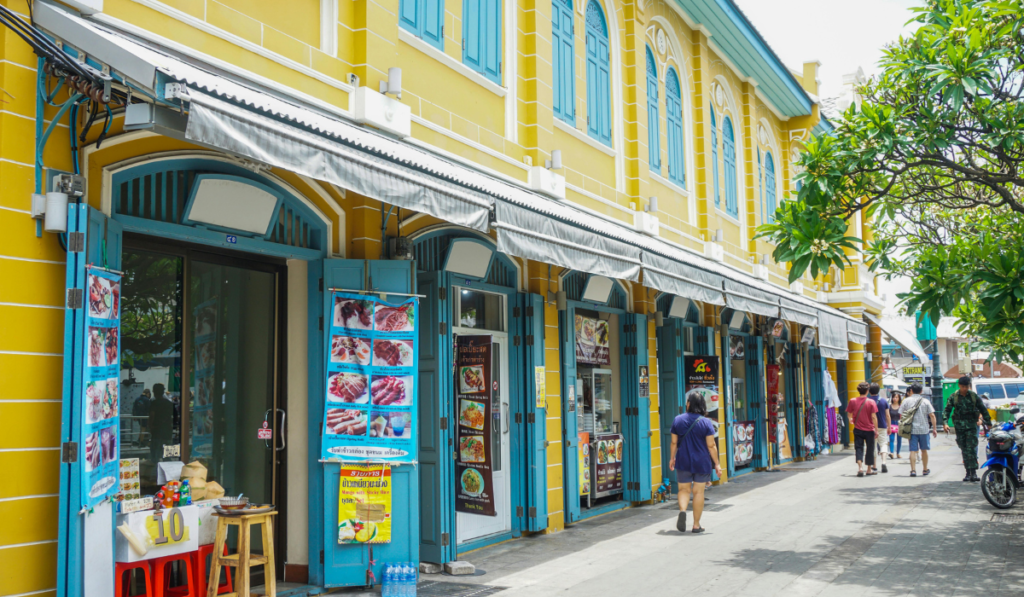
As Bali becomes more complex, other destinations in Southeast Asia are stepping into the spotlight. Cities like Bangkok and Ho Chi Minh City offer a mix of affordability, infrastructure, and energy that appeals to remote workers looking for something more urban. Meanwhile, places like Da Nang and Chiang Mai continue to attract those seeking a slower pace without sacrificing connectivity.
Even within the Philippines, destinations like Siargao and Cebu are gaining attention for their balance of lifestyle and accessibility, offering alternatives that feel both familiar and refreshingly different.

What these places share is a sense of momentum. They are not necessarily replacing Bali, but they are giving digital nomads more options than ever before.
So, is Bali still worth it?

The answer depends on what you’re looking for.
Bali still delivers on many of the things that made it famous. The lifestyle, the community, and the natural beauty remain strong draws, especially for those experiencing it for the first time.
But it’s no longer the obvious choice for everyone. For nomads prioritizing affordability, simplicity, or a quieter environment, other destinations may now offer a better fit.
In many ways, Bali has shifted from being a default option to a more deliberate one.
Choosing what works for you
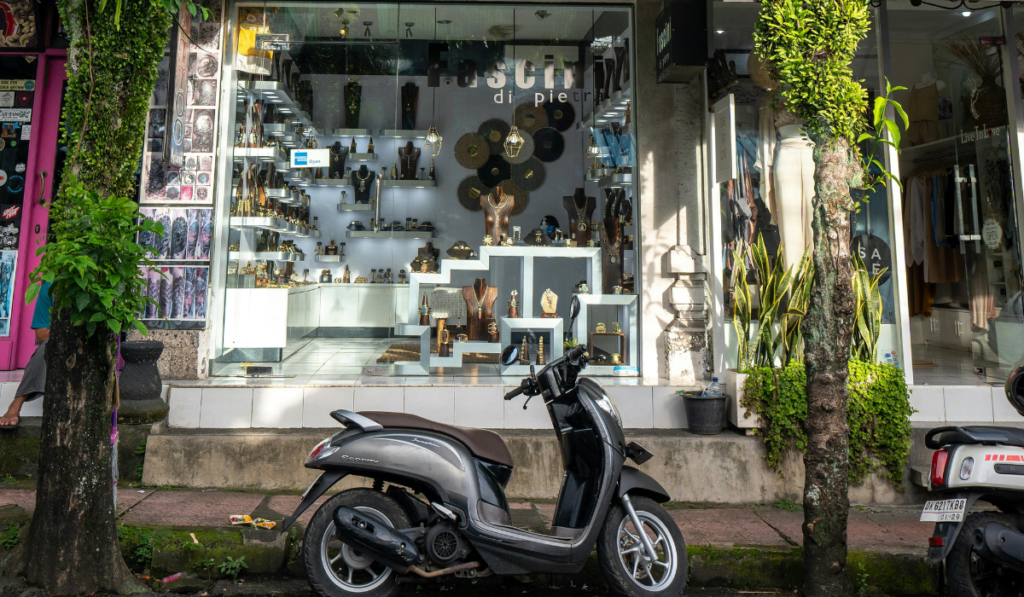
For digital nomads in 2026, the landscape is broader and more exciting than it once was. Bali still holds a strong place in that picture, but it now sits alongside a growing list of destinations that offer different kinds of experiences. The decision is less about following the crowd and more about choosing what fits your lifestyle, priorities, and pace.
For some, Bali will continue to deliver exactly what they need—from community and creativity to a well-established remote work ecosystem. For others, it may serve as a starting point before exploring new cities across the region.
Either way, the idea of working from anywhere has not lost its appeal. If anything, it has opened up more possibilities than ever, giving digital nomads the freedom to shape their experience in a way that feels both intentional and rewarding.
Related story: Dreaming of being a digital nomad? These are the 10 most affordable countries you should consider
Related story: These are the best countries for digital nomads, according to expats