
Skip the crowded landmarks and experience the Land of the Morning Calm like a local—from Han River picnics and café-hunting walks to rooftop stays, and late-night convenience store rituals.
South Korea has always drawn Filipino travelers through its palaces, shopping districts, and K-drama filming locations. But now that visa requirements have eased—removing barriers like the three-month bank statement—there’s never been a better time to experience the country differently.
Instead of racing between tourist checkpoints, consider slowing down. The real magic of Korea often lives in the quiet routines—the same moments you’ve watched unfold in your favorite K-dramas.
This time, don’t just visit Korea—live in it. If you’re wondering how to experience the country beyond the usual tourist bucket list, here’s how:
Start your morning with a jog in Seoul’s public parks

Spots to try: Seoul Forest, Hangang River trails, Olympic Park
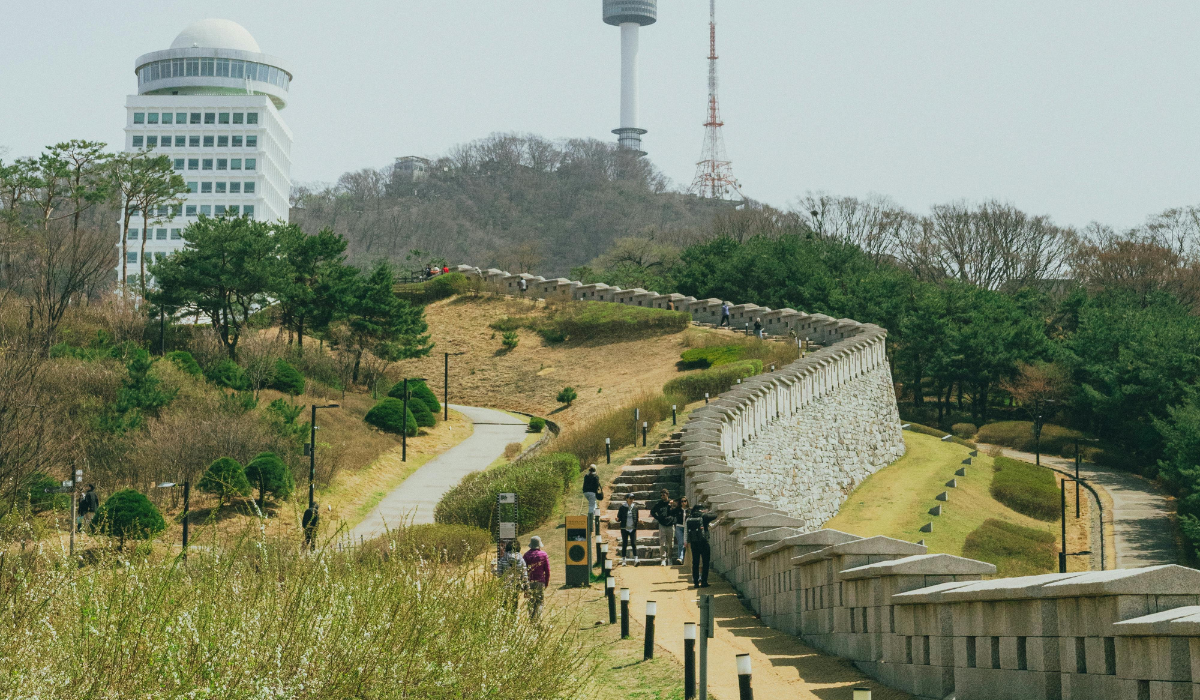
One of the most authentic ways to experience Seoul is also the simplest: go for a jog. Public parks and riverside trails are deeply integrated into everyday life, functioning less like destinations and more like extensions of people’s routines.
Office workers jog before sunrise, squeezing in quiet movement before long hours at their desks. Students stroll through tree-lined paths with iced coffee in hand, lingering between classes or conversations. Elderly locals gather beneath shaded corners, stretching deliberately, chatting with neighbors, or moving through familiar exercises they’ve practiced for years.
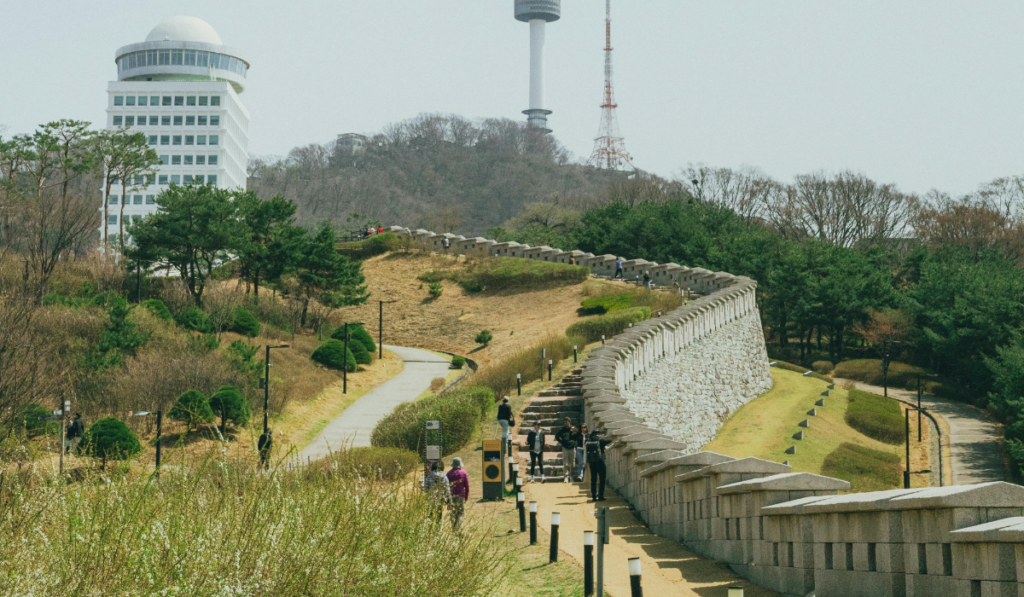
Along the Han River, runners pass cyclists, couples walk side by side, and solo visitors pause to watch the water move. No one is in a hurry. Whether you’re running, walking, or simply sitting on a bench, these shared spaces offer something rare in a fast-paced city: the chance to blend in, slow down, and feel, even briefly, like Seoul is part of your own routine.
Have a picnic or read a book by the Han River

Spots to try: Yeouido Hangang Park, Banpo Hangang Park, Ttukseom Hangang Park
If there’s one activity that defines slow living in Seoul, it’s spending time by the Han River. Stretching across the city like a quiet spine, the river offers space to pause in a place that rarely stops moving. It’s where the pace softens—not because there’s nothing to do, but because there’s no pressure to do anything at all.
Locals gather here not for spectacle—but for stillness. Some sit alone on the grass, reading books or journaling with headphones on, creating their own private world against the open sky. Others cook instant ramyeon from nearby convenience stores, balancing warm cups on their laps as steam rises into the cool air. Couples share quiet conversations. Friends laugh over simple snacks. Many simply sit and watch the skyline shift—glass buildings reflecting gold at sunset, then slowly dissolving into blue and violet as evening arrives.
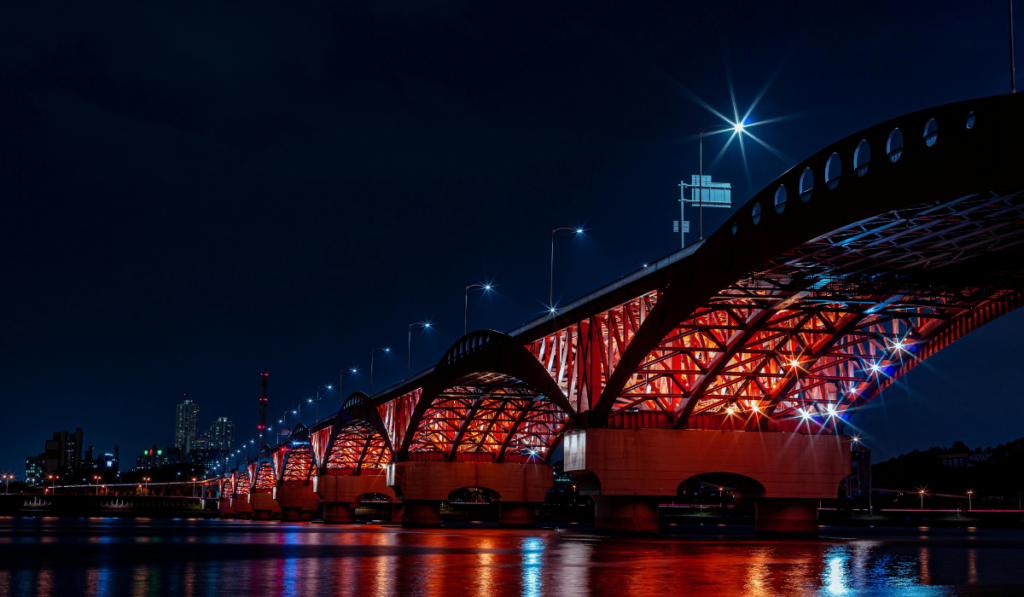
Bring a blanket. Buy snacks from a nearby GS25 or CU convenience store—perhaps a triangle kimbap, a bottle of banana milk, or instant noodles you can prepare on-site. Find a place on the grass or a bench facing the water. Let yourself exist without an agenda. Watch cyclists pass. Listen to the soft hum of the city in the distance. Let time pass without rushing it.
It’s quiet, cinematic, and deeply personal—the kind of moment that doesn’t ask for attention, but stays with you long after you leave.
Skip the bars; drink soju outside a convenience store
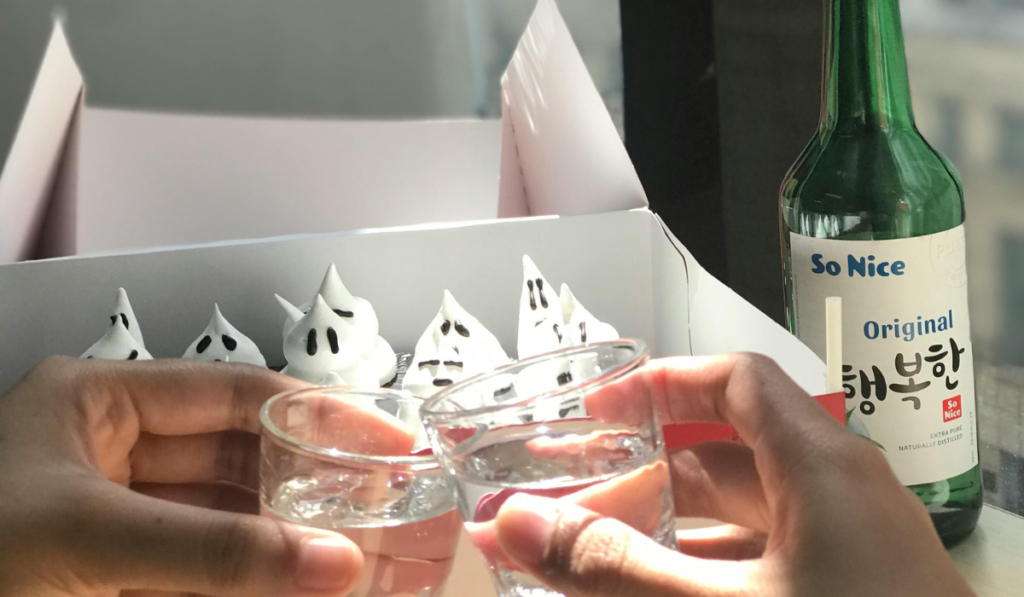
Forget loud pubs. One of Korea’s most iconic social rituals happens right outside convenience stores, in spaces that feel both ordinary and strangely memorable. Under the glow of fluorescent signs, plastic tables and chairs become gathering spots—not for spectacle, but for connection. There’s no music blaring, no crowded dance floors. Just people, present in the moment.
Friends gather with green bottles of soju, cups of instant noodles, and small convenience store snacks—triangle kimbap, chips, or packaged street food warmed on the spot. Some sit for hours, talking about work, relationships, or nothing in particular. Others stop by briefly, sharing a drink before heading home. The atmosphere is relaxed and unfiltered, where laughter carries easily into the night air.
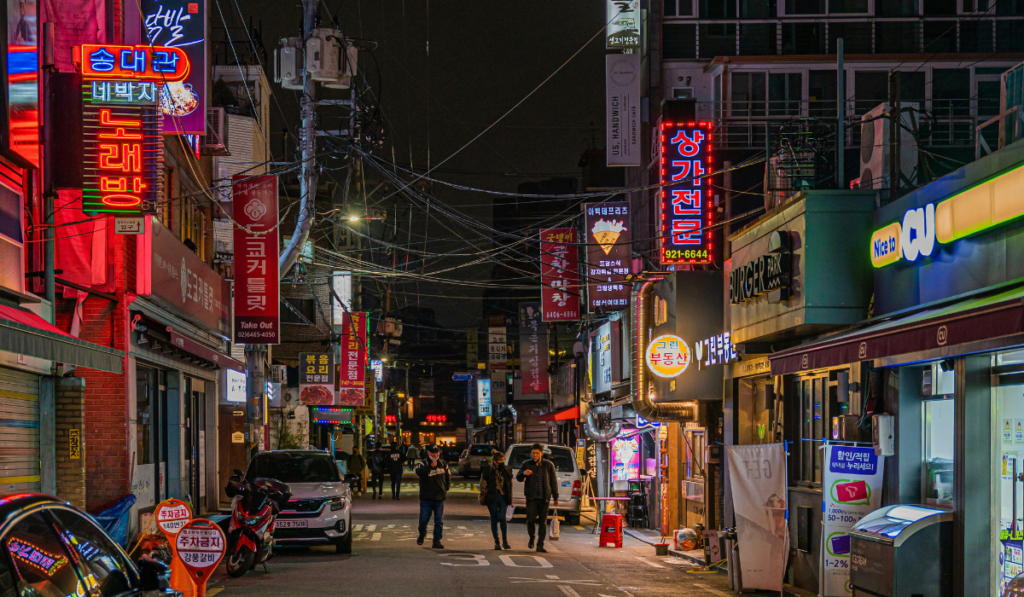
Plus, there’s no dress code. You have zero crowd to impress. You might see office workers still in formalwear, students in oversized hoodies, or locals in everyday clothes, unwinding after long days. Everyone blends into the same rhythm, each with a bespoke story or experience.
Stay in a rooftop apartment, even just one night
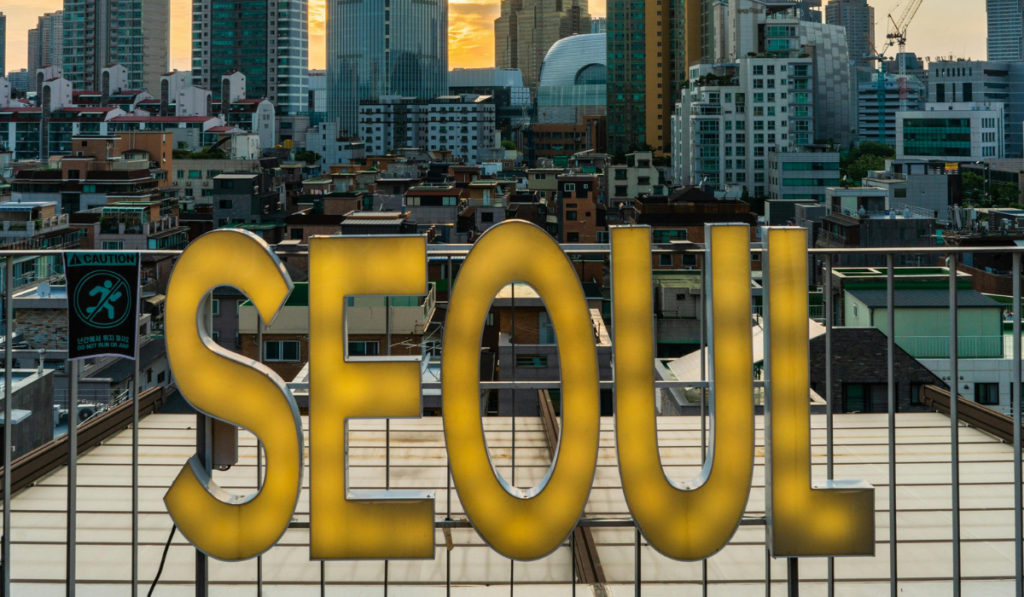
Rooftop apartments, often seen in Korean dramas, offer a completely different perspective of the city. Perched above narrow alleyways and low-rise buildings, they feel tucked away from the rush below, as if you’re observing Seoul from a peaceful corner rather than standing in the middle of it. There’s something intimate about climbing a few flights of stairs and emerging into a small rooftop space that feels entirely your own.
These stays are quieter and more personal than hotels. Instead of polished lobbies and uniform hallways, you wake up to the sounds of neighborhood life—delivery scooters passing, distant conversations, the hum of morning traffic starting up. Many overlook residential streets rather than business districts, letting you experience everyday Seoul: laundry hanging on balconies, local cafés opening their doors, neighbors heading out for the day.

Some rooftops come with modest terraces where you can sip coffee in the cool morning air or sit beneath a stretch of city lights at night. The skyline might not be dramatic, but that’s part of the charm. It’s real, lived-in, and unfiltered. You might even hang out laundry, read a book outside, or share a quiet meal under the open sky—simple moments that feel straight out of a scene.
It’s not about luxury; it’s about atmosphere. Staying in a rooftop apartment lets you step into the fabric of local life, even for a few days.
Walk without a destination and discover cafés along the way
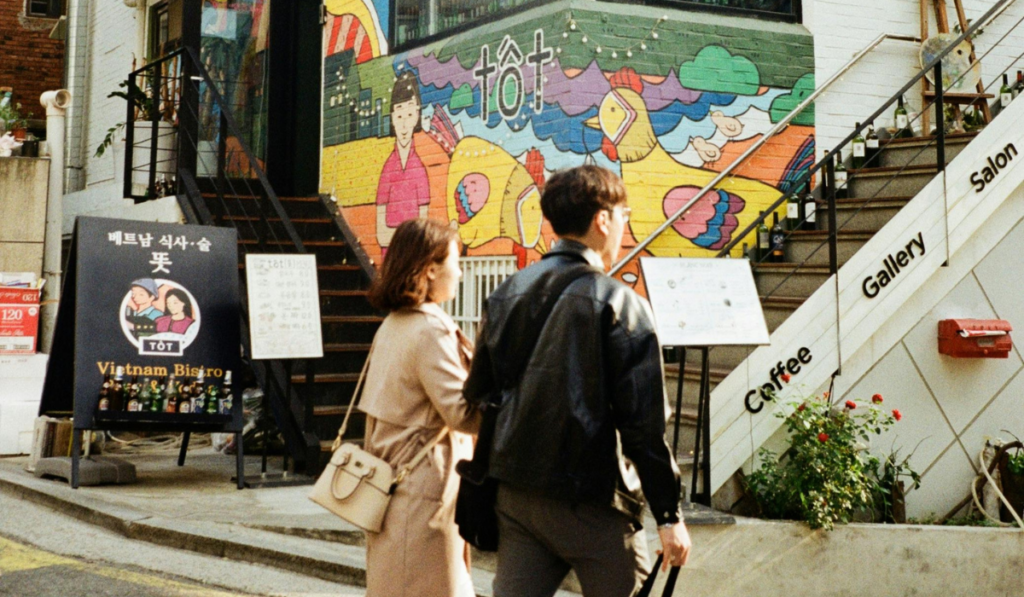
Spots to try: Seongsu-dong, Ikseon-dong, Mangwon-dong
Seoul rewards curiosity. It’s a city best experienced not through rigid schedules, but through slowed-down wandering—the kind where you turn into a street simply because it feels inviting. Beyond the main roads and commercial districts, entire neighborhoods unfold in layers: alleys, storefronts, and spaces that reveal themselves slowly.
Some of its best cafés aren’t famous—they’re stumbled upon. You might find a minimalist coffee shop hidden on the second floor of an unmarked building, or a cozy corner café with handwritten menus and warm lighting. Others live inside renovated hanok homes, where traditional architecture meets modern design. These places don’t demand attention; they wait to be discovered.
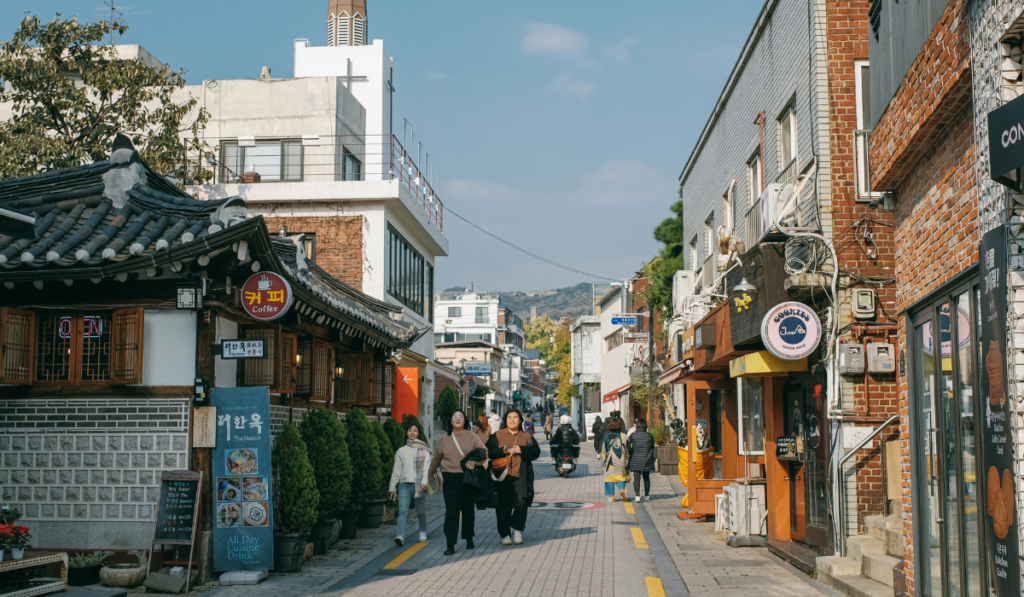
Walk slowly. Notice the details: a sunlit staircase, a quiet bookstore, a row of bicycles parked outside a café. Peek inside places that tickle your curiosity, even if they weren’t part of your vacation blueprint. Let instinct guide you instead of maps or recos.
The best finds rarely appear on itineraries. They exist in the in-between moments—the streets you didn’t mean to walk down, and the doors you almost didn’t open.
Visit homegrown shops instead of global retail chains

Korea’s smaller, homegrown shops often reflect the personality of their neighborhoods more honestly than any department store ever could. Hidden between apartment buildings or lining quiet side streets, these spaces feel intentional and deeply personal—each one shaped by the taste and vision of its owner. Unlike global retail chains, they don’t aim to replicate the same experience everywhere. They exist as singular places, rooted in their surroundings.
Browse independent bookstores where shelves are carefully curated with Korean literature, art books, and translated works you may not find back home. Step inside stationery shops filled with thoughtfully designed notebooks, pens, and paper goods that elevate even the simplest routines. Explore vintage clothing stores where every rack holds pieces with character and history, offering styles that feel distinct rather than mass-produced. Wander into minimalist lifestyle boutiques showcasing ceramics, home objects, and everyday items crafted with Korea’s signature attention to detail.

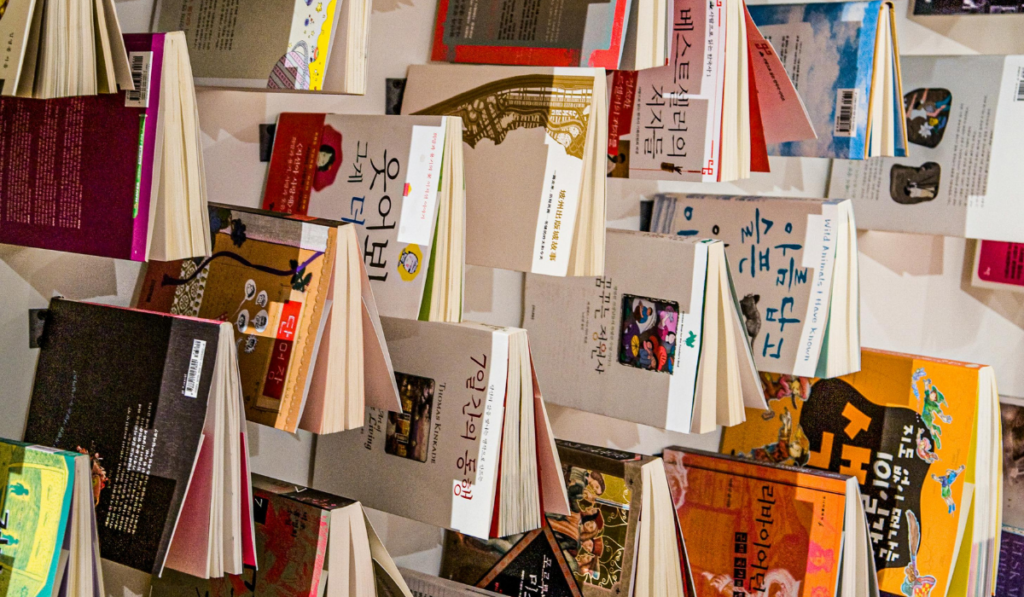
These spaces invite you to move with intent, to touch and observe, and to discover objects that carry meaning beyond their function. More than souvenirs, they become subtle reminders of the neighborhoods you walked through and the version of Seoul you experienced—one that exists beyond glass storefronts and crowded shopping centers.
Try outdoor gyms straight out of a K-drama scene

Those public outdoor gyms you’ve seen in countless K-dramas are real—and widely used. Scattered across parks, riverside paths, and residential neighborhoods, these open-air fitness stations are part of Seoul’s everyday landscape. They’re simple in design, often made of metal and set against trees or open sky, but they serve as important community spaces where movement and routine intersect.
Located in parks and residential areas, these outdoor gyms are free and open to anyone, regardless of age or fitness level. Early in the morning, you’ll find elderly locals moving through gentle exercises, maintaining routines they’ve followed for years. Later in the day, office workers stop by for a quick stretch, while others use the resistance machines between walks or jogs. There’s no rush, no crowding—just people taking care of themselves at their own pace.
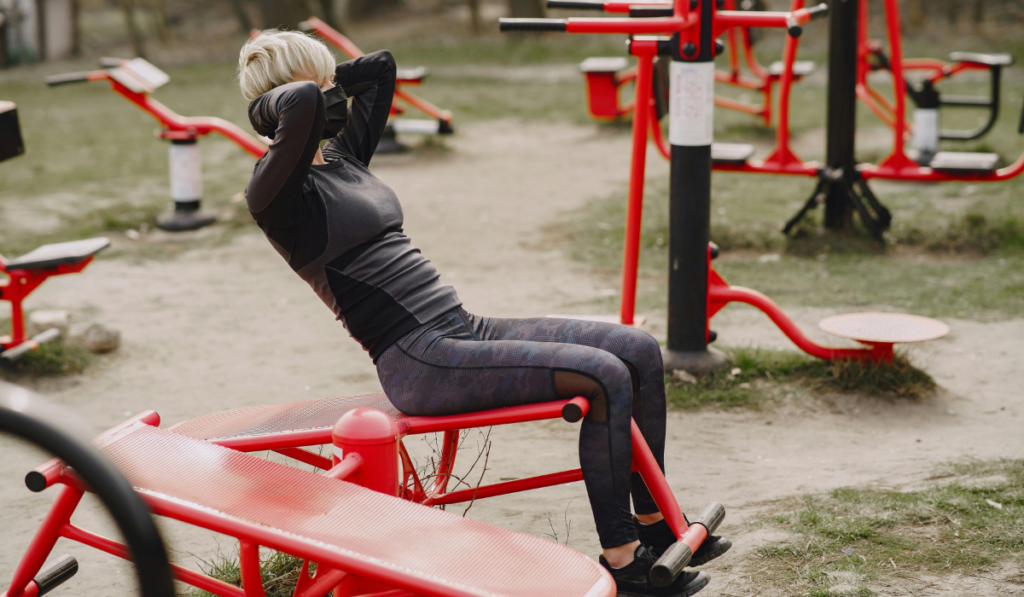
You’ll often see locals stretching slowly, gripping handlebars, or stepping rhythmically on air walkers as they look out onto familiar surroundings. Some pause to talk with neighbors. Others move quietly, focused and calm. The experience feels less like a workout and more like a shared ritual—one that exists in harmony with the rhythm of the neighborhood.
It’s a small but memorable part of daily Korean life, offering visitors a glimpse into how the city makes space not just for productivity, but for well-being.
Take the subway and let the city reveal itself

Seoul’s subway system isn’t just transportation—it’s a gateway to unexpected discoveries. Clean, efficient, and deeply woven into everyday life, the subway connects not only districts, but entirely different atmospheres. Each stop offers its own charm, its own pace, and its own narrative waiting just above ground.
Choose a random station. Get on board. Alight. Wander sans the expectation. You might find yourself exploring a residential area where locals water plants outside their homes, or onto a street lined with small cafés and bakeries filled with regulars. Others open into neighborhoods alive with in-apartment restaurants, boutiques, and cultural spaces that don’t appear in guidebooks.

Inside the train itself, you’ll see slices of daily life uncover—students reviewing notes, office workers resting their eyes, friends sharing dialogues. It’s a reminder that Seoul isn’t just a destination; it’s a city in constant motion, carried forward by the people who live there.
Some of Seoul’s best experiences happen by accident. All it takes is stepping off at the right—or completely unexpected—stop.
This time, don’t just visit—live
South Korea’s appeal has never been limited to its history or landmarks. It lives in everyday rituals—the random hangouts, late-night convenience store meals, and slow afternoons by the river.
These are the moments that stay with you.
And now, with travel becoming easier for Filipinos, there’s never been a better time to experience the Korea you’ve always seen—not just as a visitor, but as part of its daily mesh.
Related story: No more bank statements: South Korea makes tourist visa easier to get in 2026 overhaul
Related story: What to know about South Korea’s e-Arrival Card before you fly