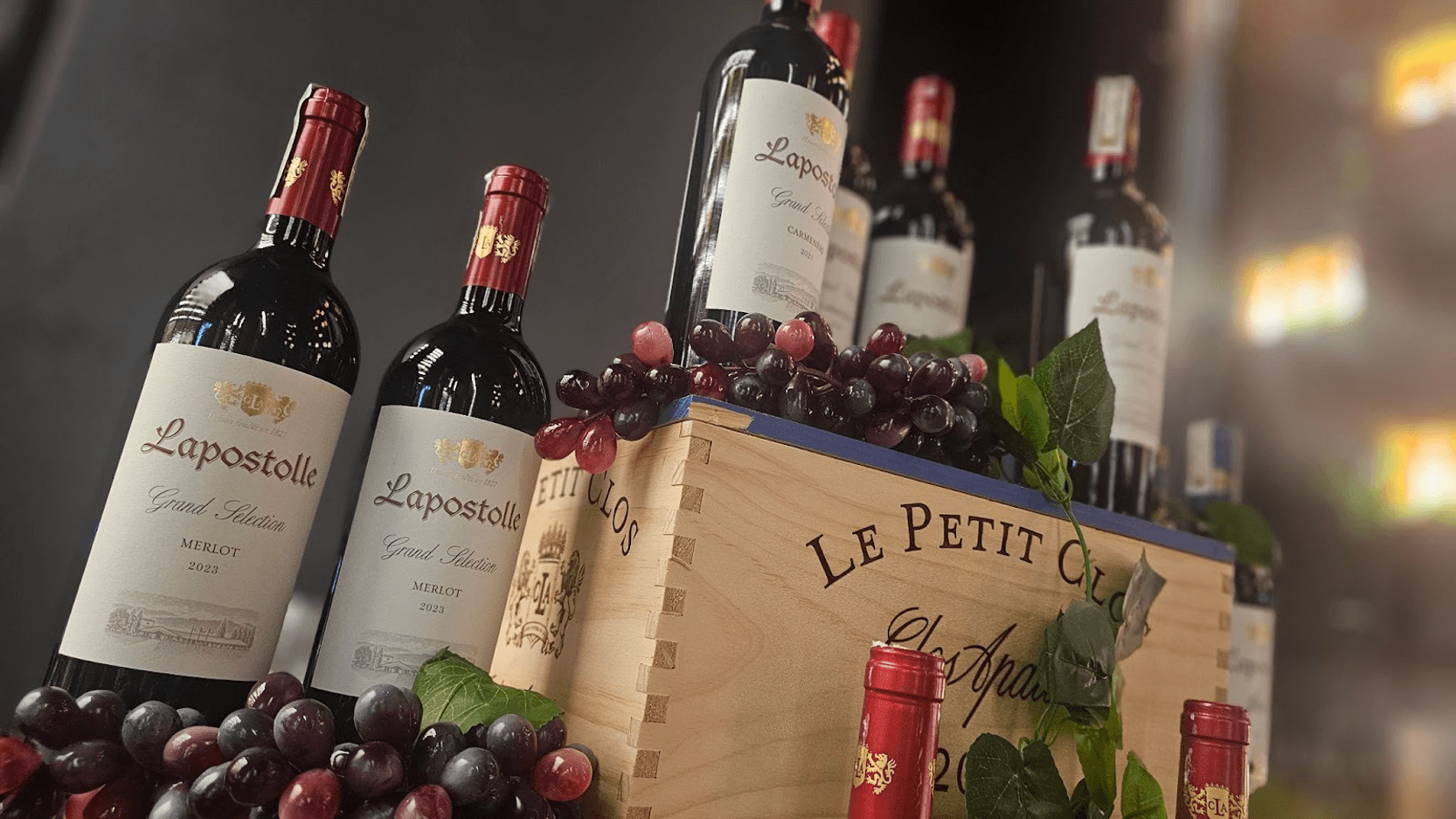

Lapostolle wants to make Chilean wines your new favorite.
I’ll admit it outright: red wine really isn’t my poison of choice.
It’s not that I actively dislike it. I just rarely reach for it. Given a drinks menu, I’d almost always gravitate toward a whiskey—regardless of country of origin—sometimes neat, sometimes mixed with cola. Other nights call for a beer if I’m craving something grainy and frothy. Wine, more often than not, sits at the lower end of my list. Maybe it’s too rich, too serious to enjoy in the casual, instinctive way I do other drinks.
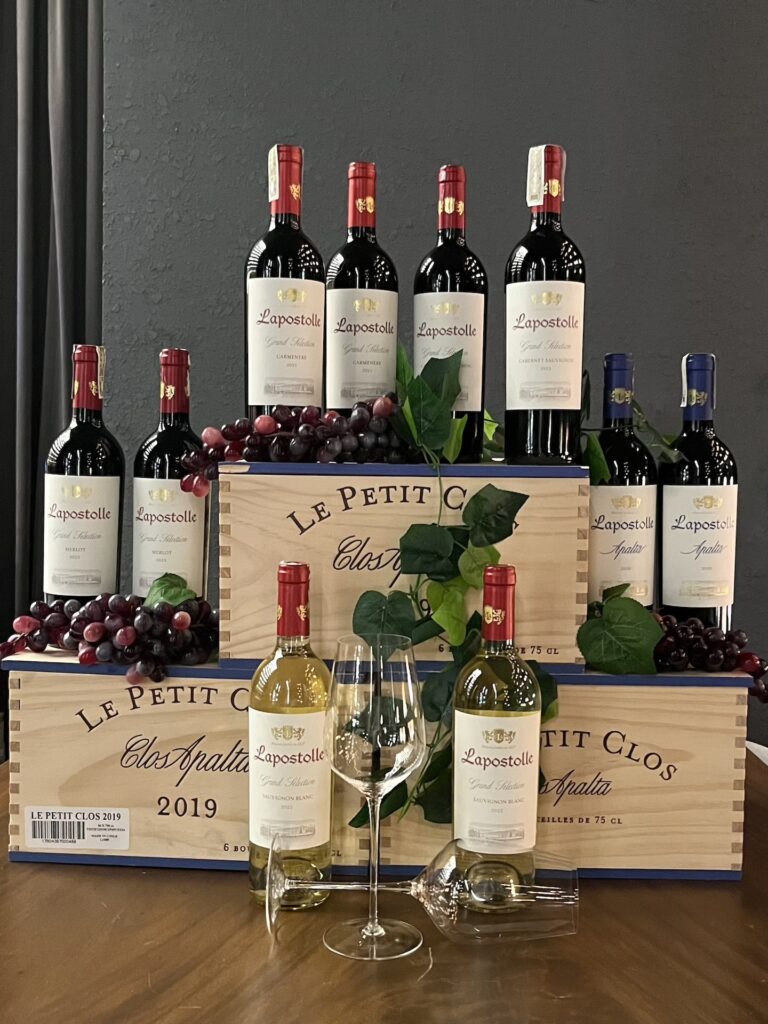
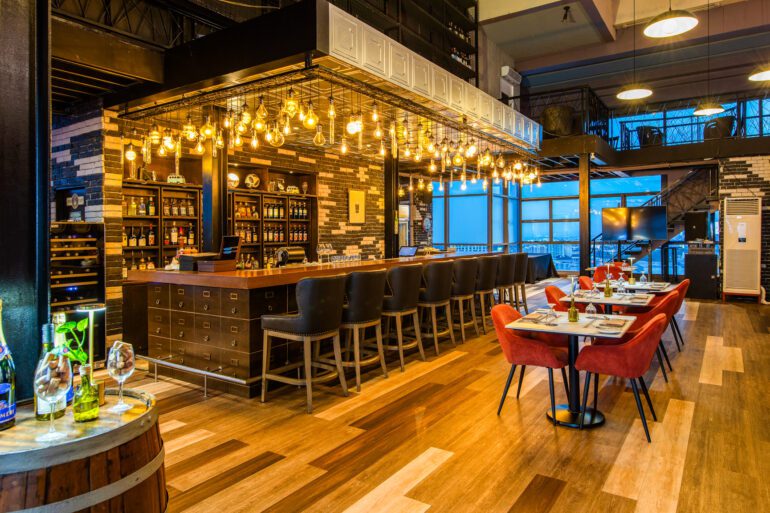
But like most things we dismiss too easily, maybe the problem wasn’t wine itself—just the way I had encountered it so far. That thought lingered when I found myself only briefly hesitating before accepting an invitation to a wine dinner hosted by Lapostolle Wines at Cork, located on the ground floor of The Westin Manila. If there was ever a moment to reassess my relationship with red wine, this felt like it.
Lapostolle is a family-owned wine company based in Chile, South America, but with some pretty legendary French origins: the family traces its work in wines and spirits all the way back to 1827, spawning a legacy that saw famous French cognac Grand Marnier created in 1880 by Louis-Alexandre Marnier Lapostolle.
Related story: Holiday hit list 2025: Our top Christmas food picks
Related story: Christmas wrapping ideas to elevate your gift-giving game
Related story: The no-guesswork gift guide for people who already have everything
In 1994, Louis-Alexandre’s granddaughter Alexandra Marnier Lapostolle and her husband Cyril de Bournet visited the Colchagua Valley in Chile and found that the region had potential for high-quality wines, which led to the founding of Viña Lapostolle. Today, the company owns 370 hectares in the Chilean regions of Casablanca (where Lapostolle whites are made), Cachapoal, and the aforementioned Colchagua. They ship around 200,000 boxes of wine yearly.
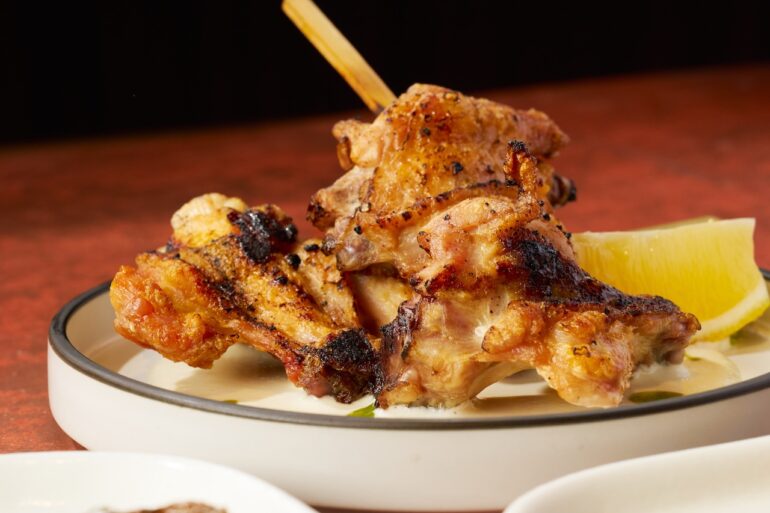
At this dinner hosted by Steven Wasylyk, APAC Director at Domaines Bournet-Lapostolle, we tried four different Chilean red wines paired with delicious tasting dishes.
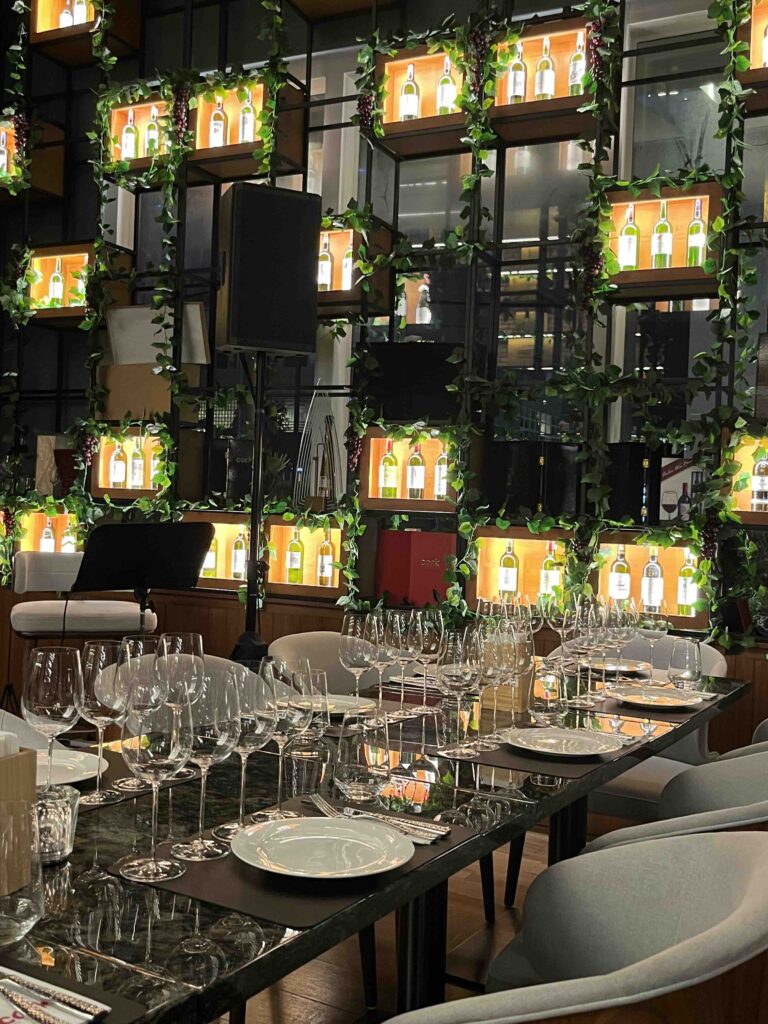
What stood out to me was the 2020 Lapostolle Apalta, the red we started the meal with. An elegant and balanced red composed of 70% Cabernet Sauvignon, 30% Carmenère, and 15% Syrah, I kept coming back to it as the tastiest wine we had all night—again, not a wine guy, but I let the waiters keep refilling the glass with this one because I liked the way it got me. The Apalta definitely contributed to the notable buzz I had going on after, and I certainly had to stop asking for more lest the memories of that evening become a vague blur the next morning.
The other wines we tried included the 2022 Lapostolle Grand Selection Cabernet Sauvignon, made from grapes that grew from vines that are over a hundred years old—which felt a little lighter to my taste (perhaps being .5% less in ABV than the first may have had something to do with it), paired with a Parmigiano tortellini that night; the “fruit-forward” 2023 Lapostolle Grand Selection Merlot that went with the savory beef cheeks; and the spice-filled 2021 Lapostolle Grand Selection Carmenere to round out the meal with a dessert of Basque cheesecake.
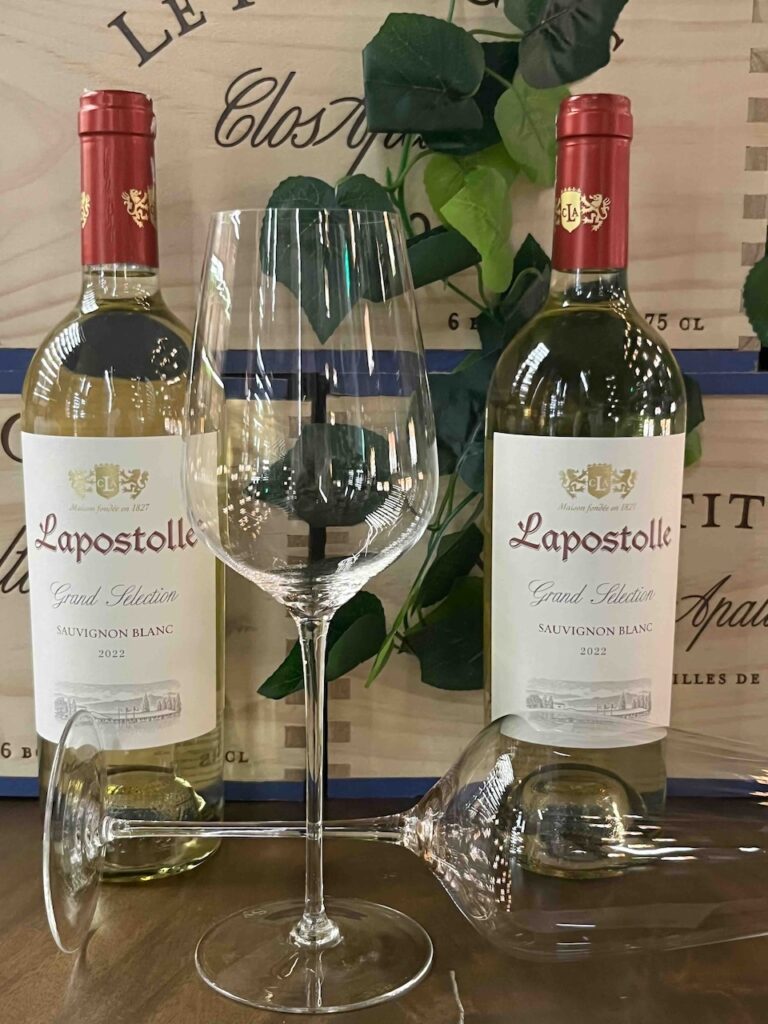
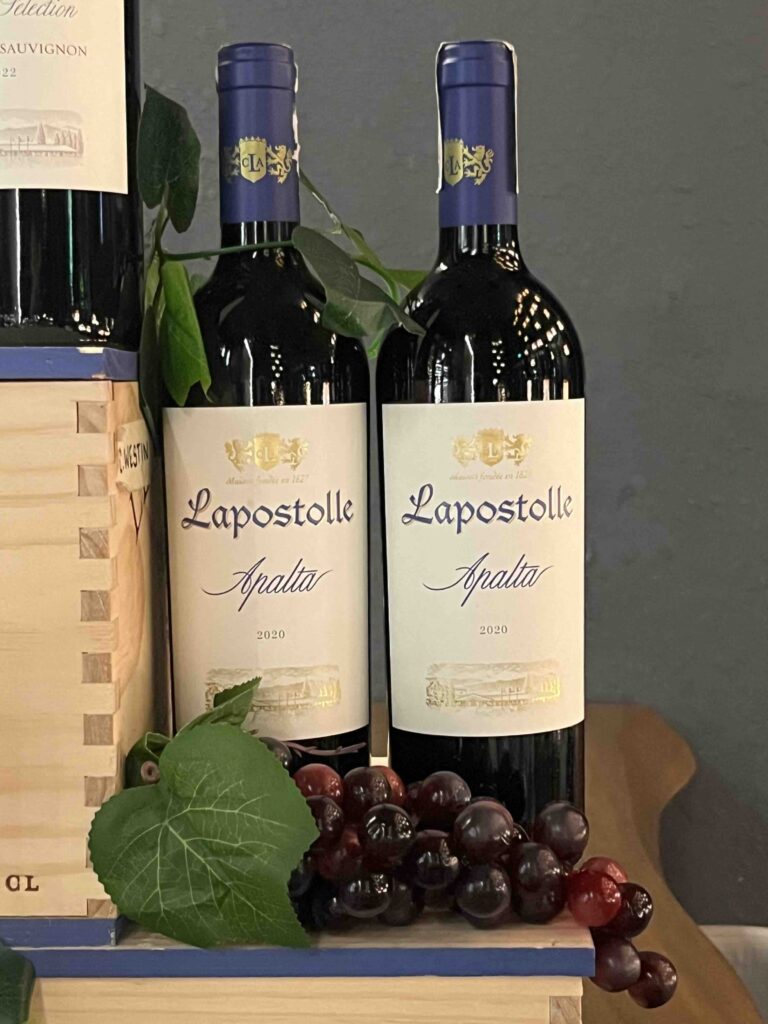

Lapostolle wines have a history of being award-winning and perfect-scoring by major international wine critics. “All wines we do at Lapostolle are inspired by this [excellence]. We use the same winemaking facilities, we use the same winemakers, and we use the same place to build the wine. The result is we build wines that can give you pleasure and give you incredibly great value for money,” said Wasylyk.
Those looking for something new or different to celebrate with this Christmas should try the Chilean wines of Lapostolle, available at Cork Ortigas, Cork BGC, and Cork Elite, as well as some of your favorite wine and liquor stores around the Metro.
Some of these bottles might even become your new favorites over the holidays with their rich, complex, and nuanced flavors—also undoubtedly a classy and surefire way to feel warm from a nice buzz, all with your preferred company.
Related story: Where to find the best Christmas hams in Manila for your Noche Buena celebration
Related story: Rookie to cuvée: A beginner’s notes on Spanish wines
Related story: In Spain, three things are certain: food, wine, and siesta