
One of the most influential designers of the 20th century, Valentino died on January 19, 2026. He was 93.
The house confirmed that he passed away peacefully at home in Rome, the city where he built his career and spent most of his life.
Over nearly 50 years, Valentino became known for his refined, romantic idea of fashion. His work stood for elegance, discipline, and beauty at a time when fashion often moved toward excess or rebellion. He dressed movie stars, royalty, and first ladies, but his influence went far beyond celebrity.
Related story: Get in bed with Valentino’s dreamy Resort 2026 collection
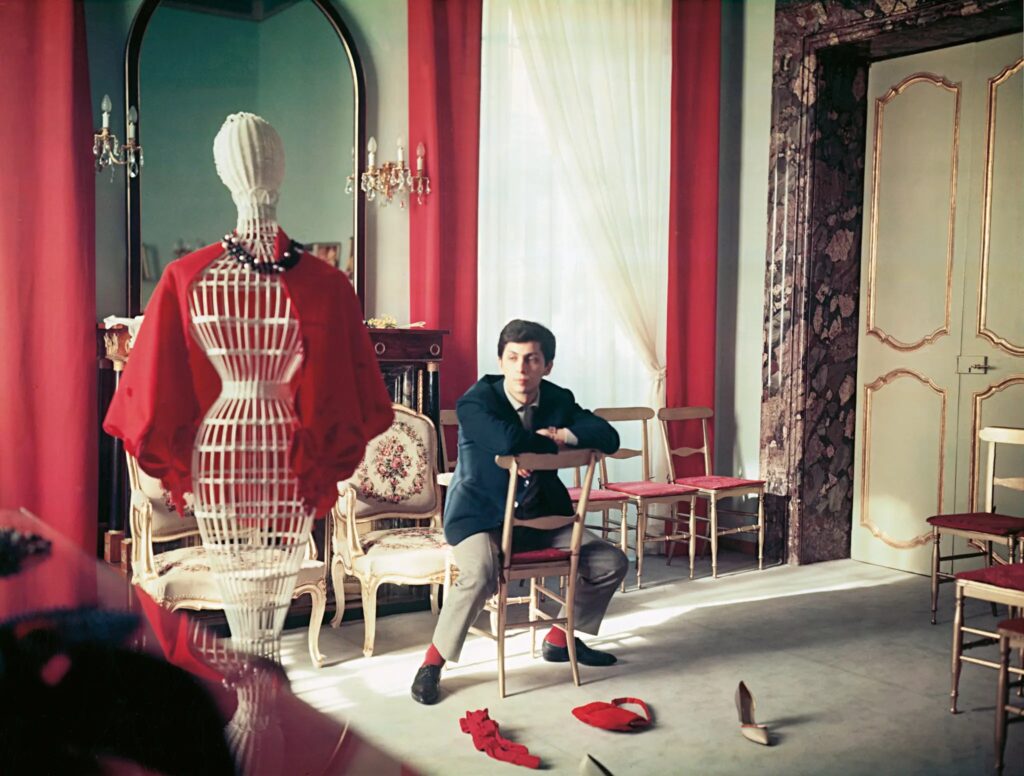
Young Valentino Garavani in his Rome atelier, early 1960s | Photo by Agenzia Grazia Neri for the Valentino Archives via The New York Times
From Voghera to Paris, then Rome
Valentino Clemente Ludovico Garavani was born in Voghera, Italy, in 1932. He developed an interest in fashion early and was encouraged by his family to pursue it seriously. He first studied in Milan before moving to Paris as a teenager, where he trained at the École des Beaux-Arts and the Chambre Syndicale de la Couture Parisienne.
Valentino trained under Jean Dessès, known for his fluid chiffon gowns, and later worked with Guy Laroche. He also crossed paths with Cristóbal Balenciaga, an influence that stayed with him, especially in his devotion to structure and proportion.
Founding the house in Rome
In 1959, Valentino returned to Italy and opened his own couture house on Via Condotti in Rome. At the time, Italian fashion was still gaining international recognition. Valentino brought with him a Paris-trained approach but applied it to Roman ideas of grandeur, history, and drama.
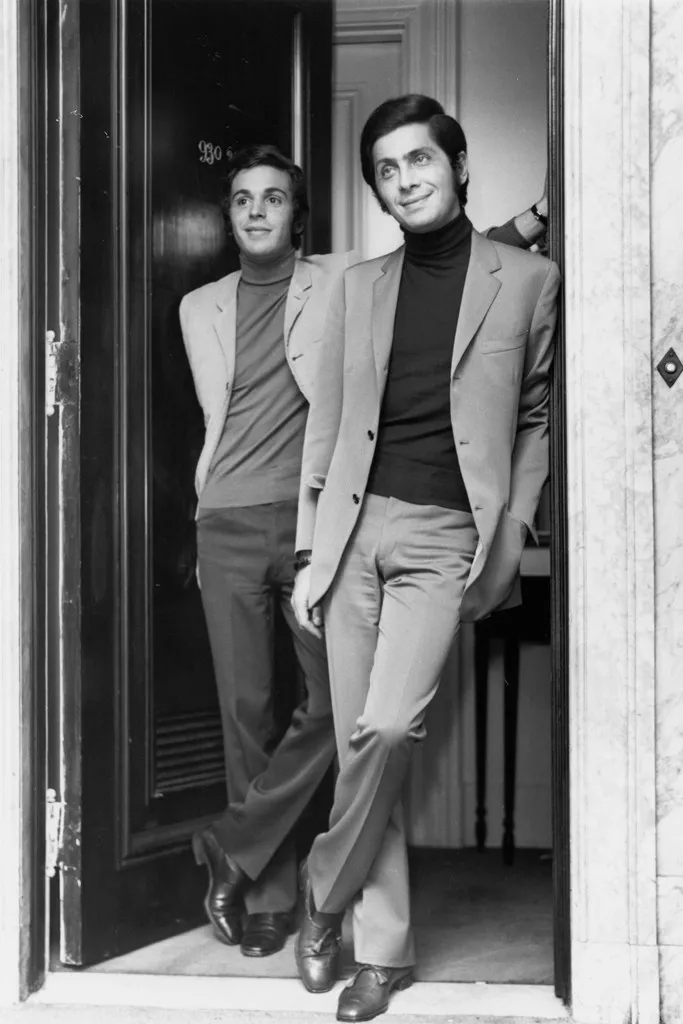
Around this period, he met Giancarlo Giammetti, who would become his lifelong business partner. While Valentino focused on design, Giammetti handled the business side of the brand. Their partnership was essential to the survival and growth of the house, especially in its early years.
The rise of Valentino and “Valentino red”
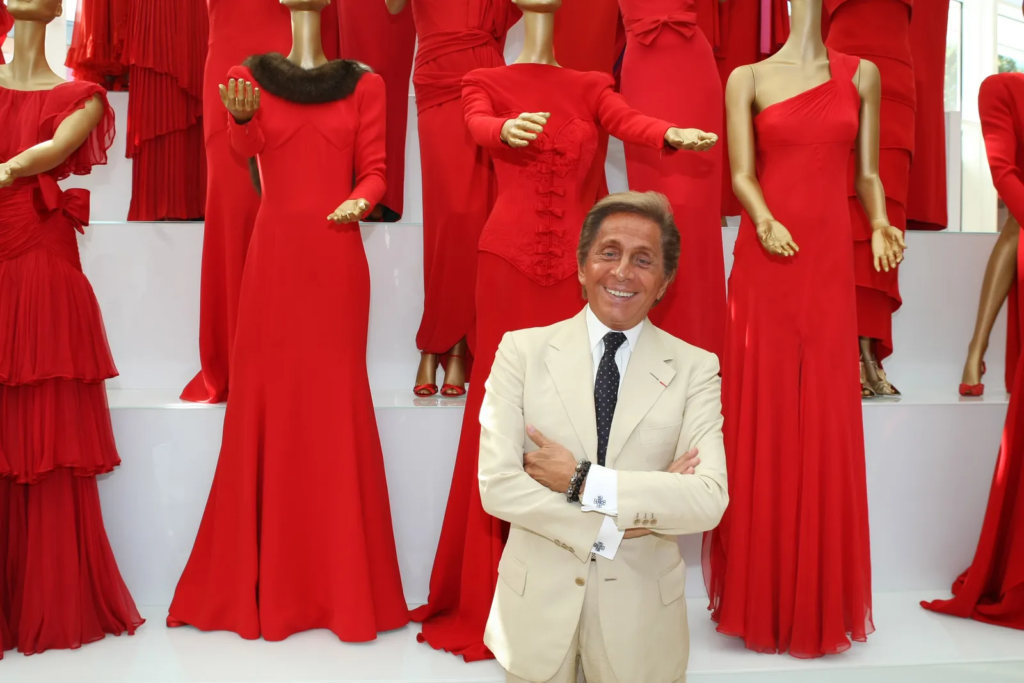
Valentino gained international attention in the early 1960s, especially after his runway shows in Florence. One of his earliest and most lasting signatures was the color red. Often referred to as “Valentino red,” the shade became central to his identity as a designer.

Valentino’s first couture collection debuted in 1962 at the Pitti Palace in Florence| Photo from MAMe
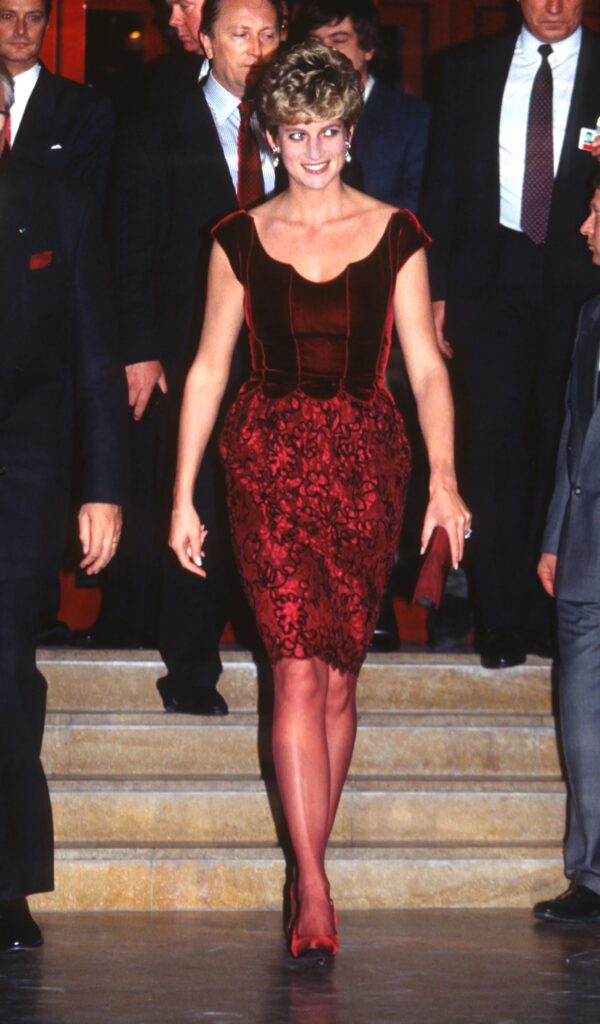
He often traced its origin to a moment at the opera, watching Bizet’s Carmen, when a woman in red velvet stood apart from the crowd. To him, red represented strength, emotion, and presence.
Red first appeared in Valentino’s early collections, including his 1959 La Fiesta show, but it became a defining signature in the early 1960s. Since then, red became a constant in his work and over time, “Valentino red” became one of the most recognizable colors in fashion, closely tied to the house’s identity.
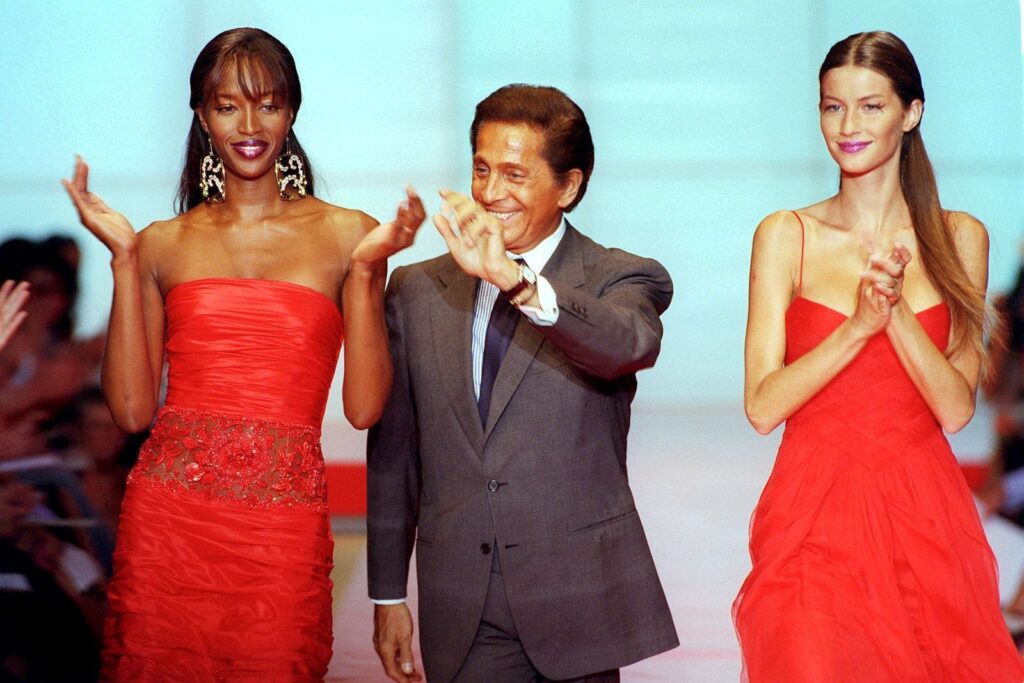
His designs were being worn by actresses, aristocrats, and political figures. He was no longer just a Roman couturier—he was becoming a global one.
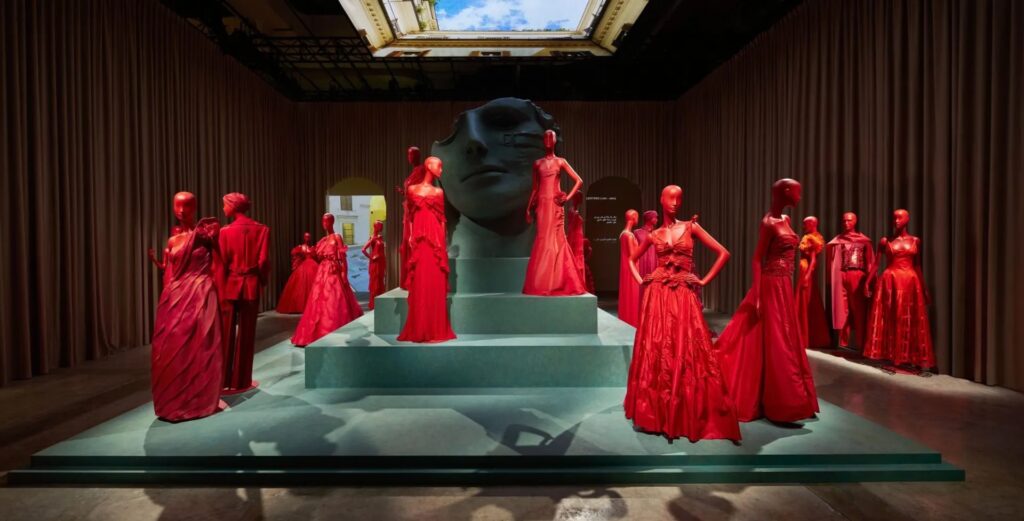
Pierpaolo Piccioli’s exhibition for Valentino’s 90th anniversary, created with Qatar Creates and Qatar Museums. | Photo from Prestige Hong Kong.
Cinema, society, and a famous wedding dress
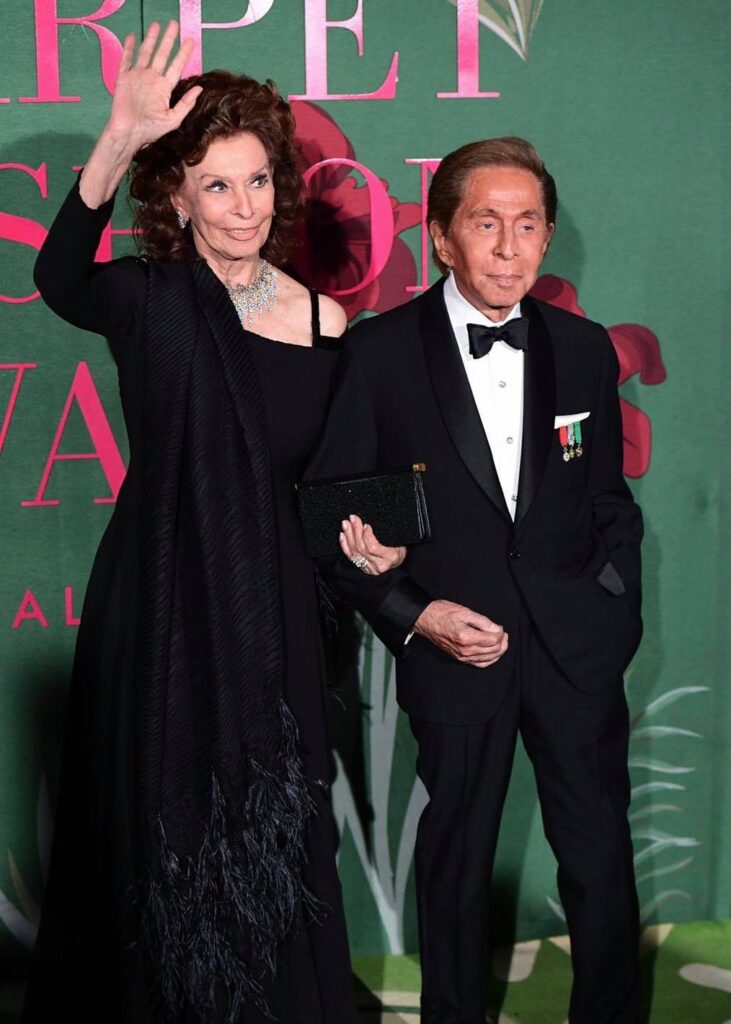
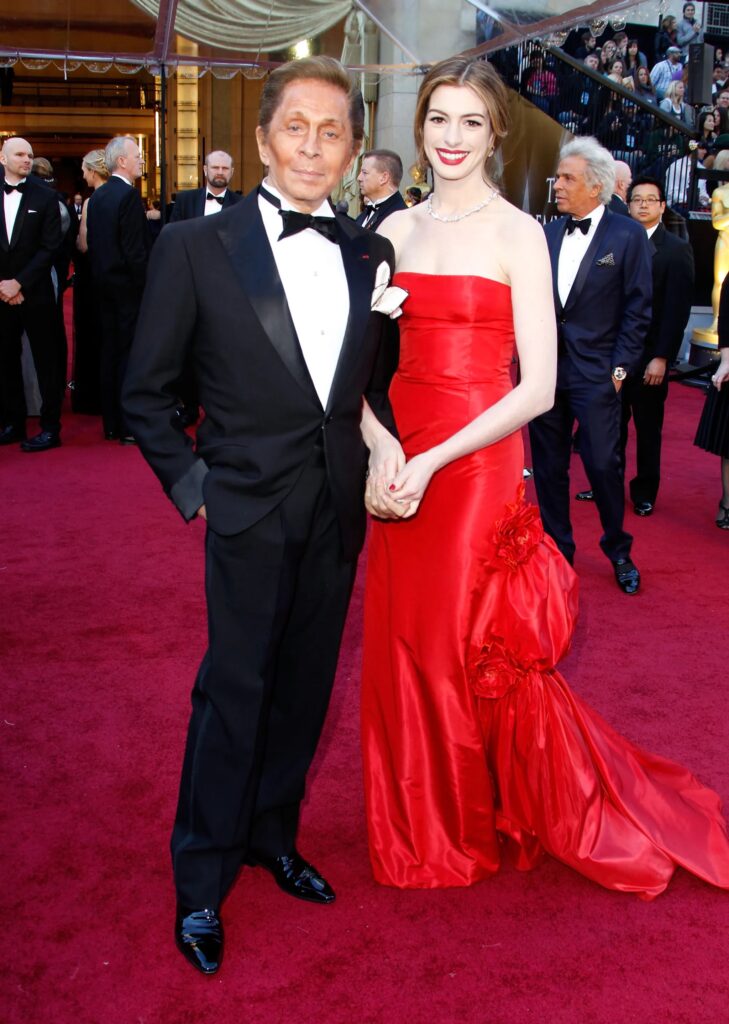
Valentino’s closest relationships were often with women from film and public life. Elizabeth Taylor wore Valentino for the premiere of Spartacus. Sophia Loren became both a client and friend, Audrey Hepburn also became one of his muses.

His most widely known design remains the white lace gown worn by Jackie Kennedy in 1968, when she married Aristotle Onassis. The dress reinforced his reputation as the designer chosen for moments that would be remembered.


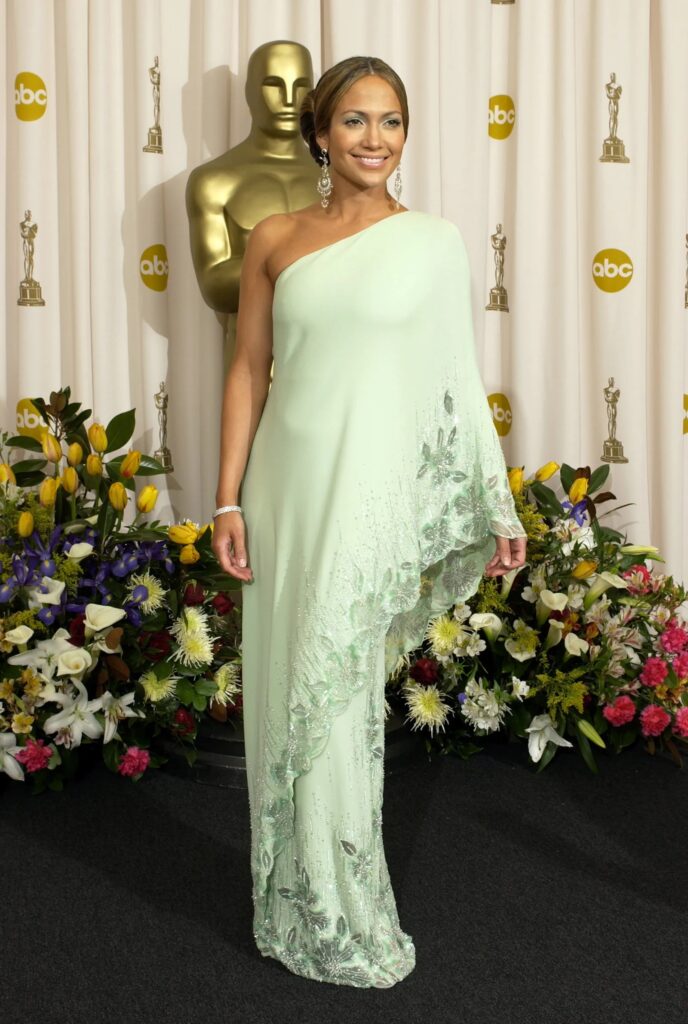
In 2001, Julia Roberts accepted her Academy Award wearing a black-and-white vintage Valentino gown. In 2003, Jennifer Lopez wore a reinterpretation of a mint green Valentino dress originally made for Jackie Kennedy in 1967.

Valentino never hid his values. He believed fashion should make women feel confident, respected, and beautiful. He openly rejected trends that focused on destruction, messiness, or irony. “Fashion goes in other directions sometimes: the grunge look, the messy look. I don’t care. I cannot see women destroyed.”
This belief guided his work through decades of shifting styles. Even when his designs went against the prevailing mood, they remained relevant, especially on the red carpet and in couture.
Later years and retirement
Valentino retired in 2008 after a final haute couture show in Paris. The house continued under new creative leadership, including Maria Grazia Chiuri, Pierpaolo Piccioli, and later Alessandro Michele. Valentino remained closely connected to the brand, attending shows and supporting designers who respected its history.

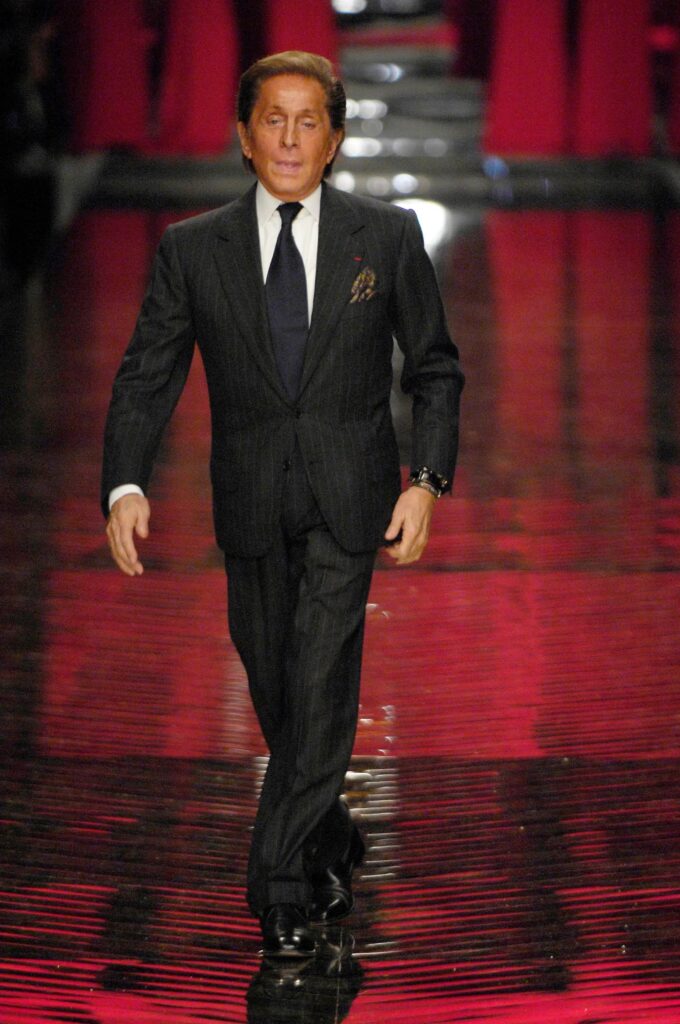

In his later years, he stayed active in cultural life, often appearing at exhibitions, fashion events, and private gatherings. In 2009, his life and work were documented in the film Valentino: The Last Emperor, which showed both his demanding nature and his deep emotional connection to his work.
Legacy
Valentino Garavani is often described as one of the last great couturiers. His influence is visible in the designers who followed him, especially those who worked closely within the house.
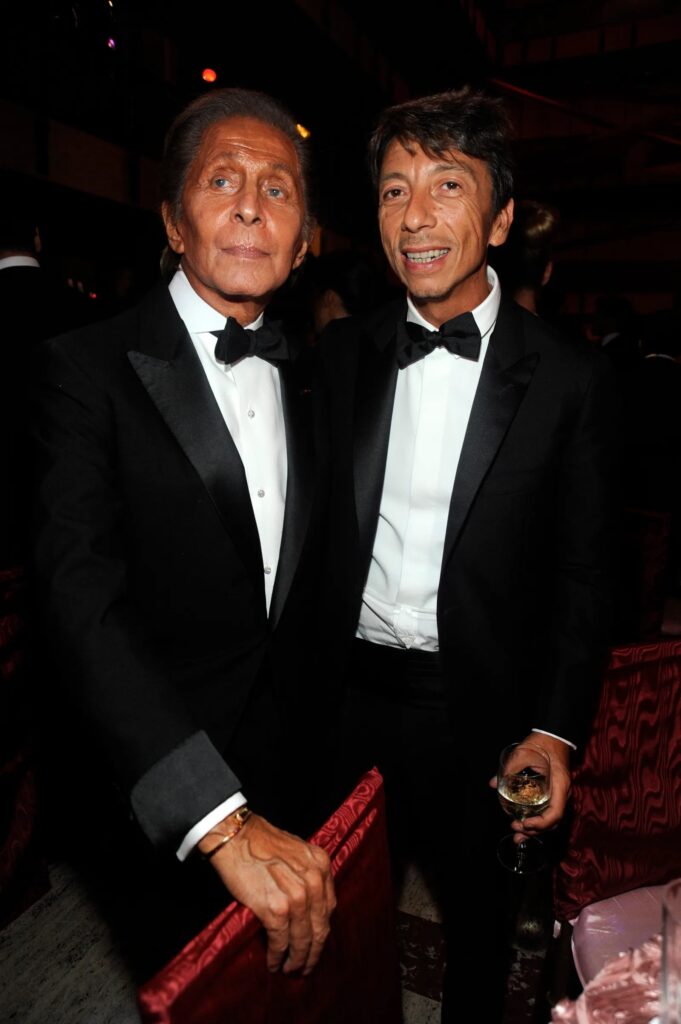
Pierpaolo Piccioli, who spent more than a decade as creative director at Valentino, spoke openly about Garavani’s impact on his own way of thinking about fashion. After Valentino’s death, Piccioli described him as “the most secure person I ever met,” pointing to a confidence rooted in craft rather than trend.
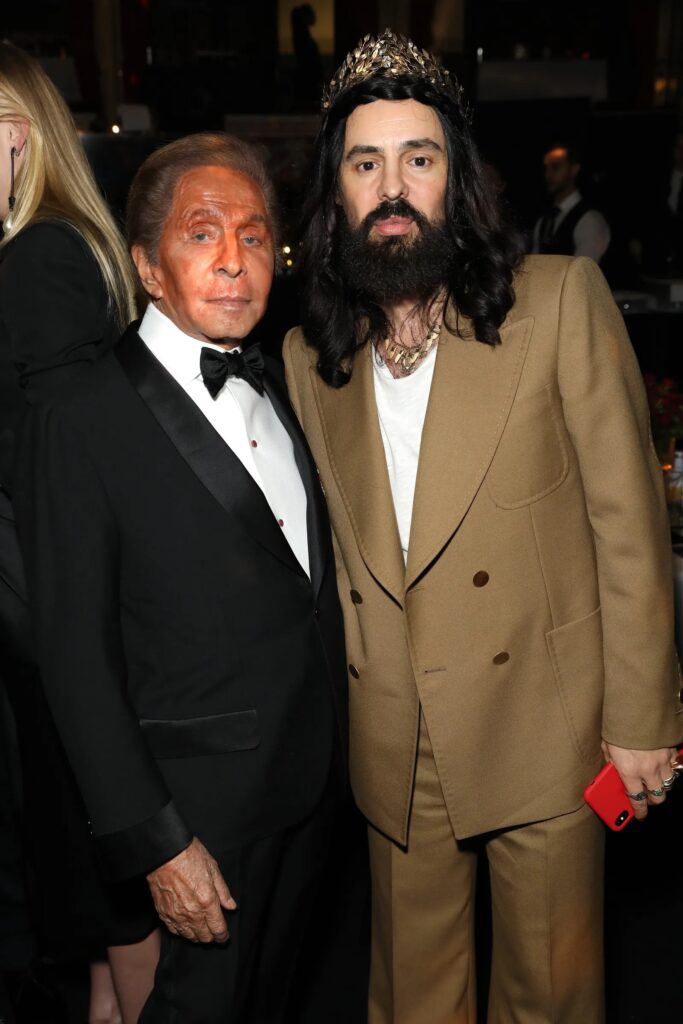
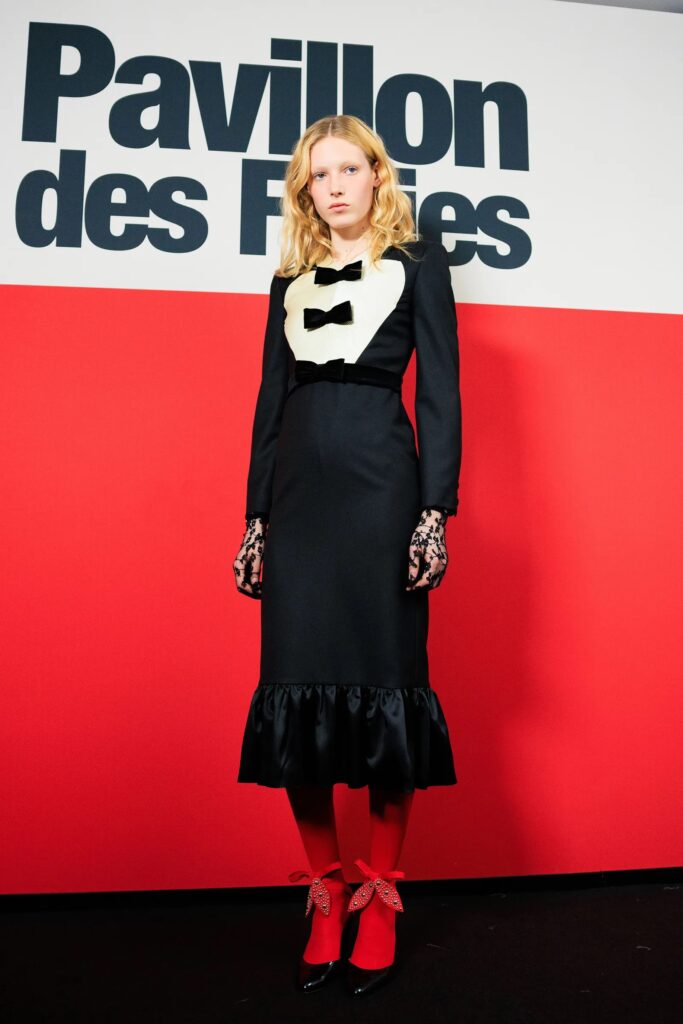
His presence is also felt in the work of Alessandro Michele, who succeeded Piccioli in 2024. Writing for Vogue after Valentino’s death, Michele described him as “almost a mythical figure” and spoke about entering Valentino’s office and archive for the first time, discovering the objects, clothes, and stories he left behind.
Related story: Pierpaolo Piccioli, who left Valentino last year, is new creative director of Balenciaga
Related story:Alessandro Michele turns a public bathroom into a runway for Valentino F/W25 show

Fiesta, Valentino’s 1959 debut design at PM23 | Photo from Whatever Milan
Beyond the runway, Valentino and Giancarlo Giammetti worked to place his legacy in a broader cultural context. Exhibitions such as Forever Valentino and the opening of PM23 in Rome presented his gowns alongside contemporary art, framing his work as part of a larger conversation about beauty, discipline, and time. These projects made clear that his designs were not meant to be frozen in history, but understood and studied.
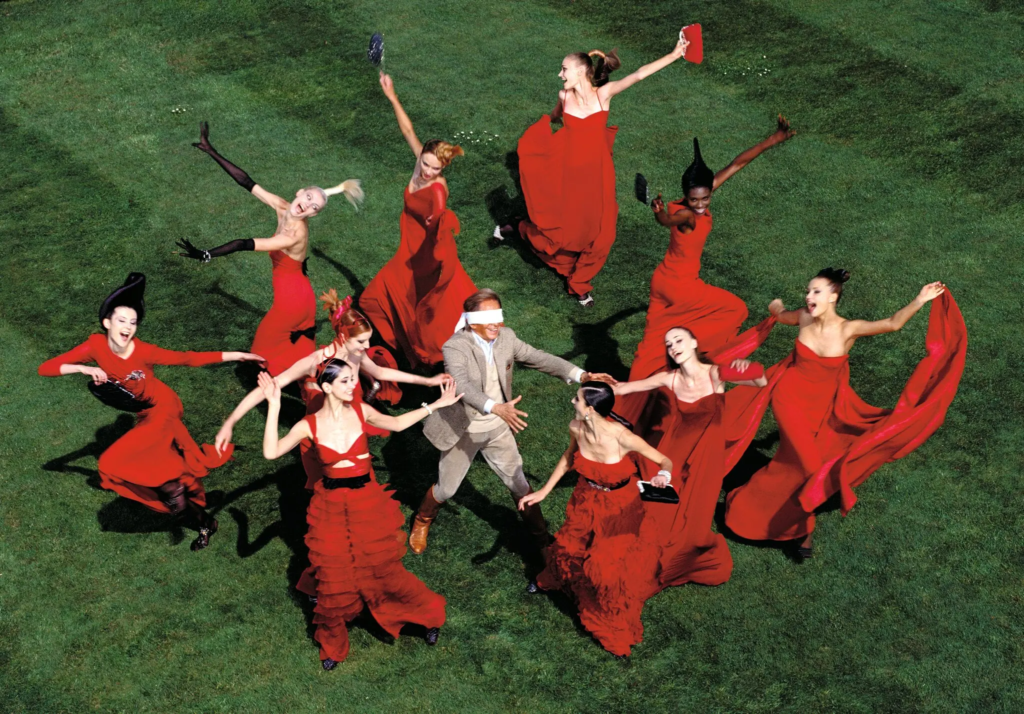
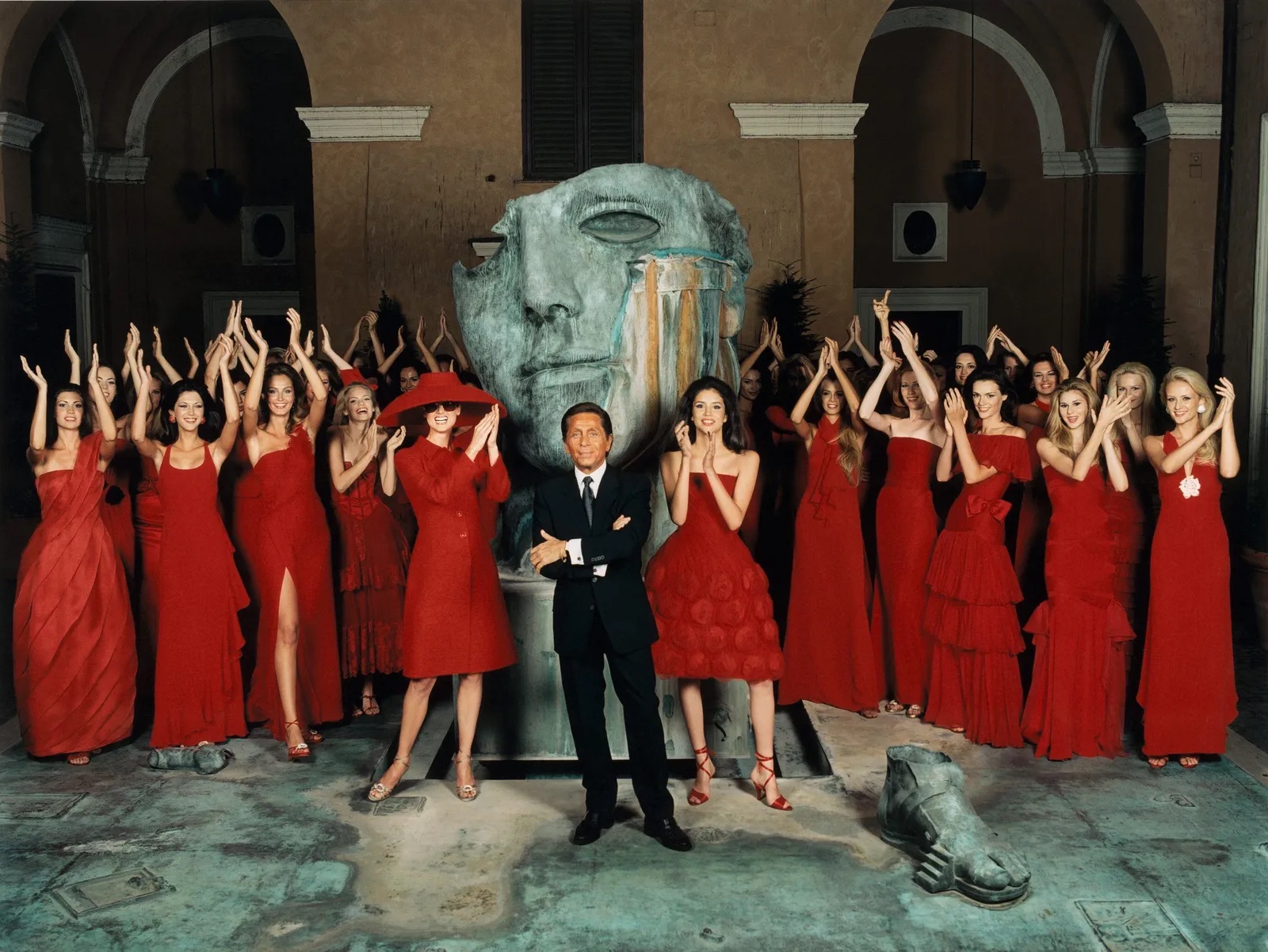
Valentino Garavani with models dressed in Valentino red at his Wideville home | Photo by Jean-Paul Goude for The New York Times
Valentino did not just design clothes. He built a way of thinking about fashion, one that is rooted in respect for the woman wearing it, in discipline, and in elegance. That language continues to guide the house today through the standards he set.
Related story: Valentino Couture is a fever dream of excess and beauty
Related story: Alessandro Michele’s debut for Valentino is a stunning harmony of fashion, art, and philosophy