
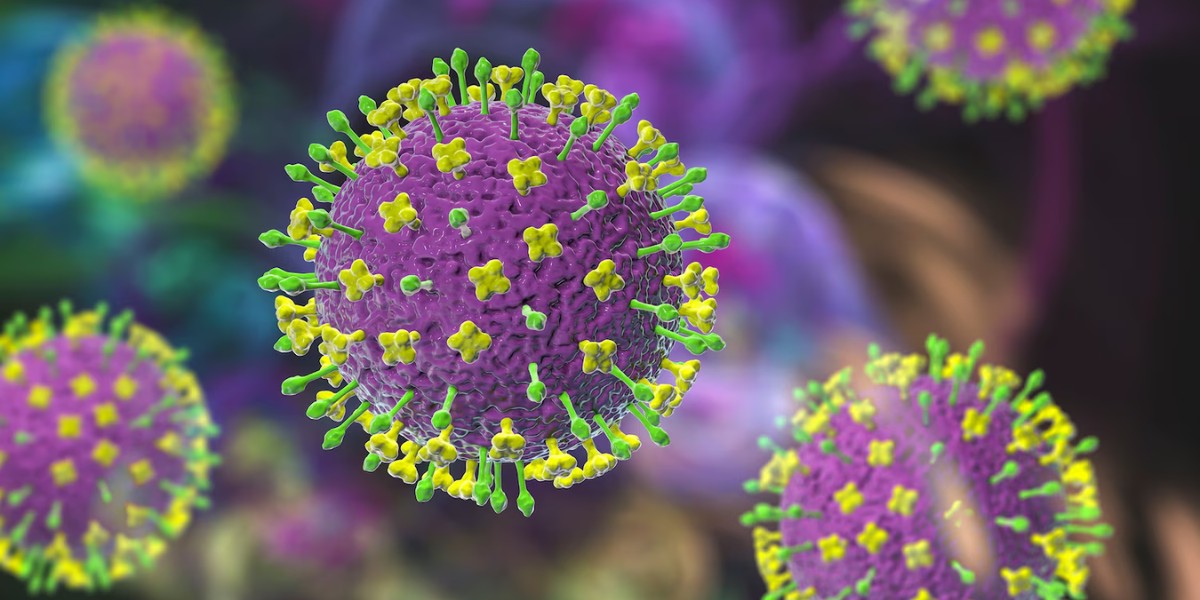

Health organizations are encouraging the public to focus on prevention rather than panic.
A new deadly virus has been causing concern worldwide and although there is no licensed vaccine or treatment against it yet, health experts have been assuring the public that it is controllable.
The virus, called Nipah, can be mistaken for an ordinary flu at the onset of the disease. It begins with symptoms such as fever, headache, and cough, which can intensify into severe neurological and respiratory deterioration. It kills more than half the people it infects, according to the World Health Organization (WHO).
It was first identified in 1998 but began sparking concern almost three decades later, on Jan. 26, 2026, when WHO reported that two cases of the rare virus were identified in West Bengal, India. “One case remains on mechanical ventilation as of 21 January, the other case experienced severe neurological illness but has since improved,” the global health agency said.
Still, health experts have been guaranteeing that preparedness, not panic, is a key solution to preventing the spread of the dreaded disease. India’s health ministry said that it had contained the outbreak. It reported that 196 contacts linked to the patients were quarantined and all tested negative. “The situation is under constant monitoring, and all necessary public health measures are in place,” it added.
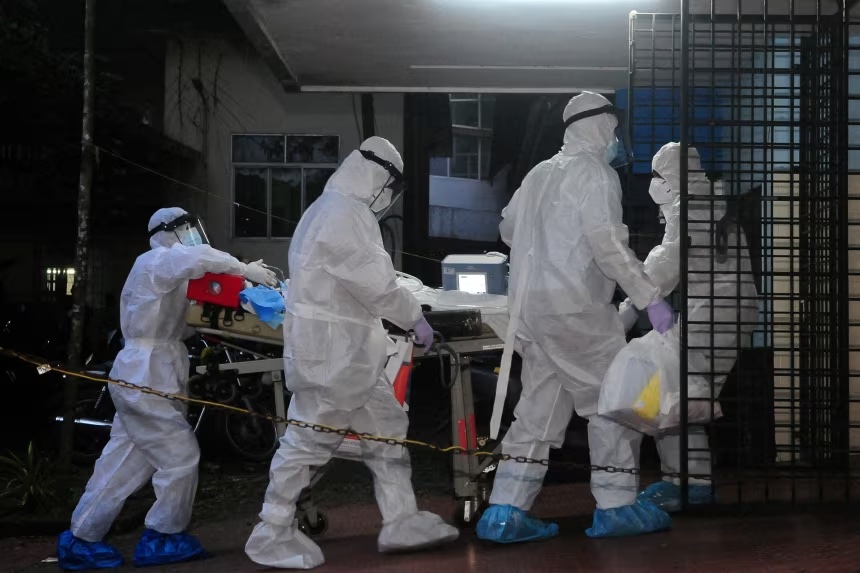
There are no reported cases outside India by far, including the Philippines. The Bureau of Quarantine of the Department of Health (DOH-BOQ) said on Saturday, January 31, that Nipah virus has not been detected in the country. “As of now, since the issue about Nipah [virus] rose, we haven’t monitored or intercepted the virus even from those arriving from the direct flight from India,” BOQ officer-in-charge Dr. Roberto Salvado said in Tagalog in an interview with DZMM Teleradyo.
Salvado said that the Philippines, along with other Asian countries like Thailand and Taiwan, has been heightening its efforts to prevent the virus from entering the country’s borders. The e-Travel system, for one, has been helping them closely monitor passengers from direct flight arriving from India.
Border surveillance and screening protocols are likewise in place at ports and airports. Salvado added that the bureau’s nurses have been monitoring the temperatures of arriving passengers and assessing if they have rashes or other symptoms related to the Nipah virus disease.
Related story: What is the flu and when can it turn deadly?
Related story: Give your heart some lovin’—eight tips for a heart-healthy lifestyle
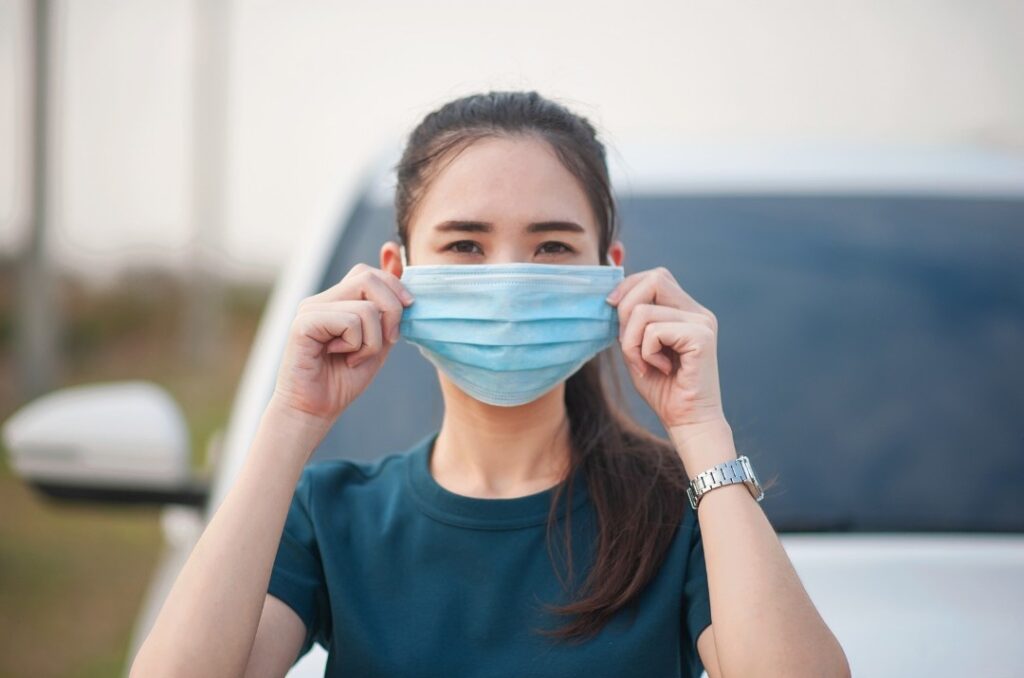
He also encouraged the public to avoid risk and ensure their own safety when traveling to countries with a history of the virus outbreak. “It is important to remember that if you are traveling abroad, educate yourself in the possible diseases you can contact from there,” he said. “Always remember the standard precaution: wear a face mask, wash your hands, social distance to prevent being infected if we are exposed to the disease abroad.”
Here’s what you need to know about the disease and why it is important to protect yourself and your loved ones against it.
What is Nipah virus?
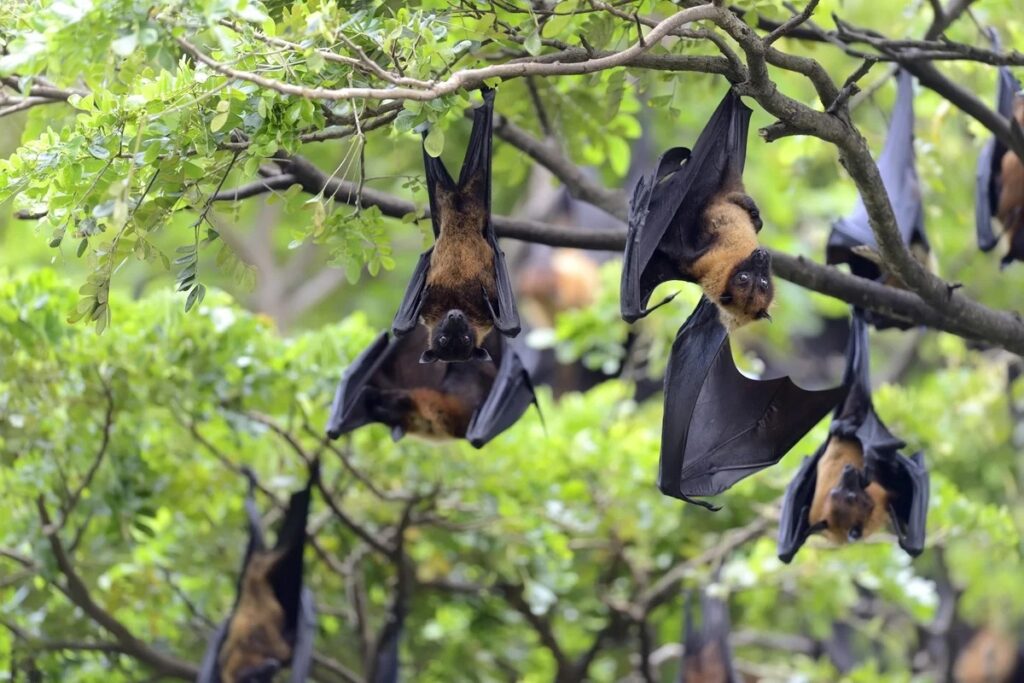
Nipah virus disease, or NiV infection, is a zoonotic disease, which means it is transmitted to humans through infected animals, primarily fruit bats or flying foxes, as well as pigs and other animals like goats, horses, dogs or cats.
The virus spreads when people or animals have contact with the saliva urine, feces, or blood of the infected animals, or when they eat food’s contaminated. It can also be transmitted from person to person, usually through close contact with someone that has Nipah virus.
Nipah is part of the family of viruses as measles, and is named after the village in Malaysia where the first recorded patient lived. According to WHO, it was first detected in 1998, when it led to 100 deaths in Malaysia and Singapore. Since then, outbreaks happen almost every year in parts of Asia, primarily Bangladesh and India. Reported cases remain relatively low except in 2001, when 66 cases were detected in India. Meanwhile, NiV was last in the Philippines in 2014, when 17 cases were reported in Sultan Kudarat.
How dangerous is it?
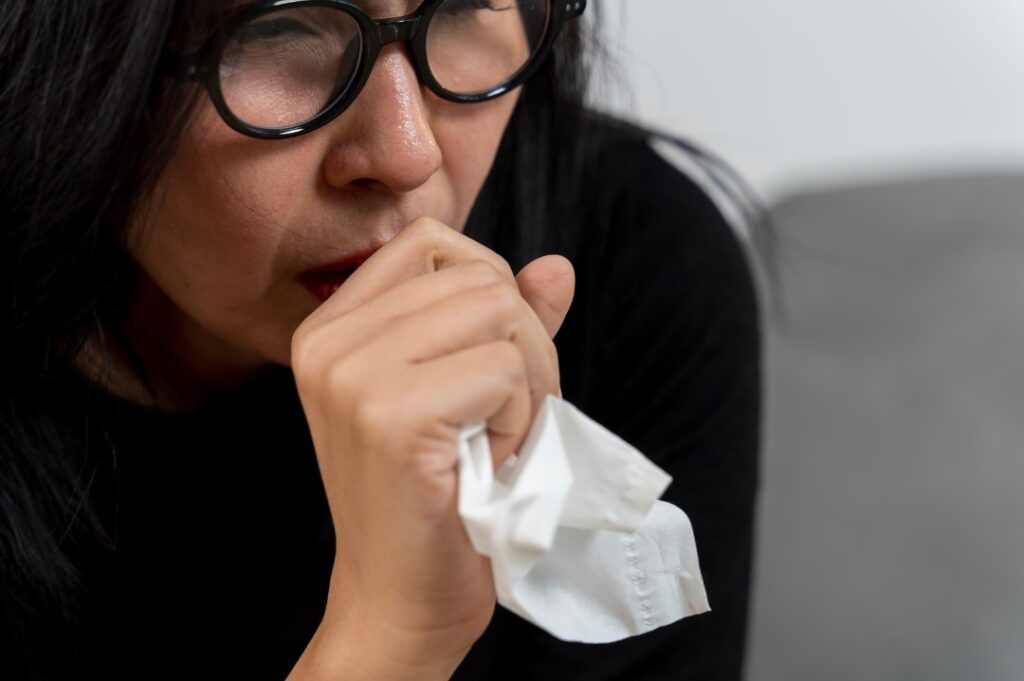
NiV infection can be mistaken for an ordinary flu at the onset of symptoms, particularly fever, headache, cough, sore throat, difficulty breathing, vomitting, muscle pain, weakness, and diarrhea. They typically begin within four to 14 days after exposure to the virus, starting with a headache then difficulty breathing later. WHO noted, though, that for some people. NiV may be asymptomatic.

Related story: Gut health? Five fascinating facts about our gastrointestinal tract and how to keep it healthy
Related story: Southeast Asian countries top global intake of microplastics. What does this mean to our health?
NiV can be deadly—killing around 40% to 70% of people infected with the disease. It usually happens when a person develops complications, particularly inflammation of the brain (encephalitis or meningitis), which typically develops 3 to 21 days after the initial illness begins.
In severe cases, the virus can attack parts of the brain that control basic life functions, causing confusion, slurring speech, abnormal eye movement, and seizures. It can also lead to coma and respiratory distress.
How is it treated and prevented?
Like the first outbreak of the COVID-19 pandemic, no vaccine or drug specifically for Nipah has been developed yet. A drug called riparian, which has been used with other drugs to treat chronic hepatitis C, may offer some befit but results are not guaranteed.
Health experts are instead entouraging the public to focus on prevention by reducing the risk of animal-to-human transmission by avoiding areas with flying fox bats or sick pigs, as well as avoiding touching or eating anything that could be soiled by infected animals.
When caring for a patient with NiV, it is best to avoid contact with their blood or body fluids, and wash your hands regularly with soap and water. If you are exposed to someone infected, always remember to wear a face mask, wash your hands, and practice social distancing to avoid spreading the disease.
Related story: Health check: Medical procedures women in their 25s to 30s should prioritize
Related story: Women, it’s time to pay attention to muscle loss