
At The Westin Manila, a hands-on session makes matcha easier to understand, prepare, and actually enjoy.
I’ve always been a coffee person. Strong, immediate, reliable. It carries you through early calls and long afternoons, and for a long time, that was enough. Matcha felt like something separate from that routine—something I would order occasionally, but never fully commit to.
That started to shift as I became more aware of how I felt throughout the day. I didn’t want to give up coffee, but I was open to finding something that could balance it. And to me, matcha entered that space slowly.
Related story: El Gato, The Fat Cat, and Offbeat offer drinks you can eat, dishes you can sip
Related story: Starbucks is streamlining its menu. Will you have to say goodbye to your go-to drinks soon?
What matcha actually is and why it feels different
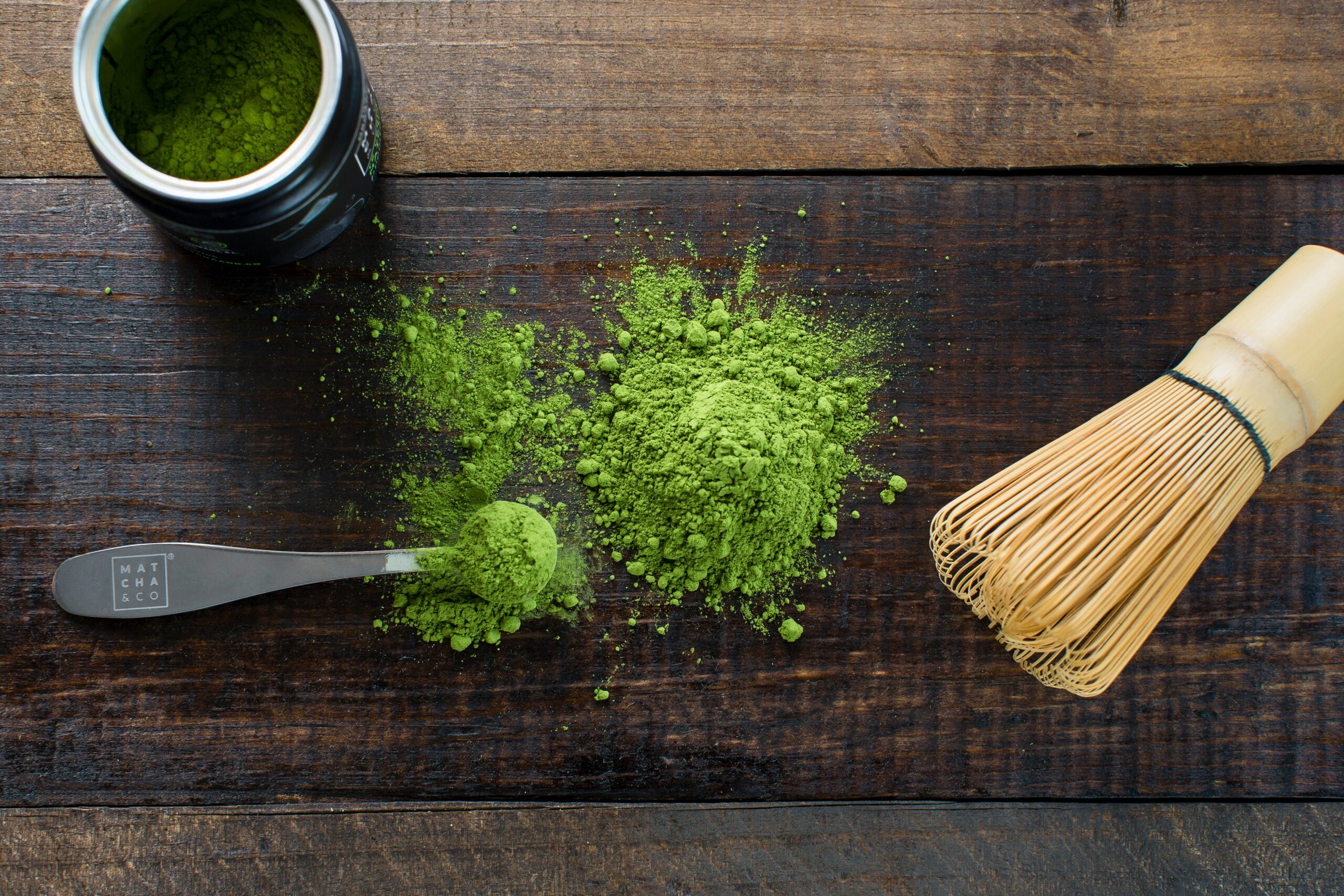
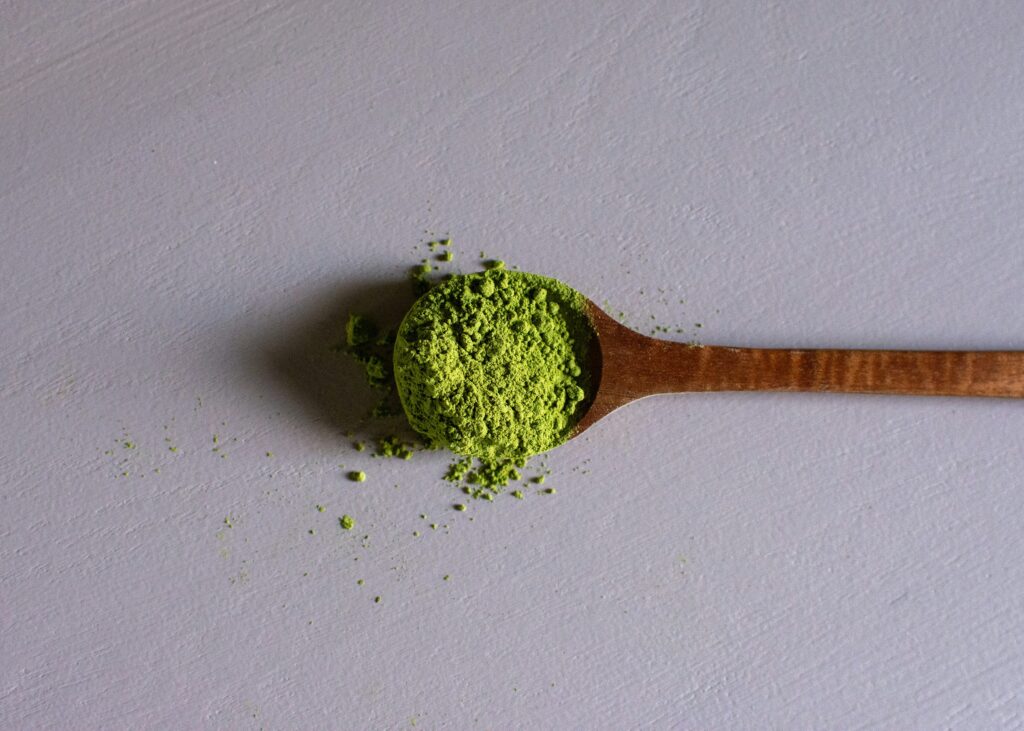
Matcha has long been part of Japanese tea culture, traditionally prepared in tea ceremonies where the process is just as important as the drink itself. It comes from the same plant as green tea, Camellia sinensis, but is grown and processed differently. The leaves are shaded before harvest, which increases compounds like chlorophyll and L-theanine, then ground into a fine powder. Unlike regular green tea, where leaves are steeped and discarded, matcha is consumed whole. That makes it more concentrated.
According to experts cited in The New York Times, this concentration means matcha contains higher amounts of compounds also found in green tea, including antioxidants that help protect cells from damage. It also contains L-theanine, an amino acid that has been linked in small studies to improved focus and reduced stress, as well as caffeine, which supports alertness and cognitive function.
At the same time, research on matcha itself remains limited. Its benefits are best understood as part of what we already know about green tea. It is a healthy beverage, but not a shortcut or cure-all. What you add to it—especially sugar and cream—still matters.
Ordering matcha is easy, understanding it is quite not
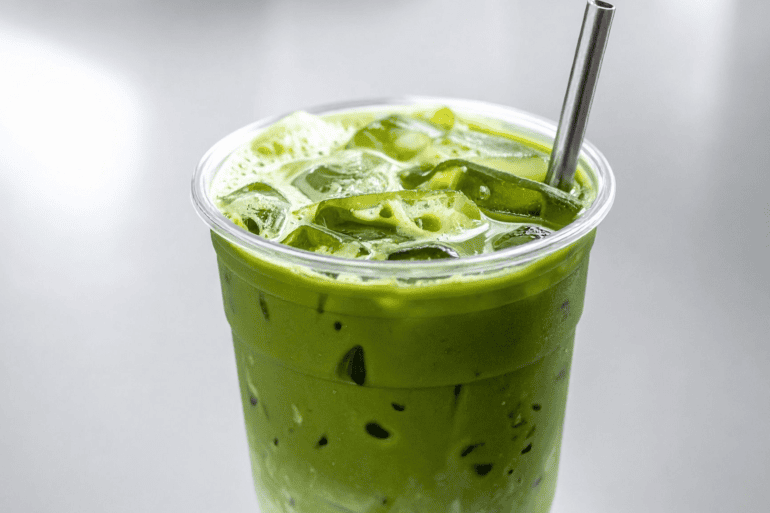
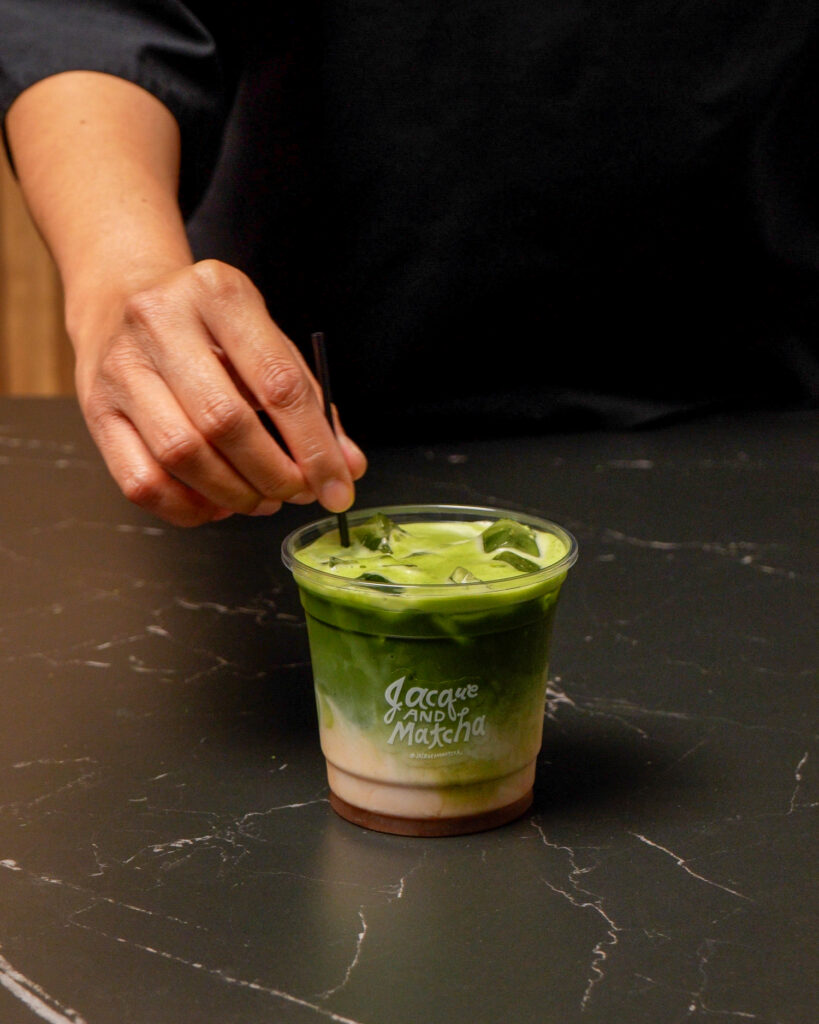
Before attending the workshop, my version of matcha was simple. I liked it iced, with full cream or oat milk, and a bit of simple syrup. Creamy, slightly bitter, with that earthy note that makes it distinct. What I didn’t realize was how much variation exists behind that one drink.
At the workshop led by Jacque Medestomas of the Urasenke Tankokai Manila Association, participants are introduced to how matcha is grown, processed, and categorized. These details directly affect how it tastes.
Related story: Dua Lipa joins Nespresso as Global Brand Ambassador, fronting new ‘Vertuo World’ campaign
Related story: Bacha Coffee expands to the Philippines with first Manila store
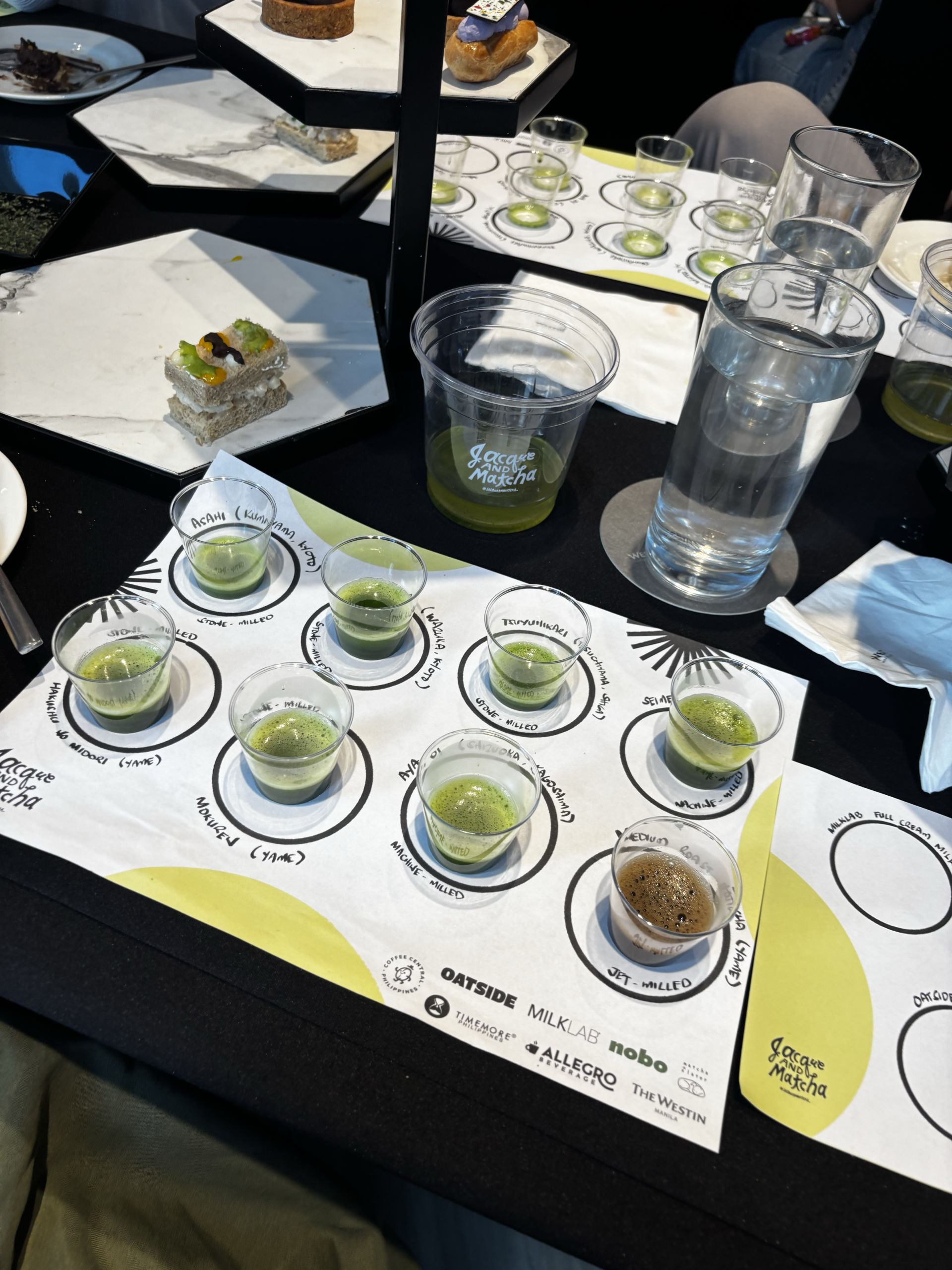
Tasting different varieties made that clear. Asahi stood out immediately to me, with a strong umami profile and a savory quality that reminded me of roasted seaweed. Okumidori felt more familiar, grassy and earthy, closer to what most people expect. Tsuyuhikari offered a softer balance, lighter and easier to approach.
Experiencing them side by side changes how you think about matcha. It is not a single flavor, but a range shaped by origin, cultivation, and processing.
Learning how to make it removes the intimidation
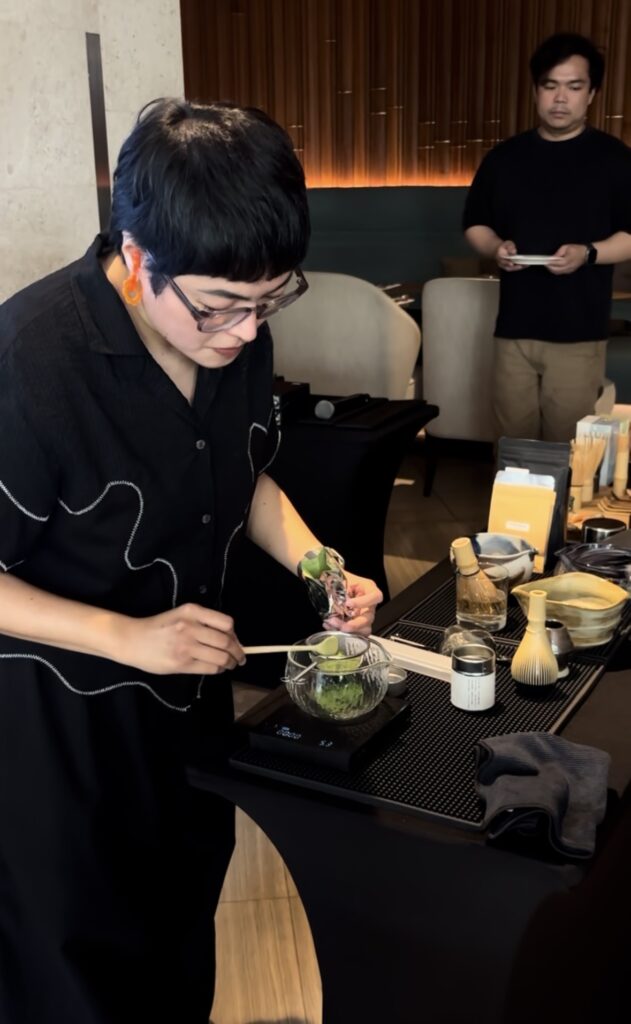
One of the biggest barriers to getting into matcha is the preparation. The tools and techniques can feel unfamiliar, especially if you are used to simply ordering your drink. The workshop addresses that directly. Participants are guided through each step, from sifting the powder to whisking it properly. It is hands-on and structured, which makes the process easier to follow.
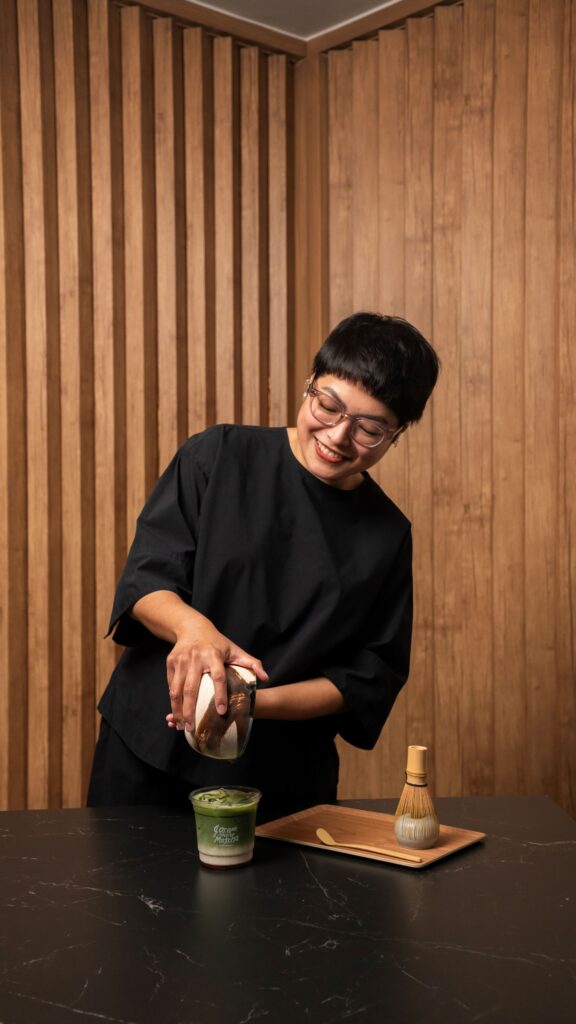
At first, it still felt intimidating. There is a certain precision to it, and it is easy to think you might get it wrong. But with practice and guidance, it becomes manageable. By the end of the session, I felt confident enough to prepare a decent cup on my own.
That shift matters. It turns matcha from something you buy into something you can make.
Rethinking energy without giving up coffee
Matcha is often framed as a better alternative to coffee, but the comparison is more nuanced than that. Both contain caffeine, and both can support focus and alertness.

Matcha’s combination of caffeine and L-theanine may create a more gradual release of energy, which some people find easier to sustain throughout the day. Coffee, on the other hand, delivers a quicker effect that many people still rely on.
The difference comes down to preference and routine. For me, it is not about choosing one over the other, but about having both.
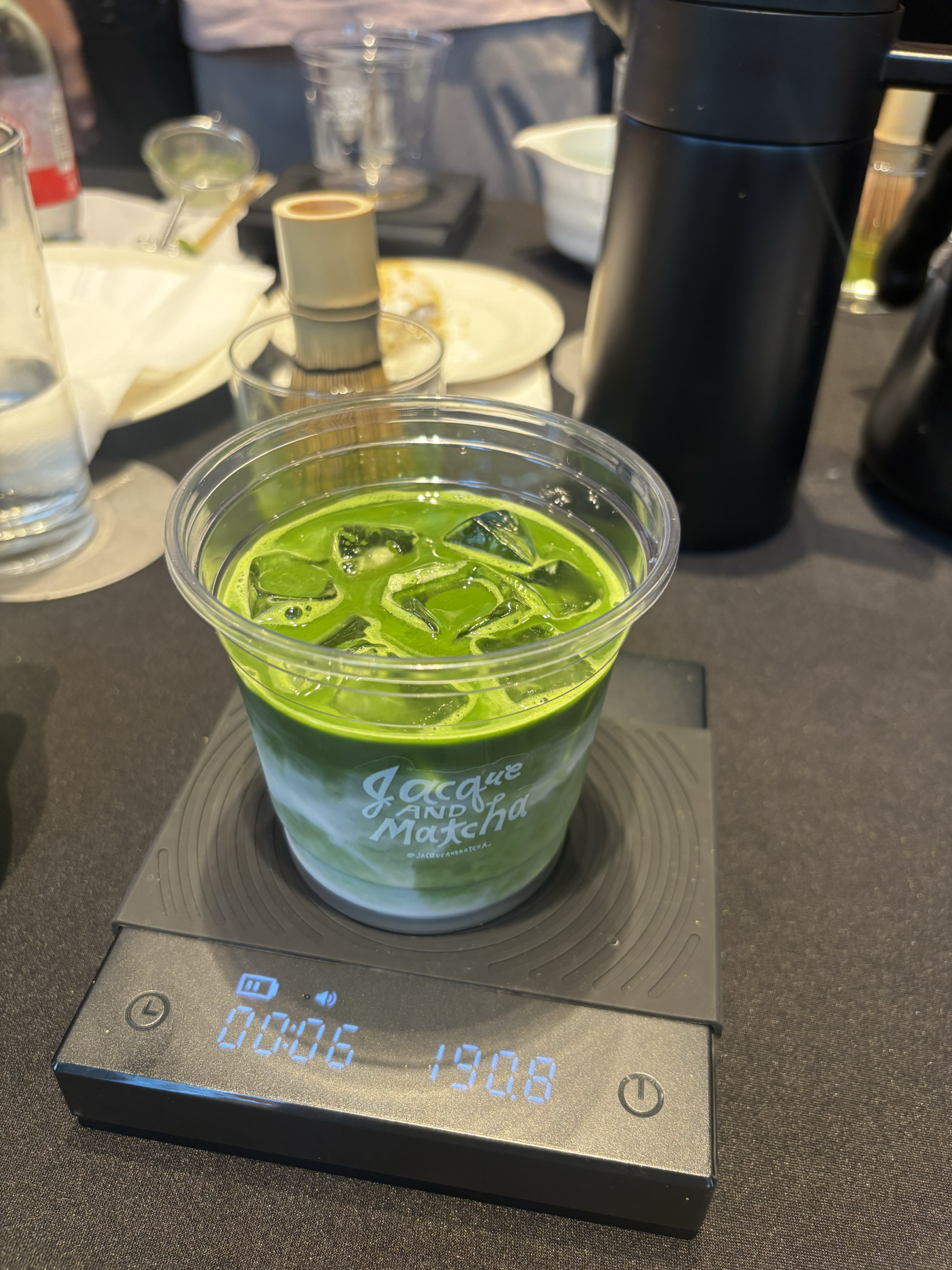
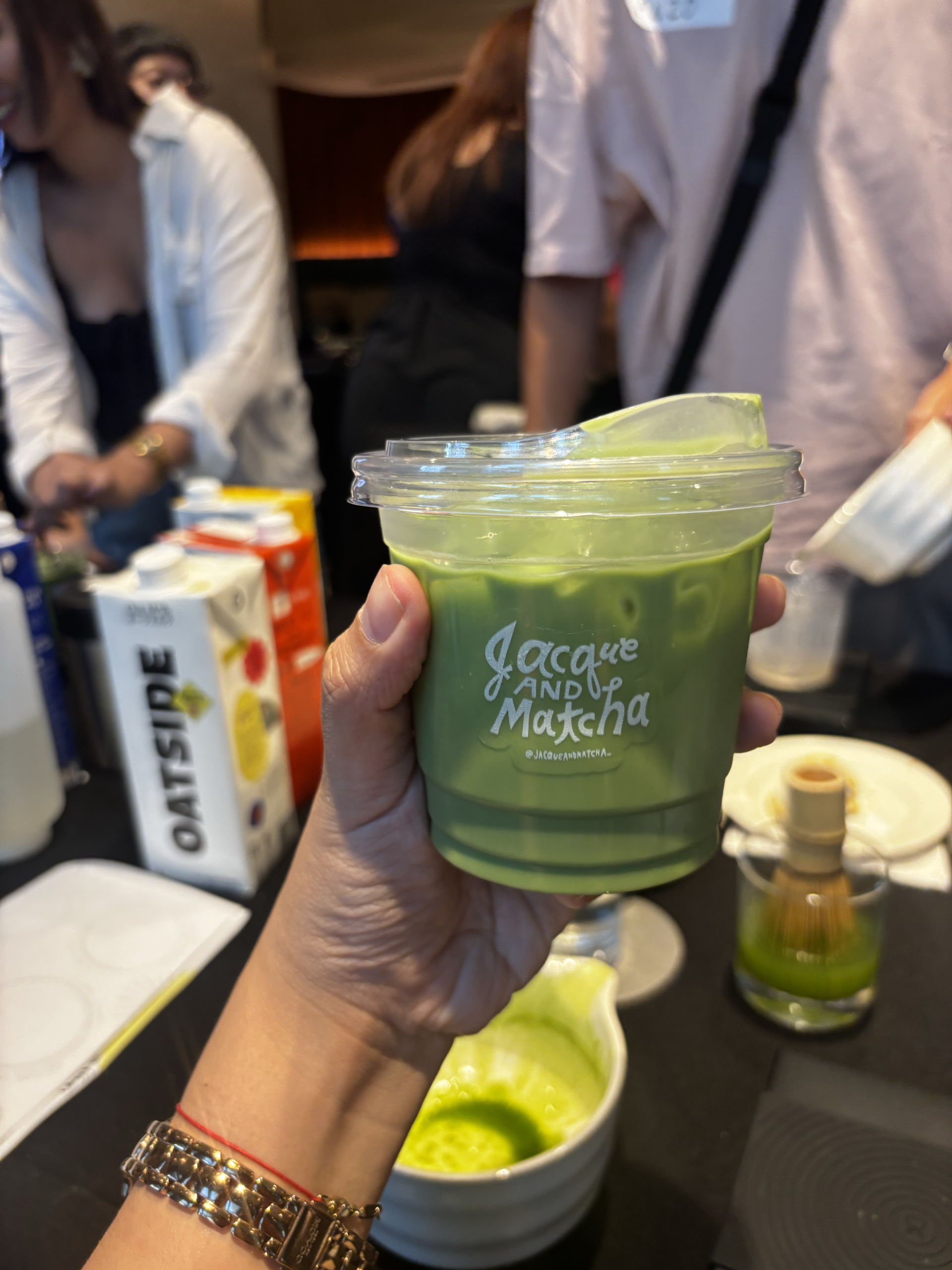
Finding what works for you
I still prefer my matcha the same way—iced, with milk, and lightly sweetened. Creamy enough to soften the bitterness, but still allowing the earthy flavor to come through.
What has changed is how I approach it. I now understand the differences between varieties, what flavors I enjoy, and what to look for when choosing matcha to buy.
The workshop at The Westin Manila, offered every last Saturday of the month at P3,900 per person, includes all tools, ingredients, and an individual afternoon tea set served during the session. It provides a structured way to learn, taste, and practice.
For anyone curious about matcha, it offers a clear starting point. Not to replace what you already enjoy, but to expand it with a better understanding of what goes into your cup.
Related story: The World’s 100 Best Coffee Shops 2026 is out and Yardstick is the Philippines’ sole entry at No. 34
Related story: A night of good food, magic tricks, and film-inspired cocktails with The Han-Jia at Three Dots