
Wellness right now is all about going simple, subtle, and small. No few trends capture that better than ear seeding—a tiny adhesive biohack said to support the whole body.
Ear seeds are having a moment again. We first saw a massive spike of this trend during the lockdown era, back when our TikTok algorithm circles around alternative healing beyond green juices and gua sha. Now, it’s making a second wave, fueled by Korea’s competitive beauty and wellness scene.
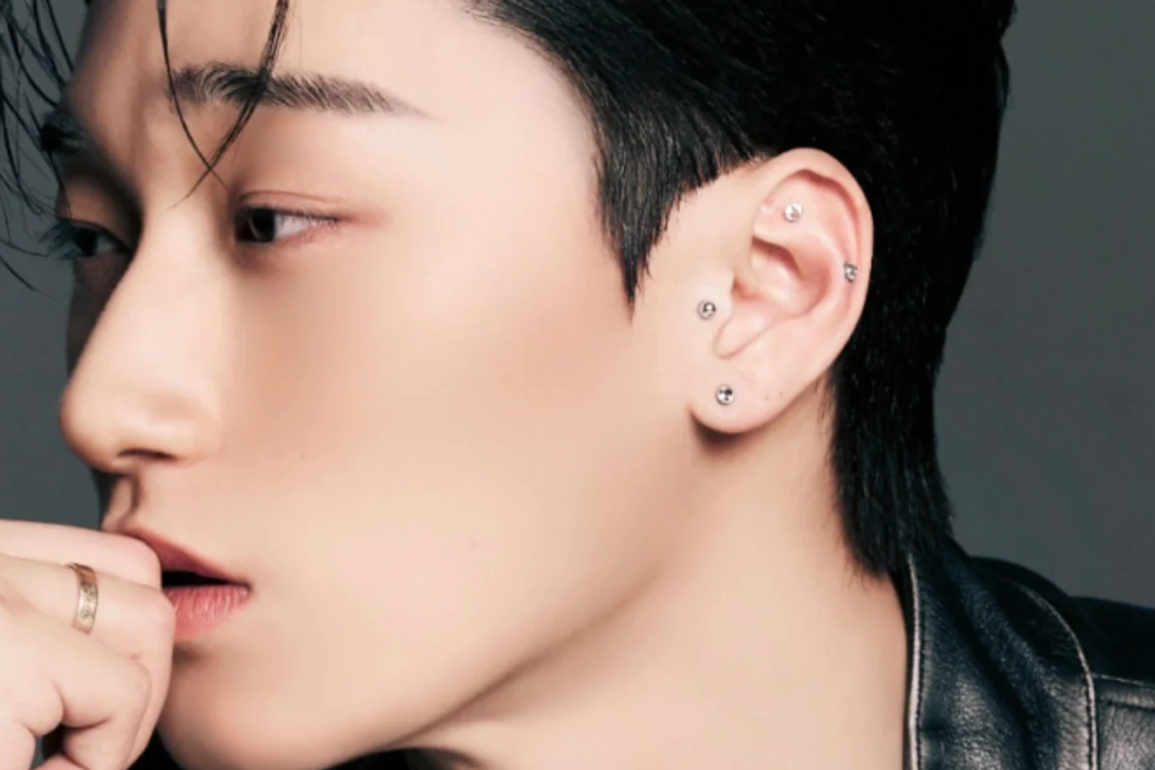
Scroll long enough and you’ll spot skincare enthusiasts, wellness devotees, and K-pop idols like BTS’ J-Hope and SEVENTEEN’s Mingyu with tiny beads mapped across their ears.
Related story: Girls only: 5 women-oriented gyms, sports, and fitness studios in Metro Manila
What exactly is ear seeding?
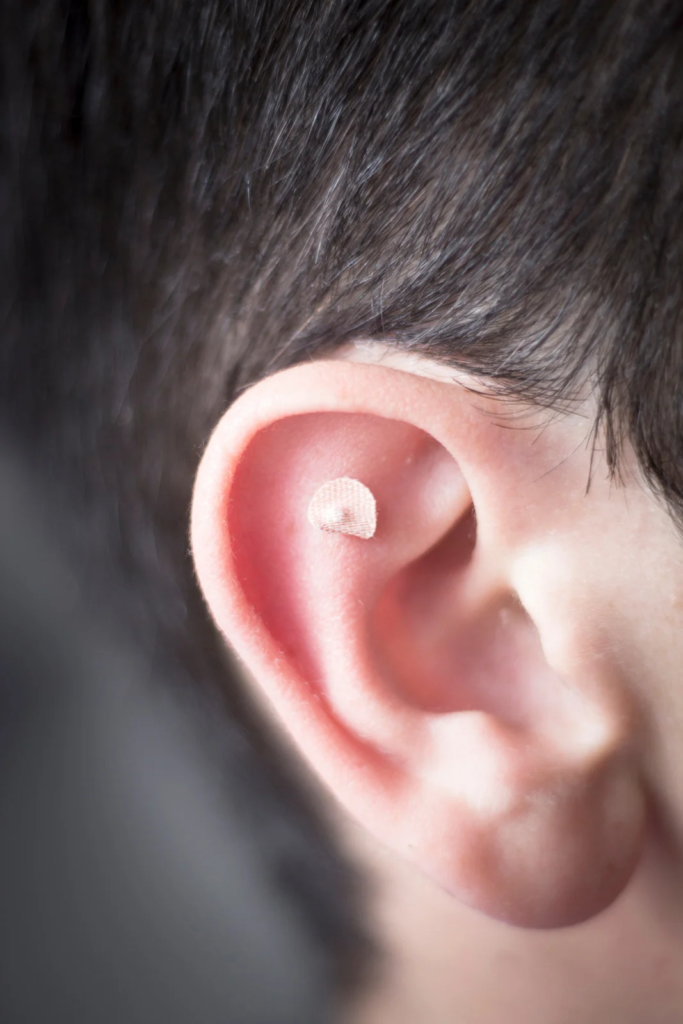
Contrary to what the name suggests, nothing is sprouting from your ears. Ear seeding is a form of acupressure, a needle-free alternative to acupuncture, that targets specific points on the ear believed to correspond to different parts of the body.
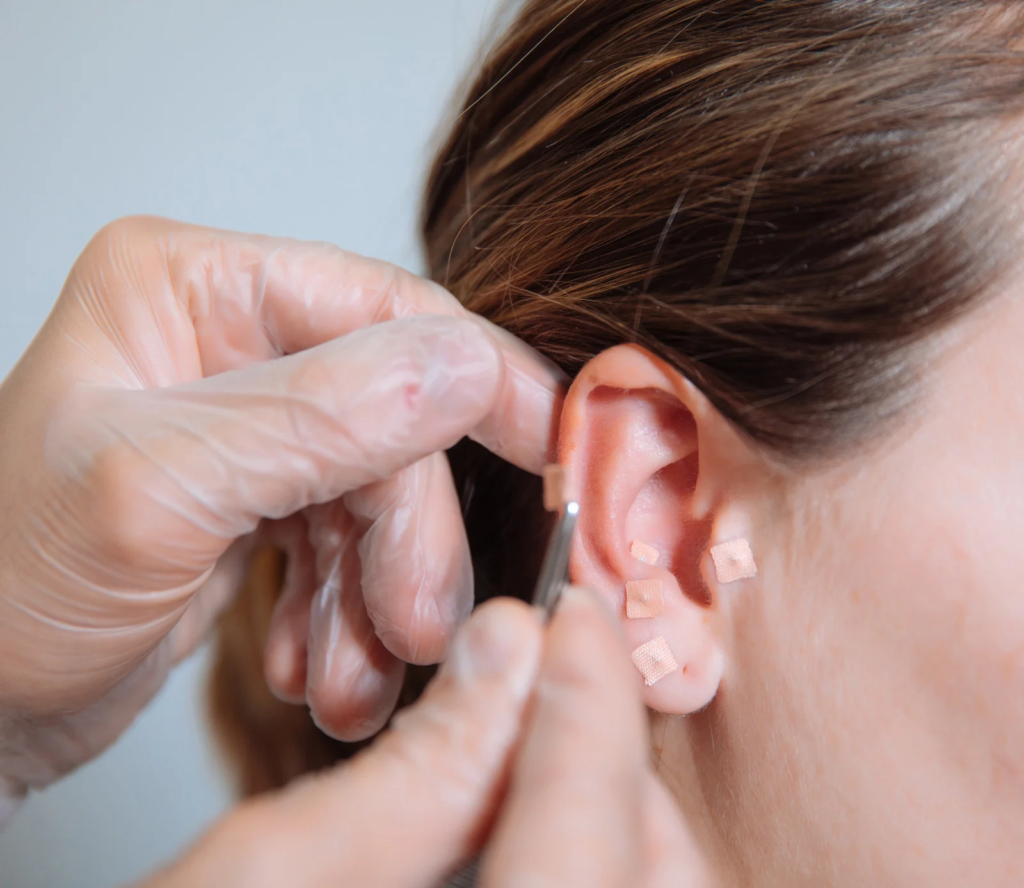
A practice tucked inside Traditional Chinese Medicine (TCM), this wellness hack uses tiny Vaccaria seeds (yes, an actual plant seed) secured onto these pressure points with adhesive stickers roughly the size of a fingernail. Yet today, they’re more likely to be modernized beads made of metal, magnets, ceramic, titanium, or ion pellets.
In this TCM-based therapy, it’s not random accessorizing since each placement matters. Stimulate the right spots, and you can influence how your body feels and functions. Everything has its place on the ear’s topography: a point for stress, another for digestion, sleep, or focus.
Related story: Health check: Medical procedures women in their 25s to 30s should prioritize
Why is it trending again?
The platform’s ongoing fixation with de-puffing, sculpting, and “fixing” the face has made ear seeding an easy sell. It promises subtle, non-invasive results, often packaged in aesthetically pleasing content: glowing skin, delicate placements, and better sleep.
But…not all claims hold up. While ear seeding is grounded in legitimate traditional practice, experts are quick to caution against some of the more viral narratives. Claims linking it directly to facial slimming or “cortisol face” (a term not recognized medically) lean more into wishful thinking than science.
Facial puffiness is often a matter of fluid retention, sleep position, or natural lymphatic flow, not something a single pressure point can instantly resolve. In many cases, the body already does the work on its own.
Still, the appeal is pretty much clear: it’s low-effort, visually appealing, and feels intentional. What we cannot deny is that it’s suited for the current wellness era.
How do you use ear seeds?
First, you want to start by what you want to address or improve. A licensed acupuncturist typically begins by identifying your concerns (may it be stress, insomnia, chronic pain) and mapping out the corresponding points on your ear.
Once placed, the seeds stay on for several days, during which you gently massage them to stimulate the area. That repetitive motion of “press, pause, repeat” becomes part of the ritual.
DIY kits have also made ear seeding more accessible, but experts still recommend consulting a professional first. You may ask your acupuncturist where exactly to apply it for your benefit. Placement is important, and the ear’s intricate network of over 120 acupressure points leaves plenty of room for error.
Related story: It might be time to stop taking melatonin supplements as sleeping aid. Here’s why
If you do go the at-home route without spiraling, here’s the general flow you may follow:

- It’s best to begin with clean ears by removing oils and residue.
- Use the chart or guide given by your acupuncturist to locate pressure points for accuracy and effectiveness.
- Apply the seeds using tweezers or have someone assist you to ensure precision and prevent the seed from slipping out of place. Bet you don’t want it to slip into your ear canal!
- Gently press on them a few times a day to activate the points.
Typically, they stay on for 3 to 5 days. After that, you remove them and let the skin breathe for a while. Repeat if needed.
The benefits and what to watch out for
Part of the appeal is its low-stakes wellness. Not everyone wants needles, supplements, or a draining step-by-step routine. Its aesthetic minimalism with macro-impact is why everyone’s suddenly obsessed with ear seeding.
More than just ear candy, devotees claim it helps manage anxiety, improve sleep, reduce tension, and even control cravings. From a scientific standpoint, clinical data is still playing catch-up to the viral hype, but the research we do have is promising. Clinical observations continue to flag ear seeding as a legitimate contender for managing insomnia and pain, with researchers now digging into just how far these tiny beads can push our internal limits. As of yet, this places ear seeding in a familiar gray area of modern wellness.
For something so small, ear seeds come with a fair share of considerations; they aren’t entirely risk-free. The ear’s skin is sensitive, and improper application and overuse can lead to irritation or infection. Allergic reactions are also possible, especially if you’re sensitive to latex, adhesives, or certain metals.
There’s also the risk of incorrect placement. Stimulating the wrong point might result in no effect or, in rare cases, discomfort like dizziness or nausea. Another practical concern is seeds can fall off, which is one of the reasons professionals recommend careful application and ideally, not entirely solo.
Most importantly, ear seeding shouldn’t be used to self-diagnose or treat pre-existing health issues. It’s not a substitute for professional medical care. Chronic issues, severe pain, or underlying conditions require more than a seed and a sticker. They may point to bigger health concerns that need proper evaluation. Consulting a professional is still the smarter route.
Related story: Gut health? Five fascinating facts about our gastrointestinal tract and how to keep it healthy