
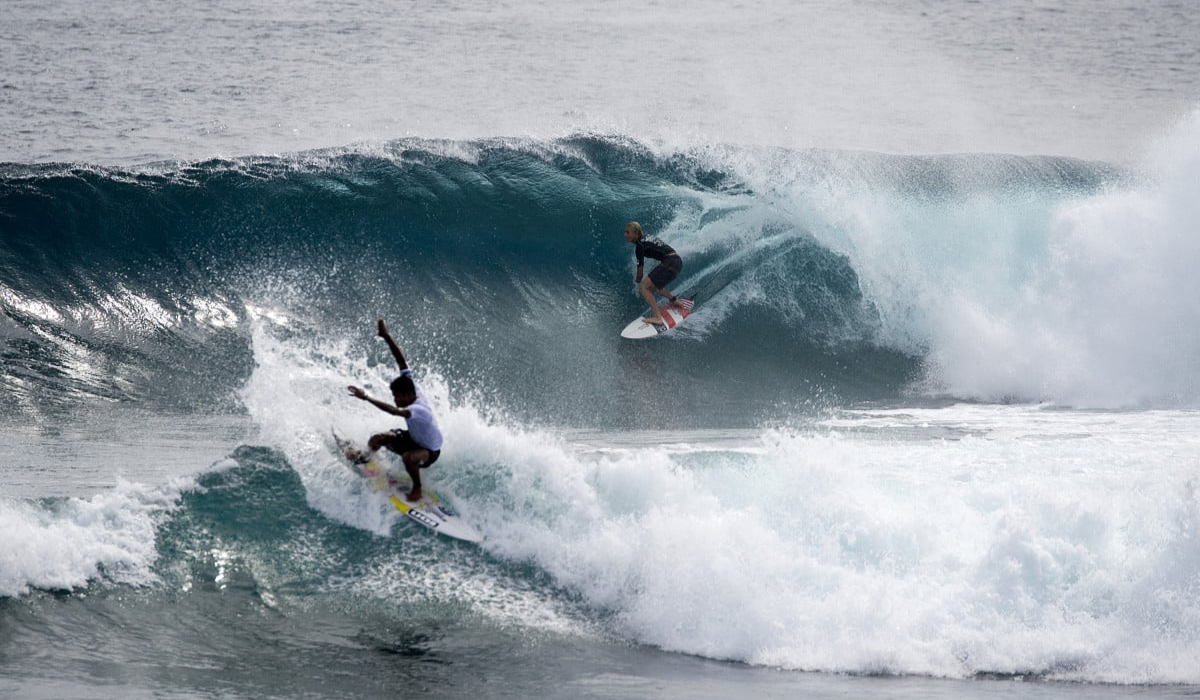

The archipelagic nation offers a wide range of surf spots across its islands. You’re never limited to just one place.
Surfing in the Philippines is not defined by a single destination, but by variety. Across the archipelago, waves come in different forms—from soft beach breaks made for first-timers to powerful reef waves that demand experience and patience.
What makes the country stand out is not just the quality of its surf, but how accessible it is across levels. Whether you are learning how to stand or looking for your next challenge, there is a spot that fits.
Here are five places that capture the range of what Philippine surfing has to offer:
Where to start, where to push further
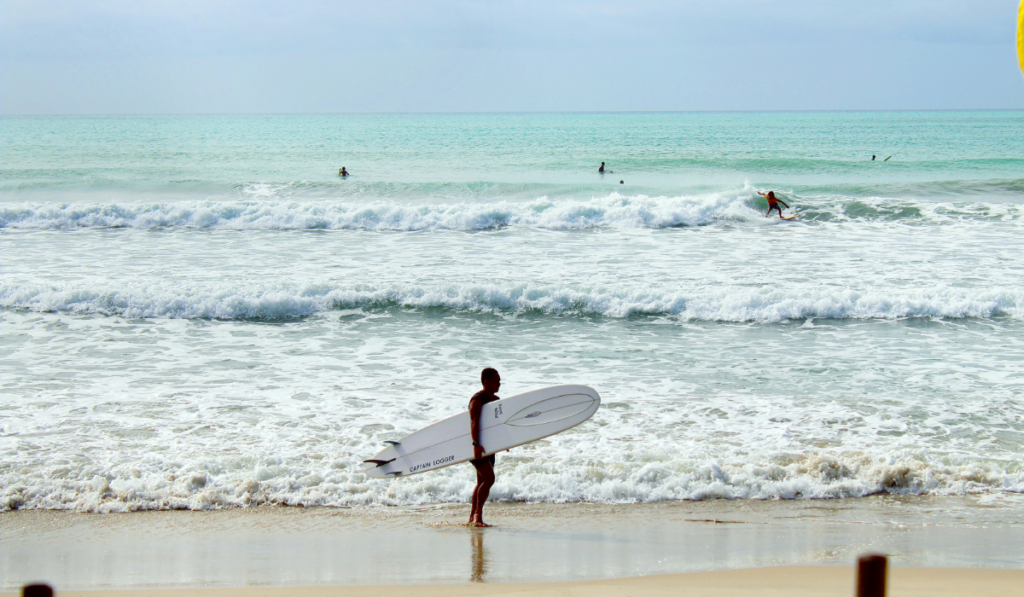
One of the biggest misconceptions about surfing in the Philippines is that it is only for seasoned surfers. In reality, the country offers a natural progression.
Beginners often start on the west-facing coasts, where waves are smaller and more forgiving. As skills improve, surfers move toward reef breaks and more powerful swells along the Pacific side. It’s not just about chasing bigger waves. It’s about finding the right conditions for where you are in your journey.
Five surf spots across the Philippines, for every level
Siargao, Surigao del Norte
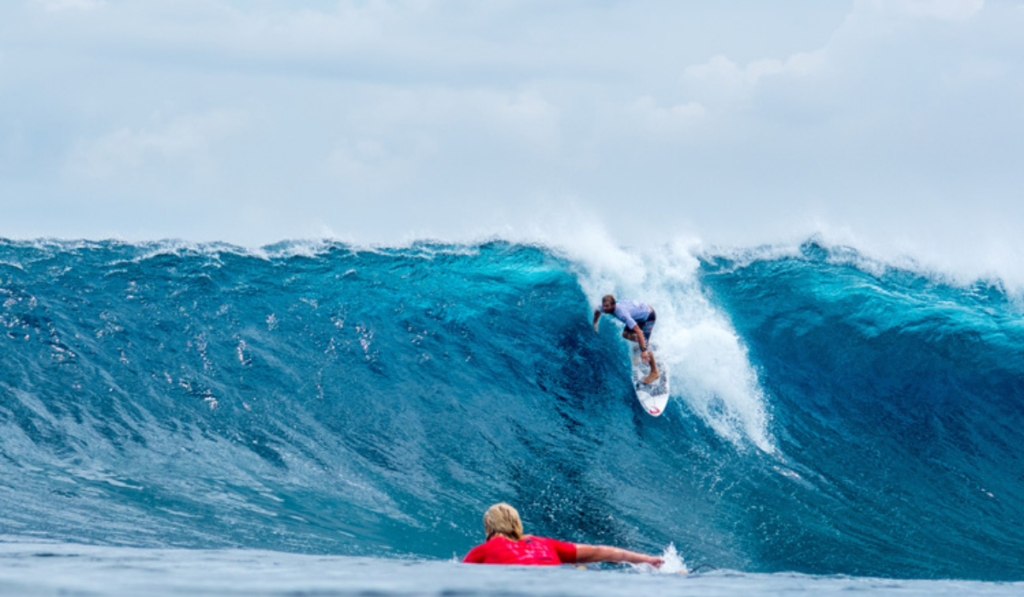
Siargao, often referred to as the surfing capital of the Philippines, has long been the country’s most iconic surf destination.
Cloud 9 continues to define the island’s reputation. Fast, hollow, and powerful, it is a wave that demands respect. On bigger swells, it becomes a serious test even for experienced surfers, with thick barrels and a sharp reef below
But Siargao is far more than its most famous break. Spots like Daku offer long, mellow rides that are perfect for beginners and longboarders, while Cemetery provides multiple peaks that make it easier to progress without pressure.
Intermediate surfers often gravitate toward Tuason, where the takeoff is quicker and the wave more technical. It is the kind of spot that helps bridge the gap between beginner-friendly waves and heavier breaks like Cloud 9.
Life here moves with the ocean. Early sessions, slow afternoons, and a strong surf community define the experience. It is as much about how you live as how you surf.
San Juan, La Union
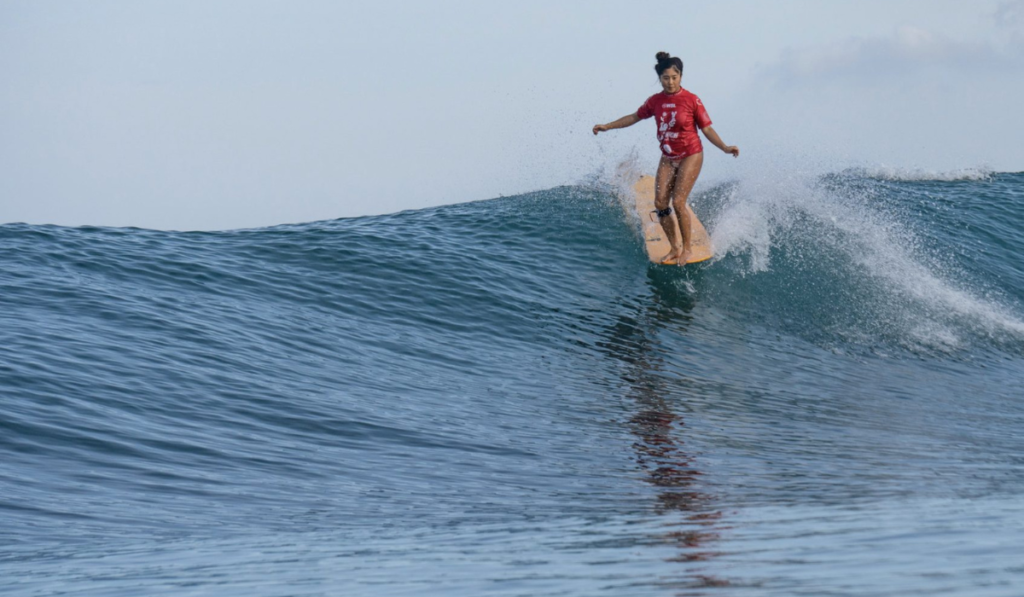
San Juan sits at the heart of what many consider the surfing capital of the north, offering one of the most accessible surf experiences in the country.
The beach break at Urbiztondo is where most beginners start. The waves are consistent, manageable, and ideal for building confidence. It is one of the easiest places in the Philippines to take your first proper ride.
As you improve, nearby breaks like Monaliza and Carrile begin to open up. These point breaks offer longer rides and more defined sections, introducing surfers to timing, positioning, and flow.
La Union is not just about the surf. Its appeal lies in how easy everything feels. From Manila, it is a straightforward trip, and once you arrive, surf schools, cafés, and accommodations are all within reach.
It can get busy, especially on weekends, but that energy adds to its charm. It is a place where learning to surf feels social, not intimidating.
Baler, Aurora
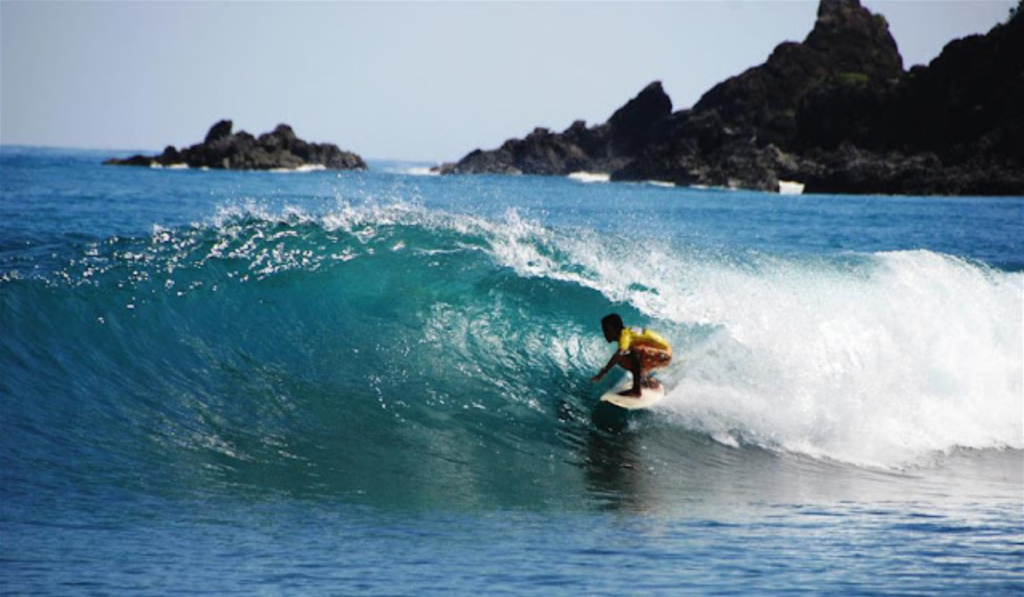
Baler is widely known as the birthplace of Philippine surfing, and that history still shapes the experience today.
Sabang Beach is the go-to for beginners, with soft, rolling waves that make it easier to learn the basics. The wide shoreline gives surfers space to practice without feeling crowded.
For those ready to progress, Cemento Reef offers a more technical wave. Breaking over rock, it delivers sharper sections that require better timing and awareness. On clean days, it can produce fun left and right rides that feel rewarding without being overwhelming.
Baler has a quieter, more grounded atmosphere compared to other surf towns. The lineup is often less crowded, and the pace is slower. It is a place where you can focus on improving without distraction.
Surfing here feels connected to something deeper—a reminder of where it all began.
San Felipe, Zambales
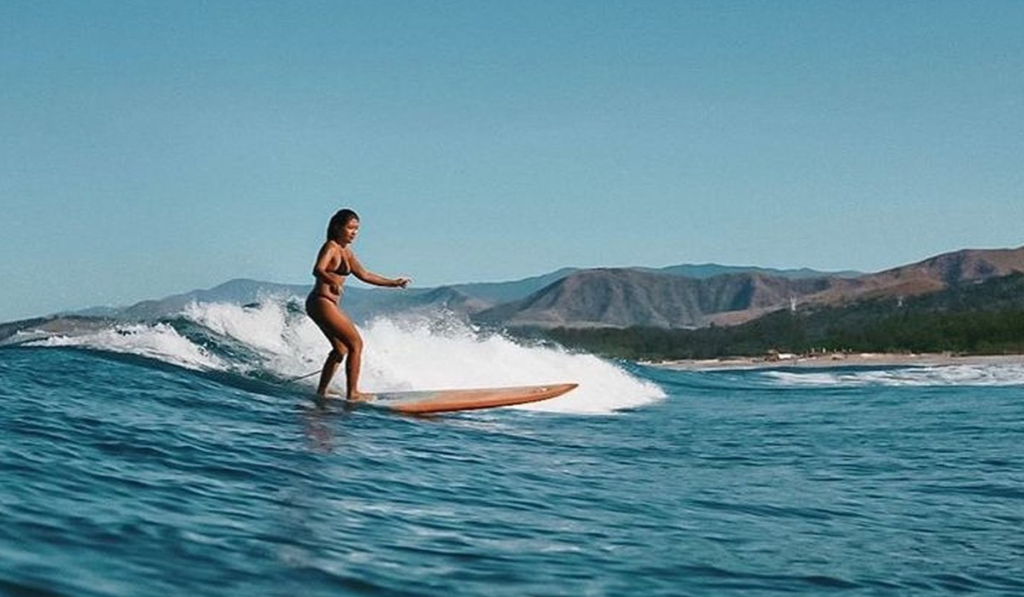
San Felipe is part of what many refer to as the West Coast Surf Playground, a stretch of coastline in Zambales known for its easygoing surf and proximity to Manila.
For beginners, spots around Liwa offer mellow beach breaks that are perfect for learning. The waves are consistent and forgiving, making them ideal for long practice sessions.
Nearby, Crystal Beach in San Narciso has become one of the most popular beginner-friendly spots in the region. The waves here are small but clean, allowing surfers to work on fundamentals like balance and turning.
For those looking for something more challenging, Magic Left in Pundaquit stands out. This wave offers a more powerful ride, with sections that can turn hollow under the right conditions. It is less predictable, but that is part of its appeal for more experienced surfers.
Zambales is not overly polished, and that is exactly why it works. It is simple, accessible, and focused on getting you into the water without overcomplicating the experience.
Real, Quezon
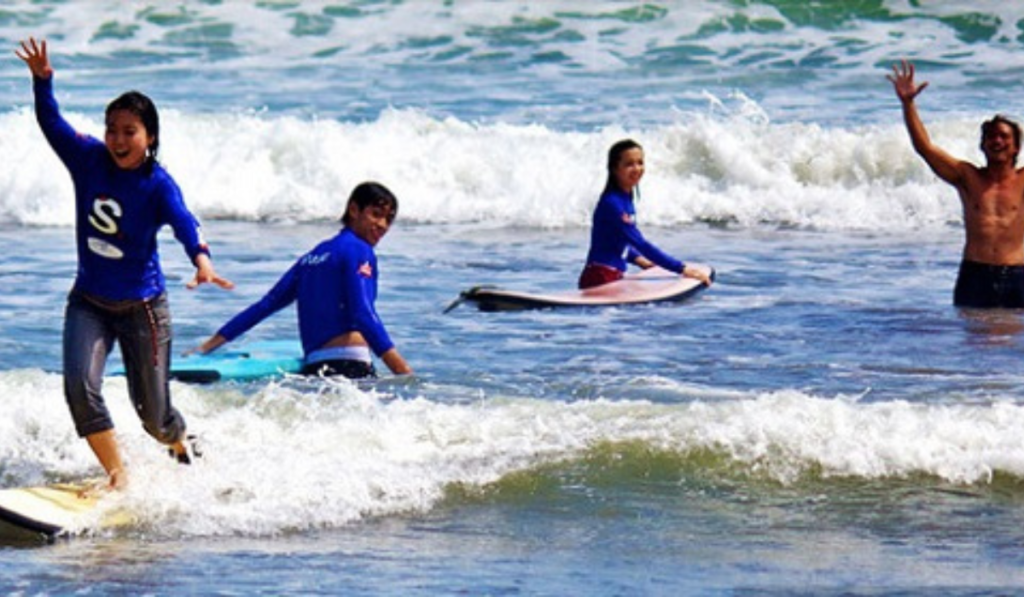
Real remains one of the more under-the-radar surf destinations in the country, often described as the Pacific Coast Secret.
The coastline here feels raw. The sand is darker, the waves stronger, and the conditions less predictable. It is a place that demands attention, even on smaller days.
Beginners are drawn here by its accessibility from Manila and the relatively affordable surf lessons available in town. On calmer days, the waves can be manageable enough to learn.
But Real is not always forgiving. Certain areas, especially near river mouths, can produce stronger waves and noticeable currents. It is a place where understanding the ocean becomes part of the experience.
That unpredictability is what sets it apart. Surfing here feels less curated and more real—where progress comes from adapting, not just repeating.

When to go and what to expect
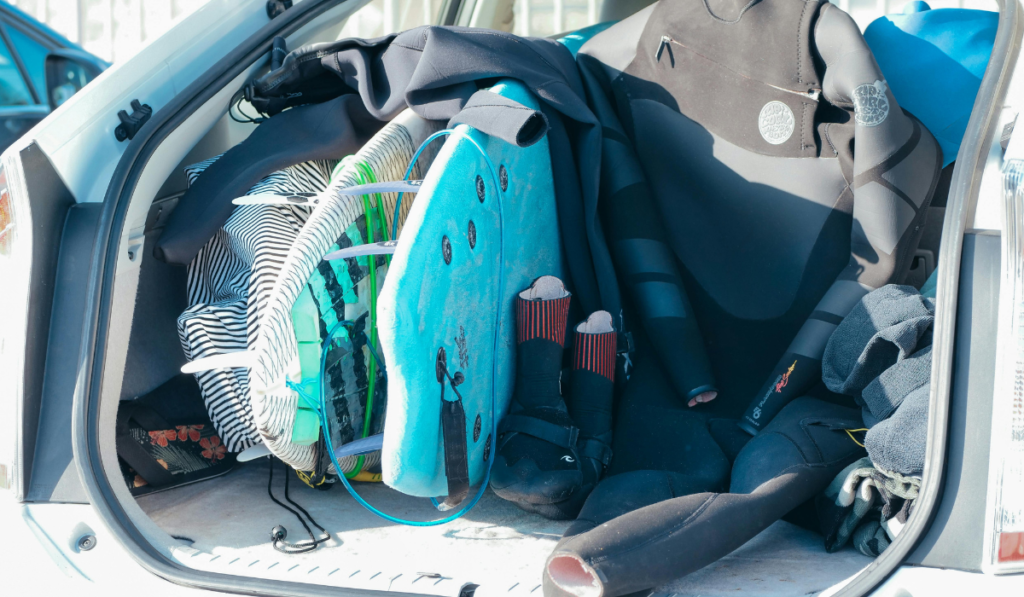
Timing plays a big role in surfing across the Philippines, and each coastline follows its own rhythm.
Pacific-facing spots like Siargao, Baler, and Real see their strongest swells from around September to February. Siargao peaks from September to December, with November to early December bringing the most consistent and powerful waves. Baler follows closely, with solid conditions from October to February, while Real benefits from steady swells between October and March.
On the west coast, San Juan in La Union comes alive from October to April, with the best conditions typically arriving between December and February, thanks to the amihan winds. Zambales has a slightly different window, with south swells starting to build around June and creating rideable conditions through the season.
There are waves year-round, but conditions can shift quickly depending on wind and swell direction. Flexibility—and a bit of timing—can make all the difference.
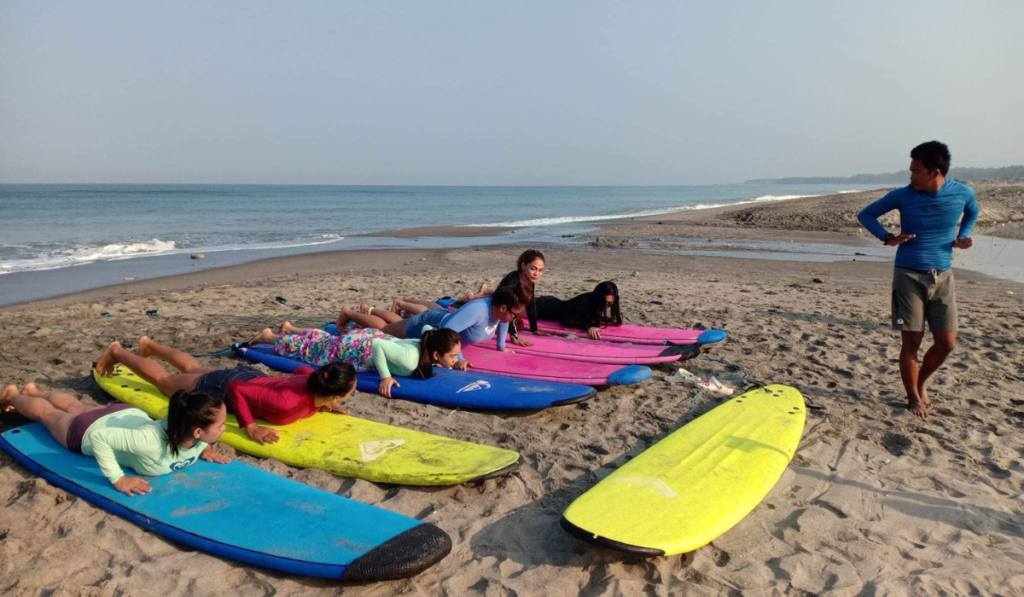
What beginners should know before paddling out
- Take a lesson if it’s your first time
- Use a bigger board for stability
- Pay attention to tides and local advice
- Respect surf etiquette, even in beginner spots
Even in beginner-friendly areas, the ocean should never be underestimated.
Beyond the waves: What makes each place worth staying for
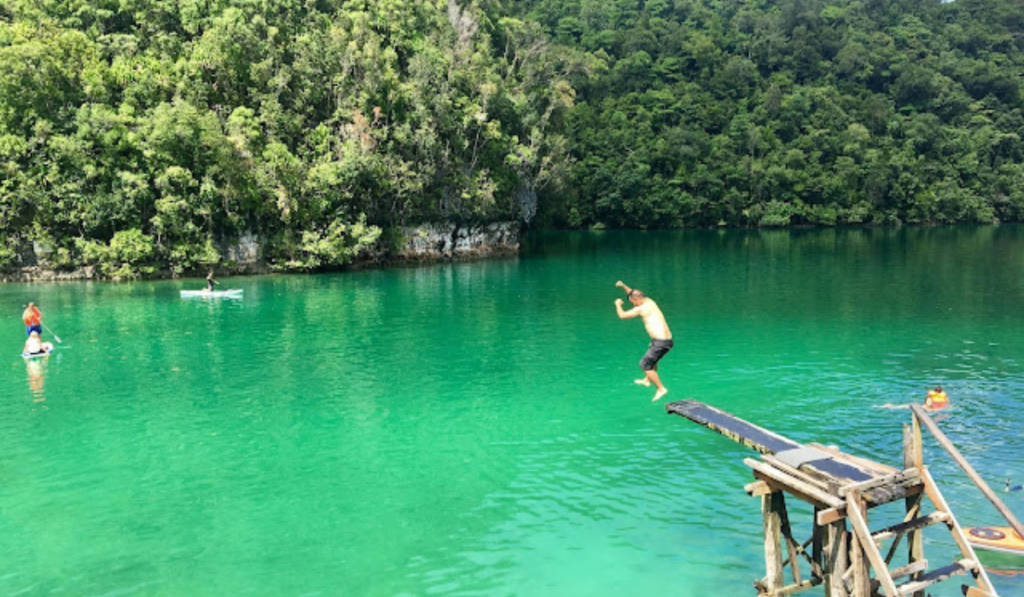
Surfing may be the reason you go, but it’s rarely the only reason you stay.
In Siargao, it’s the rhythm of island life, where everything slows down between sessions. In La Union, it’s the social energy, where surf days blend into café hopping and late dinners. Baler offers something quieter—a chance to disconnect and focus—while Zambales leans into simplicity, where the experience is stripped back to just beach, board, and sea.
Real, on the other hand, offers a different kind of reward. It’s less about comfort and more about authenticity, where every session feels earned and every small improvement stands out.
These places are not just surf spots. They are environments that shape how you experience the sport—and often, how you remember it.
Finding your place
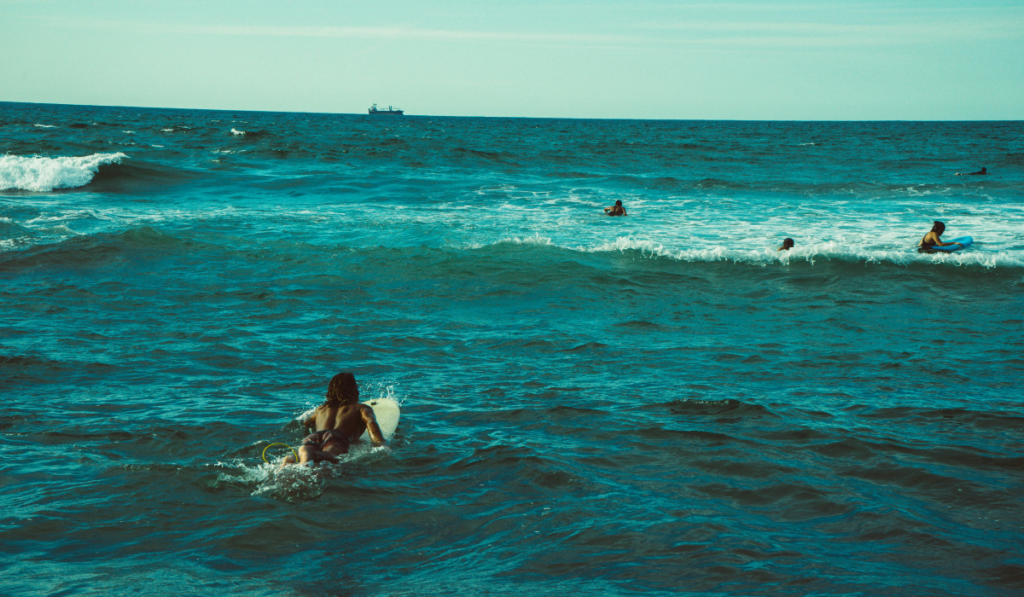
Surfing in the Philippines is not about finding the best wave. It’s about finding the right one for you. You might start in San Juan or Zambales, build confidence in Baler, and eventually take on Siargao. Or you might find your rhythm in quieter places like Real.
What matters is not how fast you progress, but how you experience each step along the way.
The Philippines offers something rare: not just great waves, but a journey. And wherever you are on it, there is always another wave waiting.
Related story: When the ocean calls, you dive into shark territory
Related story: Taking it slow, diving into the deep, and going hyperlocal: Musings on last year’s travels