
Billed as the world’s first robot theme park, Galaxy Robot Park brings together K-pop androids, boxing robots, and AI fashion shows—but can machines ever recreate the feeling of being a fan?
A K-pop concert usually comes with lightsticks, screaming fans, phones, and at least one person fully losing it because their bias looked in their direction. But at Galaxy Robot Park in Seoul, the performers are not idols. They are robots.
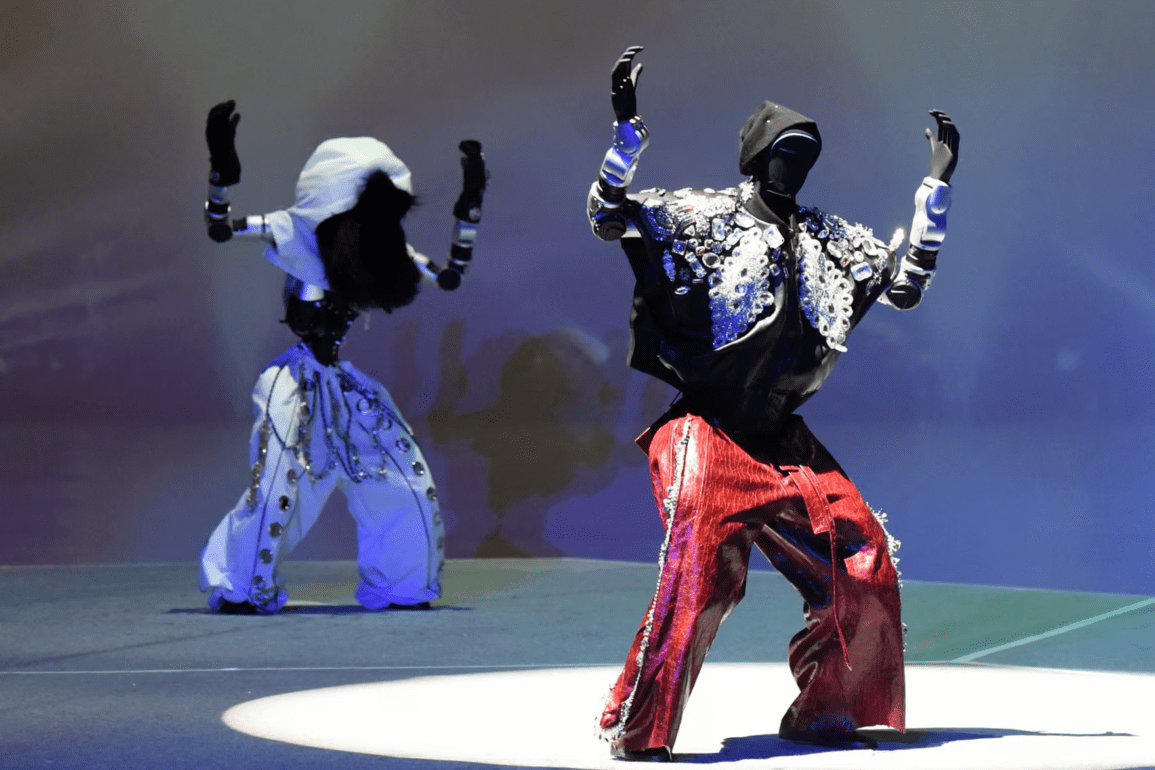
Small humanoid robots appear onstage in wigs, baggy outfits, and coordinated formation. A G-Dragon song plays and then the robots start dancing, and the whole thing lands somewhere between impressive, funny, and strange. It is fun to watch but it also raises a bigger question: what happens when K-pop performance becomes something machines can copy?
Galaxy Robot Park, a new robot-themed entertainment space in Seoul’s Gangdong District, is trying to turn robots into performers, models, boxers, and possibly South Korea’s next unusual tourist attraction. The 16,500-square-metre facility comes from Galaxy Corporation, the entertainment technology company connected to G-Dragon, Taemin of SHINee, and actor Song Kang-ho, known internationally for Parasite.
The company describes itself as an “enter-tech” firm, bringing entertainment and technology into the same space.
Related story: 6 sizzling things to enjoy in Seoul right now
Related story: Seoul fights back against overtourism at the historic Bukchon Hanok Village
The robots are being trained to perform
Galaxy Robot Park is not presenting robots like museum pieces. It wants people to watch them perform.
According to Galaxy Corporation, the park will feature robot-led K-pop shows, interactive programs for children, and a concert hall for robot performances. The company has also said it hopes to stage more than 1,000 K-pop robot shows a year.
The robots reportedly use motion-capture technology to learn dance moves from K-pop artists. Once a routine is programmed, the choreography can be shared with other robots.
South Korea has long used K-pop as a space for tech experiments, from virtual avatars to digital performers and livestream concert experiences. Galaxy Robot Park brings that experiment into a physical venue, with robots moving, dancing, and interacting with visitors in real time.
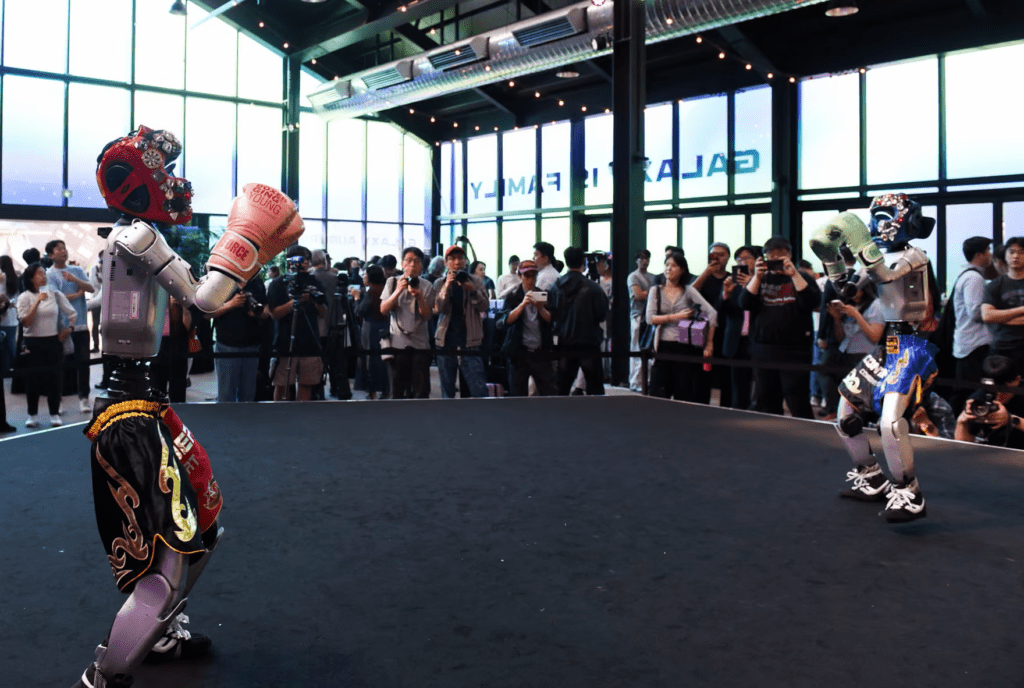
The park also has robot dogs, boxers, and portrait machines
Visitors can also encounter robot valets, robotic dogs, and interactive machines around the space. One attraction features a robotic arm that can draw portraits while chatting with guests, while another lets people control humanoid robots in a boxing ring, where the machines copy human movements in real time.
Visitors can watch performances, try interactive activities, and see how humanoid robots might be used in entertainment, tourism, and live events.
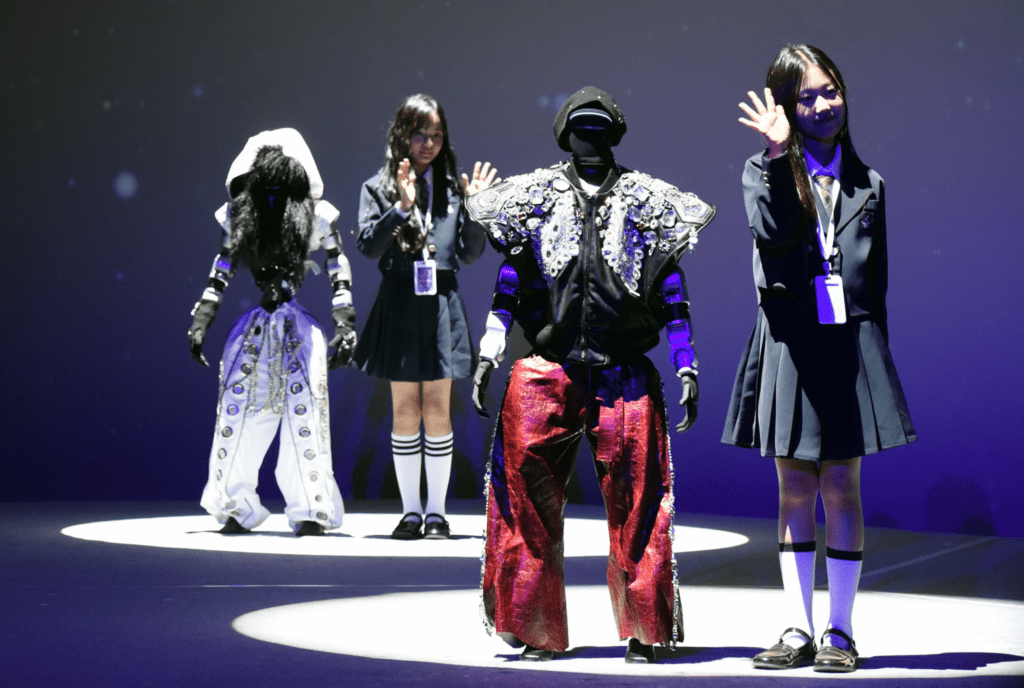

The robots have entered fashion too
On May 28, Galaxy Corporation staged Mach33: Physical AI Fashion Show in Seoul, where humanoid robots walked the runway with human models. The show featured coordinated outfits, futuristic styling, silver outerwear, statement pieces, and stage-ready looks.
The fashion show presented robots as part of everyday life and entertainment, not just tech demos. If humanoid robots are going to perform, interact with people, and appear in public spaces, their appearance becomes part of how people respond to them.
Galaxy Corporation also reportedly plans to launch a robot fashion label called MACH 33, extending the project beyond performances and into robot styling.
Related story: The beautiful—and at times messy—world of fandom culture
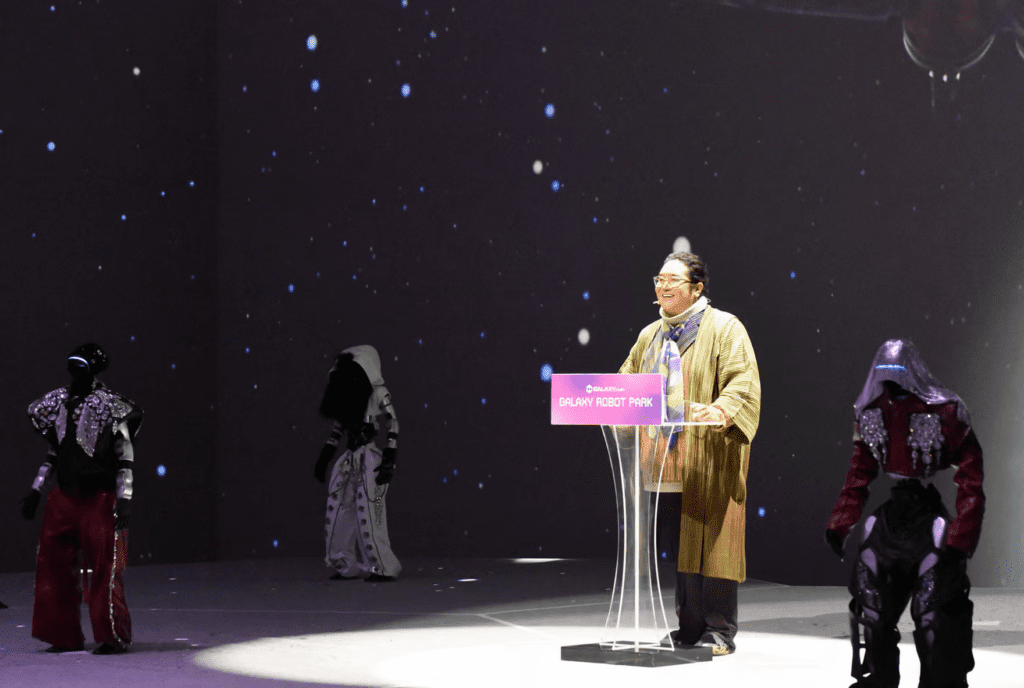
But being a fan is still a human thing
I only fell in love with K-pop two years ago, thanks to SEVENTEEN. Before that, I understood the appeal from the outside. I knew the songs, the performances, the fandom power. But actually becoming a fan is different. It is not just listening to music. It becomes part of your day, your algorithm, your group chats, your travel plans, and sometimes, your personality for the next few months.
So yes, I can enjoy the idea of robots dancing to K-pop. I would probably watch the videos. I might even visit the park out of curiosity. But I also know the feeling I chase as a fan is not perfect choreography.


It is the rush of seeing an artist walk onstage and realizing they are real. There are thousands of fans screaming at the same time because everyone understands exactly what just happened. It is a finger heart being returned, a flying kiss being noticed, or an idol looking in your direction for half a second and somehow giving you enough emotional fuel to survive the week.
Even sharing an elevator ride with your ultimate bias, no matter how brief or surreal, becomes the memory no machine can recreate. Nothing dramatic needs to happen. They do not even have to say anything life-changing. The point is that it happened by chance, in real life, with a real person you admire.
Related story: K-pop boy group ATEEZ turns Araneta Coliseum into a high-energy playground for the ‘In Your Fantasy’ tour
Related story: BTS comeback, Seventeen tour, and more: K-pop acts to fangirl over in early 2026
Related story: Inside ‘Arirang’: What to know about BTS’ much-anticipated comeback album

That’s what makes it priceless.
A robot can copy the choreography, wear the outfit, and repeat the performance without getting tired. But it has never been only about clean formations. Fans connect with idols because of the personality, effort, humor, and small unscripted moments that make them feel real.
Robot performances may be entertaining, especially as a tech and tourism experience. But if K-pop is built on connection, chance, and the feeling of being seen, can a robot ever give fans the moment they came for?
Related story: EXPLAINER: What is the Anti-Ticket Scalping Act and how can concertgoers benefit from it?
Related story: The rise and rise of gig-tripping: Why fans are jetting across the world for more than just a show