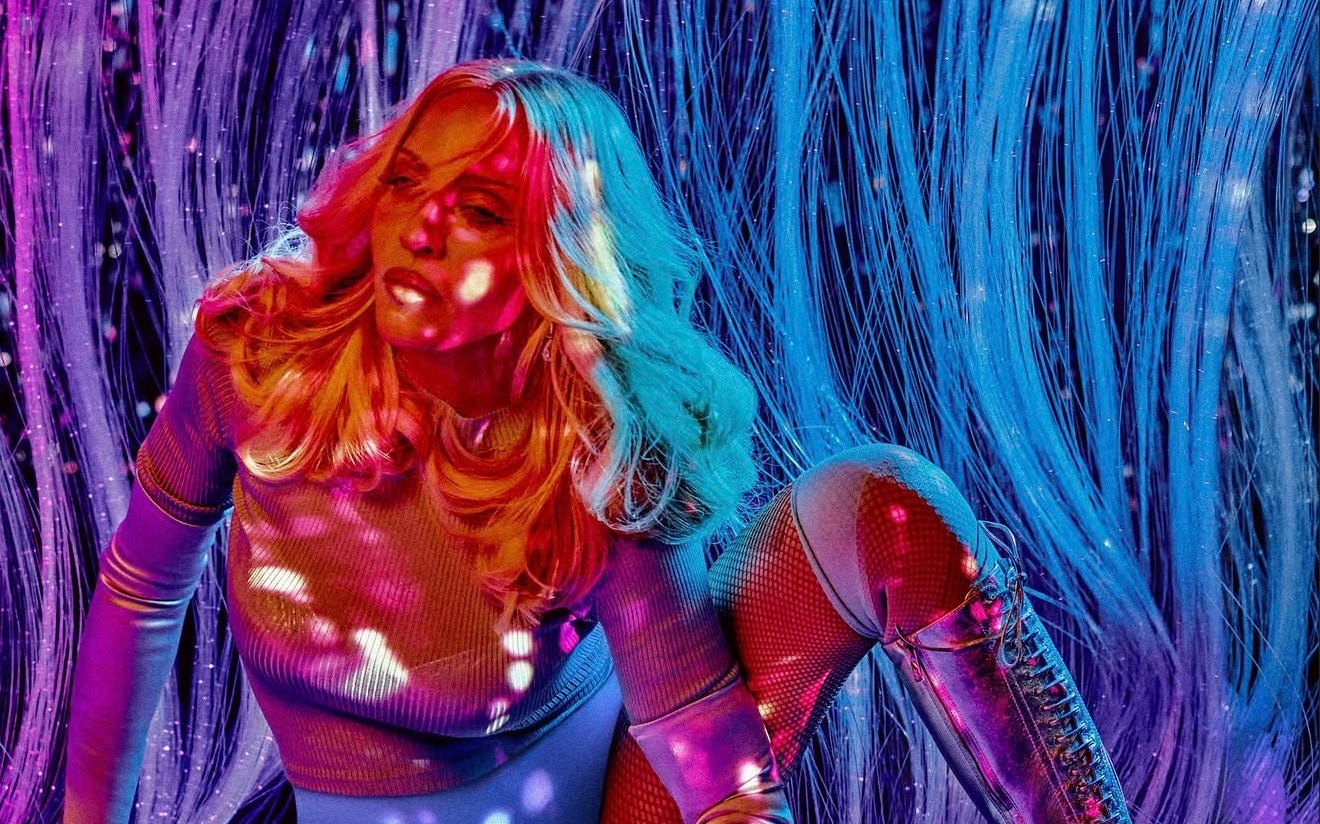

Let’s cut to the chase: Confessions 2 is bolder, sharper, and more emotionally resonant than Confessions on a Dancefloor.
The album may not have as strong and iconic a banger as “Hung Up” from the 2005 classic, but it is musically more adventurous and offers a wider ranging survey of dance music through the last five decades—classic house, acid house, techno, disco, trance, trip hop, Latin pop, electronica, and more.
It’s nostalgic but also sounds very current and futuristic at the same time. Producer Stuart Price has outdone his own work on the original Confessions and delivered Madonna’s most deeply immersive, enveloping, and transportive album, with some of the richest, most layered, and most dynamic soundscapes in her entire discography.
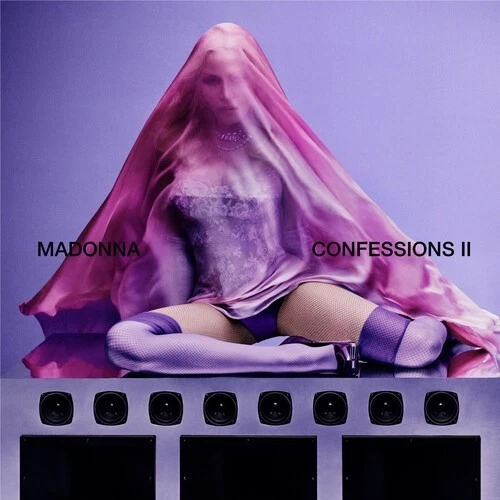
Simply put, Confessions 2 is one of the very best Madonna albums. It has bits and pieces of her finest works: the depth of feeling of Like a Prayer, the grit of Erotica, the maturity of Ray of Light, the spunk of Music, the warmth of Bedtime Stories. Calling it a sequel or followup or successor actually does it a disservice. While it has the DNA of Confessions 1—a wall-to-wall dance record with musical transitions bridging the songs like a DJ set – it is so much more: a memoir set to dance music.
The album, in fact, was made after the end of Madonna’s 2023-2024 The Celebration Tour greatest hits global trek with the ashes of her autobiographical film that got cancelled in 2022 due to budgeting issues by the studio tied to produce it. All this after she wrote the screenplay for over two years with an eye on directing the movie herself.
Related story: Madonna’s ‘Confessions 2: The Film’ is a fever dream set to music
Related story: REVIEW: With ‘Man’s Best Friend,’ Sabrina Carpenter sits, stays, and slays
Related story: Madonna gets all steamy in Dolce & Gabbana’s newest fragrance campaign
Confessions 2 is not the first time since Dancefloor that the Queen of Pop stepped back on the dance floor and held up a mirror ball to her face to examine her life, bare her soul, and exorcise her demons. That happened in 2012 for the MDNA album, in which she mostly raged against the patriarchal machine of misogyny and matrimony (it was her divorce record from British filmmaker Guy Ritchie, husband of 20 years and father of her second child) over a lot of dark, heavy, thumping EDM beats.
Another correction: Confessions 1 wasn’t the first time Madonna got personal in clubland. In 1993 she checked into the underground dance music scene for Erotica, her groundbreaking treatise on sex and romance; and in 1998 she explored Euro electronica and brought it to the global mainstream with Ray of Light, her Grammy-winning magnum opus that found her transitioning from Material Girl to Spiritual Girl as she took stock of her life through the prism of her newfound wisdom following the birth of her first child.
The dance floor is a ritualistic space,” Madonna writes in the manifesto for Confessions 2. “It’s a place where you connect with your wounds, with your fragility. To rave is an art.”
“The dance floor is a ritualistic space,” Madonna writes in the manifesto for Confessions 2, whichaccompanied the official announcement for the album’s release. “It’s a place where you connect with your wounds, with your fragility. To rave is an art.”
She does, with the kind of bracing honesty and open-hearted vulnerability that make Ray of Light and Like a Prayer so thrilling and monumental. The album opener, “I Feel So Free,” puts listeners in her mental headspace right away as she purrs, over a groovy, simmering beat and a hypnotic atmospheric deep house instrumental, about wanting to “just hide in the shadows, create a new persona, a different identity” and “be like other people and just not care” before raving about how dancing makes her feel so free (a clear callback to “Into the Groove,” one of the album’s many Easter eggs).
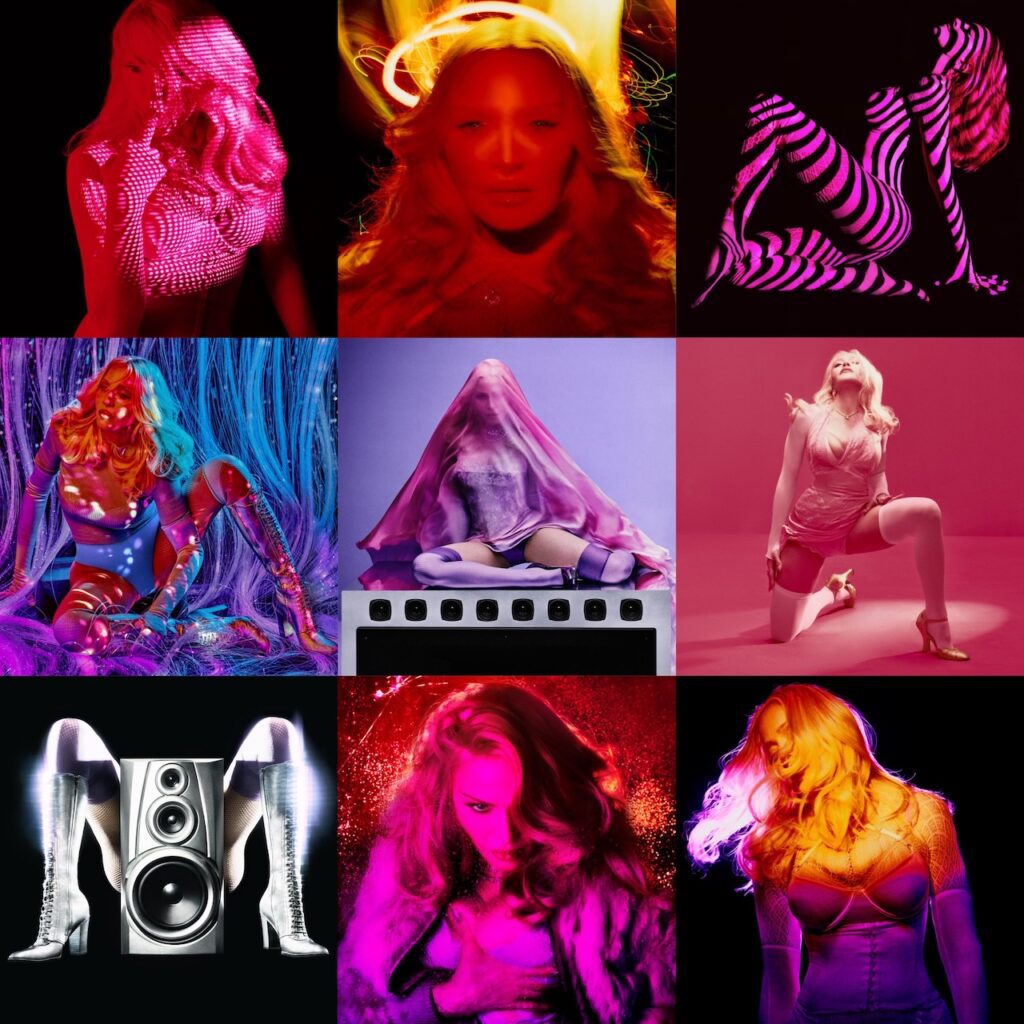
The song is the first of several in the album that celebrate the many joys of the club—the anonymity, the liberation and salvation from the anxieties and pains of the real world (“One Step Away”), the escape from online toxicity (“Everything”), the “safety in numbers” and the sense of community and belonging, the freedom from having to explain oneself (“Good for the Soul”). If Confessions 1 is a call to the club through the sheer majesty of the music, Confessions 2 doubles down on the invitation by being an explicit love letter to the dance floor which Madonna calls both “my house” and “a temple of sweat and surrender” (“Love Without Words”).
Surrendering to Confessions 2 is not hard to do. Like all of Madonna’s best works, the album not only brims with urgency from the music but also from the clarity of its vision, its spirit of defiance, sense for education and enlightenment, and sensibility for inspiration and empowerment.
It’s in the autobiographical tracks where Confessions 2 actually delivers on the promise of its title. “Danceteria” is a trip down memory lane to Madonna’s pre-fame days when she was a struggling artist on the hunt for her industry breakthrough. Titled after the New York club she now calls a mecca where she met the people who would eventually lead her to her first recording contract, whom she namechecks in the song even more compellingly and colorfully than her roll call of Hollywood legends in “Vogue,” the infectious funky track with a driving beat is the album’s finest party moment and ranks up there with Madonna’s very best songs.
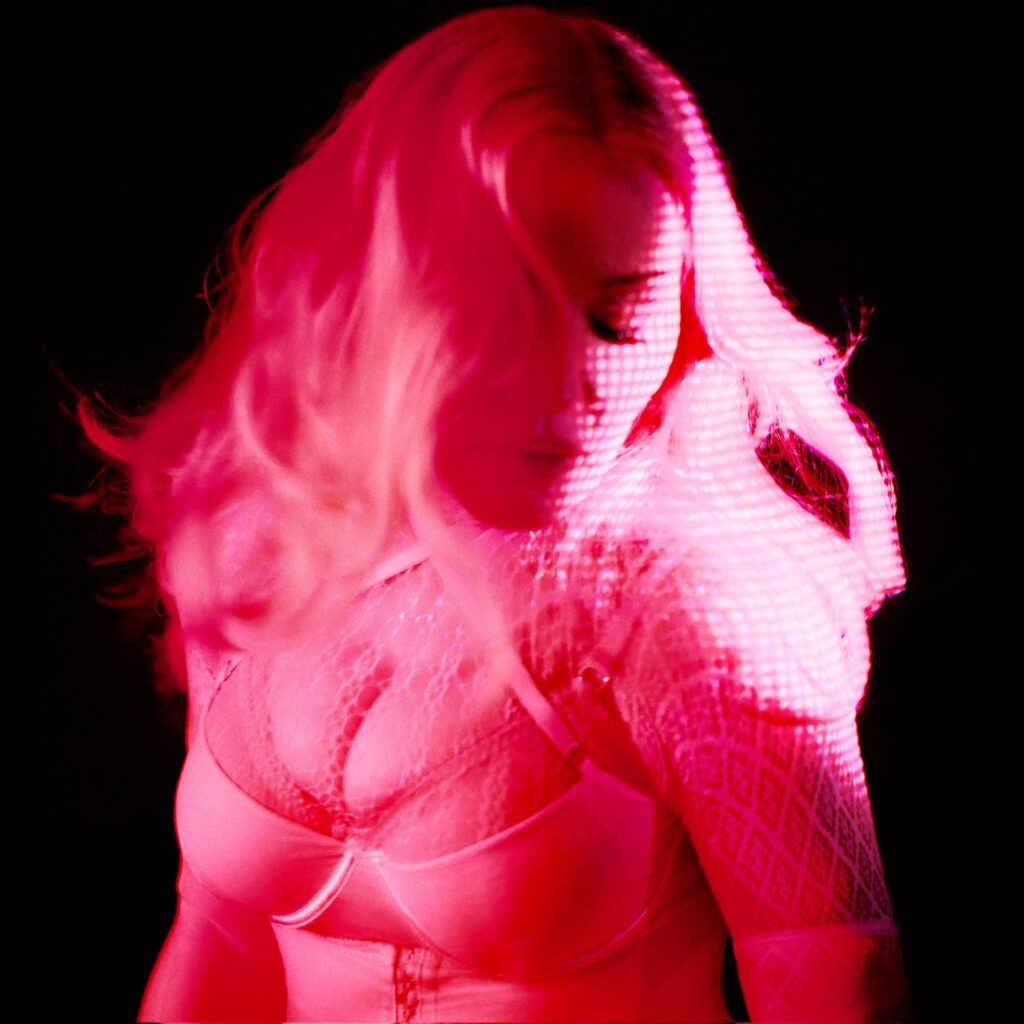
The EDM festival-ready “Bizarre” sees the twice-divorced star unleashing residual feelings for her first husband, Hollywood actor Sean Penn. It has been 40 years since she famously dedicated her third album, True Blue, to him as “the love of my life,” with the self-penned lovesick title track talking about how his “heart fits her like a glove,” and 37 years since she committed their story of marital abuse to song (“Till Death Do Us Part” in Like a Prayer), so it’s a big surprise to get a diss track (“The thought of being with you is so indecent”) that’s also a missing you ditty (“Just when you think you finally let go, it comes back to you. Now you’re gone, I feel so empty. Why do you tempt me?”. Should Madonna’s current boyfriend be worried?
“Fragile” is a missive to Madonna’s departed brother who was closest to her and who played a big role in her career until they had a falling out. The ballad contains some of the most heartbreaking lyrics in Madonna’s discography, “Late last night I was fast asleep, you came to me in a dream. You said, ‘Don’t forget about me,’ ‘Don’t forget to be happy.’”
The brooding, jazz-inflected “Betrayal” achieves burnished grandeur with its conflicted heart, with Madonna still wrestling with her bitter feelings for her also now-departed stepmother (whom her father married just a few months after her mother passed away when she was 5 years old) and her desire for closure and letting go. It has one of her most cutting rebukes she has ever issued in a song: “This is a story of betrayal, You couldn’t see your fall from grace, So take the hammer, hit the nail, You’ll never take my mother’s place.”
The track is immediately followed by “The Test,” a song with her firstborn, Lola, also a singer-songwriter, where mother and child acknowledge their shortcomings and failures with each other while declaring their unconditional love. Harkening directly back to Ray of Light’s penultimate song, the lullaby “Little Star,” the midtempo duet is a sweet, poignant full-circle moment for Madonna. It’s a song about healing that locates the album’s emotional heart together with the wistful “Fragile” and the wounded “Betrayal,” a trio of musical memoirs that proves Madonna’s talent and skill at narrative storytelling remains as sharp as ever.
Confessions 2 ends on a surprising note. “L.E.S. Girl” continues the nostalgia with Madonna recalling her pre-fame days as an ordinary girl in New York’s Lower East Side when she “ignored all the signs” and “the rent is overdue” and she fell in love with a guitarist with a Marlon Brando face. It’s a quiet, tender retro-fitted electric guitar ballad that sounds like a castaway from American Life got lost and inadvertently wandered into the club until you realize, from the song’s opening verse “Eyeliner smeared, running out the door, still there from the night before,” that it’s about the morning after of a night out in the city, which may have included a trip to the club.
And that this L.E.S. girl is one of the real-life personas Madonna talks about in “I Feel So Free” that she wishes she can create (again) on the dance floor. As confessions go, this one might just be the album’s most candid, most telling, most beguiling.
Rating: ⭐️⭐️⭐️⭐️⭐️
Related story: 5 reasons why Madonna is the LGBTQIA+ community’s ultimate Mother
Related story: Biphobia is real—and it hurts the most during Pride Month