
Every bisexual person’s experience is different, and it’s disheartening to see the rampant biphobia, especially as a bi woman.
There’s a song by Beth McCarthy called “Good Bi” that basically talks about what makes a “good” bisexual person according to society. She sings about how bi people are attracted to men and women (and anyone in between), but will be judged for their choices regardless. “If I fall for a girl, the boys will call it a phase / If I fall for a boy, the girls are calling me fake,” she sings.
As soon as Pride Month rolls around, the narrative that “bisexuals don’t count” is put on full blast, especially on social media. It’s even more hurtful to see people in the LGBTQ+ community chiming in as well.
Biphobia has caused damage to many. Stonewall UK’s 2023 Bi Report showed that 43% of bi people have never attended LGBTQ+ events because they don’t feel welcomed.
Even before I came out as a bisexual in my 20s, I always saw Pride as a welcome space and a resistance against systems of oppression, with love at its core. It’s celebrating and respecting everyone’s individual identities and experiences. It’s fighting prejudice and discrimination to protect our own. So, it’s disheartening to see the rampant biphobia, especially as a bi woman.
Related story: 5 reasons why Madonna is the LGBTQIA+ community’s ultimate Mother
Related story: A dozen queer artists take over Gallery.Sort.Of’s annual Pride exhibition
The bisexual stereotype: the boxes we seemingly need to tick
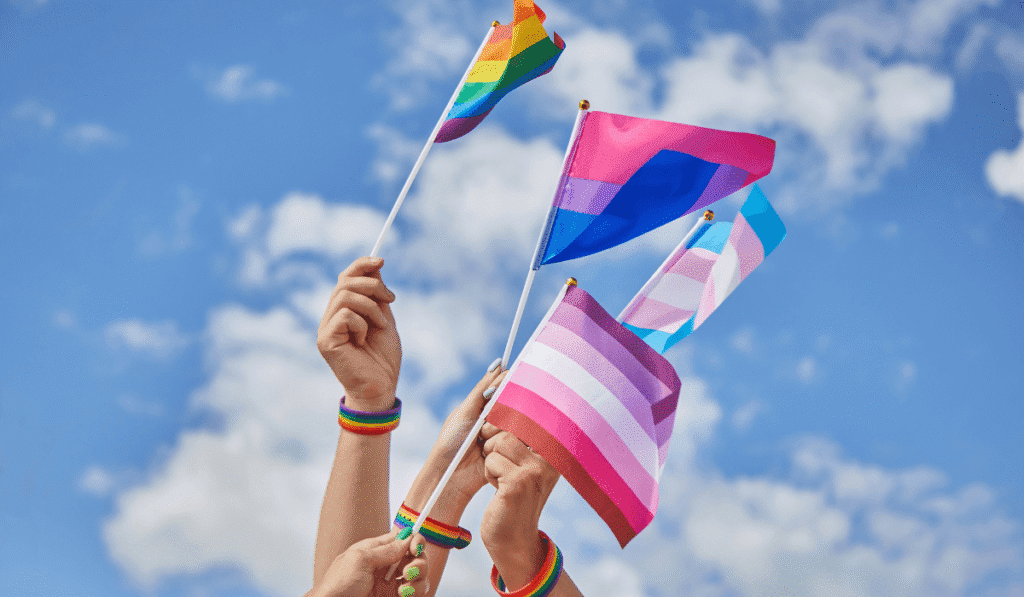
Bisexuality is defined as the attraction to more than one gender and/or sex. Our modern understanding of this sexual orientation began sometime in the ‘60s or ‘70s, but it’s believed that bi people have existed way before that. Additionally, it’s under the “multisexual spectrum,” which is the umbrella term for people attracted to multiple genders and sexual orientations. Pansexuality, attraction regardless of gender and/or sex, also falls under this spectrum.
It’s quite common for people to question one’s bisexuality just because they’ve only been in one type of relationship. I’ve been asked this a couple of times since I’ve never been with a woman yet. A lot of times, it feels like bisexuality is being reduced to just a gay or lesbian experience. Many seem to be more accepting of same-sex relationships, then turn the other cheek when it’s a straight-passing relationship with the opposite gender.
The narrative offline and online is the same: bi people who aren’t in same-sex relationships aren’t queer enough; cis bi women, especially, are shamed for having male partners; and the blatant unwelcoming of bi people in LGBTQ+ spaces.
There’s an ongoing X thread documenting instances of biphobia from this June alone. At the core of each post is bi erasure, implying that bisexuality is just a phase for the “confused.” It’s the same discriminatory remarks that gays, lesbians, and trans people often hear. It’s extra hurtful if it’s coming from people in the LGBTQ+ community and supposed allies—the very people you’d expect to support you.
Biphobia has caused damage to many. Stonewall UK’s 2023 Bi Report showed that 43% of bi people have never attended LGBTQ+ events because they don’t feel welcomed. Likewise, 27% of bi women and 18% of bi men reported experiencing discrimination from people within the community.
With social media amplifying so much of the hate, just imagine how this affects bi people across the world.
All bisexual experiences matter
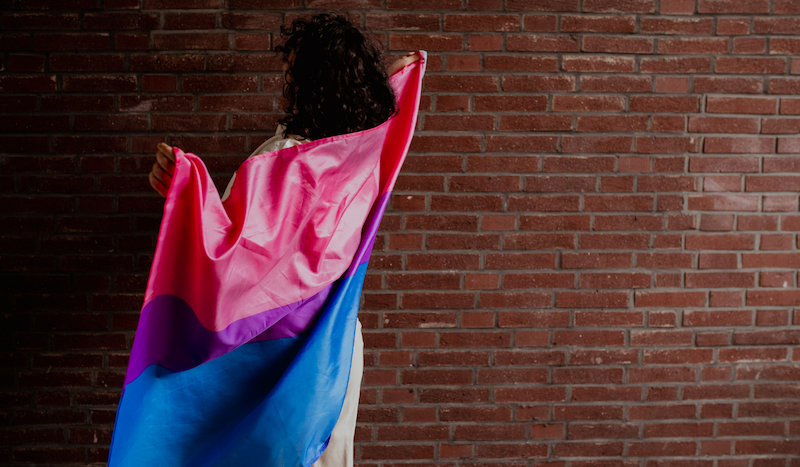
The reality is that not all bisexual people are built the same. There’s no perfect line drawn in the middle when it comes to our attraction to men and women—and we definitely don’t owe anyone a lengthy explanation to prove it.

A 2019 Pew Research study further illustrated that it’s normal for bi people to like men and women equally, while others lean more towards one gender over the other. It also found that about 9 in 10 bisexual people are in relationships with the opposite gender.
We all matter regardless of our dating history. Bisexuality—and gender identity and sexual orientation as a whole—doesn’t start and end with who we choose to be attracted to. We’re still bisexual even if we’ve been single since birth.
And if bi people realize they’re not bisexual down the line, then so what? Sexual orientation, gender identity, and expression (SOGIE) is always fluid and ever-changing. We all owe each other the grace to figure things out without being pressured to tick all the boxes that society throws at us.
We can do our part to keep each other safe this Pride Month. Hopefully this includes protecting our peers from biphobia, homophobia, and transphobia, and welcoming the LGBTQ+ people who want to celebrate Pride.
As I listen back to the upbeat yet honest lyrics of “Good Bi,” I am reminded that my experiences as a bisexual woman are mine. I count. I wish every bi person finds comfort in people and spaces that don’t make them feel like a nuisance.
Related story: Confessions of a young drag queen
Related story: Where her paycheck lands: What women love to prioritize in their 30s
Related story Love bombs and red flags