

It’s offering subsidies for singles to use dating apps—but behind the campaign is a deeper story about a nation racing against time.
It sounds like a headline engineered for virality: get paid to go on dating apps. However, in parts of Japan, that’s no longer a punchline; it’s a policy instead.
In a bid to address its deepening population crisis, Japan’s Kochi Prefecture has launched a program that subsidizes single residents who sign up for dating apps. The move reframes romance not just as a personal pursuit, but as a national concern—one that governments are now willing to fund.

Let’s be clear: Japan isn’t paying people to fall in love. It’s paying them to try. Under the initiative, single residents aged 20 to 39 can receive up to 20,000 yen (around P7,500 or $125) annually to offset the cost of using approved matchmaking apps.
The subsidy covers registration fees, monthly subscriptions, and other related costs for certified platforms designed for serious relationships—not casual dating.
The program runs through the fiscal year and allows users to claim reimbursements until they reach the cap. In short, the government isn’t funding your dates—it’s lowering the barrier to entry.
Now, when a government is getting involved in your love life, it only means one thing: behind the movement is a much bigger issue.
Why the Japanese government is willing to pay
Japan has been experiencing record-low birth rates for years, with fewer marriages and an aging population reshaping its economic future. In 2025 alone, births dropped to historic lows, continuing a decade-long downward trend. What’s more telling is this: it’s not just about fewer babies.
These days, it’s about fewer couples. Data suggests that married couples in Japan are still having children at relatively stable rates. The real drop is in marriage itself, meaning fewer people are forming partnerships to begin with. For local governments like Kochi—one of Japan’s least populated regions—this becomes urgent.
Younger residents are leaving for bigger cities, and those who stay often cite cost, time, and limited opportunities to meet potential partners as reasons for remaining single. The subsidy, then, is less about romance and more about infrastructure, which is to create more chances for connection.
The rise of “digital konkatsu”
Japan has long treated matchmaking as a structured activity. Known as konkatsu (or “marriage hunting”), the process has evolved from traditional introductions to organized events and now, increasingly, apps. And finally, the shift is working—at least partially.
A 2024 survey found that one in four married couples under 39 met through dating apps, making it the most common way for young people in Japan to find partners, surpassing work or school.
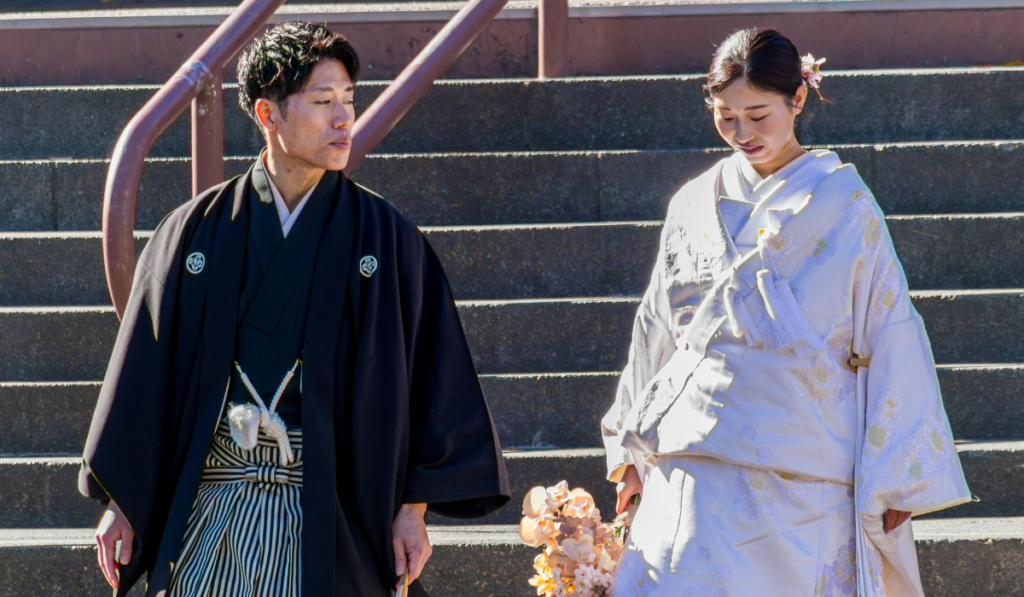
But here’s the catch, many of these platforms come with a price tag. Annual membership fees can exceed 20,000 yen, which is exactly why the subsidy amount was set at that level—to cover most of the cost. In other words, the government is aligning itself with how modern relationships actually start.
Not Japan’s first attempt but perhaps its most telling
Kochi isn’t alone in experimenting with state-supported dating.
Other regions have tested similar, albeit smaller, subsidies, while some have launched government-backed matchmaking platforms or funded in-person events to help singles meet.

There are even partnerships with major apps like Tapple, signaling a growing collaboration between public institutions and private tech in shaping social behavior.
This latest move feels different, though. It’s about meeting people where they already are: online.
The millennial dilemma: Love, but make it practical
For a millennial audience, Japan’s approach hits uncomfortably close to home. Because the reasons many young people delay relationships—financial pressure, career demands, emotional bandwidth—aren’t uniquely Japanese. They’re ultimately global.
Related story: What is South Korea’s 4B movement and what Filipinas can learn from it

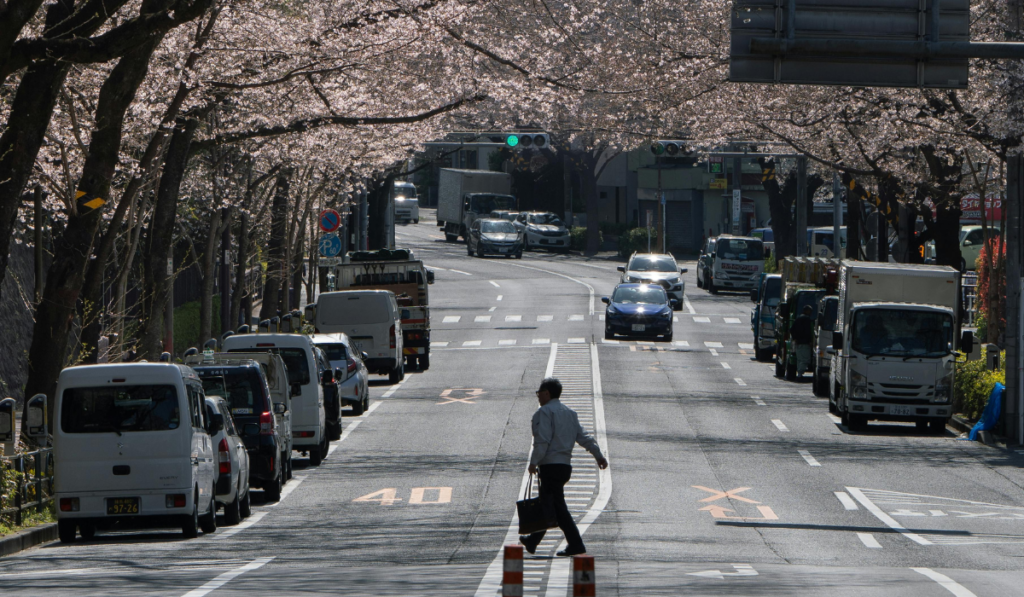
Critics argue that subsidizing apps doesn’t address deeper issues like long work hours, stagnant wages, or the high cost of raising children. True enough, they’re never wrong. Governments are also beginning to acknowledge that intimacy itself has become logistically difficult.
What this means beyond Japan
The idea of subsidizing dating might sound extreme, but it reflects a broader shift in how societies view relationships—not just as private choices, but as public priorities.
As more countries face declining birth rates and delayed marriages, Japan’s experiment could become a blueprint, or at least a conversation starter.

If connection is now mediated by platforms, algorithms, and paywalls, then maybe it makes sense—at least from a policy perspective—to invest in access.
Love, funded—but still not guaranteed
At the end of the day, a subsidy can only get you on the app. It can’t guarantee a match, a spark, or a relationship that lasts.

What it does is something else: it acknowledges that in today’s world, even love has a cost.
At least in Japan, that cost is now being partially covered—not to manufacture romance, but to make the possibility of it a little more real.

Related story: No second chances: Is the ‘cut them off’ dating trend too harsh or just clear?
Related story: Finding Cupid? Here’s how Viber Dating lets you feel the spark and skip the scam