
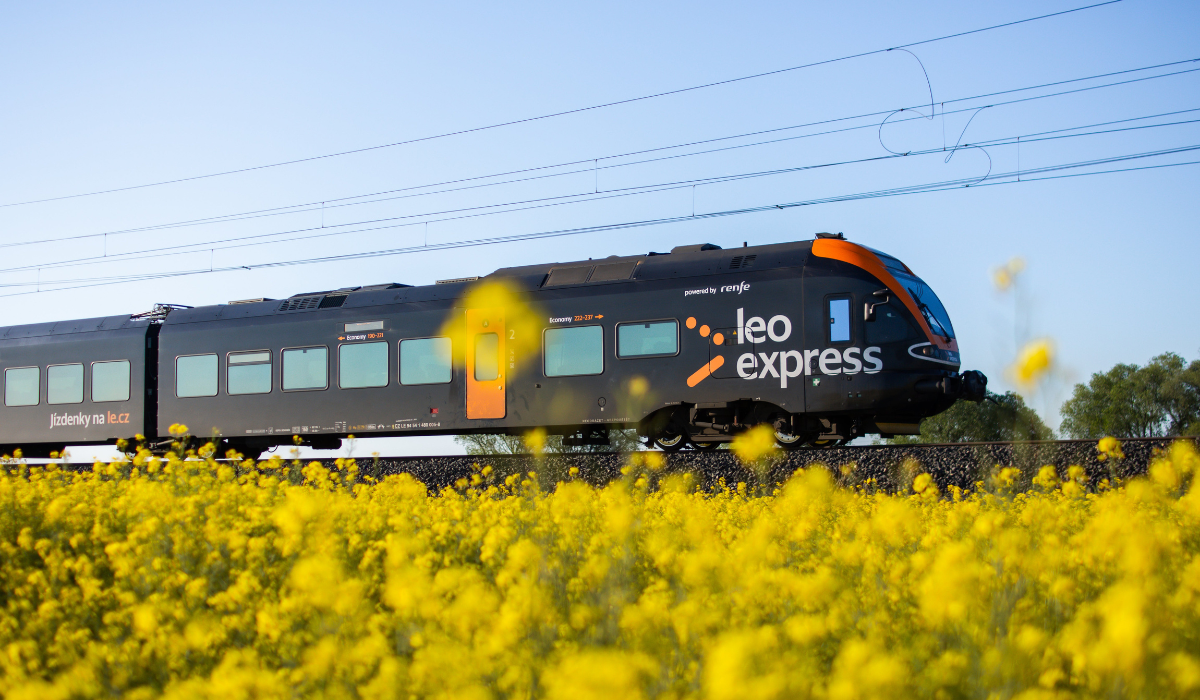

A new trans-European rail connection is set to launch this month, further strengthening Europe’s growing shift toward long-distance train travel.
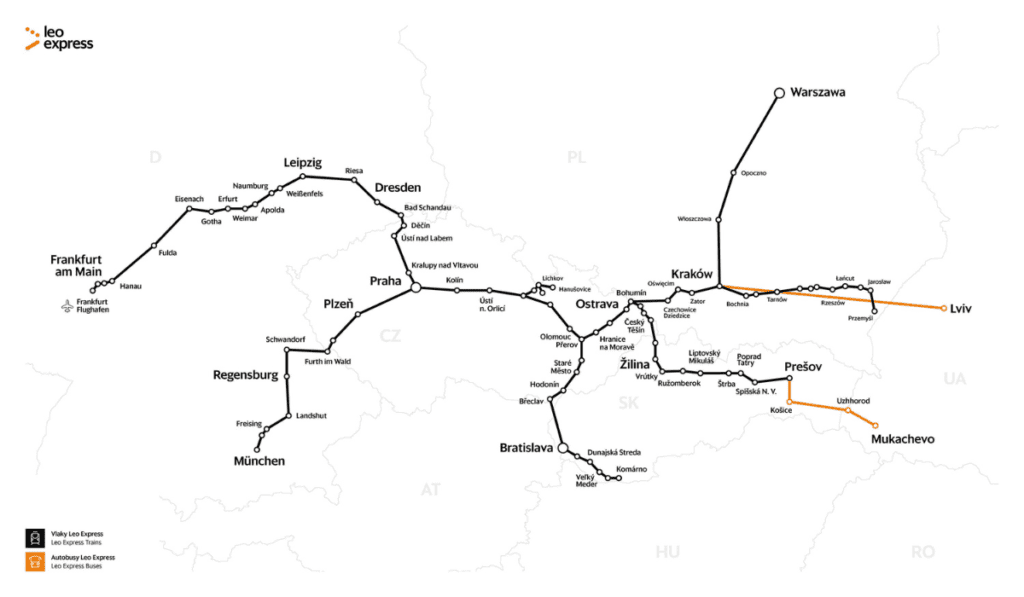
Beginning June 25, Czech rail operator Leo Express will introduce a direct route linking Przemyśl in southeastern Poland to Frankfurt in Germany, passing through major cities including Kraków, Prague, Dresden, and Leipzig. Spanning more than 1,300 kilometers and taking approximately 18 hours end-to-end, the service is expected to become one of Europe’s longest scheduled train routes.
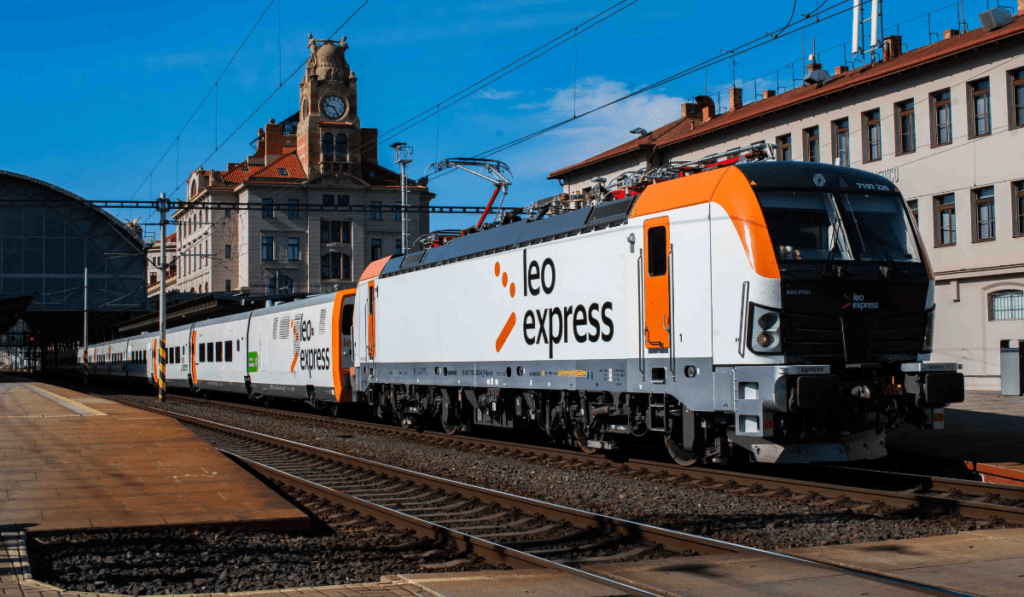
While the route itself is noteworthy for its scale, its launch reflects a much larger movement taking place across the continent: Europe’s ongoing investment in cross-border rail travel as an alternative to short-haul flights and fragmented transportation networks.
The new service will operate daily in both directions and will extend from eastern Poland—near the Ukrainian border—to Frankfurt Airport, one of Europe’s largest international aviation hubs. For travelers, the route creates a single-ticket rail journey across three countries while improving access to key economic, cultural, and transportation centers throughout Central Europe.
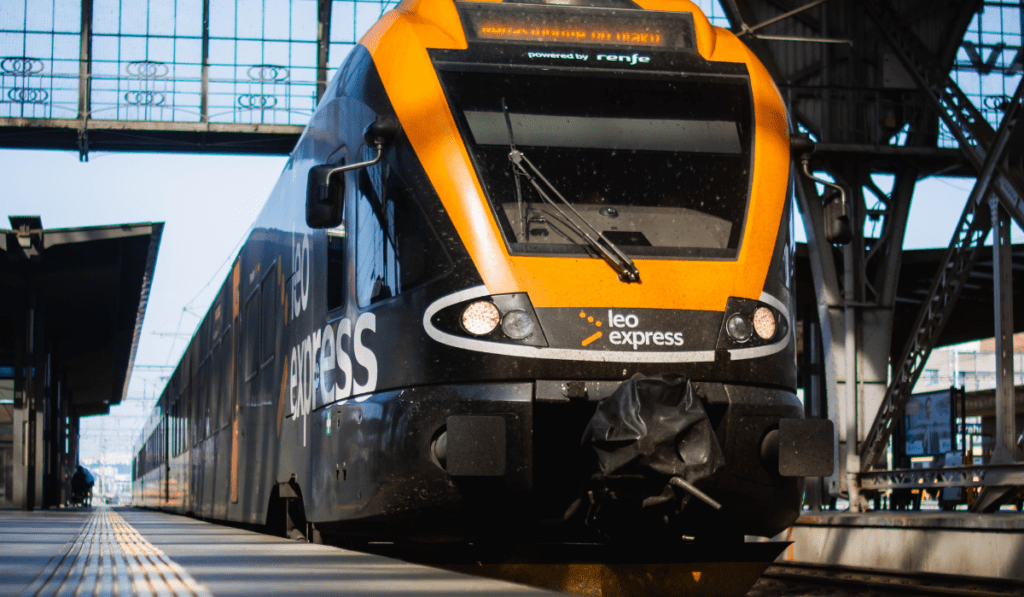
The connection also carries symbolic significance. For decades, rail networks in Eastern and Western Europe developed under different political and economic realities, often resulting in indirect routes and limited cross-border services. By linking cities across Poland, Czechia, and Germany through a continuous rail corridor, the new line represents another step toward a more integrated European transportation system.

Passengers can expect onboard amenities commonly associated with modern long-distance rail travel, including Wi-Fi connectivity, power outlets, air-conditioning, and food-and-beverage services. According to Leo Express, ticket prices on some segments will start from around €10, making rail travel increasingly competitive with budget airlines on select routes.

The launch arrives amid what many industry observers have described as a renewed rail renaissance across Europe. Over the past several years, governments, operators, and transportation authorities have expanded investments in international train services as travelers seek more sustainable and convenient alternatives to air travel.
Several new rail projects are scheduled to launch across Europe throughout 2026, including expanded sleeper trains and additional cross-border connections linking major capitals and regional cities. Operators are increasingly targeting routes that allow travelers to move between countries without relying on airports, baggage restrictions, or multiple transfers.
At the policy level, the European Union is likewise pushing for stronger rail integration. Recent proposals from the European Commission aim to simplify cross-border ticketing, improve passenger protections, and make international rail journeys easier to book across different operators. Industry groups argue that streamlining the booking process could remove one of the biggest barriers preventing travelers from choosing trains over short-haul flights.
The timing is particularly significant as demand for rail travel continues to grow. Surveys commissioned by rail industry stakeholders indicate that many Europeans expect to travel more frequently by train in the coming years, driven by environmental concerns, rising airport congestion, and expanding international rail networks.

For travelers planning future European itineraries, the new Przemyśl–Frankfurt connection may offer more than just another train ride. It signals how rail is increasingly becoming a central part of the continent’s transportation strategy—connecting cities, countries, and regions that were once separated by logistical and political boundaries.
As new routes continue to emerge, Europe’s rail network is evolving from a collection of national systems into a more connected continental web, making long-distance train travel not only possible, but increasingly practical.
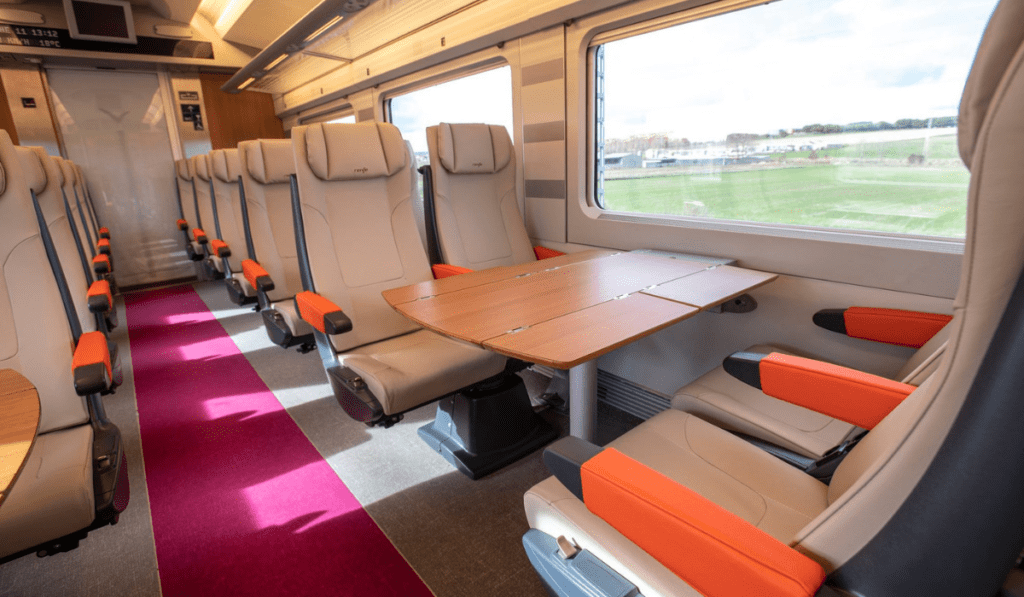
Photos from Leo Express
Related story: SERIES: Japan by train
Related story: Thailand by train: See lesser known places through 14 special trips on nine routes