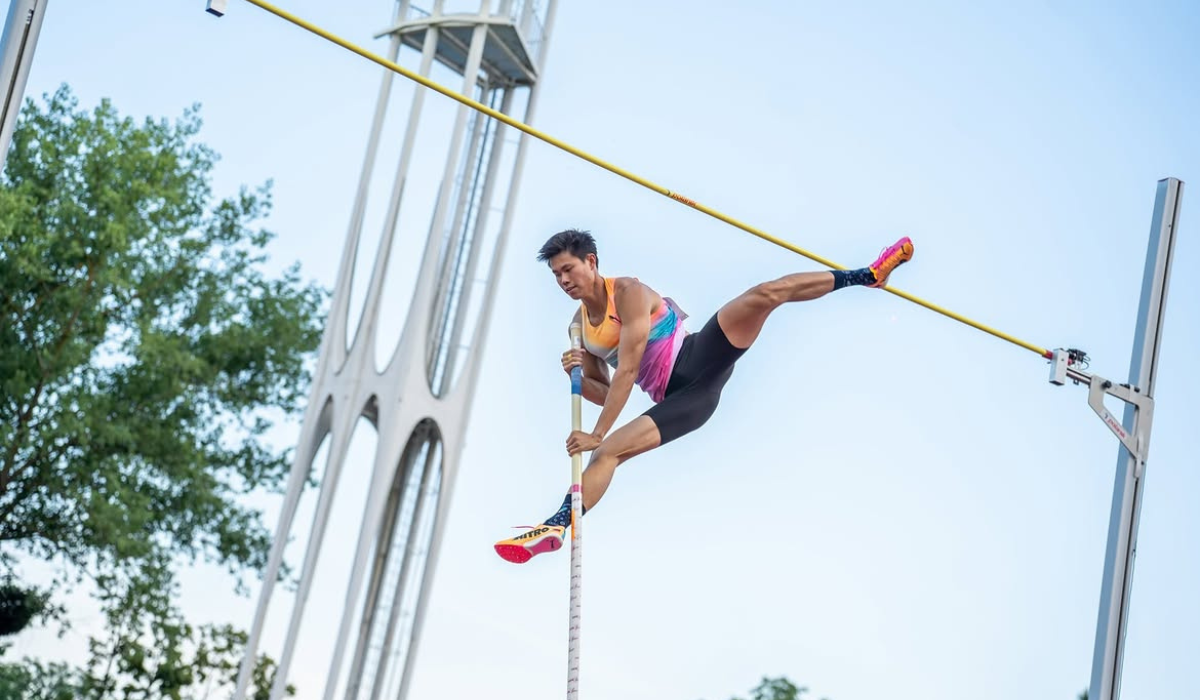

The Filipino pole vaulter battles through injury to claim his 6th gold of 2026 in Germany. Discover why his resilience matters more than the medals.
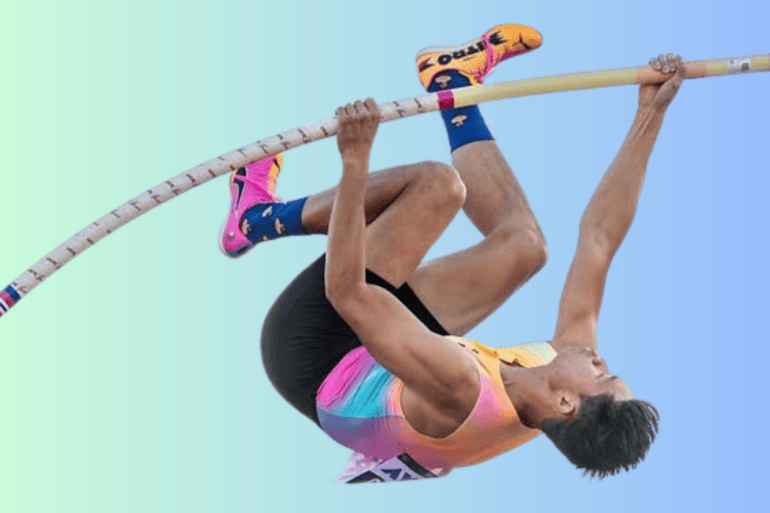
EJ Obiena added another gold medal to his 2026 season this week, clearing the bar at a pole vault meet in Germany despite visible discomfort that had him limping through parts of the competition. It is his sixth title of the year, a tally that would be remarkable for any athlete but is almost expected now for the Filipino vaulter who has made podium finishes routine.
The feat in Germany saw Obiena clear 5.76 meters at the Halberstädter Höhenflug in Halberstadt, edging out Qatar’s Seifeldin Abdelsalam (5.66m) and the United States’ Cole Walsh (5.56m). It marks his sixth gold medal of the 2026 season—adding to earlier title wins at the International Springer-Meeting in Cottbus, the Asian Indoor Championships in Tianjin, the ISTAF Indoor in Berlin, Poland’s Czesław Cybulski Memorial, and the Raiffeisen Austrian Open—and comes right on the heels of a season-best 5.85-meter silver finish at Meeting Madrid.
What stands out this time is not the height he cleared but the fact that he competed through what appeared to be a leg injury and still won. For a country whose only sporting narratives often hinge on drama and last-minute redemption, Obiena’s latest victory offers something instructive: the value of consistency even when the body is not fully cooperating.
Obiena has spent the past several years rewriting what Philippine athletics looks like on the international stage. He remains the country’s most credible medal contender heading into next year’s world championships and the 2028 Olympics, and each European meet he wins adds to a resume that already includes an Asian record and a string of top-five Olympic and world finishes.
Related story: The thrill and agony of watching EJ Obiena chase his Olympic dream
Related story: The POST exclusive interview: Pole vaulter EJ Obiena poised to bring home medal from Paris Olympics
But the limp matters. Elite pole vaulters operate on razor-thin margins between technique and injury, and any hint of physical strain invites questions about durability heading into a packed competition calendar. Obiena’s camp has not detailed the extent of the issue, and it would be premature to speculate on whether this is a minor tweak or something that requires more careful management in the coming weeks.
What Filipino sports fans should take from this is less about the medal count and more about the professionalism on display. Winning while compromised is often harder than winning at full strength, and it speaks to the training and mental conditioning Obiena has built over a career defined by long stretches away from home, unglamorous European circuits, and the isolation that comes with being a solo athlete in a team-sport-obsessed country.
There is also a broader point worth making. Obiena’s success has largely been self-funded and self-managed relationships with coaches abroad, a reminder that Philippine sports infrastructure still has considerable ground to cover in supporting athletes at his level. His medals are a testament to individual resilience as much as they are a subtle indictment of what remains, structurally, an uphill climb for athletes without institutional backing.

Six golds in, the question is no longer whether Obiena can compete with the world’s best. It is whether the system around him can keep pace with what he has already achieved.
Related story: The beauty and brutality of EJ Obiena’s world
Related story: Dream come true: EJ Obiena brings world pole vault event to PH