


A hands-free camera could be useful at a concert, but the way some people use it raises questions about privacy, especially for women.
A pair of glasses that can play music, take calls, and shoot video sounds pretty cool. If you can afford a pair and go to shows that allow recording, you might even get some use out of the camera. You can catch a bit of your favorite song without the ngalay of holding up your phone and actually watch the band while you’re at it.
Beyond the show, though, how often would you use it? Taking a call on your way to coffee sounds handy. Once you sit down, the camera is facing the friend telling you about their week. You probably wouldn’t pull out your phone to record that conversation, so what do you gain by making it easier to film?
Reports of men secretly filming women and posting the clips as dating advice gave Meta’s smart glasses the nickname “pervert glasses.” In one case that the BBC covered, two videos from an encounter on a beach in England drew a combined 6.9 million views on TikTok. In another, a woman who asked for a secretly filmed video to be taken down said the man who posted it wanted her to pay for him to remove it. For the women in those clips, an ordinary encounter became public before they even knew they’d been filmed.
Related story: Gucci and Google’s smart glasses could be luxury fashion’s next big tech move
Related story: The best gifts and cool gadgets to power up a tech lover’s Christmas
What Meta glasses can do

Ray-Ban Meta and Oakley Meta went on sale in the Philippines on November 10, starting at P34,149 for the Oakley Meta HSTN. The third-generation Ray-Bans come in Wayfarer, Aviator, and Zena frames. They have a 12-megapixel camera that shoots video in up to 3K, with built-in speakers and microphones for music and calls. You can start recording with a button on the frame or a voice command, and you can ask Meta AI questions in Tagalog.
At a concert, keeping your phone in your bag in this era of tech is actually a flex. But in a conversation, it takes away a certain familiar cue. When someone lifts a phone, you get a second to lean in, move out of the shot, or ask where the video’s going but someone in Wayfarers can keep looking you in the eye while they record. With that line being blurred, some venues in the US and UK have taken that risk seriously enough to ban the glasses.

Meta added safeguards, but is it enough?
Meta’s glasses have a small white light that comes on when the wearer takes a photo or records a video for their gallery. In August, Meta announced an update designed to stop a video if someone covered the light while recording. The company also ran a campaign explaining what the light means. Both steps make the warning more useful, but they still depend on people noticing it. Several women who spoke to the BBC said they hadn’t seen a light during their encounters. Even if you see it, by then the camera is already on.
The light also only tells part of the story. Mark Zuckerberg told investors in 2025 that the glasses could let AI “see what you see throughout the day.” That can be useful for reading a street sign aloud, especially for someone with low vision. To answer a question about what you’re looking at, the glasses can send a picture to Meta, and on newer models some of those requests happen without the light coming on. Meta says it has a way to keep the contents of some AI requests private even from the company. In October, two US senators asked Zuckerberg about the unlit camera and reports that contractors had reviewed intimate footage.

What can you do if someone films you without asking?
In the Philippines, what you can do depends on what happened and what the person did with the footage. The National Privacy Commission says sharing photos or videos containing personal information needs a lawful basis under the Data Privacy Act. Consent is one possible basis. If someone records you and shares the clip online as part of gender-based sexual harassment, the Safe Spaces Act can also apply. The law assigns the PNP Anti-Cybercrime Group to receive complaints about online gender-based sexual harassment.
If a clip shows up online, save the link, account name, and screenshots before reporting it or asking for it to be taken down. Those records can help if you file a privacy complaint with the National Privacy Commission or report online harassment. Getting a clip removed and holding the person who posted it accountable are separate outcomes, and what’s possible depends on the facts and the evidence. For someone who only learns they were filmed when a friend sends the link, even that first step comes after the video has already reached an audience.
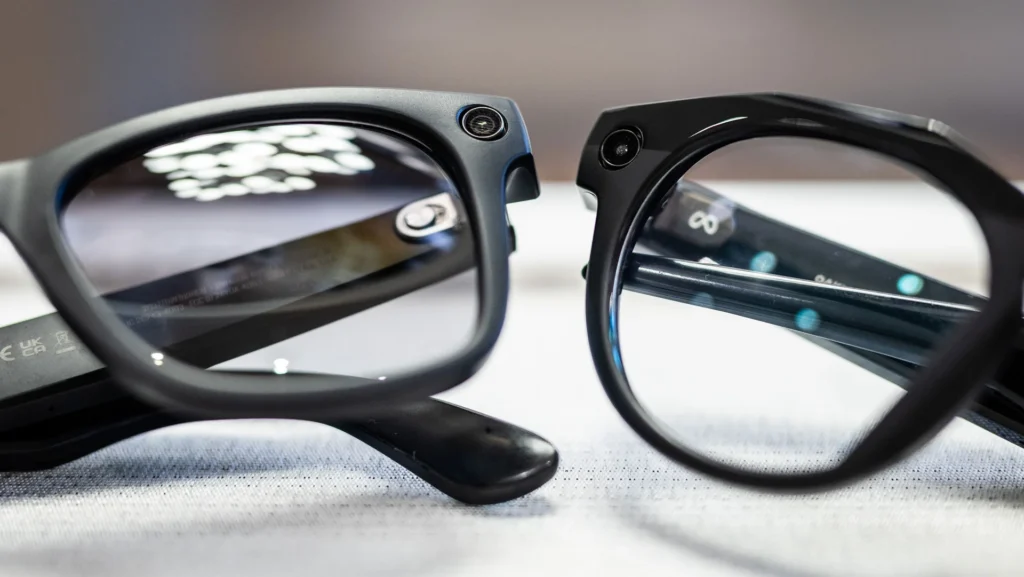
How can you tell if someone is wearing Meta glasses?
From across a table, Ray-Ban Meta glasses can look like regular Wayfarers. Up close, look at the upper corners of the frames. On camera-equipped models, one corner has a small, dark camera lens. The other has a white light that flashes for a photo or pulses during a video.

The lens tells you the glasses can film. The light can be harder to spot, especially outdoors, and some AI features can use the camera while it stays off. So even up close, there’s only so much you can tell by looking.

Should you get a pair of Meta glasses?
Before spending P34,149, think about where you’d actually wear them and when you’d turn on the camera. A concert that allows recording is an easy one. You can get a short clip without holding up your phone until your arm aches, and still watch your favorite. For someone with low vision, using the glasses to read signs or menus can be a reason to wear them every day.
But beyond that, it gets harder to think of an everyday use for the camera. You might take calls on your commute or listen to music on a walk, both things Meta’s camera-free glasses can already do. And if you only take the odd video at a birthday or on a trip, you probably already have your phone with you. If a concert is the only time you’d leave it in your bag, that might be all you need to know before buying a pair.
Related story: Explore these gift ideas for your techie friends
Related story: What’s an analog bag? The low-tech trend taking over totes