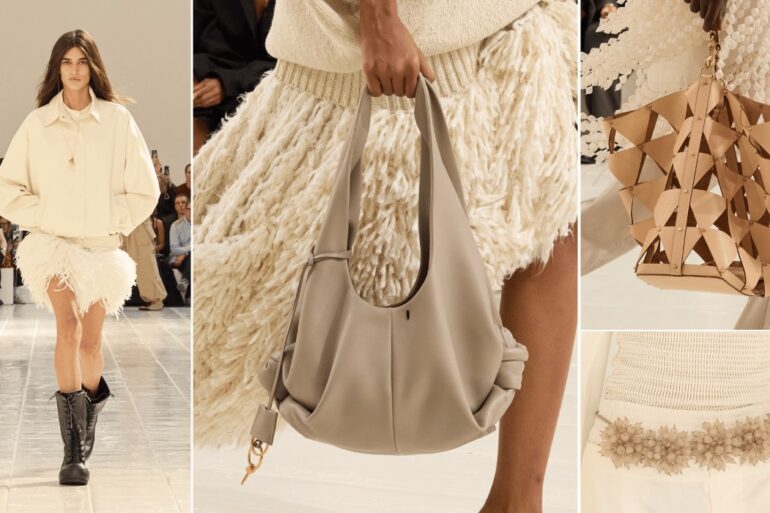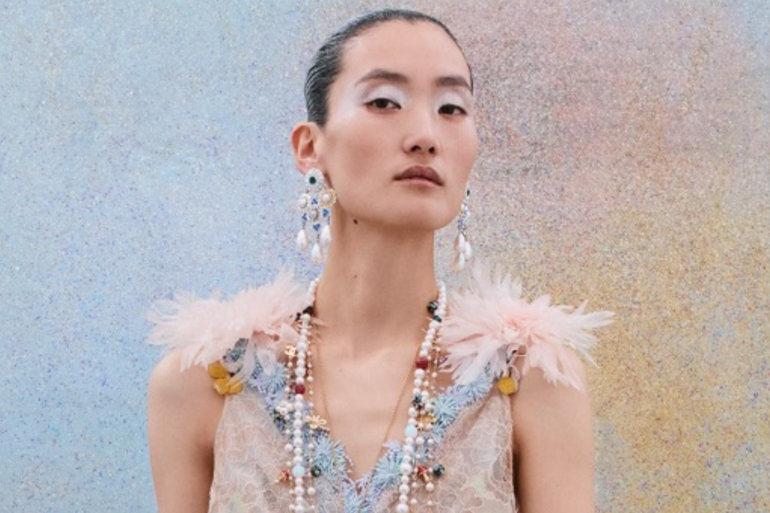
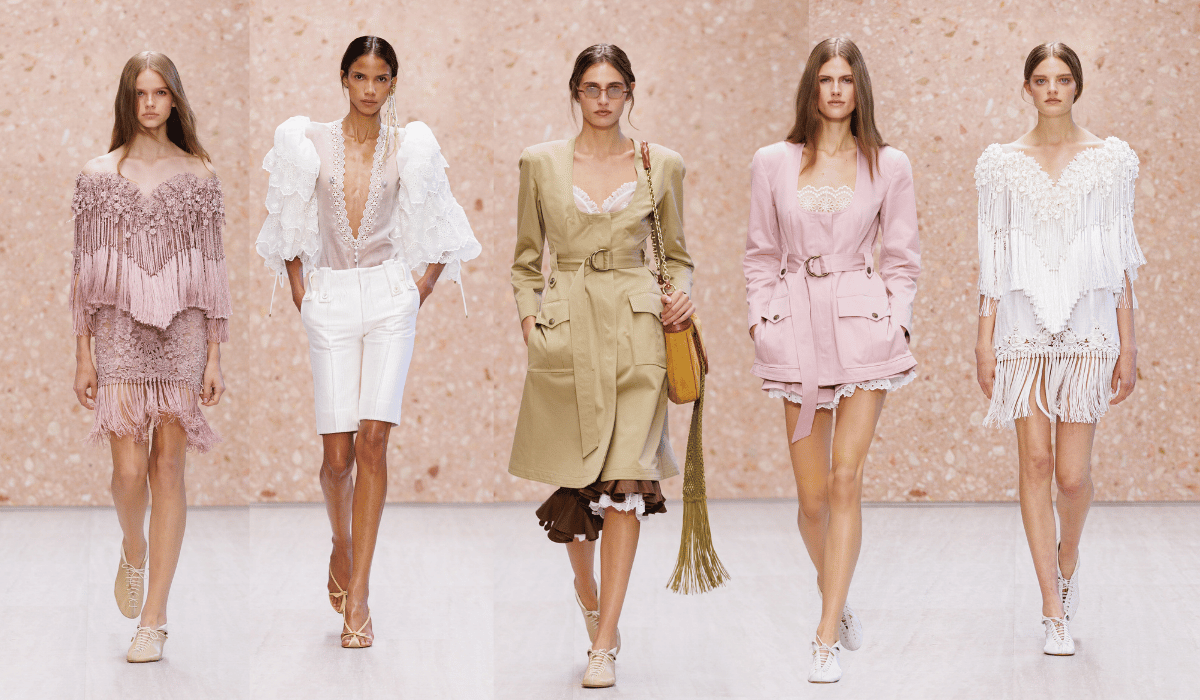

Creative director Chemena Kamali revisits the French fashion house’s most beloved signatures in a collection inspired by her personal love affair with Chloé.
Some things are simply too beautiful to forget, like a dress from decades ago or the delicate embroidery on a piece of fabric. Maybe even a neckline that flatters the shoulders. For Chloé creative director Chemena Kamali, these little fixations became the starting point for the house’s Summer 2027 collection, aptly named “Obsession.”
Rather than search for something entirely new, Kamali looked to the things she has always loved about Chloé, revisiting the house’s archives and the clothes that first captured her imagination. “My approach to Chloé has always been intuitive: about feeling, emotion,” she explains in her show notes. “I wanted something deeply personal—to return to things I love, the emotions they trigger in me.”
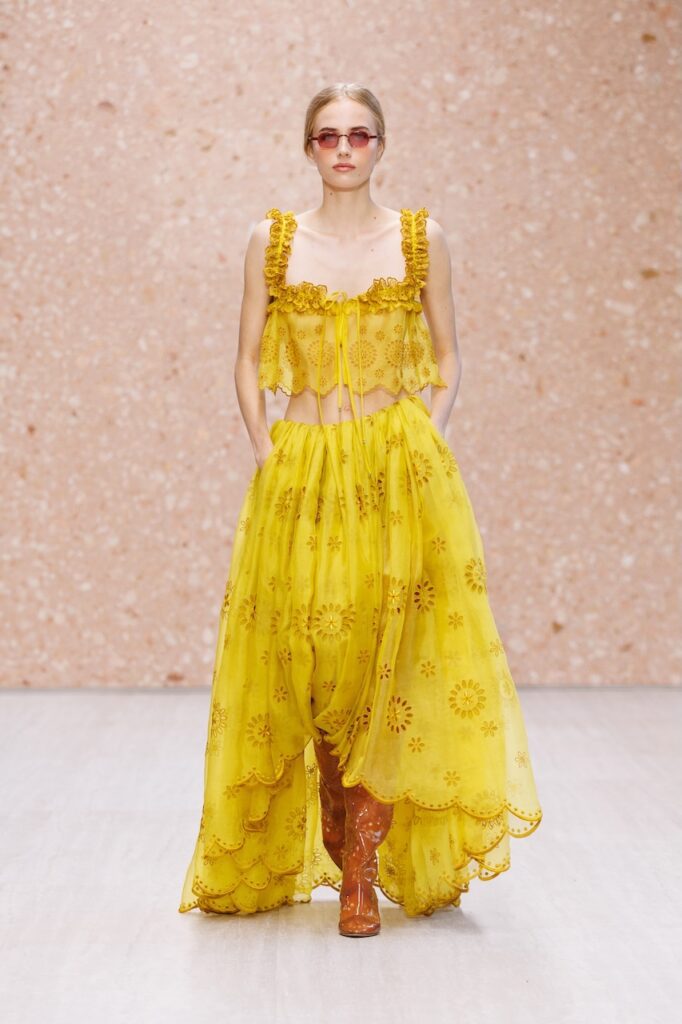
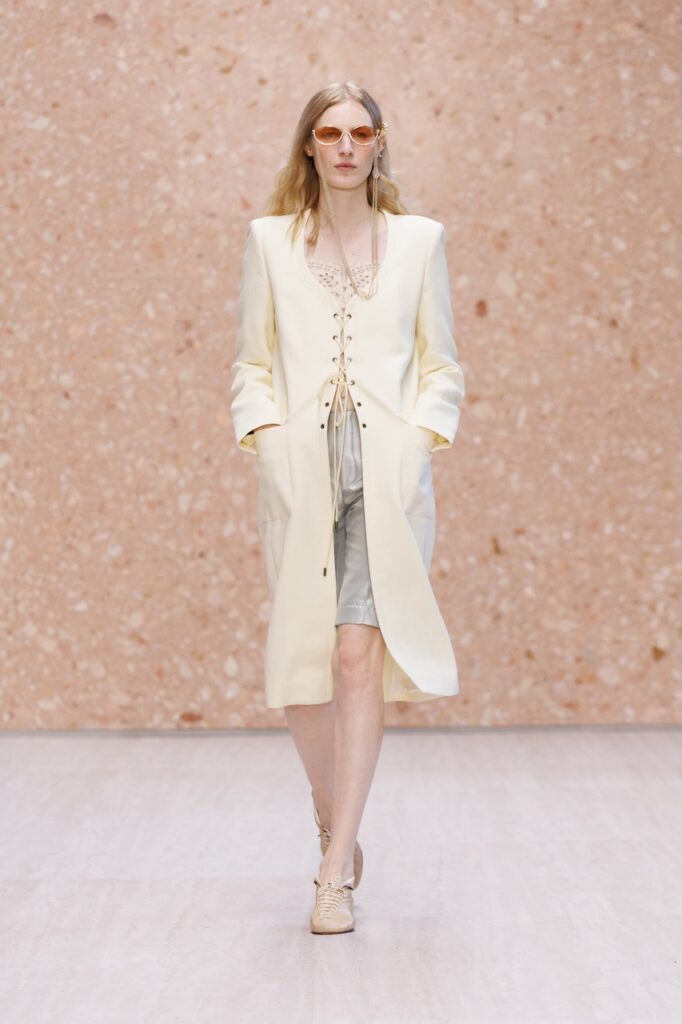
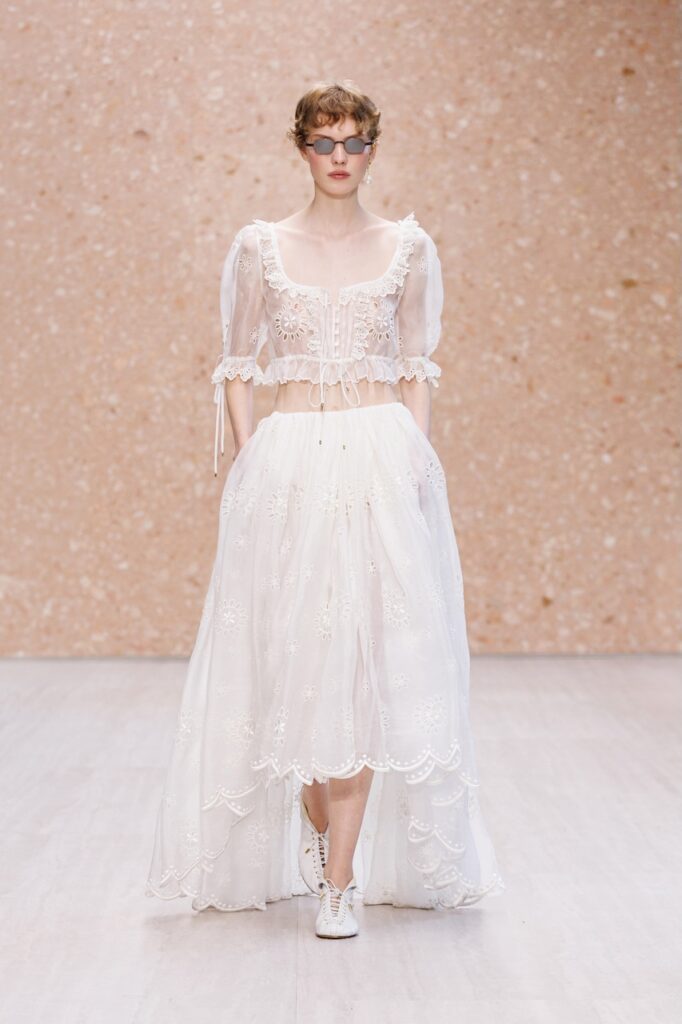
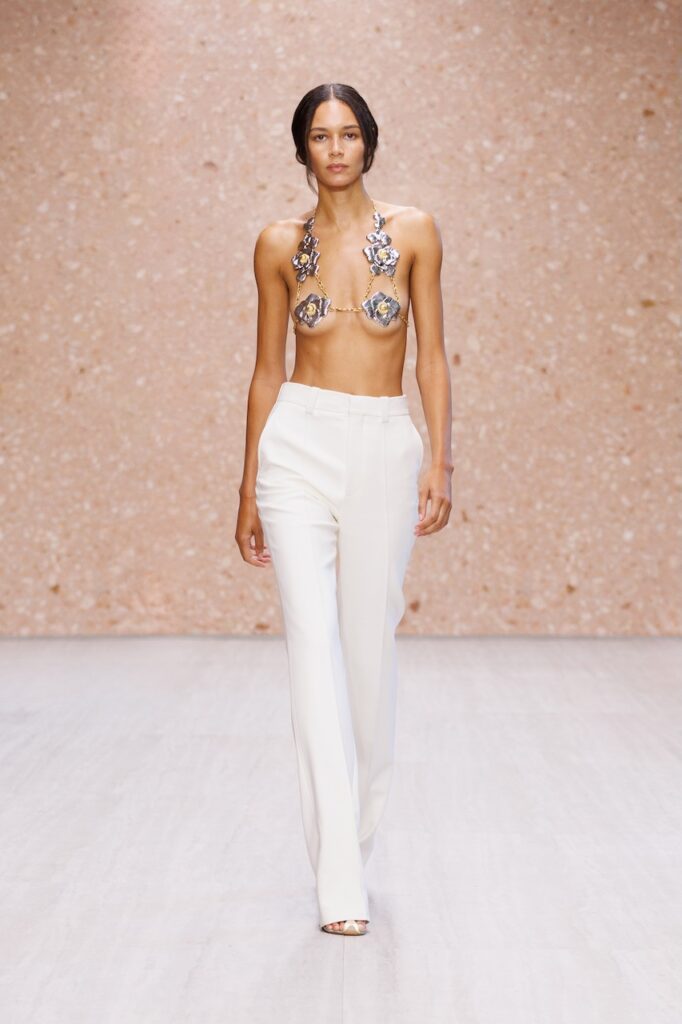
The collection draws from different periods in Chloé’s history, beginning with the robes de jeunes filles, or young girls’ dresses, from the house’s early years. Their delicate broderie anglaise inspired Kamali to explore 19th-century embroidery techniques, reinterpreting intricate threadwork on everything from featherlight organza to crisp, substantial cotton.
Flowers, too, make an appearance, with three-dimensional floral embroidery inspired by the 1960s. The elaborate craftsmanship recalls Chloé’s early approach to ready-to-wear, when everyday clothing could still possess the painstaking detail of haute couture.
“I was obsessed by 1960s three-dimensional floral embroidery, an echo of Chloé’s rich history of prêt-à-porter expressed with couture-level savoir-faire. I wanted to use these embroideries to create depth, texture, and complexity, yet to express a sense of ease, of youthful esprit. A Chloé contradiction,” Kamali writes in the show notes.
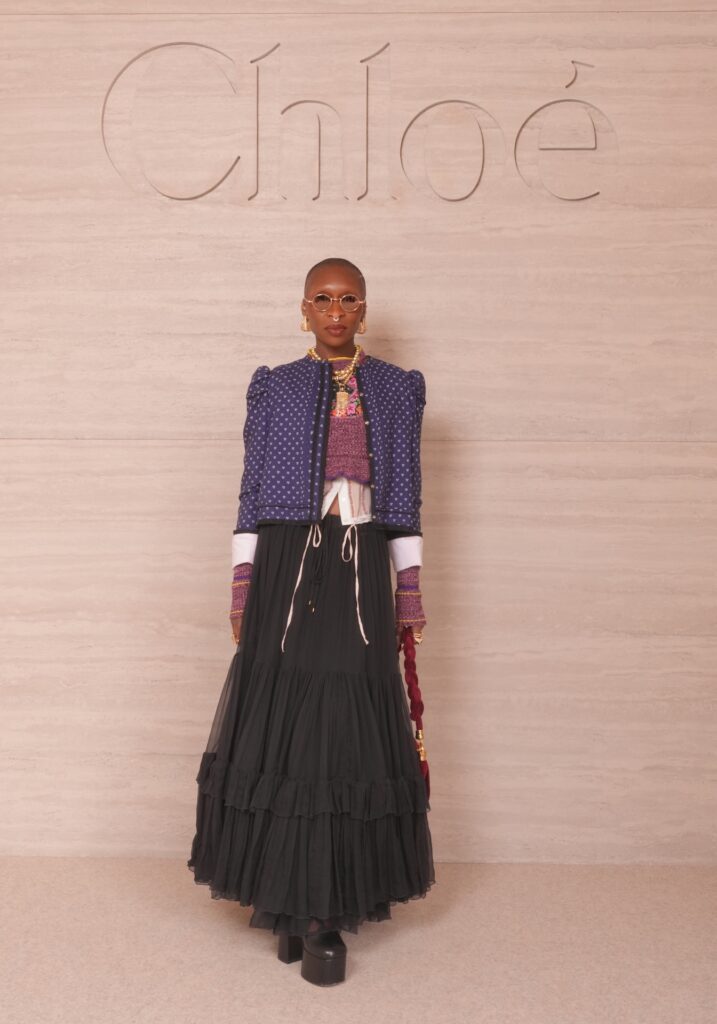
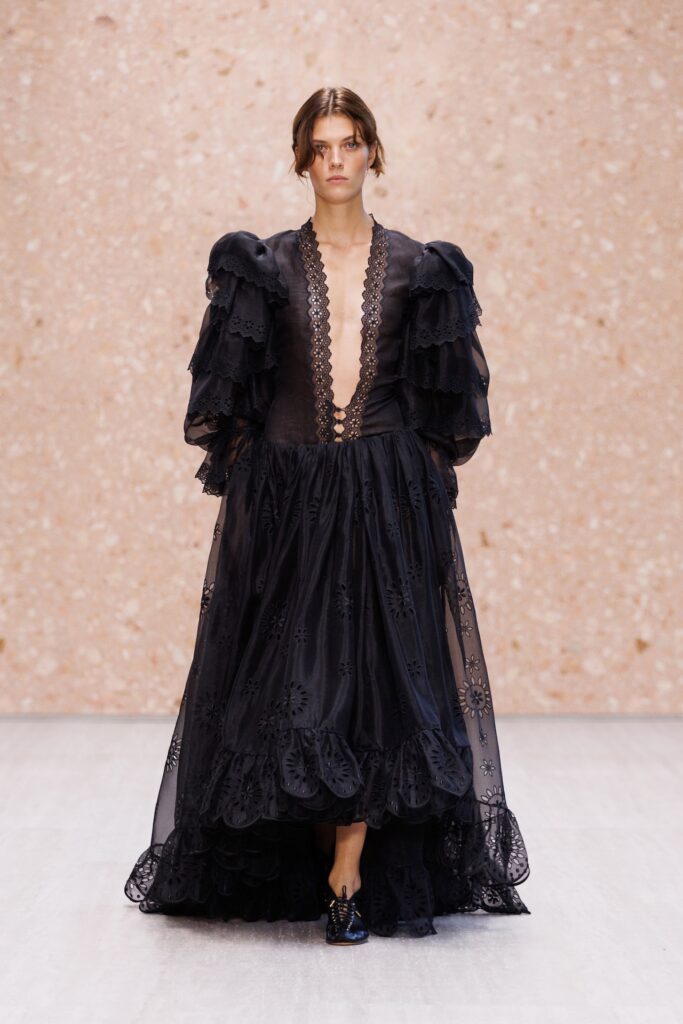
She also pays particular attention to necklines. Sweetheart, bateau, square, and V-shaped cuts serve as the starting points for entire silhouettes, framing the shoulders and collarbones while giving each garment its own personality.
But not everything is soft and romantic. Outerwear takes its cues from the 1970s, with fishermen’s coats, capes, and sou’wester hats reimagined through the lens of 1950s rainwear. Transparent vinyl in smoky shades lends these practical silhouettes an unexpected sharpness.
“Over these silhouettes, I layered transparent vinyl in smoky shades, drawing on the rainwear of the 1950s, to create graphic and sharp silhouettes,” Kamali continues in her show notes.
An archival favorite is the 1972 “Noel” suit, a scalloped-edge tuxedo that she has long admired. Its influence brings masculine tailoring into the collection, recalling Chloé’s history of dressing women in clothes traditionally associated with men, but always on their own terms.
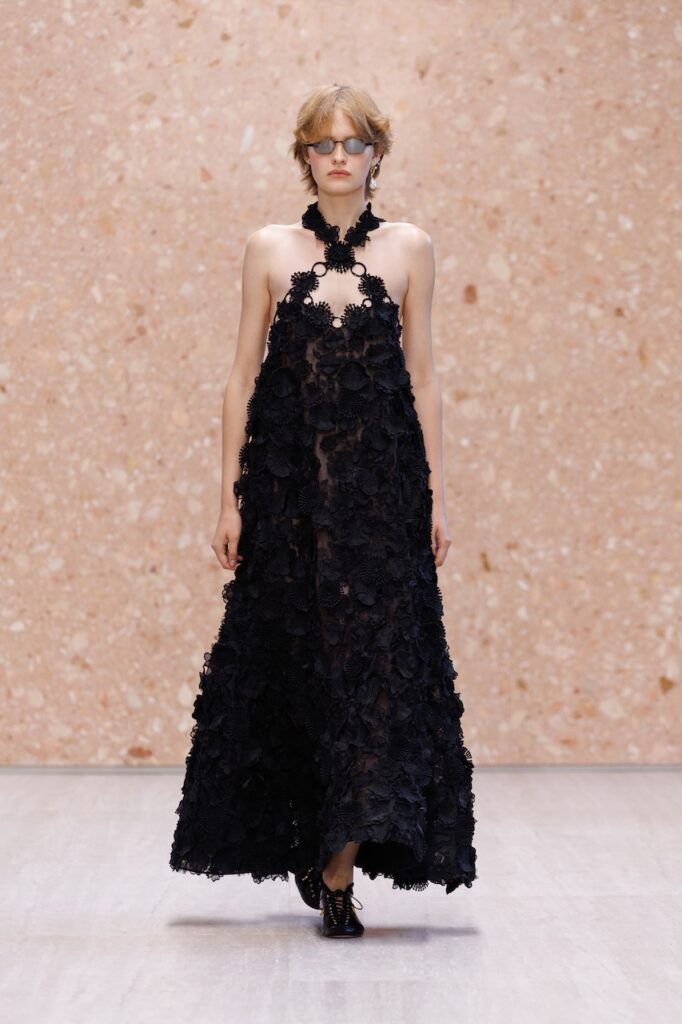
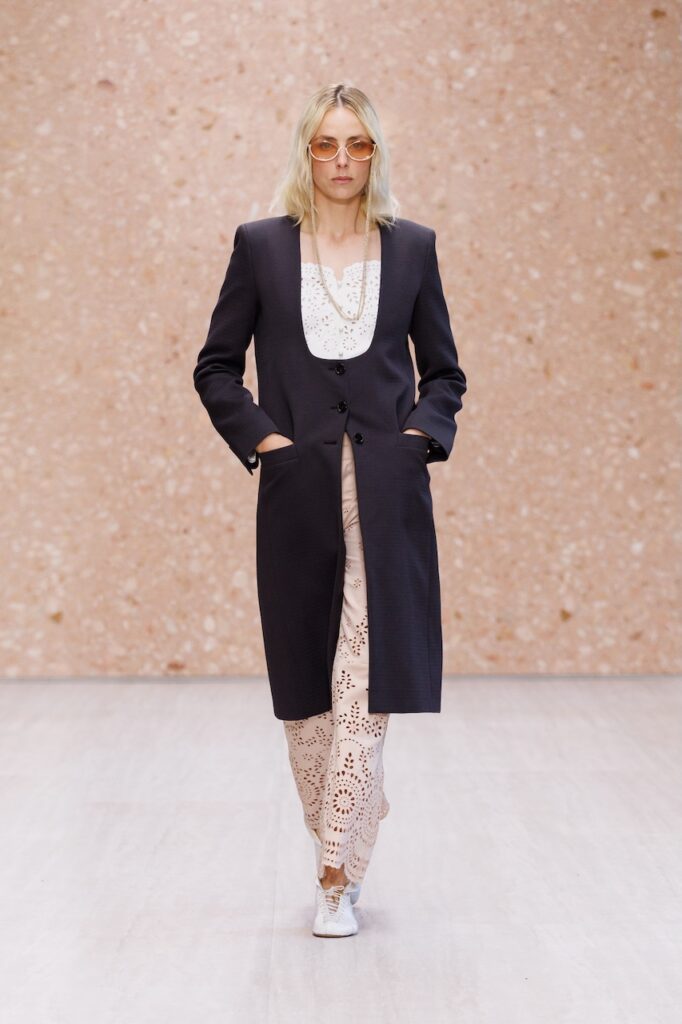
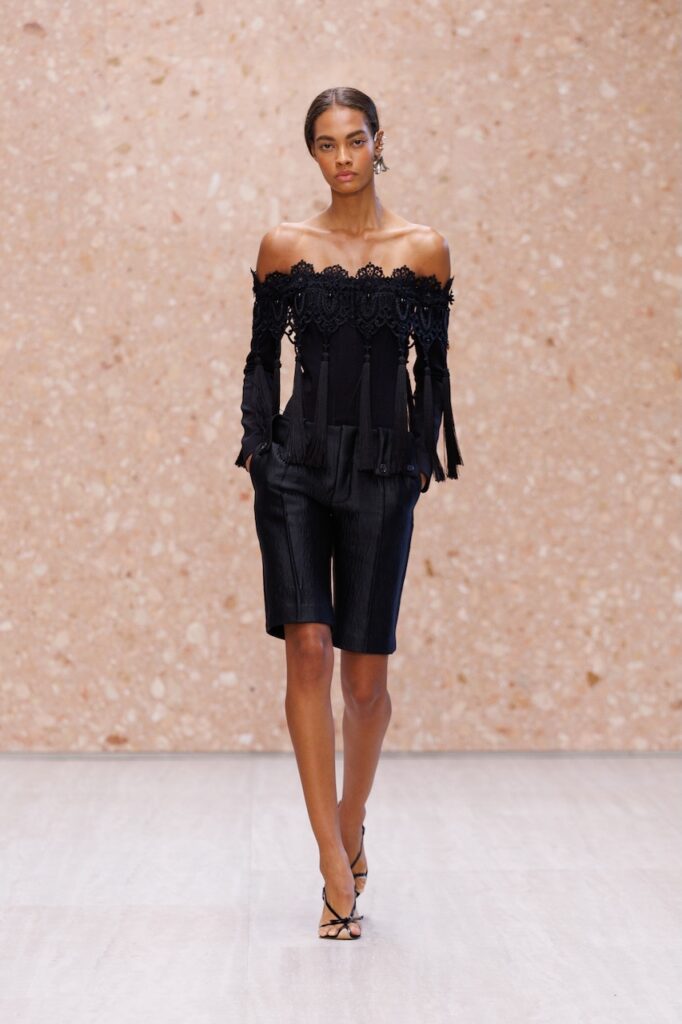
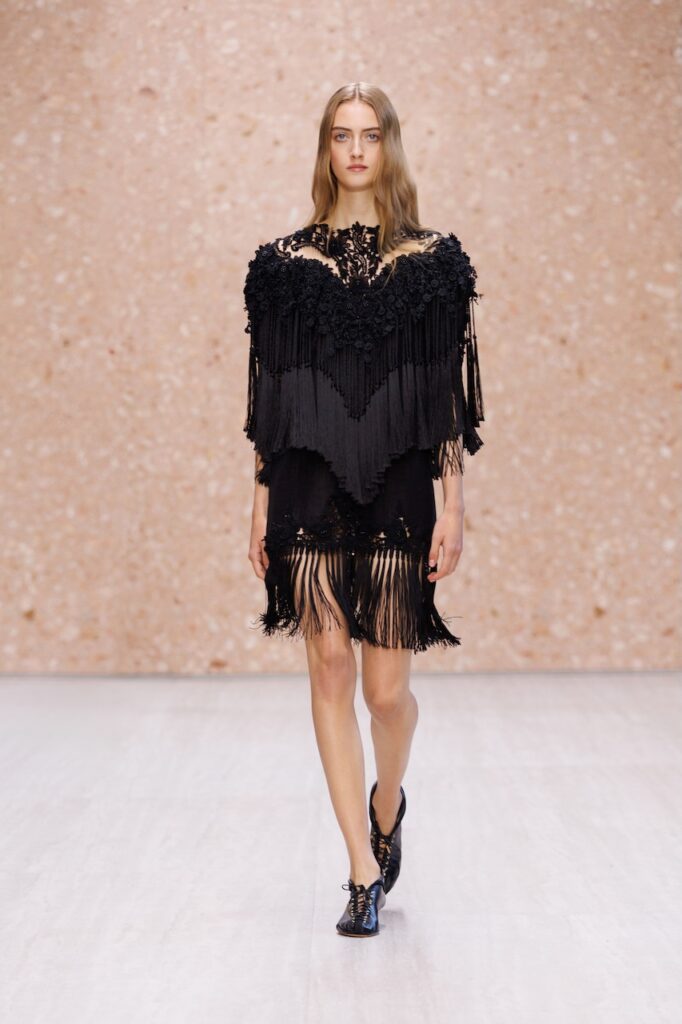
Then comes lingerie, perhaps the most intimate of Kamali’s inspirations. Delicate lace is removed from its familiar setting and transformed into barely-there harnesses, adding a provocative touch to the collection’s romantic mood.
What makes “Obsession” interesting is the way Kamali brings together seemingly opposing ideas: innocence and sensuality, masculine tailoring and feminine embroidery, elaborate craftsmanship and the ease of everyday dressing.

For Kamali, these contradictions are precisely what make Chloé, Chloé. “May the love that poured into this collection endure forever,” Kamali says.
The collection is ultimately less about nostalgia than affection, and how certain clothes, details, and memories can continue to inspire long after their first appearance.