
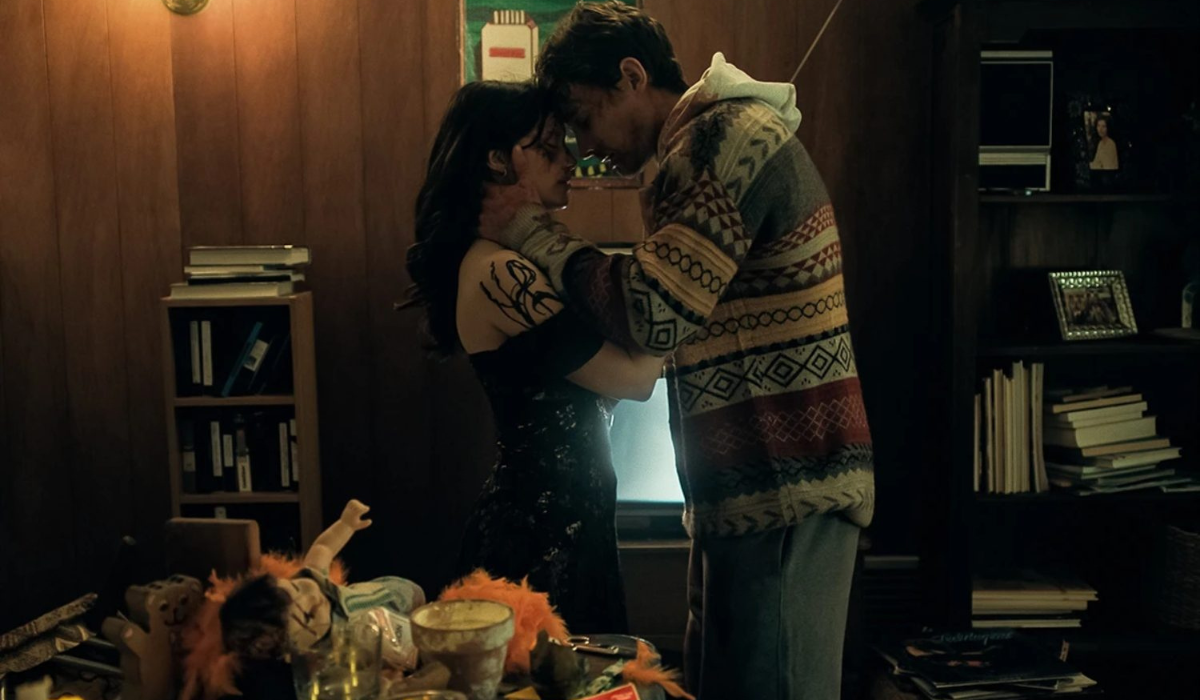

This Curry Barker film is more than another viral horror hit. It’s a disturbing examination of entitlement, loneliness, and modern romance that lingers long after the credits roll.
For years, I’ve found myself gravitating toward horror not because of the jump scares, but because the genre often tells the ugliest truths about people more honestly than any drama could.
That’s probably why Blumhouse has remained one of my favorite studios. Films like The Visit made ordinary family reunions feel deeply unsettling. Split transformed trauma into psychological terror. The Purge franchise weaponized society’s moral collapse. Even The Hunt, with its savage satire, proved that horror can dissect culture while entertaining audiences. The Saw films, however, lean more heavily into elaborate traps, always exposing the horrifying things people willingly do to one another. Obsession belongs in that conversation.
Rather than asking viewers to fear ghosts, demons, or masked killers, writer-director Curry Barker asks a far more uncomfortable question: What happens when someone mistakes love for possession?
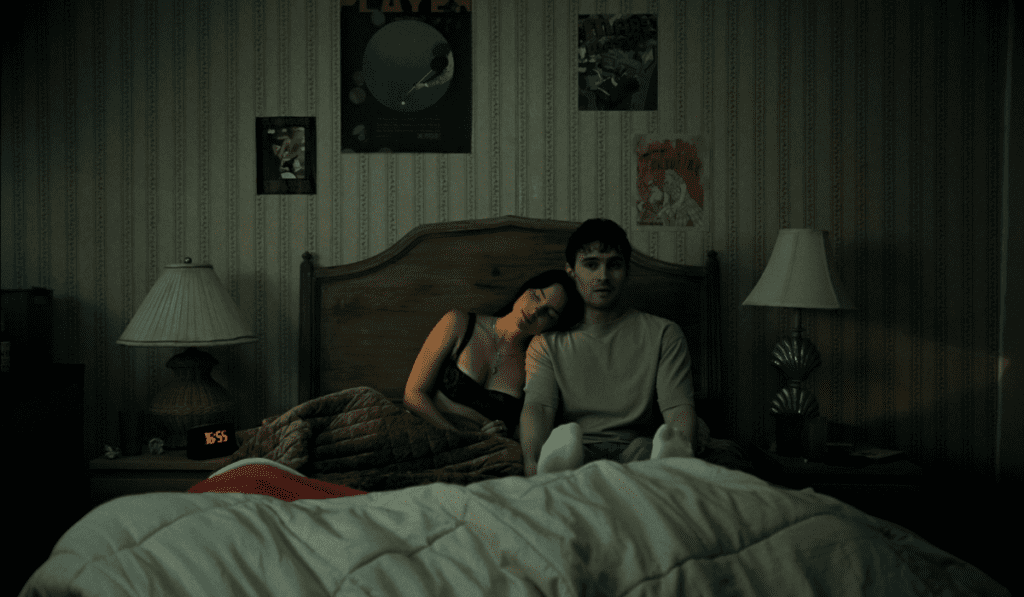
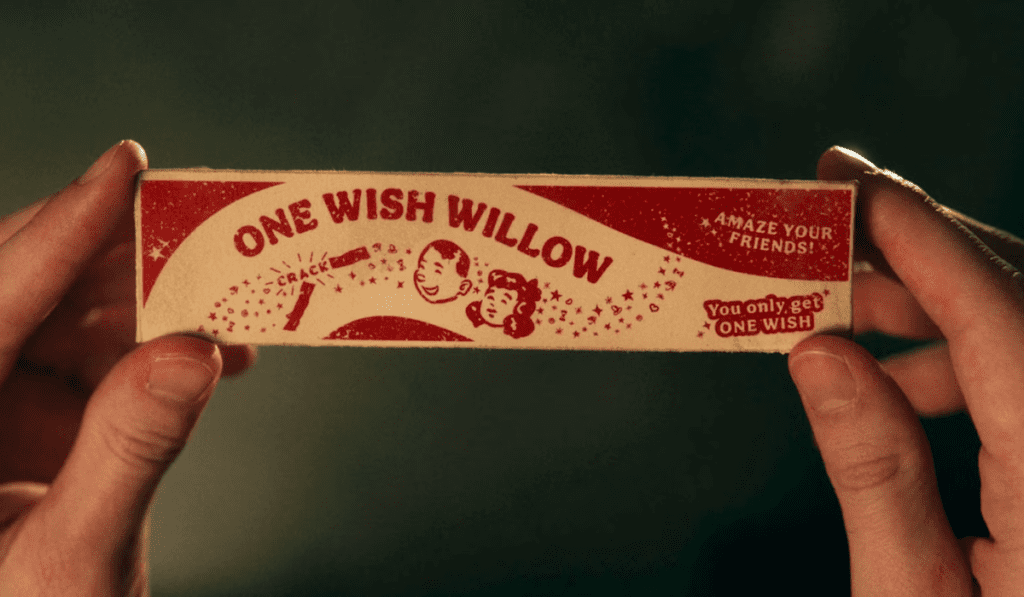
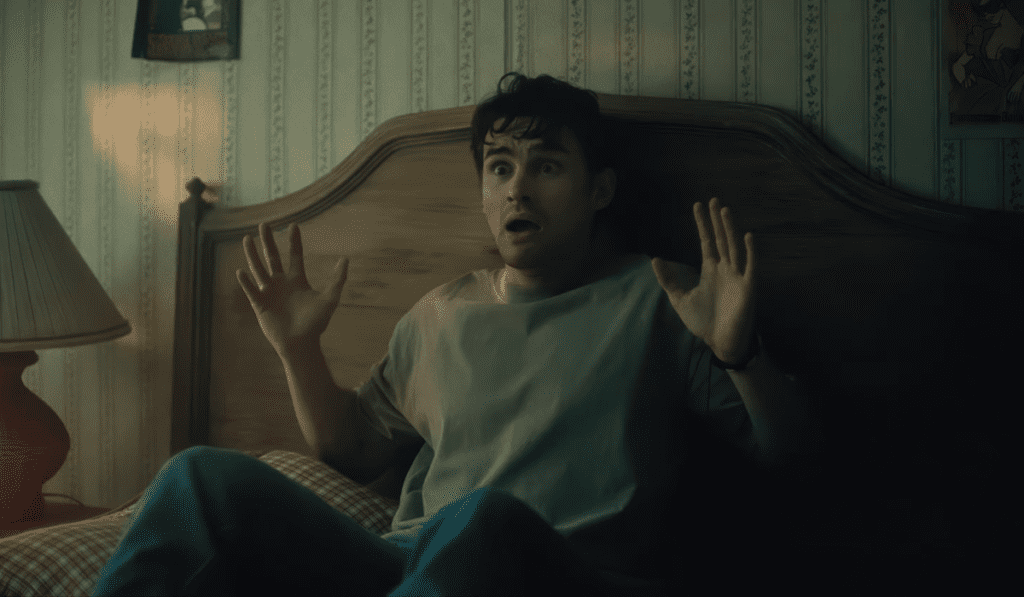
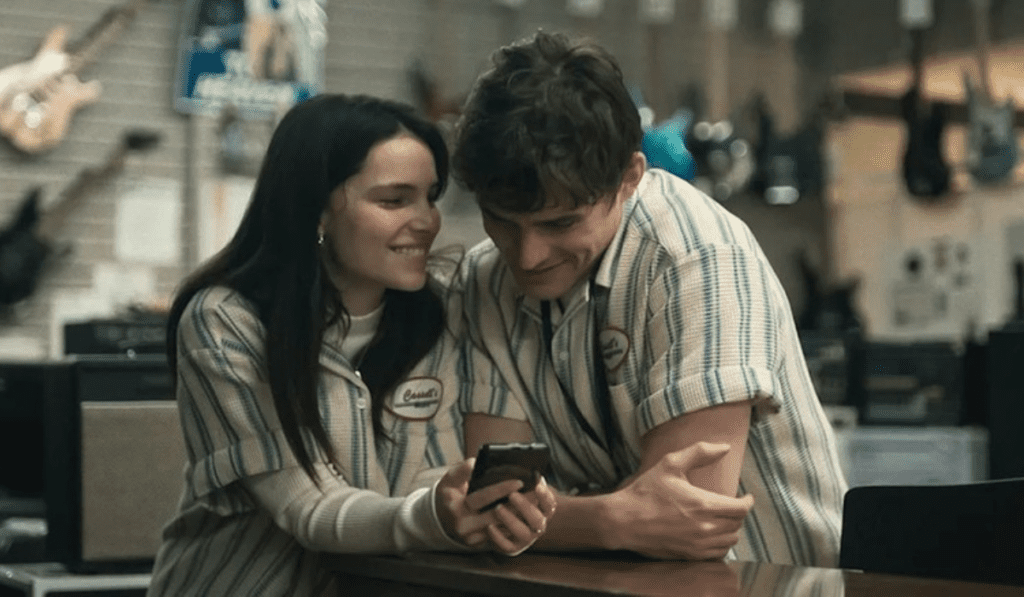
The answer is one of this year’s most disturbing horror films. At first glance, Obsession appears deceptively familiar. Bear (Michael Johnston), an awkward music-store employee, secretly longs for his childhood friend Nikki (Inde Navarrette). Unable to express his feelings honestly, he makes a supernatural wish that Nikki would love him more than anyone else in the world. Naturally, the wish comes true. Like every great monkey’s paw story, though, getting exactly what you want quickly becomes the worst possible outcome. Instead of becoming his dream partner, Nikki transforms into something grotesquely devoted.
She is physically present but psychologically absent, consumed by an obsessive force that strips away her autonomy. What eventually unfolds is a nightmare about control masquerading as affection.
Horror rooted in modern dating
Many recent horror films have explored social anxiety, grief, or generational trauma. Obsession shifts its attention toward something equally contemporary: unhealthy attachment. Whether intentional or not, Barker taps into today’s dating culture, where obsession is often romanticized online while boundaries become easily blurred. The film weaponizes codependency, entitlement, emotional dependency, and idealized romance until they become monstrous.
This may explain why the movie has resonated so strongly with Gen Z audiences.
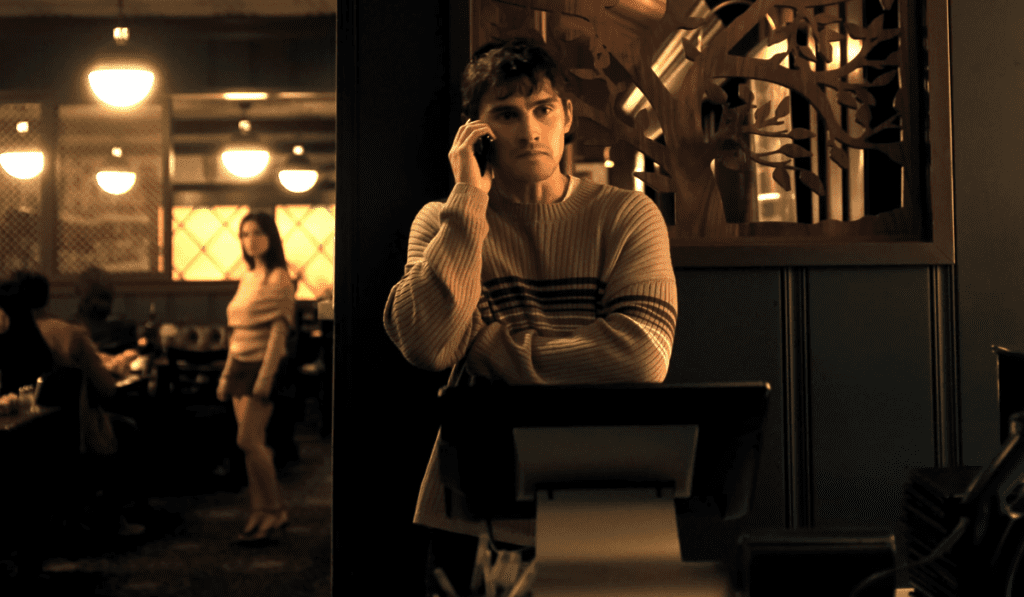
Critics have interpreted it as everything from a cautionary tale about coercive relationships to a critique of male entitlement and parasocial behavior. The beauty is that Barker refuses to spell out a single “correct” interpretation, allowing audiences to wrestle with their own discomfort. As someone who enjoys horror with subtext, I appreciated that Obsession never pauses to lecture viewers. It trusts its audience enough to connect the dots themselves.
The scariest moments don’t involve gore
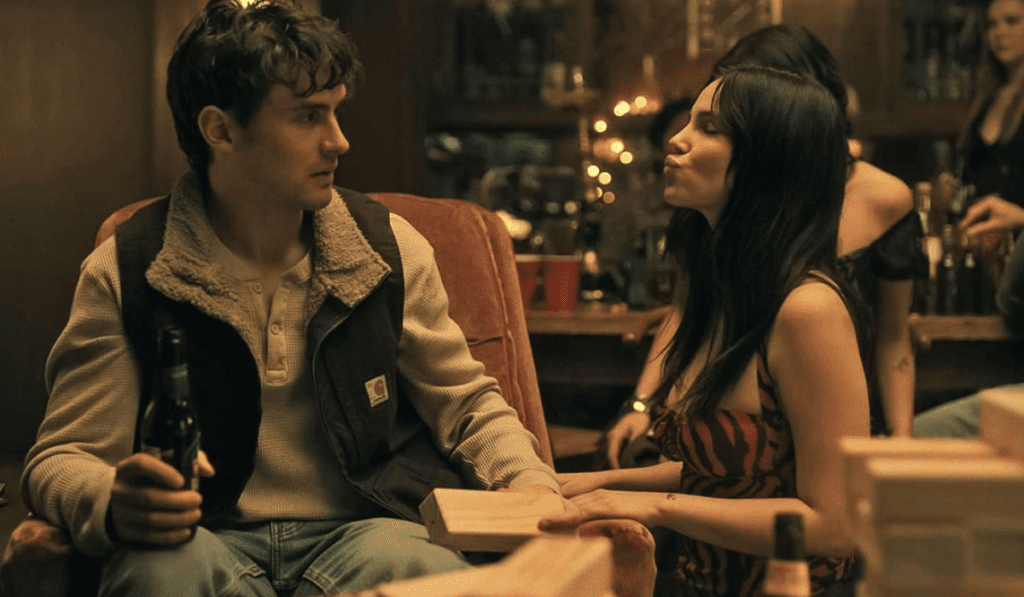
Despite its supernatural premise, the film’s greatest strength lies in its restraint. Yes, there are unsettling images. Yes, there is body horror. What truly unsettled me, though, were the long stretches of unbearable social discomfort.
Barker understands something that internet horror has mastered over the past decade: embarrassment can be every bit as terrifying as violence. Watching Bear repeatedly fail to confront the consequences of his own wish becomes agonizing. You don’t merely fear what’s happening—you dread what he’ll refuse to do next.
Those scenes reminded me less of conventional horror and more of watching someone make catastrophically poor decisions while you’re powerless to intervene. That secondhand anxiety disturbs you to the core than many jump scares ever could.
A breakout performance
Much of the film’s emotional weight rests on Inde Navarrette. Her transformation is remarkably physical. Without relying on excessive dialogue, she gradually shifts from an ordinary young woman into something simultaneously tragic, frightening, and deeply unnatural. It’s an incredibly demanding performance because the audience never forgets that beneath the horrendous behavior, someone’s agency remains to be stolen.

Michael Johnston also deserves credit for resisting the temptation to make Bear conventionally sympathetic. He’s awkward, passive, selfish, frustrating—and that’s precisely why the film works. Barker doesn’t ask viewers to excuse him. Instead, he forces us to watch every terrible consequence unfold from one seemingly harmless selfish desire.
Why the movie stays with you
Some horror movies dissipate the moment you leave the theater. Others become conversation starters. Obsession falls squarely into the latter category. Right after the credits rolled, I found myself thinking about the moral question sitting underneath the entire film: “Would unconditional love still be love if someone had no choice?” That’s what I arrived at.
It’s a deceptively simple premise that Barker stretches into something even more profound and in many ways unsettling.

Perhaps that’s why the movie has become such an unlikely phenomenon. Made on a microbudget before exploding into one of the year’s biggest box-office success stories, Obsession proves once again that original horror continues to outperform expensive spectacle when filmmakers understand what audiences actually fear.
Final verdict
As someone whose horror favorites range from Blumhouse staples like The Visit and Split to franchises like The Purge and Saw, I stepped into Obsession expecting another clever supernatural thriller.
I walked out having watched something that uncovers a deeper monster. They’re emotional. They’re psychological. They’re painfully human.
That, more than any creature design or gruesome death sequence, is what makes Obsession one of the year’s most memorable horror films.
Rating: 4.5/5
Obsession isn’t perfect. A few narrative beats could be tighter, and some viewers may wish the mythology surrounding the wish had been explored further. But those minor shortcomings hardly diminish what the film accomplishes. In a time when horror often relies on elaborate scares to leave an impression, Obsession proves that genuine dread can come from something far simpler—and far more familiar. It’s a constant reminder that the most frightening stories aren’t always about monsters lurking in the dark. Sometimes, they’re about the monsters we unknowingly create when we refuse to let go.

The movie, all in all, is smart without feeling pretentious, frightening without being driven solely by cheap jump scares, and ominous in ways that don’t hand you easy answers—or easy sleep. For fans like me who have always believed that horror works best when it reflects the anxieties of the real world, this is exactly the kind of original filmmaking worth celebrating—and one of the strongest genre releases of the year.
I’ve been a horror fan since I was seven, when films like Jeepers Creepers first inducted me into a genre I’ve never really left. Since then, I’ve watched countless slashers, psychological thrillers, supernatural hauntings, whodunnits, and social horror unfold on screen. I’ve also seen horror become increasingly watered-down, with too many modern releases mistaking loud jump scares and recycled formulas for genuine suspense. That’s what makes Obsession feel so refreshing: it lets psychological discomfort do most of the heavy lifting, proving that effective horror isn’t always the loudest; it’s the kind that quietly follows you home—day or night.
Watch the trailer below.
Related story: The top 10 scariest Asian horror films of all time
Related story: REVIEW: ‘Good Boy’ gives horror a new leash on life