
Short episodes, relentless cliffhangers and mobile-first storytelling have transformed vertical dramas from a passing distraction into a multibillion-dollar entertainment business.
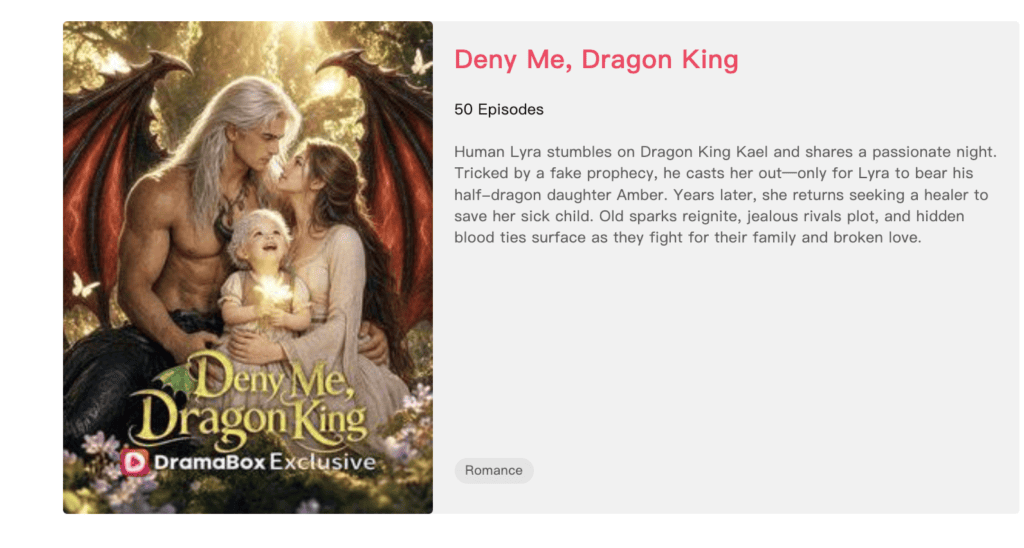
You’re doomscrolling when a story suddenly interrupts the usual stream of videos. A dragon king has fallen in love with a human, danger is closing in and the fantasy is strange enough to keep you curious. The episode cuts off at the worst possible moment, the app asks you to pay and, before you can reconsider, you unlock the next chapter.
This happened to me. I knew the series used AI and understood how deliberately it deployed every cliffhanger, but I still wanted to know what happened next. That mix of curiosity, convenience and emotional manipulation helps explain why microdramas have grown from a mobile novelty into one of entertainment’s fastest-expanding formats.
Related story: ‘Spider-Man: Brand New Day’ review: Peter Parker finds the hero behind the mask
Related story: The biggest San Diego Comic-Con 2026 moments fans need to know
One-minute dramas have become a billion-dollar business
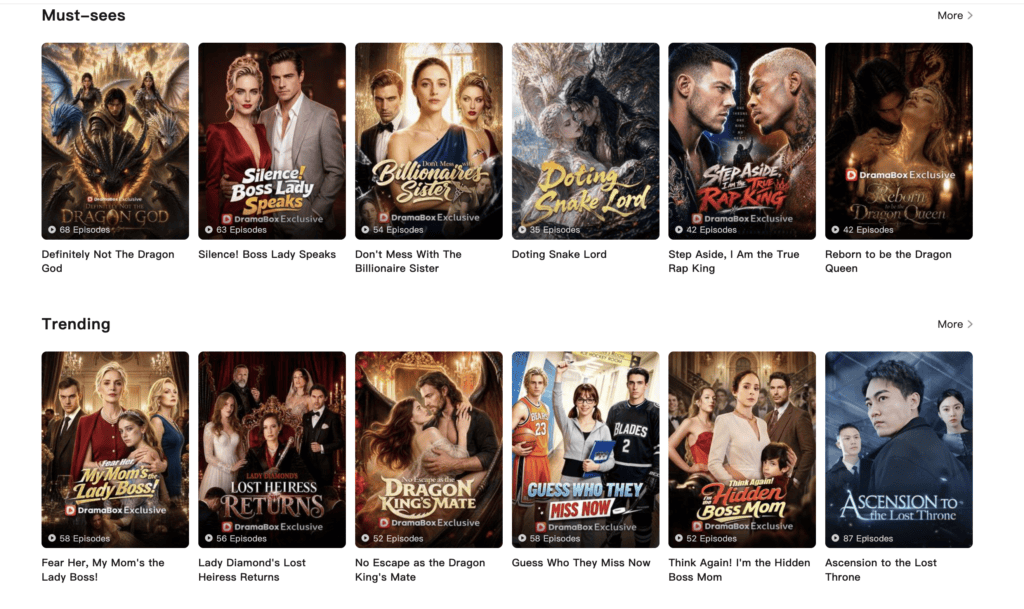
Also called short dramas or vertical series, microdramas tell serialized stories through episodes that typically run for one to three minutes. Producers shoot them vertically for phone screens and divide a complete plot into 50 to 100 parts, delivering the length of a movie in pieces small enough to watch while commuting, eating lunch, waiting in line or lying in bed.
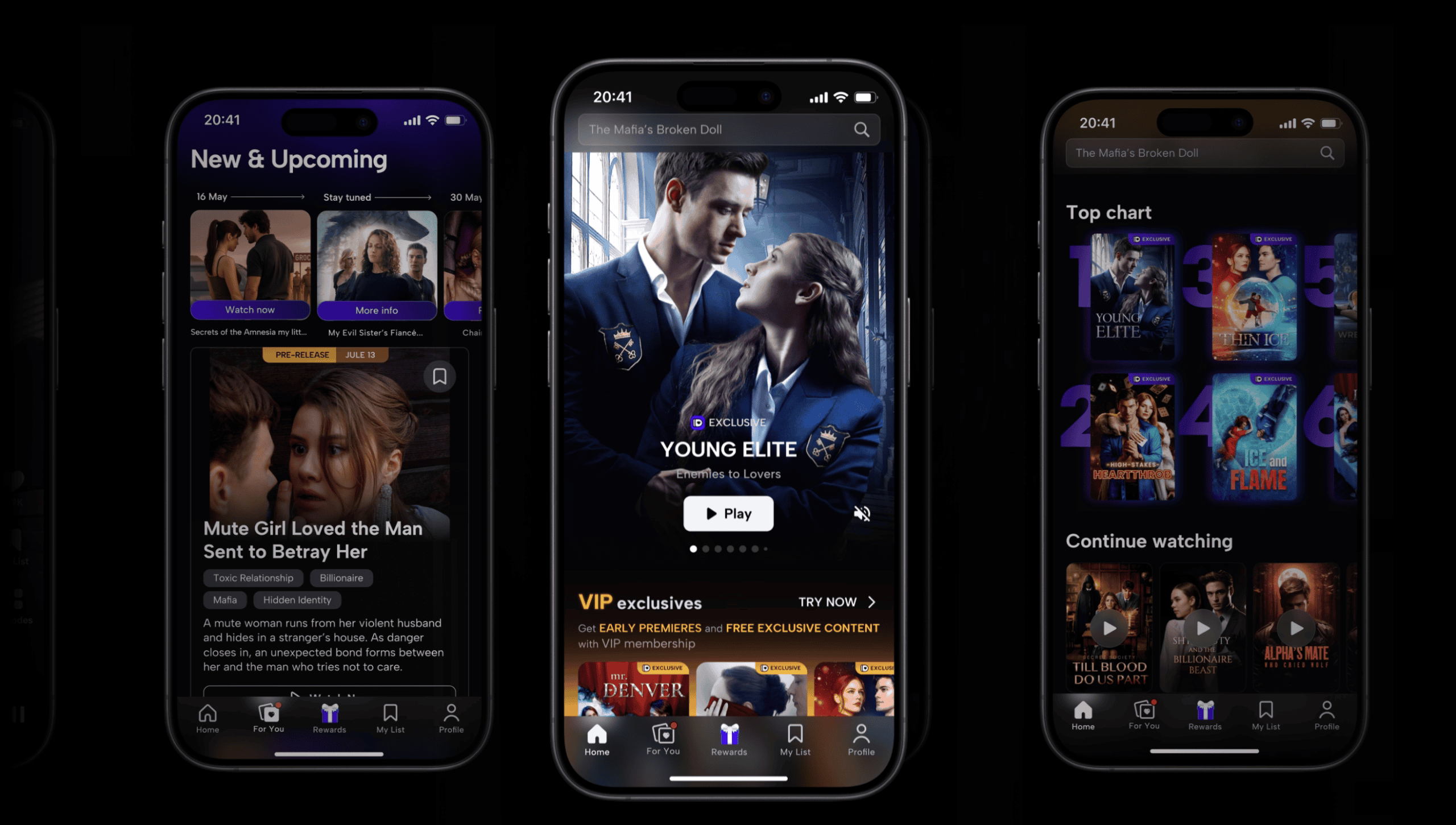
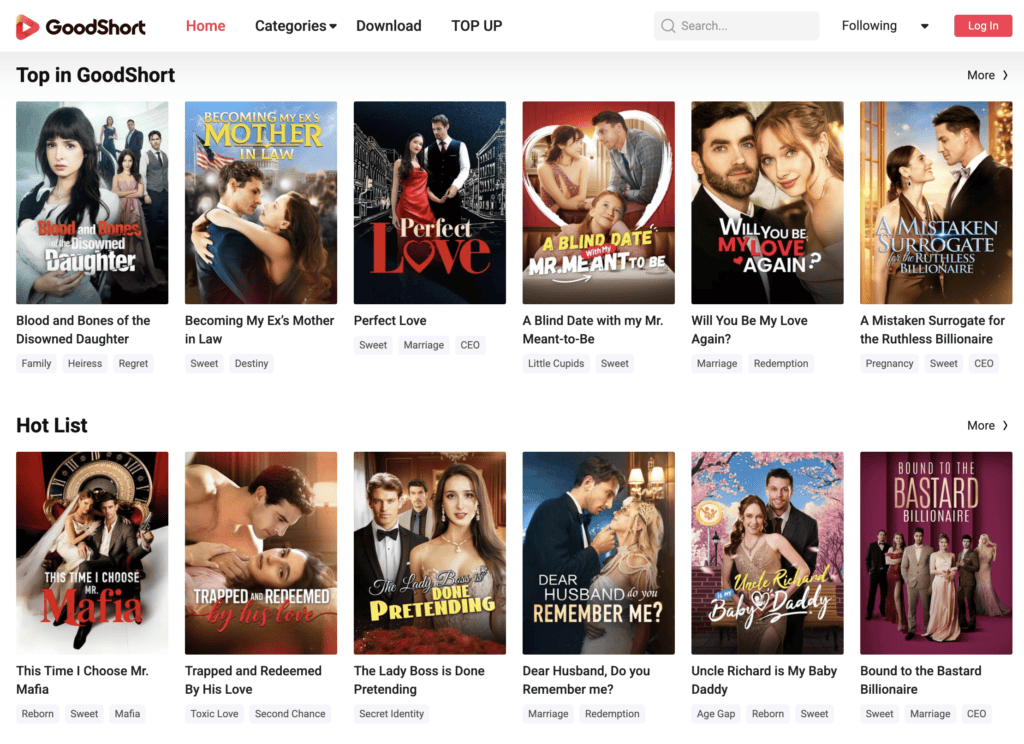
The format built its first major commercial audience in China before spreading through apps such as ReelShort, DramaBox, GoodShort and My Drama. In February 2025, Asia’s five largest microdrama apps reached a combined 150 million monthly active users, according to Omdia research.
The money followed quickly. DramaBox’s app-store revenue rose from $8 million in 2023 to $217 million in 2024, while ReelShort’s increased from $36 million to $214 million during the same period. Research firm Omdia later estimated that microdramas generated $11 billion globally in 2025 and could reach $14 billion by the end of 2026.
Their popularity comes partly from how neatly they fit into moments when viewers might otherwise scroll through unrelated posts. Omdia’s analysis of late-2025 mobile data found that users in the United States spent more time per day on microdrama apps than on the mobile versions of Netflix, Disney+ or Amazon Prime Video. Traditional streaming services still had larger audiences, but microdrama users showed unusually intense daily engagement.
Every cliffhanger leads viewers closer to the paywall
Microdramas move at a deliberately breathless pace. Within the opening episodes, someone might uncover an affair, enter a contract marriage, reveal a supernatural identity or discover that an unassuming stranger is secretly a billionaire. Each twist leads directly to another because suspense serves both the story and the app’s business model.
Most platforms make the first several episodes free, then introduce a paywall once the central romance or mystery has taken hold. Viewers can buy virtual coins, pay for a subscription or watch advertisements to unlock more episodes.
Related story: ‘Camp Rock 3’ is bringing Disney Channel nostalgia back this August
Related story: DreamWorks’ ‘Forgotten Island’ has folklore, friendship, and a soundtrack stacked with Filipino talent
The system resembles mobile gaming, where players receive enough free access to become invested before the game sells an upgrade or shortcut. Microdrama apps apply the same logic to emotion. Instead of simply selling access to a library, they sell the answer to the question raised a minute earlier.
Romance remains the strongest genre, although the audience is becoming wider. A 2026 study by Holywater Tech and consulting firm Owl & Co. found that men had grown from 1.1% to 30.3% of monthly active users on Holywater’s My Drama app over seven quarters. Romance accounted for 76% of female viewing and 54% of male viewing, while men also showed greater interest in action, science fiction and fantasy.
The same research found that viewing peaked on Sundays with 70% of surveyed users watching before bed. Since Holywater supplied information from its own platforms, the findings do not represent the entire market, but they show how easily entertainment designed for idle minutes can become a nightly habit.


Hollywood and AI are accelerating the boom
The format’s growth has attracted established entertainment companies. Peacock introduced a microdrama hub, Fox invested in Holywater and TelevisaUnivision began developing short serialized stories for ViX. Issa Rae’s Hoorae Media also released the TikTok-backed thriller Screen Time, which attracted nearly 75 million views during its first week, according to The Associated Press.

AI offers platforms another way to develop stories quickly. Holywater’s My Muse app specializes in vertical series produced with generative AI, while My Drama carries live-action titles. The company reported almost identical paid-conversion rates across the two services, and 89% of surveyed My Muse users said they wanted more AI-generated stories.
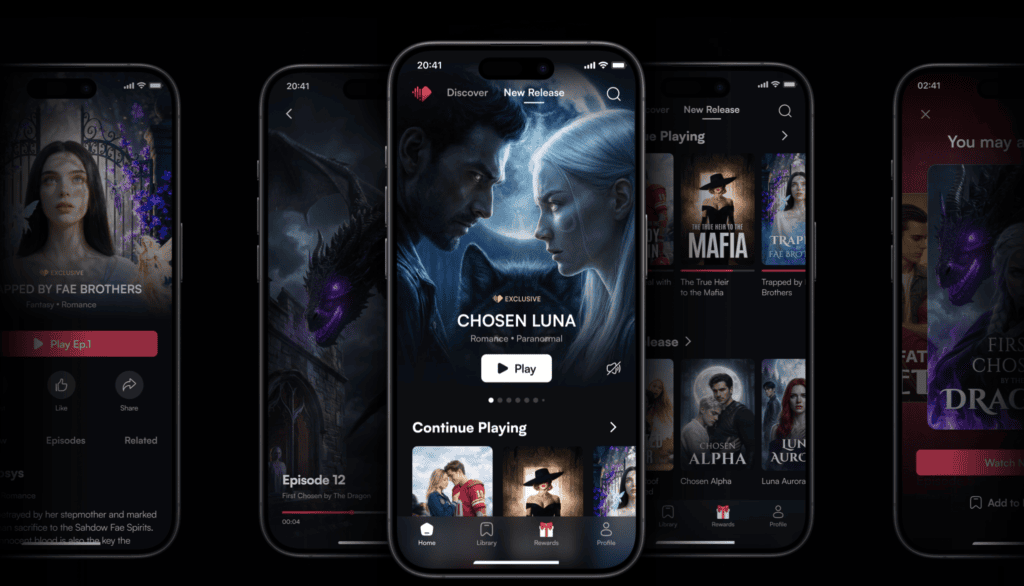
Knowing that AI helped make a show does not necessarily stop you from getting invested. My dragon king series proved that. I recognized the familiar plot, the obvious cliffhangers and the AI-generated visuals, yet I still paid to keep watching. In my defense, the dragon king was ridiculously good-looking, so you get it.
It always starts with one random clip. You watch out of curiosity, stay for the cliffhanger and tell yourself you will stop after the next episode. A few episodes later, you are fully invested, rooting for fictional people and paying to find out whether the dragon king gets his happy ending.
I love movies and already pay for several streaming subscriptions, but microdramas were an entirely new experience for me. As someone who always has a phone nearby, I can see the appeal. They are an easy distraction when you have a few minutes to spare, although that convenience also makes it easy to lose track of time. Like any screen-based habit, the trick is knowing when to enjoy one more episode and when to finally put the phone down.
Related story: Bong Joon Ho’s animated film ‘Ally’ gets first look, title, and a release window
Related story: Prime Video’s ‘The Loyalty Game’ turns relationship doubt into something dangerous