
The highly acclaimed, genre-busting comic adaptation has split fans down the middle, but for unexpected reasons.
For nearly two decades, the Marvel Cinematic Universe and all its adjacent dominions held full sway over the superhero genre. And ever since Kevin Feige won with Iron Man in 2008, the franchise has dictated the successful formula for how a superhero story adapted to the screen should go.
You know the outline: full display of superpowers, big set piece battles, grandiose villains, a healthy sprinkling of comedy, highly climactic and explosive final acts.

One could argue that this has always been the law of the superhero genre. They have existed since before the ‘90s and the 2000s, after all. This way is all we’ve ever known. Even when Marvel chose to dive into more introspective material, such as the recent Thunderbolts* and Spider-Man: Brand New Day, the equation was still followed. Because how could it be unmistakably Marvel if it didn’t?
This is the environment that DC’s Lanterns walks into—and while it ultimately wins the battle it fights after eight episodes in its first season, it doesn’t get there unscathed.
Related story: Tom Holland’s ripped Spider-Man body all boils down to this deceptively simple workout
Related story: From superhero punk to retro and boss aesthetics, these HBO Max shows are giving style inspiration
Related story: ‘Avengers: Doomsday’ trailer unites the Avengers, X-Men, and Fantastic Four
A different take on the genre
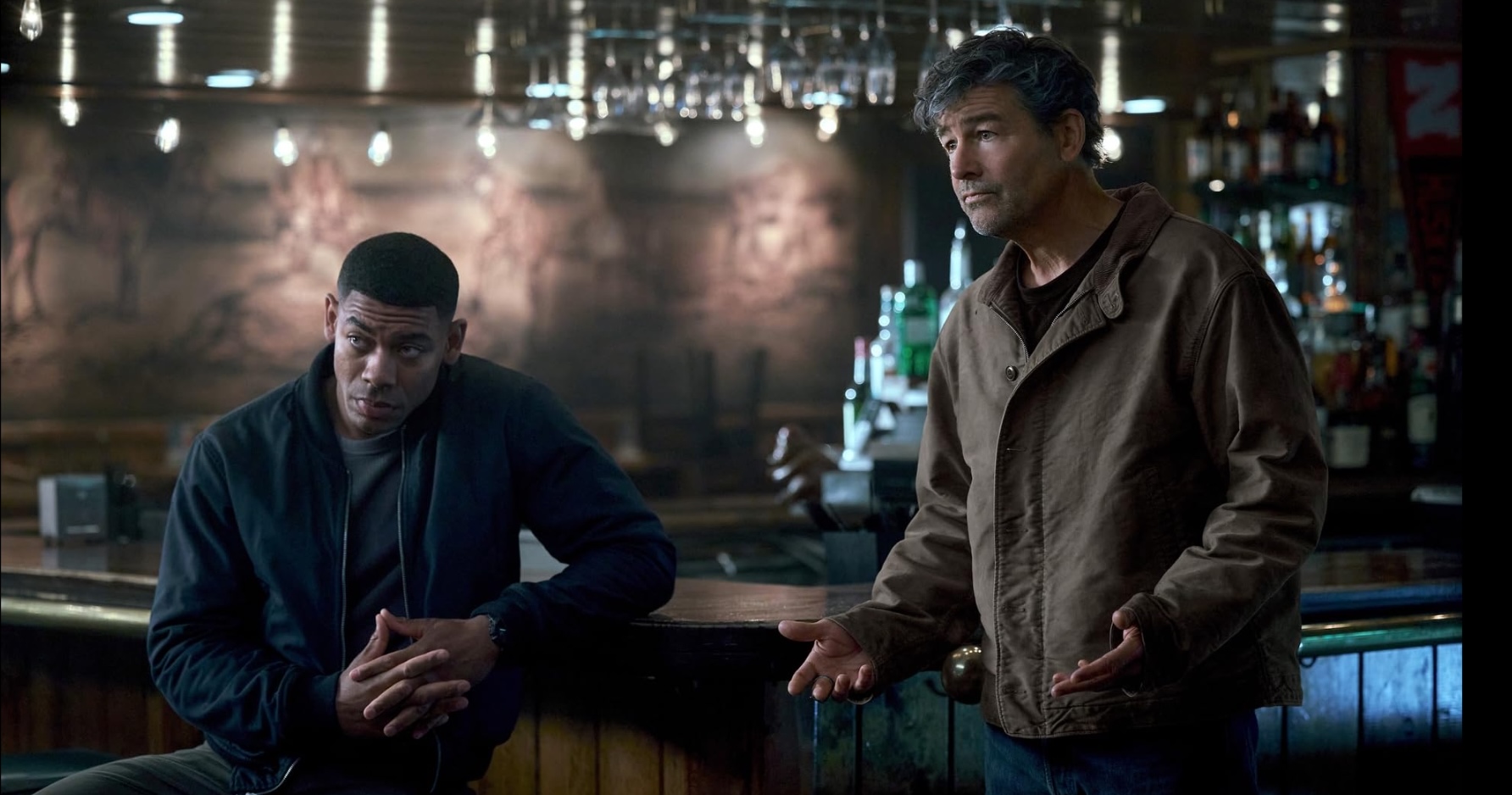
Before we tackle the impact of Lanterns, it’s important to know its meta story. This adaptation of the iconic Green Lantern comic franchise—created by longtime DC (and Marvel) writer Tom King, True Detective executive producer Chris Mundy, and Lost creator Damon Lindelof—focuses on the two most well-known wielders of the Power Ring: Hal Jordan (Kyle Chandler) and John Stewart (Aaron Pierre).
There are two essential facts to know about the history of Green Lantern on screen. First, the last live-action adaptation was the Ryan Reynolds-starrer Green Lantern from 2011, and it’s so universally panned that even Reynolds himself trashes it occasionally. The second is when Lanterns was announced, the creators very clearly stated that it was going to be a somber, grounded genre piece more like the aforementioned True Detective, and nothing like your usual superhero show.

And that is exactly what we got: Lanterns takes us in a different direction than most wanted, even if it was the direction that its creators told us to expect.
For the setting, it follows the lead of Marvel’s Ant-Man, which has a similar situation involving multiple characters taking on the mantle of one legacy hero. Like how Ant-Man made the better-known Henry Pym an elder mentor to the younger Scott Lang, Lanterns casts the senior citizen Chandler as the aged Jordan and centers the story on Stewart’s gradual ascension into the role of the Green Lantern of the galactic sector Earth belongs to, as Jordan’s bosses want to replace him.
The story takes its time to work its way into Stewart’s “graduation.” It fleshes out the mechanics of how a Green Lantern is chosen, the life Stewart had to live because his parents made the decision for him to become a Lantern as an adult, the curse Jordan lives with, and the three-dimensionality of the antagonists, who all emerge subtly over the course of the plot’s events.
It does this because Lanterns likes fleshing out meaty themes, such as the eternal conflict between nature versus nurture, the ever-shifting question of who gets to be considered good and bad, and the utility of fear. Add to that some timely discussions on race and social issues, and you’ve got yourself a series that offers so much at the table—if you like these deep discussions.
The quietest superhero series yet

The biggest problem people like to cite about Lanterns is its aversion to the usual superhero action. The show’s only huge setpiece battle happens in episode five, and before that, there are only small manifestations of the Green Lantern power sprinkled throughout the first four episodes. Compare that to how liberally and creatively the ring’s constructs were portrayed in Superman last year, and it really is a bit of a Green Lantern-less show about the Green Lanterns.
While it earns that climax through the buildup in the first four episodes, I can understand people’s frustrations. An easy excuse cited for this is the show’s lack of budget for big visual effects as a TV series, compared to Superman’s bigger allocation as a feature film. But Peacemaker was also a TV and streaming series, and it had a lot of action, so that can’t be the only reason.
The answer is really just that Lanterns is a character-driven story. It’s “grounded,” as the previews have already mentioned. And beyond all of that, it might just have been positioned as the biggest challenge to the established norms of the genre.
The showrunners seem to want to prove that you can eschew a lot of traditional superhero story tropes and have the adaptation stand on the strengths of its character writing. And that’s where half of the fandom’s brains break: a lot of the reactions online are from angry fanboys, unable to handle their big feelings, complaining about how “it isn’t a Green Lantern story” and that Jordan’s character was “assassinated.” (Claims which, by the way, more entrenched DC Comics fans have already debunked.)
The more tempered feedback from restrained fans acknowledges that it’s a great story, but their expectations were that the Green Lanterns would unabashedly use their rings and create constructs to fight enemies, so it ultimately wasn’t for them. If only most of the critics were this diplomatic.

The next great superhero divide
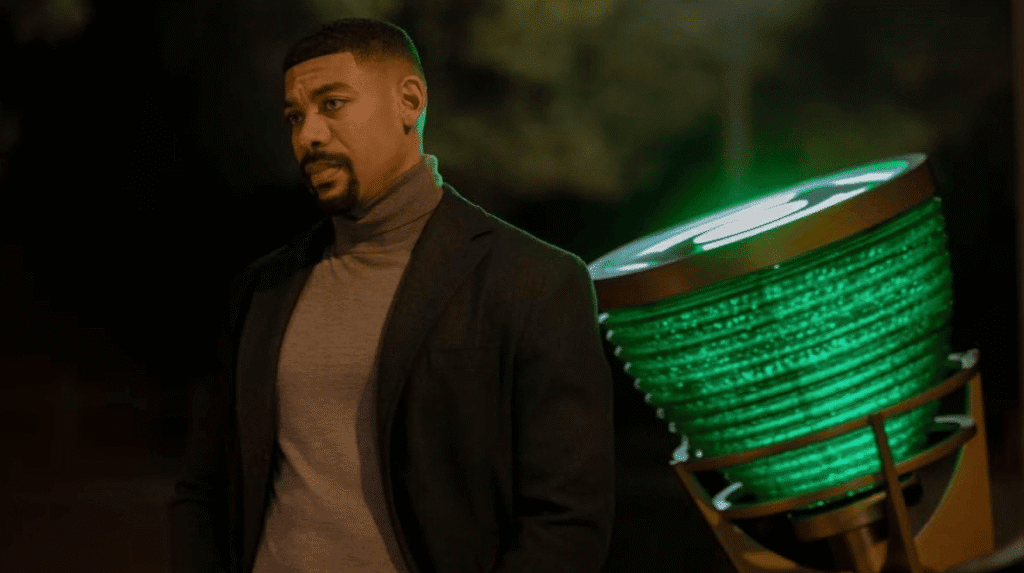
The most unlikely thing to have ever come out of Lanterns is that it’s fueled the next big divide in the superhero fandom. Before, the main conflict used to be Marvel vs. DC; now, it seems to be spectacle vs. depth.
As at least one fan on social media put it, your reaction to Lanterns has become a litmus test for media literacy. Many are missing the point because they’ve been blinded by the comic series they didn’t get and are misunderstanding the material put in front of them.
A lot of the praise for the series has mostly come from a place of MCU fatigue. We do need more stories that force the audience to grapple with existential questions and social issues—not that there is a dearth of them, but we need to keep making viewers think critically, even when they actively resist that exercise in the name of escapism (and even fascism and conservatism). After all, it’s the only way we’re going to get out of this mess the whole world is in right now.
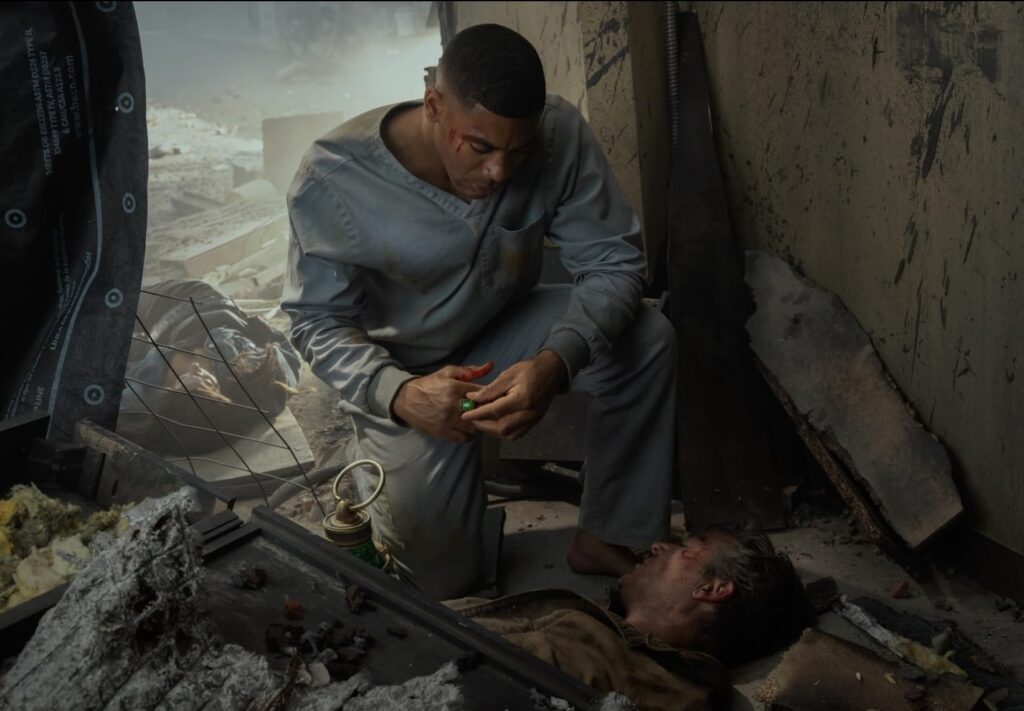
I like it when my brain is forced to work and connect a lot of dots, and I like sharing and connecting with other fans over the thing we’re watching together. The series forces you to pay attention and pays off your focus with developments in later episodes.
It’s no surprise that many are already calling Chandler’s Hal Jordan a casting triumph akin to Robert Downey Jr. as Tony Stark, and despite the controversy (and the merger with Paramount), HBO has already greenlit a second season. Even if you are the kind of viewer who watches a superhero movie to escape, I still suggest trying Lanterns on for size, and if you don’t like it, I still hope that you at least acknowledge what it set out to do.
Related story: REVIEW: Milly Alcock’s ‘Supergirl’ is lost, messy, and worth watching
Related story: Meet the adorable rescue dog that inspired Krypto in the new ‘Superman’ film
Related story: REVIEW: James Gunn’s ‘Superman’ flips the cape on tradition