
With Flow earning its first star and fresh names joining the Bib Gourmand and Selected lists, Philippine gastronomy enters a compelling new chapter.
The Philippine dining scene has plenty to celebrate, and the latest Michelin Guide selection makes a persuasive case for the country’s growing culinary stature. A new star has emerged in Makati, regional restaurants are commanding greater recognition, and a fresh generation of chefs is finding sophisticated ways to express Filipino heritage through food.
Unveiled yesterday, October 29, at the Manila Marriott Hotel in Newport World Resorts, the Michelin Guide Manila and Environs & Cebu 2027 marks the prestigious publication’s second edition in the Philippines. The latest selection encompasses 127 restaurants, including one Two-Michelin-Starred establishment, nine One-Michelin-Starred restaurants, 31 Bib Gourmands, and 86 Michelin-Selected addresses.
Beyond the numbers, the official 2027 selection reveals a fascinating direction for Philippine gastronomy. Filipino cuisine represents nearly 60 percent of the newly selected establishments, with culinary talent across Metro Manila, Cebu, Pampanga, and Cavite demonstrating the enduring relevance of regional recipes, local produce, and personal culinary narratives.
Related story: If food is memory, why do other people’s opinions matter?
Related story: EXPLAINER: Nine PH properties awarded Michelin Keys for 2026. Here’s what Michelin inspectors are looking for
Related story: The imaginarium of Josh Boutwood
The newest star: Flow (Makati)
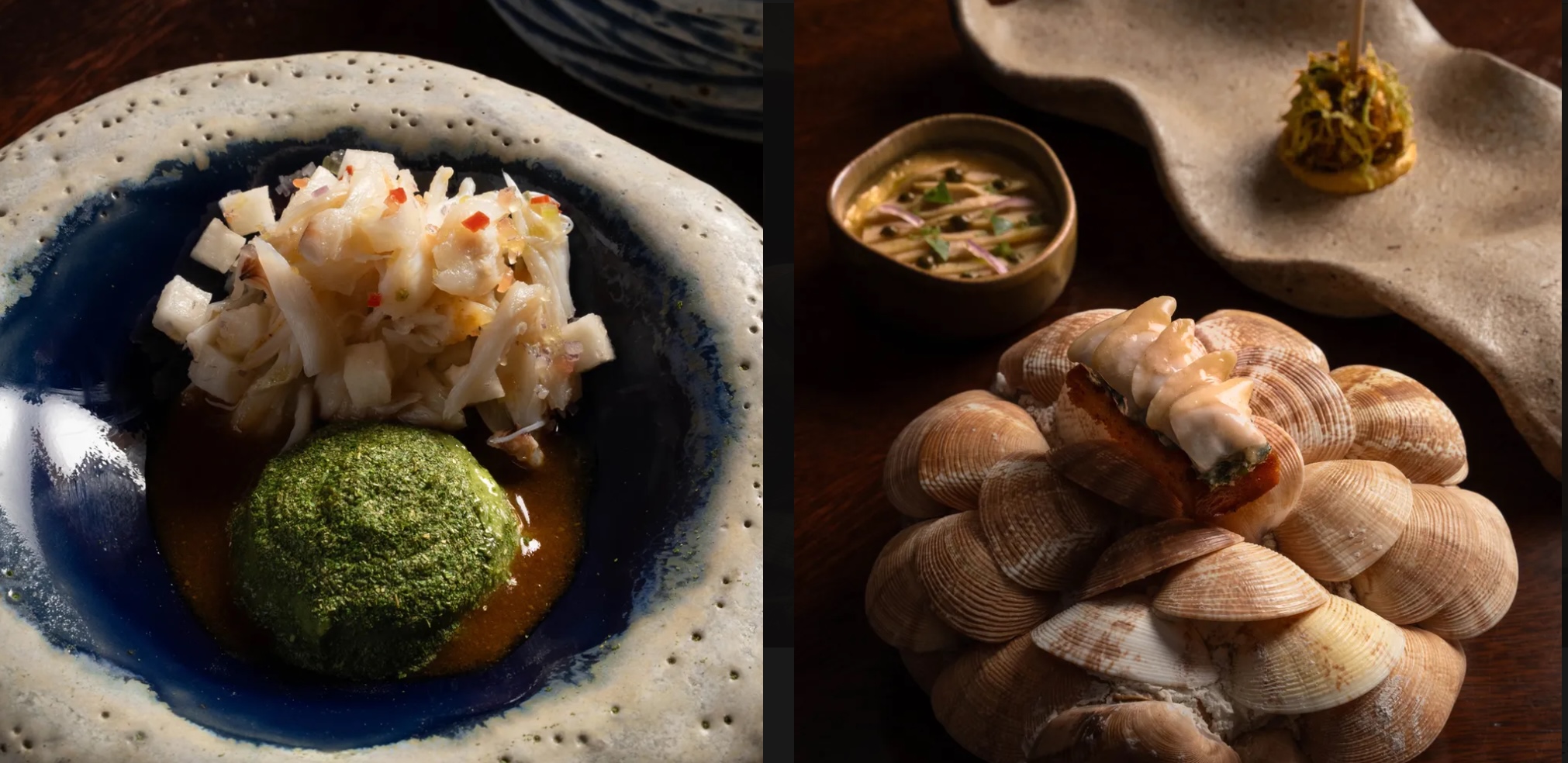
Among the year’s most consequential announcements is Flow’s arrival in the starred category. Led by chef Kevin Jonathan Uy, the Makati restaurant has earned its first Michelin Star for a distinctive culinary approach exploring the relationship between Filipino and Peruvian ingredients, traditions, and techniques.
Both countries share an affinity for tropical produce and layered flavor profiles, a connection Uy examines through thoughtful compositions and carefully calibrated seasoning. The kitchen favors restraint, allowing the ingredients’ natural characteristics to emerge without relying heavily on pronounced acidity or fermentation.
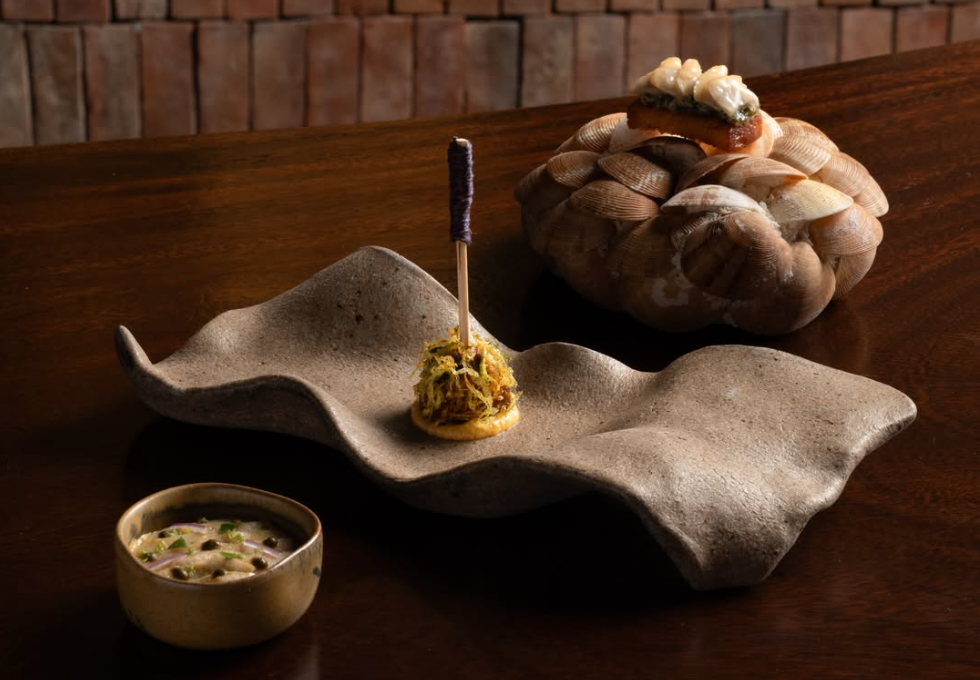
For diners accustomed to elaborate tasting menus, Flow offers another expression of culinary sophistication: precision, balance, and the confidence to allow subtle flavors to speak for themselves. Its recognition brings the country’s total to nine One-Michelin-Starred restaurants.
The 10 new Bib Gourmand distinctions
A Michelin Bib Gourmand celebrates excellent cooking at moderate prices. The 2027 selection welcomes 10 new Bib Gourmand recipients, including eight new additions and two establishments promoted from the Michelin-Selected category. The distinctions span regional specialties, family-style institutions, and contemporary kitchens, demonstrating the culinary excellence found beyond formal fine dining.
Apag Marangle (Pampanga)
Kapampangan cooking has always occupied a distinguished place in Philippine food culture, and Apag Marangle offers a generous introduction to its repertoire. Set amid a landscape-inspired environment in Guagua, the restaurant presents over 70 dishes on its distinctive leaf-shaped menu, placing regional ingredients and traditional preparations at the center of the experience.
Particularly noteworthy is its fermented rice-and-shrimp condiment, whose savory complexity complements vegetables and sautéed greens. A creamy leche flan provides a fitting finale. For visitors seeking an expansive appreciation of Pampanga’s culinary heritage, Apag Marangle offers both breadth and authenticity.
Ato-Ah (Cebu)
Ato-Ah, whose name translates to “ours” in Cebuano, approaches regional comfort food with contemporary finesse. Its inasal-inspired chicken barbecue and pancit Bisaya, prepared with two varieties of noodles, shrimp, and vegetables, reflect a kitchen comfortable working between tradition and innovation.
The restaurant’s minimalist interiors and warm lighting complement its polished interpretations of familiar flavors. Its promotion to Bib Gourmand suggests that Cebuano cuisine can retain its cultural character while embracing modern techniques and presentation.
Azela (Manila)
At Azela in Ermita, the pleasures of Filipino home cooking receive a thoughtful contemporary treatment. The restaurant’s bright, greenery-filled interiors establish a relaxed atmosphere, while its menu revisits traditional dishes and street-food favorites with a focus on carefully prepared local ingredients.
The kansi deserves particular attention. Its slow-simmered broth draws depth from its ingredients and a distinctive tartness from batwan, the souring fruit associated with Western Visayan cooking. Desserts such as puto and house-made sorbetes complete a menu rooted in familiar Filipino flavors.
Balay Dako (Cavite)
Few restaurants possess a setting quite as recognizable as Balay Dako’s commanding views of Taal Volcano. The Tagaytay establishment takes its name from the Negrense expression for “big house,” capturing the spirit of conviviality that defines its dining experience.
Its menu champions regional Filipino favorites, including generous servings of bulalo, ideally enjoyed over long lunches with family or friends. The restaurant’s Bib Gourmand recognition places renewed attention on the pleasures of traditional hospitality, substantial cooking, and a memorable sense of place. Reservations are not accepted, making an early arrival advisable.
For those planning a visit, checking the restaurant’s current seating arrangements and dining policies beforehand is advisable, particularly during weekends and holidays.
Bawai’s Vietnamese Kitchen (Cavite)
Tucked away in Silang, Bawai’s Vietnamese Kitchen has earned recognition for its commitment to the recipes and culinary traditions of its Vietnamese founder. Its intimate, home-style atmosphere provides a fitting setting for a menu devoted to Vietnamese comfort food and street-food classics.
Among its standouts are chả giò, crisp Vietnamese spring rolls, and tôm rang me, shrimp dressed in a sweet-tart tamarind sauce. Rice-based cơm dishes offer heartier options. The restaurant’s appeal lies in its fidelity to recognizable Vietnamese flavors, a particularly welcome addition to Cavite’s growing dining landscape.
Butcher Boy (Las Piñas)
Having moved into larger premises at Alabang West Parade in 2026, Butcher Boy continues to explore the culinary possibilities of Southeast Asian ingredients through bold combinations and contemporary techniques.
Its laksa dumplings are emblematic of the kitchen’s approach, translating the aromatic richness of the beloved noodle dish into a compact, shareable preparation. With inventive sauces and a menu designed for convivial dining, Butcher Boy brings a playful but considered sensibility to Asian cooking.
C.H.E. Bacolod Chicken House Express (Makati)
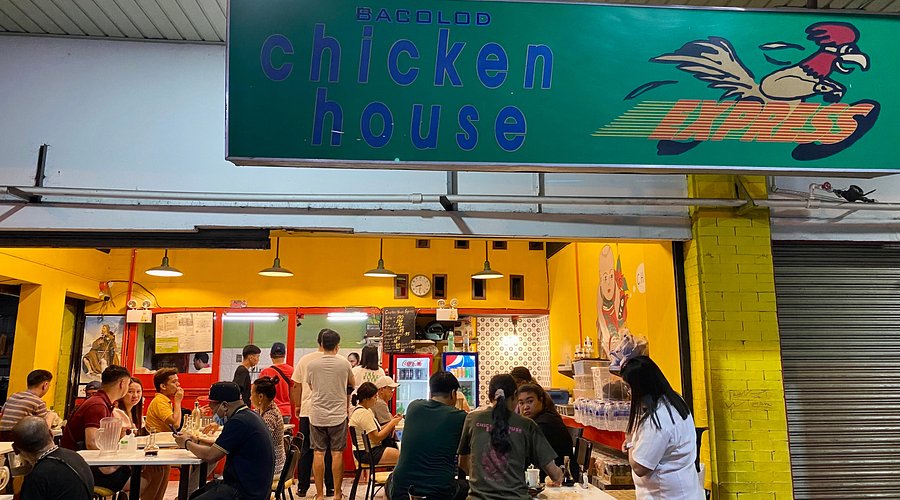
A charcoal grill, expertly seasoned chicken, and the unmistakable character of Bacolod-style inasal are the foundations of C.H.E. Bacolod Chicken House Express.
The restaurant’s leg quarters and breast portions are distinguished by tender meat, lightly charred skin, and the smoky depth imparted by traditional grilling. Spicy coconut vinegar and soy sauce provide the customary accompaniments. Its inclusion is an affirmation of the culinary discipline behind deceptively simple food, where consistency and technique matter as much as presentation.
Kalipay (Cebu)
Named for the Cebuano word for “joy,” Kalipay combines the comforts of Filipino home cooking with an assured contemporary touch. The restaurant’s wood finishes, greenery, and warm lighting create a welcoming environment for leisurely gatherings.
The menu’s richer preparations include shrimp coated in crab fat paste and kare-kare accompanied by crisp pork belly. These are familiar dishes, but their execution gives them renewed appeal, with indulgent flavors and contrasting textures taking precedence.
Tatang’s Lechon (Cebu)
Cebu’s lechon tradition finds another distinguished representative in Tatang’s Lechon, where the essential pleasures of roast pork are treated with evident care.
The restaurant serves classic and spicy versions, their meat perfumed with lemongrass and aromatic herbs beneath crisp crackling. Available as individual rice meals or in portions intended for sharing, Tatang’s demonstrates the appeal of a regional specialty whose success depends on precise roasting, seasoning, and texture.
Tito Boy (Pampanga)
At Clark Freeport Zone, Tito Boy introduces a distinctly European-influenced sensibility to Pampanga’s dining scene. The establishment combines the informality of a neighborhood bar with considered cooking, framed artwork, atmospheric lighting, and a soundtrack drawn from the 1970s.
The tuna crudo is particularly illustrative of its creativity, paired with soy-marinated tapioca pearls that resemble salmon roe. An attentive service team and knowledgeable wine recommendations complete the experience. The restaurant’s manager, Clyde Joshua Zafra, also received the 2027 MICHELIN Service Award, giving Tito Boy a second reason to celebrate.
The new Michelin-Selected restaurants of 2027
The Michelin-Selected designation recognizes restaurants serving quality cooking, without necessarily awarding them a star or Bib Gourmand. This year’s announced additions span established Filipino institutions, contemporary international concepts, and regional specialists.
The official announcement reports 18 new additions but individually identifies only 17. The following profiles cover every newcomer named in that announcement.
Abé (Taguig)
Abé brings the culinary traditions of Pampanga to a wider audience through a restaurant concept rooted in Filipino heritage. Its inclusion reinforces the continued importance of established regional cooking within the country’s dining culture, particularly in an era when contemporary interpretations often command the spotlight.
The restaurant is associated with traditional Kapampangan cuisine, whose distinctive preparations have helped establish Pampanga’s reputation as one of the country’s foremost culinary destinations. Its recognition also demonstrates the continued relevance of familiar Filipino dining institutions in an evolving restaurant landscape.
Bombvinos Bodega (Makati)
Bombvinos Bodega illustrates the creative possibilities of combining international culinary formats with Filipino ingredients. Its fresh cheese pasta with laing butter is a particularly intriguing example, bringing the richness and distinctive character of a Bicolano preparation into conversation with Italian pasta-making traditions.
The result reflects a movement among contemporary Filipino restaurants: treating local flavors as versatile ingredients for culinary experimentation, rather than confining them to traditional dishes.
Cyria’s Kandingan (Cebu)
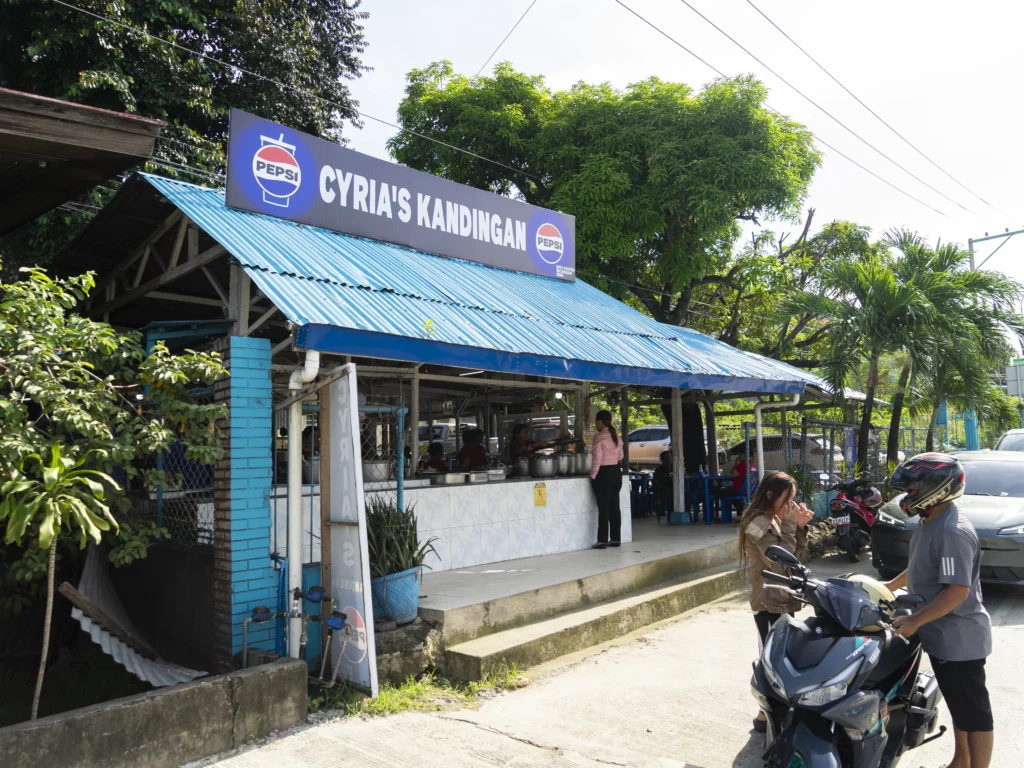
Cyria’s Kandingan brings one of Cebu’s regional food traditions into the Michelin spotlight. The term kandingan refers to establishments associated with goat-meat preparations, a specialty with an established place in local food culture.
Its inclusion expands the Guide’s representation of Cebuano cuisine beyond the province’s celebrated lechon and seafood. The recognition also draws attention to the culinary knowledge preserved by restaurants specializing in particular ingredients and preparations.
Digámo (Marikina)
Digámo’s recognition is accompanied by a personal distinction for chef Francis Lacson, recipient of the 2027 Michelin Young Chef Award. A former seafarer, Lacson draws on his experience and cultural background to develop a modern interpretation of Filipino cuisine.
His recognition makes Digámo one of the selection’s noteworthy emerging names, particularly for diners interested in chefs whose cooking reflects individual histories as well as regional heritage.
Elaia by Cyma (Cavite)
Elaia by Cyma brings a Mediterranean culinary perspective to Cavite’s newly recognized restaurant landscape. Its inclusion expands the province’s representation beyond traditional Filipino dining, reflecting the international influences shaping destinations outside Metro Manila.
The restaurant’s recognition also underscores the growing importance of Cavite as a dining destination, with establishments offering a range of cuisines to residents and visitors exploring the province.
Haliya (Parañaque)
Haliya joins the 2027 Michelin-Selected roster as one of the newly recognized establishments in Parañaque. Its inclusion adds to the southern Metro Manila dining scene, which is gaining recognition alongside the capital’s established restaurant districts.
Its selection contributes to a wider geographic distribution of recognized dining destinations, giving discerning diners further reason to explore restaurants beyond the familiar concentrations of Makati and Taguig.
Idalia (Makati)
Idalia enters the Michelin Guide’s 2027 selection in Makati, a city already home to some of the Philippines’ most accomplished restaurants. Its inclusion places the establishment among a varied collection of dining addresses recognized for the quality of their cooking.
With competition particularly strong in Makati, the addition illustrates the continued development of the city’s restaurant scene and the range of culinary experiences available to diners.
Kong (Makati)
Kong joins Makati’s expanding roster of Michelin-recognized restaurants, adding another establishment to the city’s 2027 selection. Its recognition contributes to the diversity of a dining destination where established restaurants and newer concepts operate alongside one another.

The inclusion also reflects the Guide’s interest in different restaurant formats, with the Michelin-Selected category accommodating a broad spectrum of culinary experiences.
Kumedor (Cebu)
Kumedor is another Cebu establishment newly recognized in the Michelin-Selected category. Its inclusion contributes to the province’s growing international culinary profile, which extends from longstanding regional institutions to newer restaurant concepts.
For diners exploring Cebu’s food culture, the expanding selection presents an opportunity to discover restaurants beyond the province’s best-known specialties and established tourist dining destinations.
Liyab (Taguig)
Liyab joins the 2027 selection in Taguig, one of Metro Manila’s principal dining districts. Its recognition places the restaurant within an established culinary community that includes internationally influenced concepts and contemporary interpretations of Filipino cuisine.
The latest addition further strengthens Taguig’s presence in the Michelin Guide, reflecting the concentration of restaurant talent and culinary investment in the area.
Makanai (Taguig)
Makanai is another Taguig newcomer in the 2027 Michelin-Selected category. Its inclusion adds to the area’s varied restaurant landscape and the selection’s representation of different culinary traditions.
Alongside fellow Taguig additions Abé and Liyab, Makanai contributes to a district whose dining choices continue to attract attention from both local audiences and international restaurant inspectors.
Marjo’s Pochero (Cebu)
Marjo’s Pochero places a Cebuano comfort-food specialty in the international culinary spotlight. Pochero has a distinct place in Cebu’s dining culture, where local interpretations of the dish form part of the province’s established food traditions.
The restaurant’s selection illustrates the Guide’s recognition of establishments devoted to familiar regional preparations. For travelers, such restaurants provide an important introduction to the dishes that have helped define Cebu’s everyday culinary identity.
Mila’s Tokwa’t Baboy – San Andres (Pampanga)
Mila’s Tokwa’t Baboy earns recognition for its San Andres establishment, placing another familiar Kapampangan dining name on the international culinary map.
Its selection speaks to the importance of everyday Filipino dishes and regional institutions, whose reputations have often been built through years of local patronage rather than elaborate presentations or formal dining experiences.
Oyster Bay (Cebu)
Oyster Bay expands Cebu’s representation in the Michelin-Selected category. Its inclusion strengthens the province’s presence in a selection that encompasses different dining styles and culinary specialties.
The recognition is another indication of Cebu’s growing appeal as a gastronomic destination, where regional cooking traditions coexist with a broadening range of restaurant experiences.
Playa – Gov. M. Cuenco Avenue (Cebu)
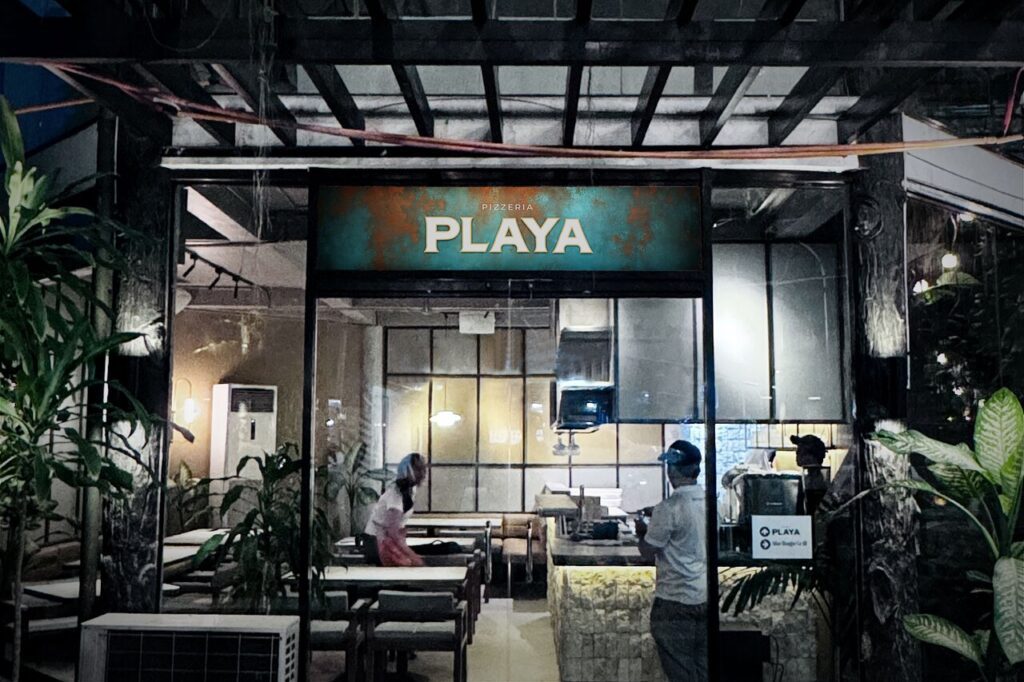
The Gov. M. Cuenco Avenue branch of Playa joins the 2027 selection, giving Cebu another newly recognized dining address. The branch-specific designation is particularly important, as Michelin recognition applies to the individual restaurant assessed by its inspectors.
Its addition to the list adds further variety to Cebu’s restaurant selection and provides another option for diners seeking Michelin-recognized establishments within the city.
Souq (Pampanga)
Souq joins Pampanga’s growing collection of Michelin-recognized establishments, adding another name to a province celebrated for its culinary heritage. Alongside Apag Marangle and Tito Boy, its inclusion demonstrates the breadth of restaurants now attracting the Guide’s attention.
Pampanga’s continued representation is particularly meaningful given its longstanding influence on Filipino cuisine, with established food traditions sharing the spotlight with a wider range of dining concepts.
Tadhanà (Makati)
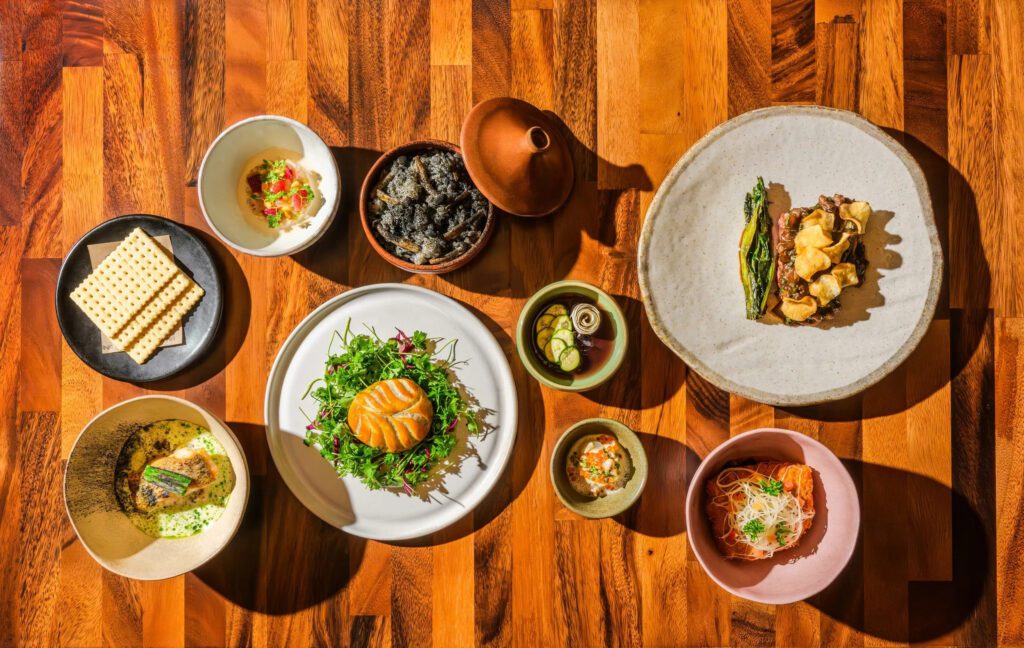
Tadhanà is among the year’s most compelling new selections, particularly following chef Frances Tariga’s receipt of the Philippines’ inaugural Michelin Opening of the Year Award.
Tariga approaches Filipino cuisine through a deeply personal perspective, informed by international influences and expressed through refined technique and creative presentation. Her cooking places cultural identity at the center of the experience, offering a contemporary interpretation of Filipino flavors that reflects both individual experience and culinary ambition.
The distinction establishes Tadhanà as a restaurant worth watching, especially as a new generation of chefs continues to develop a more personal vocabulary for Philippine gastronomy.
The returning restaurants: Established excellence, enduring distinctions
The 2027 selection also delivers an important affirmation of consistency. All nine restaurants that earned Michelin Stars in the inaugural 2026 Philippine edition have retained their distinctions, an achievement that reflects the sustained standards expected of internationally recognized kitchens.
Leading the returning establishments is Helm in Makati, chef Josh Boutwood’s intimate, open-kitchen restaurant, which retains its Two Michelin Stars. Its seasonal menus draw on Boutwood’s British-Filipino heritage and Spanish influences, with carefully orchestrated courses and precise cooking defining the experience.
Eight other restaurants have retained One Michelin Star, while 21 establishments return to the Bib Gourmand category.
Returning Michelin-Starred restaurants
| Restaurant | Location | Distinction |
|---|---|---|
| Helm | Makati | Two Stars |
| Asador Alfonso | Cavite | One Star |
| Celera | Makati | One Star |
| Gallery by Chele | Taguig | One Star |
| Hapag | Makati | One Star |
| Inatô | Makati | One Star |
| Kása Palma | Makati | One Star |
| Linamnam | Parañaque | One Star |
| Toyo Eatery | Makati | One Star |
Returning Bib Gourmand restaurants
| Abaseria Deli | Bolero |
| Brick Corner | Cabel |
| COCHI | Em Hà Nội |
| Esmen | Kumba |
| La Pita (Poblacion) | Lampara |
| Lasa | Los Tacos |
| Manam at the Triangle | Morning Sun Eatery |
| Palm Grill (Diliman) | Pilya’s Kitchen |
| Sarsa | SOME THAI (Tomas Morato) |
| Taquería Franco | The Pig & Palm |
| The Underbelly |
The 2027 selection also includes 86 Michelin-Selected restaurants in total. Alongside the newly announced establishments, returning addresses continue to represent the diversity of the country’s dining culture. Readers can consult the official Michelin Guide Philippines restaurant directory for the complete current roster, individual restaurant listings, and inspection notes.
Beyond the stars: Four special awards
Recognition this year extends to the people shaping the country’s dining experiences. Four individual honors acknowledge the contributions of chefs, hospitality professionals, and beverage specialists.
| Award | Recipient |
|---|---|
| Opening of the Year | Chef Frances Tariga, Tadhanà |
| Young Chef | Chef Francis Lacson, Digámo |
| Service | Clyde Joshua Zafra, Tito Boy |
| Exceptional Cocktails | Ron Job Sanchez, Automat |
Sanchez’s recognition is particularly interesting for the attention it brings to cocktail craftsmanship. As Automat’s Bar Beverage Manager, he employs techniques including fermentation, clarification, and fat-washing to develop complex drinks designed to complement the restaurant’s cuisine.
Taken together, these distinctions suggest a broader understanding of Philippine hospitality, one that values the talent behind the bar and on the dining-room floor alongside the creativity of the kitchen.
A culinary identity coming into its own
The significance of the 2027 Michelin Guide lies in the variety of restaurants receiving recognition. From FLOW’s Filipino-Peruvian explorations to the charcoal-grilled inasal of C.H.E. Bacolod Chicken House Express, the selection makes room for different expressions of culinary excellence.
The continued recognition of established restaurants is equally important. Retaining a Michelin distinction demands consistency, a quality that can prove every bit as challenging as earning one in the first place.
For the country’s chefs, restaurateurs, and discerning diners, the second edition represents another meaningful milestone. Philippine gastronomy is being recognized for the richness of its traditions, the individuality of its talent, and the quality of its cooking.
And with more regional restaurants entering the conversation, the country’s next great culinary discovery may well be found beyond the familiar fine-dining districts.
Related story: Michelin Guide 2026: 7 Bib Gourmand spots worth every peso
Related story: Michelin Guide drops first Philippine list. Here are the country’s starred restaurants