
El Nido Lagen, Raffles Makati earn Two Michelin Keys; seven PH hotels receive One Key.
Everyone knows what it means when a restaurant earns a Michelin Star. But what happens when Michelin’s inspectors check into a hotel instead of sitting down for dinner?
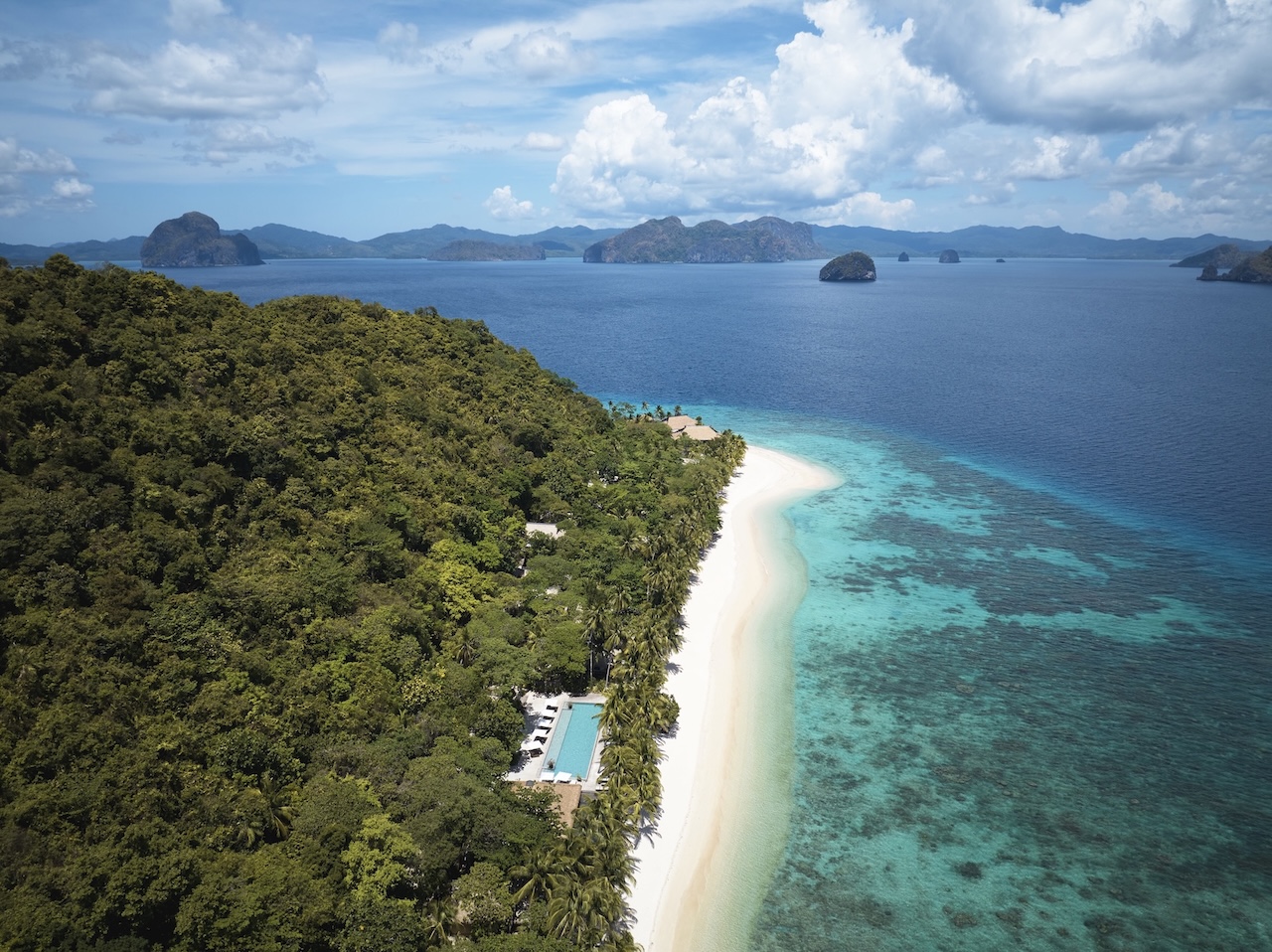
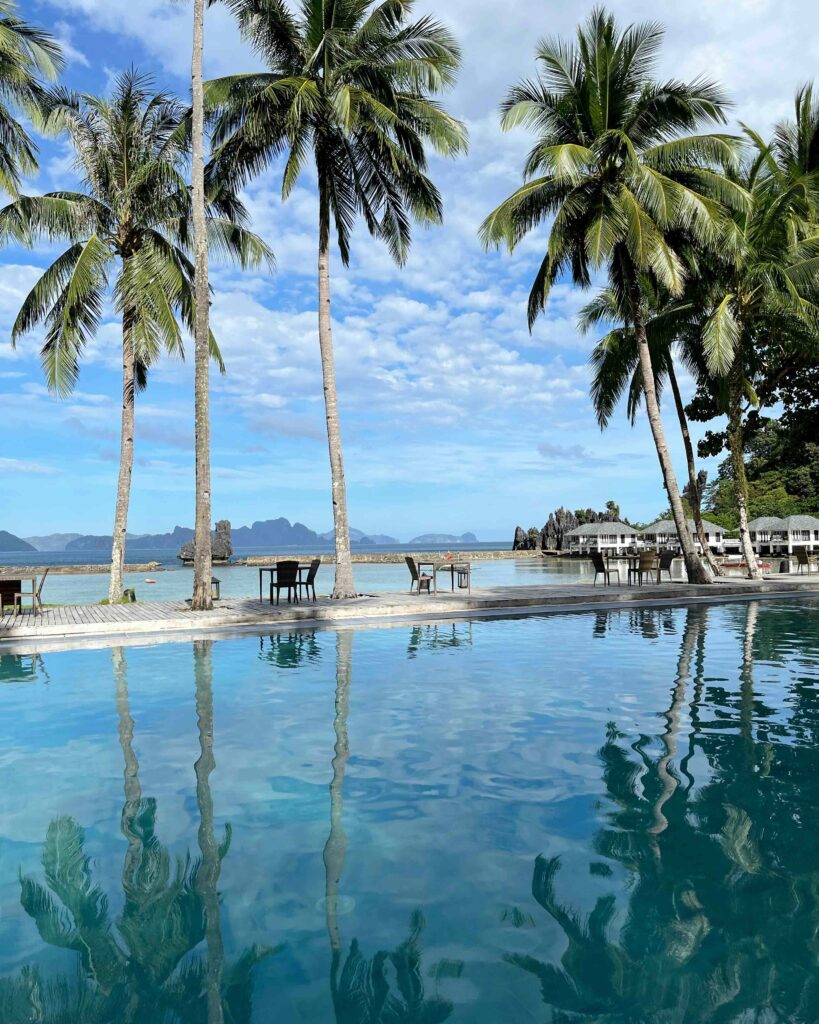
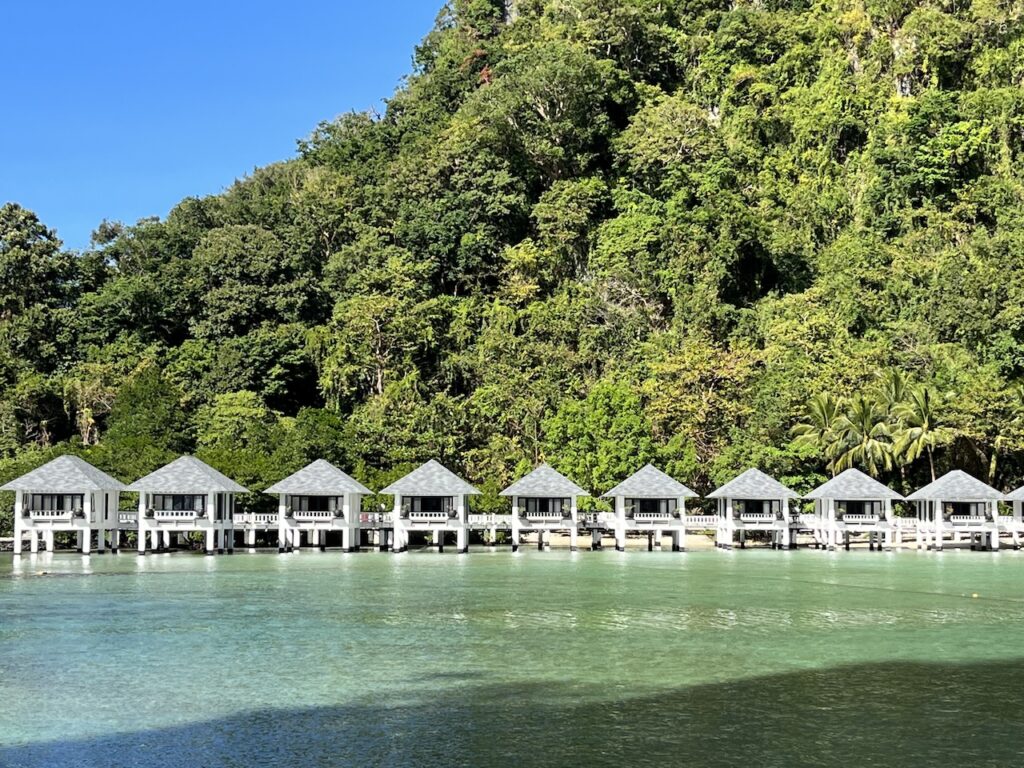
The answer is a Michelin Key, the hospitality distinction that recognizes exceptional hotel stays rather than exceptional meals. In the 2026 Michelin Guide selection released last week, nine properties in the Philippines earned the coveted distinction. El Nido Resorts Lagen Island in Palawan and Raffles in Makati received Two Keys each. The seven Philippine properties awarded One Michelin Key are Amanpulo on Pamalican Island, Palawan; El Nido Resorts Pangulasian Island in Palawan; Fairmont in Makati; Hotel Okura Manila at Newport World Resorts in Pasay; Manami Resort in Sipalay, Negros Occidental; Nay Palad Hideaway in Siargao; and Nustar Hotel in Cebu City. There is no Three Michelin Key property in the Philippines yet.
Unlike the Michelin Star, which has been around for nearly a century, the Michelin Key is still relatively new and perhaps less understood. So what does one, two or three keys actually tell travelers about a hotel, what are inspectors looking for, and does a Key necessarily mean expensive luxury?
The short answer to the last question is no. A Michelin Key is not simply about how luxurious—or expensive—a hotel is. Michelin says there is no required style or price category: an urban hotel, a countryside retreat, a sprawling resort or even a budget-friendly property can make the cut. What matters is the experience it delivers and, importantly, whether that experience is worth what guests are paying for it.
Inspectors evaluate hotels according to five universal criteria: excellence in architecture and interior design; quality and consistency of service, comfort and maintenance; individuality, personality and authenticity; value for the price; and how well the property connects guests to its destination.
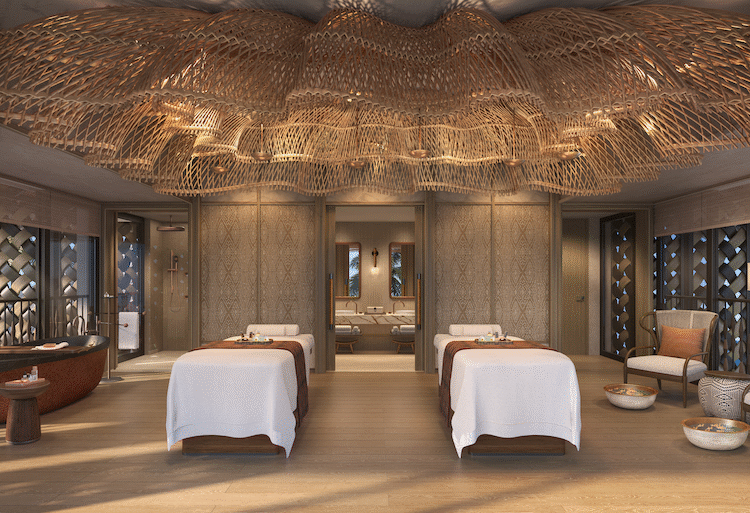
Related story: Lagen launches largest wellness and holistic center in Palawan
Related story: Six PH hotels named in Michelin Guide Hotels 2024, including two homegrown brands

A great hotel, by Michelin’s measure, should not feel as though it could simply be picked up and dropped into another city or country. Its location, surroundings, architecture, culture or sense of place should be part of the experience.
The Keys themselves come in three levels. One Michelin Key signifies “a very special stay,” awarded to a property with character that offers notably more than others in its price range. Two Keys denote “an exceptional stay,” recognizing hotels Michelin considers distinctive and memorable. Three Keys, the highest distinction, are reserved for “an extraordinary stay,” placing a property among the most remarkable hotel experiences in the world.
For 2026, 2,832 Keys have been awarded worldwide: 2,020 with One Key, 657 with Two Keys and just 155 with Three Keys. The Philippines has yet to receive a Three-Key distinction.

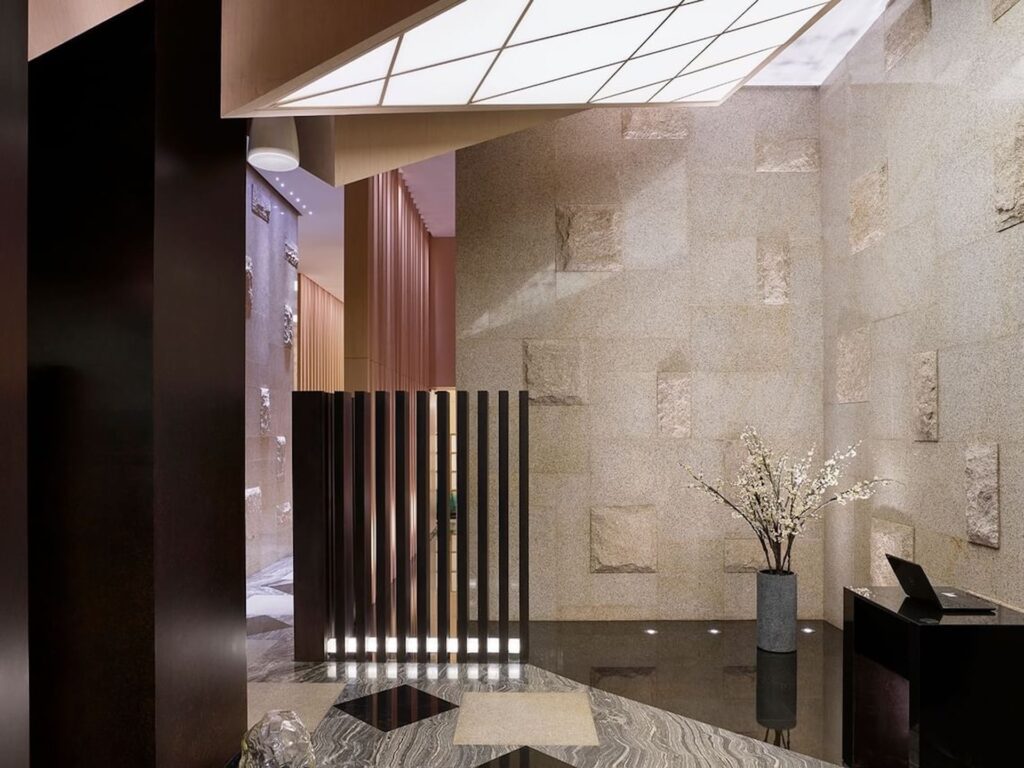
Michelin points out that its hotel selection ranges from castles and skyscraper hotels to hostels, tents, ryokans and tiny properties with only a handful of rooms. The Philippines’ two Two Michelin Keys selection illustrates this very well. Both Ayala properties, Lagen is tucked away in a forested island in El Nido while Raffles is located in the heart of the country’s business district.
A Michelin-starred restaurant on the premises is not required either because Stars and Keys are assessed independently. So while infinity pools, private butlers and spectacular suites certainly do not hurt, they are not what automatically unlock a Michelin Key. The bigger question is whether a hotel offers an experience with enough character, consistency and connection to its destination to make the stay itself memorable.
For Philippine hospitality, Palawan emerges as the hot spot of excellence as three of nine properties are located there: Amanpulo, Lagen and Pangulasian all benefit from something that cannot simply be constructed or replicated elsewhere: their surroundings.
Related story: If food is memory, why do other people’s opinions matter?
Related story: Can restaurants reject their Michelin stars? These chefs did—and here’s why