
What began as a fashion house in 2023 is now a global collective of creatives that doesn’t just make things but empowers the people who make them.
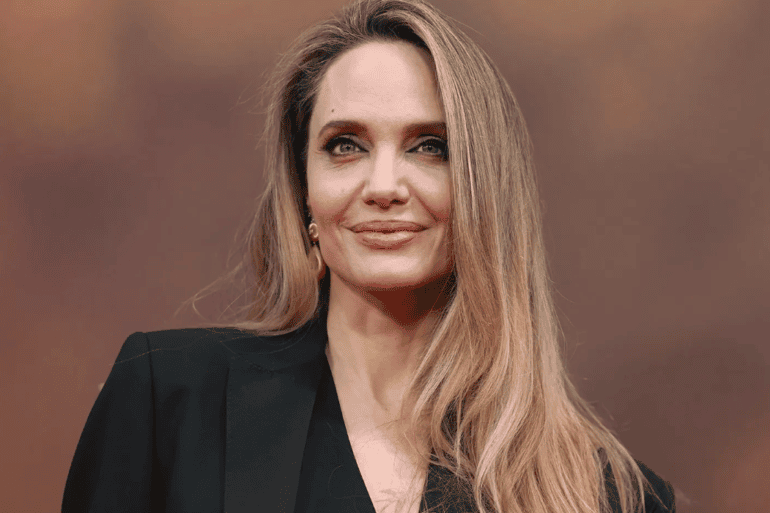
Angelina Jolie has long been admired for her acting, her humanitarian work and, yes, her style. So when she launched Atelier Jolie, few were surprised. A fashion label seemed a natural next step for one of the world’s most bankable Hollywood stars.
But the style aspect turned out to be a small part of a much bigger story. Atelier Jolie is a gallery, a studio, a café, and a creative community, now preparing to open around the world.
Rather than releasing new collections every season, it stays true to the meaning of “atelier,” which Merriam-Webster defines as a “designer’s studio or workroom.” The 51-year-old’s brainchild calls itself a “hub for creation, expression and education,” inviting “artists, designers and makers” to collaborate, and it’s powered by a cause worth supporting.
Related story: Angelina Jolie calls for lasting change, community empowerment at ASEAN Inclusive Growth Summit in Manila
Related story: From Daniel Radcliffe to Angelina Jolie—these are the winners in this year’s 77th Tony Awards
From clothing line to creative hub
When Jolie announced Atelier Jolie in 2023, the world did what it usually does with celebrity businesses: it filed it under “star launches fashion label” and moved on. Three years later, Atelier Jolie is less a clothing line than a creative hub.
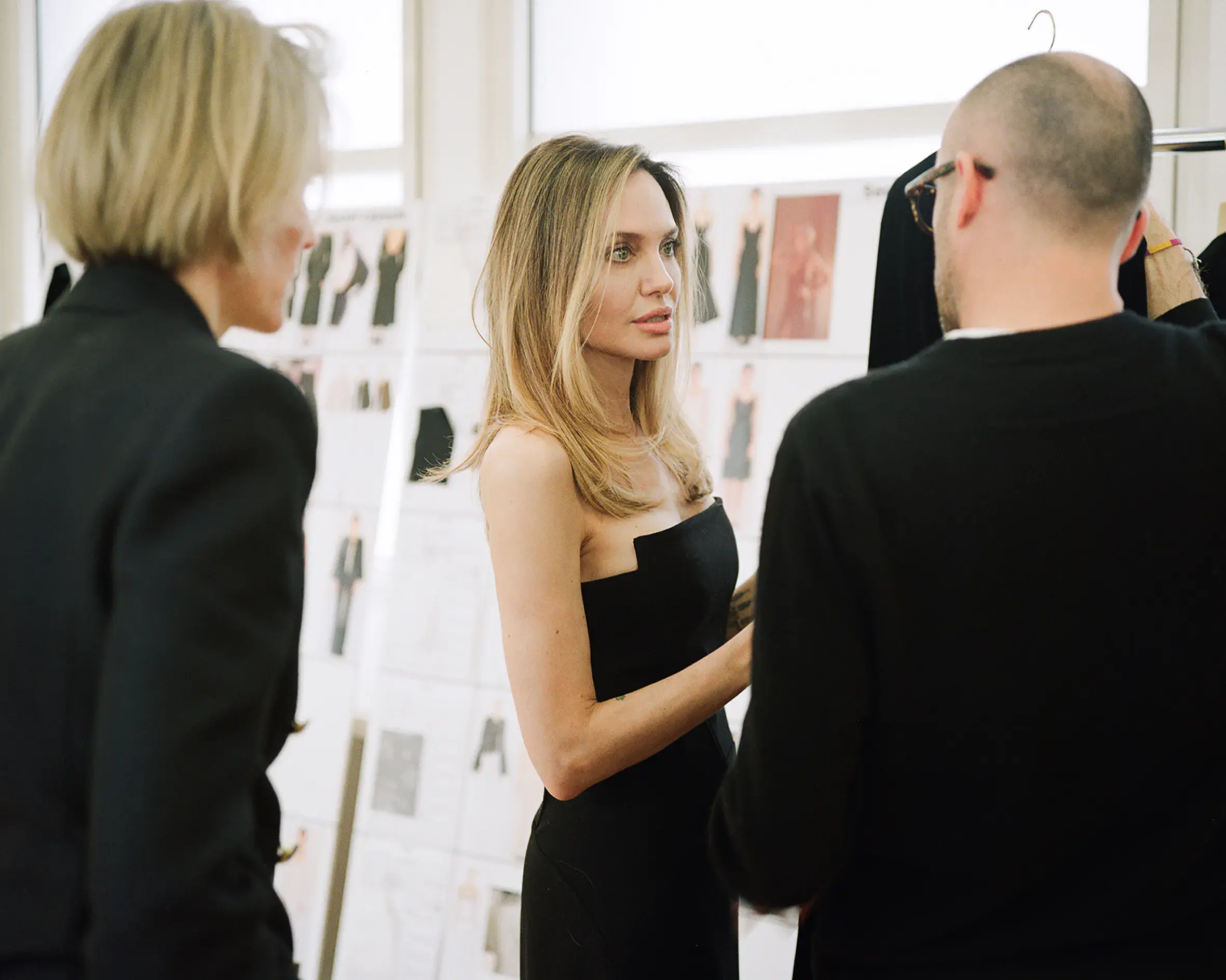
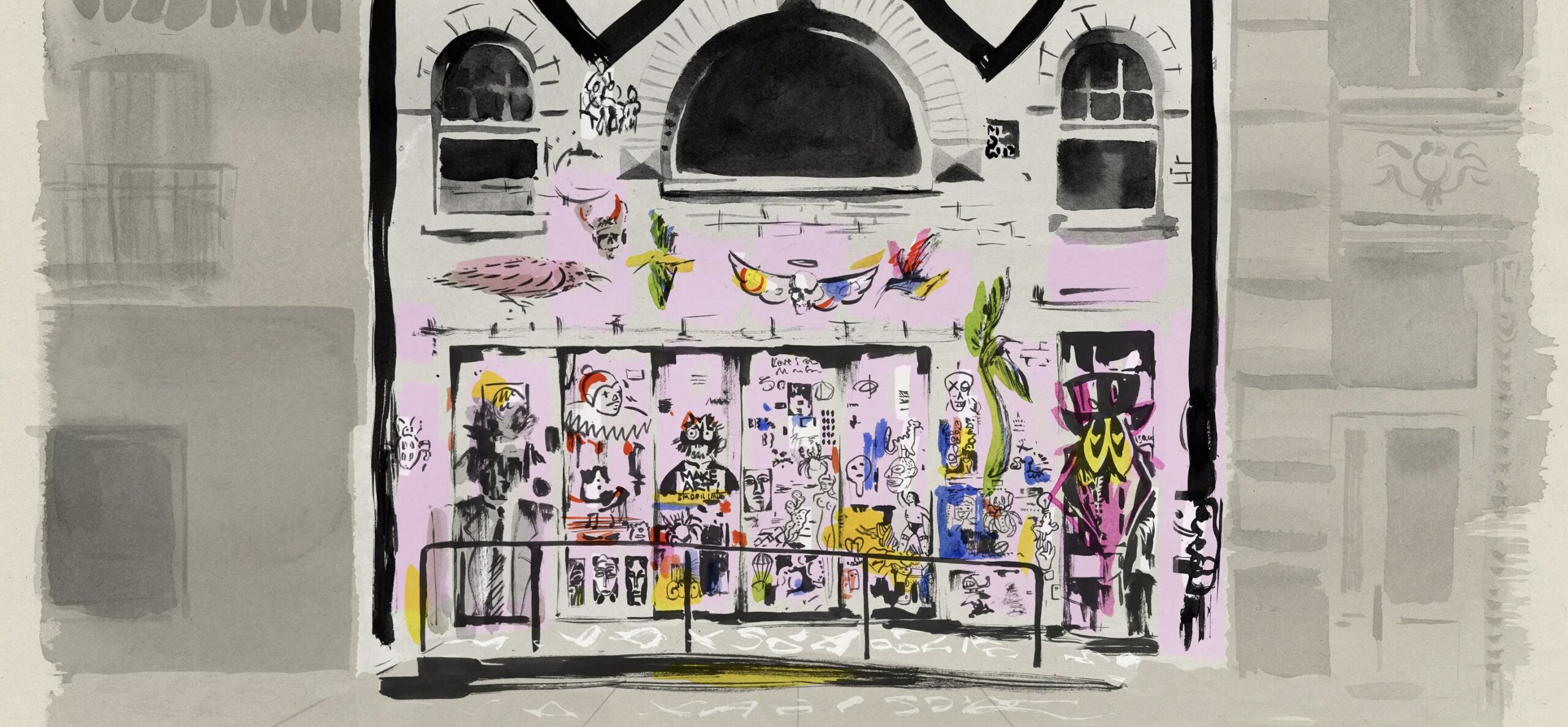
The idea started simply enough. Atelier Jolie was launched as a place where creative people could team up with tailors, pattern makers, and artisans from around the world. The address couldn’t be more intentional: 57 Great Jones Street in the NoHo district of New York City, once owned by Andy Warhol and later leased as a studio by Jean-Michel Basquiat.
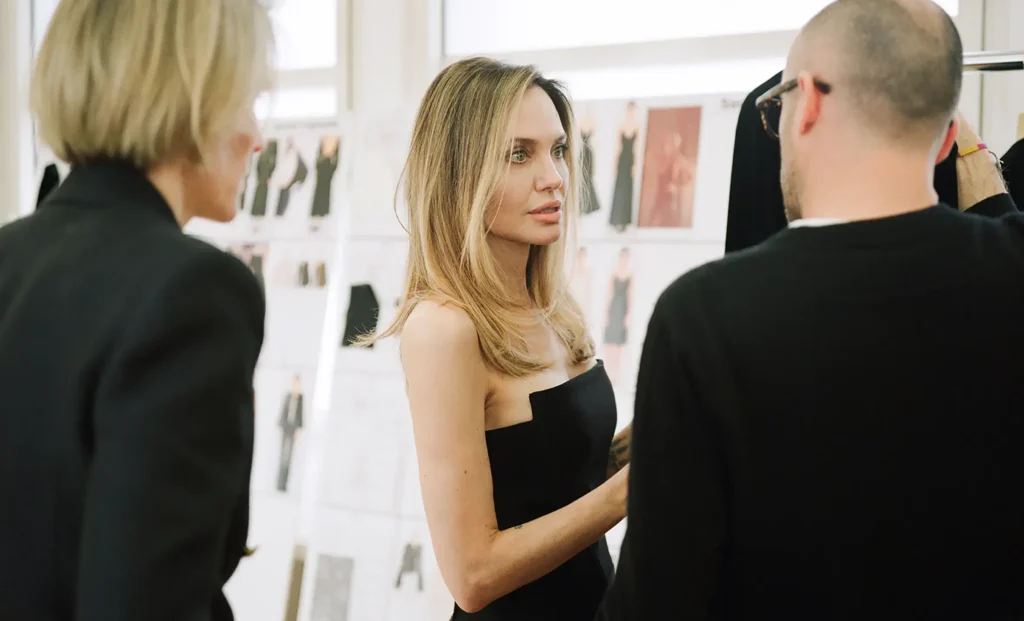
The fabrics used in the atelier were vintage or deadstock, which in fashion-speak means leftover material that would otherwise go to landfills.
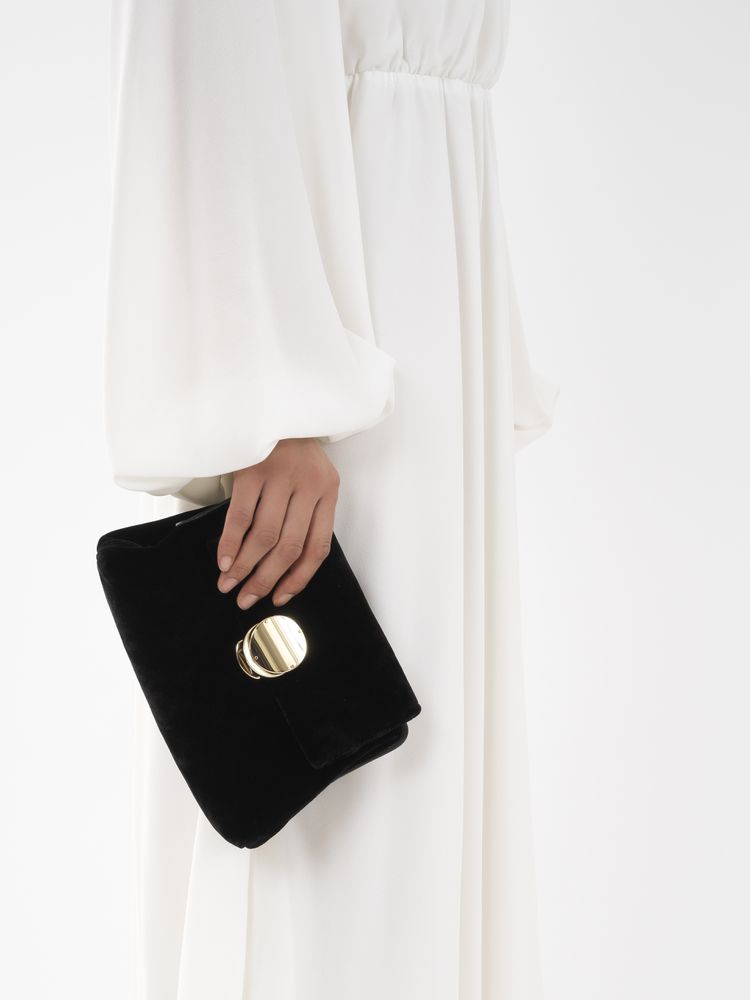
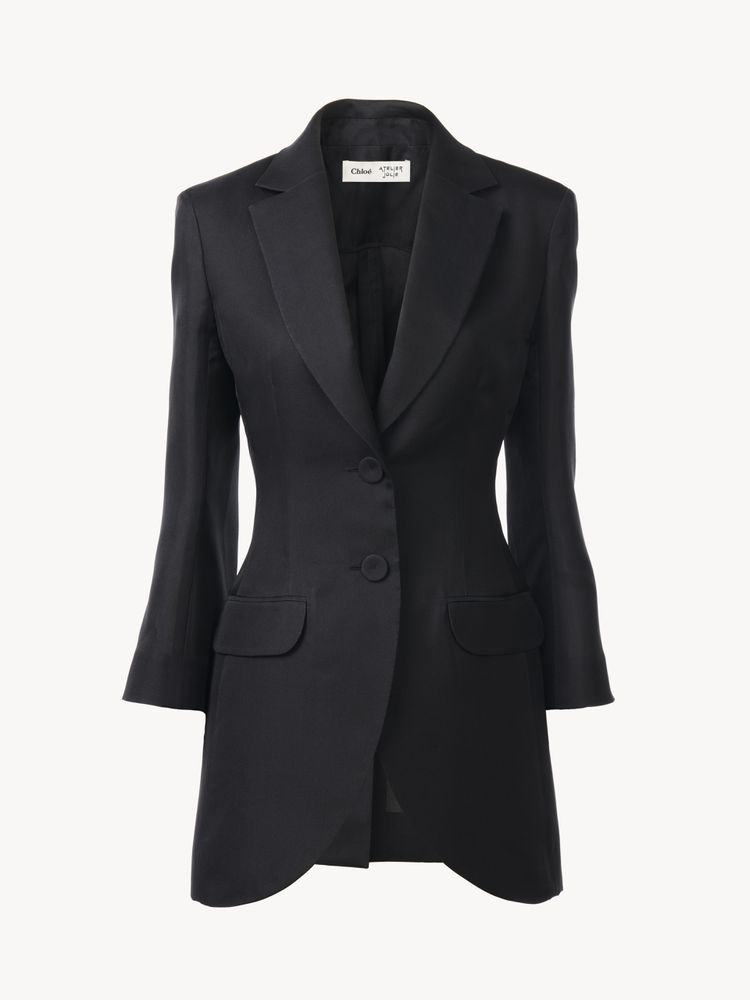
Atelier Jolie’s first major collaboration was a ready-to-wear capsule with Chloé, created with Gabriela Hearst when she was still creative director of the French fashion house. Early projects also involved milliner Justin Smith, artist Duke Riley, and lacemaker Pierre Fouché. Artist Mickalene Thomas, who has given talks at the atelier, is named as another collaborator.
So what is Atelier Jolie, really?
In a September interview with L’Officiel, Jolie said, “Fashion was never my central interest.” She explained that the sustainability conversation made her uneasy about pushing people to simply buy more. “My main focus is welcoming visitors who want to learn, create, and be in community. Anyone who contributes by attending and visiting gives back to the artists who come in. Our doors are open to all, and I love when new visitors continue to discover and join us.”
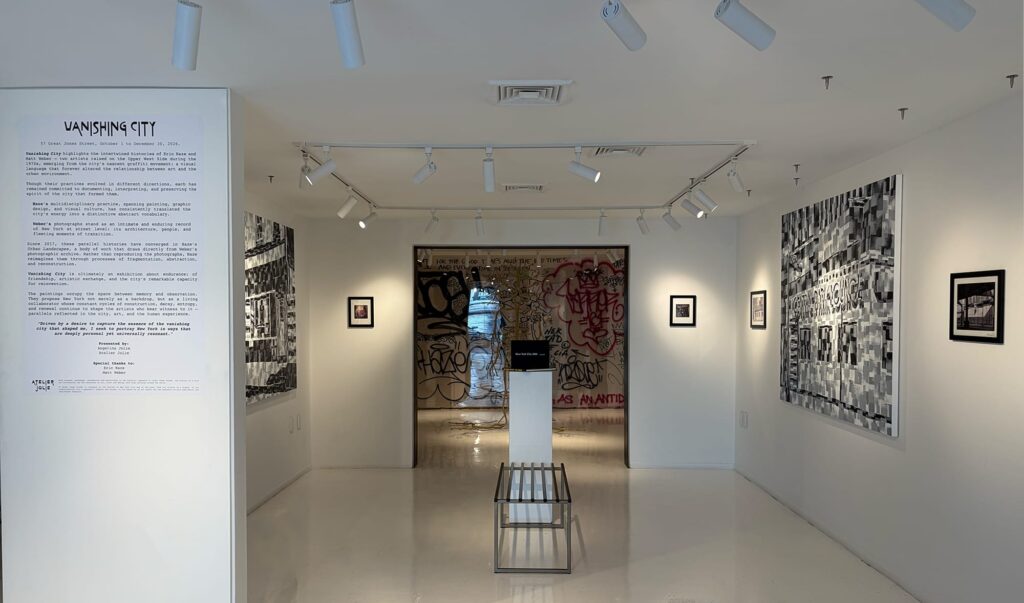
And by 2026, Atelier Jolie has become something closer to a creative clubhouse. There’s a gallery. There’s retail space. There are artists in residence.
Jolie admits she didn’t know exactly what Atelier Jolie would become when the doors opened. “My thought was to open a space and gift areas to different thinkers and creatives,” she said in the same interview. Then the talks, the dinners, and the gallery space started growing faster than the clothing line.
Related story: Wood, stone, steel: Three artists explore coexistence through sustainability and memory
Related story: Going green: London Fashion Week adopts brand sustainability requirements
Past and present residencies
In the art and design world, a residency is a coveted invitation: a creator gets time and space to work inside a host venue, while the host gets fresh ideas. At Atelier Jolie, residents treat the building as a working studio, then open it up to visitors through talks and workshops. Some sell their pieces on site, too.
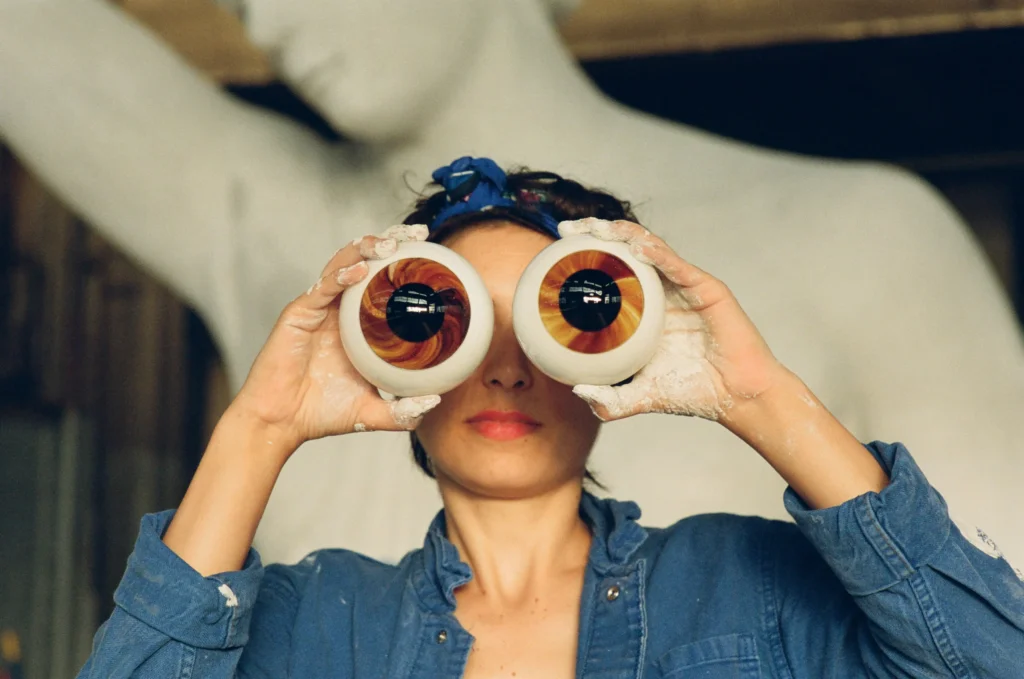
Atelier Jolie’s website lists three past residencies. The earliest was textile artist and designer Zolaykha Sherzad, born in Kabul and founder of Zarif Design, a company rooted in Afghan traditions of silk weaving and embroidery. She was in residence from March 10 to April 21, 2025.
Menswear tailor Ozwald Boateng, marking four decades in fashion, followed in May 2025. Simon Ungless, who collaborated with the late Alexander McQueen and sells hand-dyed and printed vintage and deadstock clothing under the label When Simon Met Ralph, took over from September 16 to 27, 2025.
Earlier press coverage also names painter-sculptor Chaz Guest and Valerj among the atelier’s residents. French artist Prune Nourry turned the top floor into her studio and began hosting monthly talks.
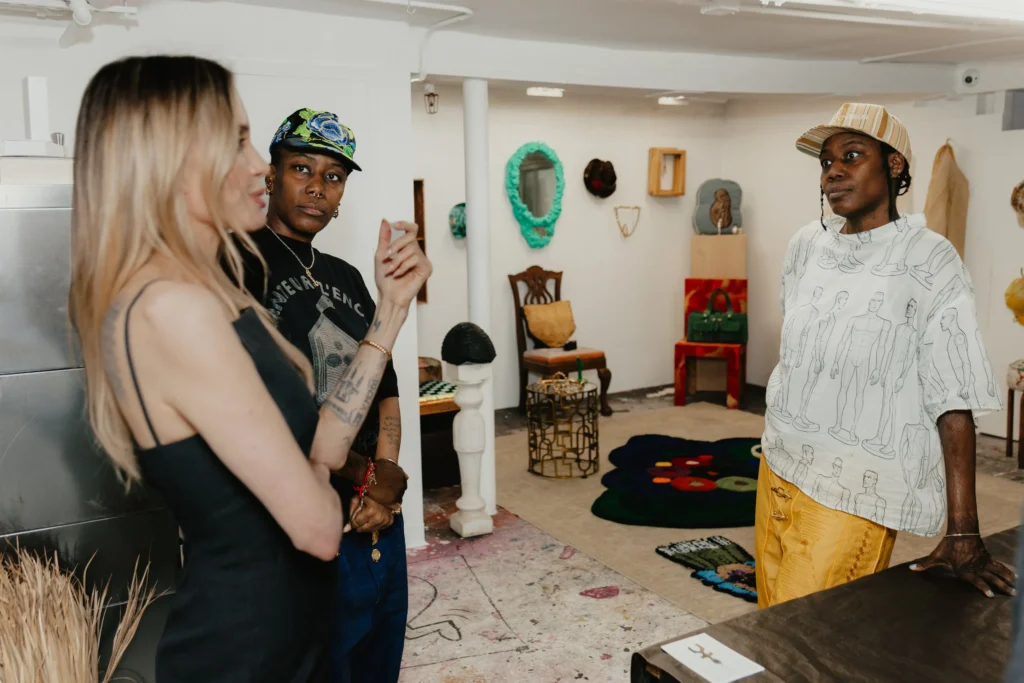
Meanwhile, Soull and Dynasty Ogun, founders of the Brooklyn-based creative incubator, fashion brand, and design studio L’Enchanteur, and CFDA/Vogue Fashion Fund winners, showcased their accessories and fine jewelry at the atelier during a month-long residency that began on June 27, 2026. They collaborated with fellow artists on a series of workshops, including silk screening, floral arrangement, and wellness sessions built around herbal and meditative practice.
Ghanaian-British artist Akwasi Brenya-Mensa also held a residency from April 24 to August 7, 2026, with the theme “gathering as method,” using public get-togethers as a way to explore and exchange ideas.
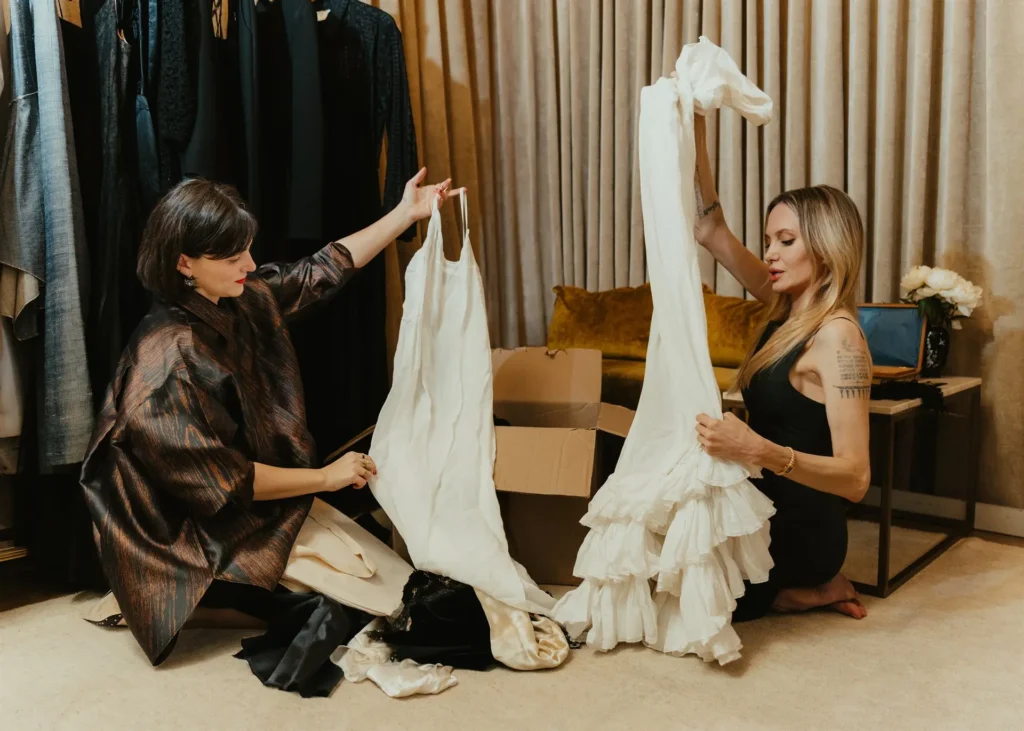
The current resident is Patricia Voto, founder of the bespoke label One/Of, who landed a two-year residency this year. She works with upcycled and restored textiles and plans to introduce training classes and tap local vintage dealers. During her residency, the shelves are also restocked with pieces from Jolie’s own wardrobe, including archival gowns and suiting alongside past Chloé pieces.
Related story: Slow food movement is about ‘regeneration—not just sustainability’
Related story: What El Nido taught Paloma Urquijo Zobel de Ayala about building communities
Come hungry when you visit
Art and design aren’t the only things at 57 Great Jones Street. The atelier also houses Eat Offbeat Café, a New York collective of cooks from Syria, Russia, Sudan, Sri Lanka, Nepal, Morocco, Iran, Afghanistan, and Venezuela. Visitors can sit down for drinks, small savory dishes, and pastries, or take home spice blends and sauces. According to the atelier’s website, the café is open Tuesday to Saturday, 11am to 6pm.
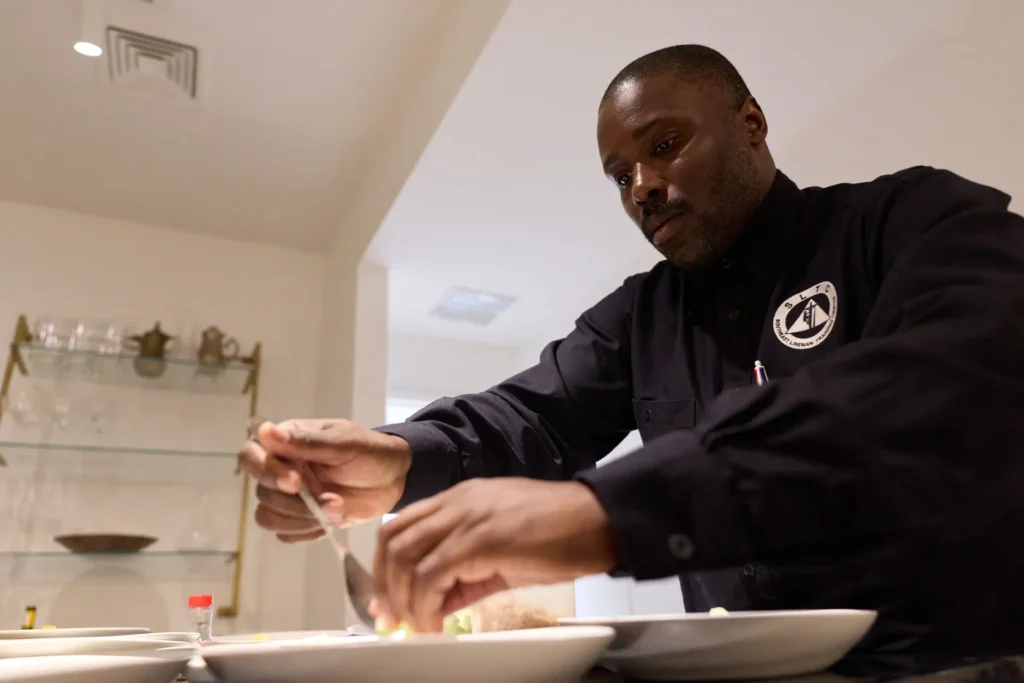
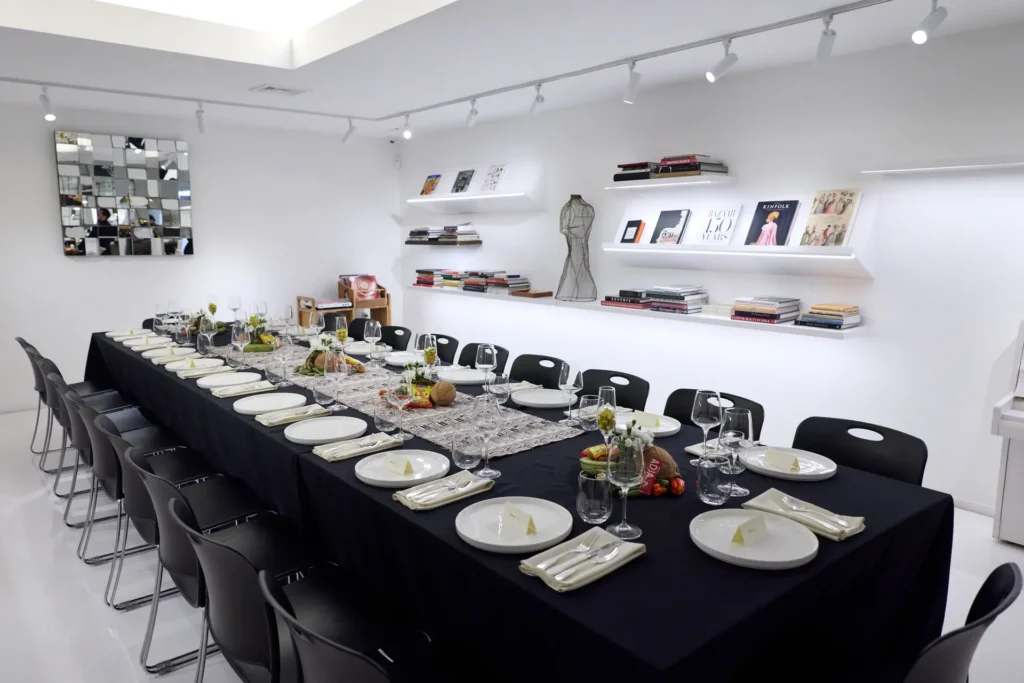

The kitchen also hosts guest chefs. Tatale, a contemporary Pan-African dining concept from chef Akwasi Brenya-Mensa, arrived alongside his artist residency. The restaurant debuted in 2022 at The Africa Centre in London, and Brenya-Mensa was named Eater London’s Best Chef that year. Tatale’s dinners at the atelier are ticketed events.
Atelier Jolie’s dining aspect has the same idea as the rest of the atelier: give talented people a space, then let visitors walk in and enjoy the results, this time, with good food.
Going global
Jolie has always meant for Atelier Jolie to go global. She told L’Officiel that Brazil could be the first location outside the United States. Talks are also underway with teams in Vienna and Cambodia, and some openings could come soon. There’s no country she wouldn’t consider. Her home in Cambodia will also host a residency for Khmer culture for a few months each year.
The model is what makes this interesting—and inspiring. Each hub is meant to be run locally and to belong to the people who run it, since the whole venture is a nonprofit.
Jolie says her years as a diplomat showed her that too much attention goes to charity and aid, and too little to supporting businesses and independence. Atelier Jolie is her answer: a model that grows other people’s careers and communities.
She also wants to debunk a misconception: the atelier isn’t a private club. Some things are closed, but the vast majority is “completely open to the public,” she said, from classes and the dinner series to some talks and the gallery. What she’s most looking forward to is seeing regular residencies arrive from around the world and more people using the space.
The plan fits her life after raising her kids. She describes wanting to be a bit “nomadic,” with more fieldwork and time out in the world. She imagines calling her children from somewhere far away after landing a plane to meet local artists.
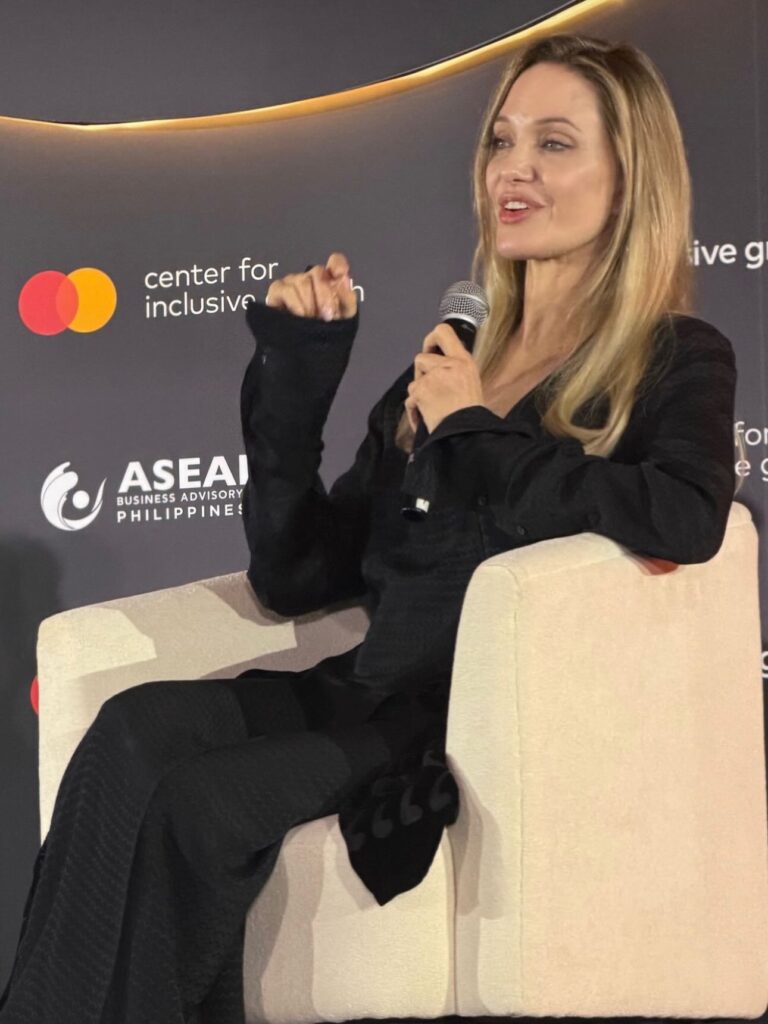
Indeed, just last week Atelier Jolie made it into international conversations when Jolie was in Manila for the ASEAN Inclusive Growth Summit, where she spoke about fair trade and giving local businesses and communities a real chance.
Related story: Manila on lockdown: How the Philippines is preparing for the ASEAN Summit
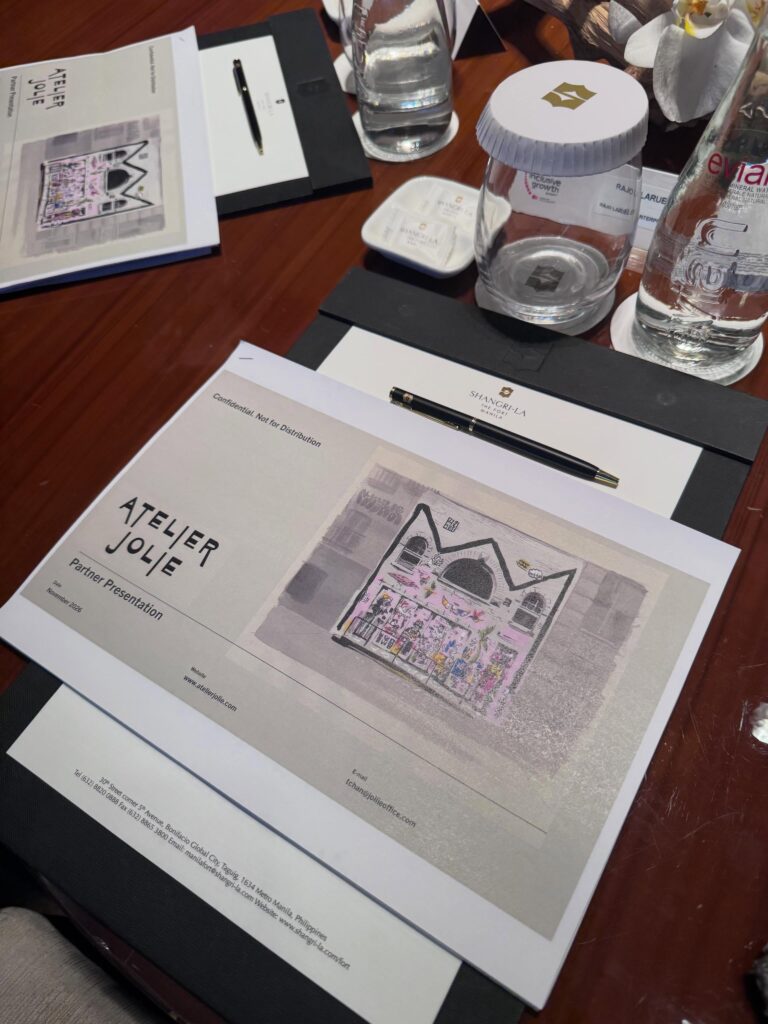
Filipino designer Rajo Laurel shared in an Instagram post that he was invited to a private, 15-person roundtable with Jolie, as noted in a report by ABS-CBN. Jolie, who served the UN Refugee Agency for more than two decades, first as Goodwill Ambassador and later as Special Envoy, used the discussion to share Atelier Jolie’s mission: to empower artisans by putting their craftsmanship in the spotlight and ensuring they are fairly compensated.
Truly, since launching in 2023, Atelier Jolie has outgrown its label. What began as a fashion house in New York City has become a collective of creatives from around the world, one that doesn’t just make things but also empowers the people who make them.
Not bad for something that started with leftover fabric.