
Motorists caught in Metro Manila’s monsoon mess can get their vehicles hauled home or to a repair shop at no cost.
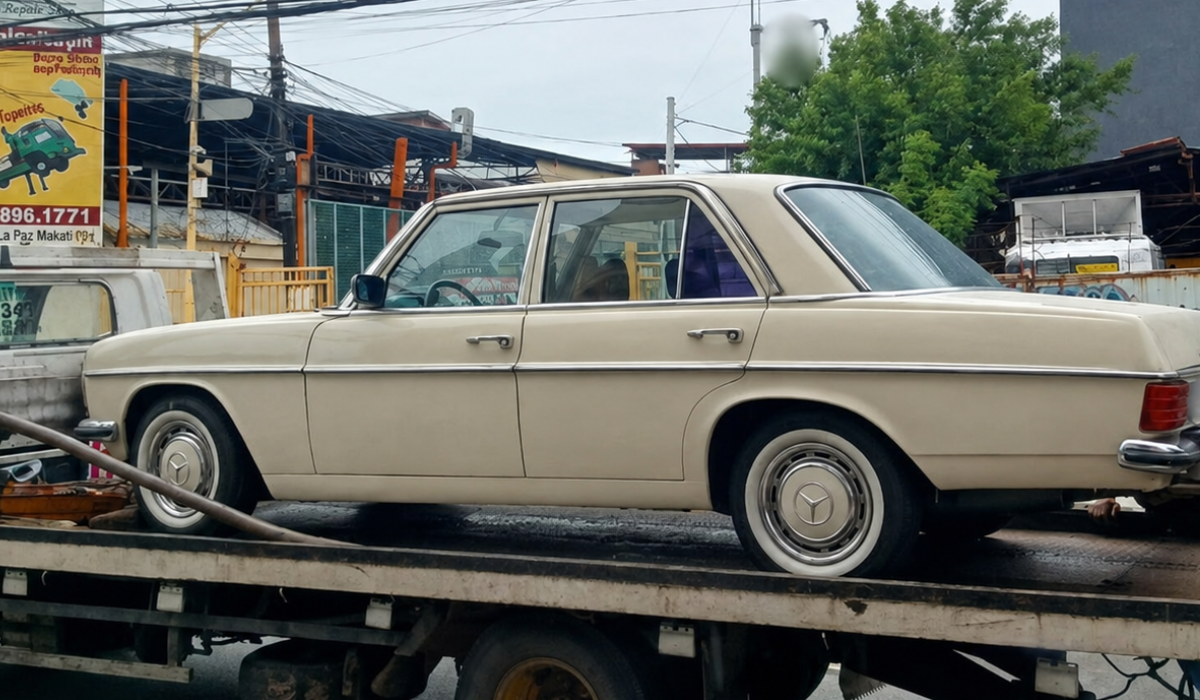
Metro Manila motorists dealing with deep water and disabled wheels have one less expense to worry about this week. The Metropolitan Manila Development Authority (MMDA) has extended its free towing service until Friday, August 21, giving drivers whose vehicles were submerged, stranded, or stuck in floodwaters a way to get their cars to safer ground without paying for the tow.
The extension comes as the southwest monsoon (habagat) continues to bring significant rainfall to western portions of Luzon, keeping flooding a concern across the capital and surrounding areas.
Who can get a free tow?
The service covers vehicles that entered floodwaters or became stranded while traveling during heavy rain. Instead of leaving a stalled car streetside, affected motorists can have MMDA responders tow it either straight to their residence or to an auto repair shop.
There is one important catch: both the pick-up point and drop-off destination must be within Metro Manila.
Motorists who need assistance can contact MMDA through its official Facebook, X, and Instagram accounts. The agency’s 136 hotline is also available for inquiries and emergency assistance.
When flooding fuels frustration
For outraged Filipinos, however, free towing feels like a fix for a failure that should never have reached this point. Every flooded street, stranded commuter, and submerged car has sharpened scrutiny of where public money goes—particularly funds poured into flood-control projects meant to protect communities in the first place.
The frustration runs deeper than one downpour. As questions continue to surround alleged corruption, questionable contracts, and poorly implemented public works, citizens are once again confronting the costly consequences when government funds fail to translate into functioning infrastructure. Money meant for drainage, waterways, roads, and flood mitigation is ultimately public money—and when projects fall short, the public pays twice: first through taxes, then through damaged homes, disrupted work, and now drowned vehicles.
That makes the MMDA initiative welcome—and also telling. A free tow can rescue a car from the flood, but it cannot resolve the reasons our roads keep requiring rescue in the first place. For Filipinos fatigued by flooding and frustrated by questions of accountability, the bigger demand remains clear: public funds should produce projects that protect people, not problems people repeatedly have to pay for.
Your car got caught in a flood. Now what?
Free towing can take care of the transport, but what you do while waiting can help prevent a flooded vehicle from facing further damage.
First, do not attempt to restart the engine. Turning it back on after water has entered the vehicle can draw water into the cylinders and potentially cause serious engine damage. Once conditions are safe enough to approach the car, disconnecting the battery can also help reduce the risk of electrical short circuits.

Then, document the damage before dealing with it. Take clear photos and videos of the vehicle, including the surrounding floodwater and visible water level. These records may prove useful when filing an insurance claim later.
Most importantly, when the waters are already rising, resist risking the route. Taking an alternate road, turning around, or waiting for the water to recede could save you from a stalled car—and a much steeper repair bill.
With habagat keeping the capital caught in another wet-weather stretch, MMDA’s free towing service gives stranded motorists some support when the streets suddenly become too deep to drive through.
Related story: 2025 in the news: Bottomless greed in high places, heartbreak among us, courage everywhere
Related story: SPECIAL REPORT: Anatomy of a DPWH scam