
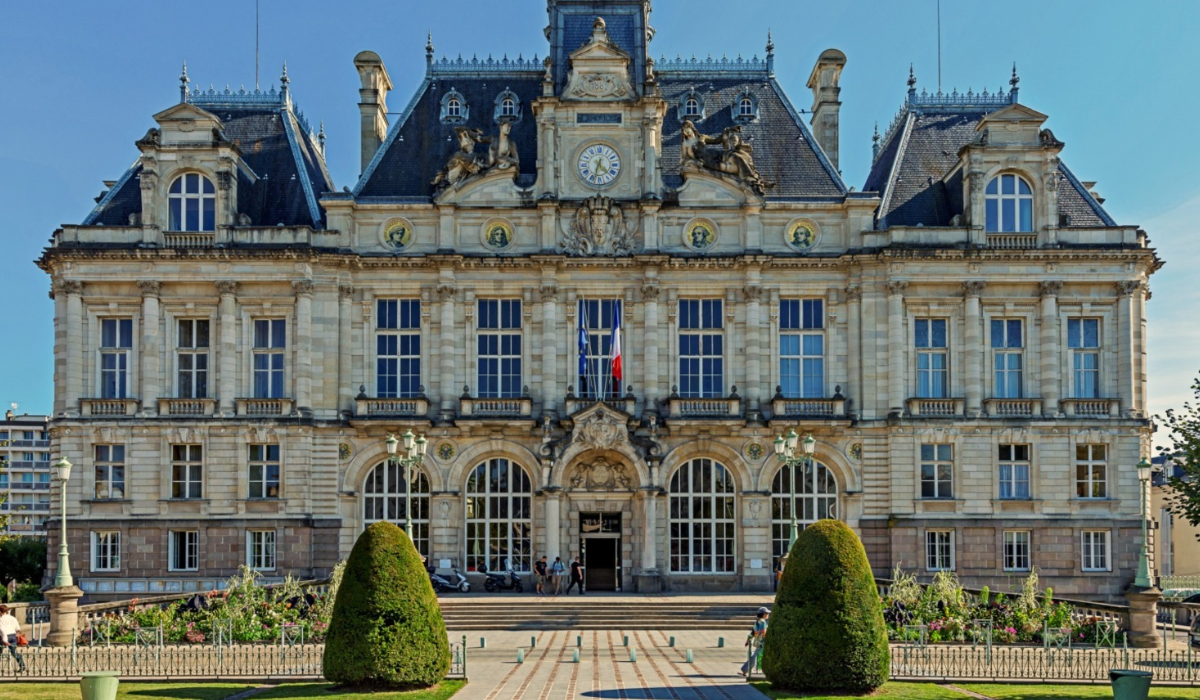

A 143-year-old architectural treasure has been devastated, leaving France to confront the cultural cost of civil unrest and the fragile future of its heritage.
France is no stranger to public protest, political pressure, and passionate calls for change. Yet the latest wave of unrest has left a particularly painful mark on the country’s cultural landscape. In Limoges, a historic city in central France, flames consumed much of a 19th-century architectural landmark that had stood for 143 years.
On October 17, 2026, the Hôtel de Ville of Limoges was set ablaze amid nationwide demonstrations over rising living costs, public services, and economic inequality. Its roof collapsed, while its central clock tower fell before horrified residents. The destruction was extensive, leaving only the western wing largely spared.
For a country whose architectural treasures have helped shape the world’s understanding of art, history, and heritage, the loss extends well past the charred walls of a municipal building.
A century-old architectural treasure
Inaugurated in 1883, the Hôtel de Ville was one of Limoges’ most recognizable civic landmarks. Its grand neo-Renaissance architecture took inspiration from Paris’ own City Hall, bringing the French capital’s monumental architectural language to a regional city with a rich artistic and industrial identity.
Its most distinct feature was a 43-meter clock tower and belfry, which rose above the surrounding square. The building’s elaborate façade, ornamental details, and commanding silhouette made it a prominent feature of Limoges’ urban landscape.
Recognized as a protected historic monument in 1975, the city hall represented a chapter of France’s architectural history that had endured political upheaval, changing governments, and two world wars. Its significance also lay in its setting. Limoges is internationally associated with fine porcelain and decorative craftsmanship, making the preservation of its architectural and artistic heritage especially meaningful.
The city hall was a reminder that French cultural excellence extends well outside Paris. Its architecture offered visitors a glimpse of the artistic ambition, public pride, and civic craftsmanship that characterized the late 19th century.
The night Limoges lost its landmark
According to Reuters, masked attackers stormed the municipal building on October 17, smashing windows and forcing entry before a fire devastated the structure. Mayor Guillaume Guérin said the attack appeared organized and premeditated, while police resources were stretched by demonstrations elsewhere in the city.
The flames spread through the roof, ultimately bringing down the building’s central tower. Local authorities described the damage as a heritage catastrophe, with extensive destruction affecting both the roof and portions of the historic exterior. The footage prompted painful comparisons with the 2019 Notre-Dame Cathedral fire, when another beloved French landmark lost its iconic spire.
For residents, however, the tragedy was profoundly personal. The building had hosted civil ceremonies, welcomed generations of families, and served as a familiar backdrop to everyday life. Its destruction meant losing a place where private milestones and public history had quietly intersected. The full extent of the damage, including the condition of surviving interiors and historic materials, remains subject to assessment.
What the world has lost
The destruction of Limoges City Hall raises an uncomfortable question: What happens when a society loses the physical places that preserve its collective memory? Historic buildings carry the craftsmanship, cultural character, and creative convictions of the generations that constructed them. Their importance cannot be measured solely by their age, architectural grandeur, or monetary value.
Limoges’ city hall was both a functioning public institution and a tangible expression of French civic identity. Its design reflected an era when municipal architecture was intended to inspire confidence in public life and permanence in public institutions.
The loss is architectural, certainly, but also deeply communal. The building’s tower, roof, historic fabric, and familiar silhouette cannot simply be replaced with modern construction without altering the character of the original.
As the Smithsonian Magazine observed in its coverage of the disaster, the fire has renewed concerns over the vulnerability of France’s architectural heritage. Restoration may eventually recover portions of the landmark. However, the survival of original materials, craftsmanship, and historic details will determine how much of the building’s authenticity can be preserved.
France’s unrest and its cultural consequences
The fire unfolded against a broader wave of demonstrations across France, where mounting frustration over living costs, education, and public services brought hundreds of thousands of people into the streets.
According to the Associated Press, the October 17 demonstrations attracted an estimated 550,000 to 800,000 participants nationwide, with many rallies remaining peaceful. Violence erupted in several cities, including Paris, Marseille, Lyon, and Limoges, as masked groups clashed with police, looted businesses, and attacked public buildings.
In Paris, authorities deployed tear gas and water cannons as vehicles burned and shops were vandalized. The violence also prompted questions about police preparedness and the protection of public institutions.

The protests have revived memories of France’s Yellow Vest movement, which began in 2018 amid anger over fuel taxes and economic pressures. The latest demonstrations reflect renewed dissatisfaction with living standards and public policy, although authorities are still investigating responsibility for individual acts of violence.
For Limoges, the consequences have been especially severe. According to the official Limoges Métropole announcement, the destruction disrupted municipal operations, temporarily prevented in-person services at city hall, and complicated access to administrative documents.
A city mourns, and a country confronts its loss
On October 18, approximately 7,000 people gathered in Limoges to condemn the destruction and express solidarity with their city, according to Le Monde. The gathering reflected the emotional weight of losing a landmark that generations of residents had considered part of their shared identity.
In an official statement, Mayor Guillaume Guérin described the city hall as the common home of Limoges’ residents and a symbol of the French Republic’s presence in everyday civic life. His message acknowledged the right to demonstrate while rejecting the destruction of public property as a means of expressing political grievances.
The comparison with Notre-Dame offers some perspective. France demonstrated its extraordinary capacity for heritage restoration when the Paris cathedral reopened in December 2024, following years of painstaking reconstruction.
Whether Limoges can achieve a comparable recovery remains uncertain. The scale of the damage, the surviving historic materials, and the resources required for restoration will shape the landmark’s future. For now, the fire serves as a sobering reminder that architectural heritage is both precious and precarious. A building that took years to construct and generations to preserve can suffer irreversible damage in a single evening.
France, after all, may eventually rebuild Limoges City Hall. Recreating everything it represented, though, will be a far more complicated undertaking.
Related story: Spain is set to steal France’s tourism crown by 2040—here are 5 stops that show why
Related story: Notre Dame Cathedral in Paris to reopen five years after fire. Here’s what to expect