
Monique Lhuillier‘s meticulous design and timeless elegance bring a fresh perspective on modern bridal dressing.
Bridal fashion has entered an era where personality outweighs tradition. White gowns are no longer a prerequisite, heirloom references have become as desirable as fleeting trends, and brides are not just dressing for convention.
Emma Roberts‘ wedding wardrobe captures this shift with accuracy—and at its center is Filipino-American designer Monique Lhuillier, whose latest couture creation once again places Filipino design on one of fashion’s biggest stages.
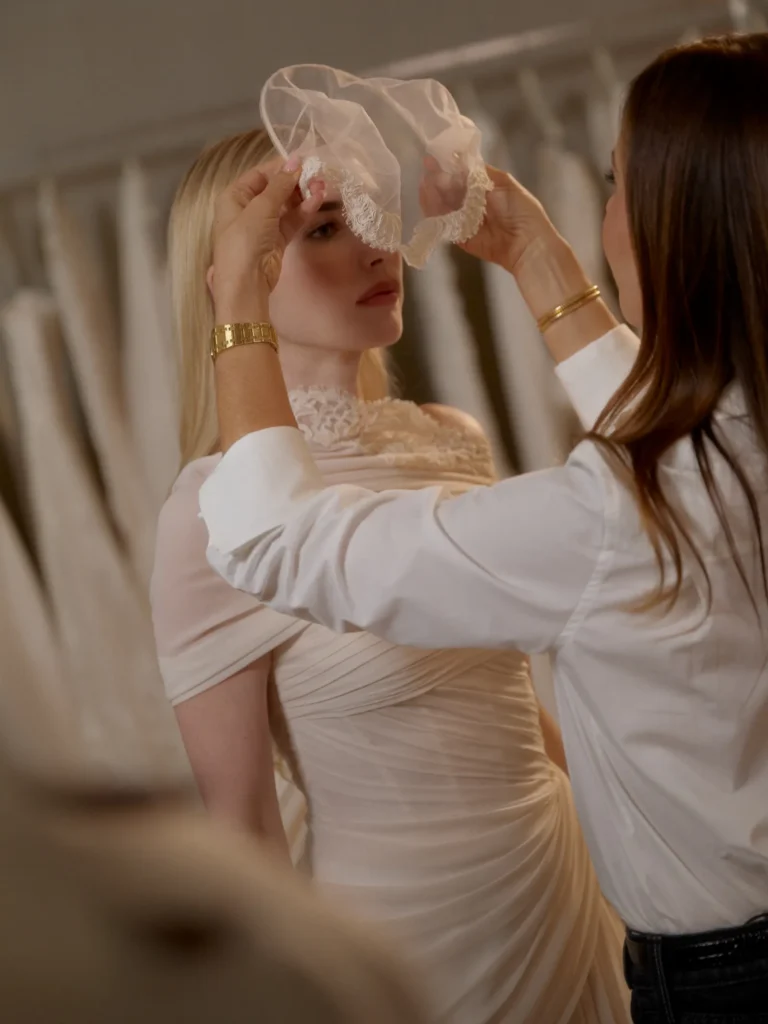
The collaboration began not with a silhouette, but with a mood. Rather than asking for a traditional bridal gown, Roberts envisioned something that echoed antique books, weathered heirlooms, vintage ephemera, and the quiet romance of another era. She even described wanting to resemble “a little antique ghost doll”—an unconventional creative brief that ultimately shaped one of this year’s most distinctive celebrity wedding looks.
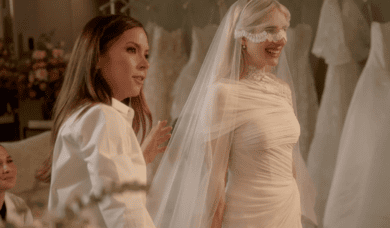
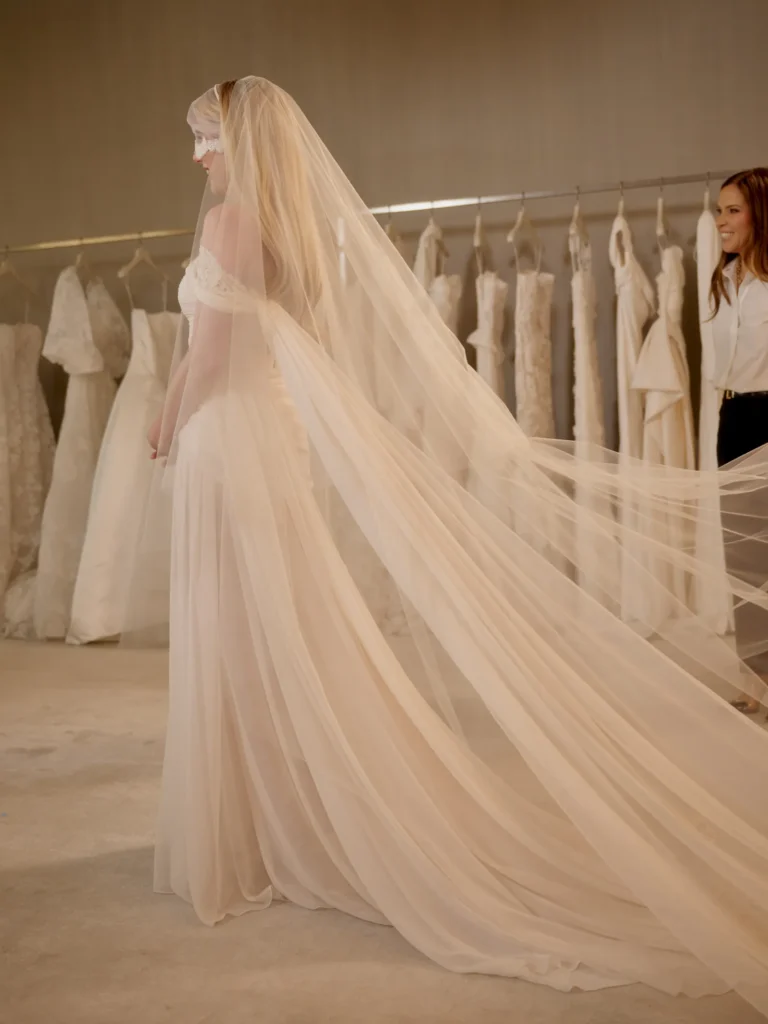
Lhuillier translated that vision into a custom silk chiffon gown washed in a bespoke “antique rose” shade with a subtle tea-stained effect, deliberately steering away from stark bridal white. The color was named as a nod to Roberts’ middle name, while the airy fabrication softened the structured architecture hidden beneath. An exposed corset provided support without sacrificing fluidity, complemented by a layered skirt with a high slit that allowed ease of movement throughout the celebration.
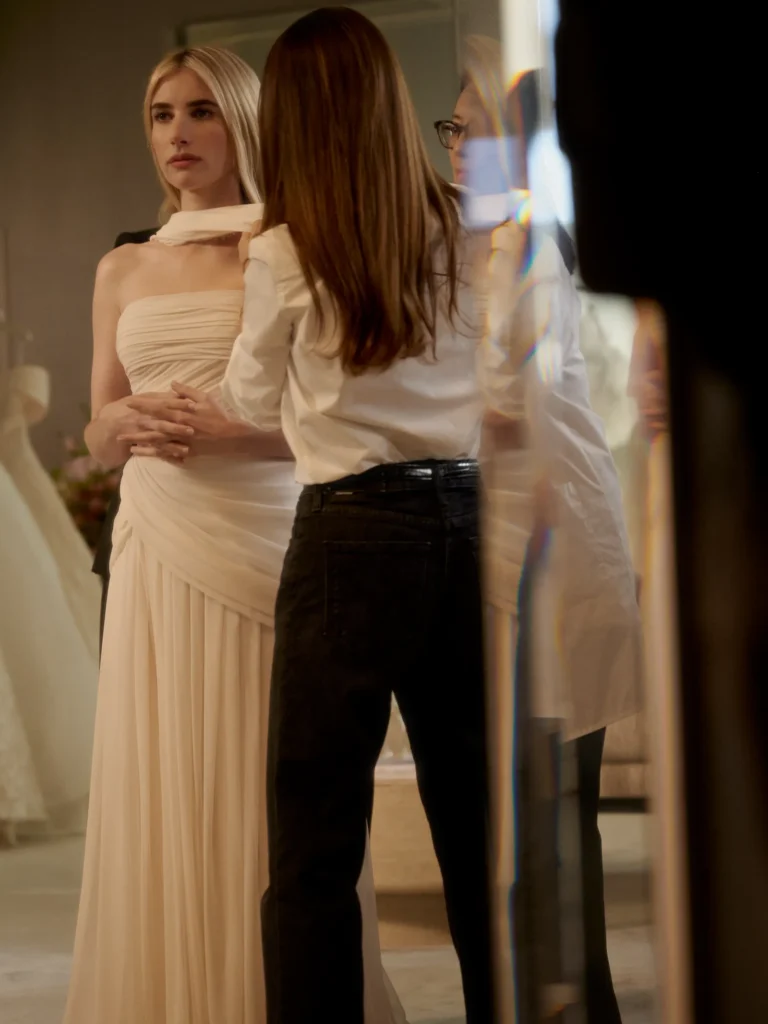
The couture details extended well beyond the gown itself. A detachable asymmetrical shawl trimmed with French lace transformed the neckline from dramatic draped shoulders into a strapless silhouette, allowing the dress to evolve as the day unfolded. Lhuillier also created a chapel-length veil in matching antique rose tulle, accompanied by a delicate lace voilette that could either veil Roberts’ eyes or be styled as a lace headband. In total, the ensemble offered five distinct styling possibilities while remaining intentionally cohesive.
Such versatility required extraordinary craftsmanship. The gown took approximately nine months and nearly 1,000 hours to complete, using about 25 yards of silk chiffon that were custom dyed specifically for the project. In an industry increasingly driven by immediacy, the painstaking process underscored the enduring value of couture techniques and hand-finished construction.
Roberts later departed from another bridal convention by changing into an archival black Monique Lhuillier ensemble from the designer’s Fall 2004 collection for the after-party. Featuring a Chantilly lace corset and a hand-cut layered silk organza skirt, the look reinforced the wedding’s overarching philosophy: personal style should always take precedence over tradition.
For Filipino fashion enthusiasts, the celebration offered more than celebrity inspiration. It was another reminder that Monique Lhuillier continues to shape the global bridal landscape, proving that Filipino creativity remains synonymous with craftsmanship, elegance, and timeless couture.
Photos by Adrian Doza
Related story: Bea Alonzo’s wedding teaches us that love doesn’t need to perform for the public
Related story: Taylor Swift and Travis Kelce wedding: Everything we could dig up