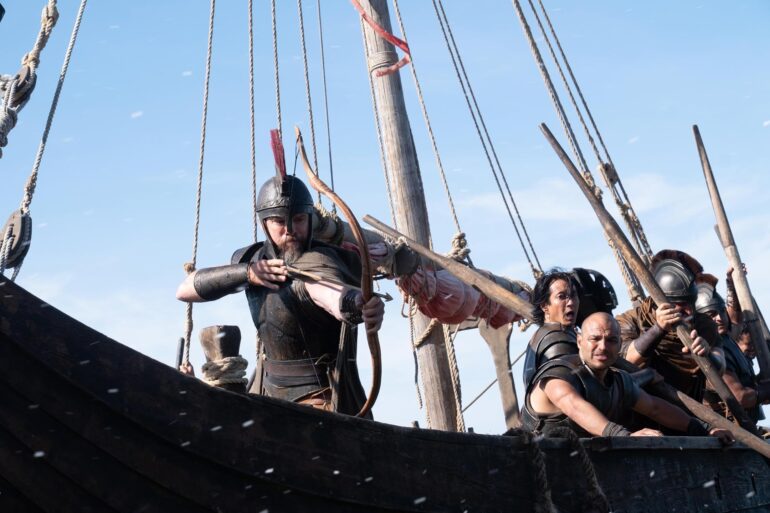
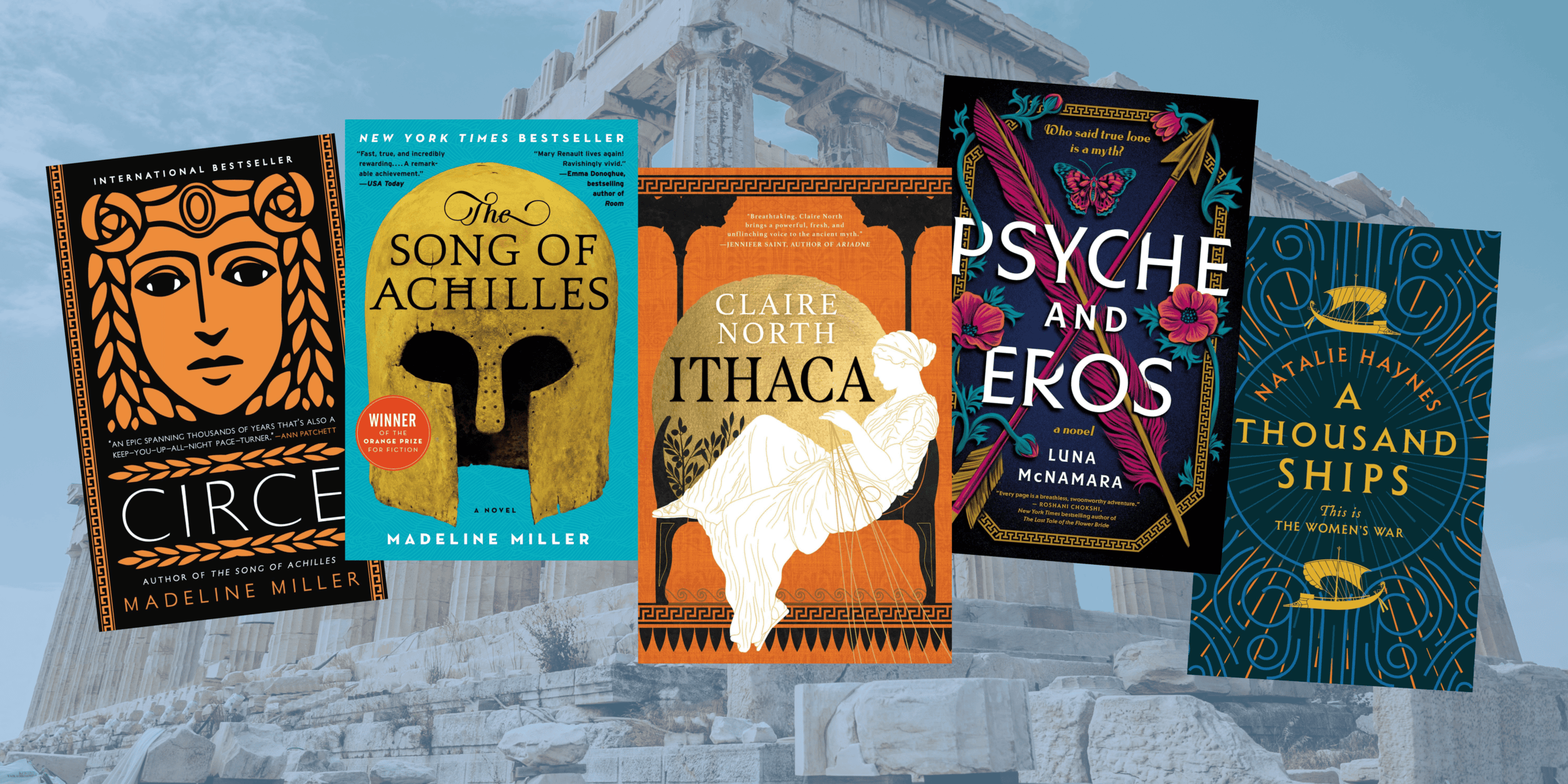

Not ready to leave the gods, monsters, witches, and complicated heroes behind? These books let the old stories linger a little longer.
I have always been fascinated by Greek mythology. I remember picking up Edith Hamilton’s Mythology and devouring one story after another, then watching every movie I could find that was retold or borrowed from those tales. There was always another god to meet, another family feud to untangle, and another hero making very questionable decisions.
Related story: REVIEW: Christopher Nolan’s ‘The Odyssey’ is dark, gripping, but surprisingly tender
Related story: ‘The Odyssey’ press tour is having a god-tier fashion run
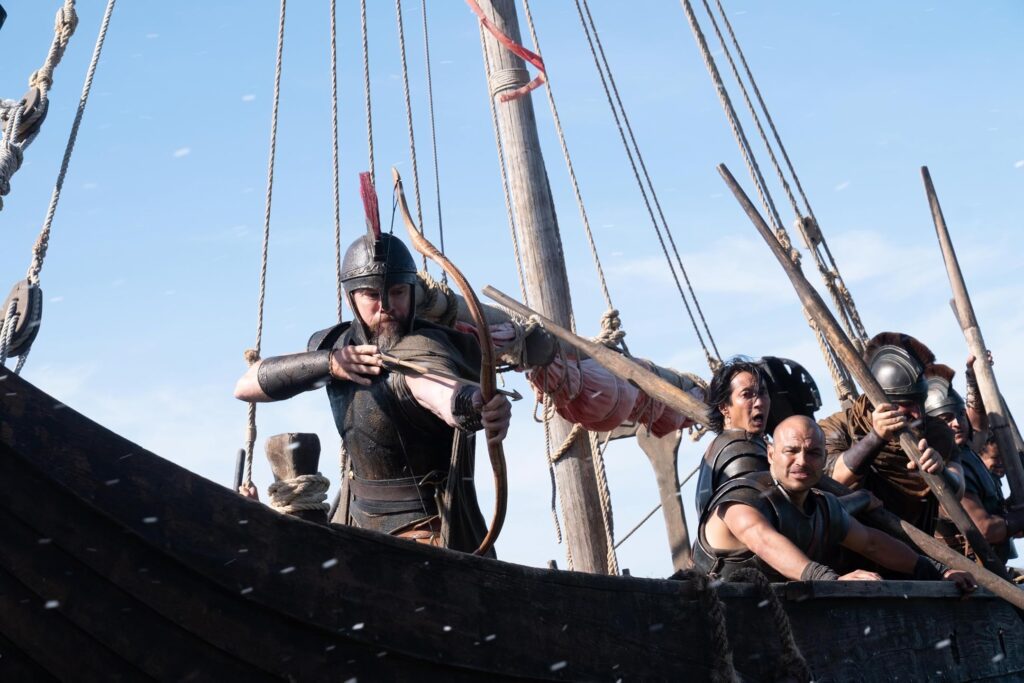
Watching Christopher Nolan’s The Odyssey reminded me why I fell in love with Greek mythology in the first place. I enjoyed the darker, more brutal parts of Odysseus’ journey, but what stayed with me was his relationship with Penelope. After all the gods, monsters, and battles, the story is still about a man trying to find his way back to the person he loves, even if he makes many frustrating choices along the way. If you want to know more of my thoughts, you can read my full review of The Odyssey here.
Rick Riordan’s books will always be among my favorites, but more contemporary retellings offer something different, especially when they hand the story to the wives, lovers, witches, and queens who barely got to speak in the ancient versions. Some of these books are personal favorites, while the others are waiting on my own reading list, so consider this a list we can explore together.
Circe by Madeline Miller
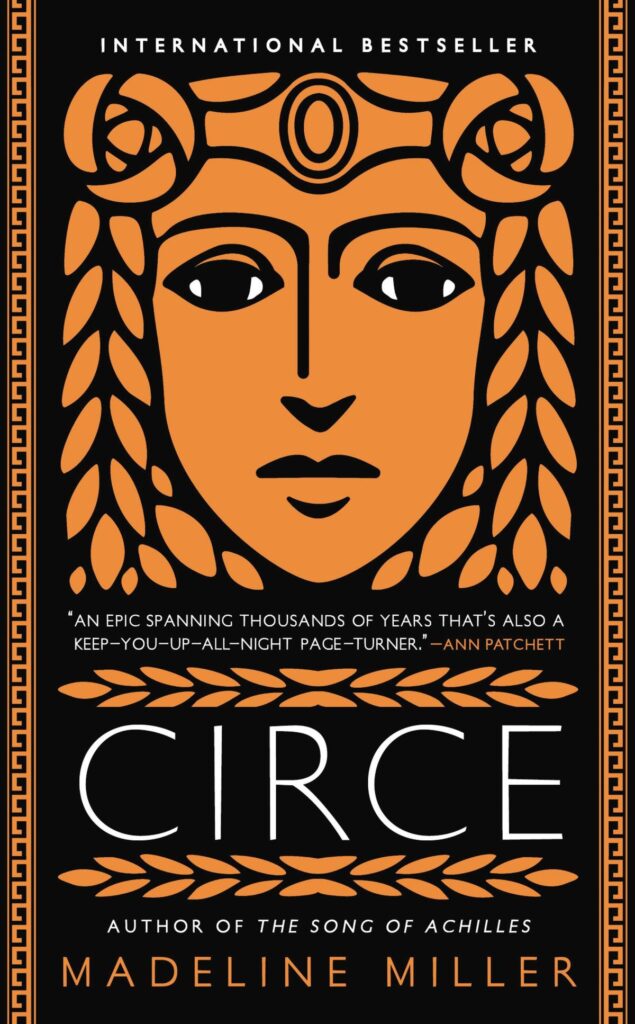
If Circe’s appearance in The Odyssey left you curious about the witch behind the pigs, Madeline Miller gives her the full story she never received from Homer.
Born to Helios, the god of the sun, Circe grows up feeling out of place among the gods until she discovers her power for witchcraft. Zeus later banishes her to the island of Aiaia, where she crosses paths with Daedalus, the Minotaur, Medea, and eventually Odysseus. Homer’s Odyssey gives Circe a memorable but fairly short role as the witch who transforms Odysseus’ men, becomes his lover, and helps him continue his journey. Miller imagines everything around that encounter, turning Circe into a complicated woman with anger, desires, and difficult choices of her own.
This is one of my personal favorites and the most natural next read after watching The Odyssey, especially if you want to return to Aiaia and hear the story from Circe’s side.
The Song of Achilles by Madeline Miller
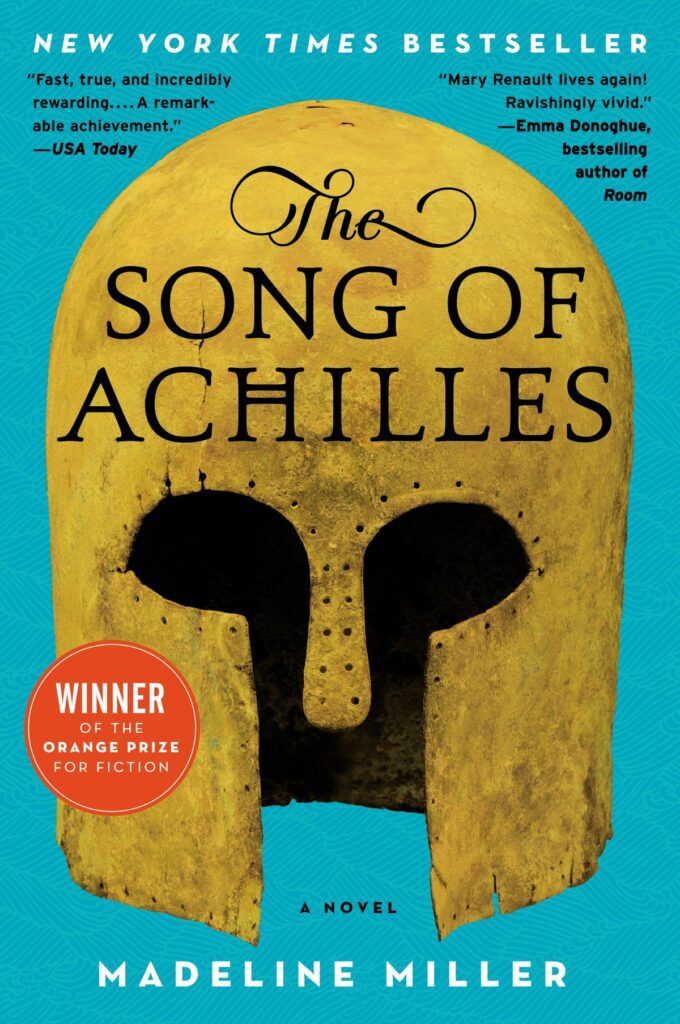
Yes, there are two Madeline Miller books here, but leaving out The Song of Achilles would feel wrong.
The novel follows Patroclus, an exiled young prince who meets the gifted Achilles at the court of King Peleus. Their friendship grows into love, then the Trojan War draws them toward a future already shaped by prophecy. The story takes most of its material from Homer’s Iliad, which centers on Achilles’ rage and his grief after Patroclus dies. Homer never clearly calls the two men lovers, although later Greek writers understood their bond that way, and Miller makes their love the heart of her novel.
This is another favorite, and apparently Daniel Radcliffe loves it too. He recently included it among his favorite books and said it made him excited to return to reading after struggling to connect with other novels. He also admitted that he probably would not read the entire Iliad, which, honestly, is relatable.
Recommending this book still feels like sending someone directly into emotional pain, but it is tender, absorbing, and heartbreaking even when you already know where the story is going. I used too many tissues, mind you.
Related story: Beyond bestsellers: How celebrity book clubs and pop culture led me to unexpected literary gems
Ithaca by Claire North
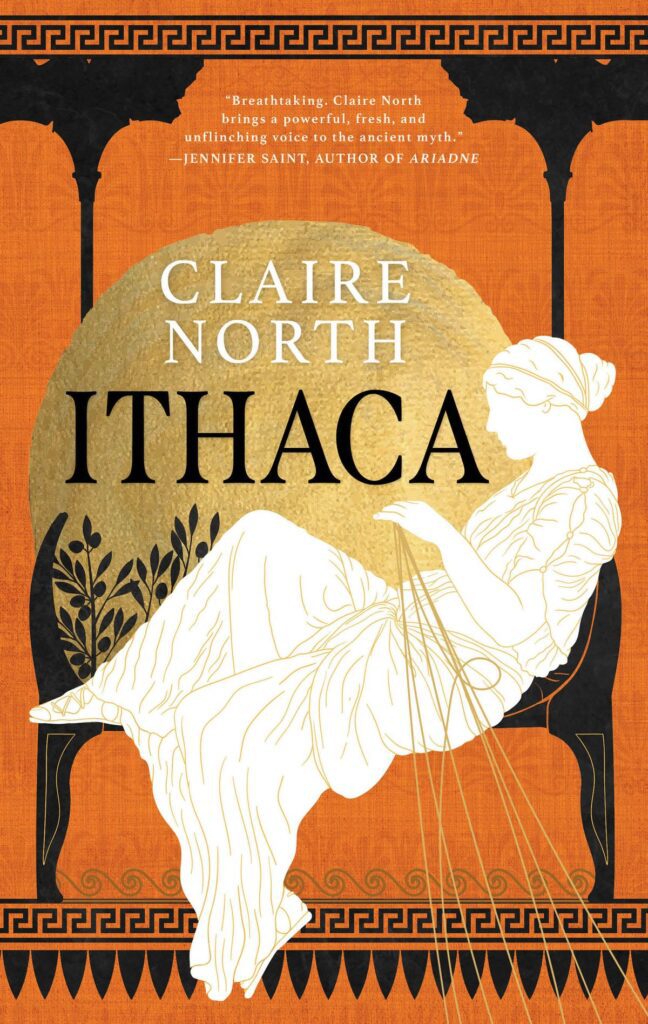
While Odysseus spends years trying to get home, Penelope has a kingdom to protect and far too many suitors waiting for her to give up on her husband.
Ithaca follows Penelope as she manages threats to her home, her son, and her position, all while making sure the men around her never realize how much power the women of the island truly hold. Hera narrates the story, adding the sharp observations of a goddess who knows how often women do the work while men receive the glory.
The novel expands the parts of Homer’s Odyssey set in Ithaca, where Penelope famously delays choosing a new husband by weaving a burial shroud during the day and undoing it at night. It is also the first book in North’s Songs of Penelope trilogy, which means there is more waiting if this version of Ithaca pulls you in.
A Thousand Ships by Natalie Haynes
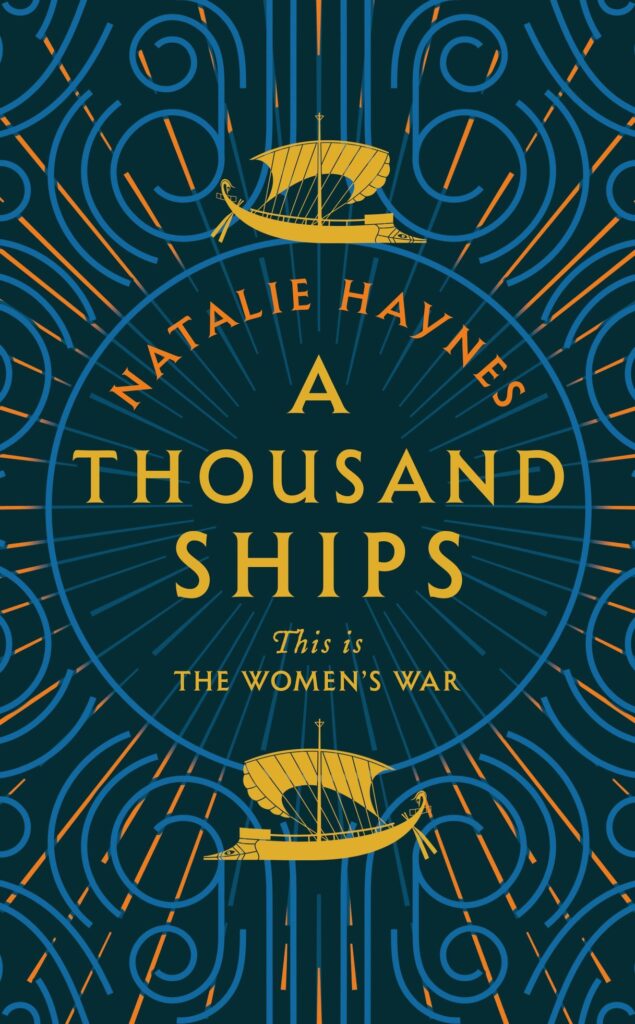
We know the Trojan War through warriors such as Achilles, Hector, and Odysseus, but Natalie Haynes looks at the women who fought, waited, lost their homes, or lived with the damage afterward.
Rather than follow one heroine, A Thousand Ships moves among women and goddesses connected to the war, including Helen, Penelope, Cassandra, Clytemnestra, Andromache, Hecabe, and the Amazon princess Penthesilea. The Muse Calliope helps hold their stories together, while also questioning why war epics so often treat women’s suffering as background detail.
The novel pulls from several ancient works, including Homer’s Iliad and Odyssey, Virgil’s Aeneid, and tragedies such as Euripides’ The Trojan Women. It looks like a good choice for readers who want a wider view of the war, especially beyond the men standing on the battlefield.
Clytemnestra by Costanza Casati
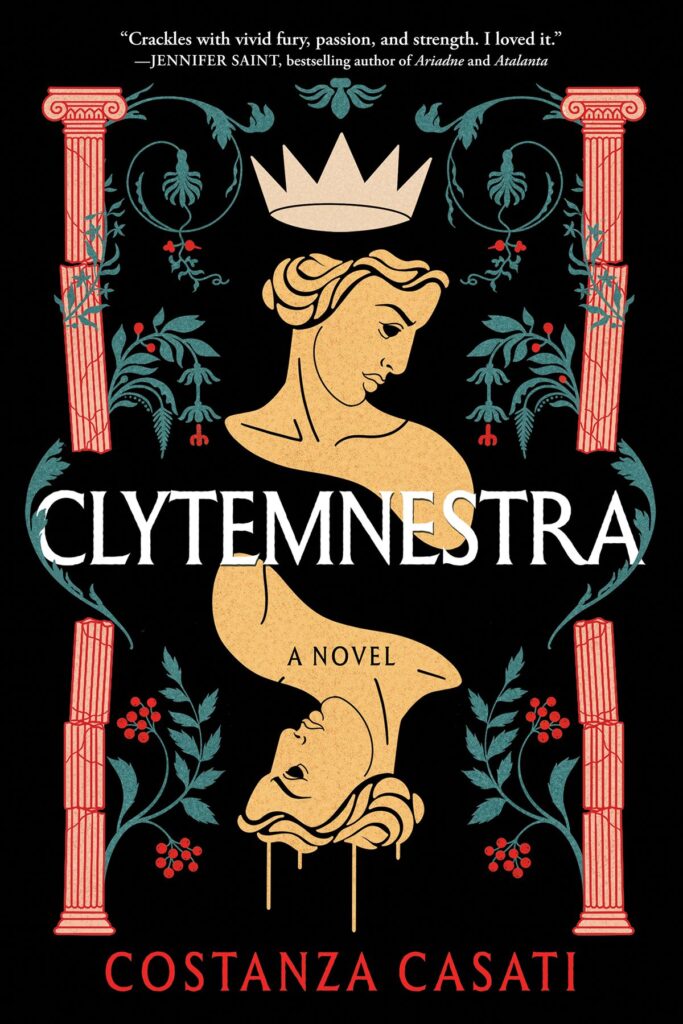
Clytemnestra is often remembered as the queen who murders her husband, Agamemnon, but Costanza Casati begins much earlier, before revenge becomes the thing that defines her.
Raised in Sparta, Clytemnestra grows up strong, intelligent, and ready to fight, then her life is changed by forced marriage, motherhood, and loss. When Agamemnon sacrifices their daughter Iphigenia so the Greek fleet can sail to Troy, her grief becomes something far more dangerous.
Her story appears across several ancient texts, from Homer’s Odyssey to Aeschylus’ Agamemnon and Euripides’ Iphigenia at Aulis. Those versions do not always agree on every detail, which gives Casati room to imagine the woman behind one of mythology’s most famous acts of revenge.
Related story: From my shelf to yours: Introducing a literary support group
Medea by Eilish Quin
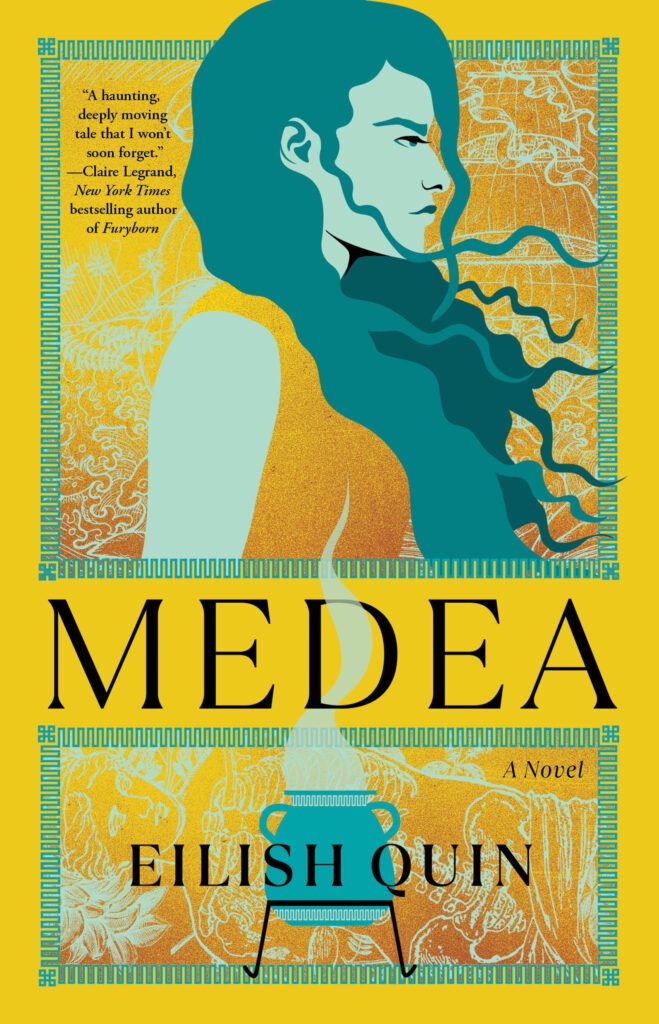

Medea has one of the darkest reputations in Greek mythology, so Eilish Quin goes back to her childhood to ask how a frightened girl became the powerful witch history remembers.
Growing up under an abusive father in Colchis, Medea secretly teaches herself magic as a way to survive. Her life changes when Jason arrives in search of the Golden Fleece, drawing her into a dangerous voyage with the Argonauts and a love story that will eventually end in betrayal.
Euripides’ play Medea tells the most famous version of her revenge against Jason, while Apollonius of Rhodes’ Argonautica covers their earlier adventures and the search for the Golden Fleece. Quin brings those parts together without pretending Medea’s worst choices are easy to excuse, offering context while allowing her to remain frightening and morally complicated.
Psyche and Eros by Luna McNamara
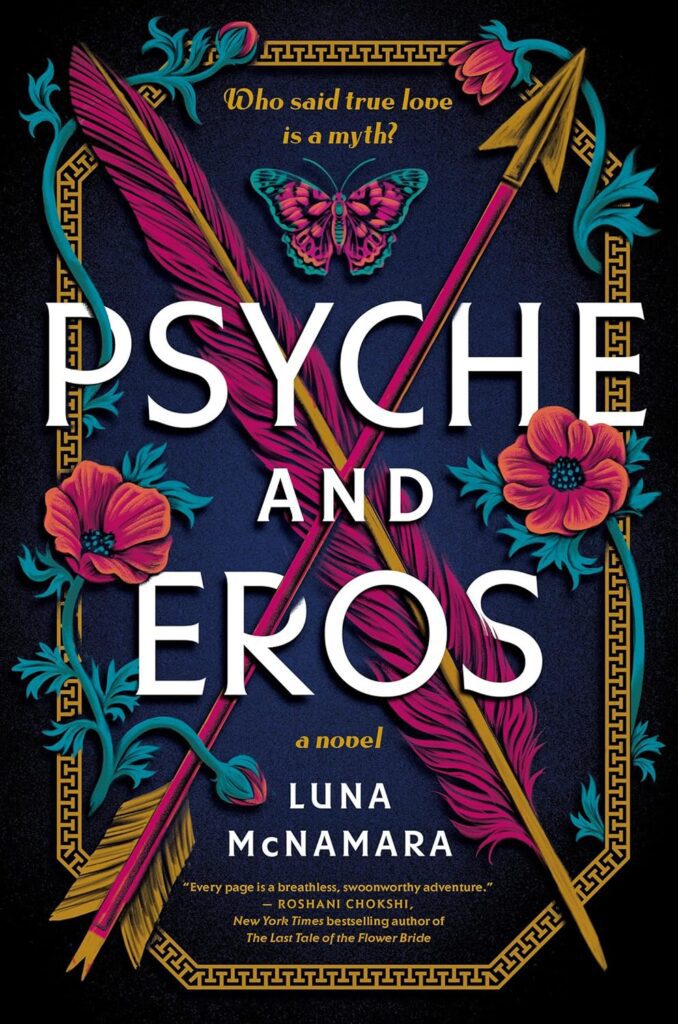
Who said true love is a myth? Luna McNamara gives the romance of Psyche and Eros a warrior heroine, an angry goddess, and a curse that makes looking into your lover’s eyes a terrible idea.
Psyche, a princess of Mycenae, grows up believing she is destined to defeat a monster feared by the gods, so she trains under the hero Atalanta. When she angers Aphrodite, the goddess sends Eros to curse her, but he accidentally wounds himself with his own arrow and falls in love instead.
The oldest complete version of their story appears in The Golden Ass, also called Metamorphoses, by the Roman writer Apuleius. In that account, Psyche loses Cupid after breaking his trust, then completes a series of tasks to win him back. McNamara uses their Greek names, connects the romance to the time of the Trojan War, and adds other mythological figures to the story.
This is also one of my favorites because I already loved Psyche and Eros before reading McNamara’s version. I first came across their story in Edith Hamilton’s Mythology, and it immediately became a favorite, along with Pyramus and Thisbe. Apparently, I have always had a soft spot for lovers separated by impossible rules and a lot of heartbreak.
McNamara changes parts of the original myth, but I enjoyed spending more time with Psyche and Eros and seeing the romance from both sides. It felt like returning to a story I already loved, only this time with more room to know the two individuals at its heart.
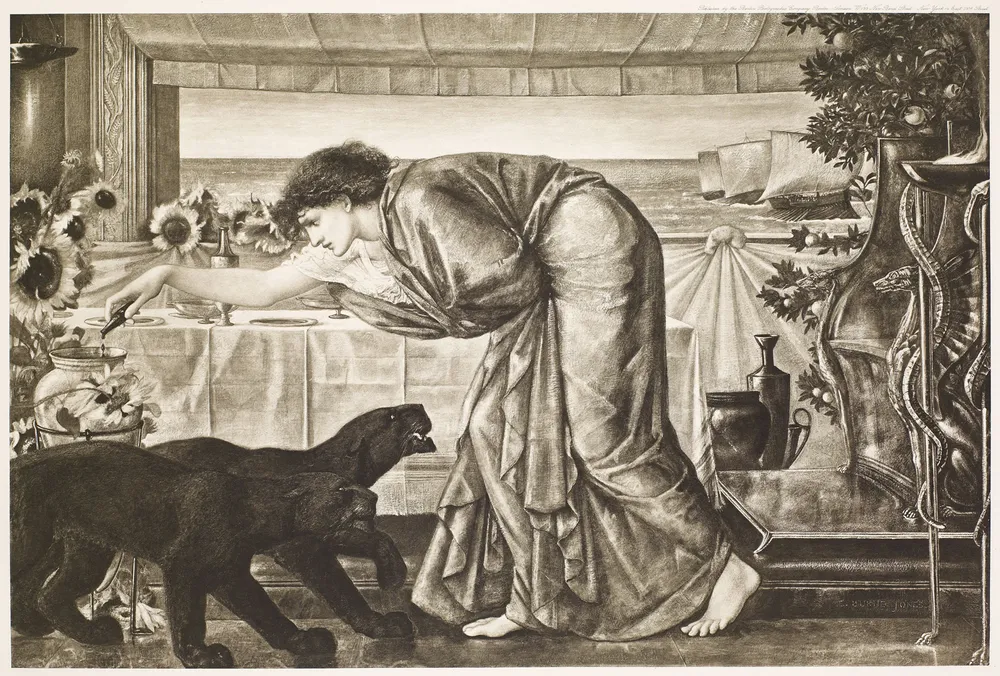
There is always another side to the myth
Greek mythology never seems to run out of stories because every character leads to someone else. Odysseus brings you to Penelope and Circe, Achilles leads you to Patroclus, while the Trojan War opens countless stories about the women who loved, fought, waited, and survived.
These books return to those familiar myths without asking you to forget the originals, instead giving us new ways to look at characters who have been discussed for thousands of years.
Start with the one you are still thinking about after The Odyssey, then see where the gods take you next.
Related story: Book lovers are planning vacations around their favorite reads
Related story: The books you’ll want to read before they hit the screen