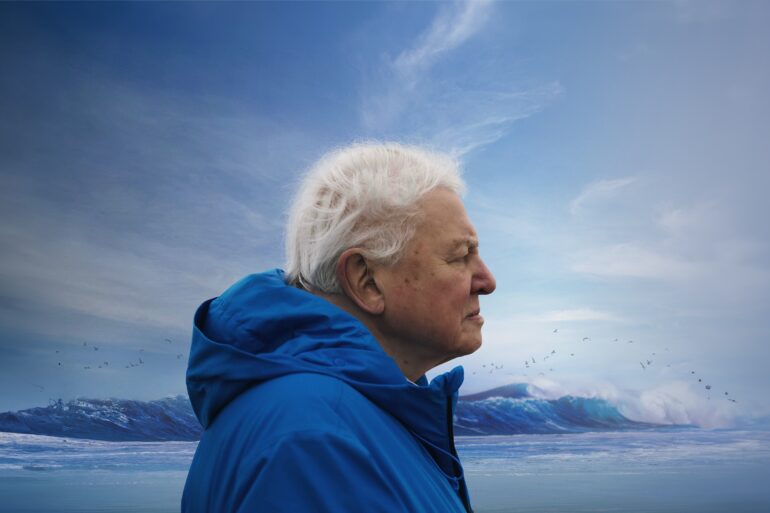

Attenborough’s legacy spans over 100 documentaries, two knighthoods and a lifetime of fighting for the natural world.
David Attenborough was born in 1926, before the Great Depression. He was a teenager during World War 2. He joined the BBC the same year Queen Elizabeth II came to the throne. And he is still making documentaries.
Related story: REVIEW: ‘Ocean with David Attenborough’ is a haunting yet hopeful reminder to save our oceans
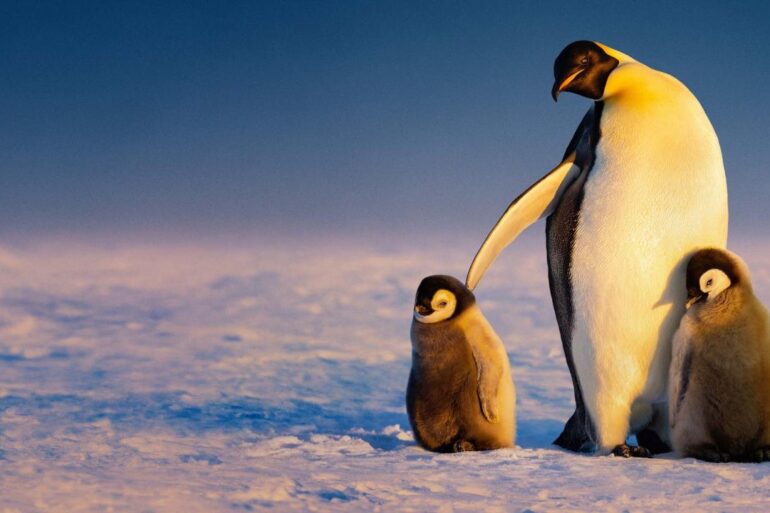
Related story: REVIEW: Not just cute—5 wildly good reasons to watch ‘Secrets of the Penguins’
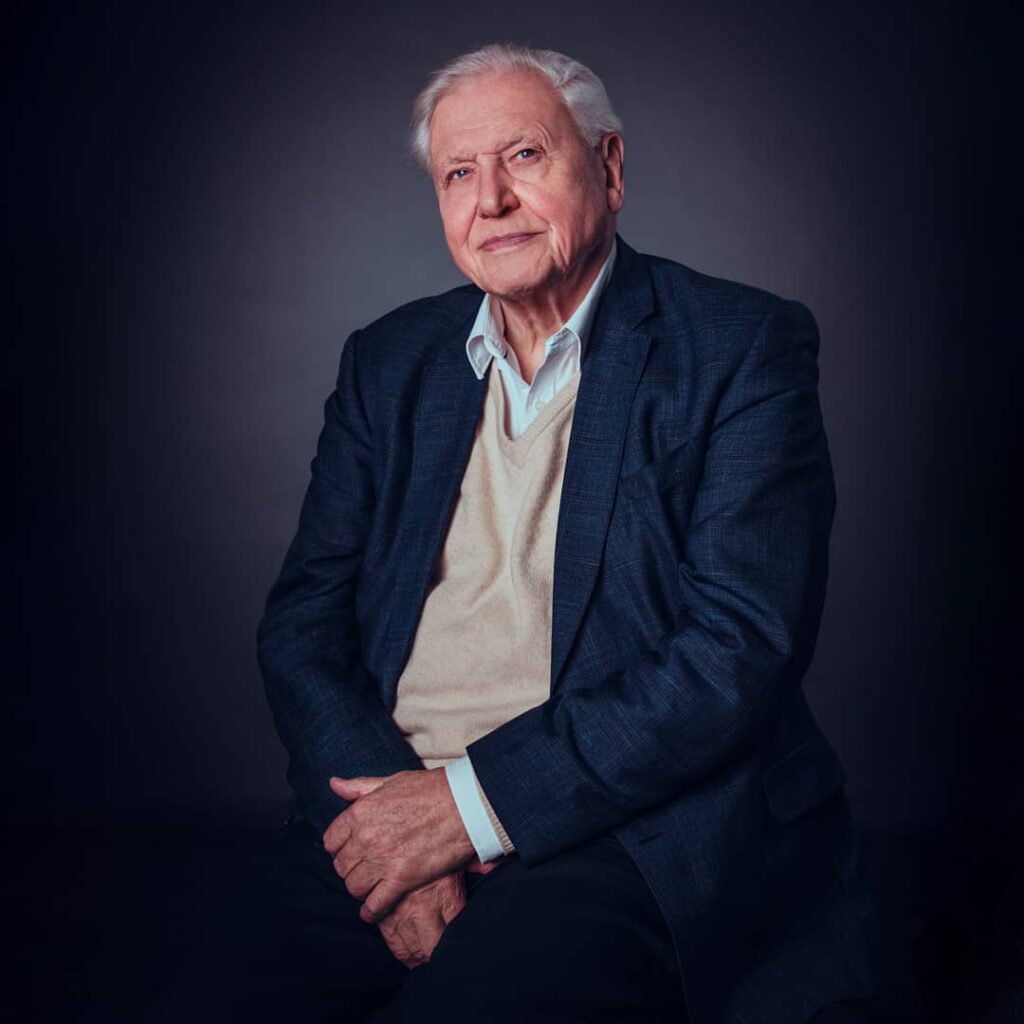
He grew up in Leicester, cracking open rocks as a boy looking for fossils. One day he found a marine mollusc inside one, 200 million years old. He said the thrill of that moment never wore off, and honestly, you can feel that in everything he ever made. He went to Cambridge, served in the Royal Navy, joined the BBC in 1952 without owning a television, and within two years was out in the field filming Zoo Quest, the first nature series to shoot on location. His team was among the first ever to film a Komodo dragon. He eventually ran BBC Two, commissioned Monty Python, then quit corporate life to go back outside.

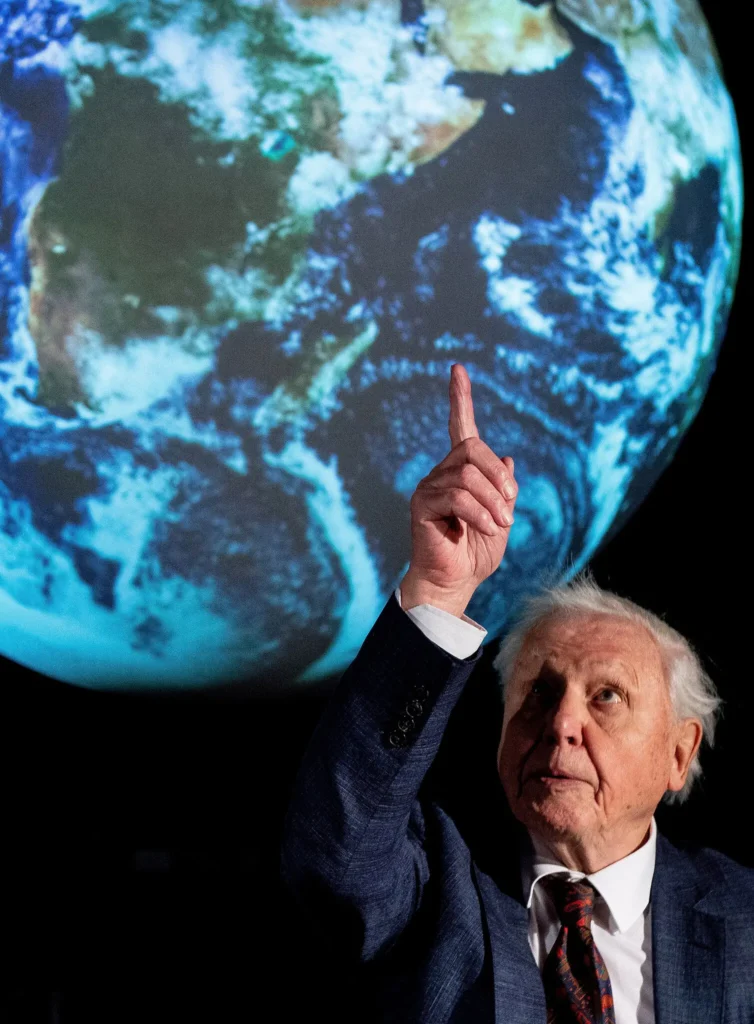
Over 100 documentaries later, he has been knighted twice, had more than 50 species named after him, and received a lifetime achievement award from the United Nations. This month, King Charles, a friend of his since 1958, had a handwritten birthday letter delivered to his celebration at the Royal Albert Hall by a relay of wild animals in a BBC short film that moved the whole internet. They first met before color television existed.
Related story: This national photography contest is putting Filipino island life in focus
My true (and intentional) interest in the natural world started with Leonardo DiCaprio’s Before the Flood in 2016, which shook me into wanting to understand the planet better. Attenborough was the natural next step, and I have spent a lot of time with his documentaries since, especially during the pandemic. I have seen most of the new ones. The classics here I include because of how important they are, and because the information alone tells you why they matter.
Here are the seven to start with:
Life on Earth (1979)
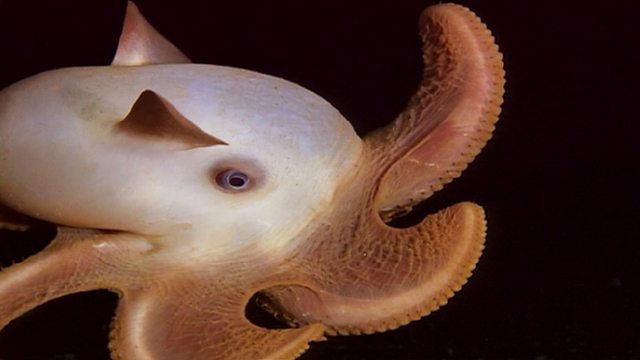

Four years in the making, filmed across over 100 locations, it traced the entire history of life on earth from single-celled organisms to humans. More than 500 million people watched it. It was the first documentary to film the courtship display of birds of paradise, and the first to capture several other species’ behaviors never recorded before. The gorilla sequence in Rwanda, where a young gorilla climbs on Attenborough during filming, became one of the most iconic moments in television history. This is the foundation of everything.
The Blue Planet (2001)
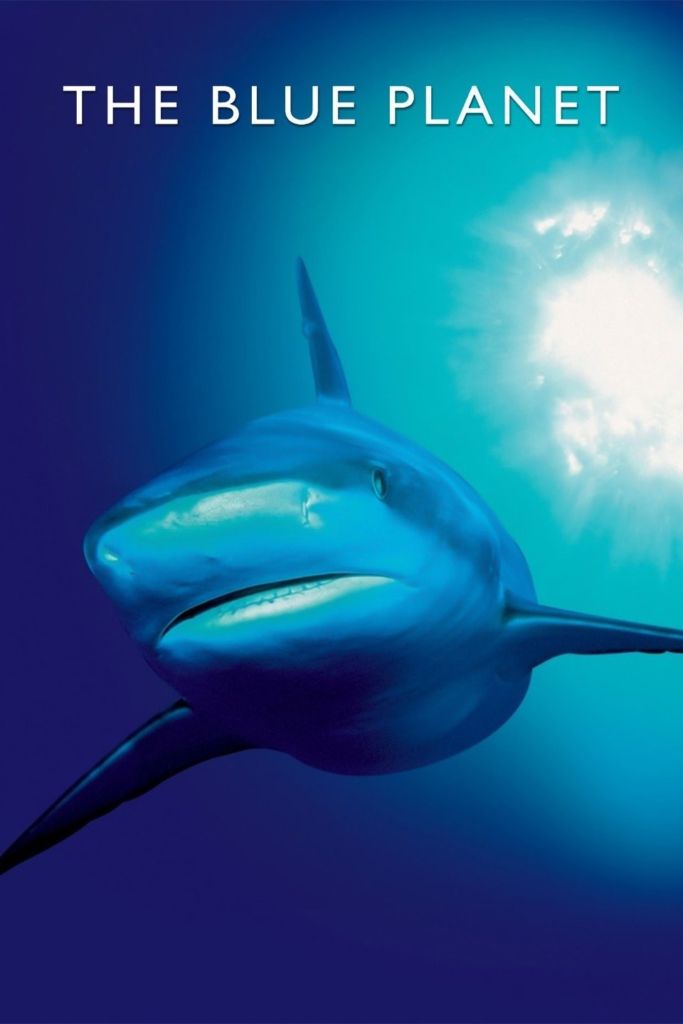
The first comprehensive documentary ever made about the world’s oceans. Eight episodes covering everything from shallow coastal waters to the deepest unexplored trenches, with footage of species never captured on camera before. Before this series, the deep ocean was largely unknown to general audiences. After it, the ocean had a constituency of people who had never previously thought about it.
Planet Earth (2006)
The first major nature series filmed entirely in high definition, shot over five years across the last great wildernesses on earth. Each episode covered a single habitat, from caves and deserts to fresh water and polar regions. The technology unlocked footage that had been physically impossible to capture before. It remains the most-watched nature documentary the BBC has ever produced and is as visually stunning now as it was in 2006.
Blue Planet II (2017)
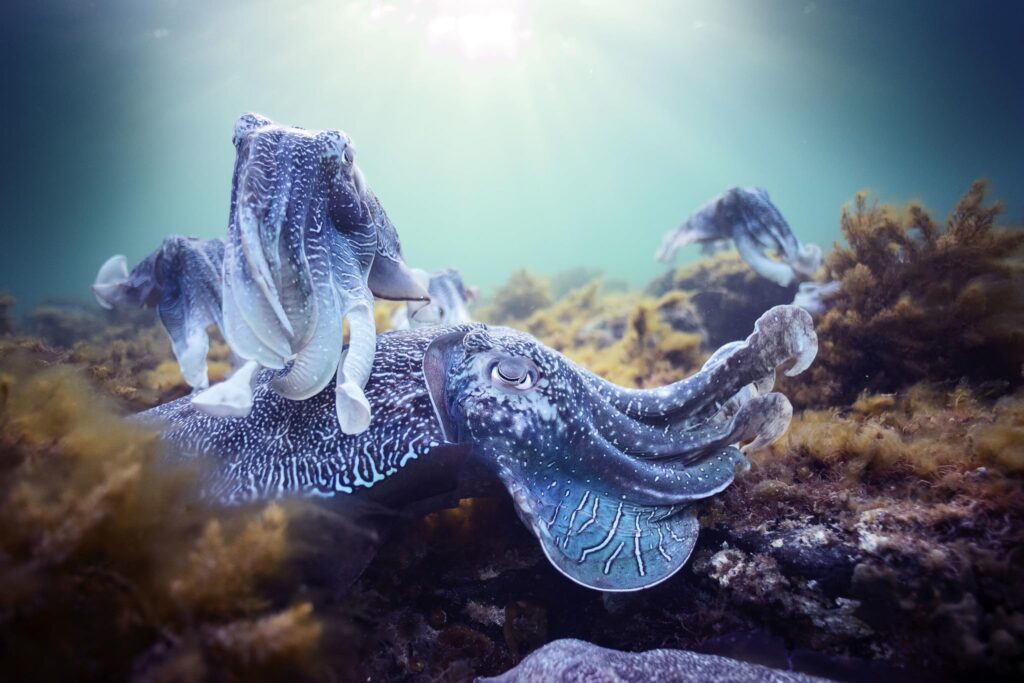
Returned to the ocean 16 years later with better cameras and a harder message about plastic pollution and warming seas. The final episode was direct enough about the damage human activity was causing that it pretty much pushed public opinion in the UK and contributed to new policy on single-use plastics. It contains some of the most astonishing underwater footage, including fish observed using tools and an octopus building armor from shells.
A Life on Our Planet (2020)

His witness statement, as he calls it. When Attenborough started filming in the 1950s, 64 percent of the earth was wilderness. By 2020 it was 35 percent. This film uses his own career as a timeline to map that loss decade by decade. The first half is devastating. The second half lays out a serious, evidence-based case for recovery through rewilding, marine protection, and renewable energy.
The Green Planet (2022)
His first series entirely about plants, and one of the most surprising things in his catalogue. New camera technology allowed the team to film plant behavior in time-lapse at a resolution never achieved before, revealing that plants compete aggressively for territory, communicate through underground fungal networks, and run complex survival strategies invisible to the human eye in real time.
Ocean (2025)
His most recent film, released on his 99th birthday. It covers the scale of ocean discovery in his lifetime, the destruction caused by industrial bottom-trawling, a common industrial fishing practice that involves pulling heavy, weighted nets along the seafloor to catch marine species such as shrimp, cod, and crab, and the scientific case that marine protected areas can reverse that damage within decades. He says in the film he is coming to the end of his life. This is the message he chose to leave.
These seven are a starting point. He has made more than a hundred documentaries, and the full archive is well worth exploring. Many are available on BBC iPlayer, with select titles also streaming on Netflix and Disney+.