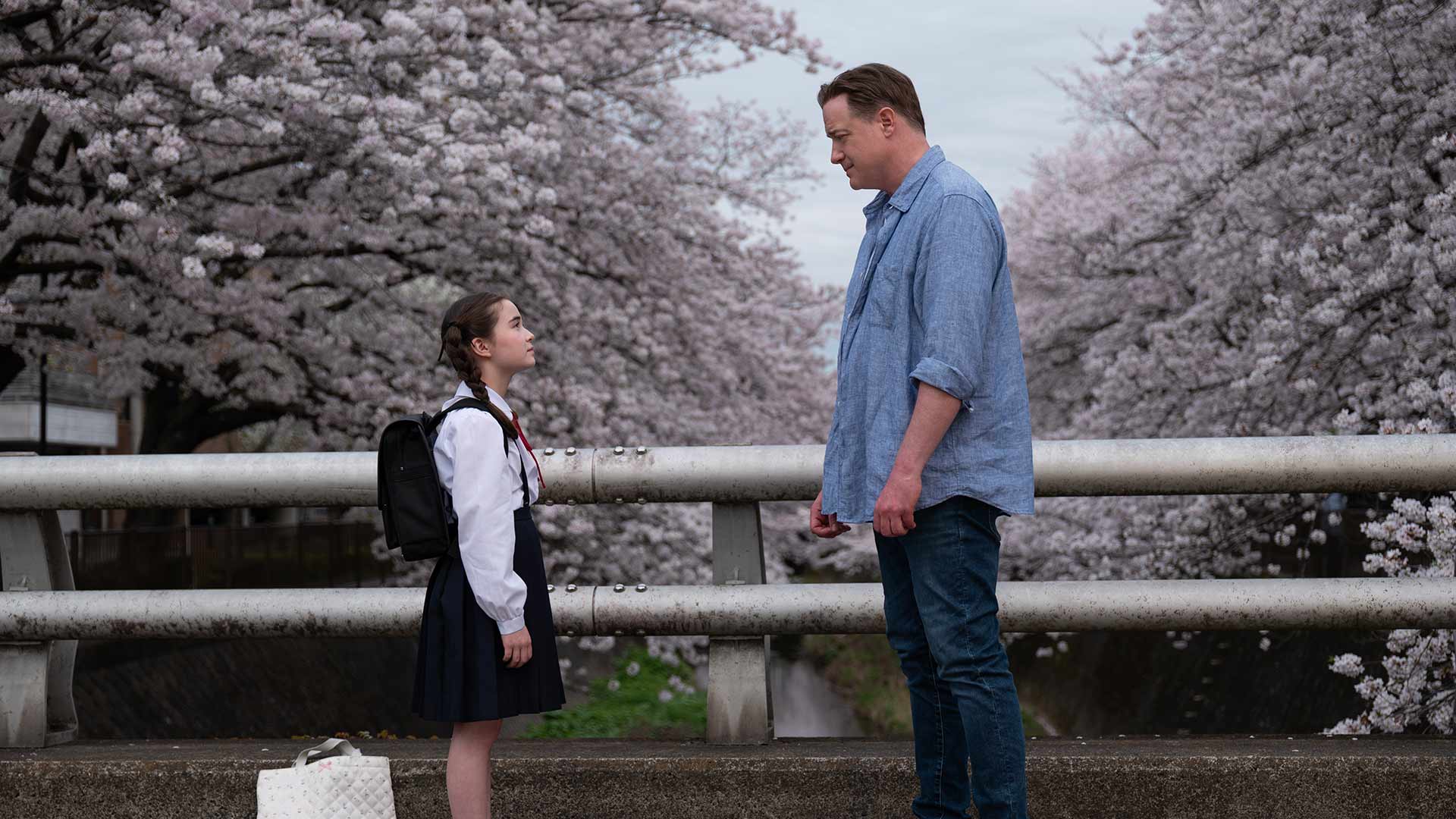

Rental Family does not condemn the practice of rented relationships nor does it romanticize it. Instead, it presents it as a symptom of modern isolation.
The movie doesn’t announce its themes with grand speeches or melodramatic confrontations. Instead, it works through silence, restraint, and the uncomfortable spaces between people—the places where longing lives.
This 2025 movie by Hikari is set in contemporary Japan, and at its center is Phillip, (Brendan Fraser) an American expatriate living in Tokyo, whose acting career has stalled into obscurity. Survival leads him to an unusual job: working for a company that rents out human relationships— sons, husbands, fathers, friends — to people who need the appearance of connection. What begins as a strange, transactional arrangement becomes something far more complex: a study of emotional substitution, performance, and the fragile architecture of human intimacy.
The brilliance of Rental Family lies in how it refuses to sensationalize its premise. The concept itself could easily veer into satire or absurdist comedy, but the film treats it with seriousness and restraint. There is no mockery of the clients who rent affection or the workers who perform it. Instead, the film frames both groups as participants in the same quiet tragedy: people trying to survive loneliness using the only tools available to them.
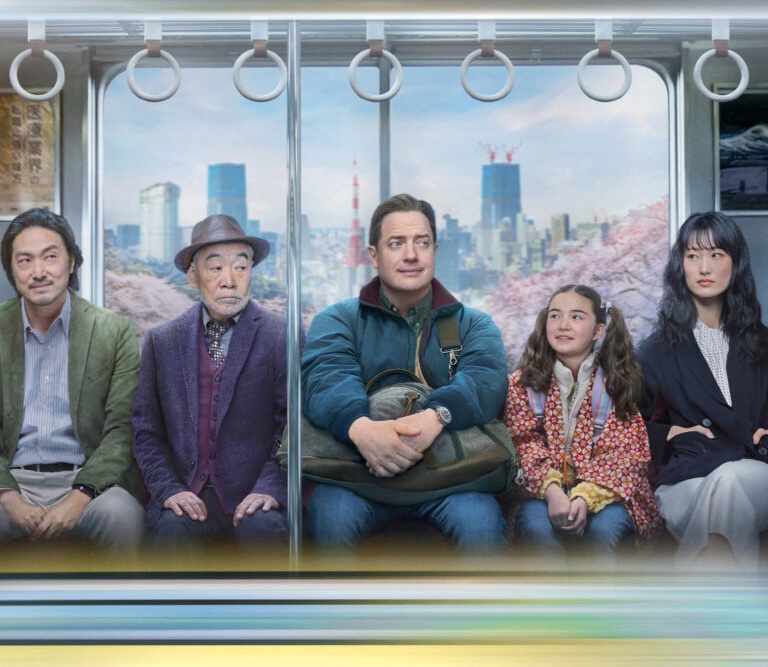
Phillip’s journey is not one of dramatic transformation, but of slow erosion. As he moves from role to role—rented father here, hired husband there—the line between performance and identity begins to blur. The film asks a deeply unsettling question: If a relationship feels real, does it matter that it was purchased? And more disturbingly, what happens to the person doing the pretending?
There is an emotional stillness to the storytelling that feels deliberate. Scenes often linger longer than expected. Conversations trail off instead of resolving. Emotional beats are underplayed rather than emphasized. This restraint creates a sense of realism that makes the film feel intimate rather than theatrical. Pain isn’t expressed through breakdowns, but through distance, awkwardness, and quiet resignation.
The film’s greatest strength is its moral ambiguity. Rental Family never offers easy answers. It does not condemn the practice of rented relationships, nor does it romanticize it. Instead, it presents it as a symptom — not a solution — to modern isolation. People are not villains for wanting connection, and they are not heroes for trying to provide it. Everyone exists in a gray space of need and compromise.
Related story: In Japan, you can hire a ‘handsome weeping boy’ to comfort you while crying at work
Related story: Manga 101: Here are 5 titles to get you hooked on Japanese comics
Related story: Japan’s cherry blossoms may bloom early in 2026. Here’s when and where to go
Tokyo, as a setting, becomes more than a backdrop. The city’s scale, density, and emotional anonymity amplify the film’s themes. Surrounded by millions, the characters remain profoundly alone. The urban environment reflects Phillip’s internal state: crowded, disconnected, and quietly suffocating.
What makes Rental Family emotionally powerful is not its plot, but its atmosphere. It’s a film about absence — the absence of belonging, permanence, and emotional certainty. Even its warmest moments feel temporary, as if the film is constantly reminding us that borrowed love always comes with an expiration date.
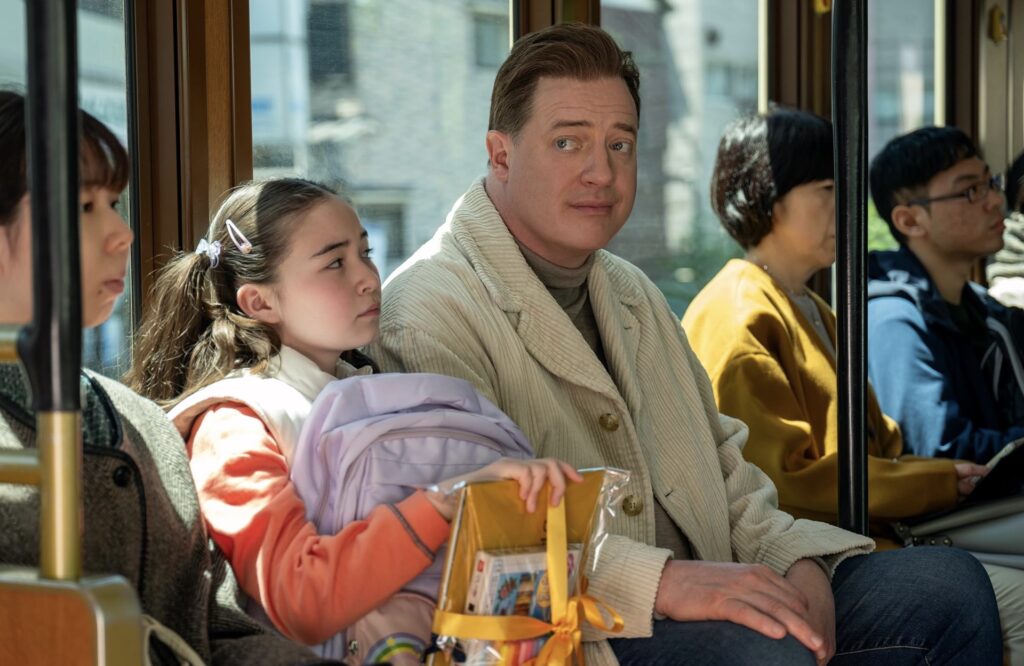

There is also a subtle critique of performance culture embedded in the story. It is easily to fall in love with Fraser’s performance in this film. There was something earnest and pure in his portrayal of Phillip, an actor who can no longer find work in art, so he performs in life. While his previous performance in Darren Aronofsky’s The Whale earned him accolades that revived his career, this is also a career triumph for him. One of his best performances to date.

The film quietly suggests that modern society increasingly asks us all to do the same — to curate identities, perform roles, and manufacture versions of ourselves that others can consume. In this sense, the rental family business becomes a metaphor for contemporary relationships themselves.
Yet despite its melancholy, Rental Family is not nihilistic. There is tenderness in its gaze. Compassion in its portrayal of human need. The film doesn’t suggest that people are broken — only that they are lonely, and trying to survive that loneliness in imperfect ways.
Its emotional power lies in its realism: the truth that connection, even when artificial, still fulfills something real inside us. But the film is equally honest about the cost — that borrowed intimacy cannot replace genuine belonging, and that pretending to be loved is not the same as being loved.
Rental Family is a quiet, introspective film that explores modern loneliness with restraint, empathy, and emotional intelligence. It doesn’t aim to shock or entertain in obvious ways — it aims to observe. To witness. To sit with discomfort.
Final verdict: 4.5/5 stars