
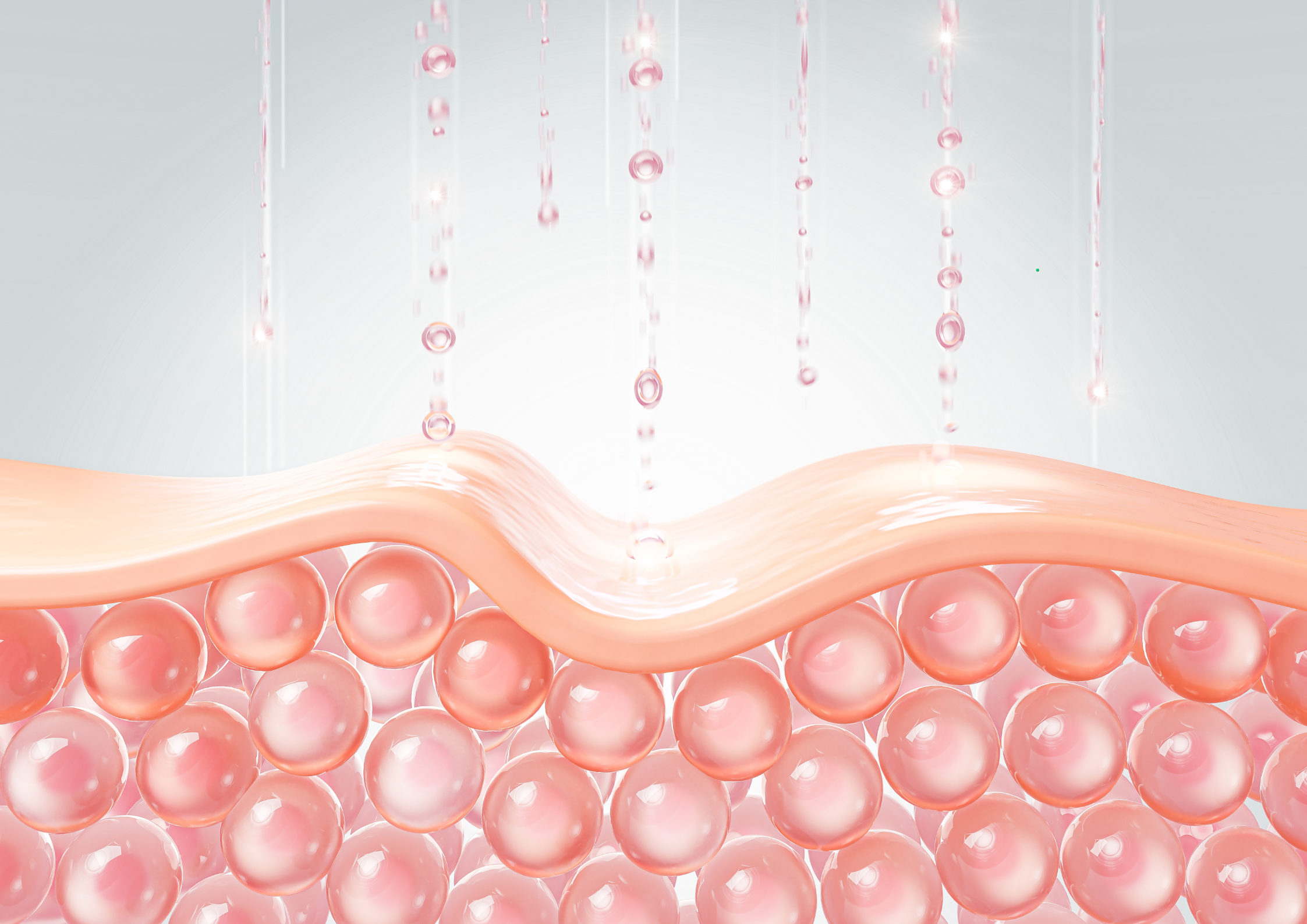

Yet another skincare obsession strikes us for the fountain of youth, but this time, the secret is quite literally fishy.
Today’s beauty industry takes the concept of cellular signaling and anti-aging science through Salmon Sperm (PDRN). Long a staple of the Seoul elite, it gained international notoriety through celebrity endorsements and a sudden influx of high-tech serums on Western shelves. Even Jennifer Aniston has reportedly leaned into the trend.
PDRN is the latest trend in a long line of ingredients we’ve become fixated with, following the path blazed by niacinamide and peptides, but it carries a weightier scientific pedigree. What makes this more than just a passing fad is its foundational role in regenerative medicine. It’s also a sophisticated upgrade for anyone who has hit a plateau with their standard vitamin C and retinol rotation.
Related story: What Dawn Zulueta and her daughter Ayisha’s wellness shift means for women managing body transitions
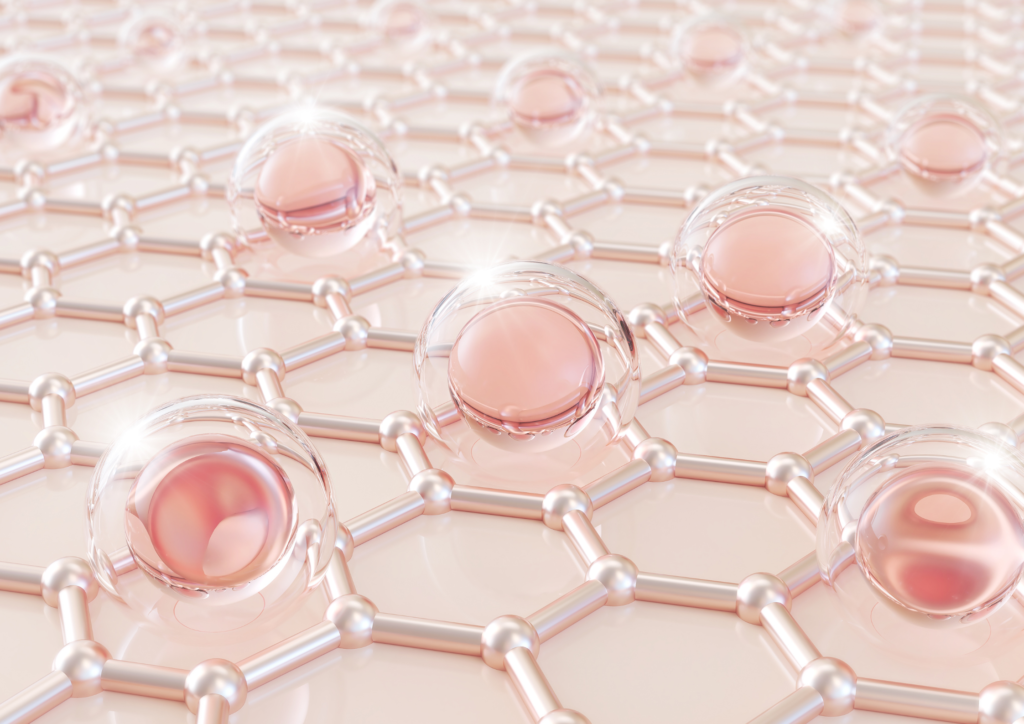
What it is: The biology of PDRN
Known formally as polydeoxyribonucleotide, PDRN is biologically active DNA fragments derived from salmon, typically species such as Oncorhynchus mykiss (salmon trout) and Oncorhynchus keta (chum salmon). These fragments are most efficiently sourced from salmon milt, where DNA concentration is naturally abundant, then refined through a multi-step purification process that removes proteins and other cellular materials.
The result is a clean, biocompatible compound that shares structural similarities with human DNA, which is an important detail that allows it to interact with the skin without triggering irritation or immune response.
For decades, it has been used in clinical settings for wound healing, burn treatment, and tissue repair, particularly in Europe and Asia. Its transition into aesthetics, led largely by Korea’s research-driven beauty industry, reflects a broader shift toward ingredients that do more than sit on the surface. These are actives designed to engage with the skin’s biology, not just enhance its appearance.
PDRN appears in multiple formats: injectable treatments, in-clinic facials, and an expanding category of topical products from serums and ampoules to post-procedure recovery creams.
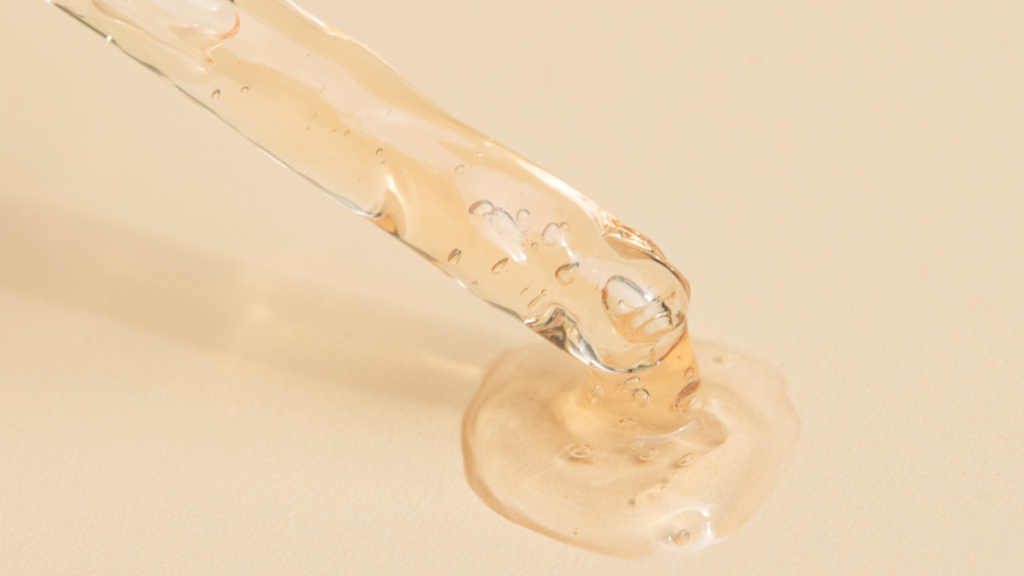
How it works
Opposite to traditional actives that target isolated concerns, PDRN works at a deeper cellular level to specifically repair the skin itself.
According to research, one of its primary mechanisms involves binding to adenosine A2A receptors on fibroblasts. These act as a molecular switch that signals the body to reduce inflammation and increase blood flow (angiogenesis), which brings vital nutrients and oxygen to the skin surface.
There are cells responsible for producing collagen, elastin, and hyaluronic acid (the holy trinity of plump, resilient skin). Once activated, fibroblasts ramp up production, strengthening the skin’s structural integrity.
At the same time, PDRN supports “salvage pathway,” a biological shortcut where the skin recycles nucleotides to repair damaged DNA. Instead of expending energy to build new components from scratch, the skin uses PDRN as ready-made building blocks, allowing for faster cell turnover and protein synthesis.
This dual mechanism leads to accelerated skin regeneration, improved microcirculation through vascular endothelial growth factor (VEGF), and reduced inflammatory cytokines like TNF-α and IL-6.
Products and procedures
Salmon sperm is practically everywhere, especially in modern Korean beauty. Its versatility (not being confined to one format) is definitely part of its appeal.
To get the most out of this ingredient, the delivery method is crucial. Because the PDRN molecule is relatively large, simple topical creams may not penetrate the dermis as effectively as clinical treatments.
In-clinic treatments include salmon sperm facials or PDRN injections which are often used post-laser or microneedling to accelerate healing and boost results, and combination therapies that are delivered via electroportation or ultrasound for deeper penetration.
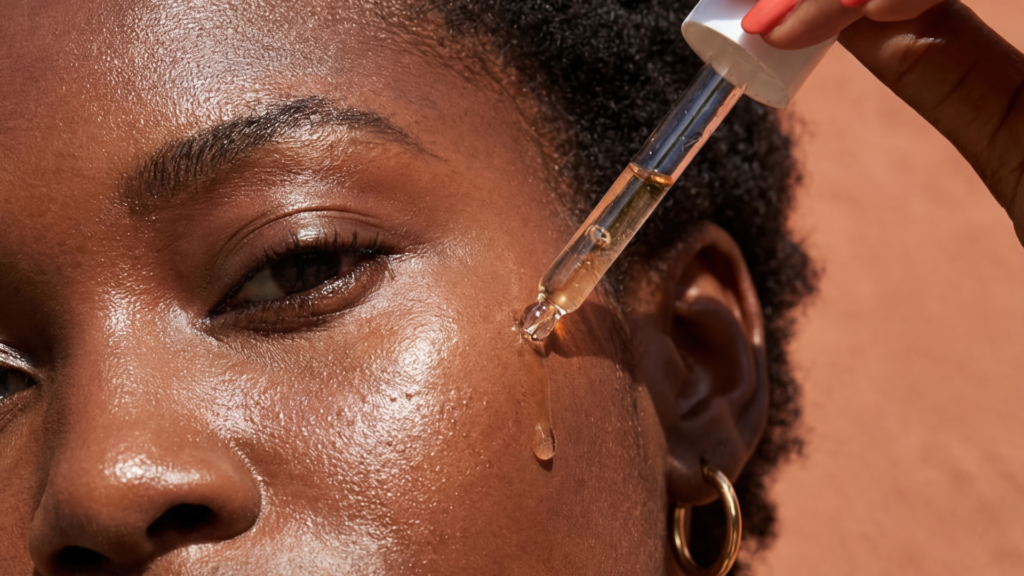
For at-home skincare, you’ll find it in serums or ampoules (the most effective topical format), sheet masks and recovery creams, and post-treatment kits designed for barrier repair. Dermatologists often recommend applying PDRN right after cleansing, followed by hydrating ingredients like hyaluronic acid or ceramides, then sealing it in with an occlusive moisturizer, especially at night, when skin repair is at its peak.
Related story: It’s time to embrace skincare that’s recession-proof and puts self-care first
Related story: Soft, supple skin: Experts reveal the best ways to moisturize

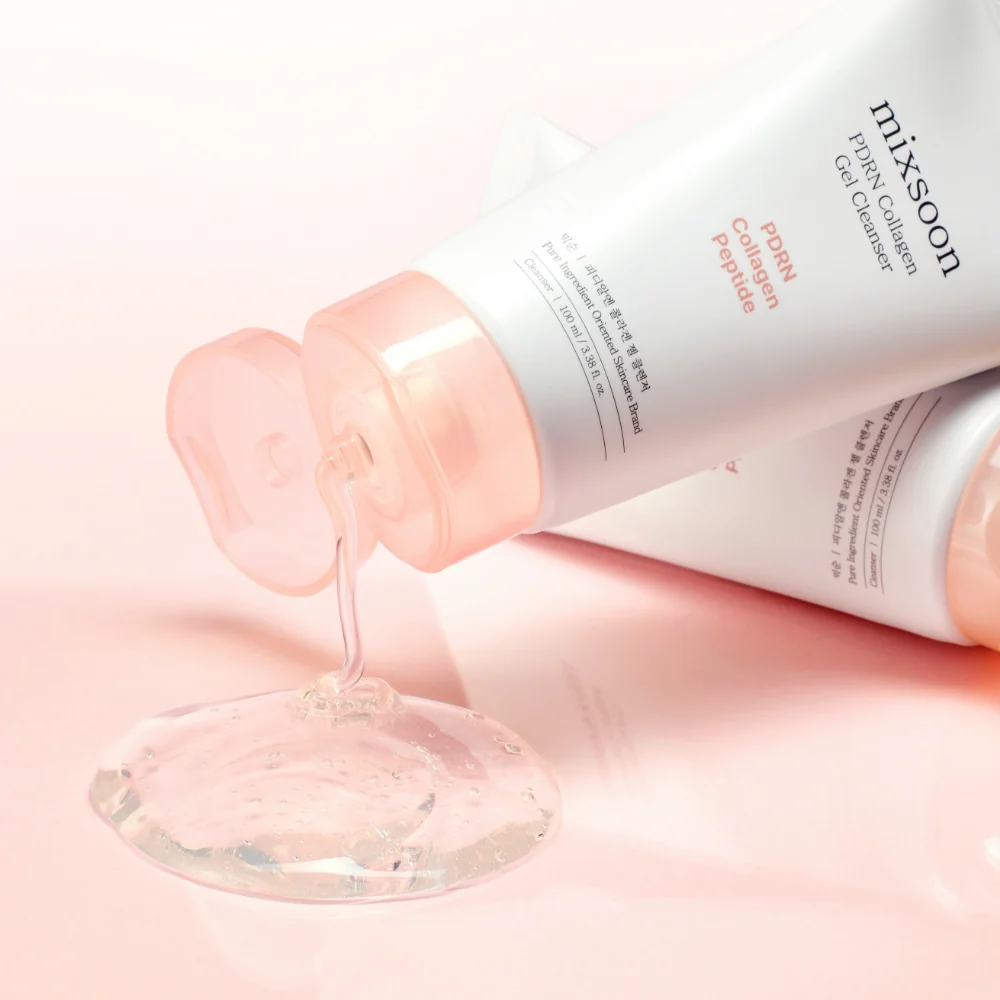
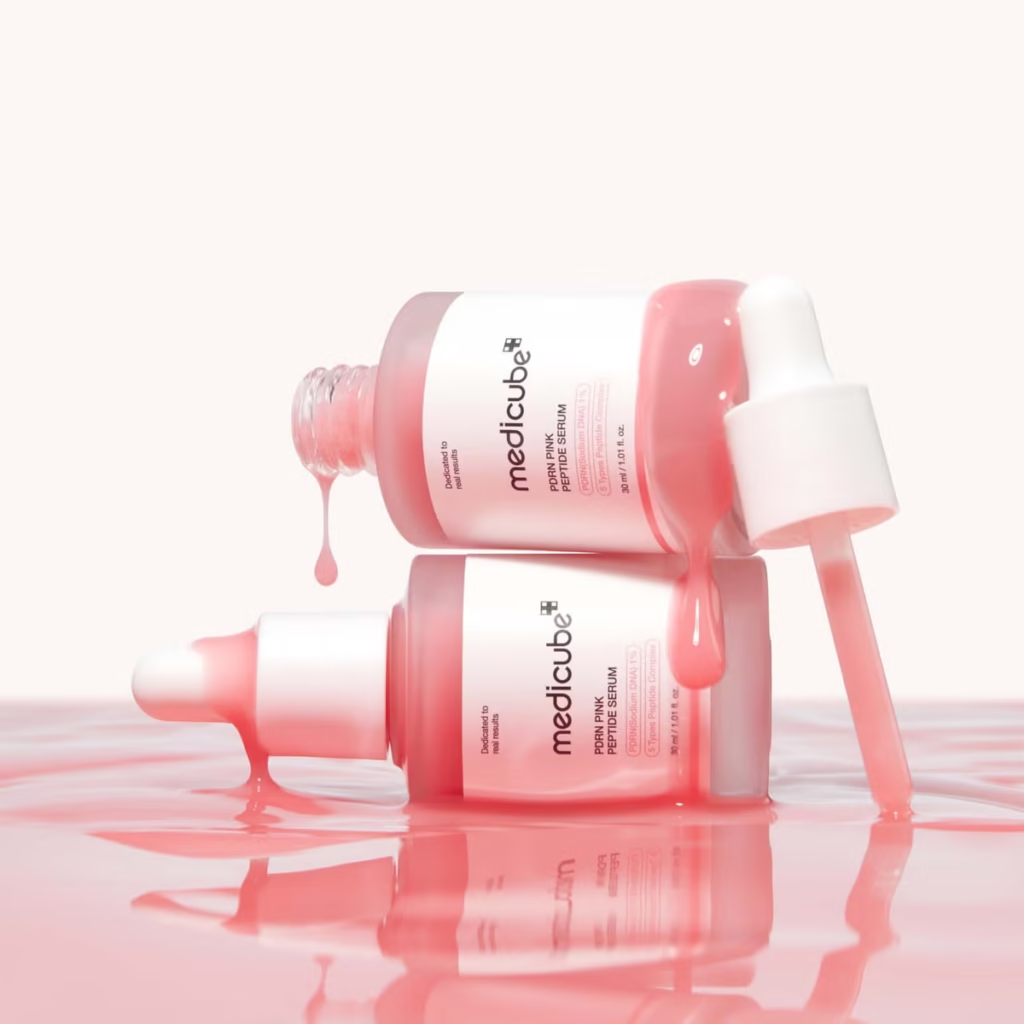
Brands like Rejuran have skin boosters such as injectable PDRN treatments that provide the glass skin effect by intensely hydrating and thickening the dermis. Eventually, the trend has migrated into over-the-counter (OTC) products. From mixsoon’s PDRN Collagen Gel Cleanser to Medicube’s PDRN Pink Peptide Serum, the ingredient is being formulated into everyday routines to target acne scarring, chronic redness, and textural irregularities.
The benefits: What the experts and studies suggest
Dermatologists and clinical researchers are increasingly backing the hype with peer-reviewed data. Here’s a breakdown of the benefits of PDRN:
Rapid wound healing and barrier repair
A systematic review confirmed that PDRN significantly accelerates wound closure and epithelialization. This makes it the gold-standard treatment for post-surgical recovery or repairing a compromised skin barrier.

Intense collagen and elastin stimulation
PDRN is categorized as a biostimulator. Meaning, it forces your body to produce its own youthful proteins. It stimulates the cells responsible for producing collagen and elastin. Dermatologists often point to this as the basis for its anti-aging claims.
Potent anti-inflammatory effects
Medical studies show that PDRN is effective in calming sensitive or reactive skin and can even be used as an adjunctive treatment for inflammatory conditions like lichen sclerosis. By modulating inflammatory cytokines such as TNF-α and IL-6, PDRN helps soothe irritated skin, making it especially relevant for sensitive, acne-prone, or post-treatment conditions.
Related story: Skin pigmentation: Why it’s more common among Filipinos and how to prevent it
Things you need to consider
PDRN has a high safety profile, but a patch test is always recommended, especially for those with severe seafood allergies, though the purification process typically removes allergens.
For those avoiding animal products, vegan PDRN (derived from plant sources like algae or ginseng) is hitting the market; however, the majority of clinical data currently supports the fish-derived version. It is also best suited for specific skin conditions including visible signs of aging, skin recovering from cosmetic procedures, dehydrated or compromised barriers, and post-acne scarring inflammation.
As we navigate the mid-2020s, PDRN is the most sought-after ingredient in the hyper-competitive Korean beauty market, proving that the future of beauty is regenerative.
Related story: How to achieve the clean girl aesthetic
Related story: Attention, skin care enthusiasts! You may want to double check the products in your dresser