


Recent tourist incidents across Asia are beginning to follow a pattern. The same types of behavior are appearing in different places.
In the Philippines, authorities in Siargao have begun responding to reports of misconduct involving foreign visitors, including complaints tied to Israeli nationals that surfaced around April 12, 2026. Locals raised concerns over noise disturbances, reckless driving, littering, and a lack of respect for local customs.
Officials say they are taking the situation seriously. “We have seen the posts on social media, and we are taking reports about foreign nationals very seriously. Foreigners found to be violating immigration laws will definitely face sanctions,” said Bureau of Immigration spokesperson Dana Sandoval. “If found to have violated immigration laws, violators may face deportation and blacklisting,” she added.

Local leaders have also issued reminders that while tourists are welcome, they are expected to respect the community. The message is clear: behavior matters. Similar incidents are also playing out across the region.
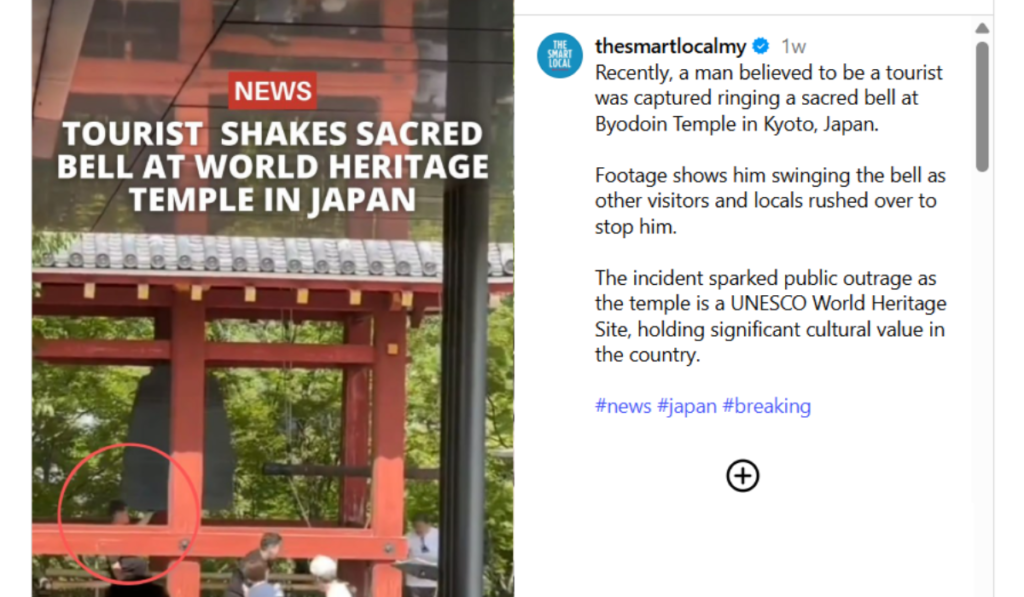
In Japan, a tourist was filmed shaking a sacred bell at a temple in Kyoto, ignoring local customs tied to religious practice. In a separate case, officials in Fujiyoshida canceled a long-running cherry blossom festival after repeated cases of trespassing, littering, and disruptive behavior by visitors.
City officials framed the decision as necessary. “Behind [Mount Fuji’s] beautiful landscape is the reality that the quiet lives of citizens are threatened. We have a strong sense of crisis,” said Mayor Shigeru Horiuchi. “To protect the dignity and living environment of our citizens, we have decided to bring the curtain down on the 10-year-old festival,” he added.
In Bali, a Swiss tourist was arrested after posting online remarks that insulted Nyepi, a Hindu day of silence observed across the island. The incident quickly drew a strong response from local leaders.
Senator Niluh Djelantik shared her exchange with the individual, making her position clear. “Today you insulted Hindus,” she told him after he said he did not agree with the rule requiring people to stay indoors.
“So don’t come. Bali is not your home; it is a place that gives you a room in your hotel,” she said. “That you pay for by the night. But Bali is not your home.”

“If you say you think this is unfair, I will make sure you never come to this country ever again,” she added, emphasizing how seriously such actions are viewed.
Different places, different situations—but the pattern feels familiar.
Access is easy, understanding is not
One of the clearest themes behind these incidents is how easy it has become to travel. Flights are more accessible, destinations are heavily promoted, and information is available at any moment. But while access has increased, understanding has not always followed.
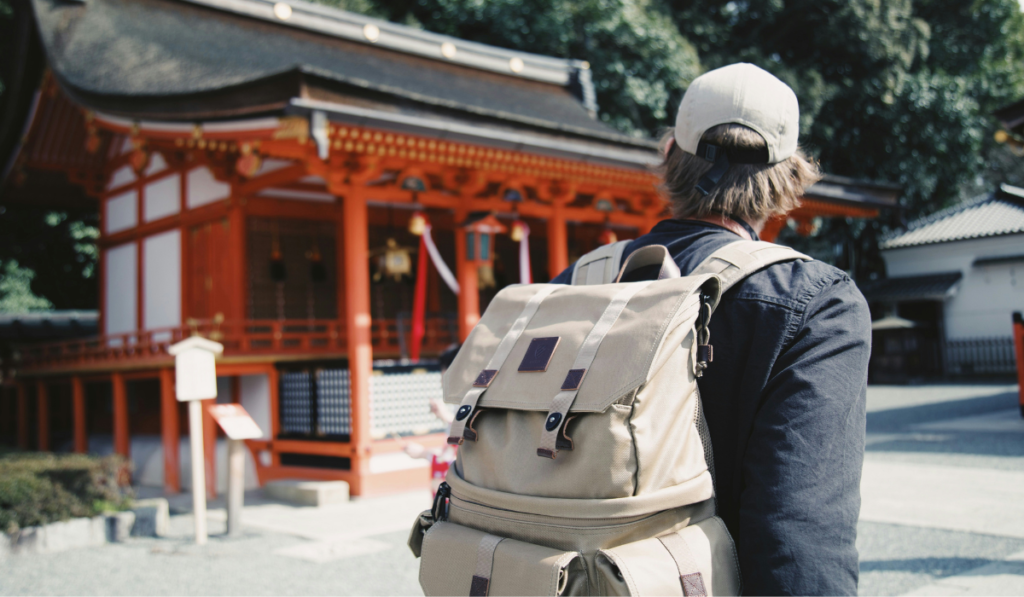
Visitors can arrive in places with deep cultural meaning without fully knowing what those traditions represent. A temple becomes a photo opportunity. A local custom becomes optional. The gap between being present and being aware becomes more visible. This is not always intentional, but the impact is the same.
The role of social media
Travel today is often shaped by what people see online. Places become popular not because of their history or meaning, but because they look good on a screen. The same spots appear again and again, and visitors follow the same paths, often repeating the same behavior.
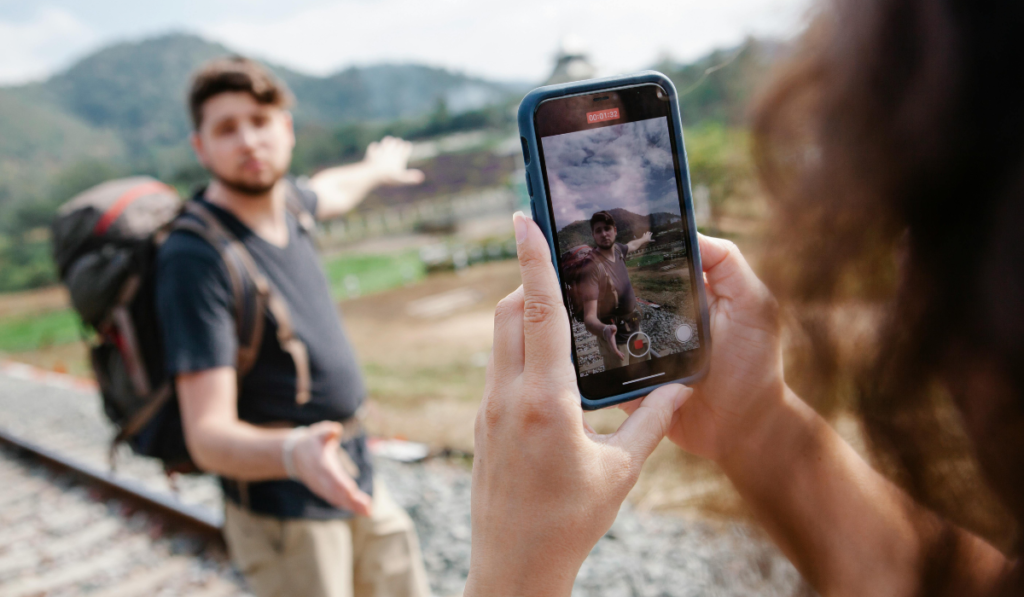
In some cases, this leads to crowding. In others, it leads to actions designed for attention. The line between experiencing a place and performing in it becomes blurred. The result is a type of travel that can overlook context in favor of content.
When tourism feels one-sided
Another issue that comes up in these incidents is a sense of entitlement. Some visitors treat destinations as spaces built for them, rather than places where people live. Rules are seen as flexible. Local expectations are ignored. The mindset shifts from being a guest to being a consumer. This does not apply to everyone, but it shows up often enough to be noticed.

In Siargao, local groups have pointed out that the issue is not about nationality, but about behavior. The same idea appears in other parts of Asia. The concern is not who is visiting, but how they act when they arrive.
The impact on local communities
For residents, these incidents are not just headlines. They affect daily life. In Japan, overcrowding and disruptive behavior have led to stricter rules in certain areas. In Bali, authorities have taken a stronger stance on protecting cultural practices. In the Philippines, local governments are reminding visitors that respect is not optional.

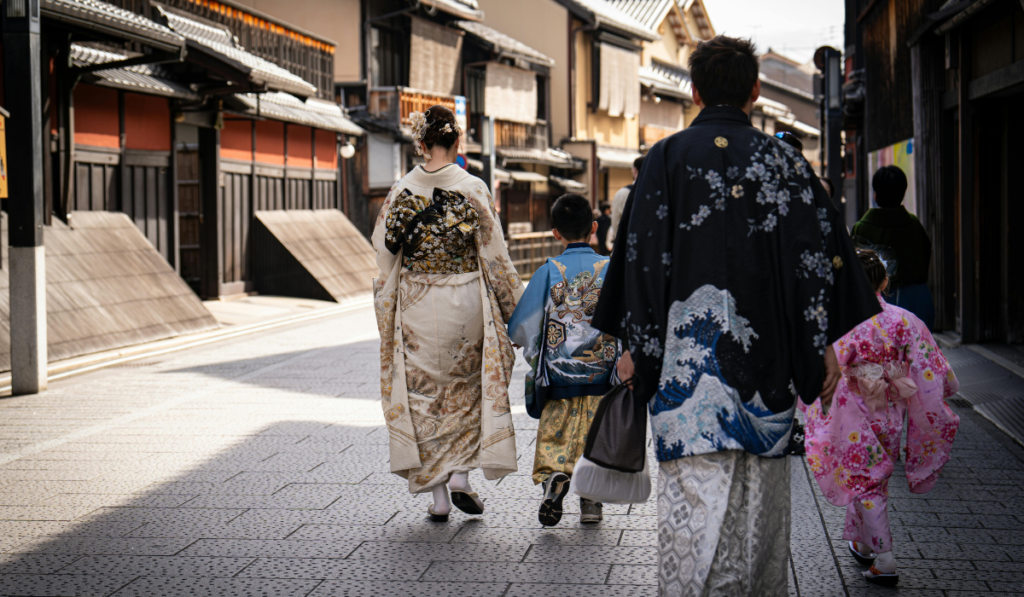
Tourism brings economic benefits, but it also brings pressure. When behavior crosses a line, that pressure becomes harder to manage. The balance between welcoming visitors and protecting local life is becoming more difficult.
A broader issue, briefly seen in 2025
Even before the recent wave of incidents, similar concerns were already visible.
In April 2025, Russian vlogger Vitaly Zdorovetskiy was arrested after going viral for harassing Filipinos in Bonifacio Global City. His actions included verbal abuse and disruptive behavior in public spaces. He was later deported in January 2026 and blacklisted, with authorities stating that such conduct violated public order and basic standards of respect.

Across the region, popular destinations like Kyoto, Bali, and Phuket were also dealing with overcrowding, environmental strain, and growing complaints about tourist behavior. Cultural sites were increasingly treated as attractions rather than lived spaces, with visitors ignoring rules and local norms.
Experts pointed to rapid tourism growth, cheaper travel, and social media influence as key drivers. The pattern was already visible then, and it continues to unfold now.
Rethinking what it means to travel
These incidents are not just about rules being broken. They reflect a shift in how travel is approached.
It is easier than ever to reach new places. But with that access comes a responsibility that is not always clear or followed.
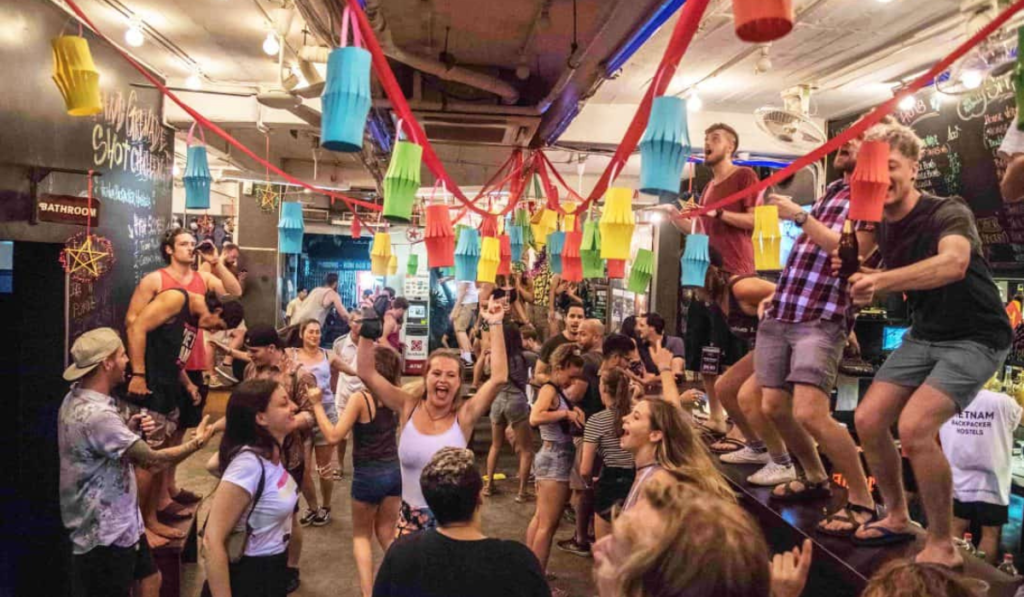
Travel is not just about where you go. It is also about how you show up when you get there. For many destinations across Asia, that distinction is starting to matter more than ever.
Related story: ‘Go home!’: Overtourism sparks ‘revulsion‘ among locals in Spain
Related story: How the Middle East conflict is reshaping travel across Asia