

Shopping across brands like Zara, Uniqlo, H&M, Mango, and Urban Revivo reveals how Asian, European, and American fashion sizes rarely feel universal for Filipinos.
There was a point in my twenties when shopping felt less like leisure and more like emotional labor. At the time, I had what many fashion brands seemingly considered a contradiction: a very small waist paired with fuller hips. Dresses zipped halfway, jeans fit one body part but betrayed another, and skirts either strangled my thighs or floated awkwardly around my torso. Sometimes, I would leave fitting rooms carrying the same frustration many Filipinas quietly know too well—clothing sizes were never truly built with us in mind. I realized the issue was geography.
Fashion sizing changes drastically depending on where a brand originates. European labels cut differently from American ones. East Asian brands operate on entirely separate body frameworks. Even within Asia itself, Korean, Japanese, and Chinese sizing vary.
For Filipinas—especially those with curves, petite frames, shorter torsos, wider hips, fuller busts, or athletic builds—the inconsistency can become exhausting. One pair of pants can make you feel beautiful in one store, then completely disproportionate in another. That emotional whiplash is real.
The “standard” Filipina body is a myth
The Philippines has always existed at a strange intersection of global beauty systems. We are Southeast Asian, but our fashion consumption is deeply Westernized. We grow up seeing American denim campaigns, European tailoring, Korean silhouettes, and Japanese minimalism—all while carrying body proportions that do not always align neatly with any of them.
Many Filipinas are petite in height but curvier in shape. Others are slim but have fuller busts. Some have narrow shoulders and wider hips. Others have longer legs but shorter waists. There is no singular “Asian body type” despite how retail sizing often behaves.
Yet, shopping abroad—or even shopping from foreign brands in Manila—still feels like decoding a secret language. A medium in one store becomes an extra small elsewhere. A size 27 suddenly fits like a 30. A bodycon dress hugs beautifully in Spain but refuses to close in Seoul. Over time, I stopped memorizing numbers and started memorizing regions. More than anything, sizing—I thought—is deeply cultural.
European fashion: Structured, slim, and unforgiving
European brands were among the first places where I realized how aggressively fitted clothing could be. Spanish labels like Zara, Mango, Bershka, Stradivarius, and Pull&Bear often favor straighter silhouettes, narrower hip measurements, longer torsos, and tailored cuts. Their clothing photographs beautifully because the structure itself is intentional. For Filipinas with smaller waists and fuller hips, though, choosing a fit can become like rocket science. I learned this the hard way with jeans.
In many European brands, if the waist fits perfectly, the hips may feel compressed. If the hips fit comfortably, the waist gaps dramatically at the back. Dresses, meanwhile, tend to follow elongated proportions—ideal for taller frames but often awkward for petite women under 5’4″ (I am 5’4”).
The irony is that European sizing often makes you “size up” emotionally. Most Filipinas who normally wear a small eventually purchase mediums in these stores—not because they gained weight, but because the cuts simply prioritize different body architecture. Still, European fashion remains unbeatable when it comes to clean tailoring and elevated basics. In fact, I already stopped obsessing over the label and started paying attention to fabric stretch. That, thankfully, changed everything.
American sizing: Roomier, relaxed, and more curve-friendly
Compared to European labels, American sizing can feel more comfortable. Many US-based brands allow more room in the hips, thighs, and bust area. Denim especially tends to accommodate curves better. For Filipinas, this often means sizing down rather than up.
The first time I bought American jeans in college, I remember staring at the tag in disbelief. I had chosen a smaller numerical size than I expected, yet the fit felt dramatically more comfortable than some European pairs I owned. American fashion generally embraces ease: looser cuts, softer tailoring, and more flexible proportions. This is partly why many Filipinas find US sizing less emotionally intimidating.
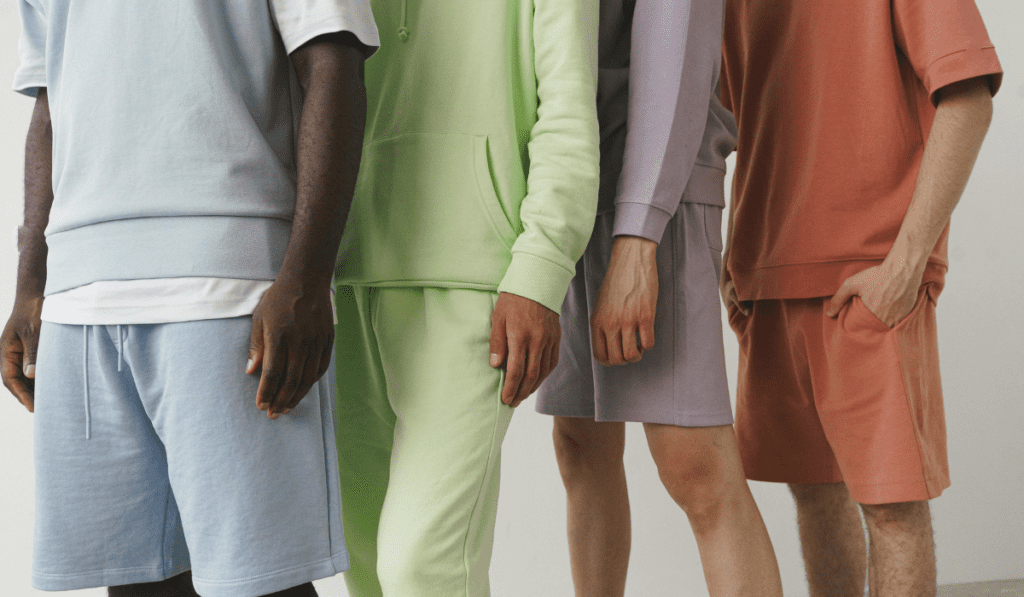
However, it also introduces confusion. Someone who wears a medium in Manila may suddenly become a small—or even extra small—in the United States. Then, when you return home, that sizing memory stays with you. You begin questioning every fitting room mirror afterward.
Asian fit: The most complicated
Ironically, Asian sizing can sometimes be the hardest for Filipinas. East Asian brands—particularly Korean, Japanese, and some Chinese labels—are designed around slimmer frames, narrower hips, shorter rises, and smaller bust proportions. This becomes especially noticeable in fitted skirts, trousers, and structured tops. At times, I would fit perfectly into the waist measurement but struggle around the hips. Other times, sleeves were too short, or dresses sat strangely on the chest area.
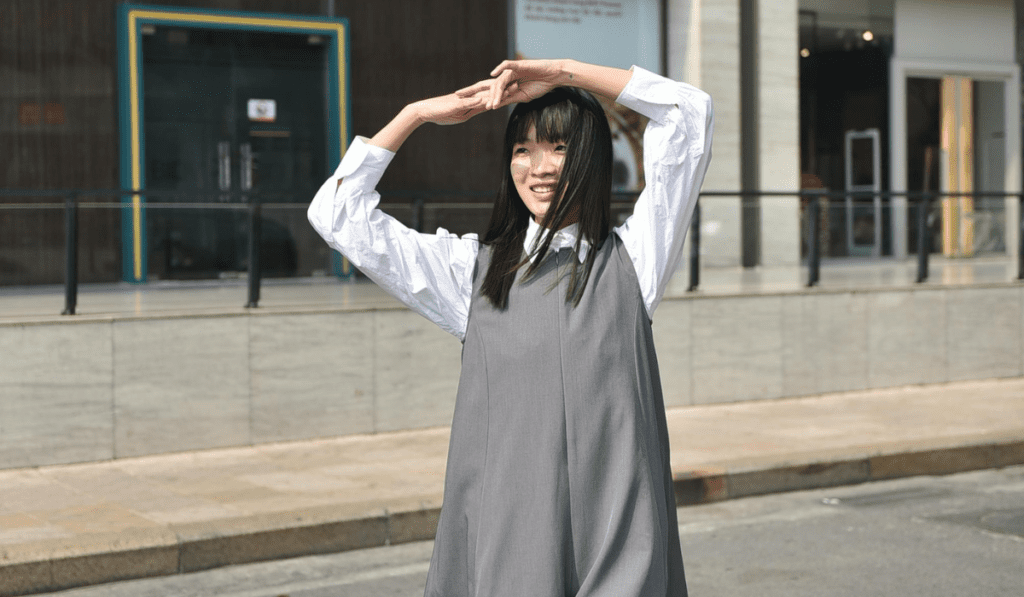
Asian fashion also tends to prioritize visual silhouette over flexibility. A lot of garments are designed to fall a certain way rather than adapt to multiple body shapes. Asian brands also excel in lightweight fabrics, layering pieces, minimalist tailoring, and trend-sensitive styling. For petite Filipinas, especially those with straighter body frames, East Asian cuts can actually fit beautifully. For those with curvier builds, on the other hand, trial and error becomes unavoidable.

What size should Filipinas get?
There is no universal answer, but after years of fitting-room failures, online shopping regrets, and airport haul experiments, I eventually developed rough personal rules.
At H&M, many Filipinas can usually retain their regular size, though curvier shoppers may prefer sizing up for denim and fitted dresses. At Uniqlo, sizing often runs relatively consistent for Filipinos because the cuts are more practical and less aggressively tailored. Shoppers can keep their normal size, though oversized fits already come intentionally roomy.
At Zara and Mango, curvier Filipinas frequently size up—particularly for trousers, bodycon dresses, and blazers. At Urban Revivo, sizing can swing between relaxed and extremely slim depending on the collection. Trying pieces on is almost essential.
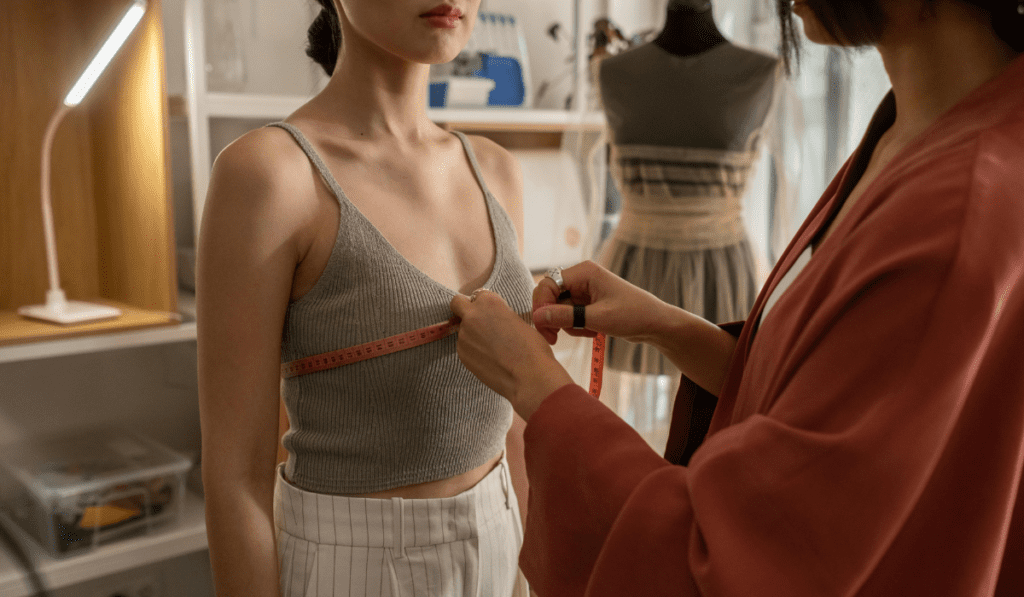
At Bershka, Stradivarius, and Pull&Bear, younger cuts usually run smaller and trend slimmer around the waist and hips. Here, Filipinas size up for comfort. Meanwhile, Forever 21—despite no longer maintaining the same physical retail presence in the Philippines—traditionally carried more forgiving American-style sizing. People could actually retain their usual size at Forever 21 comfortably.
Then there is GQ, a brand Filipinos may encounter more often abroad than locally. Depending on the country and collection, one can either retain their usual size or size down slightly if the cuts lean American.
Remember, when shopping for clothes, the real lesson is this: your “true” size does not exist universally. It changes according to pattern-making traditions, cultural standards, manufacturing priorities, and regional body assumptions. After all, fashion sizing affects more than clothing. It affects confidence. That realization, in turn, healed a lot of my old insecurities. Today, I still try clothes on with curiosity instead of panic. In the end, it was always about finding the silhouette that lets you feel most like yourself.
Related story: 14 Asian fashion brands to know right now
Related story: What is East Coast elegance and how to wear it with style