
The vacation rental giant is drawing a clearer line between guest responsibilities and housekeeping duties. Here are the changes starting November 20.
Your next Airbnb getaway might come with fewer chores and a much simpler checkout. No stripping beds, washing dishes, or hauling garbage off the property before heading home. After years of complaints about demanding checkout instructions by hosts and the cleaning fees they impose, the vacation rental platform is changing what hosts can reasonably expect from their guests.
On October 20, Airbnb announced a major update to its house rules, introducing stricter limits on checkout chores and greater transparency of property requirements. The new global policy takes effect for reservations booked on or after November 20, 2026, including stays in the Philippines.
The announcement signals a shift in how the platform defines hospitality, placing greater responsibility for routine cleaning on hosts while maintaining reasonable expectations for guests.
The end of the checkout cleaning checklist
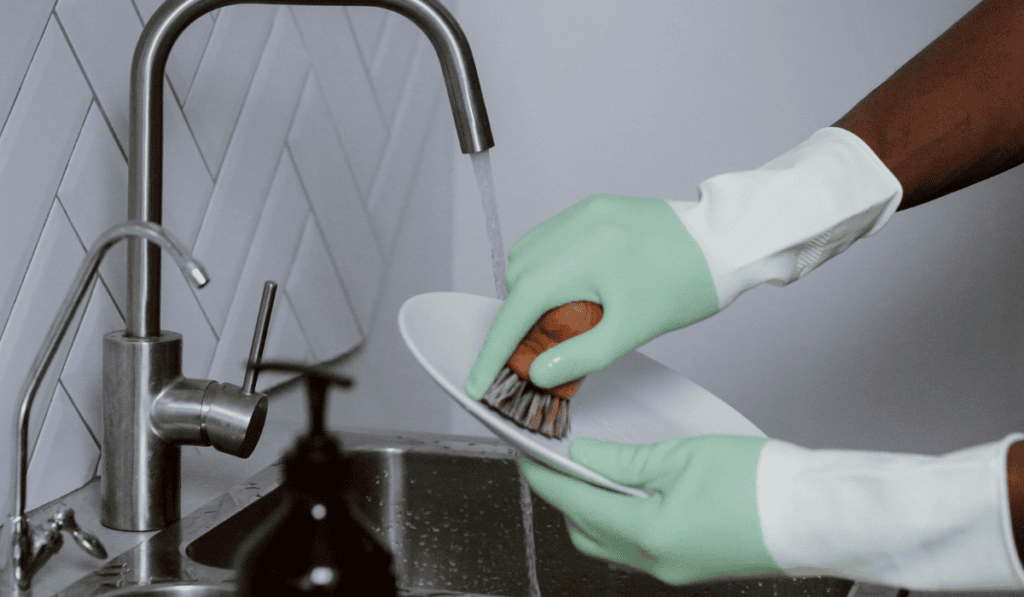
For travelers accustomed to following lengthy checkout instructions, the update offers welcome relief. Under Airbnb’s new house rules and requests policy, hosts generally cannot require guests to complete chores that demand substantial time or effort or would ordinarily be handled by professional cleaners.
What hosts can and cannot request
| Housekeeping | No longer generally allowed | Still reasonable |
| Kitchen | Washing and putting away dishes | Leaving used dishes in the sink |
| Bedroom | Stripping beds or doing laundry | Gathering used towels |
| Garbage | Taking trash off-site | Sorting waste into designated indoor bins |
| Amenities | Prohibiting use of advertised amenities | Turning off air conditioning when leaving |
Source: Airbnb’s official October 2026 policy announcement. Limited exceptions may apply.
As The Guardian reported, the changes follow longstanding complaints from guests who were expected to handle household chores despite paying substantial cleaning fees.
Airbnb will still consider exceptional circumstances. Properties in areas with wildlife concerns, for example, may reasonably require guests to secure garbage in animal-proof containers. Local water restrictions may also justify requests to limit shower times.
When house rules become hospitality headaches
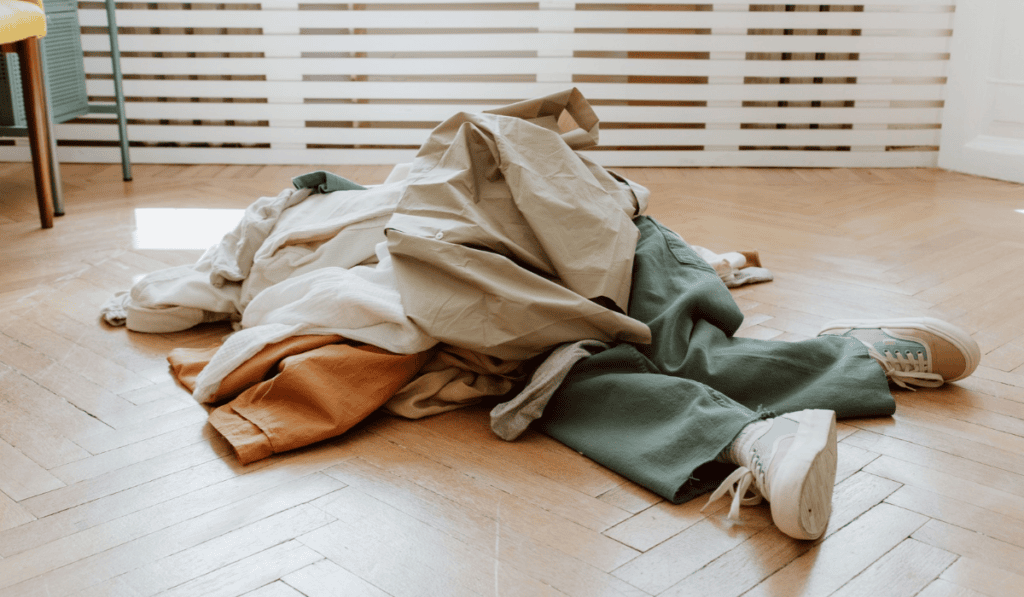
Airbnb’s policy overhaul comes amid growing frustration over hosts imposing excessive demands on paying guests. Social media is filled with complaints about lengthy checkout checklists, including instructions to strip beds, wash sheets, do laundry, and complete household chores despite already paying cleaning fees. As WIRED reported, some hosts have even threatened to raise prices or circumvent the new restrictions, while frustrated travelers have welcomed the changes.
One particularly viral example involves Cassie and Jon, a young couple operating an Airbnb in Georgia, United States, who gained attention for filming detailed post-checkout inspections. According to The Independent, the couple criticized guests for leaving a television remote out of place, moving an ottoman, and leaving leftovers in the refrigerator. In one video, they also rated a family’s stay while pointing out what they considered violations of their house rules. Their meticulous inspections sparked widespread ridicule, with social media users questioning whether guests were expected to leave a vacation rental looking completely untouched.
The controversy illustrates the frustration Airbnb’s new rules aim to address. While hosts have every right to protect their properties, paying guests shouldn’t be expected to perform professional housekeeping duties or restore every household item to picture-perfect placement. A vacation rental, after all, is meant to be lived in—not treated like a showroom.
Cleaning fees aren’t disappearing
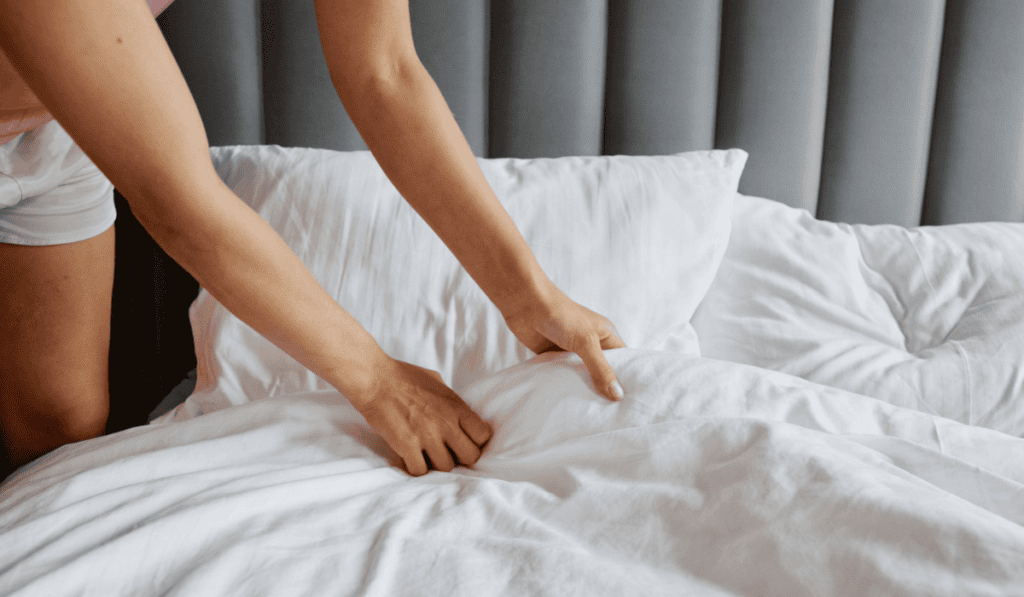
While the revised policy removes some of the more demanding checkout responsibilities, it doesn’t eliminate cleaning fees.
Hosts can continue charging for routine cleaning between reservations, leaving travelers responsible for checking the total accommodation cost before confirming their stay. The update instead addresses a persistent point of friction: paying for housekeeping while being expected to perform a significant portion of it.
As covered by USA TODAY, the distinction between basic tidiness and professional cleaning is central to the changes.
Guests, however, aren’t receiving permission to leave properties in disarray. Airbnb’s ground rules for guests continue to require travelers to respect their accommodations and avoid damage or conditions requiring excessive cleaning. Additional costs may still apply for damage or unexpected cleaning beyond normal use.
In short, guests should leave a property reasonably tidy, but they shouldn’t be expected to prepare it for the next arrival.
No more surprise rules after booking

Another significant change concerns transparency. Airbnb now requires hosts to disclose their house rules and additional requests in a designated section of the listing before a guest makes a reservation.
The platform has standardized house rules into seven categories, including overnight guest limits, quiet hours, events, pets, smoking, commercial photography, and locking up at checkout. Hosts may add reasonable property-specific requests, but they cannot introduce new requirements through private messages, printed signs, or verbal instructions after booking.

According to Airbnb’s official announcement, these requirements will also be easier to find in the Trips tab and reservation reminders.
Hosts who submit requests that violate the new policy will receive notifications and guidance on making corrections. Airbnb may also display warnings on listings with unresolved issues, helping travelers identify potentially demanding properties before reserving them.
A hospitality reset, but not without resistance

The changes have also sparked concerns among property owners, some of whom argue that additional cleaning responsibilities could translate into higher operating expenses.
As ABC News Australia reported, several hosts have criticized the restrictions, warning that smaller operators may struggle to absorb the additional workload. Some have suggested raising accommodation prices to compensate for cleaning costs.
The tension reflects a broader question about the short-term rental experience: how much responsibility should fall on travelers who are already paying for accommodation?
For guests, Airbnb’s updated rules offer clearer expectations and fewer last-minute surprises. For hosts, they establish firmer boundaries between reasonable requests and routine housekeeping.
Ultimately, the policy doesn’t promise cheaper stays or entirely chore-free checkouts. It does, however, reinforce a fundamental principle of hospitality: guests should be responsible for respecting a property, not preparing it for the next paying customer.
Related story: Airbnb list: Las Piñas as a top domestic holiday destination might make sense
Related story: Airbnb releases first-ever Creative Guide to Bangkok ahead of Songkran